
Ask someone who has lived with cats for a decade or two, and you’ll hear a certain kind of calm. It isn’t carelessness. It comes from years of watching the same odd behaviors turn out to be ordinary.
New owners often fret over things that experienced ones have learned to read differently. Veterinary guidance supports a good deal of that relaxed attitude, though a few of these habits still deserve a watchful eye.
The 3 A.M. Zoomies
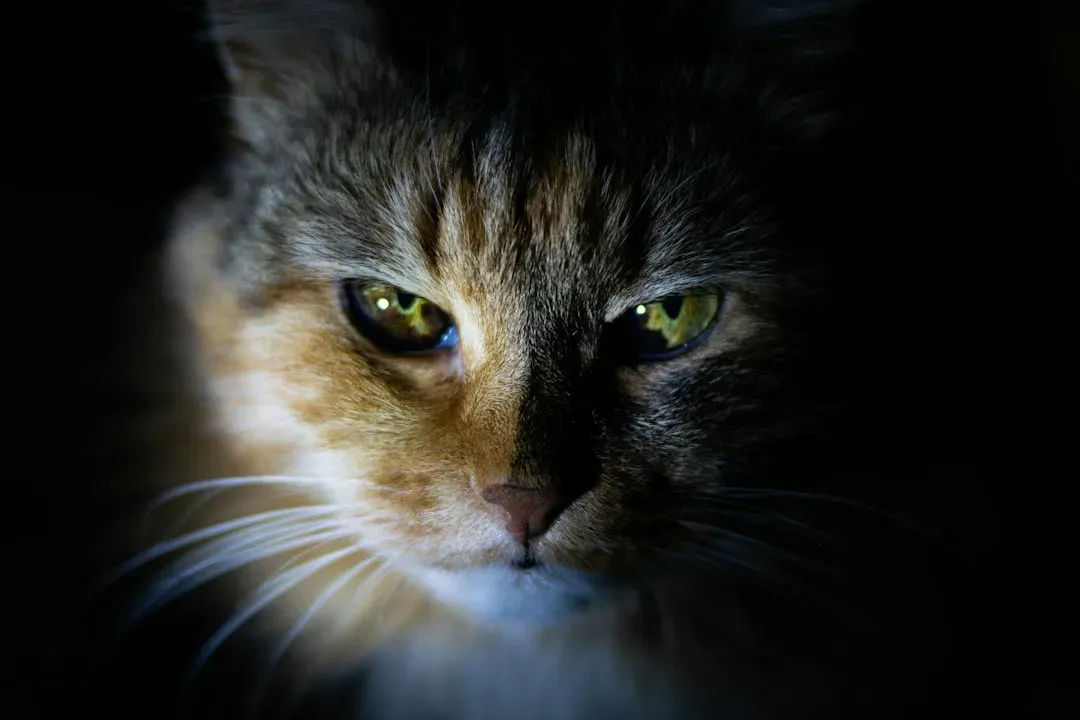
Cats are crepuscular by nature, meaning they’re most active around dawn and dusk. A sudden sprint down the hallway in the middle of the night is usually leftover hunting energy rather than a problem. Longtime owners learn to roll over and let it pass.
Play before bed tends to help, since a tired cat is a quieter cat. A short session with a wand toy and a small evening meal often shifts the pattern. If the nighttime restlessness is new in an older cat, though, it’s worth mentioning to a vet.
Hairballs, Within Reason
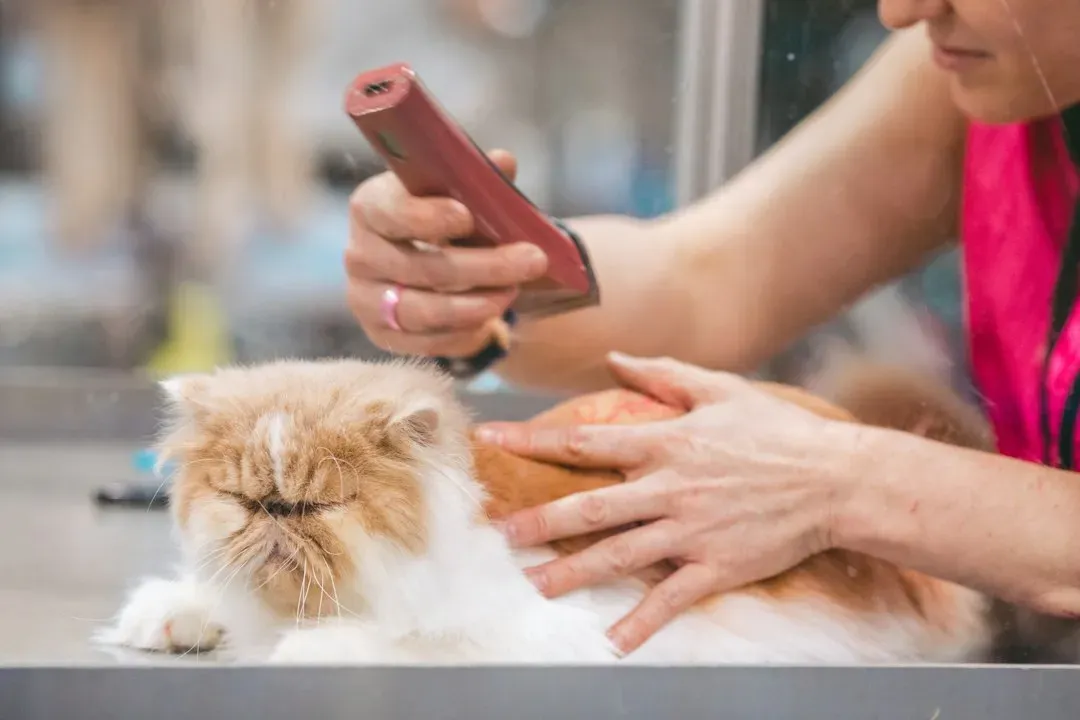
An occasional hairball is a normal part of grooming. Cats swallow loose fur as they clean themselves, and some of it comes back up. Experienced owners stop panicking over the sound and start keeping a towel handy.
Frequent vomiting is a different story. Veterinary sources generally advise that hairballs more than now and then, or repeated unproductive retching, should be checked out. Regular brushing is the simplest way to cut down on the whole business.
Knocking Things Off Tables
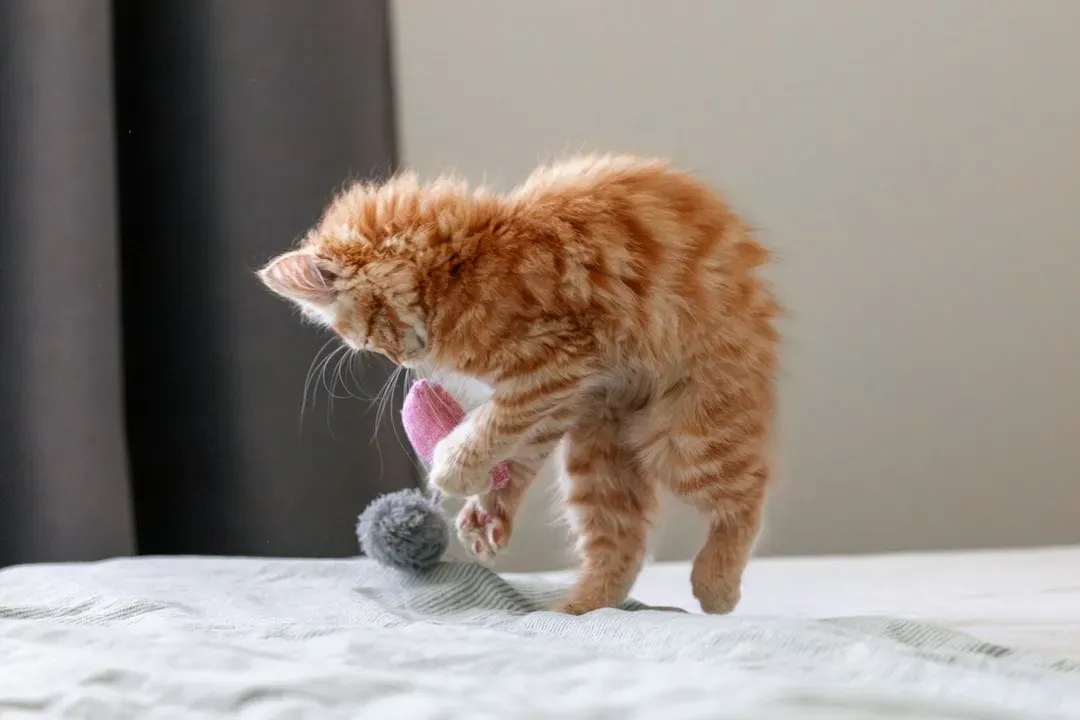
It looks like deliberate mischief, and in a sense it is. Cats explore objects with their paws, and a falling item gets a satisfying reaction from the humans nearby. Long-timers simply stop leaving glasses near the edge.
Trying to punish the habit rarely works. Moving fragile things, offering puzzle feeders, and giving the cat something safe to bat around usually does more. Over time, owners accept it as a quirk of the species.
Whether the Cat Actually Likes Them
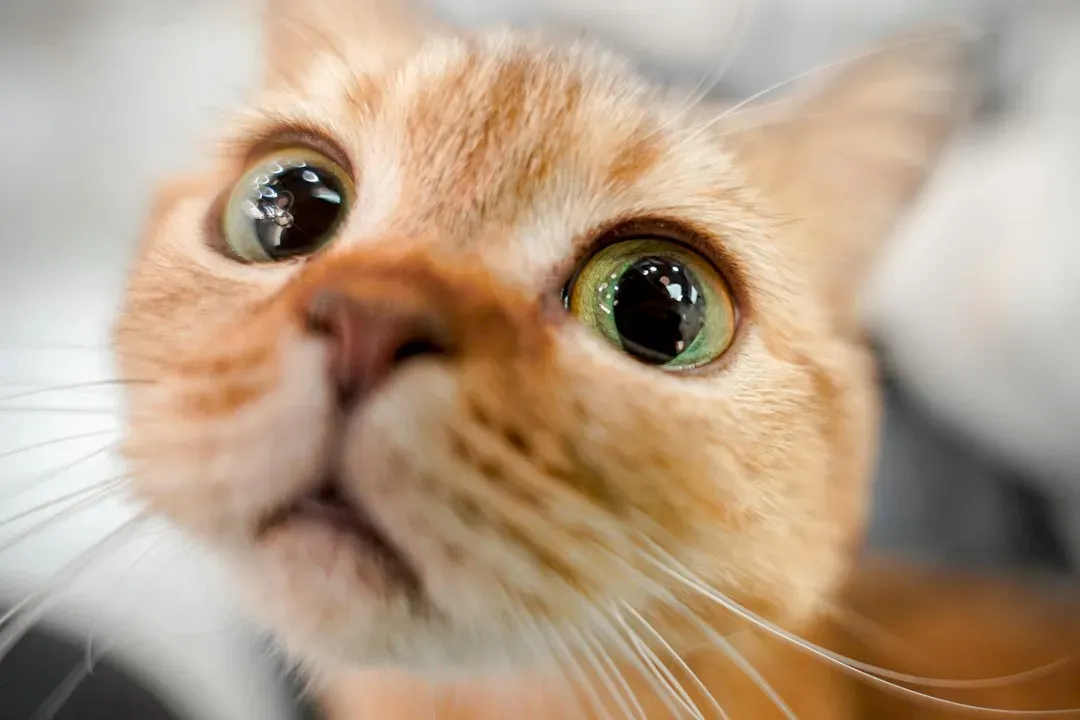
Many new owners wonder if their cat’s aloofness means dislike. Years in, they know that cats show affection quietly, through slow blinks, sitting nearby, or head bunts. Research from the University of Sussex, published in Scientific Reports in 2020, found that slow blinking between humans and cats can encourage friendlier interactions.
So the lack of lap time stops feeling personal. Bonds look different from cat to cat, and some simply prefer the next cushion over. Experienced owners learn to take the affection offered in whatever form it arrives.
Scratching, As Long as There’s a Post
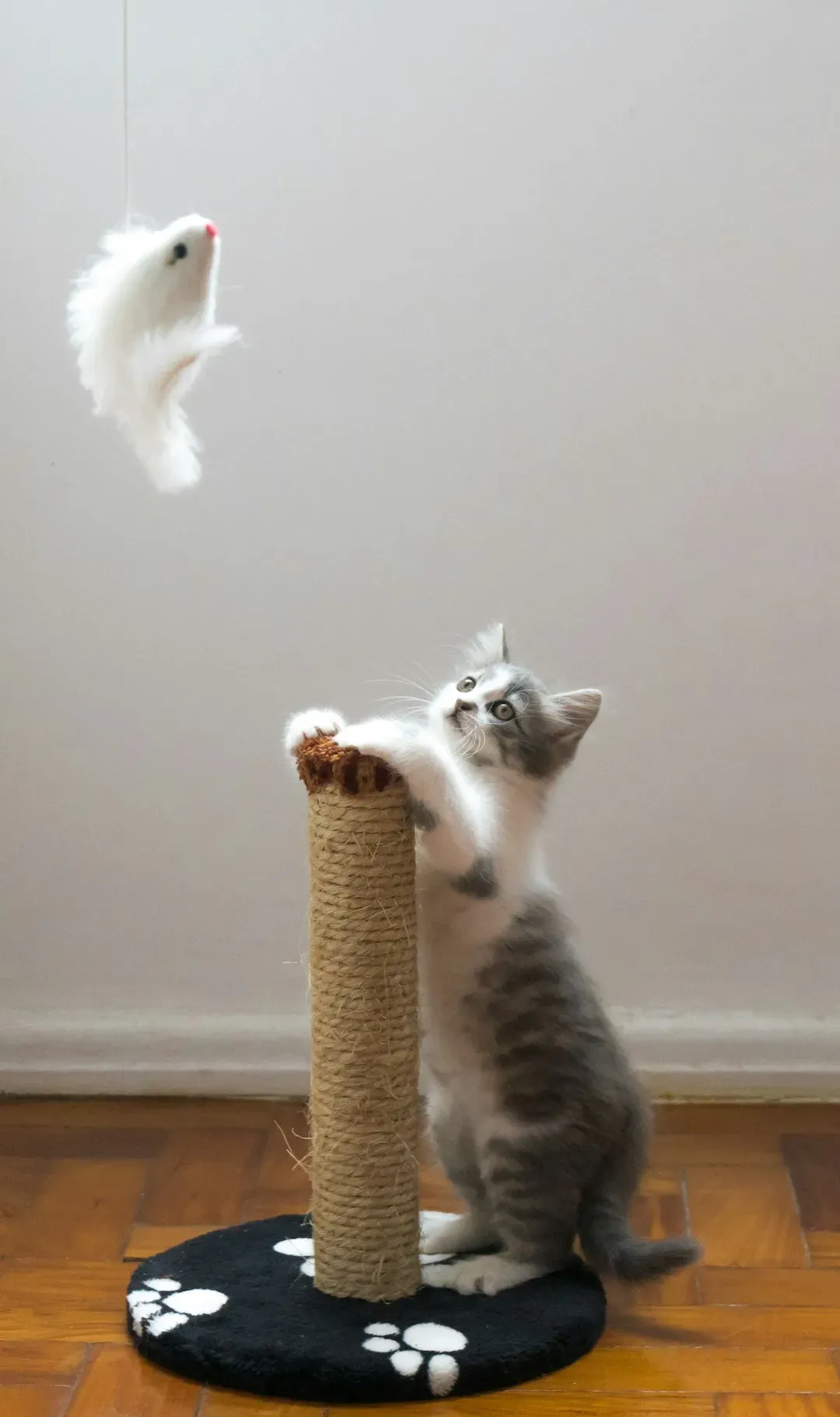
Scratching isn’t spite. It stretches muscles, marks territory with scent glands in the paws, and helps shed worn outer claw sheaths. Longtime owners stop treating it as bad behavior and focus on where it happens.
A sturdy, tall scratching post placed near where the cat already scratches usually solves most of the trouble. Many veterinary and welfare groups, including the American Veterinary Medical Association, discourage declawing, which is a surgical amputation of the last bone of each toe. Redirecting works better, and it’s kinder.
Eating Only Part of a Meal
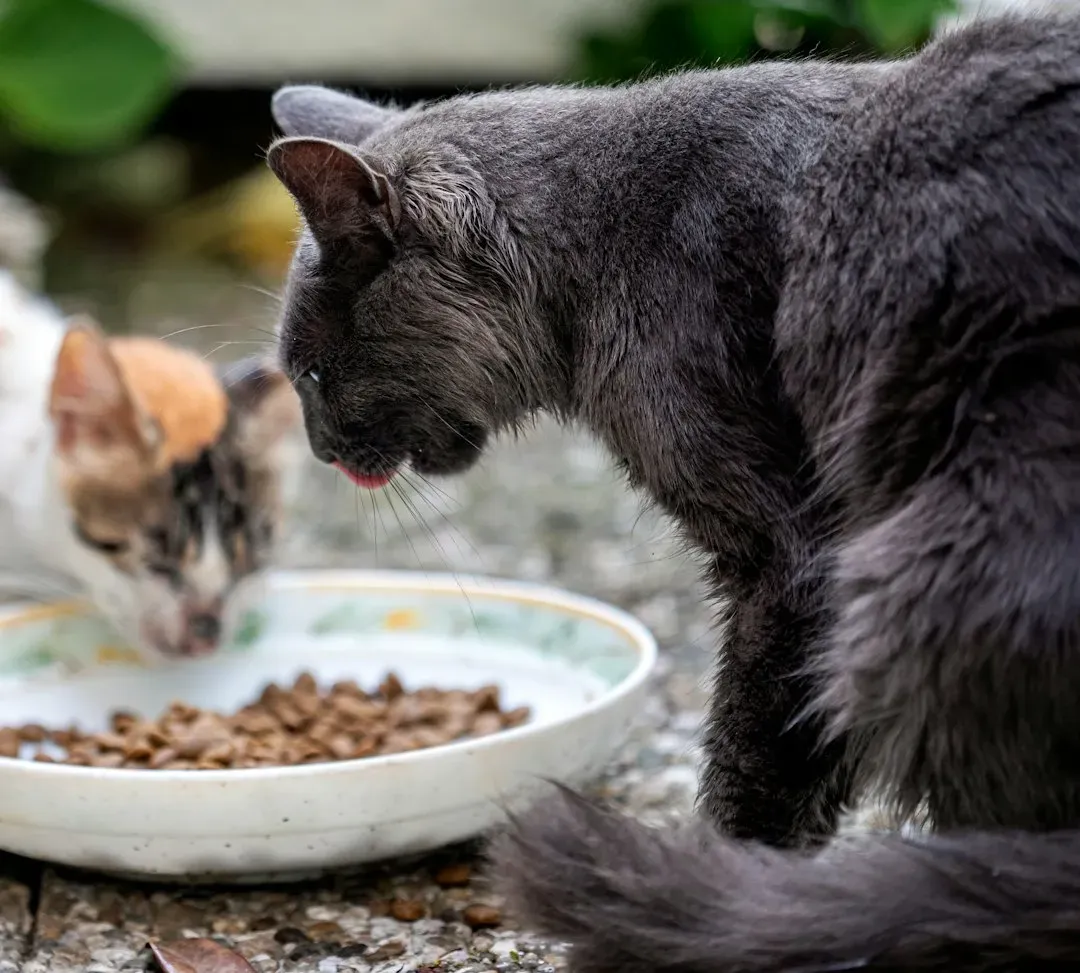
Cats often graze, taking small portions across the day, which mirrors how they’d eat many small prey animals in the wild. A bowl that isn’t finished at once rarely signals trouble. Owners with some years behind them know their cat’s usual rhythm.
What matters is a change. A cat that stops eating for more than a day or so should see a vet, since cats can develop serious liver problems when they go without food. Short of that, a picky afternoon is just a picky afternoon.
The Occasional Vet Visit Stress
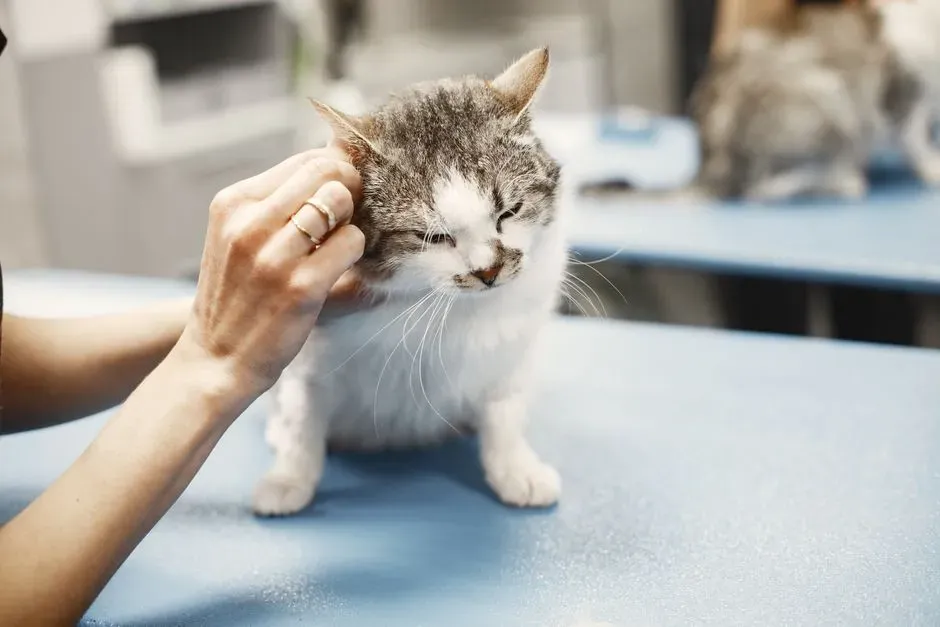
Carriers, car rides, and clinic smells make many cats miserable. Seasoned owners worry less because they’ve found ways to make it manageable. Leaving the carrier out at home so it becomes familiar is a common recommendation from cat-friendly practice programs.
Skipping checkups isn’t the lesson here. Annual exams, and more frequent ones for seniors, catch problems like kidney disease and dental trouble early. The stress is real but temporary, and experienced owners accept the trade.
Indoor Life Being Enough
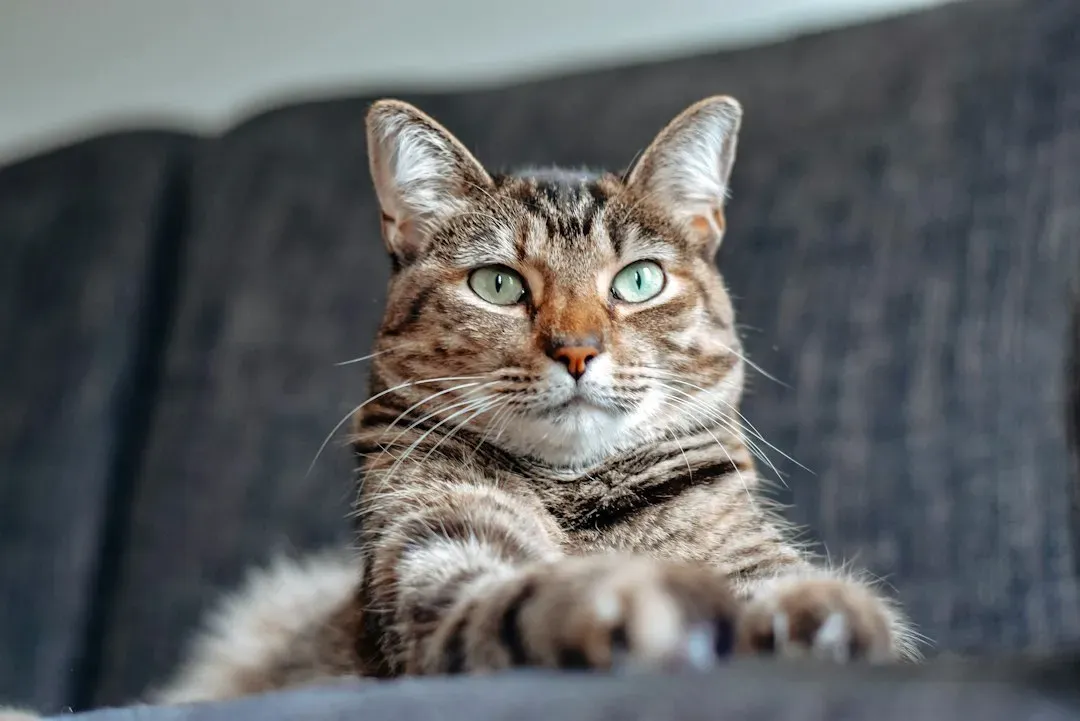
Early on, people fear an indoor cat is bored or deprived. Over time they see that a well-set-up home can meet a cat’s needs. Window perches, vertical space, hiding spots, and regular play go a long way, and the American Association of Feline Practitioners stresses environmental enrichment as part of good care.
Indoor cats also avoid hazards like traffic, fights, and some infectious diseases. Longtime owners stop feeling guilty about the closed door. They put their effort into making the inside interesting instead.

Leave a Reply