
Airports have a way of lulling people into a false sense of security. You check in, you find a seat near your gate, and everything feels under control right up until the moment it isn’t. The strange part is that most people who miss their flights don’t do one dramatic thing wrong. They do a handful of small, ordinary things that quietly add up.
Airline staff and frequent flyers tend to notice the same patterns over and over. There’s a particular kind of behavior that shows up right before someone sprints to a gate that’s already closing. Here are eight of the most common ones, the kind of habits that feel harmless in the moment but are often the first sign that a flight is about to be missed.
1. Treating the boarding time as the departure time
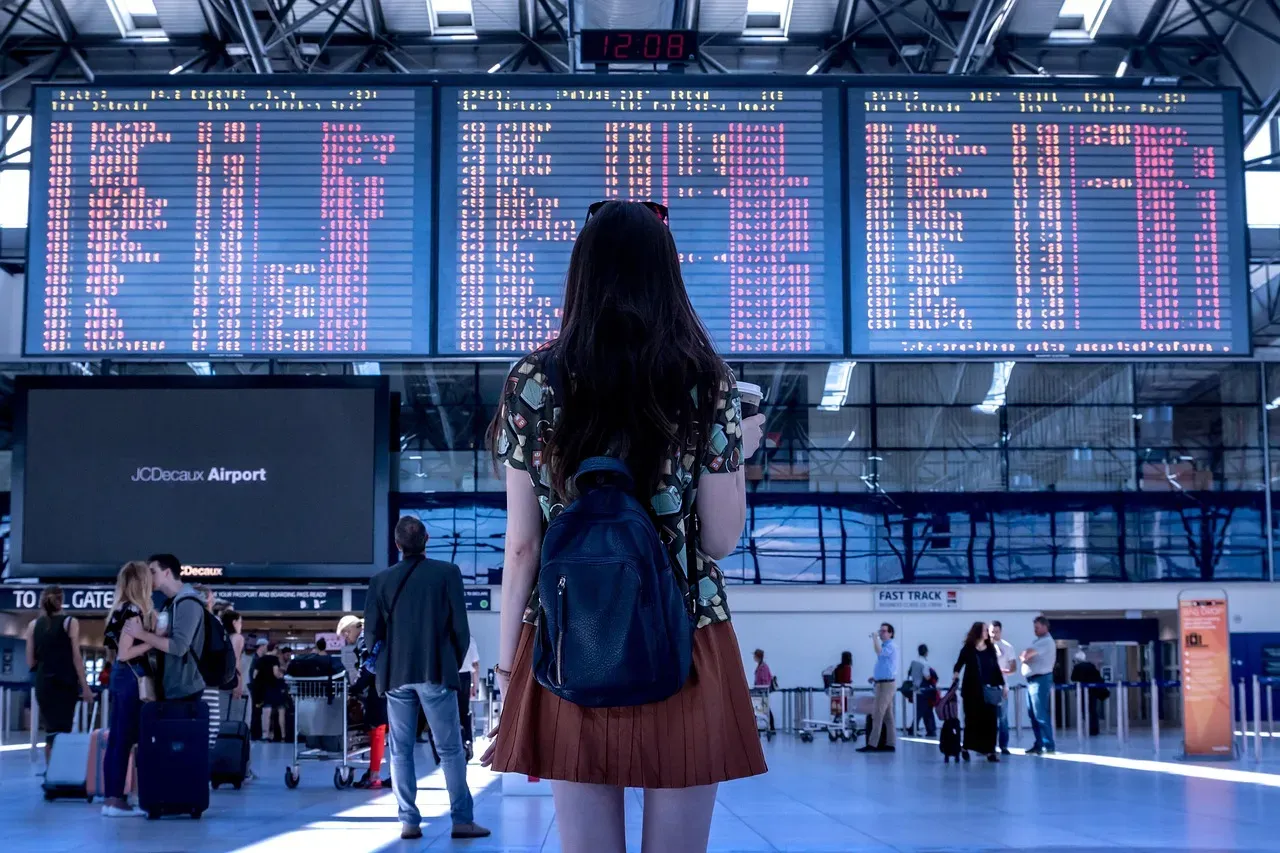
A lot of travelers glance at their ticket, see a departure time, and mentally set that as their deadline. What they miss is that boarding usually starts thirty to forty five minutes earlier, and the actual departure time is when the aircraft is supposed to push back from the gate, not when passengers are supposed to arrive. By the time someone realizes boarding has already started, they’ve lost the buffer they thought they had.
This mix up is especially common with people who fly infrequently or who are used to train schedules, where the listed time is closer to when you actually need to be there. Airlines rely on that earlier boarding window to load bags, settle seating, and handle any last minute issues. Confusing the two numbers is one of the quietest ways a tight schedule turns into a missed flight.
2. Underestimating security line times at unfamiliar airports
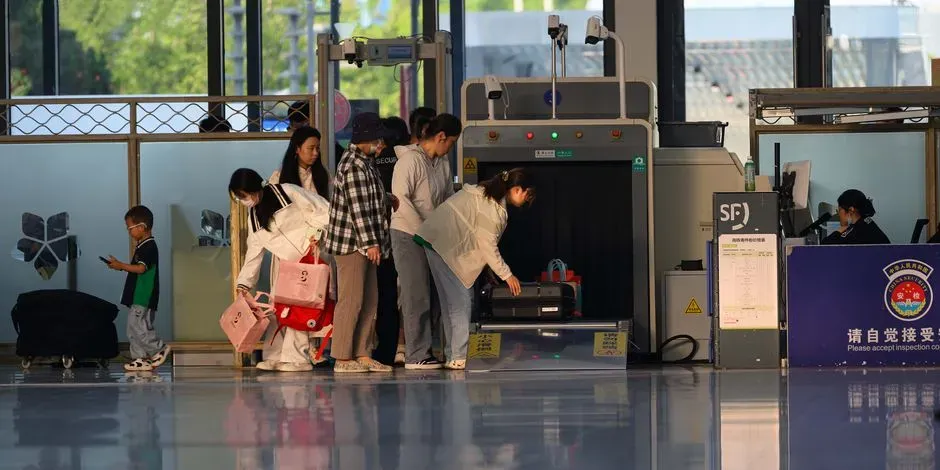
Frequent travelers develop a rough sense of how long security takes at their home airport, and they unconsciously apply that same number everywhere else. The problem is that security wait times vary enormously depending on the airport, the time of day, and even the season. A checkpoint that takes ten minutes on a Tuesday morning can take forty five minutes during a holiday weekend or a large connecting bank of flights.
Larger international hubs in particular can have security processes that look nothing like a smaller regional airport. Extra document checks, additional screening for certain routes, or simply higher passenger volume can eat up time nobody planned for. People who assume “security is quick” without checking current wait times are often the ones cutting things closer than they realize.
3. Losing track of time while eating or shopping near the gate
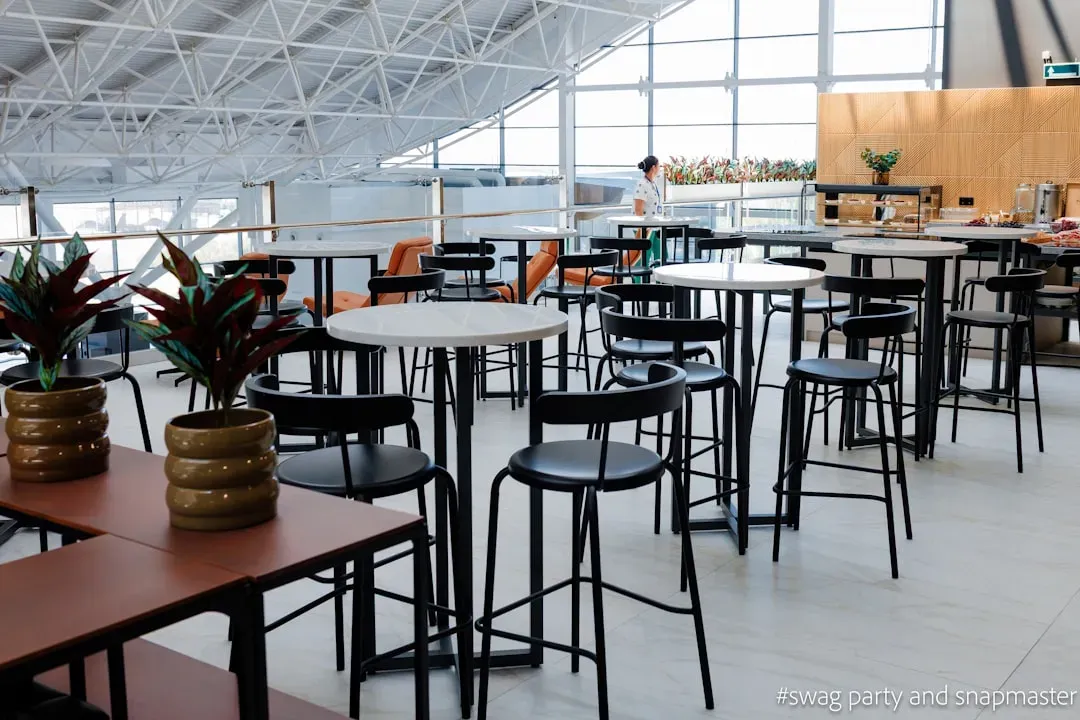
Airport terminals are designed, quite intentionally, to keep people occupied. Restaurants, duty free shops, and lounges are placed right in the flow of foot traffic, and it’s easy to sit down for a quick meal or browse a shop and lose fifteen or twenty minutes without noticing. Time moves differently in an environment with no natural markers like traffic lights or familiar landmarks.
This becomes riskier when someone is seated at a restaurant that isn’t visible from their actual gate, or when they’ve silenced their phone and stopped watching for gate announcements. A short stop for coffee can turn into missing the first boarding call, and that first call is often the only one many airlines make audible over the general terminal noise.
4. Not accounting for terminal distance and transit time
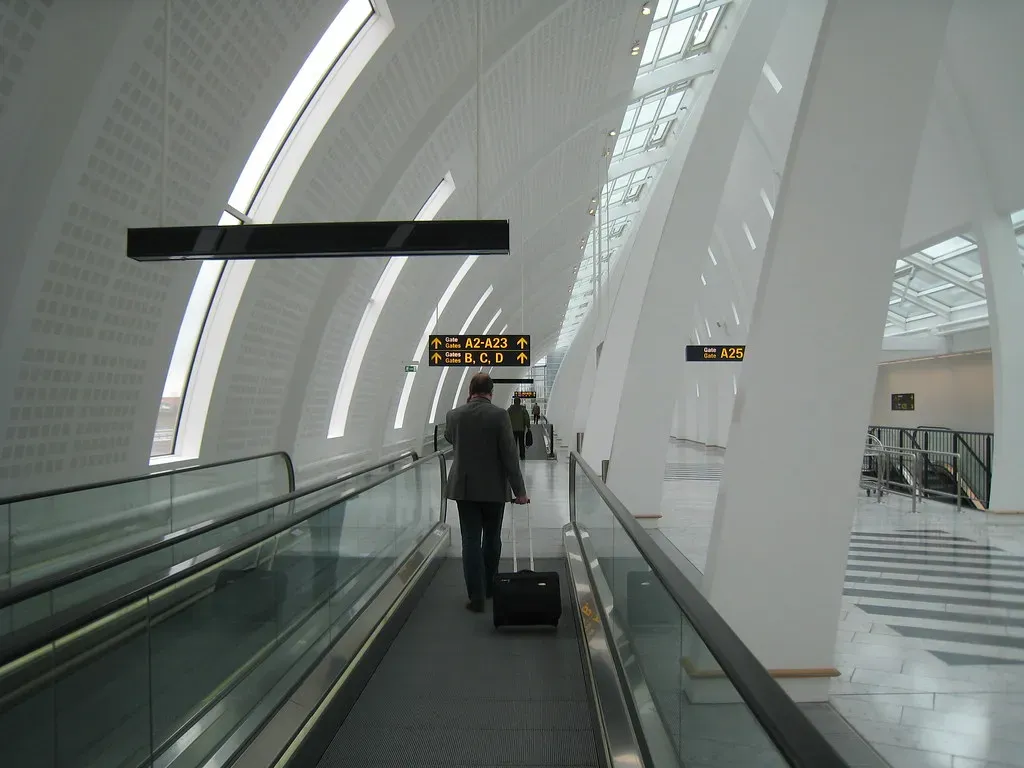
Big airports are physically enormous, and the distance from security to a gate can sometimes take fifteen to twenty minutes of walking or require a train transfer between terminals. Someone who plans their arrival based on a general sense of “I’ll get there with time to spare” often doesn’t factor in that their gate might be at the far end of a satellite terminal. This is especially true at airports with multiple concourses connected by shuttle trains, where missing one shuttle can mean a ten minute wait for the next.
Travelers unfamiliar with a specific airport’s layout are the most likely to underestimate this. What looks like a short walk on an airport map can be a genuine trek in practice, particularly for anyone traveling with young children, mobility issues, or heavy luggage. The gap between “I have time” and “I’m cutting it close” often comes down entirely to how far the gate turned out to be.
5. Ignoring early signs of a flight delay or gate change
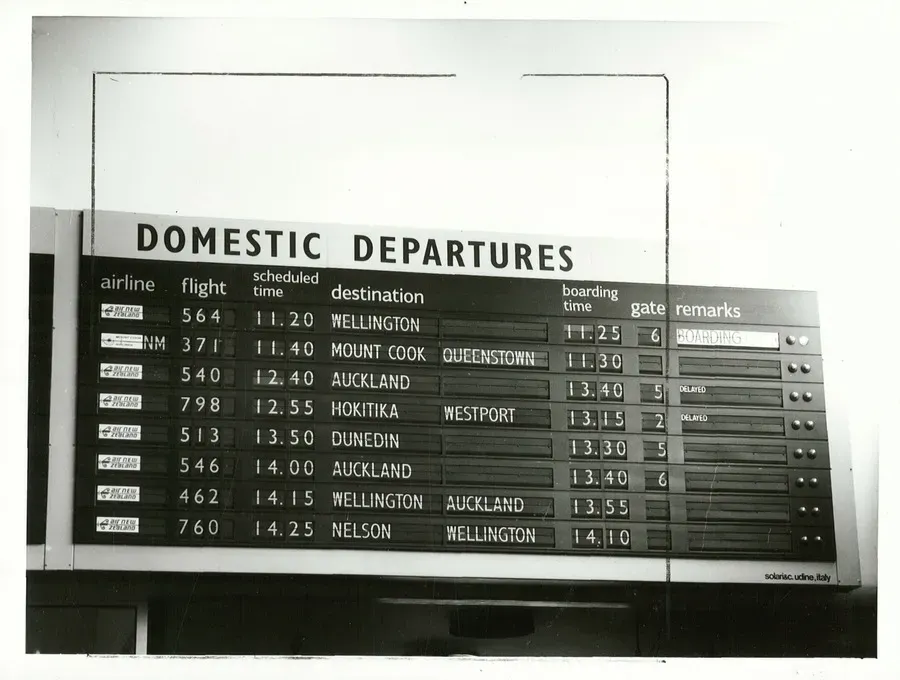
When a departure gets pushed back by fifteen or twenty minutes, some travelers relax rather than staying alert, assuming the extra time is a guaranteed cushion. What often happens next is that the airline makes up time elsewhere, boarding starts earlier than expected, or the gate changes entirely while the passenger is distracted elsewhere in the terminal. A short delay doesn’t automatically mean a longer window to relax.
Gate changes are also easy to miss if someone isn’t actively checking the airport’s departure boards or their airline’s mobile app. Overhead announcements can be hard to hear in a noisy terminal, and by the time someone checks their phone again, the new gate might be a considerable walk away. Relying on a single early glance at the screen, then tuning out, is a common and quietly dangerous habit.
6. Cutting the check in or bag drop deadline too close
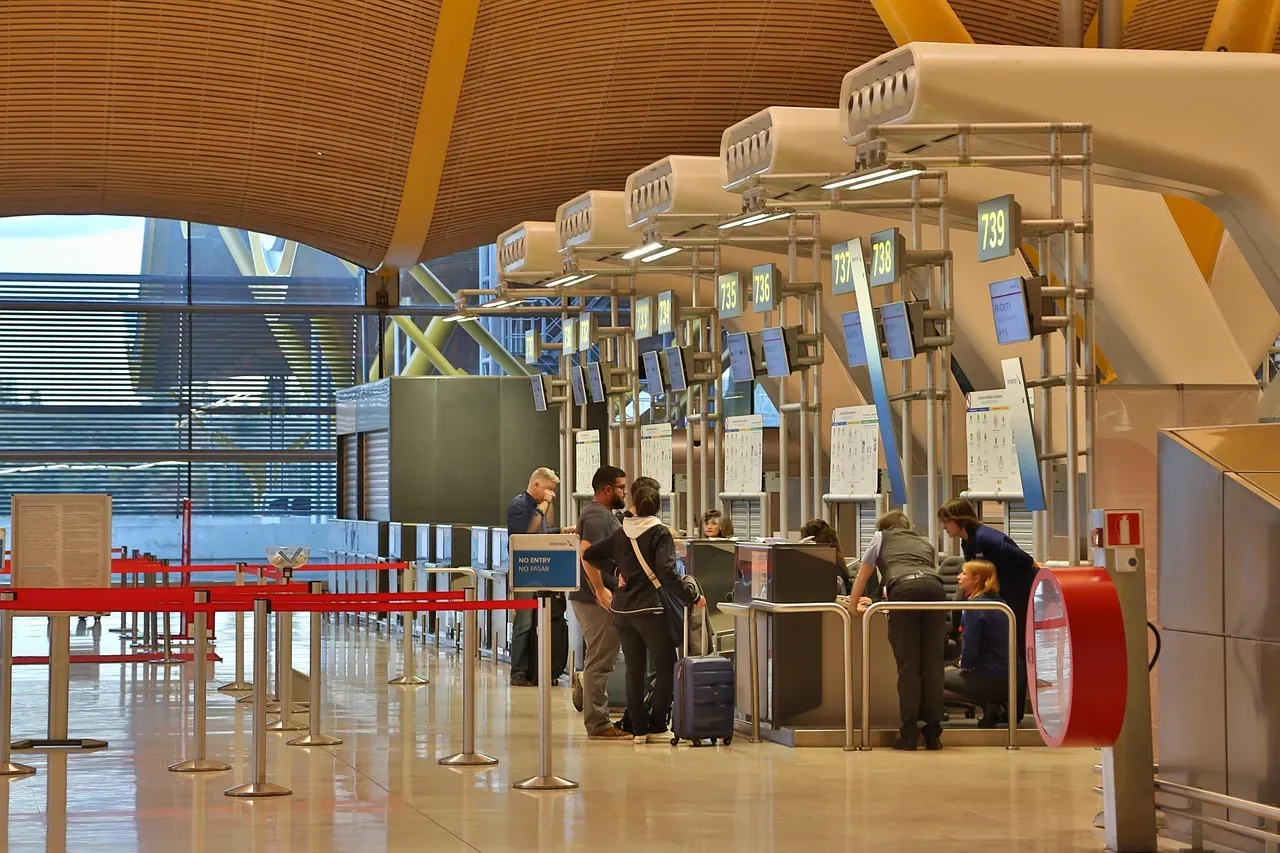
Airlines typically close bag check counters between thirty and forty five minutes before departure for domestic flights, and often longer for international routes. Someone who arrives at the airport thinking they have “plenty of time” based on the departure clock alone can be surprised to find the bag drop counter already closed, especially during peak travel periods. Once that cutoff passes, there’s often no flexibility, regardless of how much time is technically left before the plane leaves.
This is particularly common with travelers who are used to flying with only a carry on and suddenly need to check a bag, whether because of a size restriction or a last minute change in luggage. They apply their usual mental math without accounting for the extra step, and that single oversight is enough to turn a comfortable arrival time into a missed flight.
7. Assuming TSA PreCheck or Clear will always save time
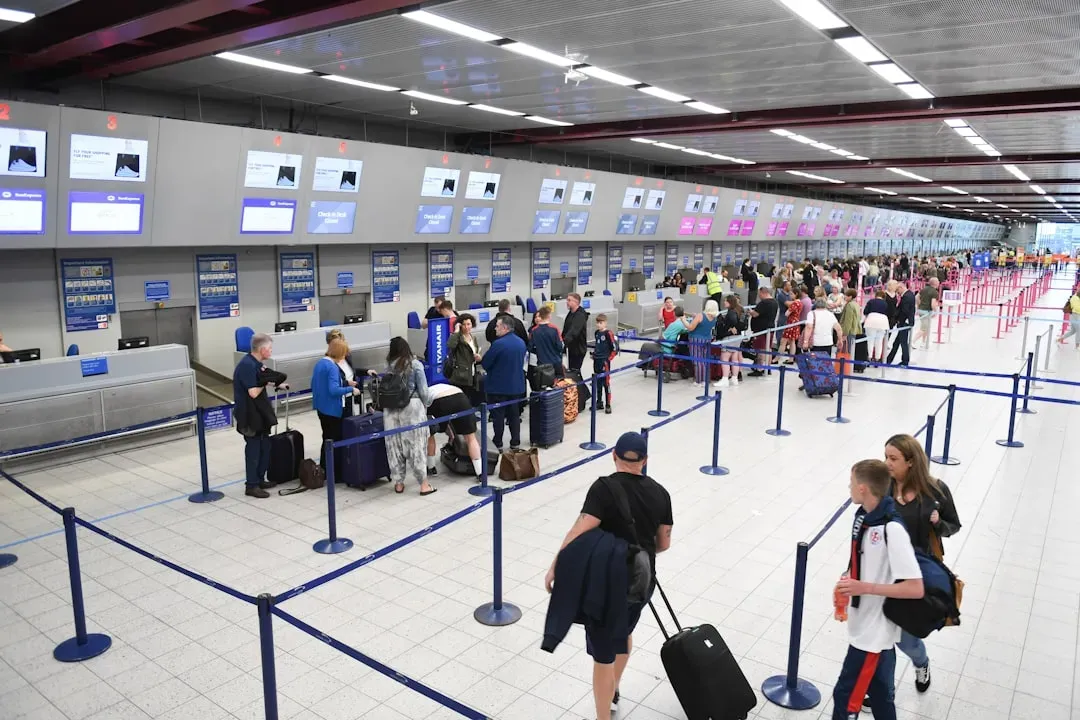
Expedited screening programs genuinely do speed things up most of the time, and that’s exactly why some travelers stop budgeting extra time altogether once they’ve enrolled. The trouble is that these lanes aren’t immune to slowdowns during unusually busy periods, staffing shortages, or when a particular airport’s expedited lane is temporarily closed for maintenance or reduced hours. Relying on a program to always work perfectly removes the built in caution that used to make people arrive earlier.
There’s also a version of this where travelers assume their status will get them through security regardless of how late they’ve arrived, so they linger at home or in the car a bit longer than they should. When the lane turns out to be closed, slow, or unexpectedly crowded, that lost cushion is gone, and there’s no backup plan left.
8. Trusting a rideshare or parking estimate without a buffer
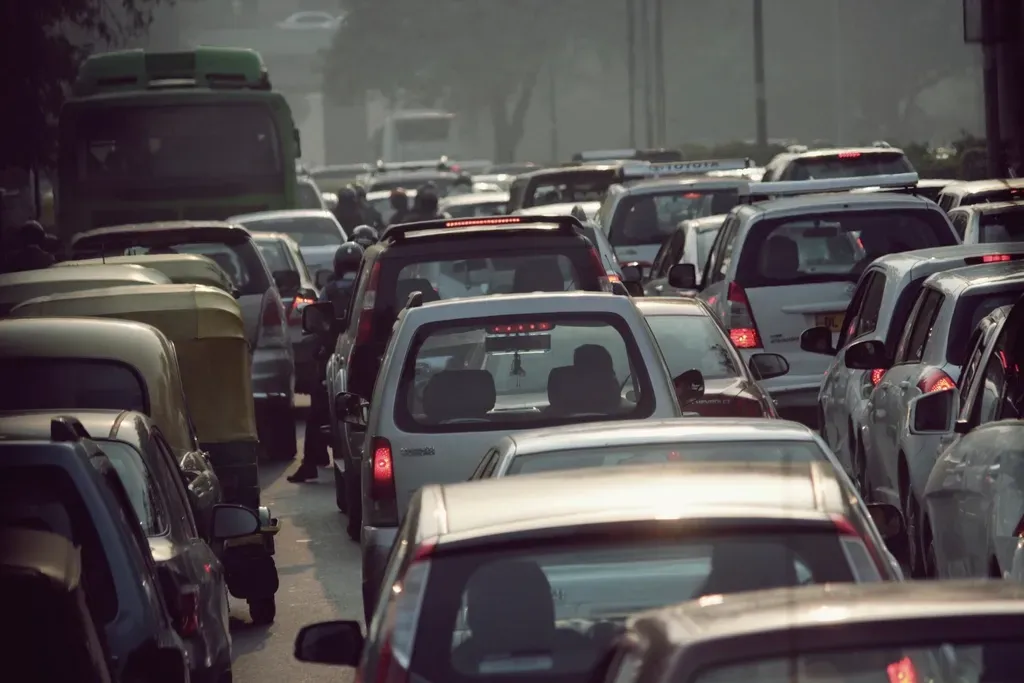
Rideshare apps and parking garage estimates are useful, but they’re built on average conditions, not the specific traffic, weather, or event happening that day. Someone who books a ride for “exactly enough time” based on an app’s estimate is depending on everything going right, from traffic patterns to driver availability to finding a parking spot on the first pass. Airport curbside traffic during peak departure windows, especially early morning and late afternoon, is notoriously unpredictable.
Parking garages fill up faster than expected during holidays or major travel weekends, sometimes forcing drivers to circle for a spot or get redirected to overflow lots farther from the terminal. A ride that was supposed to take twenty minutes can stretch to forty, and that gap is often the exact amount of time someone needed to make their flight. Building in even a small buffer beyond the app’s estimate tends to be the difference between a calm arrival and a frantic one.




Leave a Reply