
Dating has always evolved with technology and culture, but the pace of change over the last few years feels different. Swiping fatigue, ghosting burnout, and a growing hunger for real conversation have pushed daters, especially younger ones, to rethink habits that felt normal just a couple of years ago. So I asked ChatGPT to weigh in on which dating behaviors are most likely to fade out first, then checked those predictions against current research and reporting to see how well they hold up.
What came back wasn’t a list of wild guesses. It lined up surprisingly well with what dating apps, researchers, and reporters have been documenting throughout 2025 and into 2026. Here are the eight habits that seem to be on their way out, and the evidence behind why.
1. Endless Swiping Without Intent
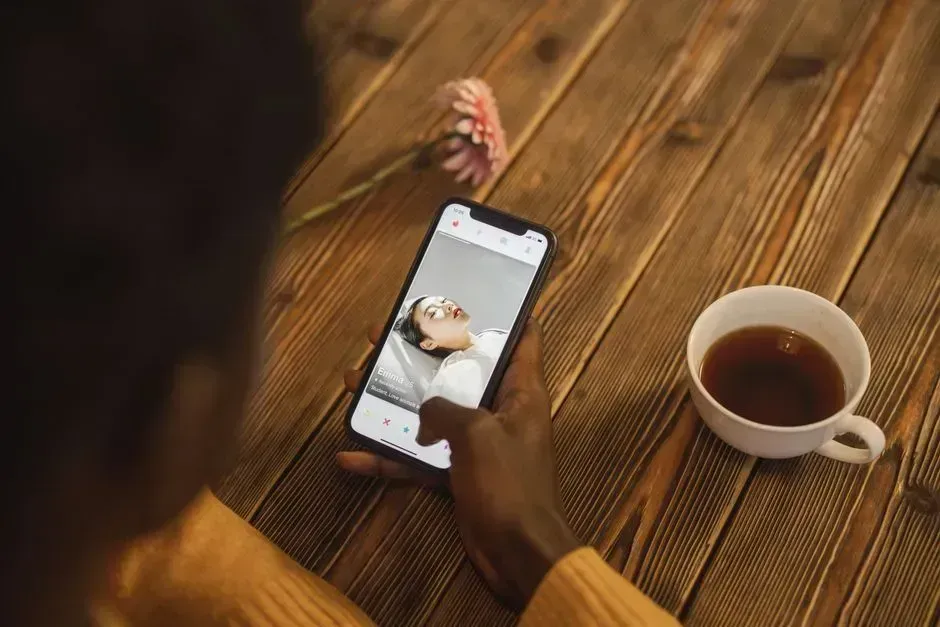
The days of mindlessly swiping through hundreds of profiles a week appear to be losing their appeal. Swiping fatigue is on the rise, and platforms like Tinder and Bumble are feeling pressure to engage a generation that’s longing for app-free connections. That shift isn’t just anecdotal chatter from tired daters either.
The financial numbers back it up. Match Group, the company that owns Tinder, Hinge and OkCupid, recently reported drops in the total number of paying users across its platforms, and Bumble has also lost subscribers. When people stop paying to swipe, it’s a strong signal that the habit itself is losing its grip.
2. Casual Ghosting as a Default Exit
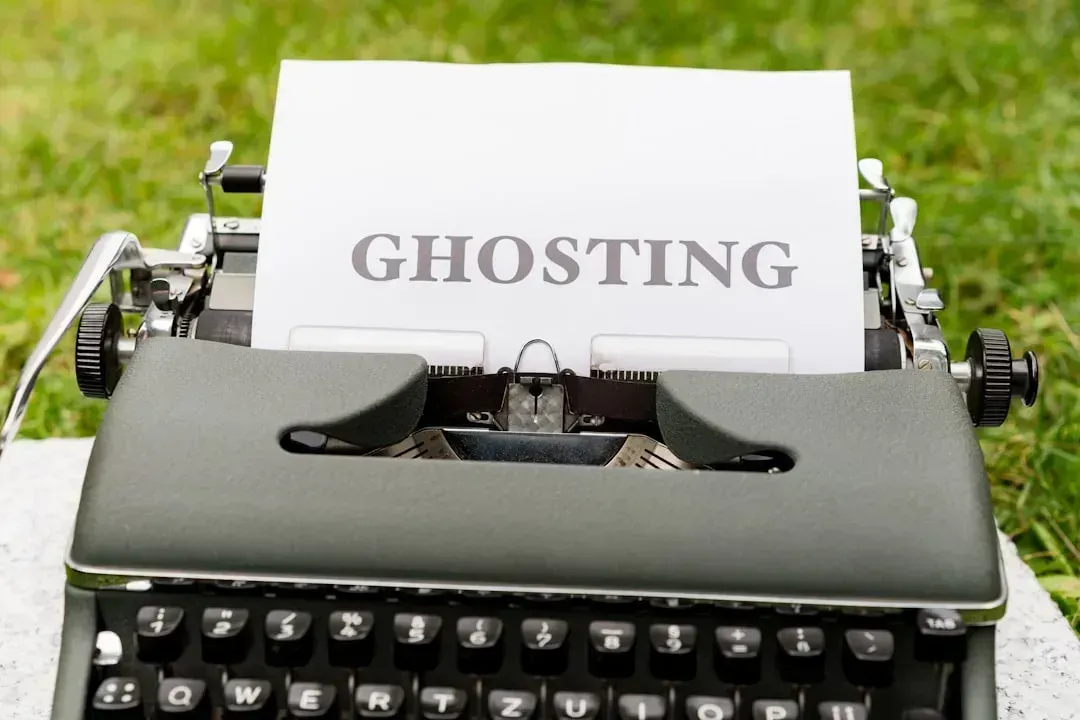
Ghosting has been a fixture of app culture for years, but there are signs the tolerance for it is wearing thin. Researchers studying dating burnout note that apps make disappearing on someone easier, yet users increasingly frame it as a symptom of exhaustion rather than an acceptable norm. One dating researcher observed that apps make ghosting a little easier, but that platforms cannot force anyone to message every match, and the resulting burnout may come from dating overall rather than the apps themselves.
Younger daters, in particular, seem more sensitive to the sting of being ghosted than previous generations were. Gen-Z daters may have a harder time putting themselves in the vulnerable position online of seeking partnership only to get passed over or ghosted. That heightened sensitivity is part of why so many are stepping away from app culture altogether rather than continuing to absorb the silence.
3. Treating Apps as the Only Way to Meet Someone
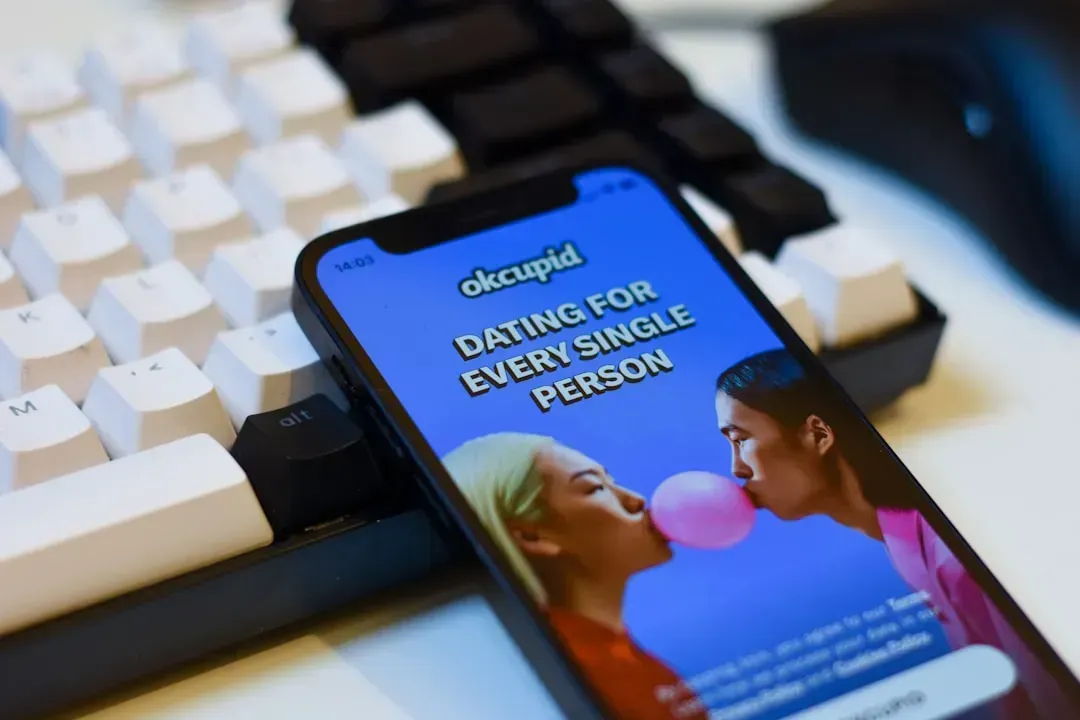
For roughly a decade, dating apps were treated as the default starting point for romance. That assumption is cracking. Gen Z and Millennials have always made up a higher rate of dating app users overall, but they’re the ones starting to drop off, with more people turning to in-person options instead.
Interestingly, the pullback isn’t really about giving up on dating itself. If you decide to pay for a speed dating event, you are at least guaranteed face time with people, whereas paying on a dating app doesn’t guarantee a match. That trade-off is nudging people back toward book clubs, trivia nights, hobby groups, and other settings where connection happens without a screen in the middle.
4. Vague, Undefined Situationships
The ambiguous, label-free arrangement known as the situationship has been a defining feature of modern dating, but there’s growing evidence that people are tired of the confusion it creates. The situationship, a romantic arrangement without a clear label or commitment, has become a default for many young people, usually preceded by an extended texting period called the talking stage; both patterns let daters avoid the risk of defining things, but they also leave many stuck and unsure how to move forward.
That stuck feeling is exactly why more daters, especially on platforms like Hinge, are pushing for clearer communication earlier on. The appetite for ambiguity seems to be shrinking even if the habit hasn’t disappeared entirely yet.
5. Avoiding Deep Conversation Early On

Small talk and surface-level exchanges have long been the safe default for early dating conversations, but that norm is being challenged from within the dating pool itself. Hinge’s 2025 Gen Z D.A.T.E. Report reveals that 84% of Gen Z Hinge daters are seeking new ways to build emotional intimacy, even as hesitation, gendered expectations, and a lack of meaningful questions on dates hold them back.
The gap between wanting depth and actually initiating it is real, but it’s narrowing. Survey data suggests that while more than 60% of young daters believe they ask thoughtful questions on a first date, less than 30% feel that their partner does the same. As that mismatch gets more attention, the habit of playing it safe with shallow small talk looks increasingly likely to fade.
6. Rigid Labels Around Identity and Attraction

Strict categories for defining who someone is or who they’re attracted to are loosening, particularly among younger and LGBTQIA+ daters. A growing wave of label fatigue reflects frustration with the pressure to define oneself in fixed terms, with daters prioritizing chemistry, emotional connection, and shared energy over rigid identity categories.
This isn’t a fringe sentiment either. The research found a growing wave of label fatigue, with more daters exploring a label-fluid approach that allows for evolution, curiosity, and connection without requiring a perfect definition upfront. As that mindset spreads, the old habit of needing a tidy label before pursuing a connection looks increasingly outdated.
7. Prioritizing Income Over Effort in Partners

The old dating script that placed a partner’s earning potential above almost everything else is losing ground, especially among women who’ve made significant gains in education and career independence. As women continue making strides in education, career growth, and financial independence, their dating standards are shifting, and a majority of women on Hinge now care more about a potential partner putting in effort than having a higher income than them.
That’s a meaningful cultural shift. When financial independence becomes more common, the calculus around what makes someone a good partner naturally moves away from a paycheck and toward things like reliability, communication, and shown effort. That’s a habit unlikely to snap back anytime soon.
8. Staying Passive and Waiting to Be Approached in Apps
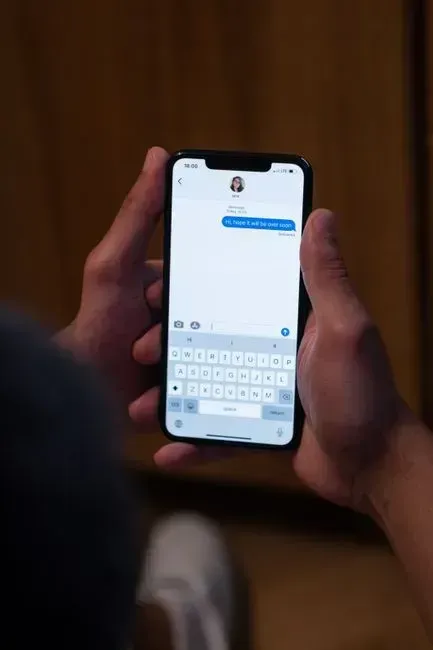
A quieter habit that seems to be dying out is the passive posture many daters took inside apps, matching endlessly but rarely initiating contact. A lot of people love to stay in the apps all day and never actually ask anyone out. That passivity is part of what’s driving burnout and pushing people toward alternatives.
The fix researchers point to is refreshingly simple. Rather than waiting endlessly, daters are being encouraged to just ask directly if someone wants to go somewhere, because that’s what you have to do. As more people adopt that mindset, the passive scroll-and-wait approach looks less like the future of dating and more like a habit from an earlier, more hesitant chapter of app culture.
What This Shift Really Means

None of these habits are vanishing overnight, and dating apps certainly aren’t disappearing either. Hinge, for instance, has continued growing even as the overall app market cools, showing that people aren’t abandoning technology so much as demanding it work better for genuine connection. The common thread across all eight predictions is fatigue with anything that feels mechanical, ambiguous, or emotionally guarded.
What’s replacing these fading habits looks a lot like dating did before apps existed: clearer intentions, more effort, more face-to-face risk, and less tolerance for vague signals. It’s less a rejection of technology and more a demand that the humans using it show up more honestly. If these trends hold, dating in the next few years might end up feeling a little more old-fashioned, just with better tools helping people get there.




Leave a Reply