
1. Local businesses suddenly cannot keep up with demand
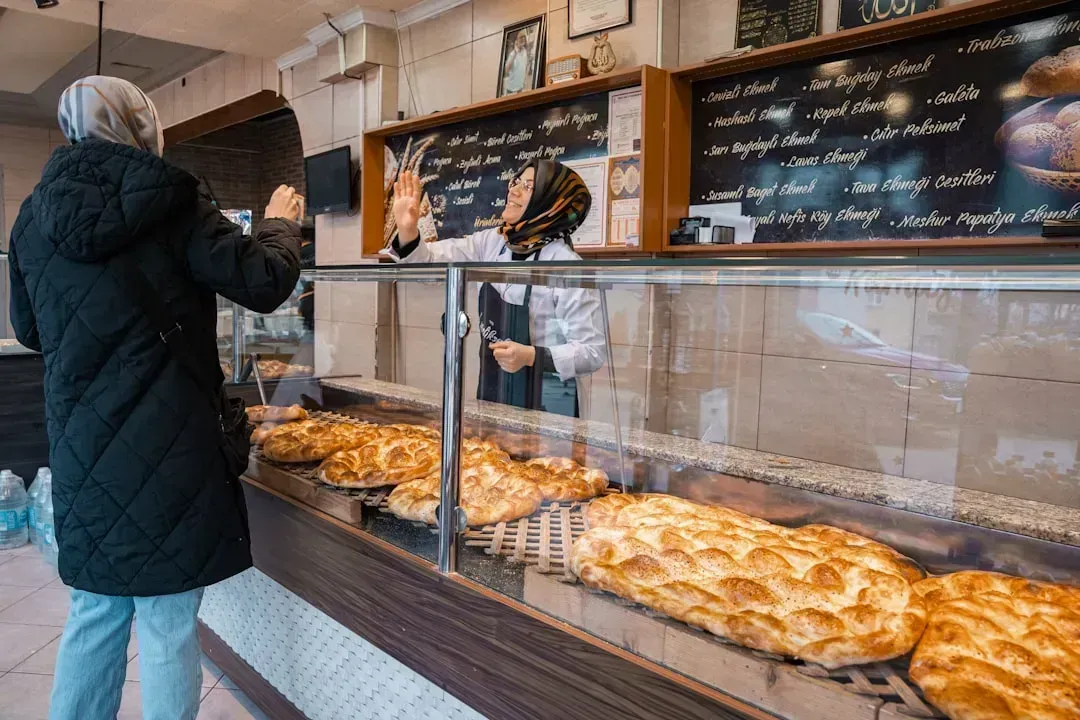
The first and most immediate change is almost always economic. A bakery, diner, or gift shop that used to serve a steady stream of regulars finds itself overwhelmed within days, sometimes hours, of a viral post spreading. Owners who once knew most of their customers by name are suddenly restocking shelves multiple times a day and hiring extra staff just to handle the rush.
This surge can be a financial blessing, but it also creates real strain. Many small shops are not built for the kind of volume that a viral moment brings, and supply chains that worked fine for a town of a few thousand people buckle under nationwide attention. Owners often describe scrambling to find new suppliers, extending hours, and in some cases temporarily shutting down just to catch their breath and restock properly.
2. Property values and housing interest spike

Once a town becomes a household name online, real estate agents typically see a noticeable uptick in inquiries almost immediately. People who had never heard of the place before suddenly want to visit, and some start looking into what it would take to actually move there. This shift can happen within weeks of the viral moment, especially if the coverage frames the town as charming, affordable, or undiscovered.
Local real estate markets that had been quiet for years can see listings sell faster and prices creep upward as outside buyers enter the picture. Long-time residents sometimes welcome the boost in property values, while others worry about being priced out of a town they have lived in for generations. The tension between economic opportunity and preserving affordability tends to surface in town council meetings not long after the initial excitement fades.
3. Traffic and parking become a daily headache
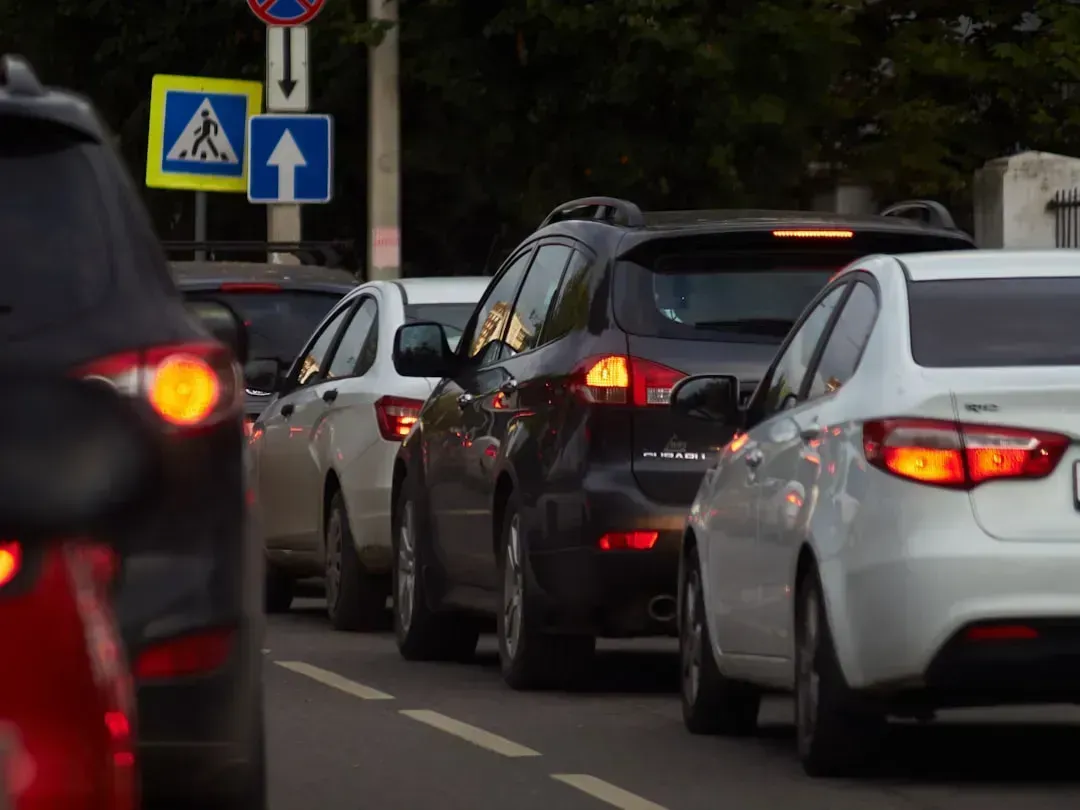
Small towns are rarely built with heavy tourist traffic in mind, and that becomes obvious almost overnight once visitors start arriving in larger numbers. Streets designed for a few dozen cars a day suddenly need to handle hundreds, and parking lots that were never full now overflow onto residential streets. Local police departments often report handling more traffic complaints and issuing more citations in the weeks following a viral surge.
Some towns respond by adding temporary parking areas, hiring traffic control staff for weekends, or even restricting access to certain streets during peak visiting hours. Others lean into the change, converting empty lots into paid parking to capture some of the new revenue. Either way, the quiet drive to the grocery store becomes a thing of the past for a while.
4. Social media accounts and local tourism boards get flooded
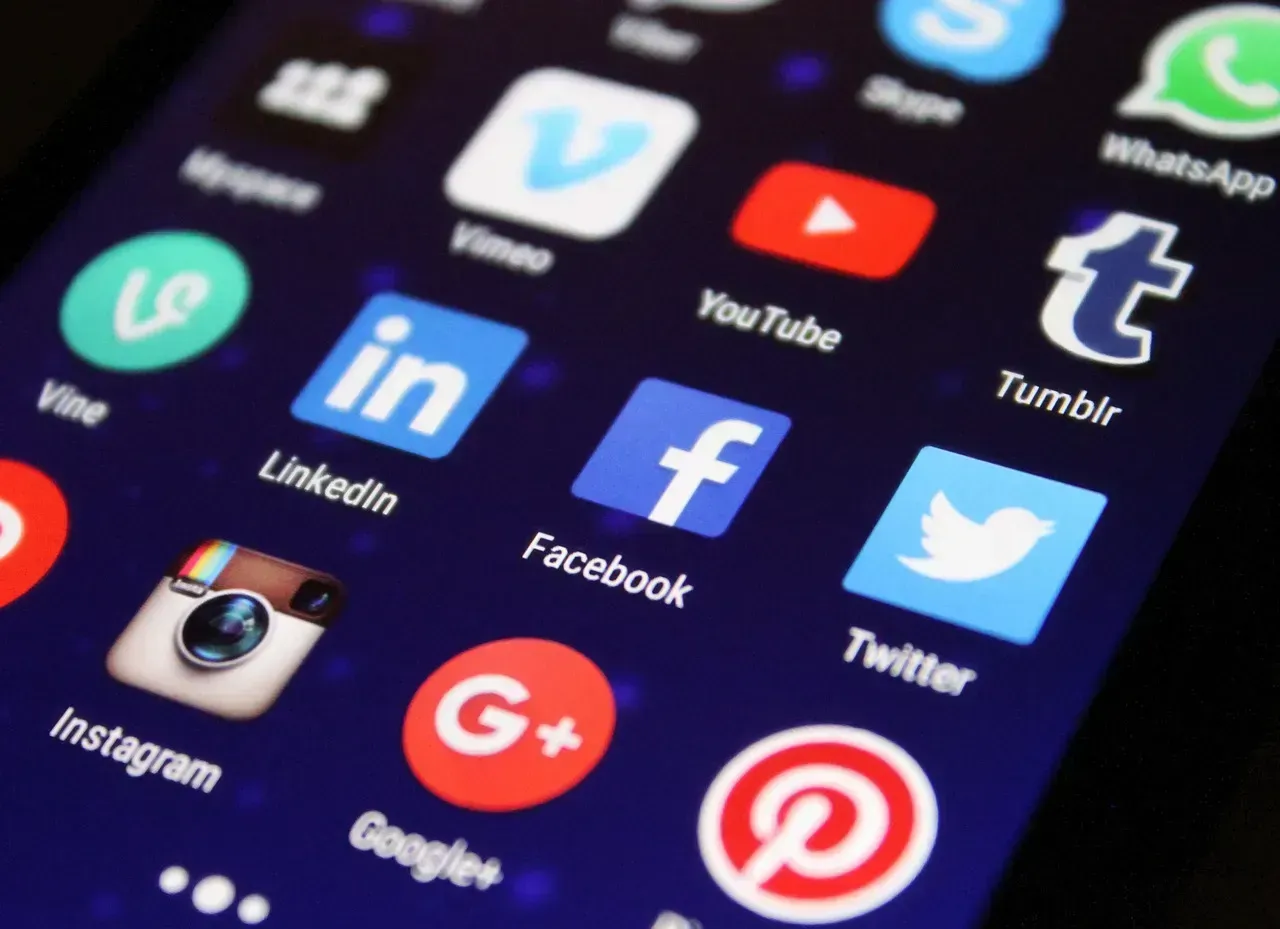
Town visitor bureaus, chambers of commerce, and even personal social media accounts belonging to local business owners tend to see follower counts jump dramatically within days of going viral. A town Facebook page that used to post about upcoming bake sales suddenly finds itself fielding thousands of comments and messages from people planning trips. Tourism boards that operated with minimal staff often need to bring in extra help just to keep up with inquiries.
This attention can be genuinely useful for promoting local events and businesses long after the initial viral wave passes. At the same time, it puts pressure on small teams that are not used to managing large-scale online engagement, and mistakes in messaging can spread just as quickly as the original viral content did. Many towns end up hiring outside help or training existing staff specifically to handle the new digital demands.
5. Local residents become reluctant tour guides
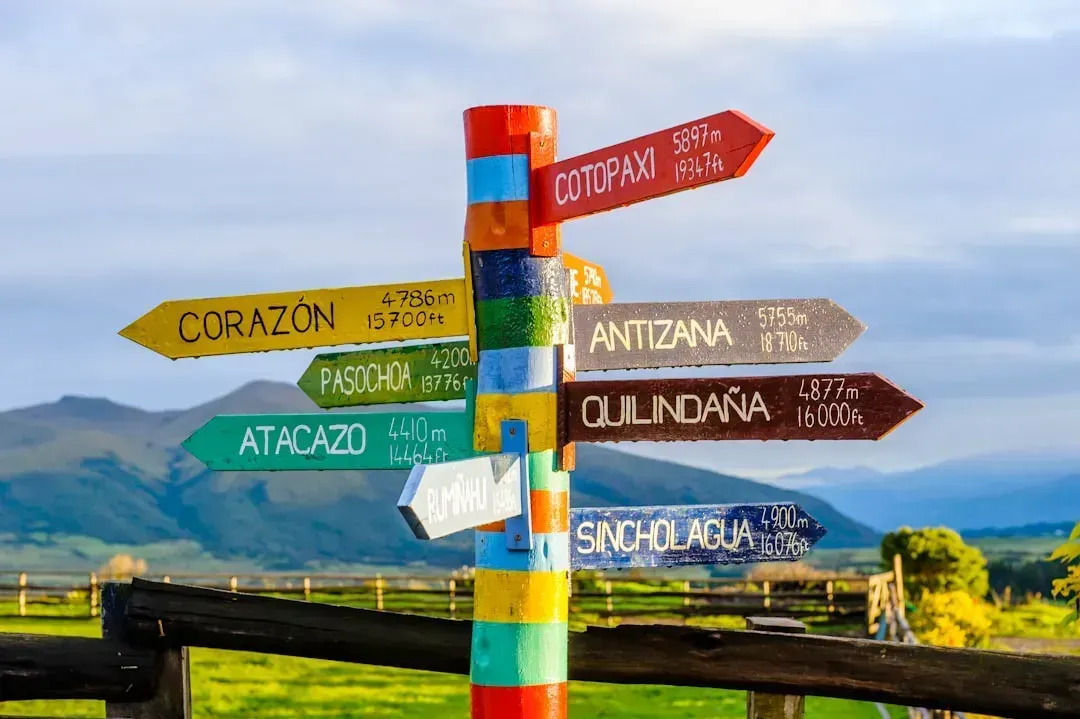
Once a town’s name starts trending, residents often find themselves approached constantly by strangers asking for directions, photos, or recommendations. People who simply wanted to run errands or walk their dog find themselves fielding questions from curious visitors on nearly every outing. For some residents this becomes a point of pride, and they enjoy sharing local history and hidden gems with newcomers.
For others, the constant attention feels invasive, especially when visitors show up at private homes or businesses mistaken for the viral location. Communities sometimes respond by putting up signage clarifying which spots are open to the public and which are not. Over time, many towns develop informal norms around how residents interact with the influx of curious outsiders.
6. Local government faces new infrastructure pressure
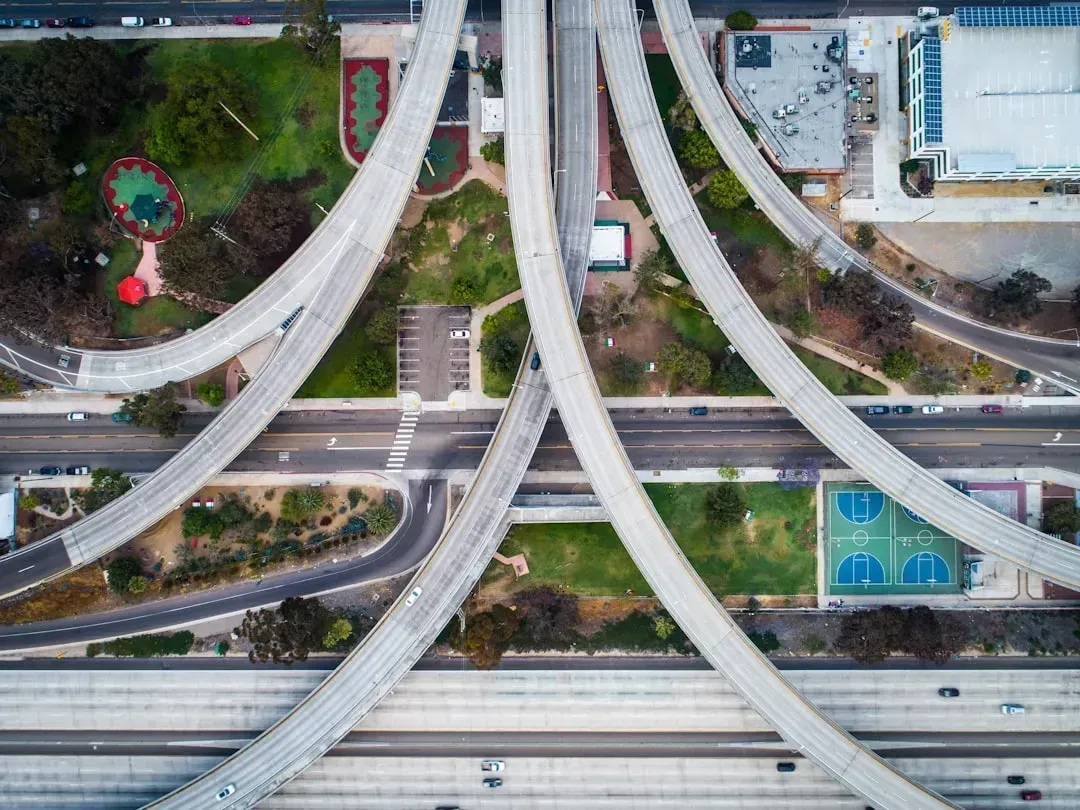
Town councils that used to spend meetings discussing pothole repairs suddenly find themselves debating public restroom access, waste management, and emergency services capacity. A sudden increase in foot and vehicle traffic puts pressure on infrastructure that was designed decades ago for a much smaller population. Water systems, sewage capacity, and even cell phone service in the area can become strained when visitor numbers spike unexpectedly.
Local officials often scramble to secure emergency funding or grants to address these pressures before they become serious problems. Some towns successfully use the viral attention as leverage to apply for state or federal infrastructure grants that had been out of reach before. Others struggle to keep pace, leading to visible strain on public services during peak visitation periods.
7. New businesses and pop-up shops start appearing
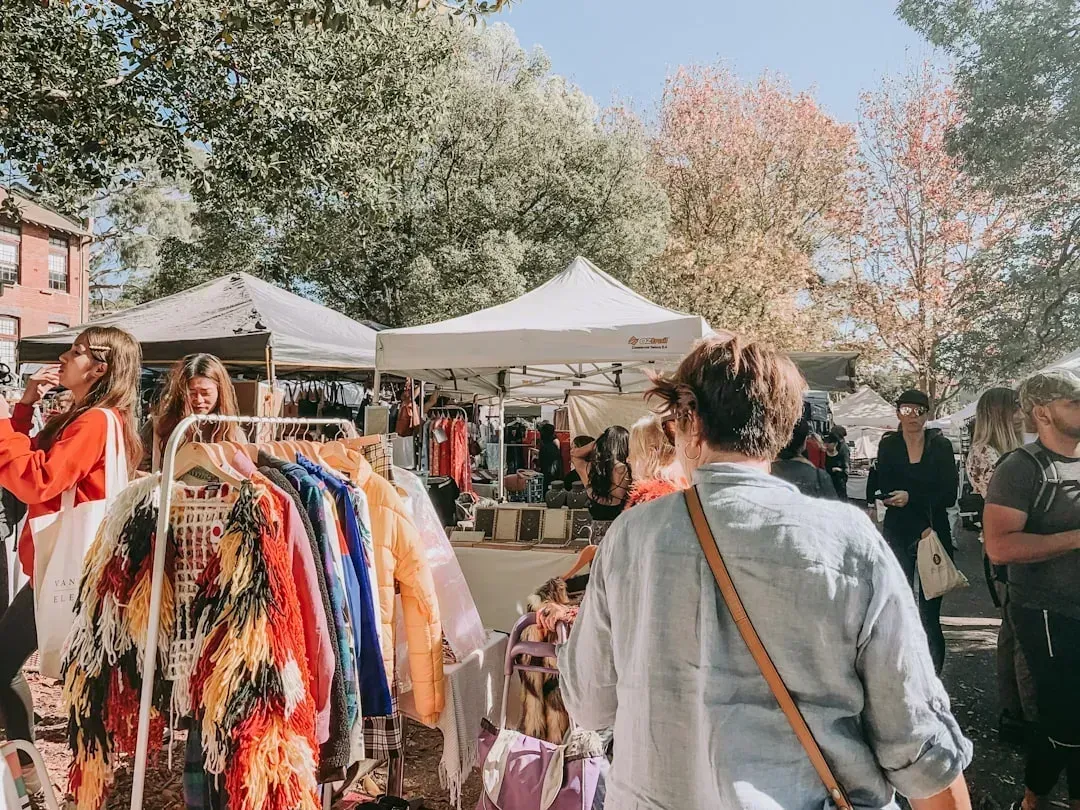
Empty storefronts that had been vacant for years sometimes fill within months once a town becomes a destination. Entrepreneurs move quickly to open cafes, souvenir shops, and photo-friendly attractions designed specifically to capture the attention of visitors who came because of the viral moment. This new commercial activity can breathe life into downtown areas that had been struggling economically for a long time.
Not all of these ventures succeed long term, since viral attention tends to fade eventually and foot traffic can drop sharply once the novelty wears off. Some towns see a wave of closures a year or two after the initial surge, particularly among businesses that catered exclusively to tourists rather than building a base of local customers. The ones that survive tend to be those that found a way to serve both visitors and residents alike.
8. The town’s identity becomes tied to a single moment

Perhaps the most lasting change is how a town’s public image gets reshaped around whatever made it viral in the first place. A place that might have been known locally for its history, its scenery, or its community events suddenly becomes known nationally, or even globally, for one specific thing. That single association can overshadow everything else the town has to offer, at least in the eyes of new visitors.
Residents often have mixed feelings about this shift in identity. Some embrace it, leaning into the branding and building festivals or merchandise around the viral moment. Others push back, trying to remind visitors and media outlets that the town is more than just its fifteen minutes of internet fame, and that its history and character run much deeper than one video or photo suggested.
Small towns that experience viral fame rarely return to exactly how they were before. Some changes fade within a year as attention moves elsewhere, while others, like shifts in housing costs or business landscapes, tend to stick around much longer. What remains consistent across these stories is that going viral reshapes daily life in ways that are difficult to predict and even harder to fully control once the moment arrives.



Leave a Reply