
Ask a Rome guide about the Vatican and you’ll often hear a small sigh first. Most of the trouble on a given day has nothing to do with art or history. It comes from small things people didn’t know before they showed up.
The fixes are easy once you know them. Here are eight points that tend to decide whether a Vatican day feels smooth or exhausting, based on current 2026 visitor information.
The Vatican Is Really Three Separate Visits
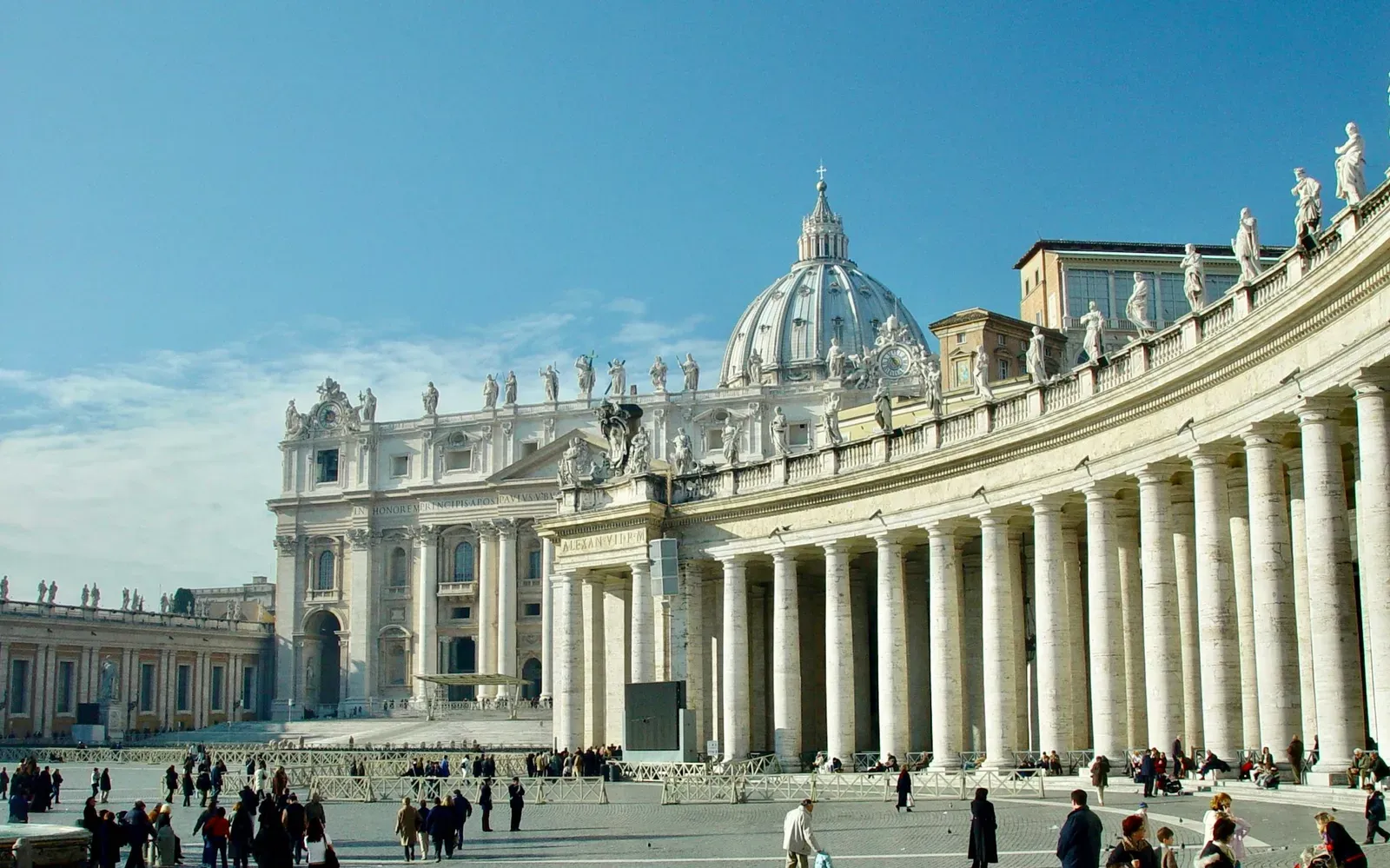
Many first timers picture one big building with one door. In practice, the Sistine Chapel is included in every standard Museums ticket and sits at the end of the visitor route. St. Peter’s Basilica is free to enter but has its own separate entrance.
That means you can’t walk out of the Sistine Chapel and step straight into the basilica as if it were one hall. Plan the Museums and the basilica as two outings, with a walk around the outside of the walls in between. Guides will tell you the walk and the queues are easy to underestimate.
Museum Tickets Are Online Only, and They Don’t Come Back
The old habit of turning up and buying a ticket at the door is gone. All entry has been online only since January 2024. Anyone relying on a walk up plan will end up buying from resellers, usually at a higher price.
Timing matters too. In peak season, from April to October, booking two to four weeks ahead is advised for morning slots. Also note that tickets are not refundable, so check your date before you pay.
The Dress Code Is Enforced at the Door
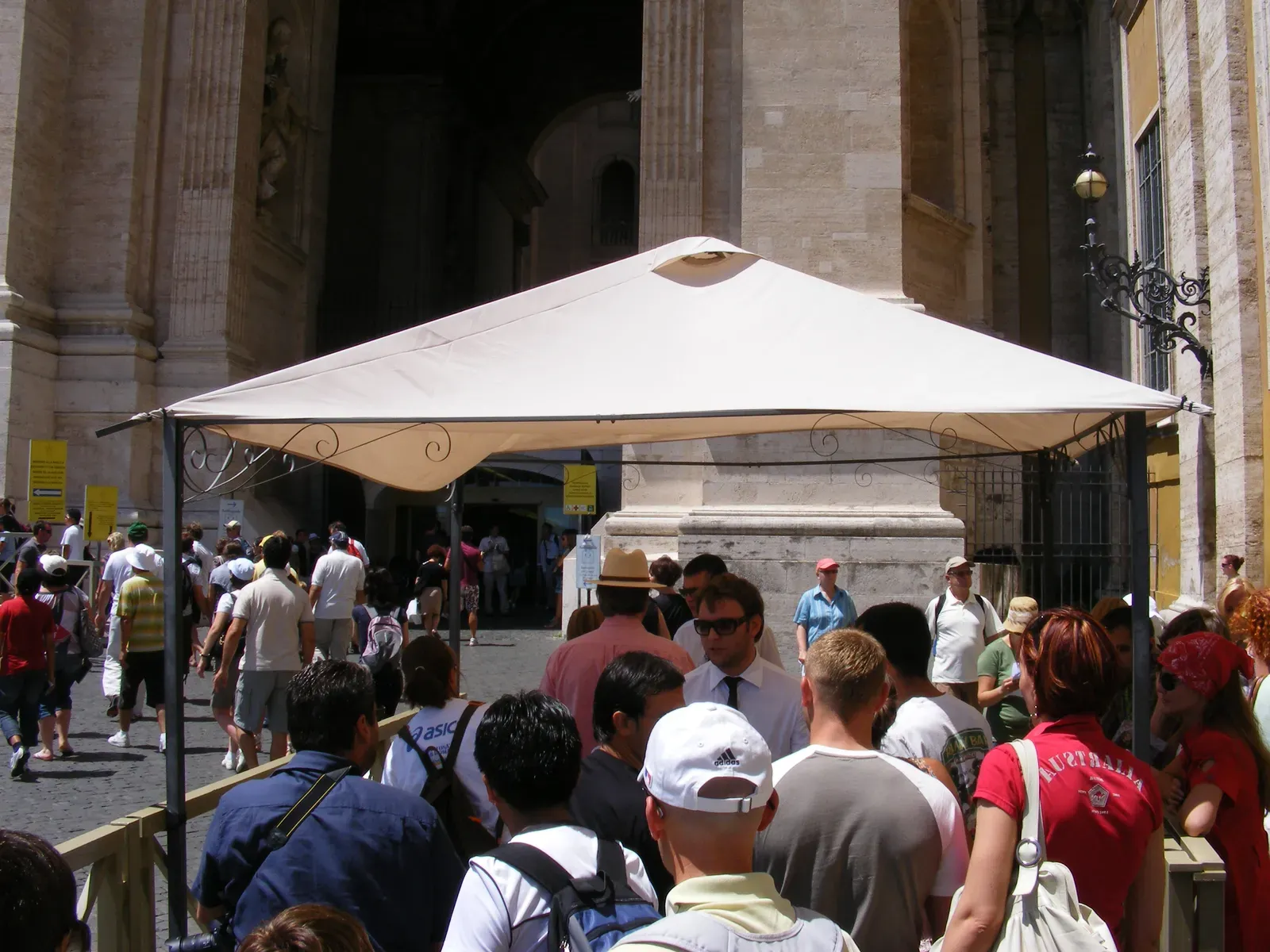
This is the one guides repeat most often. Shoulders and knees must be covered at the Vatican Museums, the Sistine Chapel, St. Peter’s Basilica and the Vatican Gardens. It applies to men, women and children, and guards enforce it before you reach security.
Arriving underdressed can be costly. You may have to buy a paper poncho at the entrance, or you can be turned away without a refund. A light scarf or a pair of long, thin trousers in your bag solves the problem, even in summer.
The Basilica Is Free, but the Security Line Isn’t Short
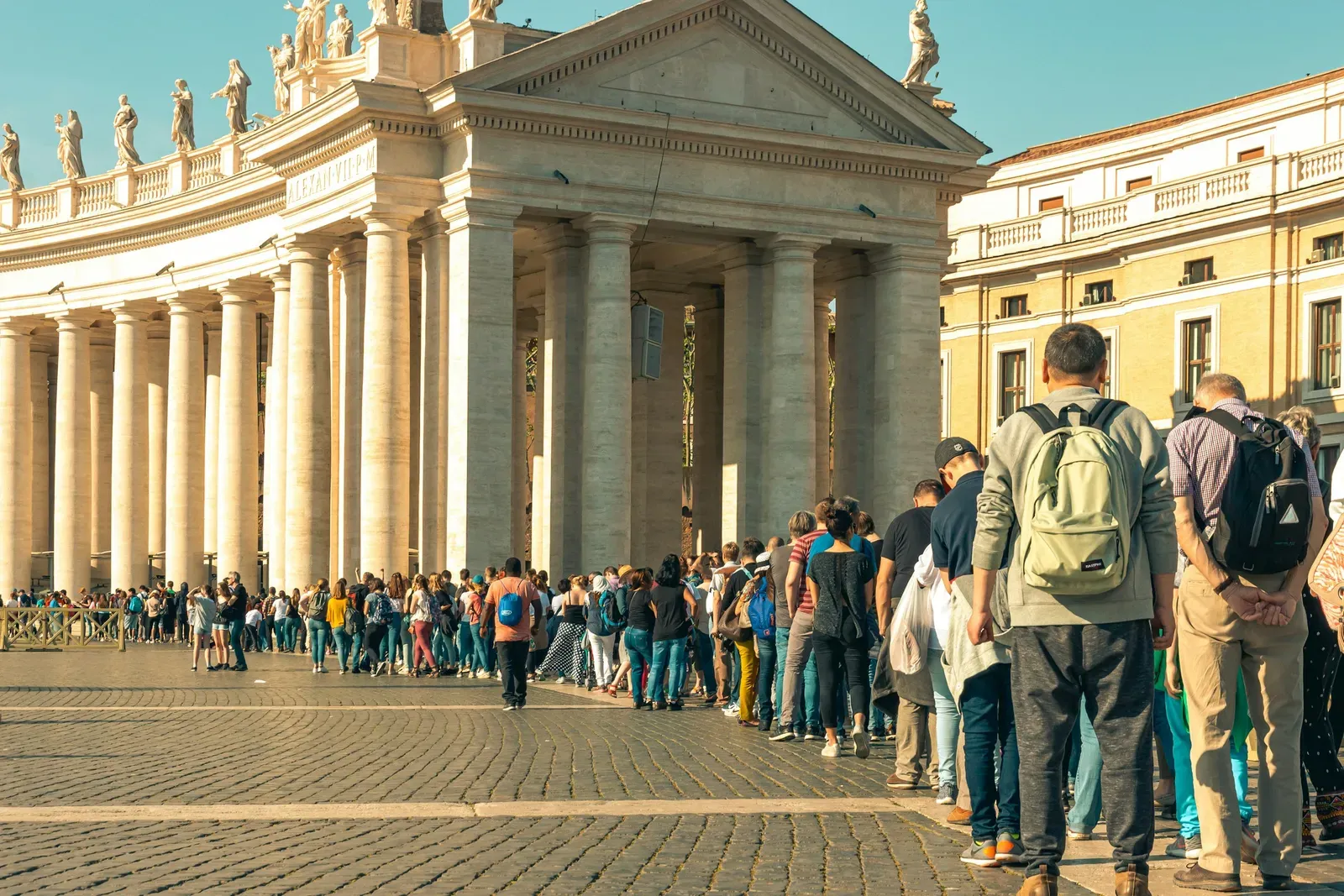
Entry to the basilica costs nothing, which surprises many people. What you pay with is time. The queue is for the airport style security screening at the end of Bernini’s colonnade, not for tickets.
At busy times it adds up. From mid March to early November and around Christmas, the regular queue can take 60 to 90 minutes. The official priority ticket gives access to a dedicated checkpoint, often with a much shorter wait. Going very early also helps, since the queue at dawn is usually only a few minutes.
Wednesday Mornings Can Close the Basilica
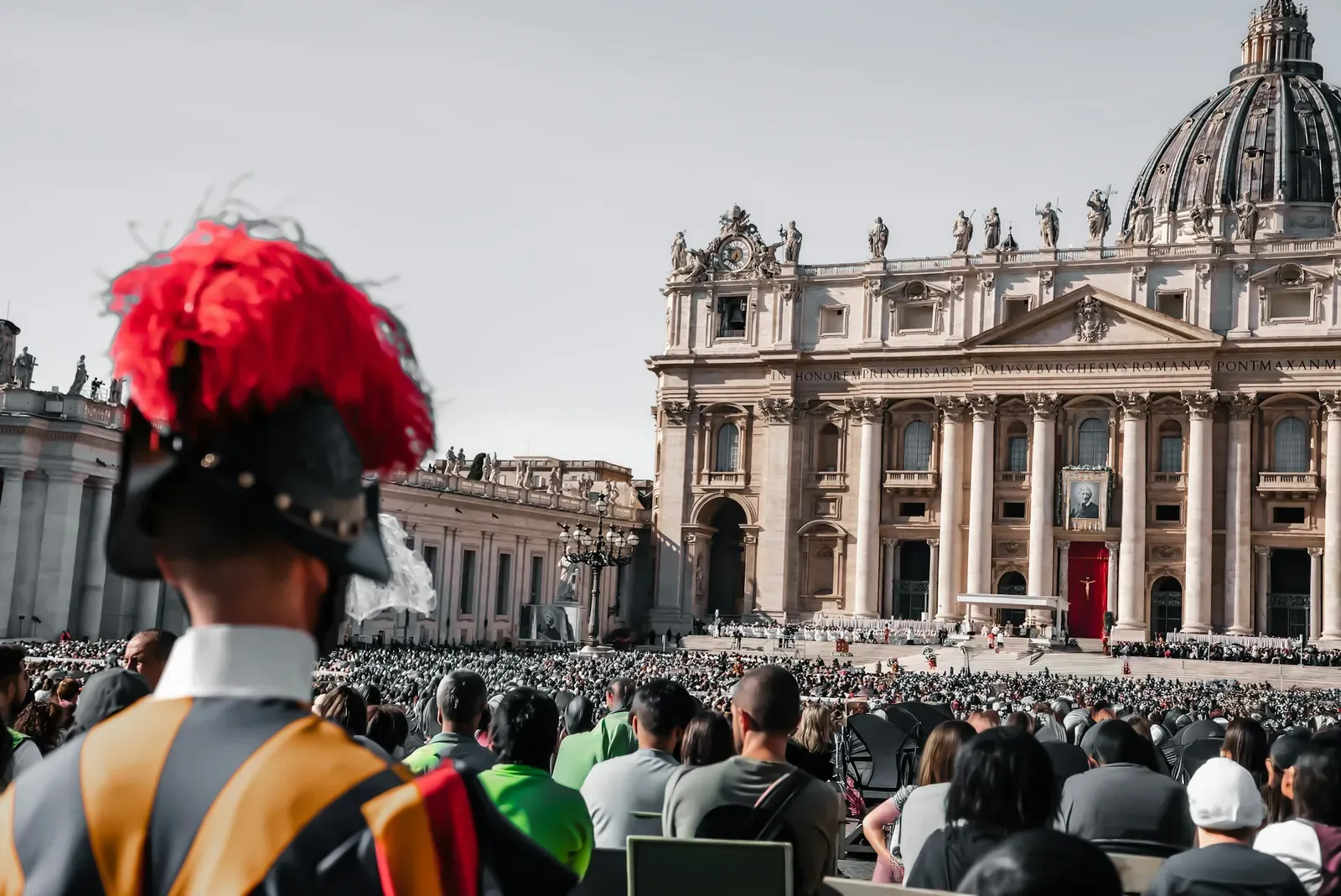
The weekly papal audience changes the schedule. The basilica is closed to tourists during the Papal General Audience, roughly from nine in the morning until half past twelve. It reopens around one in the afternoon and is very busy for the rest of the day.
If your itinerary is flexible, put the basilica on another day. Guides often swap the order of the day for this reason. Hours can also shift around special events, so a quick check of the official calendar before you go is worth it.
Sundays Are Mostly Closed, and the Free Day Is a Crowd Magnet
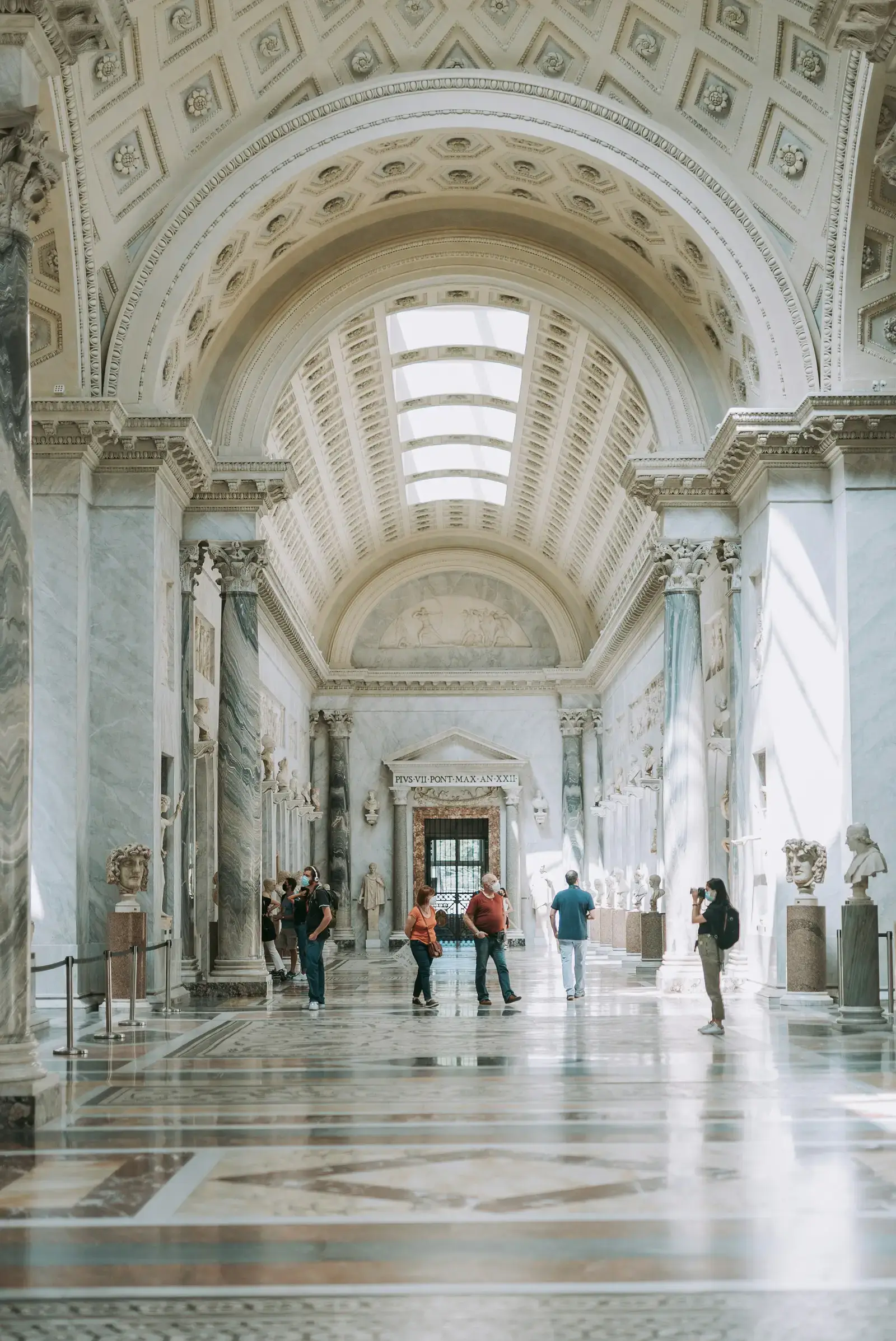
The Museums keep a regular Monday to Saturday schedule. The usual hours are 8:00 to 20:00, with last entry at 18:00. They are closed on Sundays, except for the last Sunday of each month, when entry is free.
Free sounds appealing, and many visitors plan around it. Yet these free days are extremely crowded. Also there is no free entry when that Sunday falls on Easter Sunday, 29 June, Christmas Day or St. Stephen’s Day. For a calmer visit, a paid weekday slot is usually the better trade.
When You Go Matters More Than Which Ticket You Buy
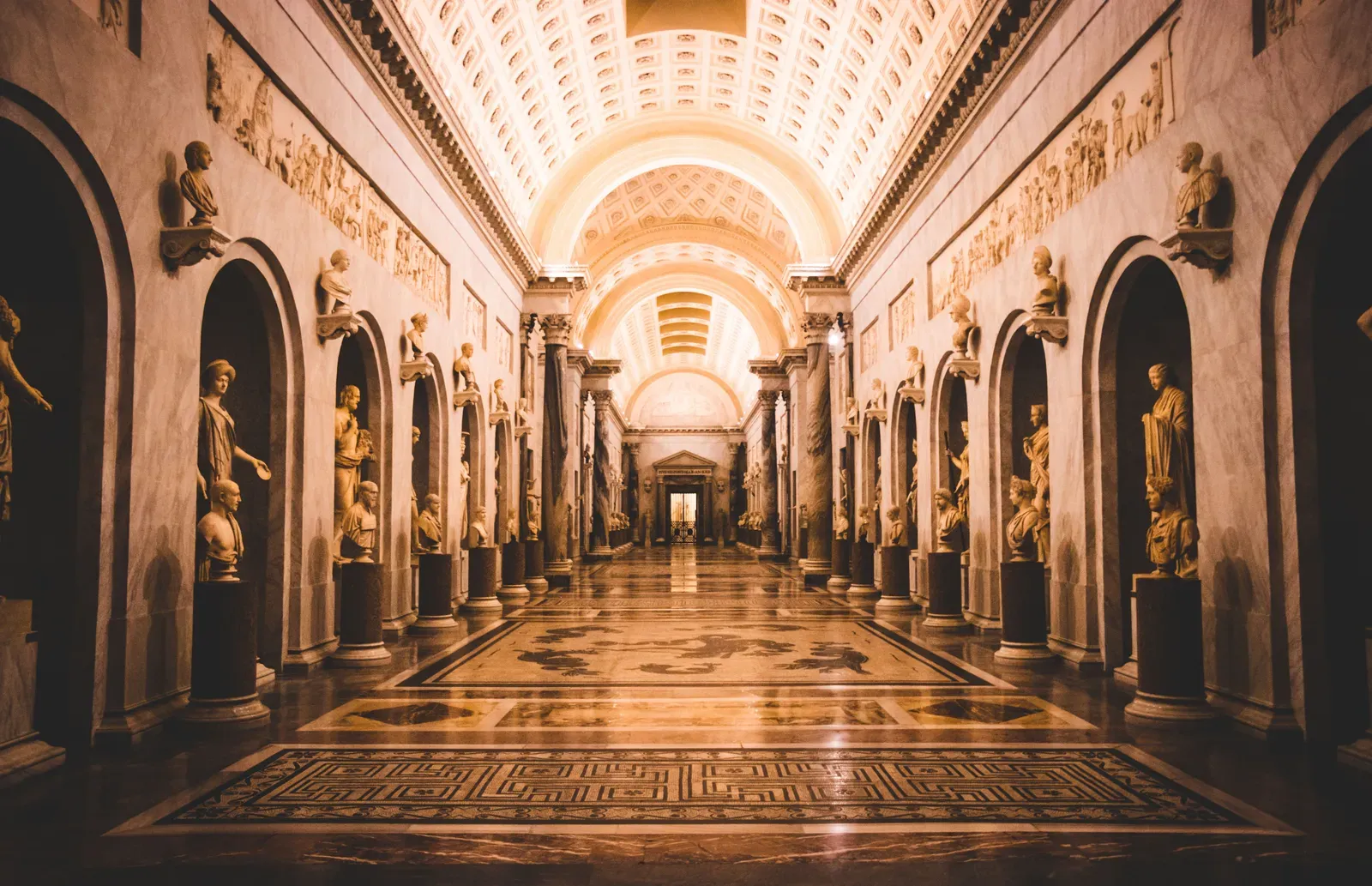
Crowds in the Museums swell and thin through the day. The best times are early morning, before the big crowds, or later in the afternoon when it is quieter. Early afternoon can also bring a dip in foot traffic, as many visitors head out for lunch.
Budget enough hours as well. Most visitors spend two to three hours on the highlights route. Adding the Pinacoteca and Egyptian collections stretches that to four or five. Guides say the rushed Sistine Chapel visit is usually the result of arriving too late in the day.
Climbing the Dome Is Harder Than It Looks
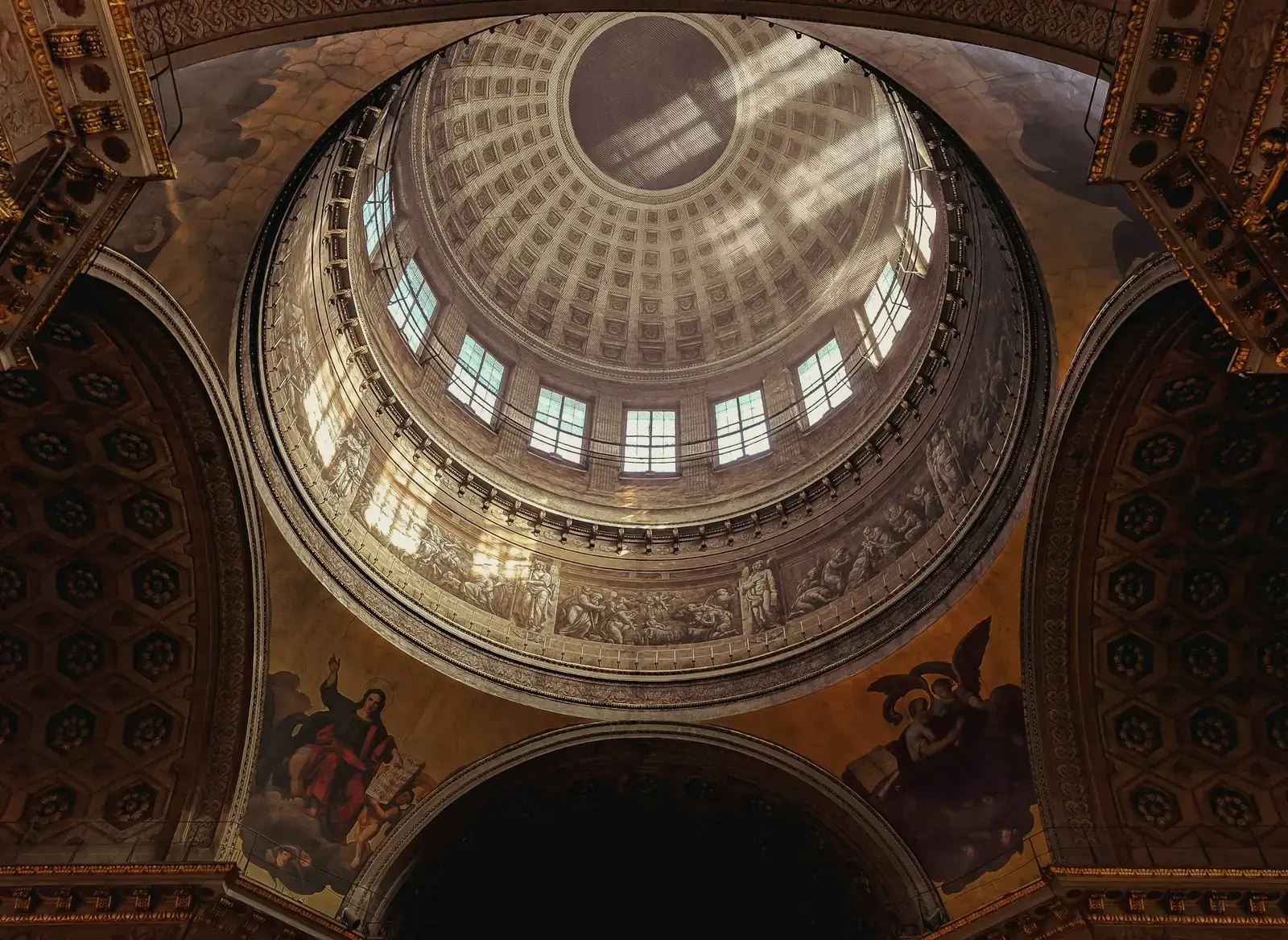
The view from the top of St. Peter’s dome is a highlight, though it’s a real physical effort. The stairs only option is 551 steps, while the elevator option still leaves around 320 steps. It is not suitable for people with walking difficulties, claustrophobia or vertigo.
Practical details change, so confirm them on the day. The dome ticket is bought at the office in the vestibule, and on busy days the queue can be long and tickets may sell out by mid morning. Some guides suggest doing the dome first, to beat the heat and the crowds on the stairs. Prices vary between sources, so treat any figure you read as something to double check at the ticket desk.


Leave a Reply