
There’s something interesting that happens when you revisit the games you played as a kid. The rules haven’t changed. The equipment is mostly the same. Yet somehow, playing as an adult hits differently. Maybe it’s because you’re choosing to be there, or maybe it’s because the stakes feel both lower and higher at the same time.
Psychologists describe this as “kidulting,” a trend of revisiting the fun and games of your youth that doesn’t just tap into nostalgia but can also boost creativity and lift your mood in genuinely meaningful ways. The games themselves haven’t gotten less fun. You have.
1. Hide-and-Seek

Hide-and-seek is a time-honored game played among children of various cultures and ages, and it can be played nearly anywhere without special toys or equipment. As a kid, the thrill came from the sheer suspense of waiting. As an adult, something more layered kicks in.
Players must twist, turn, and bend to find and use effective hiding spots, which improves flexibility and agility. The mental side is just as real: players use critical thinking to pick optimal positions, which sharpens problem-solving skills, while the overall experience helps reduce everyday stress and anxiety. Play it in a large house after dark and the tension is surprisingly genuine.
2. Tag
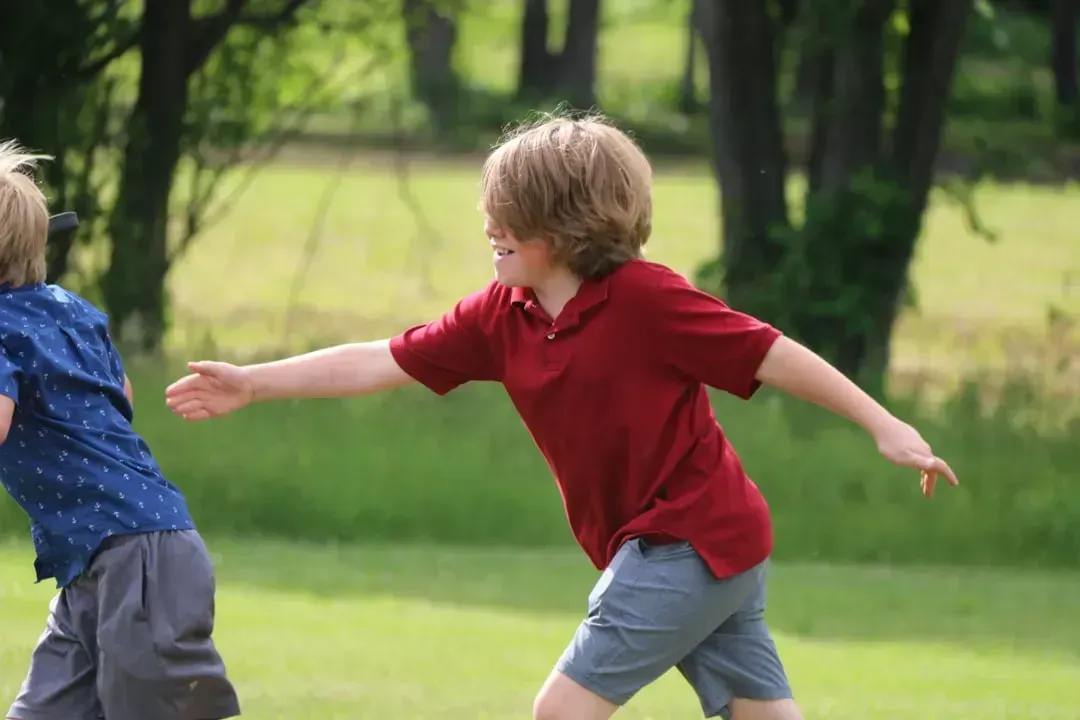
Tag is one of those games that everyone knows because it’s so simple to master. One person is “it” and tries to tag everyone else. In the most basic version, someone who gets tagged becomes “it” and tries to tag someone else. Because tag is such an elemental game, there are many variations to play.
When play involves movement such as tag or kickball, improvements in cardiovascular health, strength, and flexibility are possible, especially when these activities happen regularly. Regularly engaging in physical activities during play is great training for developing good habits that carry into adulthood. Adults also appreciate the chaos. There’s a real joy in sprinting at full speed with absolutely nothing on the line.
3. Kickball
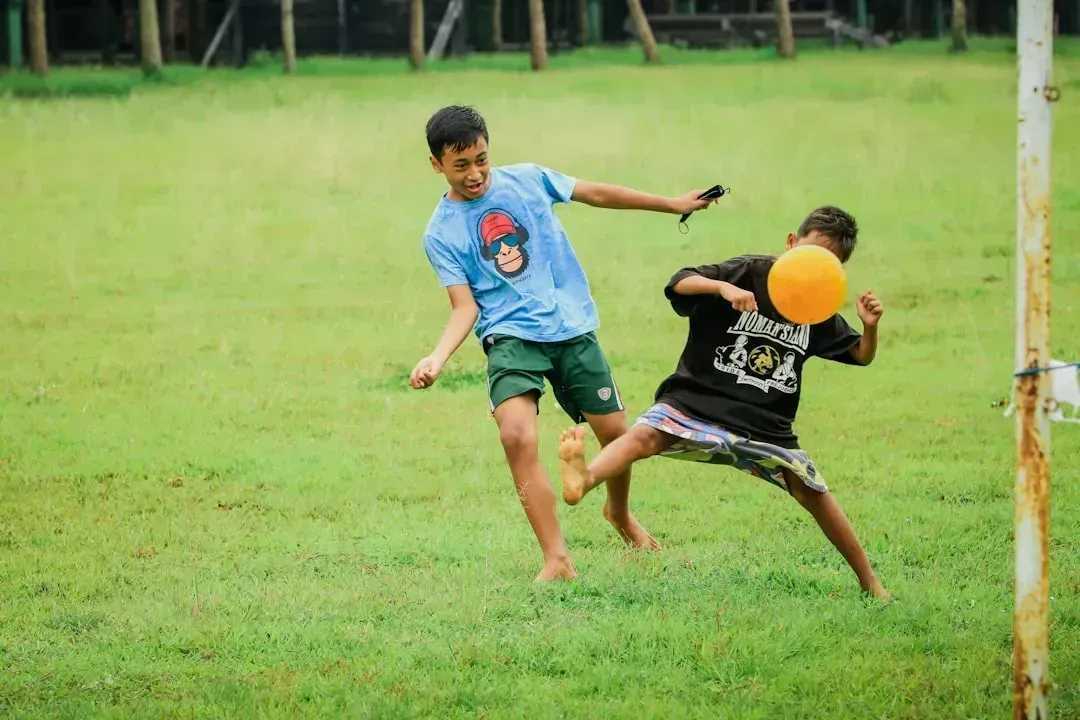
Kickball involves two teams kicking a rubber playground ball and running around bases to score runs, with rules similar to baseball. Usually stretching seven innings, the team with the most runs at the end wins. As a child you played it because it was there on the playground. As an adult, organized kickball leagues have turned it into something else entirely.
Joining a social sports league provides a built-in community of like-minded individuals who share a passion for recreation. Whether you’re scoring on the kickball field or competing elsewhere, you’re forging meaningful connections with teammates and opponents alike. These connections can lead to lasting friendships and a vital support network. Few adult activities can claim that combination of physical exercise and genuine social bonding all at once.
4. Dodgeball
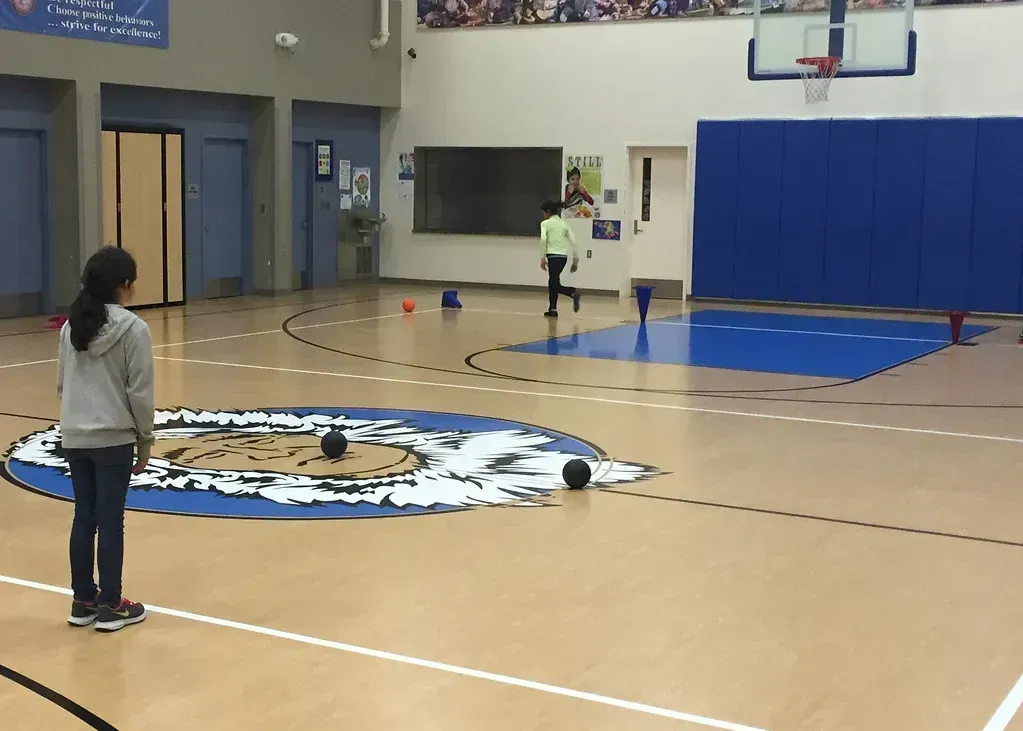
Old-fashioned games like dodgeball are simply more entertaining with at least six or more players. That’s still true. The adult version is louder, more competitive, and oddly more liberating than you’d expect from throwing foam balls at your coworkers.
Participating in team sports isn’t just good for your body; it’s also beneficial for your brain. The strategic thinking, problem-solving, and coordination required in dodgeball challenge your cognitive abilities, keeping your mind sharp and agile. Learning to work collaboratively with teammates also enhances communication and interpersonal skills that translate into various aspects of life. It’s one of the few workouts that doesn’t feel like one.
5. Chess

When it comes to classic games for adults, Chess remains a standout. With its complex rules and emphasis on foresight and planning, chess provides a significant mental challenge for adult players. Kids learn chess because someone made them. Adults return to it because the depth is genuinely staggering once you grasp what’s actually happening on the board.
A lot of research has focused on the mind-boosting properties of chess specifically. A 2025 review of neuroimaging studies comparing the brains of expert and novice chess players found that expert players tend to have greater activity and connectivity in brain regions associated with visual processing, spatial perception, and decision-making. It’s one of the few games where the more you understand, the more you realize you don’t.
6. Scrabble
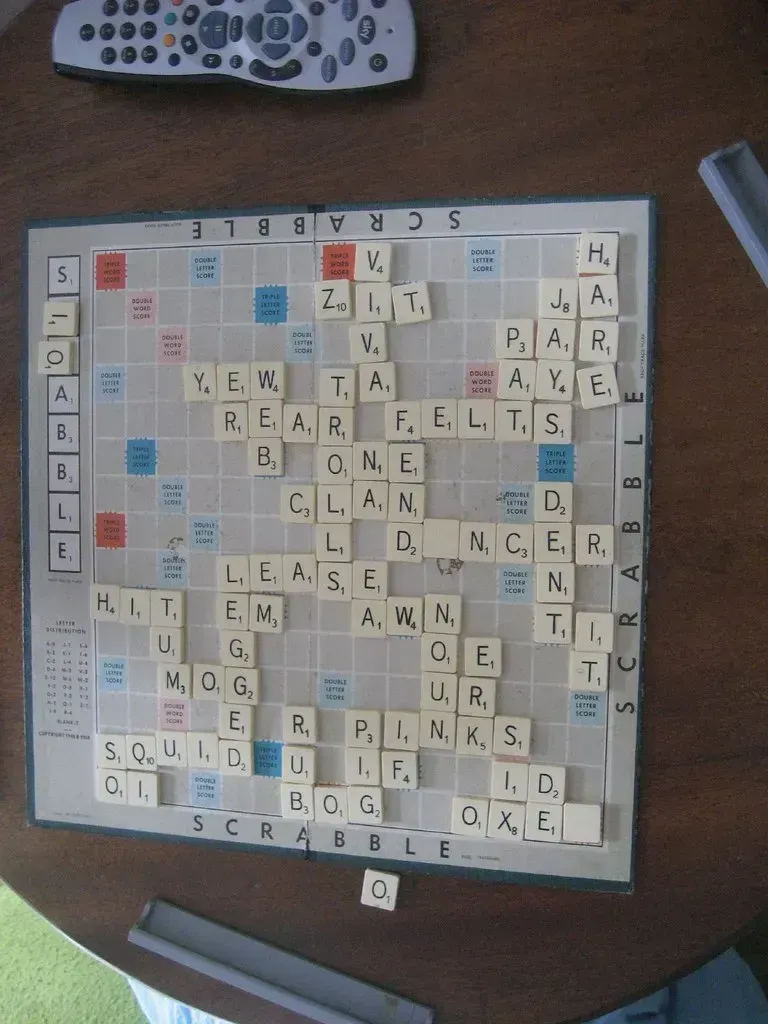
Games like Scrabble help build vocabulary, while also demanding real strategic thinking from players of any age. As a child, placing a five-letter word felt like a victory. As an adult, you start to think about board control, tile distribution, and whether blocking your opponent matters more than your own score.
Word games like Scrabble engage creativity and vocabulary skills, keeping players thinking and learning across every session. Playing games like Scrabble can significantly improve cognitive skills including memory, attention, and strategic thinking. They challenge the brain to think ahead, anticipate opponents’ moves, and strategize effectively. Regular engagement can even help delay cognitive decline, making these games not just entertaining but also beneficial for long-term brain health.
7. Monopoly
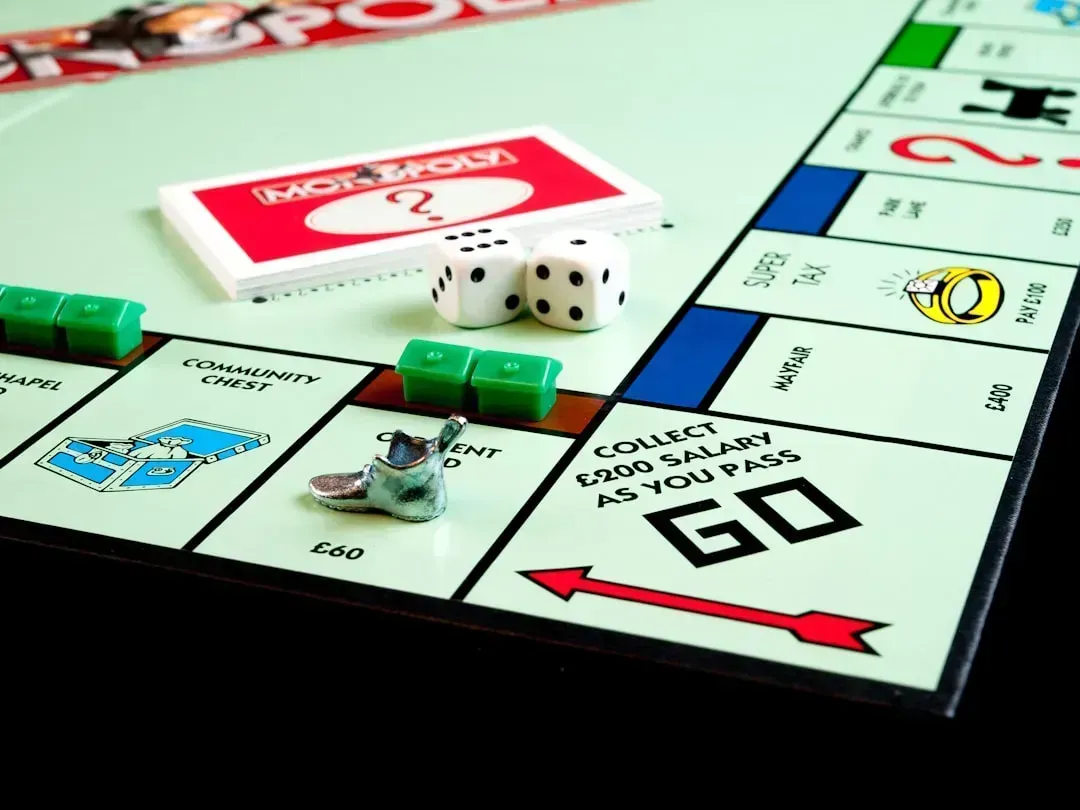
The Monopoly segment alone generated approximately three billion dollars in 2024, dominating the market as one of the most globally recognized board games with enduring popularity. That number tells you something real: adults never actually stopped playing this game. They just pretended they had.
Games like Monopoly teach valuable financial skills. Players must manage resources, make investments, and navigate financial risks. These games give adults a better understanding of basic financial principles, from budgeting to long-term planning. With busy schedules and the distractions of technology, many adults appreciate the chance to connect face-to-face over a shared activity like playing classic board games. The arguments are still part of the appeal.
8. UNO
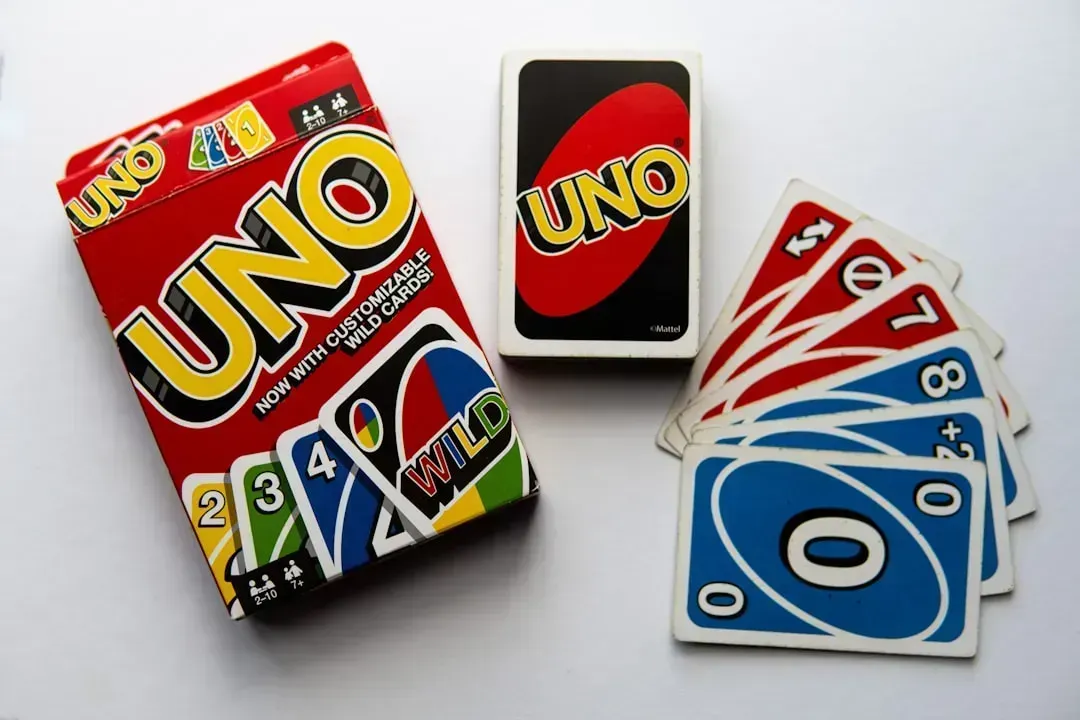
UNO is a playful, colorful classic where matching numbers and colors keeps the game lively. Special action cards like Skip, Reverse, and Draw Four add surprise twists that can change the outcome in a heartbeat. Easy enough for kids yet strategic enough for adults, it’s a timeless favorite across generations. Whether played casually or competitively, UNO guarantees laughter and excitement every round.
Card and board games provide a great way to unwind and relax, helping to reduce stress and anxiety. Games like UNO are simple, yet they offer enough excitement to take your mind off daily worries. Focusing on the game allows your mind to take a break from life’s stressors, promoting relaxation and reducing cortisol levels. Adults who think UNO is too simple have never played it with the house rule that stacking Draw cards is allowed.
9. Capture the Flag

Old-fashioned games like capture the flag are more entertaining with at least six or more players. This one scales beautifully with age. The tactics, communication, and teamwork required as an adult are genuinely more sophisticated than what any child brings to the field.
Exercise is a powerful stress reliever, and participating in team sports amplifies its effects. The camaraderie and friendly competition experienced in social sports serve as natural stress buffers. When you’re focused on strategy and movement, your mind is temporarily diverted from worries and stressors, allowing you to unwind and recharge. Few games combine physical effort, tactical thinking, and real team trust into a single package quite like this one does.
The board game market alone reached well into the billions globally by 2025, and over one-fifth of Americans now play board games monthly. That figure doesn’t count the adults organizing kickball leagues, running chess clubs, or staging hide-and-seek in the dark. The return to play isn’t a regression. It turns out that games built for children often contain everything that adults are quietly searching for: movement, laughter, focus, and a reason to be fully present in the same room as another person.





Leave a Reply