
Walk any trailhead in the Adirondacks, the Finger Lakes or the Catskills on a fall weekend, and you’ll see the same small ritual. Dogs come back from the woods, and their owners start running their hands through fur before anyone gets in the car. It’s quick and a little absentminded, like checking for your keys.
Living with long winters, wooded backyards and plenty of public trails shapes how people look after their dogs. Some habits come from state health guidance, and others come from simple trial and error. Here are nine you’ll see across the region.
1. Checking Dogs for Ticks After Every Hike
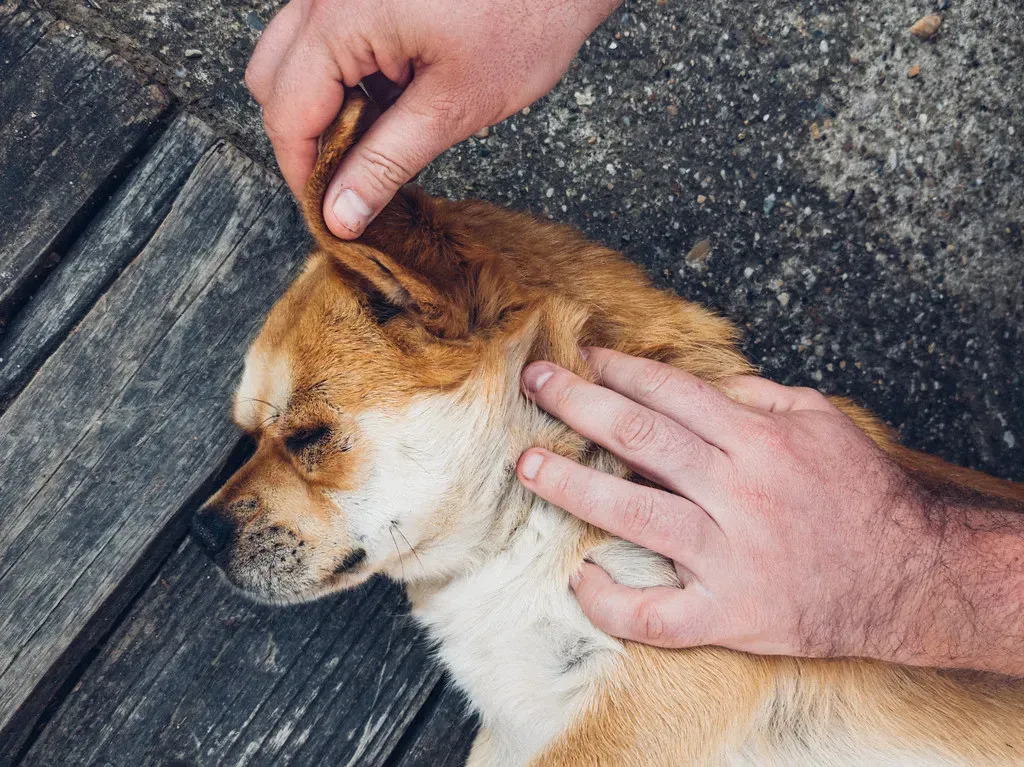
The New York City Health Department advises owners to check pets after time outdoors. It suggests running your fingers through the fur to feel for small bumps and for irritated areas. Upstate owners tend to focus on spots where ticks hide, such as ears, armpits, the groin and between the toes.
The stakes are real. New York has averaged more than seventeen thousand five hundred new Lyme disease cases a year over three years, with more than nineteen thousand reported in 2023 alone. Dogs can get sick from ticks too, so a two minute check at the trailhead is a cheap precaution.
2. Using Year Round Tick Preventives
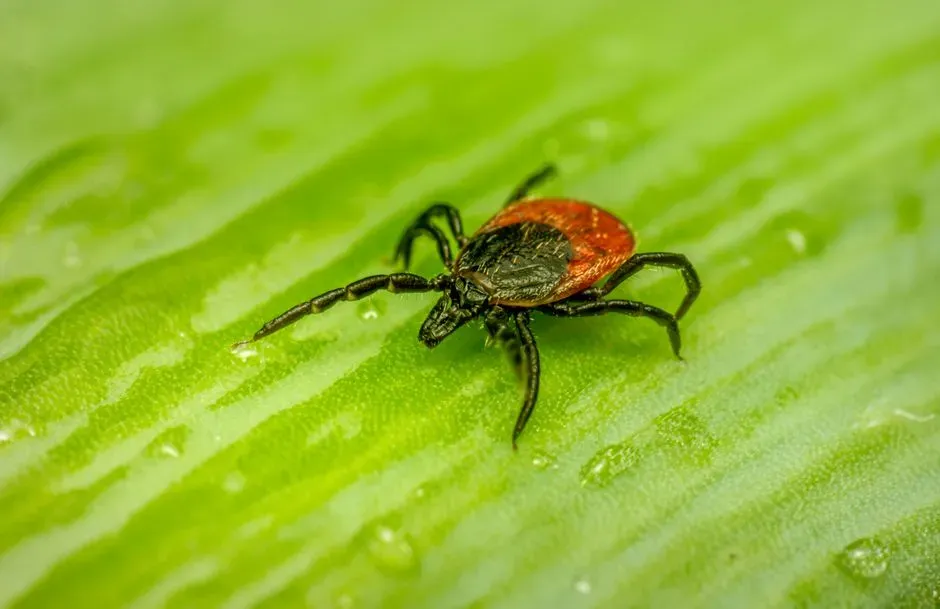
Many upstate owners keep their dogs on a vet recommended tick preventive through the whole year, not just summer. Health agencies say repellents protect pets from tick diseases and also protect owners, because ticks can travel into the home on dogs and cats. A dog that sleeps on the couch can bring the problem indoors.
Products vary, from chewables to collars to spot on treatments. The choice depends on the dog’s weight, health and lifestyle, so most people ask their veterinarian before picking one. That conversation is also the place to ask about preventives for other parasites.
3. Talking With the Vet About the Lyme Vaccine

Because blacklegged ticks are so common in the region, the Lyme vaccine for dogs comes up often at upstate clinics. Some veterinary guidance suggests considering the Lyme vaccine for dogs that frequently visit high risk areas. Whether it makes sense depends on the dog’s exposure.
The vaccine isn’t a substitute for tick control, since ticks can carry other diseases. Blacklegged ticks can carry Lyme disease, anaplasmosis and babesiosis, and one bite can spread more than one disease. Most vets treat vaccination as one layer alongside preventives and checks.
4. Removing Ticks Quickly and Carefully
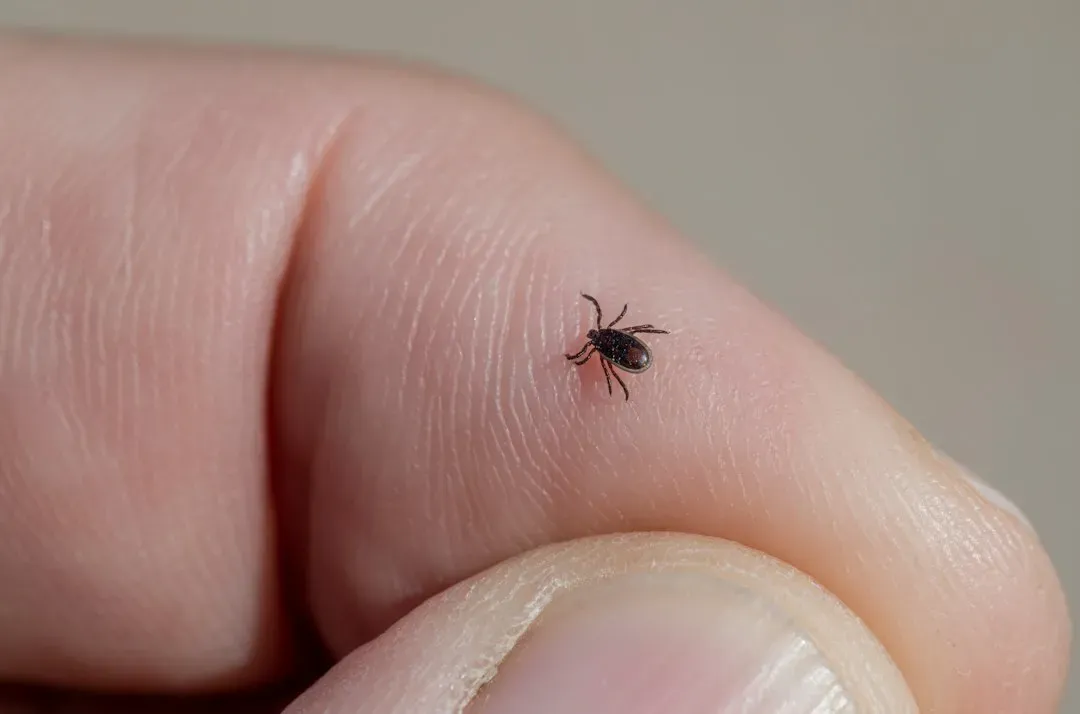
When a tick turns up, speed matters. County health guidance says to remove any ticks right away. Most owners keep fine tipped tweezers in the glovebox or the leash bag for this reason.
The state health department offers a video on proper removal technique, which is worth watching before you need it. Grasp the tick close to the skin and pull steadily, without twisting or crushing it. Afterward, clean the spot and note the date, so you can tell your vet if symptoms follow.
5. Creating a Tick Safe Yard
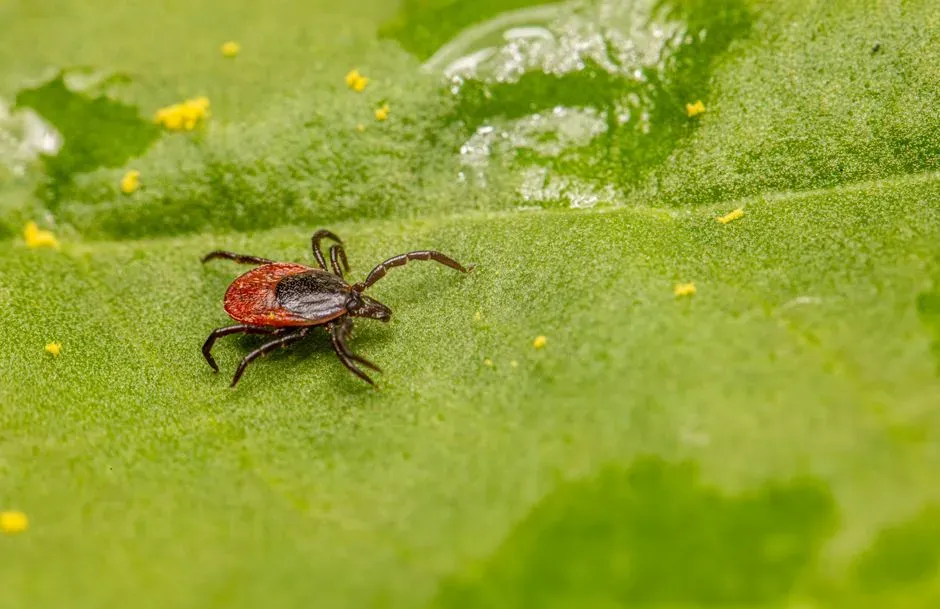
Plenty of upstate homes back onto woods, fields or stone walls, so the yard counts as tick territory. City health guidance recommends creating a tick safe zone at home if ticks are present. In practice that means mowing regularly, clearing leaf litter and keeping the dog’s play area away from brush edges.
Some owners add a strip of wood chips or gravel between lawn and woods. It’s a simple barrier, and it makes the daily backyard routine feel less risky. Dogs that roam the property all day benefit most.
6. Wiping Paws After Winter Walks

Winters here are long, and roads and sidewalks are routinely treated with salt and deicers. Many owners rinse or wipe their dogs’ paws after walks to remove residue that can irritate skin and get licked off later. A towel by the door and a small bowl of warm water do the job.
Ice and snow can also ball up between toes, so people trim the fur there and check for small cracks. Some use paw balm or booties on the coldest days. It’s a quiet habit, though it tends to start the first time a dog limps home from a salted street.
7. Keeping Rabies Vaccinations Current
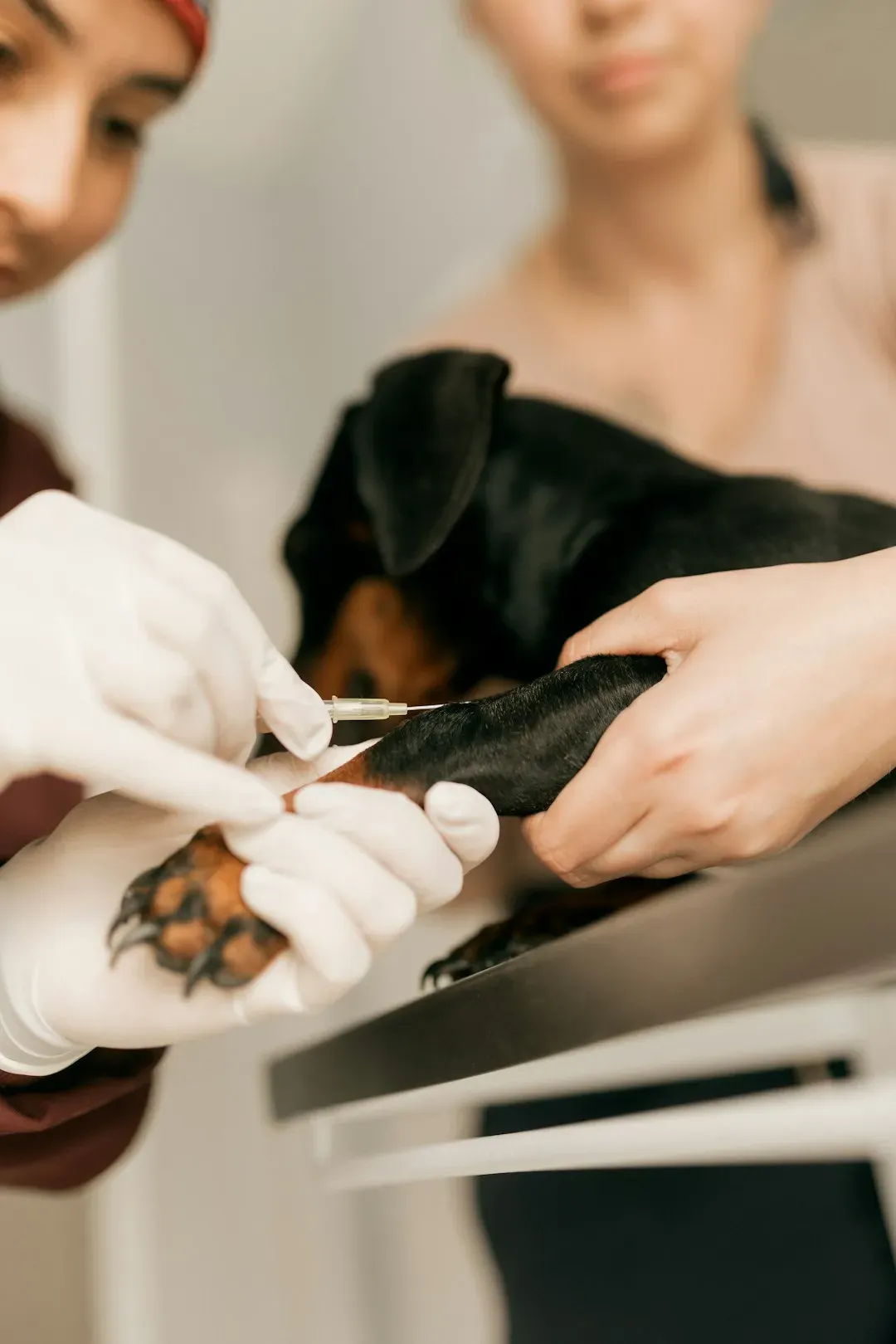
Rabies vaccination is a legal requirement for dogs in New York, and upstate owners tend to take it seriously because wildlife such as raccoons, foxes and bats share the same neighborhoods. Keeping the certificate current also matters for licensing, boarding and travel. Many people set a calendar reminder so a booster doesn’t slip by.
The same appointment is a good time to ask about other vaccines tied to local conditions. Vets may bring up leptospirosis, which can spread through water and wildlife contact, for dogs that swim or wade in ponds. Those decisions are individual, so they’re best made with the dog’s own vet.
8. Watching Where Dogs Swim

Lakes and streams are a big part of summer in the region, and dogs love them. Careful owners look at the water before letting a dog in. They skip places with scum, paint like streaks or a strong odor, which can signal harmful algal blooms.
The state’s environmental agency tracks these blooms, and posted advisories at beaches and boat launches are worth heeding. If a dog does get in, rinsing it with clean water afterward is a sensible habit. Stagnant, warm, shallow water deserves extra caution.
9. Staying Alert for Symptoms in the Weeks After a Bite
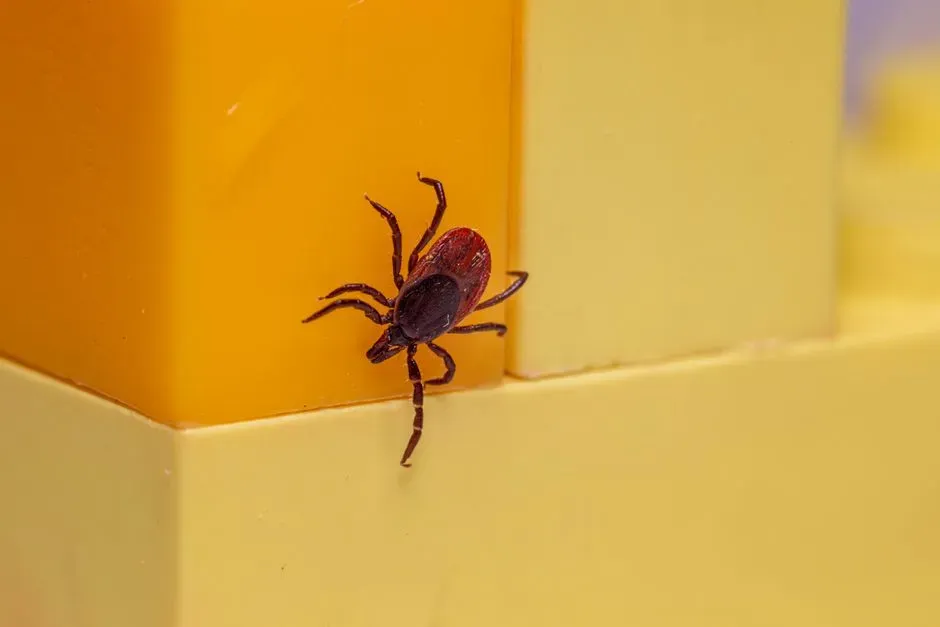
Tick diseases don’t always show up right away, so many owners keep an eye on their dogs for weeks after a known exposure. Signs to mention to a vet include lameness, fever, low energy and reduced appetite. Notes about when and where the dog was outdoors help the vet decide on testing.
Surveillance data shows why people stay watchful. Since 2015 the state has reported an average of six hundred babesiosis infections and thirteen hundred anaplasmosis infections each year. Those figures are for people, but they reflect the same ticks that dogs encounter.

Leave a Reply