
Ask almost anyone about their childhood holidays and you’ll hear about a specific table, a specific dish, a specific argument over who sits where. Those rituals felt permanent. For many families, they aren’t.
Adult children rarely announce that they’re stepping away from a tradition. They just skip a year, then another, and the habit fades without a formal goodbye. Here are nine traditions that seem to be slipping, along with some reasons why.
Mandatory Holiday Travel Home

The expectation that everyone returns to the family home for every major holiday is loosening. Flights, gas, and lost vacation days add up, and many adults now alternate years or split holidays between partners’ families. Costs matter here, since travel prices have stayed stubbornly high in recent years.
Parents often read this as distance, though it’s usually logistics. Plenty of adult children say they’d rather visit for a long weekend at a calmer time than squeeze into a crowded few days. The visit still happens. It just moves.
The Formal Sunday Dinner
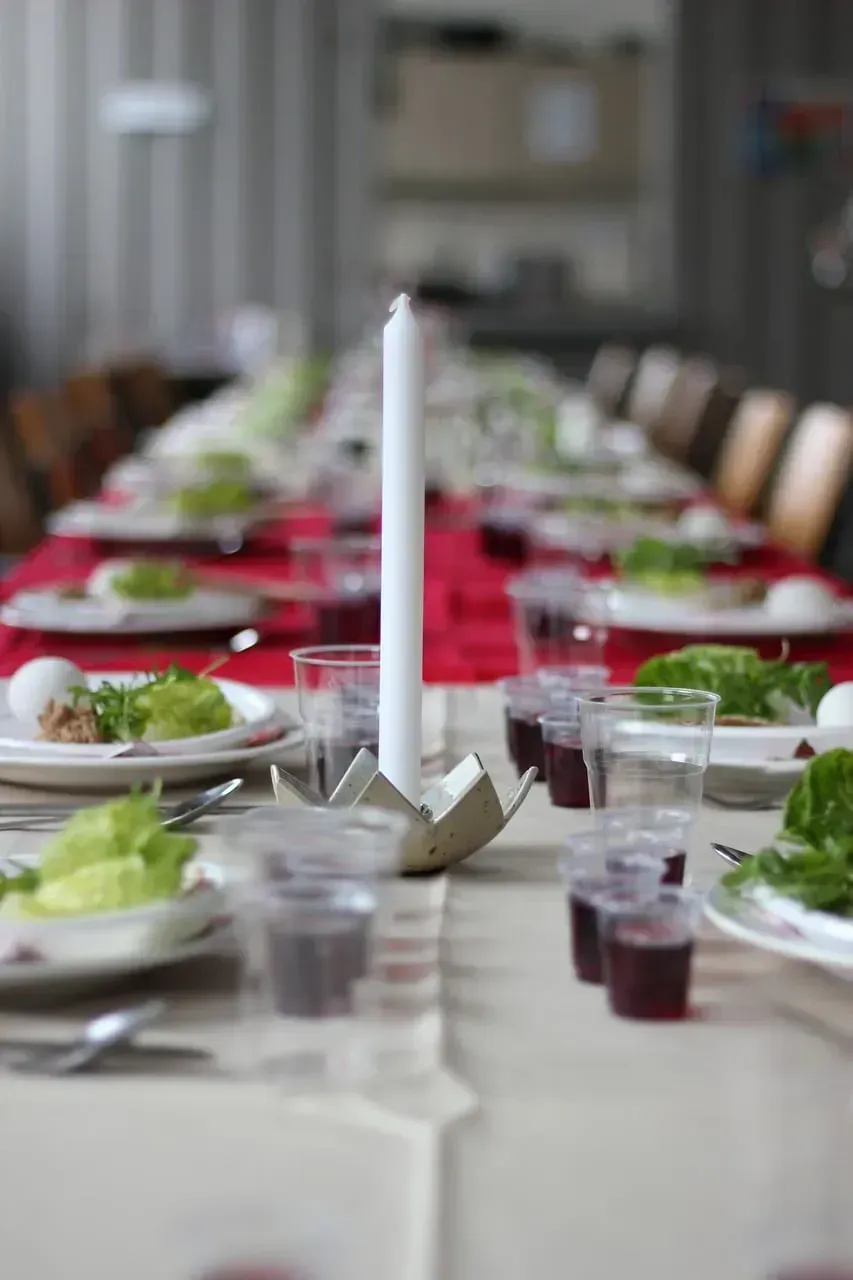
Weekly family dinners once anchored the calendar for many households. Today, work schedules, side jobs, and long commutes make a fixed weekly slot hard to keep. Younger adults also tend to live farther from their parents than earlier generations did.
Some families have swapped the ritual for something lighter, like a monthly meal or a standing video call. It’s not the same, and nobody pretends it is. Still, it keeps a thread going.
Attending Religious Services Together

Going to church or another house of worship as a family used to be a given. Pew Research Center’s Religious Landscape Study, released in 2025, found that the share of U.S. adults who identify as religiously unaffiliated has leveled off after years of growth, yet it remains far higher than it was a few decades ago. Younger adults are the most likely to say they don’t belong to any religion.
That leaves some families navigating awkward territory at holidays like Easter or Christmas. Many adult children attend occasionally for the sake of their parents, while others opt out entirely. The tradition survives mostly where faith itself does.
Gifting Everyone at Christmas

Buying for every cousin, aunt, and in-law has become a burden for many households. Secret Santa draws, spending caps, and “no gifts for adults” agreements are increasingly common. Rising living costs are a big reason, since many younger adults are juggling rent, debt, and childcare.
The shift often starts with a group text and a bit of relief all around. Families frequently keep gifts for children and drop them for everyone else. Time together takes the place of presents.
Handing Down Family Surnames and Naming Patterns

Naming a child after a parent or grandparent was once routine. Now many couples choose names for sound, meaning, or uniqueness rather than lineage. Hyphenated surnames and shared new surnames have also become more common.
This can sting for older relatives who saw a name as a link in a chain. Younger parents tend to see it differently, as a gift to the child rather than an obligation to the past. Both views are rooted in love, which helps.
Staying Close to the Hometown

Generations of families once lived within a few miles of each other. U.S. Census Bureau data have long shown that younger adults move more than older ones, often for jobs or affordable housing. Remote work has added another wrinkle, letting some people relocate far from where they grew up.
The result is that grandparents may see grandchildren only a few times a year. Families fill the gap with calls, shared photo albums, and planned trips. Proximity used to do that work automatically.
Keeping Strict Gender Roles at Family Gatherings

In many homes, women cooked and cleaned up while men watched the game. Adult children, especially those in dual income households, are pushing back on that split. Pew Research Center surveys have repeatedly shown that most Americans favor equal sharing of household duties.
At gatherings, this shows up in small ways, like everyone clearing plates or a son taking charge of the stuffing. Some older relatives grumble. Many quietly adjust once they see the meal still gets done.
Avoiding Hard Conversations

Many families had an unwritten rule not to talk about money, mental health, or family conflict. Younger adults are more willing to name these topics, partly because therapy and mental health language have become far more mainstream. The American Psychological Association has reported higher rates of people seeking mental health care in recent years.
That openness can feel uncomfortable for parents raised on silence. Some adult children now set boundaries or step back when conversations turn unproductive. Others use honesty to repair relationships that silence had left strained.
Insisting on Family Reunions
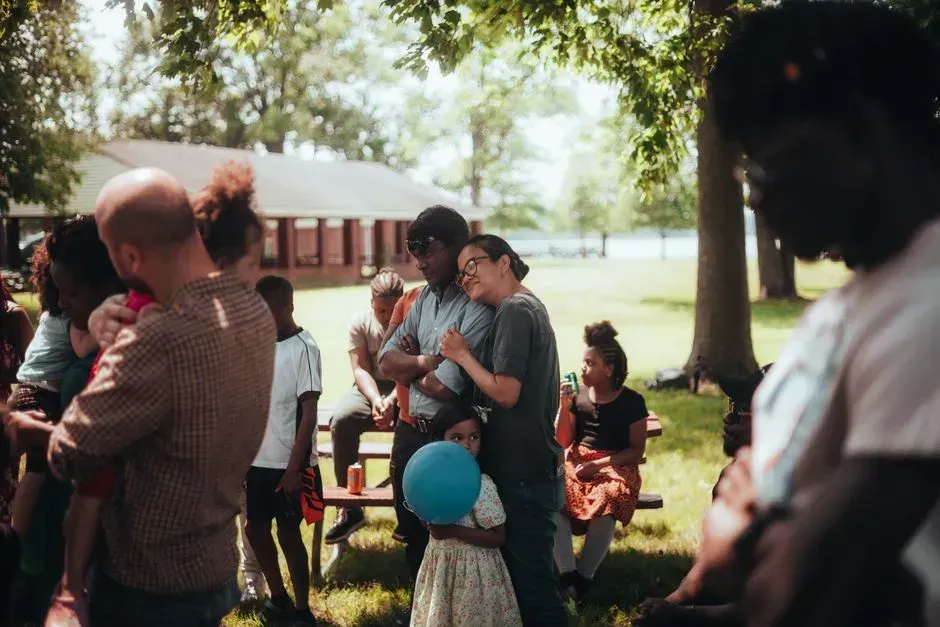
Large reunions with distant relatives, matching T-shirts, and potluck tables are harder to organize than they used to be. Smaller households, scattered relatives, and packed calendars all work against them. Costs for venues and travel make big gatherings even tougher.
Some families have replaced them with group chats, shared online photo folders, or smaller regional meetups. The big reunion still appears now and then, usually for a milestone birthday or a memorial. It’s become an occasion rather than an annual duty.





Leave a Reply