
Eggs

Eggs are the clearest example of a grocery item that flipped from crisis to bargain almost overnight. By January, retail egg prices were 34.2% lower than they were the same month a year ago, and at the farm level, egg prices were expected to drop by 44.1% in 2026 as supply recovered. That kind of swing is rare for any food category, let alone one that spent the better part of three years as the poster child for inflation.
The turnaround traces back to the poultry flock itself. There were fewer new detections of HPAI during the first quarter of calendar year 2026 than there were during the first quarter of calendar year 2025, and the availability of replacement pullets has been sufficient in 2026 to cover both regular flock turnover and unpredictable HPAI-related losses. By spring, the market had swung so far the other way that producers were dealing with an oversupply problem instead of a shortage, and egg prices fell 44.7% year-over-year in March 2026, according to Bureau of Labor Statistics data, marking a sharp reversal from last year’s spike during the bird flu outbreak.
Butter
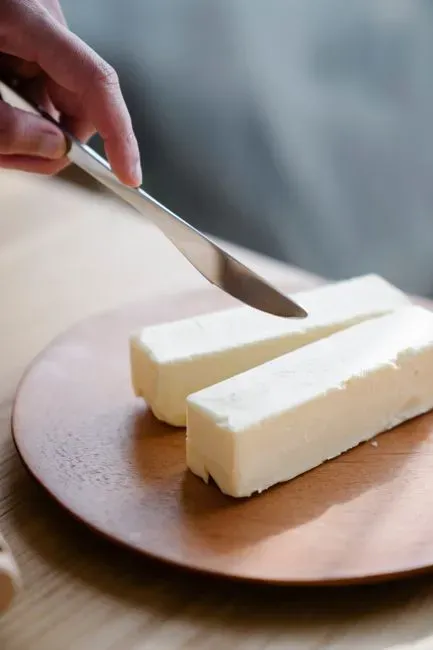
Butter has quietly become one of the biggest surprises in the dairy aisle. US butter prices plunged to the lowest in more than three years as near-record seasonal production raised concerns of a butter glut, with futures traded in Chicago touching the lowest price since November 2021. That’s a striking reversal after the record highs butter hit just a couple of years earlier.
The oversupply isn’t just a domestic story either. Global butter prices moved in a dramatic peak-and-crash pattern through 2025, rising to a cyclical high in Q2 before dropping sharply into Q4 2025 and Q1 2026, with the cumulative decline from the peak tracking a widely reported correction in European wholesale dairy markets. Analysts don’t expect a quick rebound, either, since heavier milk production and softer demand from bakeries have kept a lid on prices heading into the back half of the year.
Cheese
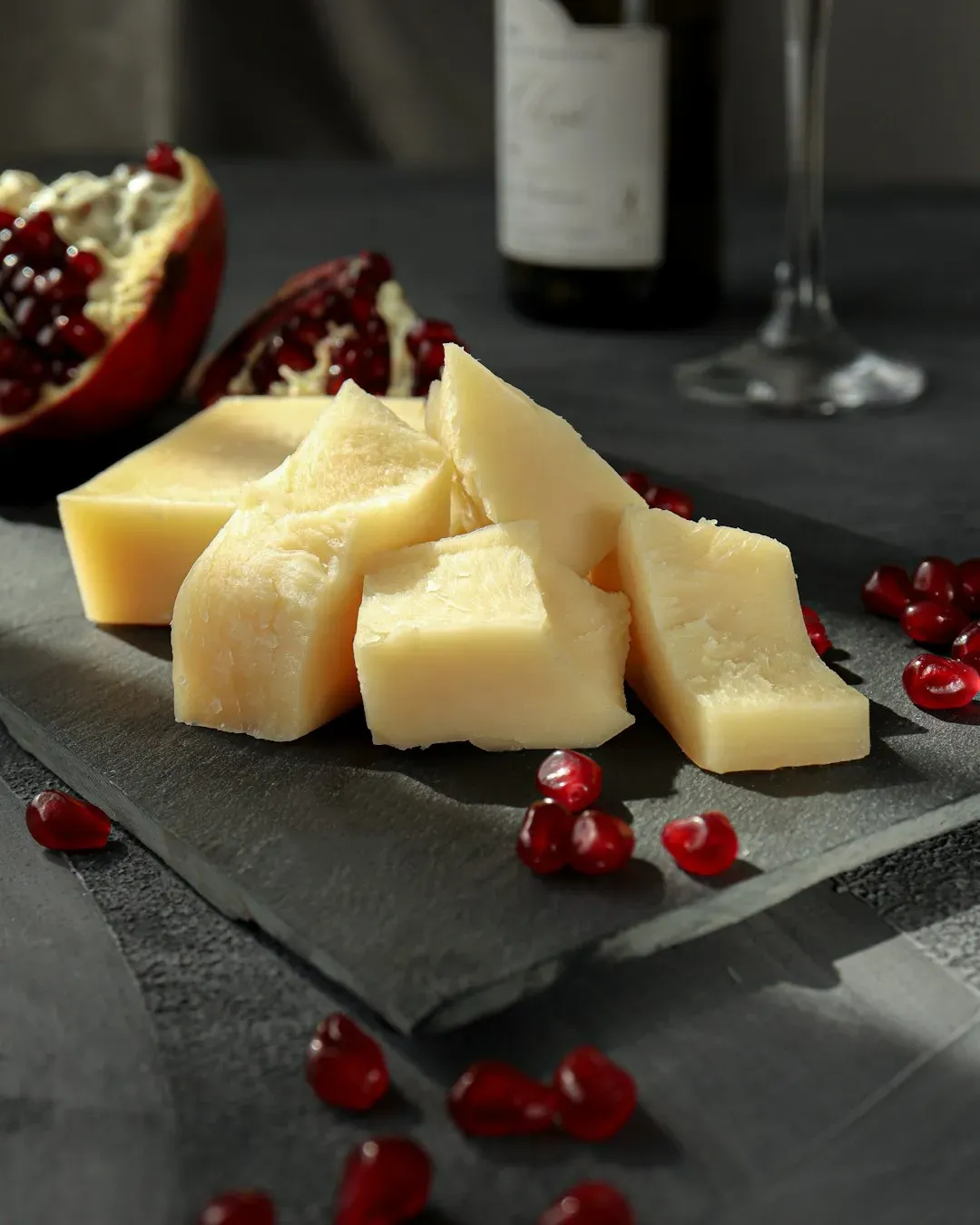
Cheese has been riding the same wave as butter, just with a bit less drama. A late-June 2026 USDA report showed dairy prices down across all four major categories it tracks, with butter, cheddar, dry whey, and nonfat dry milk all falling for the week ending June 27, and cheddar cheese in 40-pound blocks averaging $1.53 per pound, down from the previous week. Small moves week to week, but they add up over a few months.
The retail data backs up the trend at the register too. The June Consumer Price Index for all food stood at 349.7, up 3.0 percent from 2025, but cheese specifically was down 3.6 percent year over year that same month. That’s an unusual bright spot in a food category that spent much of the past few years only moving upward.
Cooking oils and fats

Vegetable oils and shortening have quietly slipped into deflation territory this year. USDA’s Economic Research Service has repeatedly flagged this category as one of the few actually getting cheaper, noting that prices for eggs, dairy products, and fats and oils are predicted to decline in 2026 compared to 2025. That’s a meaningful shift after years of elevated cooking oil costs tied to global supply disruptions.
Later revisions only strengthened that outlook. By midyear, fats and oils were projected to fall 4.5%, reflecting continued easing in vegetable oil markets and improved supplies. For anyone who bakes, fries, or just keeps a bottle of canola oil in the pantry, that’s real relief showing up gradually rather than all at once.
Powdered and dry milk products
It’s not the most glamorous item on a grocery list, but nonfat dry milk has been sliding right alongside butter and cheese. The same late-June USDA snapshot that flagged falling butter and cheddar prices also showed nonfat dry milk down 7.7 cents per pound in a single week, part of a broader pattern across the dairy complex.
Weekly market data from the Chicago Mercantile Exchange has told a similar story through the summer. Grade AA butter closed lower on the week, and nonfat dry milk Grade A closed at $1.4700, with a weekly average down $0.0115 from the prior period. It’s a niche category most shoppers never think about directly, but it feeds into the cost of everything from baked goods to protein powders and infant formula.
Pork
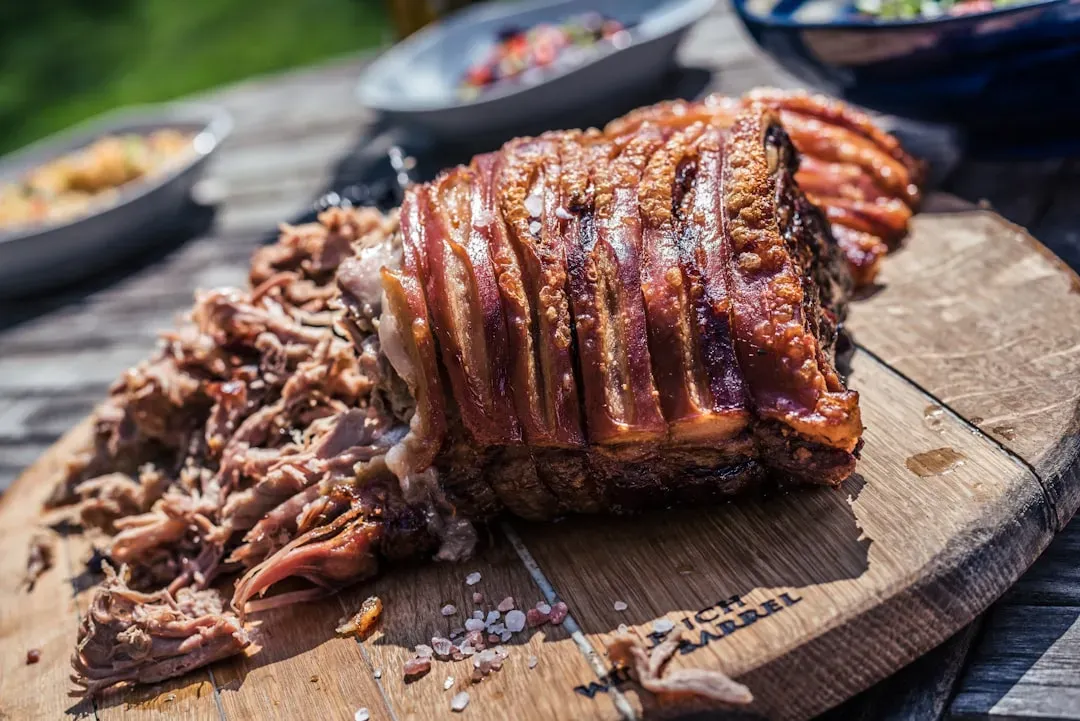
Pork hasn’t collapsed the way eggs or butter have, but it’s one of the rare proteins holding roughly steady or even easing slightly while beef keeps climbing. Some forecasts put pork getting about 0.3% cheaper in 2026, a modest but notable contrast to the sharp increases hitting beef and veal.
USDA’s own outlook frames pork as one of the categories growing well below its historical pace. Prices for pork, poultry, cereal and bakery products, and fresh fruits in the food-at-home categories are predicted to grow slower than their 20-year historical average rate of growth, while eggs, dairy products, and fats and oils are predicted to decline outright. For anyone rethinking weeknight dinners around beef’s rising cost, pork has quietly become the more budget-friendly stand-in.
Snack chips
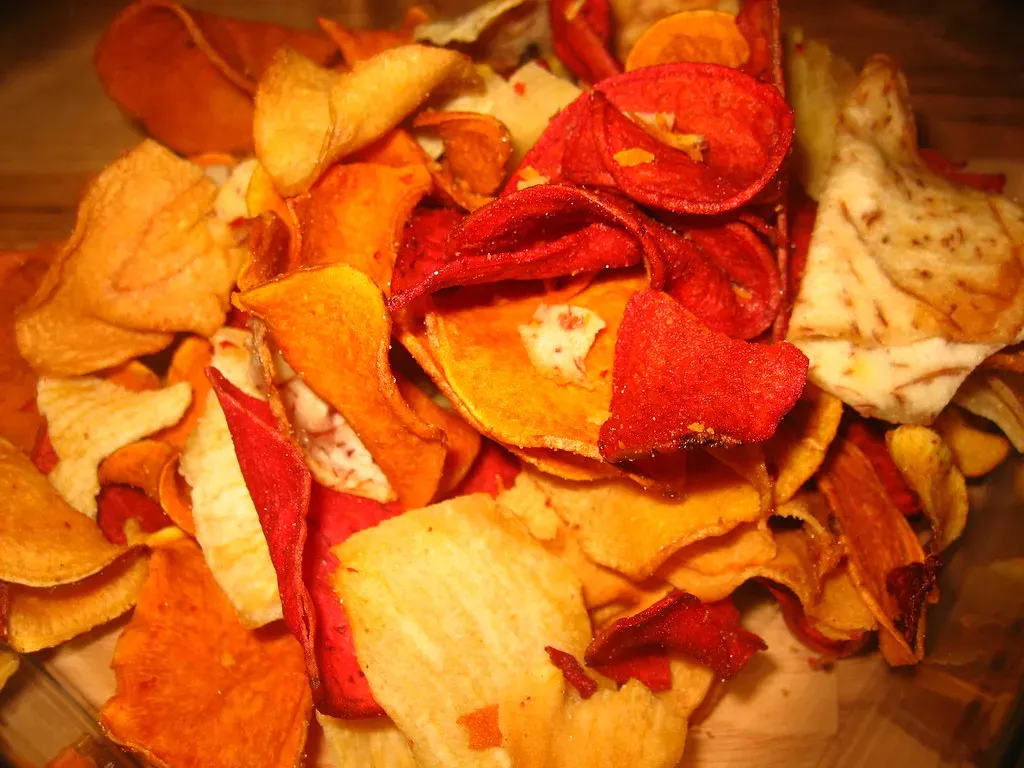
This one didn’t happen by accident. Facing pushback from shoppers tired of paying more for the same bag of chips, PepsiCo, the maker of Lay’s, Doritos and other major snack brands, announced it is cutting the price of many snacks by up to 15%. That’s a direct, deliberate move rather than a passive market drift.
It matters because snack and packaged food prices overall have been running hotter than most grocery categories this year. Against that backdrop, combined “other foods” prices, which include snacks, sauces, and condiments, are estimated to increase 3.1% in 2026, much higher than the historical average of 2.4%, which makes a major manufacturer voluntarily cutting prices stand out even more.
Frozen vegetables
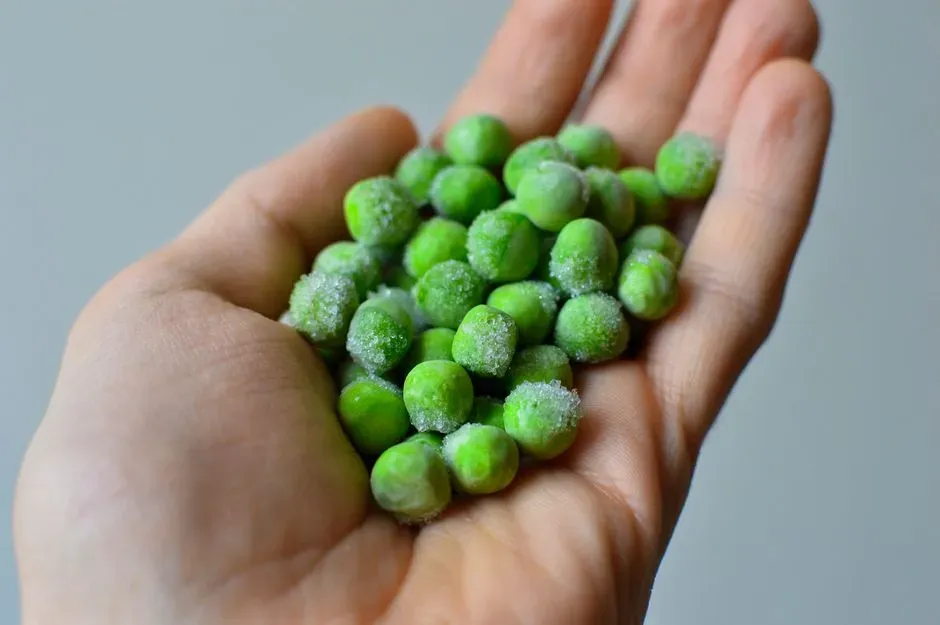
Frozen vegetables have become an unlikely battleground for value-conscious shoppers this year. Retailers have leaned hard into deals here, and frozen vegetables, pizzas, prepared meals and appetizers are increasingly appearing in multi-buy offers and digital coupon programs as retailers and manufacturers lean harder into promotions. That’s effectively lowering the real price shoppers pay, even if shelf tags haven’t moved much.
Part of the reason retailers are pushing so hard on this category is shifting shopper behavior. Part of the pressure stems from shoppers becoming more selective about premium convenience purchases, so as households continue looking for value, retailers are using frozen foods as a battleground for basket-building promotions. If you’ve noticed more coupons in the frozen aisle lately, this is why.
Store-brand staples
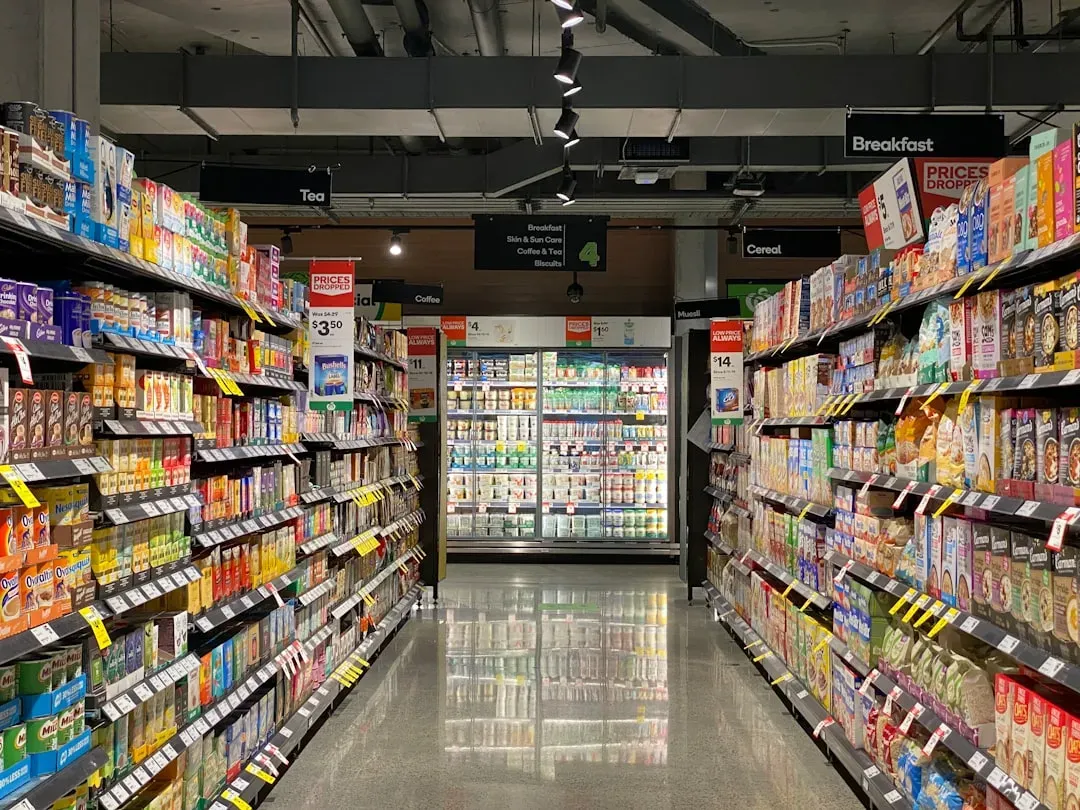
Private label groceries aren’t a single item, but they’re worth calling out because they’re where a lot of quiet savings are actually happening. Regional grocery chains have been investing heavily here, and that shift is particularly important in the Northeast and Mid-Atlantic, where chains including Wakefern Food Corp. banners, the Kroger Co., and Ahold Delhaize USA banners continue investing heavily in own-brand assortments.
The bigger picture is that shoppers aren’t necessarily seeing name-brand prices drop across the board. Instead, for many shoppers, “cheaper” increasingly means finding acceptable substitutes rather than waiting for prices to return to 2019 levels. Store brands have quietly filled that gap, often at noticeably lower price points than their national-brand counterparts on the same shelf.
These nine categories don’t erase the sting of a grocery bill that’s still climbing overall, but they show the picture isn’t uniformly bleak either. Some of the relief is temporary, tied to supply gluts that could correct within a year or two, while other shifts, like the move toward store brands and manufacturer-driven price cuts, look more durable. Either way, knowing where the actual savings are hiding makes it a lot easier to shop smarter without waiting for a broader price drop that may not come anytime soon.
Leave a Reply