
Open the linen closet in a home run by thrifty parents, and you’ll often find a quiet system at work. Towels are sorted by age, sheets are folded in a way that saves space, and nothing has been tossed without a second thought. It looks ordinary, yet it reflects a whole way of thinking about money and care.
Many adults who grew up in those homes still keep their own shelves the same way. Some do it on purpose, others out of habit they never questioned. Here are nine of the most common ones.
Tucking the Pillowcase Inside the Sheet Set
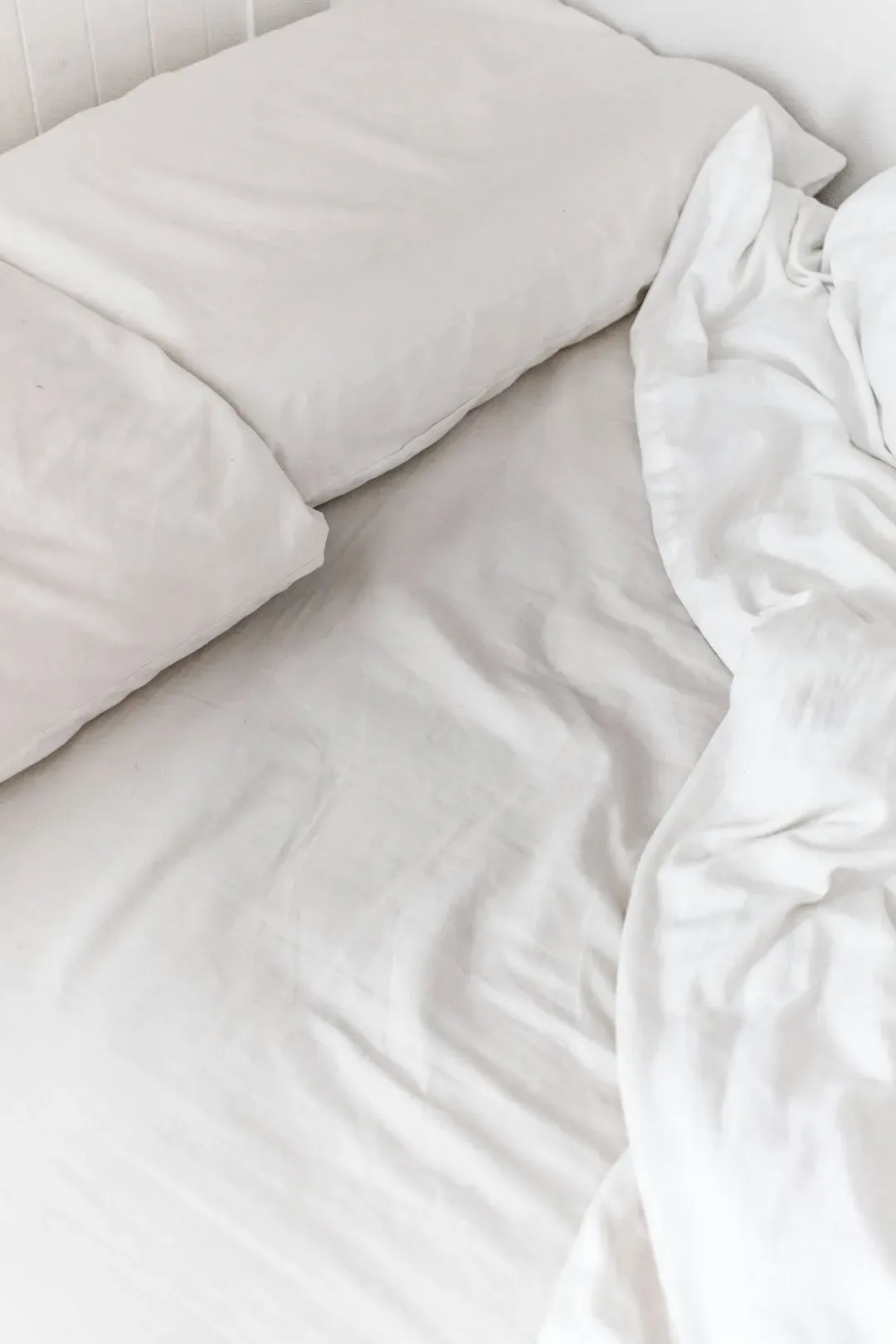
Store a fitted sheet, a flat sheet, and a pillowcase together inside one of the pillowcases, and you’ll never hunt for a matching piece again. Frugal households often did this because a mismatched set felt like wasted money. Losing one sheet meant the whole set was less useful.
The habit still works today. Bundling keeps each set complete, which makes it easier to rotate bedding evenly and avoid overusing a favorite. It also keeps the shelf tidy without buying any organizers.
Demoting Old Towels Instead of Throwing Them Out
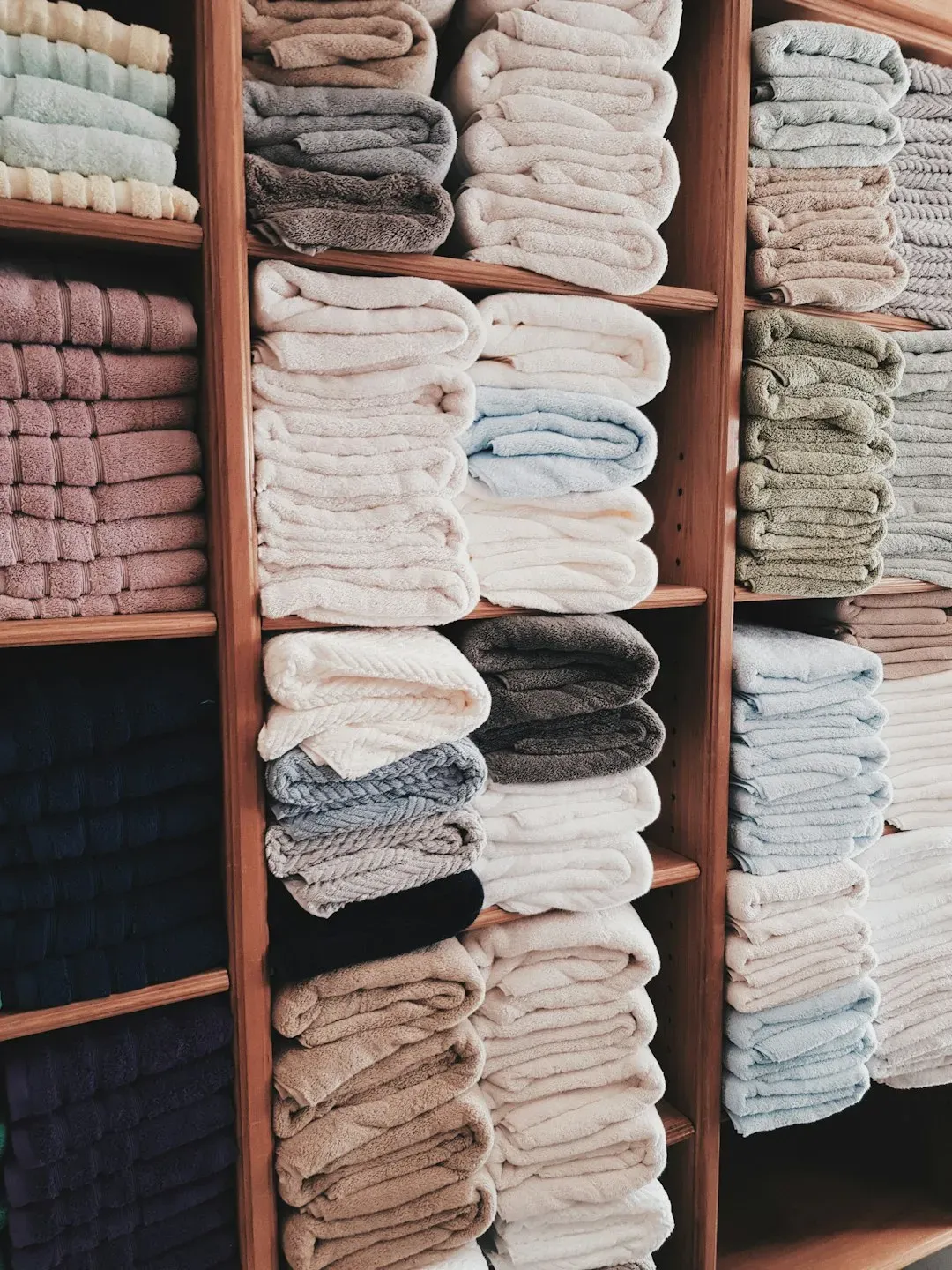
A bath towel rarely went straight to the trash in these homes. It became a beach towel, then a pet towel, then a car rag, and finally a cleaning cloth. Each step gave the fabric another job before it retired for good.
Plenty of grown children still keep a small stack of worn towels on the bottom shelf for exactly this purpose. Textile waste is a real issue, and the EPA has reported that millions of tons of textiles end up in US landfills each year. Extending a towel’s life is a small way to keep some of that out.
Keeping a Separate Set of Guest Linens
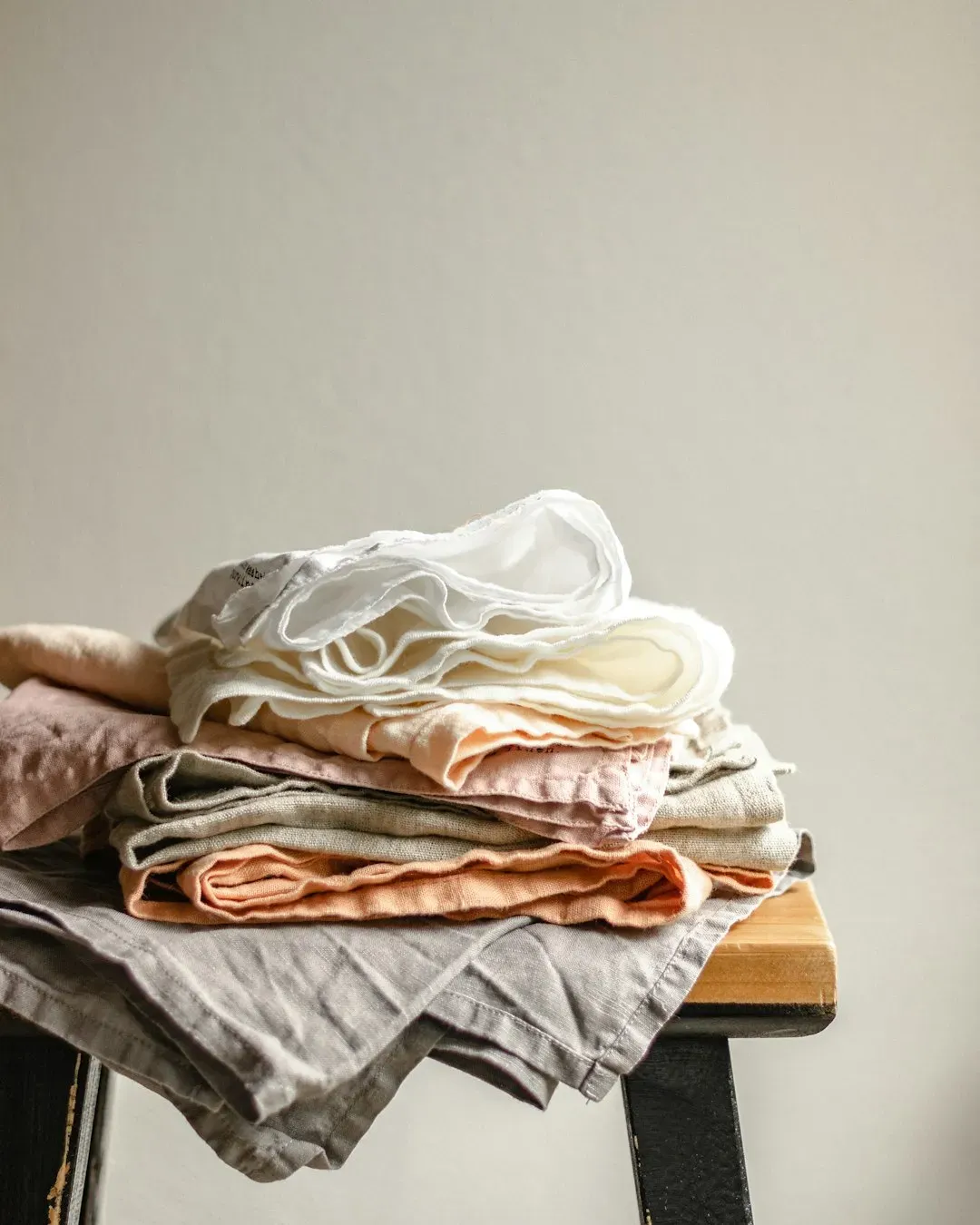
Good sheets and towels were often saved for visitors and holidays. Parents who watched every dollar wanted the nice items to last, so they stayed folded and unused for long stretches. Everyday family life got the older, softer, slightly faded set.
Adults raised this way often repeat the split. There’s a practical logic to it, since it keeps a presentable set ready without notice. Still, some admit the guest stack can sit untouched for years.
Mending Before Replacing
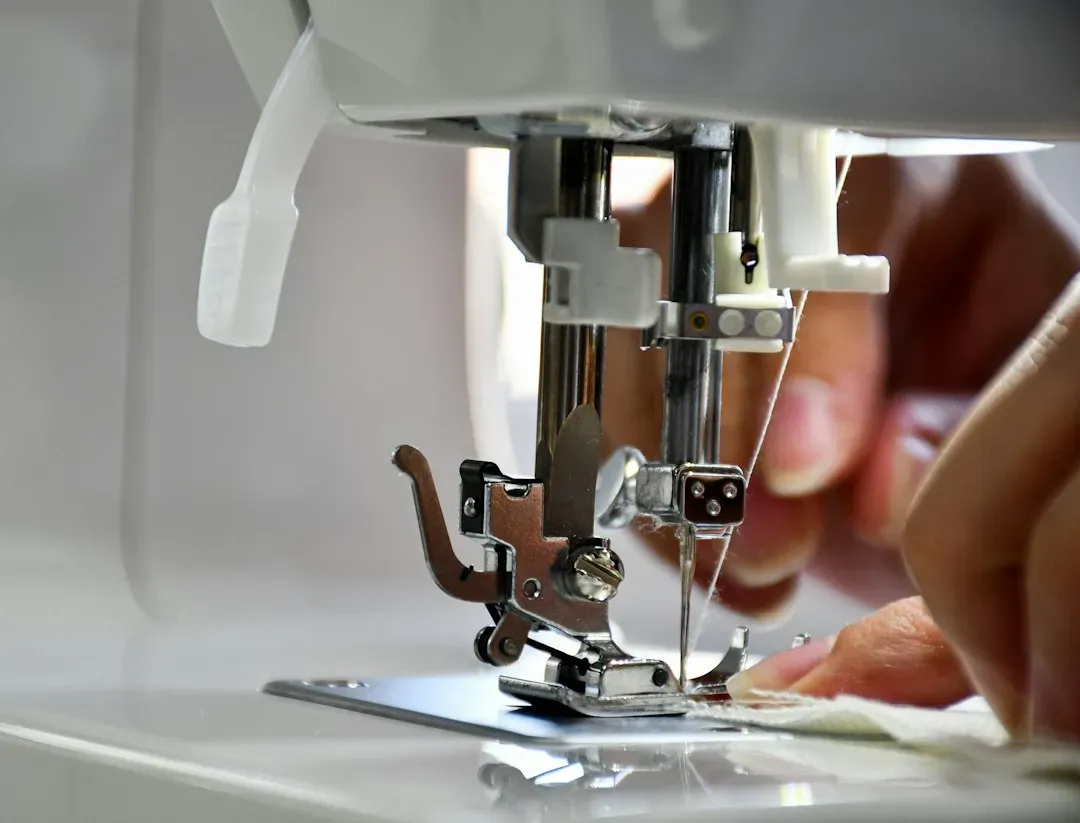
A small tear in a sheet or a loose hem on a towel usually meant a needle and thread, not a shopping trip. Many frugal parents saw basic sewing as an ordinary household skill. A quick patch could add years to a piece of bedding.
That instinct hasn’t disappeared. Repair has gained fresh attention in recent years, and several countries and regions have pushed right to repair and textile reuse policies. Someone stitching a hem in their own hallway is part of a much bigger conversation.
Rotating Stock So Everything Wears Evenly

Fresh laundry goes on the bottom of the pile, and the next item comes from the top. It sounds minor, yet it spreads wear across every towel and sheet instead of ruining a few. Parents who couldn’t afford constant replacements understood this well.
Textile care guidance commonly recommends rotating bedding sets for the same reason. Even use helps fabrics age at the same pace. The result is a closet where nothing is worn thin while other pieces sit new.
Buying Linens on Sale or in Bulk
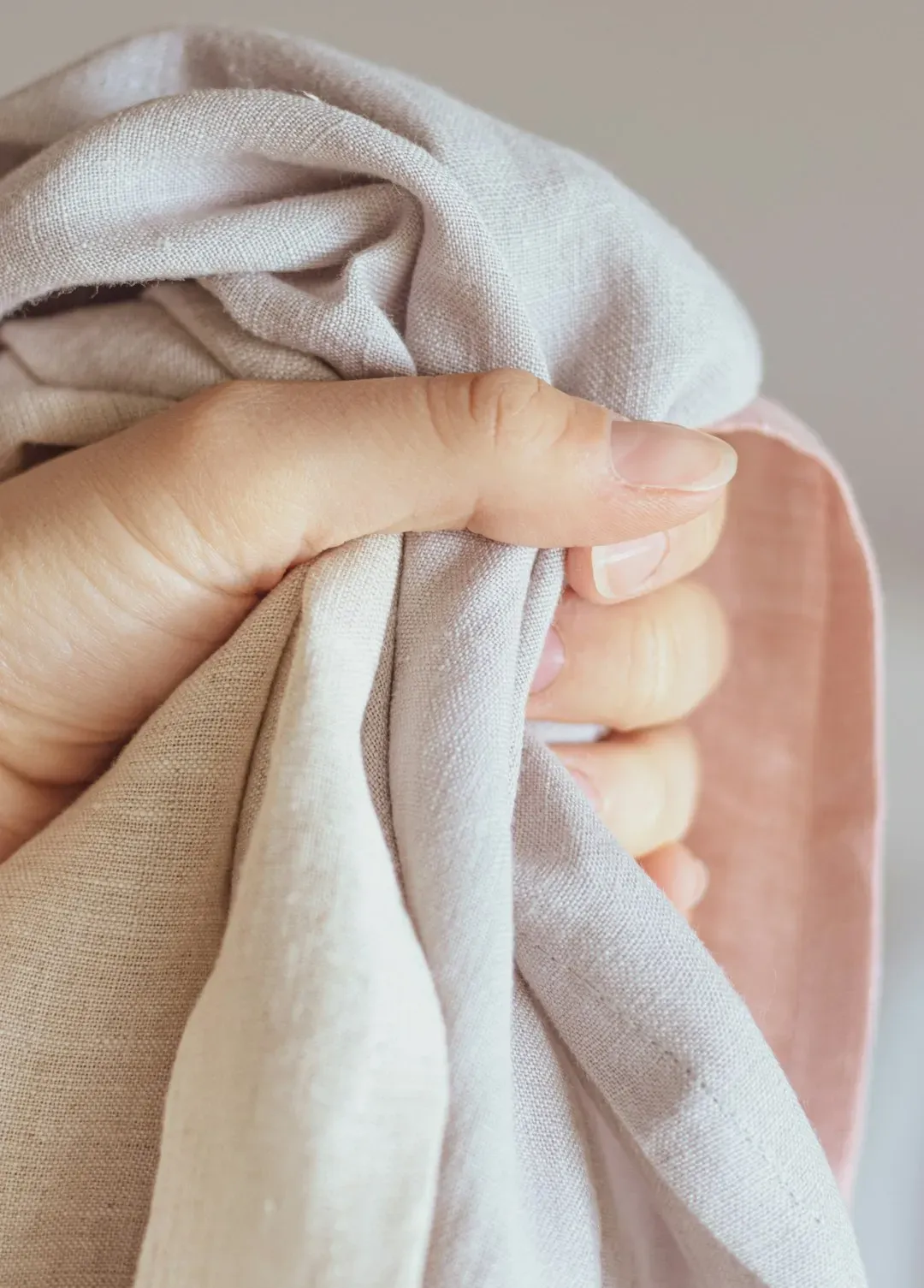
White sales, clearance racks, and end of season discounts were the main way frugal households restocked. Parents waited for the right moment rather than paying full price on the spot. Some bought several matching towels at once to keep the set uniform.
Grown children often still watch for those windows. Retailers continue to run January and summer linen promotions, so the pattern hasn’t lost its usefulness. Patience, more than any coupon, is what saves the money.
Washing Linens Carefully to Make Them Last
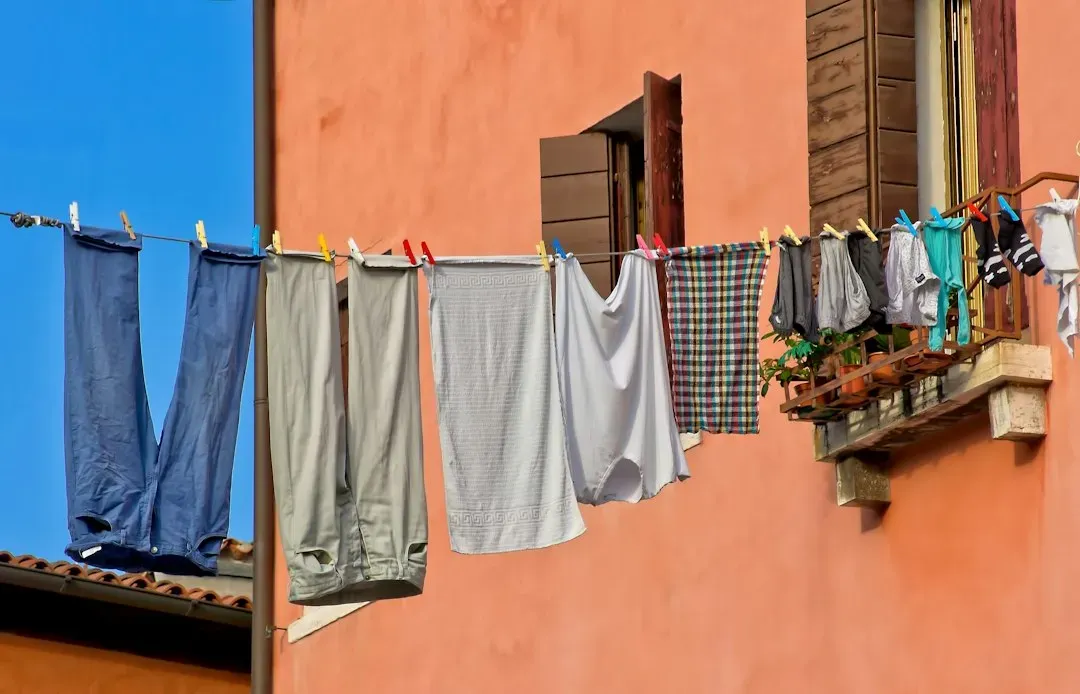
Frugal parents tended to follow the care label, skip excess detergent, and avoid overheating the dryer. Heat and too much product can break down cotton fibers over time. Line drying, when possible, was another common way to reduce wear and energy costs.
Many adults still lower the dryer setting or hang sheets outside on nice days. Laundry appliances are a big part of household energy use, so gentler cycles can help the utility bill too. Towels stay softer and sheets hold their shape longer.
Reusing Worn Sheets for Other Projects
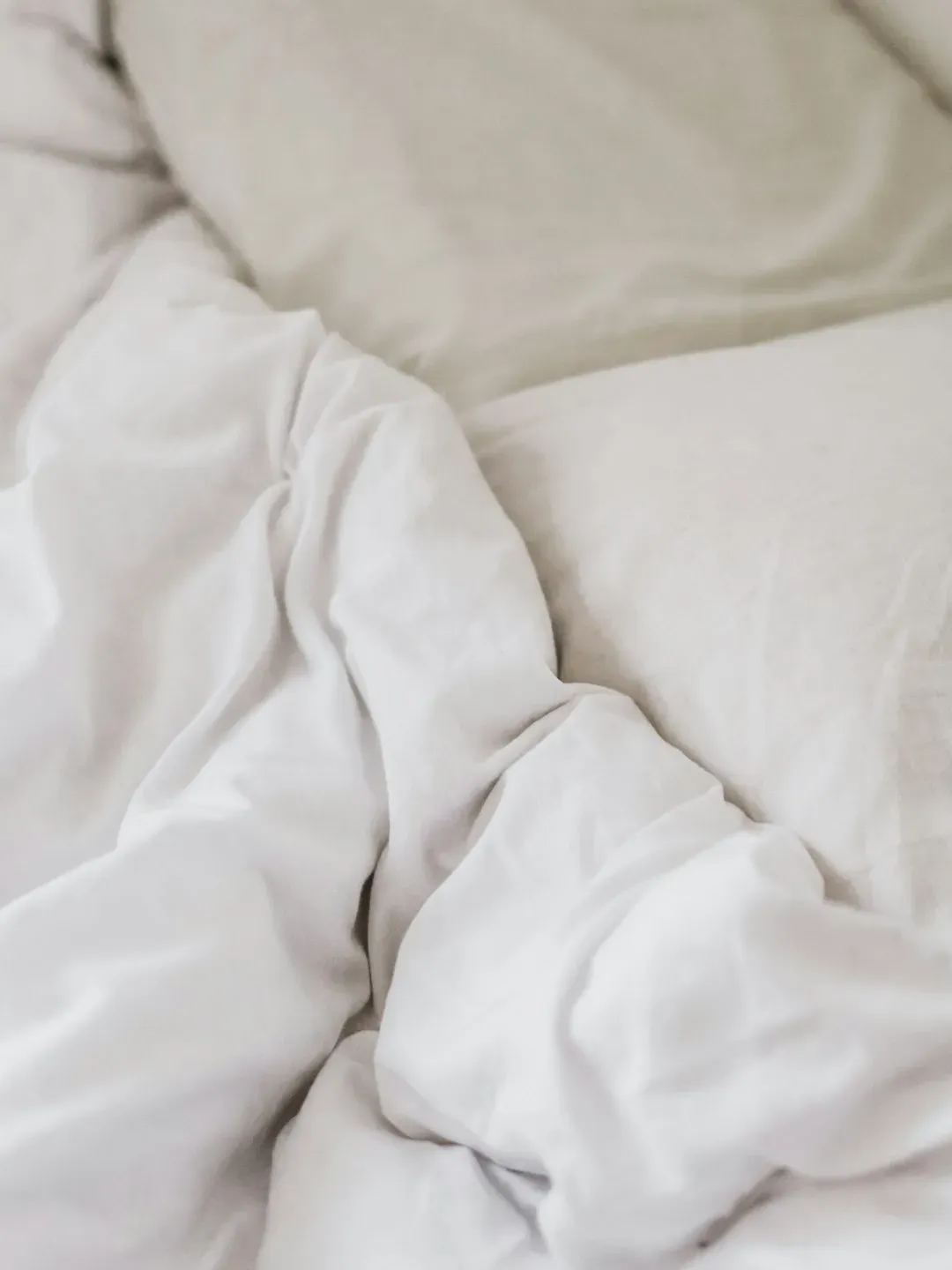
When a sheet finally gave out in the middle, it rarely got tossed whole. Parents cut the good edges into cloths, dust covers, drop cloths, or lining for craft projects. Some even turned them into pillowcases or children’s costumes.
That habit lives on in painting jobs, moving days, and furniture protection. A retired sheet costs nothing and does the work of a store bought cover. It’s an easy way to give old fabric a second purpose.
Keeping the Shelves Simple and Uncluttered
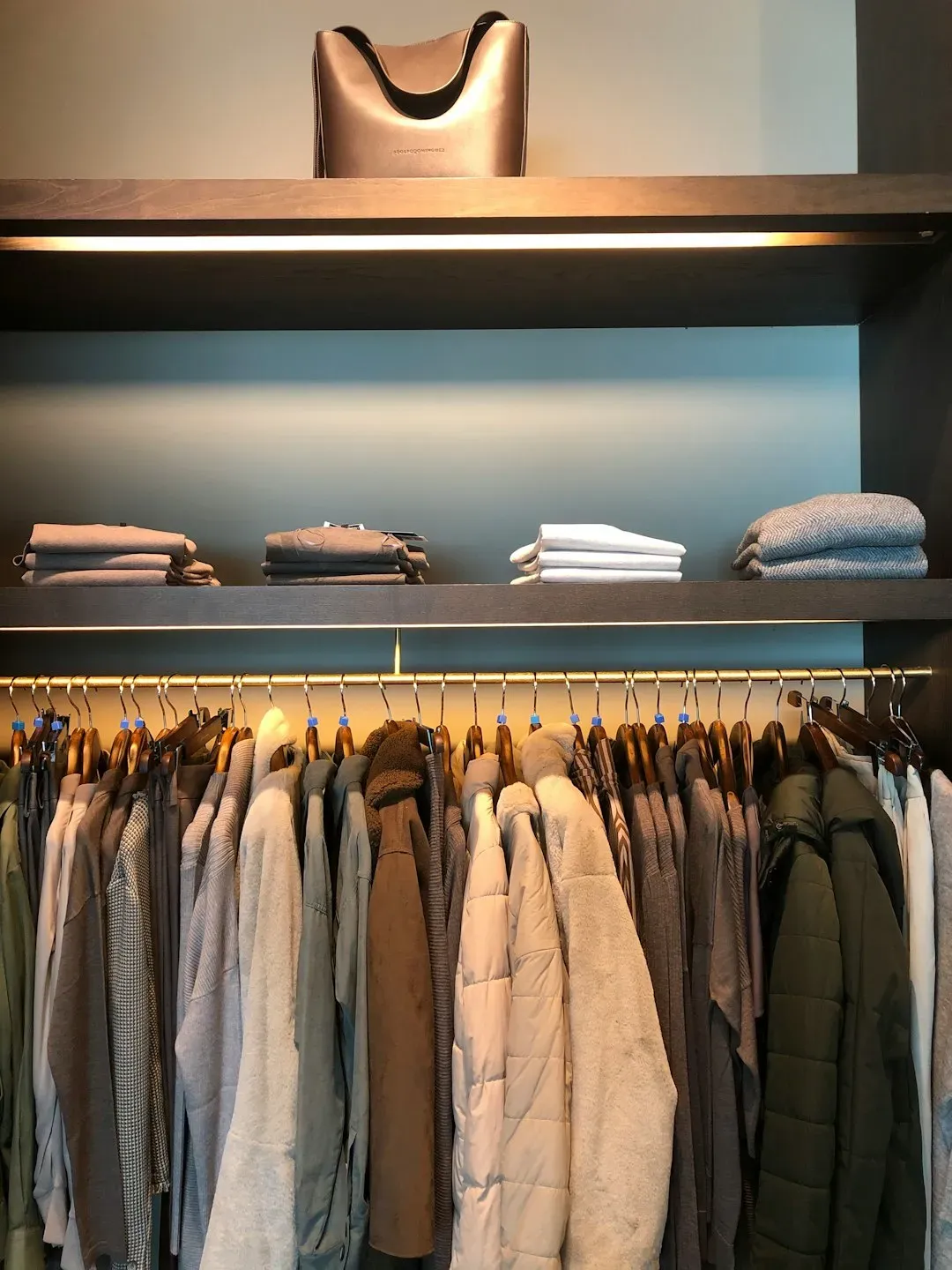
Frugal homes rarely had overflowing closets. Parents kept only what they needed, usually a few sets per bed and a modest number of towels. Owning less meant knowing exactly what they had and avoiding duplicate purchases.
People who grew up this way often keep the same restraint as adults. A closet with clear space is easier to check before shopping, which prevents impulse buys. It also makes the routine of folding and putting things away quicker.




Leave a Reply