
Walk into most grocery stores and the meat case tells the same story every time: ribeye, sirloin, chicken breast, ground beef. Neat rows, familiar names, predictable prices. What that display doesn’t show you is everything happening behind the counter – the cuts that never make it to the floor because someone already has dibs on them.
That’s not a conspiracy. It’s just how butchery works. Behind a proper butcher’s counter, the animal is broken down in far more detail, and that’s where the hidden gems appear. Many of the tastiest beef cuts never reach a plastic tray. They vanish as soon as a regular customer asks for them. If you want access to this world, you need to know what to ask for – and ideally, you need a butcher who knows you.
1. Hanger Steak – The Original Butcher’s Steak
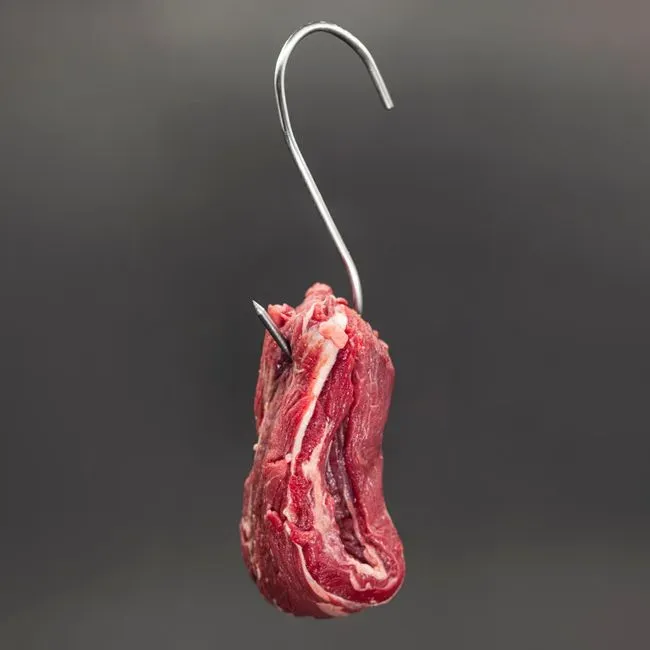
Hanger steak is known as a Butcher’s Steak and is one of the butcher’s best-kept secrets. This cut is found between the cow’s loin and rib, supporting the diaphragm – it just hangs there and does almost no work, which makes it exceptionally tender. Given that there’s only one per steer, it is genuinely rare to find. That scarcity alone explains why it rarely survives long enough to reach the display case.
Known for its loose grain and deep beefy flavor, it was historically kept by butchers for personal use rather than sold. Today, it’s prized in French bistros as onglet and is especially popular in Europe for grilling and pan-searing. The texture has a slightly coarser quality than a tenderloin, but the payoff in flavor is significant. Cook it hot and fast, rest it properly, and slice against the grain.
2. Ribeye Cap (Spinalis Dorsi) – The Crown Jewel
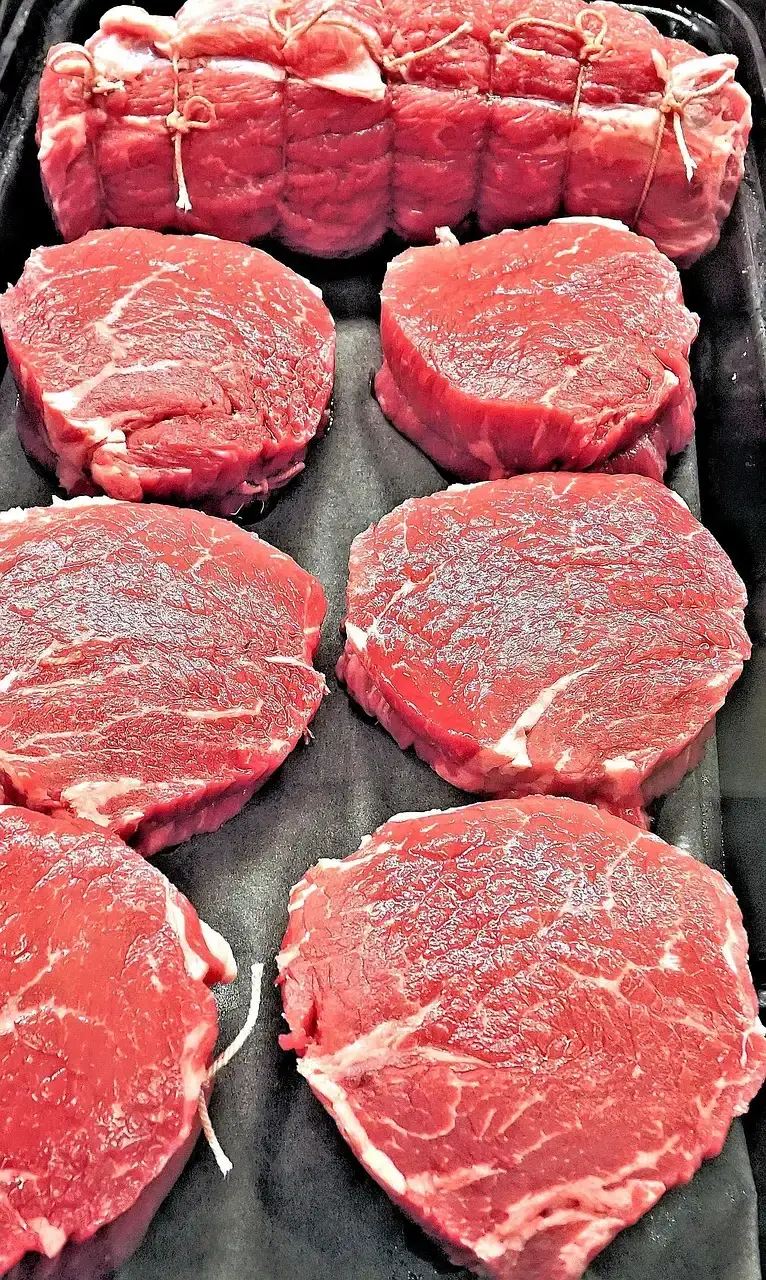
The ribeye cap, also known as spinalis dorsi, comes from the outer muscle of the ribeye. While ribeye steaks are popular, the cap itself is rarely separated for sale because of its small yield – just a few ounces per rib primal. Highly marbled and exceptionally tender, it’s considered one of the most flavorful cuts of beef. Most customers never even realize it exists as a standalone cut.
The spinalis ribeye cap, also known as butcher’s butter, is very sought after yet rare to find. It’s often referred to as “the butcher’s cut” as it’s known to be reserved by butchers for their own enjoyment because it is comparably cheaper than other cuts, but is becoming increasingly known for its rich, deep flavors due to its high degree of very fine intramuscular fat. When you do find it, treat it simply. A hot cast iron pan and good salt are all it needs.
3. Flat Iron Steak – Hidden in the Chuck
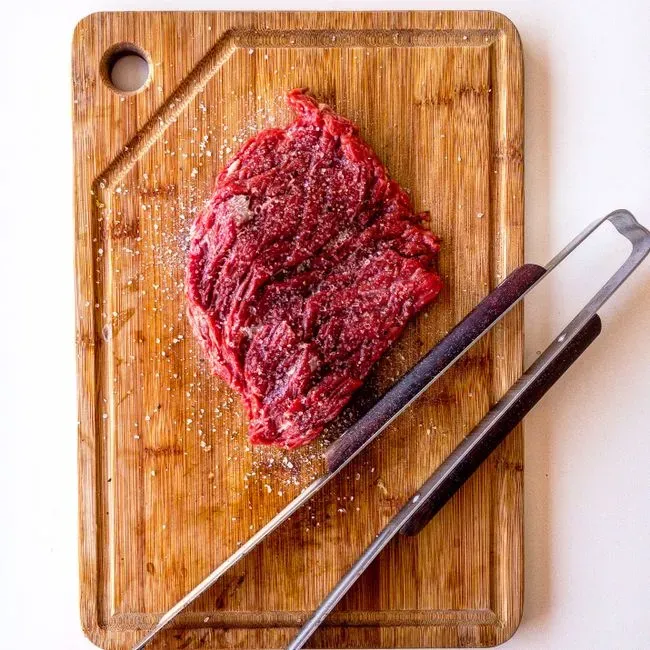
The flat iron steak is cut from the top blade of the chuck. Developed in the early 2000s through research by the University of Nebraska and the USDA, this cut was identified as the second most tender muscle after the tenderloin. That’s a remarkable finding for a cut that once went entirely unnoticed. The flat iron steak used to be called “butcher’s steak” because meat cutters would keep it for themselves instead of selling it to customers.
The flat iron is found right under the cow’s shoulder blades, and the rarity comes from the fact that there are only six to eight pounds of it available per cow. Even then, with one cut, you can feed three to four people. It costs significantly less than a filet mignon but delivers similar tenderness with way more beef taste. The only trick is cooking it right since it’s best when grilled or pan-seared quickly over high heat.
4. Oyster Steak (Spider Steak) – The Ultimate Insider Cut
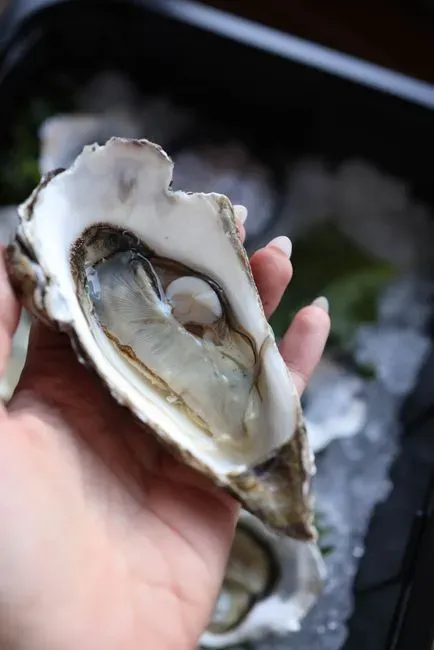
The oyster steak represents the ultimate insider knowledge – you need to understand bovine anatomy to even know this cut exists. There are only two oyster steaks in the cow, and each weighs about eight ounces. That tiny yield, combined with the difficulty of reaching it, means most operations don’t bother harvesting it at all.
It’s the hardest cut for butchers to get to, as it cannot be removed until the entire cow is de-boned, adding yet another layer to why it’s so rare to see. Its names were given due to its looks – the intramuscular fat looks like a cool spider web and the overall shape resembles an oyster, found in the inner part of the cow’s hip bone. The flavor is intensely beefy, and a quick sear over very high heat is all it takes. Cook it past medium and you’ve wasted something special.
5. Bavette (Flap Steak) – The French Bistro Staple
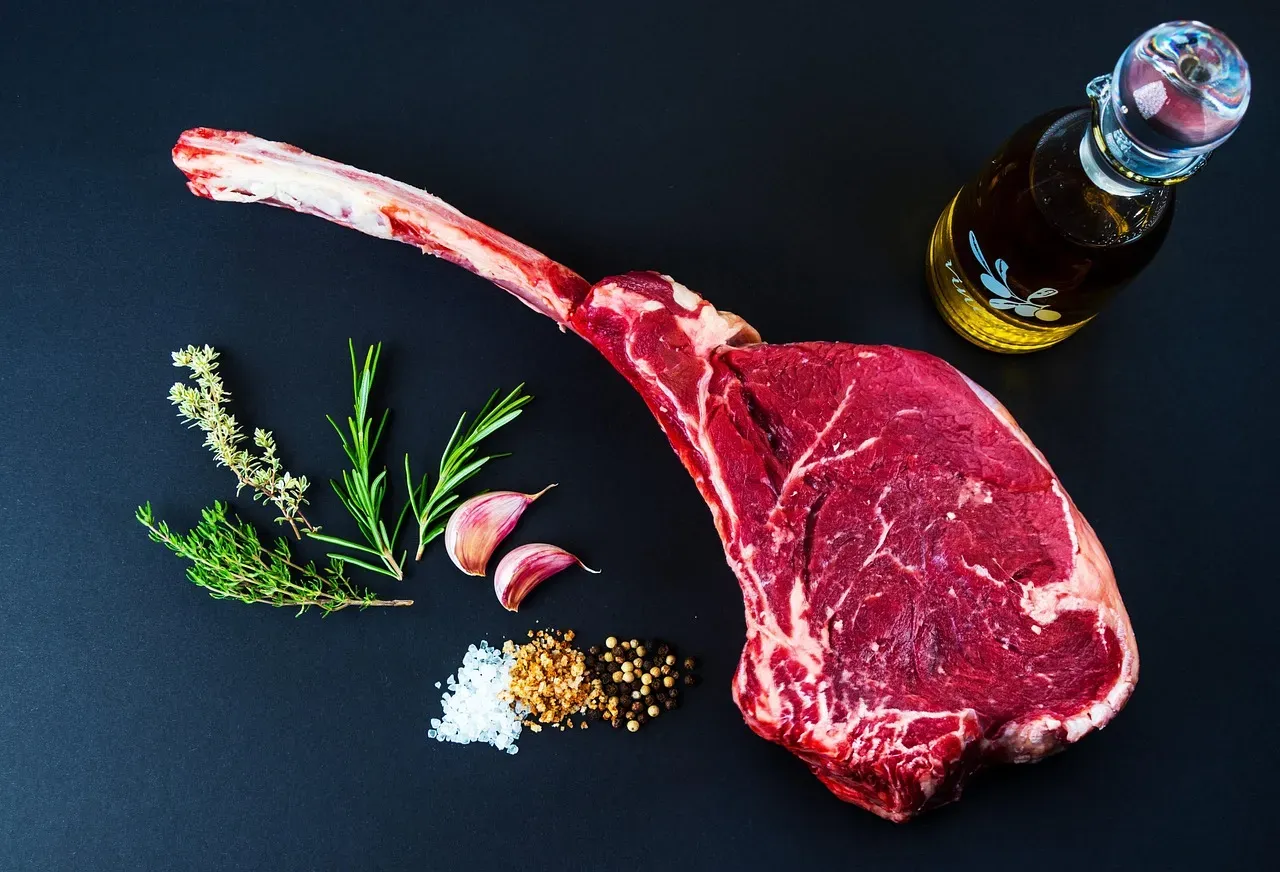
Bavette steak comes from the bottom sirloin, close to where a flank steak comes from. When cooked and sliced properly, it’s one incredibly tender and delicious cut that doesn’t get nearly the recognition it deserves. With only one per animal, this cut is a welcome treat marinated and thrown on the grill or skillet. French butchers have known this for decades, which is why it features so often on Parisian bistro menus.
A cow will only carry about ten pounds of bavette on it, which is a fraction considering the animal could weigh up to 650 pounds on average. That limited yield keeps it off most retail shelves entirely. The cut has a loose, open grain that drinks up marinades beautifully, and slicing it thinly against the grain turns what looks like a humble piece of meat into something genuinely outstanding.
6. Picanha – Brazil’s Best-Kept Beef Secret
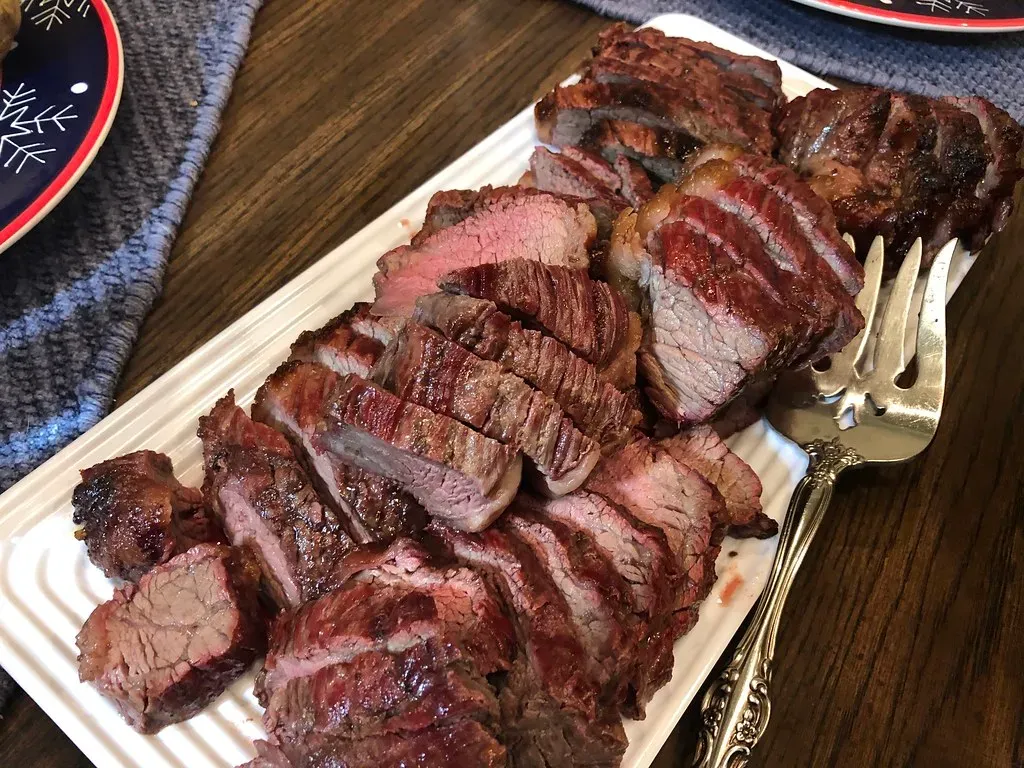
Picanha is a hard-to-find beef cut that many butchers neglect, but it is particularly palatable in Brazilian steakhouses. People may call it Top Sirloin Cap, Rump Cap, or Coulotte. This cut is derived from the sirloin primal and is triangular in shape when whole. It is densely flavored because of the heavy exercise of the muscle. Sometimes it comes with a desirable fat cap which adds a nice essence and keeps the meat moist and tender.
Picanha is sold and cooked with the fat cap intact, adding extra flavor and moisture to the meat. Because it comes from a less-worked part of the cow, picanha is more marbled and tender than tri-tip, resulting in a richer flavor. In Brazil it’s routinely skewered and roasted over open coals, folded into a C-shape so the fat renders evenly across the whole surface. Regulars at knowledgeable butcher shops who know to ask for it by name often snap it up before anyone else has a chance.
7. Denver Steak – Marbled Like a Ribeye, Priced Like a Chuck
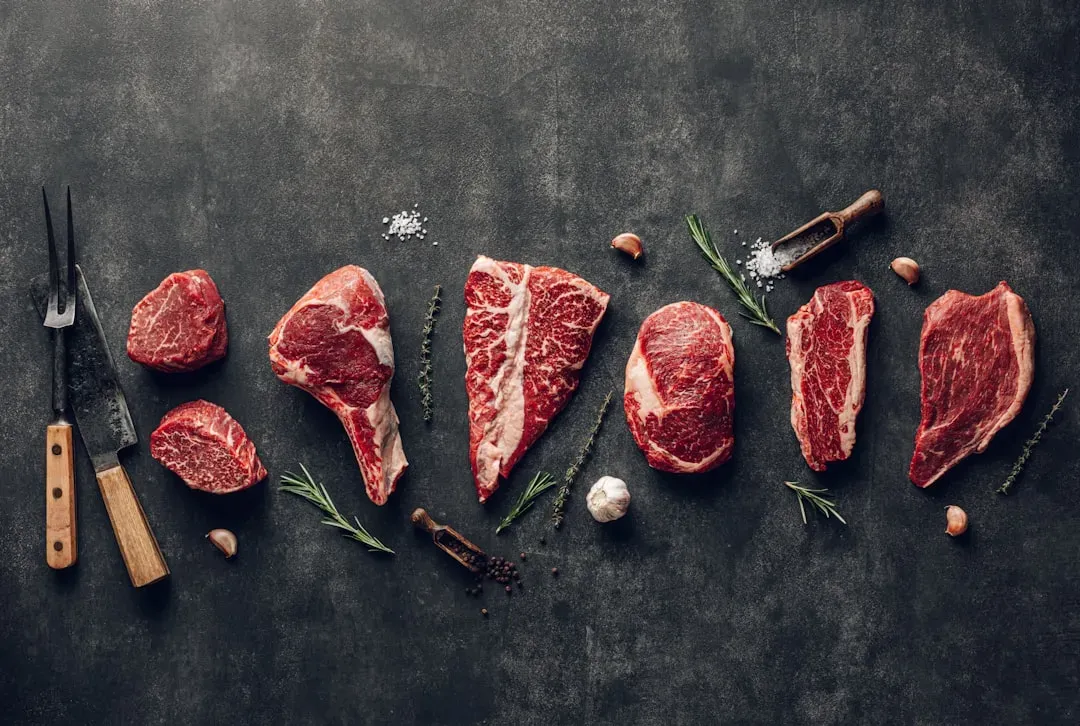
The Denver Steak, also known as the Bottom Chuck Steak or Under Blade Steak, is cut from the center of the Under Blade. These steaks are packed full of marbling, have a beautiful beefy flavor, and are tender enough to grill. It comes from the chuck primal, specifically from the under-blade muscle. It features excellent marbling throughout the meat, enhancing its juiciness and flavor, and is often grilled, pan-seared, or braised to achieve optimal tenderness.
The Denver Steak has the qualities of both a Ribeye and a NY Strip Steak in one. Well marbled, this delicious cut carries all the depth of flavor associated with the chuck while remaining super tender. The challenge is that it requires careful butchery to be separated cleanly from the surrounding muscles. Craft cuts like the Denver are commonly used for ground meat or are just not harvested at all because it’s too labor intensive to do so and too hard to get to, making it unprofitable for big industrial slaughterhouses. A whole-animal butcher is your best bet for finding one.
8. Tri-Tip – A California Classic That Most Regions Still Miss
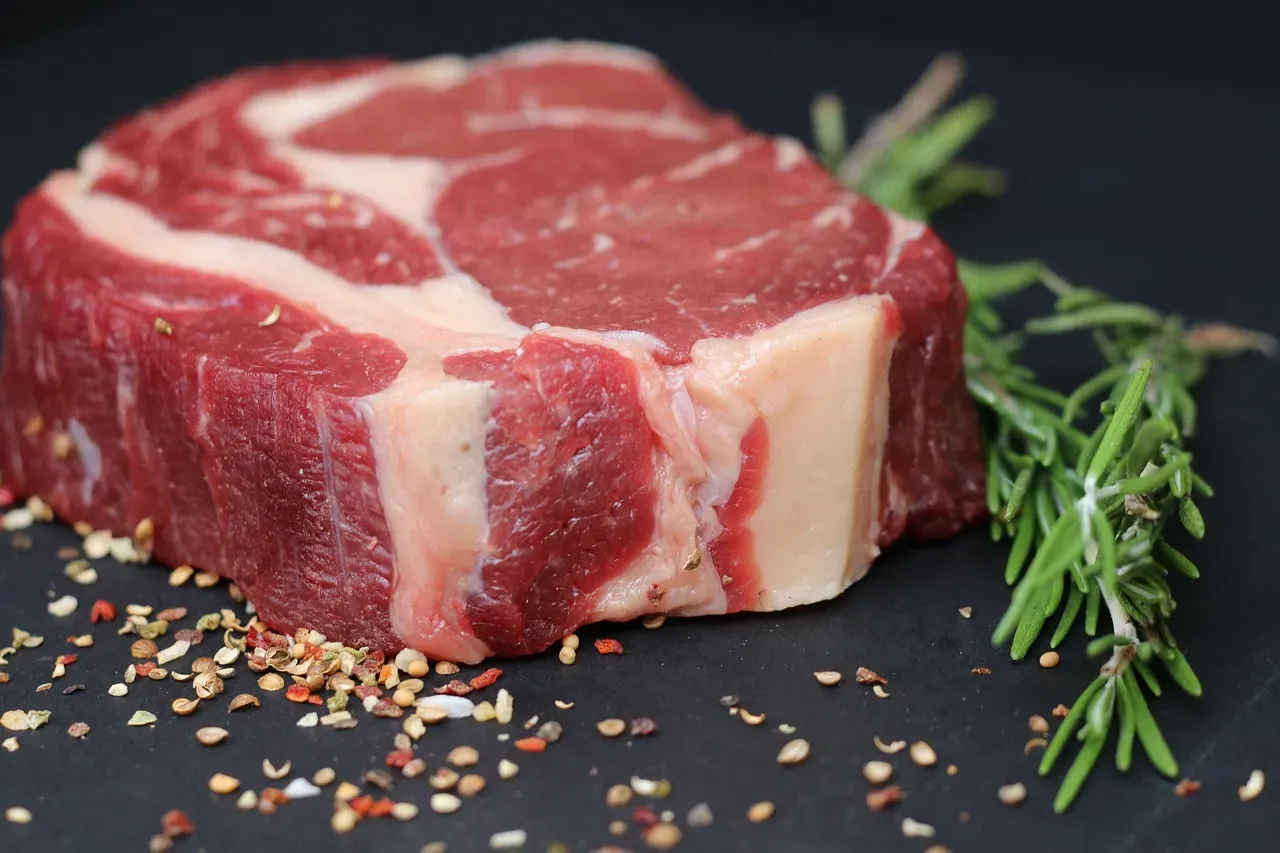
The name comes from the cut’s shape. When butchers remove it from the bottom sirloin butt, it naturally forms a triangle with three distinct points. You’ll also find it sold under the names Santa Maria steak, California cut, Newport steak, triangle roast, and bottom sirloin butt. Despite being a relatively inexpensive cut of steak, tri-tip can be a rare find at the grocery store since each cow only yields two of them.
Tri-tip sits between brisket and flank steak, offering the beefy depth of brisket with a much shorter cook time. It has two distinct grain patterns: one vertical and one horizontal, requiring cutting in half where the two grains intersect, then slicing each piece against the grain for maximum tenderness. That quirk puts off casual shoppers, which is partly why butchers who appreciate its versatility tend to set it aside for the customers who actually know what to do with it.
9. Ibérico Pork Secreto – The One Cut That Defies Category
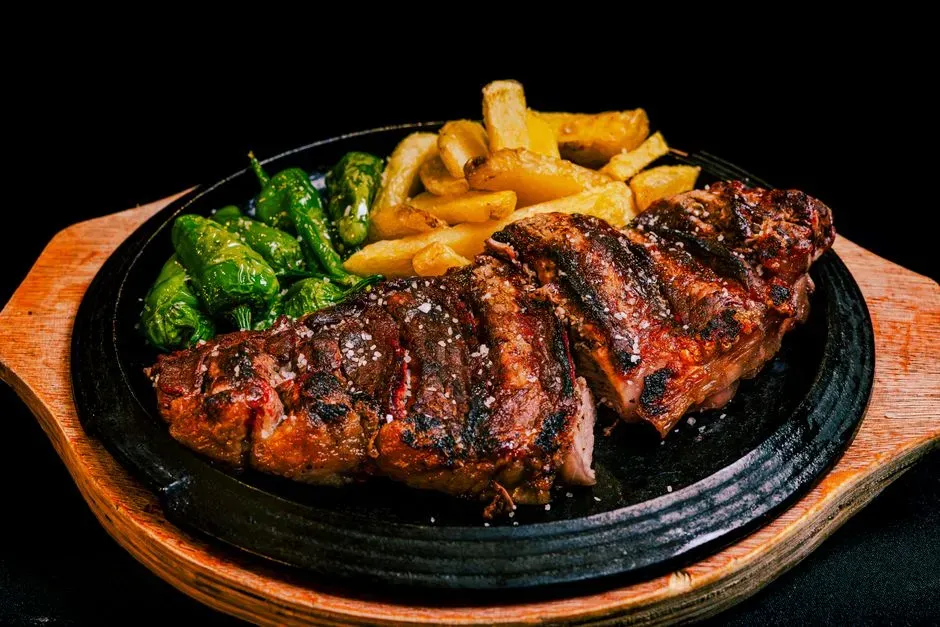
Secreto, meaning “secret” in Spanish, is aptly named. This thin, intramuscular cut lies tucked between the shoulder and loin, hidden beneath layers of fat. Traditionally reserved for butchers, it was rarely seen in the market until recently. Because of its location on the pig, it remains hidden from plain sight – hence the name – and was historically consumed by butchers as a prized cut for personal use.
Unlike standard pork loin or chops, it’s tender, highly marbled, and surprisingly beefy in flavor, making it ideal for quick, high-heat grilling. Secreto is exceptional when sourced from Ibérico pigs native to Spain and Portugal. These heritage animals are often raised on acorn-rich diets, producing meat with a complex flavor, creamy fat, and a subtle sweetness that lingers long after the first bite. The result reads more like Wagyu beef than anything most people associate with pork.
Most of these cuts share the same basic problem: they’re too small in yield, too awkward in shape, or too unfamiliar in name to survive the retail display case. Ask for them by name and most butchers will be relieved to have a customer who knows what they’re talking about. That’s the real key. The relationship matters more than the knowledge itself. Once a butcher knows you’re serious, the cuts that never appear on the floor have a way of quietly becoming available.




Leave a Reply