
A good meal out tends to feel effortless. Water appears before you ask, plates land in front of the right people, and the check shows up around the time you’re ready for it.
That ease is built from small habits that happen mostly out of sight. Servers rely on them every shift, and most guests never register them.
Seat Numbers Keep Every Plate Straight
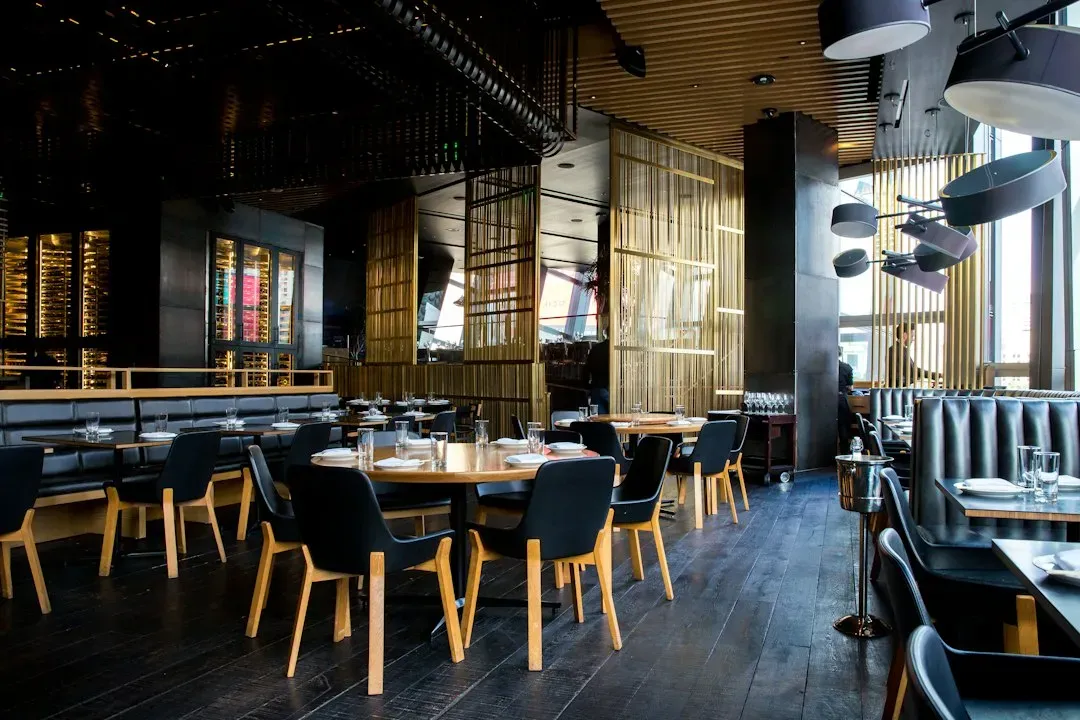
Most restaurants assign each seat at a table a number, usually starting with the seat closest to a fixed landmark like the host stand or a window. When a server enters an order, the point of sale system ties each dish to a seat number. That’s how a runner who has never met your table can deliver the salmon to the right person without asking who ordered it.
You rarely see the system working because it’s built to look like nothing. A food runner glides up and sets plates down with no questions. If you’ve ever wondered how a stranger knew exactly who had the burger, this is usually the answer.
Courses Are Timed With the Kitchen
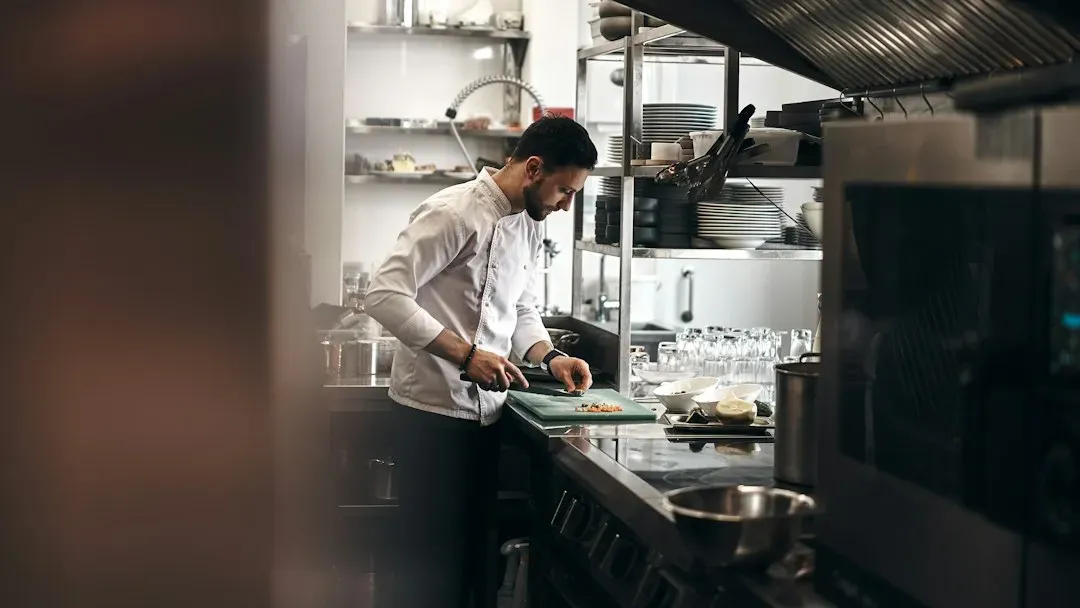
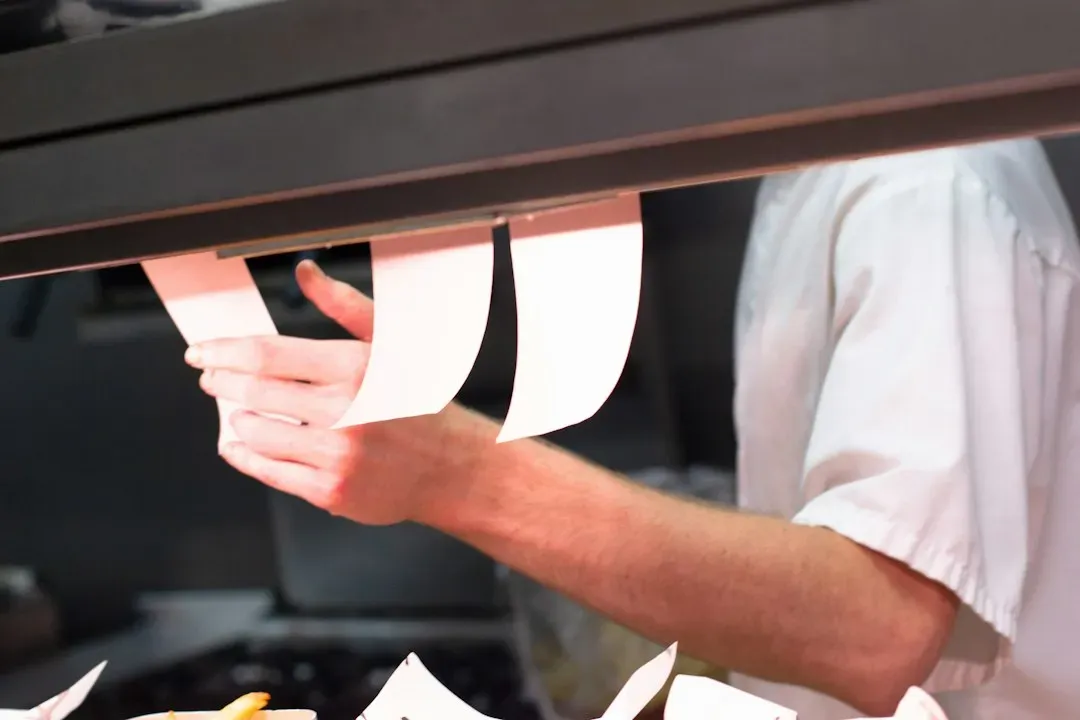
Servers don’t just send an order and wait. They often fire courses at different moments so appetizers clear before entrees land, and they adjust when a table is lingering. The kitchen works from tickets and from spoken updates, so a server may quietly tell the line to hold a dish.
Diners tend to credit the kitchen for good pacing, or blame it when things drag. In practice the timing is a running negotiation between the floor and the line. A smooth evening often means that conversation went well and nobody had to mention it.
Tip Outs Reach Staff You Never See Tip
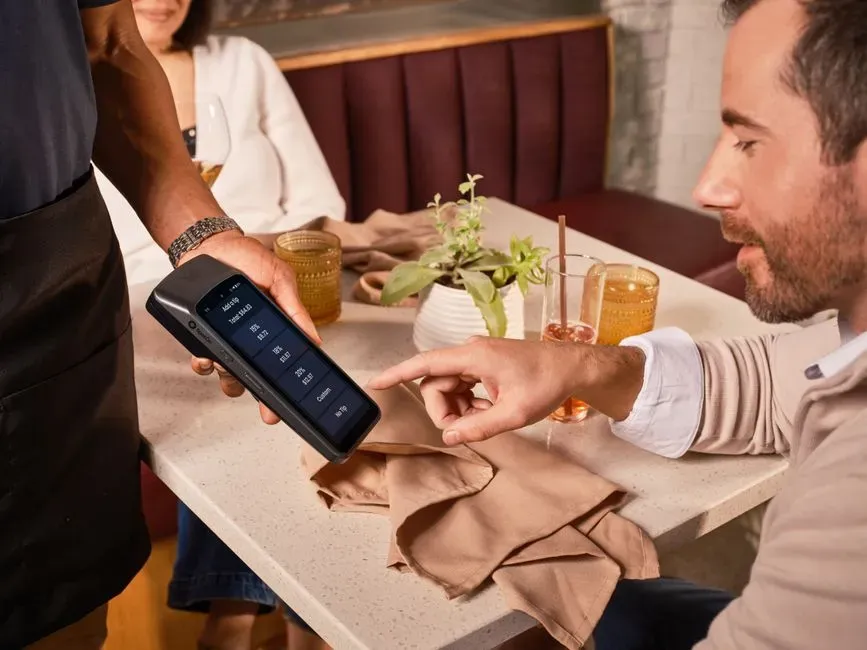
In many American restaurants, servers share part of their earnings with coworkers. Common recipients include bussers, food runners, bartenders, and hosts. The arrangement varies a lot: some places use a percentage of sales, others pool tips, and some have moved to different pay models altogether.
So the tip you leave isn’t always going to one person. Rules about who can legally share in tips are set by federal and state labor law, and they differ by location. If you’re curious how your local restaurant handles it, the menu or the staff can often tell you.
Allergy Notes Change How Food Is Handled
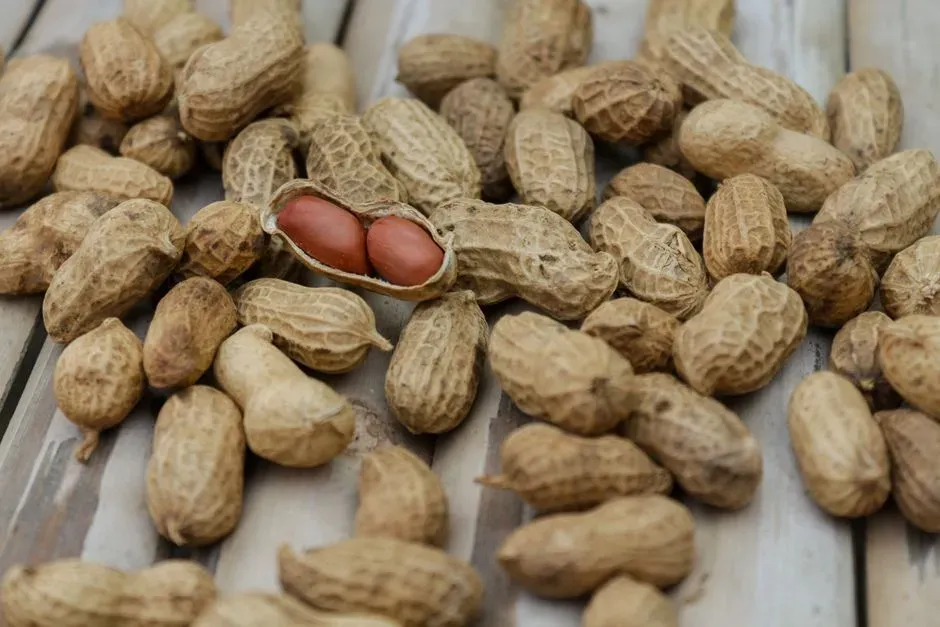
When a guest mentions an allergy, a careful server flags it in the ordering system and often tells a manager or the kitchen directly. Many kitchens respond with steps like clean utensils, a separate prep area, or fresh gloves. Some restaurants also have the person who carries the dish confirm the allergy at the table.
Guests mostly see only the question asked at ordering. The steps behind it are invisible, which is part of why servers ask you to be specific. Saying whether something is a preference or a true allergy helps the kitchen decide how strict to be.
Host Stands Plan Seating to Spread the Workload
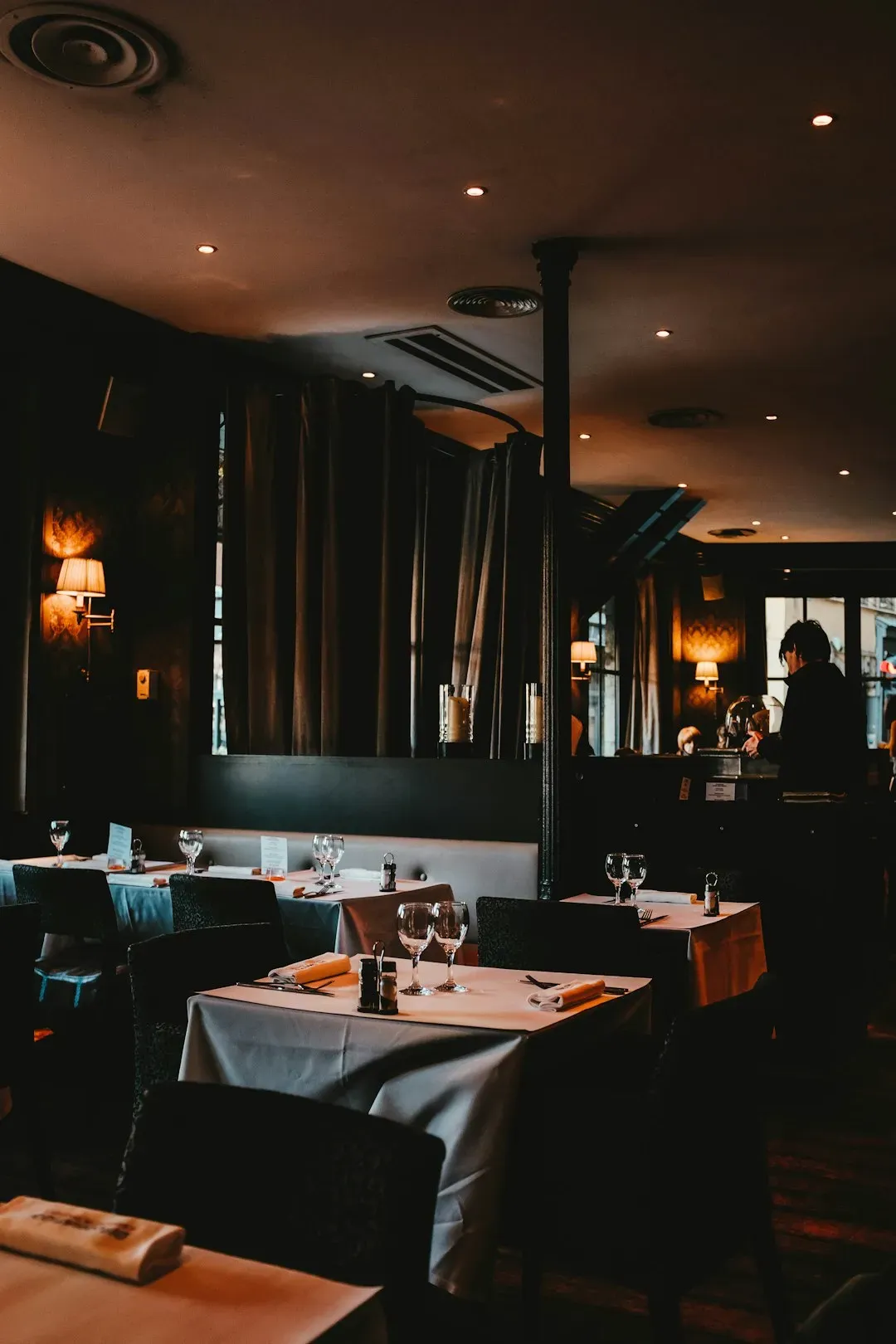
Seating isn’t random. Hosts commonly rotate guests among sections so no single server gets overloaded with several tables at once. They also consider party size, so a large group doesn’t take up a table that could have turned over twice.
This can explain why you were seated at a far corner while other tables sat empty. It’s not always a snub. Often it’s an attempt to keep the kitchen and the floor from getting swamped at the same moment.
Plates Are Cleared Quietly and on a Schedule
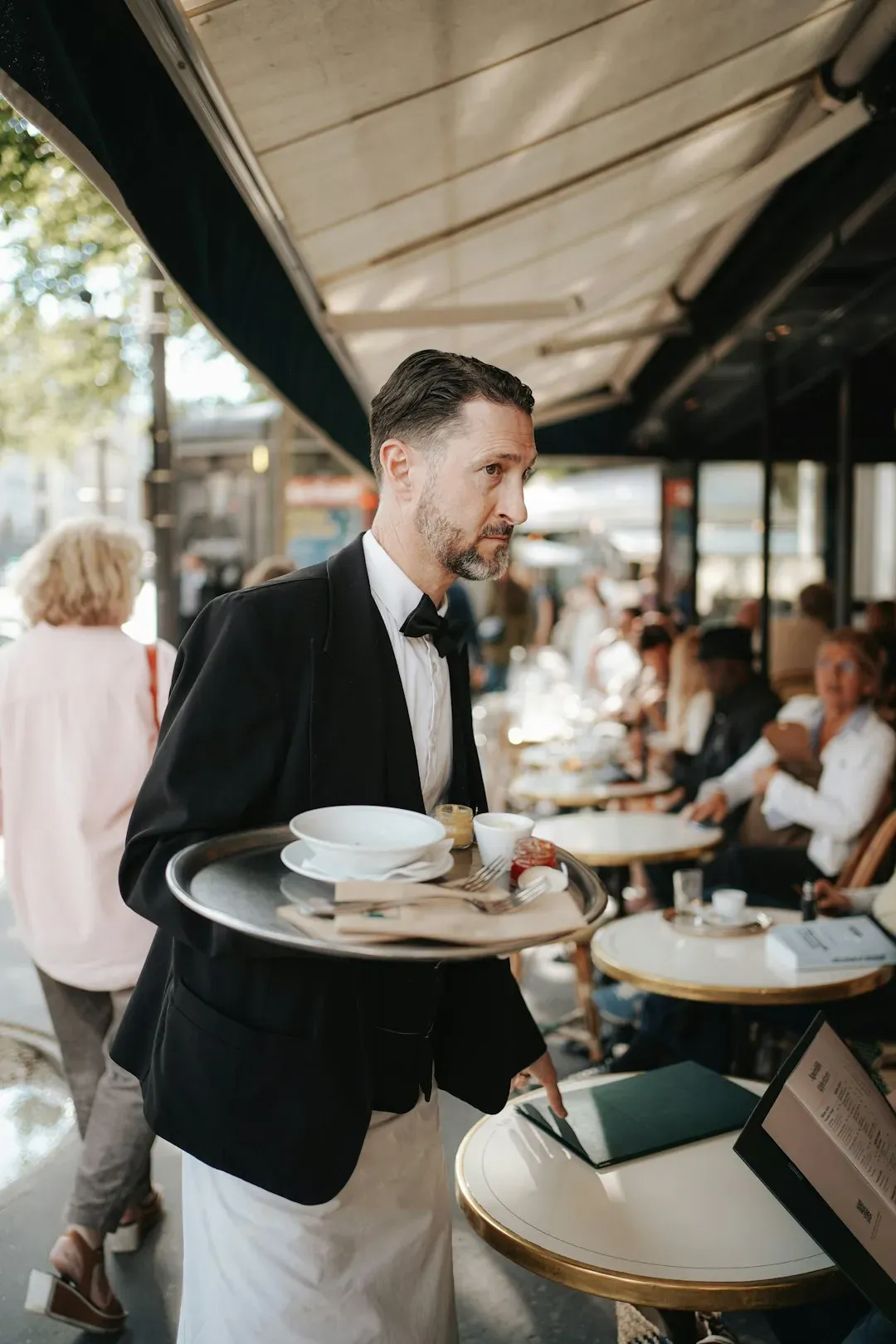
Good servers watch for the moment a plate is truly finished and take it away with minimal disruption. Many also try to clear a table in a single pass, carrying several items at once. Some restaurants teach servers to avoid reaching across guests and to move around the table in a set direction.
When it’s done well, you only notice that the table never feels cluttered. Clearing too early can feel rushed, while clearing too late leaves a mess. Servers treat this as a small timing skill that takes practice to get right.
The Checkback Is Timed to Catch Problems Early
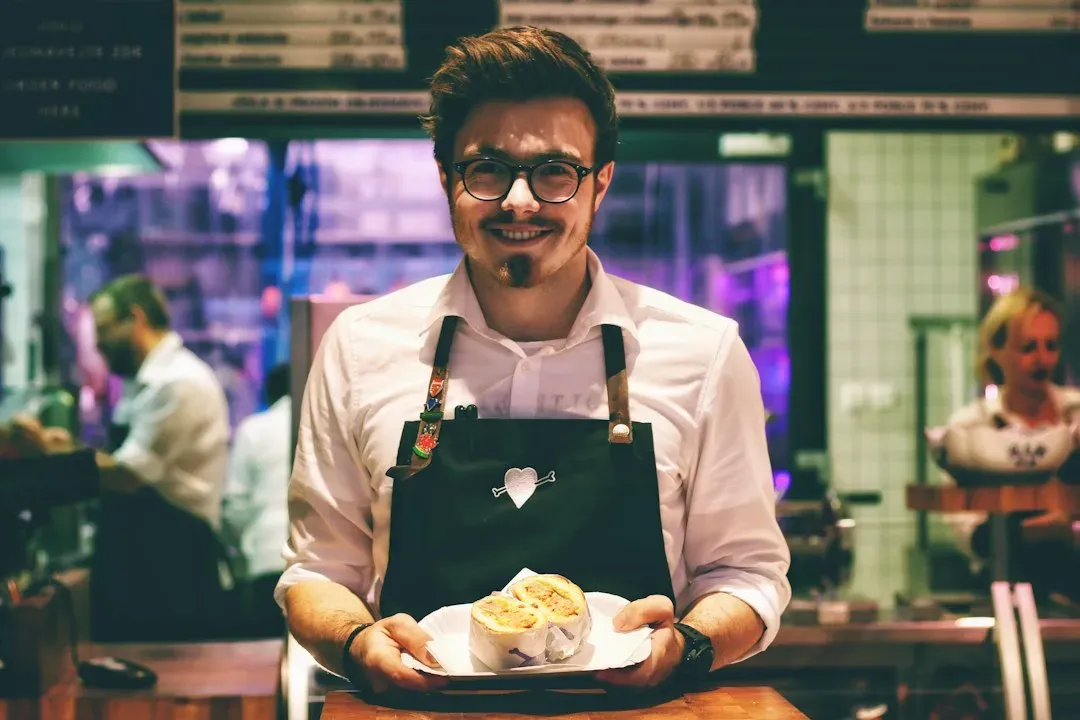
The familiar question about how everything tastes is usually timed to come shortly after food arrives, often after a couple of bites. The goal is to fix problems while the dish is still warm and the guest still has an appetite. Waiting until the plate is half gone makes a fix harder and more awkward.
Servers also use the moment to scan for what a table needs next, like a drink refill or extra napkins. You may have felt it as a brief interruption. From the server’s side, it’s a quick chance to prevent a bigger complaint later.
Side Work Fills the Gaps Between Tables
Servers often spend slow moments on side work, which means chores that keep the dining room running. Typical tasks include rolling silverware, restocking condiments, polishing glassware, and wiping down menus. Many restaurants post checklists so these jobs get finished before closing.
Diners see a server wrapping silverware and may assume nothing is happening. In reality, that work supports the next rush. Clean glasses and full stations are the reason a busy night doesn’t grind to a halt.
Large Parties Often Come With Automatic Gratuity
Many restaurants add a gratuity to checks for bigger groups, commonly starting at parties of six or eight, though the cutoff varies by restaurant. The reasoning is that large tables require far more coordination and often split checks or pay unevenly. A set policy gives servers more predictable pay for that extra effort.
The charge is usually noted on the menu or the receipt, but guests can easily miss it. That’s why some people accidentally tip twice. Checking the bottom of the bill before you add anything is a simple habit that avoids the mistake.



Leave a Reply