
Grand romantic gestures make for great movie scenes, but they rarely hold a relationship together over the long run. Most couples who describe their partnership as solid point instead to small, repeated moments that quietly signal care. These habits don’t require money, planning, or a special occasion. They just require attention.
Relationship researchers have spent decades studying what actually predicts whether a couple stays happy together, and the findings consistently point away from dramatic romance and toward everyday consistency. The gestures below are backed by observation and behavioral research rather than guesswork, and each one is small enough to start tonight.
1. Saying goodbye and hello with real attention

It sounds almost too simple to matter, yet how a couple greets each other after time apart carries weight. Turning away from a phone or task, making eye contact, and offering a genuine hug or kiss even for a few seconds tells a partner they are noticed. Psychologist John Gottman, who has studied couples for over four decades at the University of Washington, found that these small connection points accumulate into what he calls emotional bank deposits.
Couples who skip this ritual often don’t notice the gap until resentment builds slowly. A distracted “hey” while scrolling through email is not the same as pausing to actually look at someone. This gesture takes maybe ten seconds, but repeated daily, it becomes a foundation of feeling seen.
2. Expressing specific appreciation instead of generic thanks

There’s a meaningful difference between saying “thanks for dinner” and saying “I really appreciated that you remembered I don’t like cilantro.” Specificity signals that a partner is paying attention to details, not just performing politeness. Gratitude research from psychologists including Sara Algoe at the University of North Carolina has shown that expressed appreciation strengthens relationship satisfaction more than gratitude that stays private.
This matters because many people feel their efforts go unnoticed over time, especially with routine tasks like cooking or managing schedules. Naming the specific effort, rather than a vague nod, makes the other person feel their contribution actually registered. It costs nothing and takes seconds to say out loud.
3. Sending a check-in text with no agenda

A short message during the workday that says nothing more than “thinking about you” or asks how a difficult meeting went can matter more than people expect. It’s not about logistics or coordination, which is what most couple texting actually involves. It’s a small signal that a partner exists in someone’s thoughts outside of shared responsibilities.
Communication researchers have noted that low-stakes, frequent contact throughout the day helps sustain a sense of closeness, particularly for couples juggling demanding jobs or long commutes. These messages don’t need wit or depth. A single line sent without expecting a reply often does more work than a long conversation planned for later.
4. Remembering small details from earlier conversations

Bringing up something a partner mentioned days or weeks earlier, like a coworker’s name involved in a stressful project or a small worry they voiced, shows a kind of listening that goes beyond politeness. It signals that conversations aren’t just passing through but are actually being retained and thought about later. This kind of attentiveness is sometimes called “turning toward” in relationship literature, a term Gottman’s research team uses to describe responding to a partner’s small bids for connection.
Couples who consistently turn toward each other’s bids, rather than ignoring or dismissing them, were found in Gottman’s long-term studies to have significantly higher rates of relationship stability. Remembering details is one of the simplest ways to demonstrate this. It doesn’t require a good memory so much as genuine curiosity in the moment the detail was shared.
5. Handling a chore without being asked
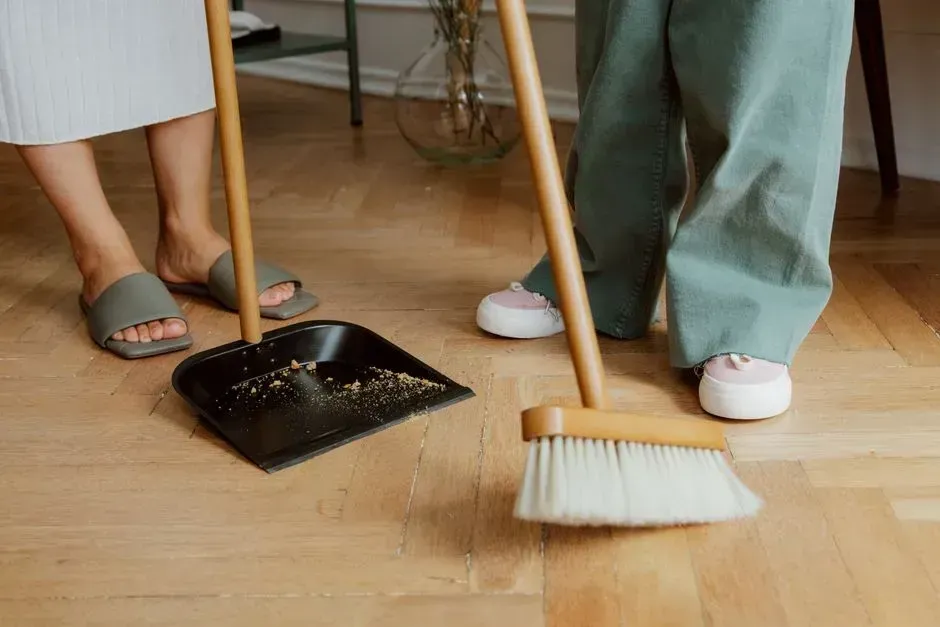
Taking out the trash, refilling the coffee maker, or loading the dishwasher before a partner even notices it needs doing communicates something words can’t quite match. It shows initiative rather than compliance, and initiative reads as care. Division of household labor remains one of the most researched sources of relationship friction, with surveys from Pew Research Center consistently showing that perceived fairness in chores correlates strongly with relationship satisfaction.
The gesture works best when it’s unprompted, since being asked repeatedly can start to feel like nagging on one side and obligation on the other. A partner noticing a need and quietly filling it removes that friction entirely. Over time, this pattern builds trust that both people are watching out for the shared space, not just their own half of it.
6. Physical touch that isn’t about sex

A hand on the shoulder while passing in the kitchen, feet touching under a blanket, or a hug that lasts a few seconds longer than usual all send signals of affection separate from anything sexual. Touch researchers, including those studying oxytocin release during physical contact, have found that even brief affectionate touch can lower stress hormones and increase feelings of bonding. This kind of contact matters most when it happens outside of moments already headed toward intimacy.
Many couples unintentionally let touch become tied only to sex over time, which can leave a partner feeling affection has narrowed. Reintroducing casual, non-sexual touch as a daily habit reopens that channel. It’s a low-effort gesture with outsized effects on how connected two people feel day to day.
7. Complimenting effort, not just outcomes

Praising someone for how they handled a hard conversation, stayed patient with a difficult family member, or kept trying at something despite frustration recognizes character rather than just results. This differs from praising appearance or achievement, which can start to feel conditional over time. Motivation researchers, notably Carol Dweck’s work on growth mindset at Stanford, have shown that praising effort rather than fixed traits builds resilience and reduces defensiveness.
Applied to relationships, this means noticing when a partner is trying, even if the outcome isn’t perfect. It softens the pressure to always succeed and instead reinforces that the attempt itself was valued. This kind of validation tends to encourage more of the same behavior, not less.
8. Protecting shared time from phones

Putting a phone face down, or better, in another room, during dinner or a planned conversation removes a constant low-level distraction that studies have linked to reduced relationship satisfaction. Researchers have coined the term “phubbing,” short for phone snubbing, to describe the effect of being ignored in favor of a screen during a conversation. A 2016 study published in the journal Computers in Human Behavior found that phubbing was associated with lower relationship satisfaction and higher depression among partners who experienced it regularly.
The fix isn’t dramatic. It’s simply choosing specific windows, even just twenty or thirty minutes, where full attention goes to the person in the room. That consistency communicates priority more clearly than any single grand gesture could. Partners tend to notice undivided attention precisely because it has become rare.
9. Apologizing without adding a justification

A clean apology, one that doesn’t immediately pivot into an explanation or a counter-complaint, lands very differently than one loaded with “but.” Saying “I’m sorry I was short with you earlier” without following it with a defense of why acknowledges impact over intent. Conflict researchers have found that repair attempts, Gottman’s term for efforts to de-escalate tension during an argument, are among the strongest predictors of whether a couple stays together long term.
What makes this gesture small but powerful is its brevity. It doesn’t require a long conversation or resolving the underlying issue immediately. Sometimes just naming the hurt and owning it clearly is enough to reset the emotional tone before deeper repair happens later.
None of these nine gestures require grand planning or significant time investment, which is part of why they’re so often overlooked. Their strength comes from repetition rather than intensity, built up over weeks and months rather than delivered as a single memorable moment. Couples who fold even a few of these into daily life tend to report feeling more secure and appreciated, according to the research patterns behind each one described here.




Leave a Reply