
Walk into a diner at noon and you can often spot the generational split without trying. One table is flagging down a server with a raised hand, while another is quietly tapping a phone to order. Dining habits shift with technology, money, and manners, and they shift faster than most of us notice.
The behaviors below are generalizations, not rules. Plenty of boomers use QR menus, and plenty of younger people still love a long sit-down meal. Still, these are habits that tend to be tied to the older crowd and rarely show up among diners in their twenties and thirties.
Calling ahead to make a reservation by phone
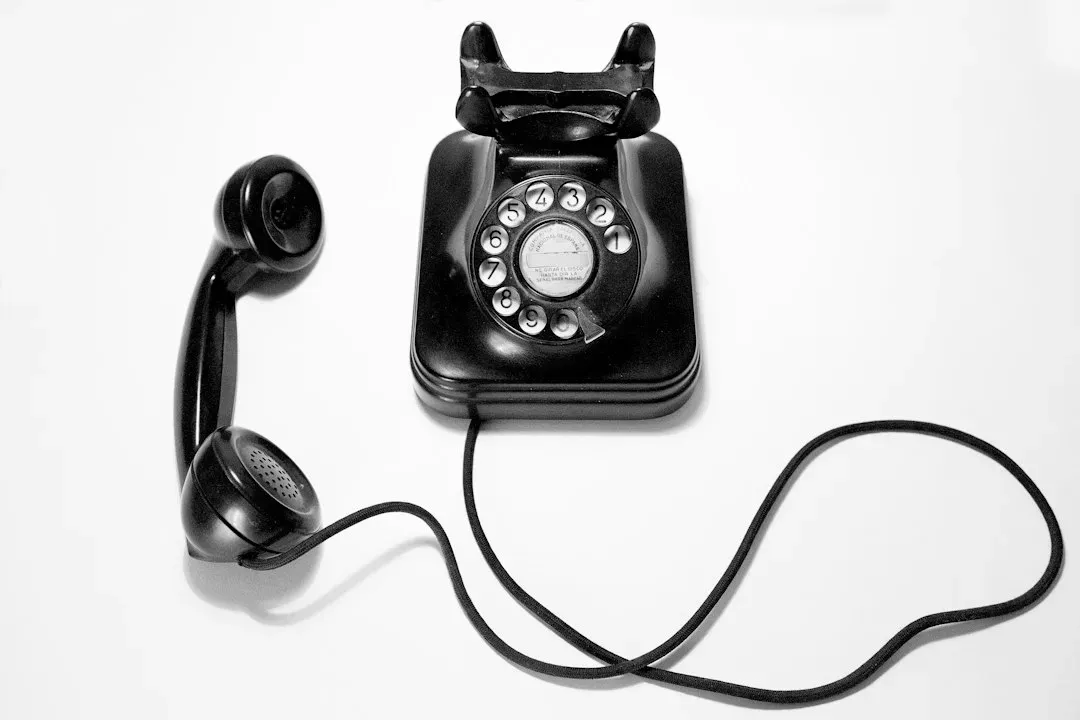
Many boomers grew up picking up a landline and talking to a host to book a table. It felt personal, and it let them ask about seating, specials, or accessibility in one go. For plenty of them, a phone call is still the most reliable way to feel confirmed.
Younger diners usually prefer apps and websites such as OpenTable or Resy, or they skip booking altogether. Phone calls to businesses are widely reported as a source of anxiety for Gen Z. A text or a tap feels easier than a conversation with a stranger.
Paying with cash and leaving the tip on the table

Cash used to be the default way to settle a bill. Boomers often leave bills tucked under the check presenter, which is a gesture that feels natural to them. Federal Reserve payment surveys have consistently shown that older consumers use cash more often than younger ones.
Younger diners lean on cards, phone wallets, and tap to pay. Many have gone months without handling paper money at all. Tipping happens on a screen, often with preset percentages.
Reading the whole paper menu before deciding
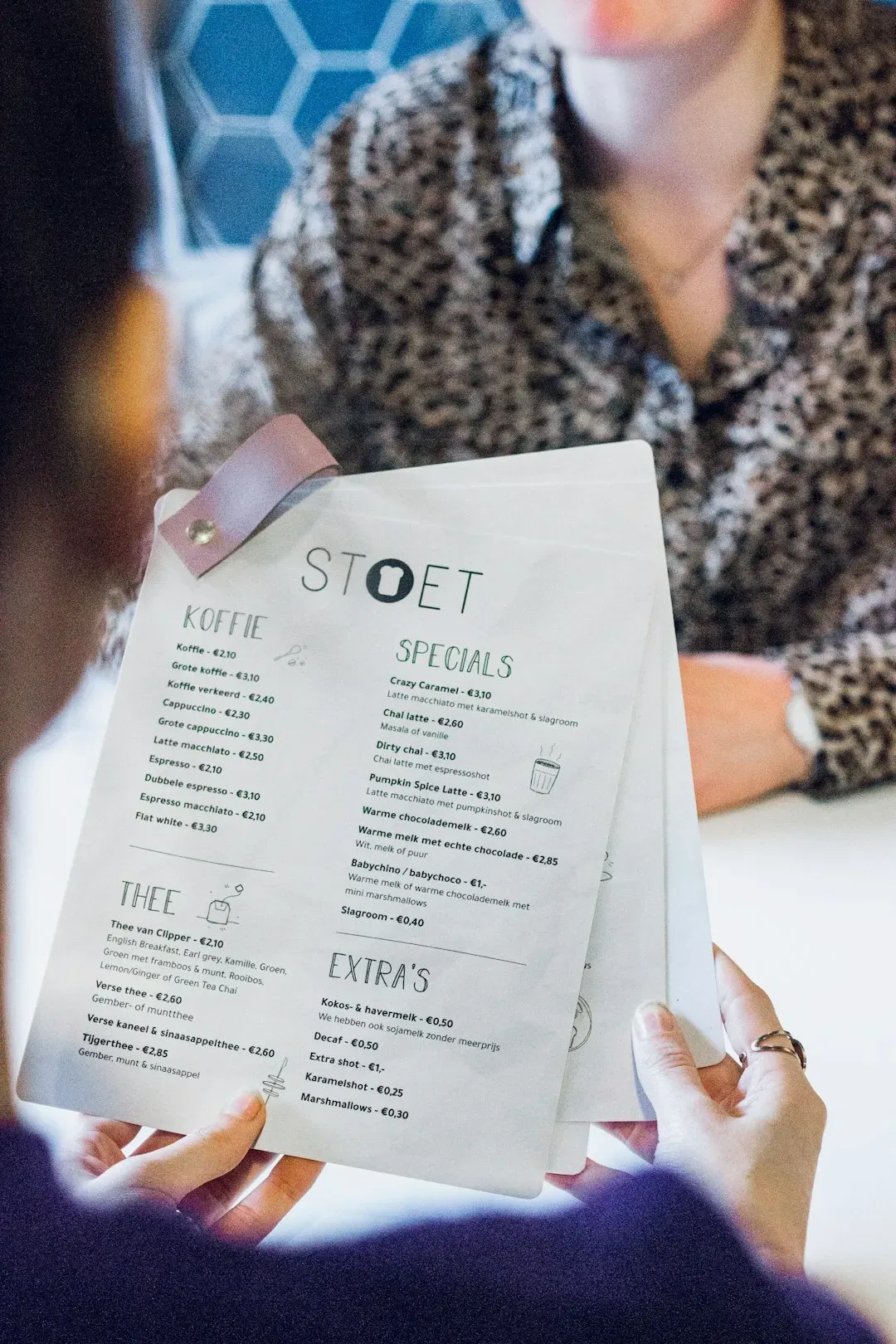
A printed menu is something many boomers study properly, front to back. They compare options, ask about ingredients, and take their time. It’s part of the ritual of dining out.
Younger diners often check the menu online before they arrive, sometimes scrolling photos and reviews in the car. By the time they sit down, they usually know what they want. Some restaurants now use QR codes, which suits that habit well.
Flagging down the server with a wave or a snap
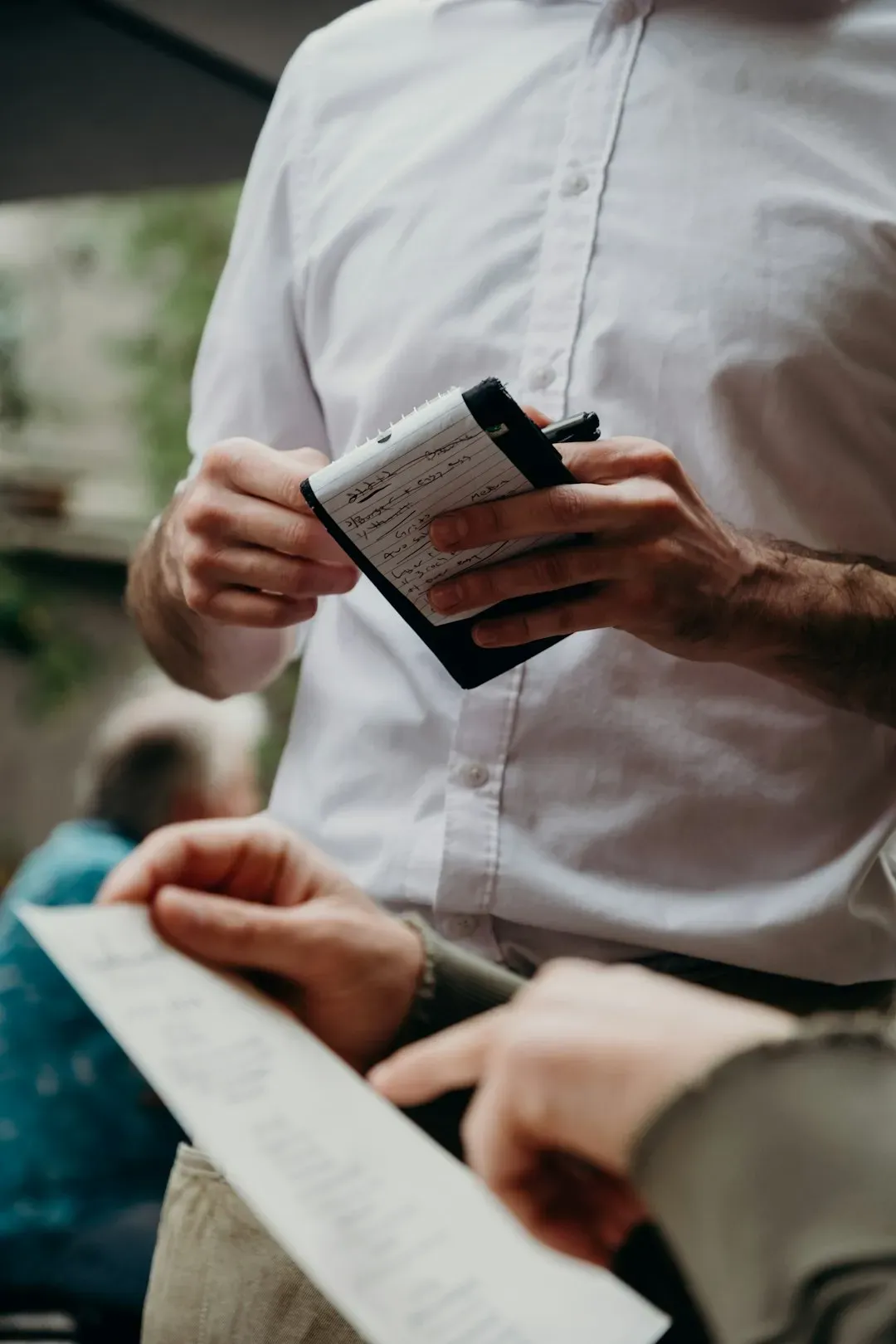
Catching a server’s eye, raising a hand, or calling out politely is a familiar move for older diners. It reflects an era when service was almost entirely face to face. Not everyone loves it, but it’s an ordinary part of the experience for them.
Younger diners tend to be more hesitant about interrupting. If a restaurant offers table-side ordering or a pay by phone option, they’ll gladly use it. Less interaction feels more comfortable to many of them.
Sending food back without hesitation
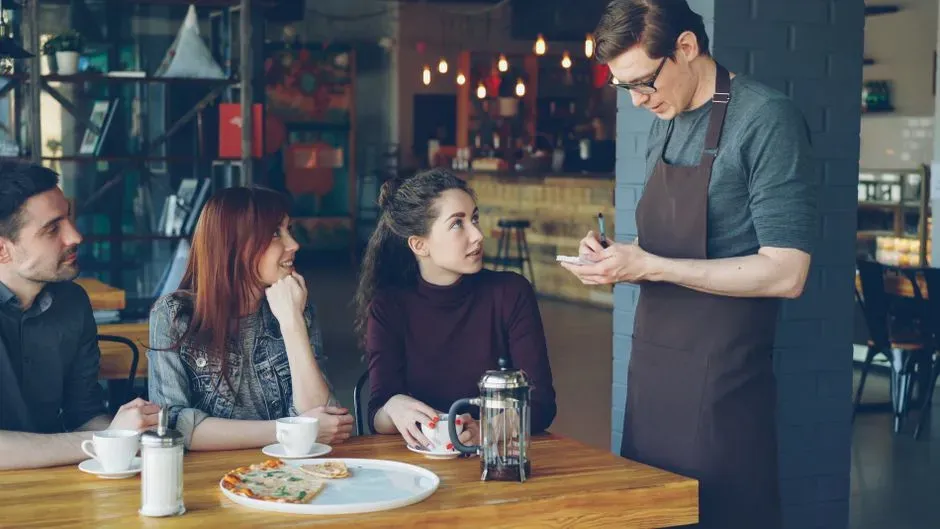
If a steak comes out too well done, a lot of boomers say so right away. They grew up with the idea that the customer is always right, and they act on it. Complaining politely in the moment is seen as reasonable.
Younger diners are more likely to stay quiet and then vent online afterward. A review on Google or Yelp can feel easier than a direct conversation. That’s a very different route for feedback, and restaurants have noticed it.
Dressing up for a night out

Dinner out used to be an occasion, and plenty of boomers still treat it that way. A collared shirt, nice shoes, or a blazer might come out of the closet for a Saturday meal. Dressing well signals respect for the place and the evening.
Younger diners are far more casual. Sneakers, hoodies, and athleisure show up even at pricey restaurants. Dress codes have loosened across the industry in response.
Using coupons and loyalty cards on paper

Clipping coupons from newspapers and mailers was once a mainstream way to eat out for less. Many boomers still hold on to punch cards and printed offers. They’ll hand one over at the register without a second thought.
Younger diners generally rely on apps for rewards and discounts. Digital deals are tied to their phone number or account, so there’s nothing to carry. A paper coupon would feel like extra work.
Lingering at the table long after the meal
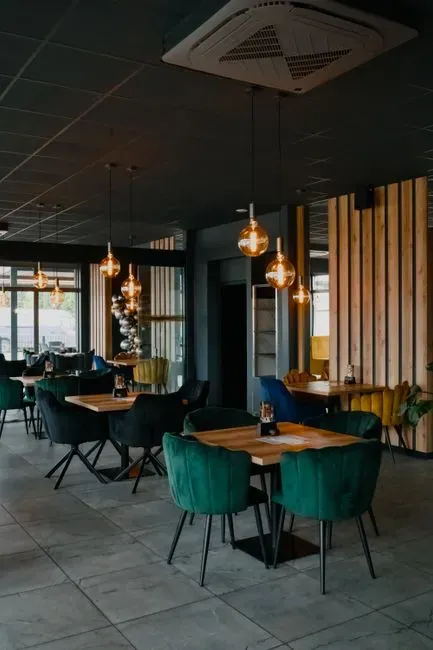
Many boomers see dinner as the whole evening. They’ll order coffee, chat for an hour, and enjoy being unhurried. A long, slow meal is part of the point.
Younger diners often eat, pay, and move on, particularly when the check can be settled from a phone. Rising prices may also play a part, since they’re less likely to order extra courses. For many, dinner is one stop in a bigger night.
Asking to speak with the manager
When something goes wrong, boomers are more likely to ask for the manager in person. It’s a direct way to solve a problem and often gets quick results. The habit comes from decades of face to face customer service.
Younger diners usually avoid that kind of confrontation. They might send a message through an app, leave a rating, or simply not return. The goal is the same, but the route is quieter.
Neither style is right or wrong, and both show how much the dining room has changed.



Leave a Reply