
Ask an adult about their childhood summers, and the conversation often drifts toward a particular kitchen, a particular couch, a particular smell. Grandma’s house tends to show up in memory with surprising detail, even when the visits were short or years apart.
Researchers who study family bonds have long noted that grandparents play a meaningful role in children’s emotional lives. Still, the things that stick aren’t usually grand gestures. They’re small, sensory, and oddly specific.
The Smell of Something Baking
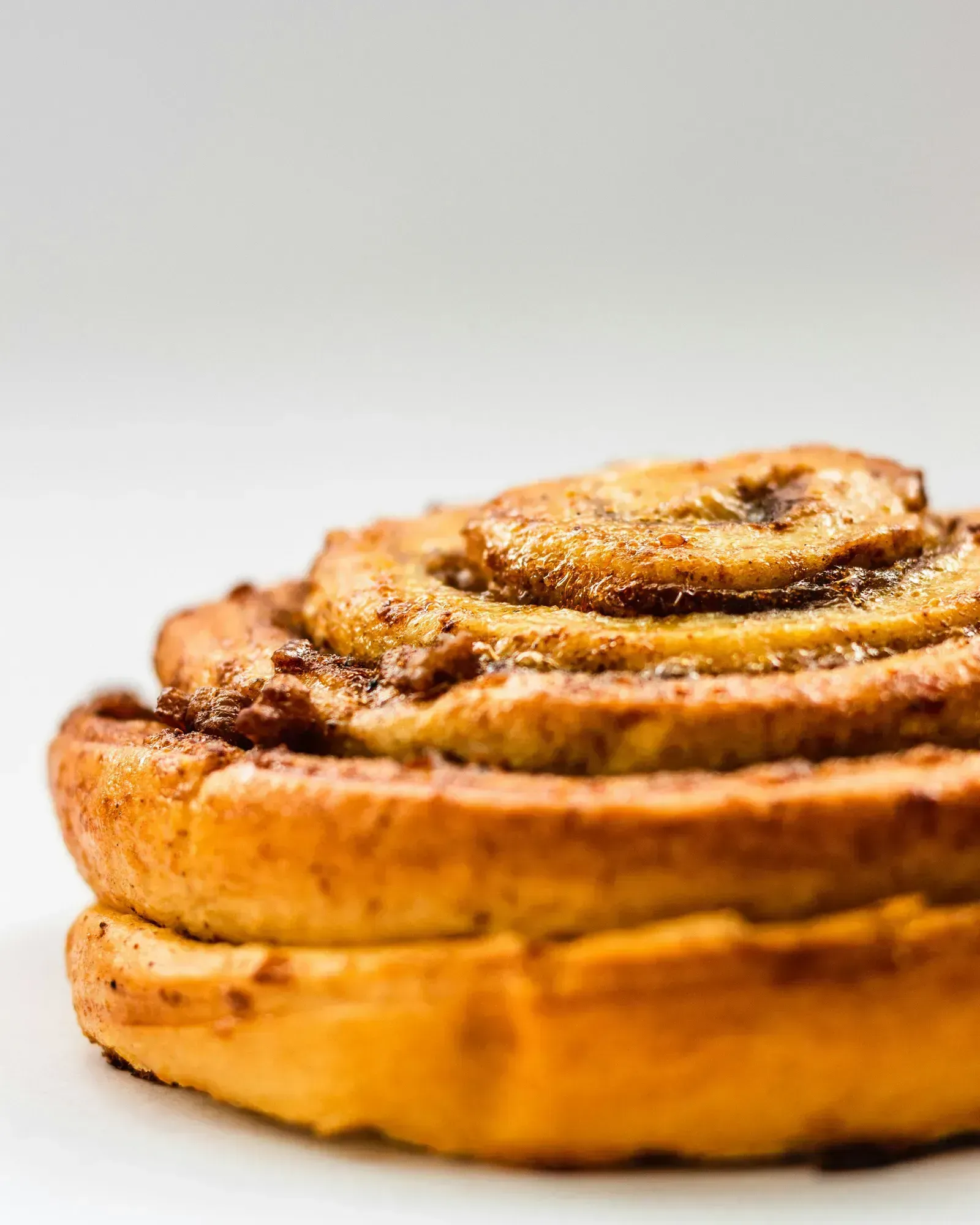
Scent is closely tied to memory, and psychologists have written for years about how smells can bring back vivid autobiographical moments. A kitchen that smelled of cinnamon, bread, or roasting meat becomes a kind of time machine decades later.
Many grown grandchildren say they can still name the exact dish before they’ve even walked through the door. It rarely has to be fancy. Familiarity does the work.
The Food That Was Always on the Table
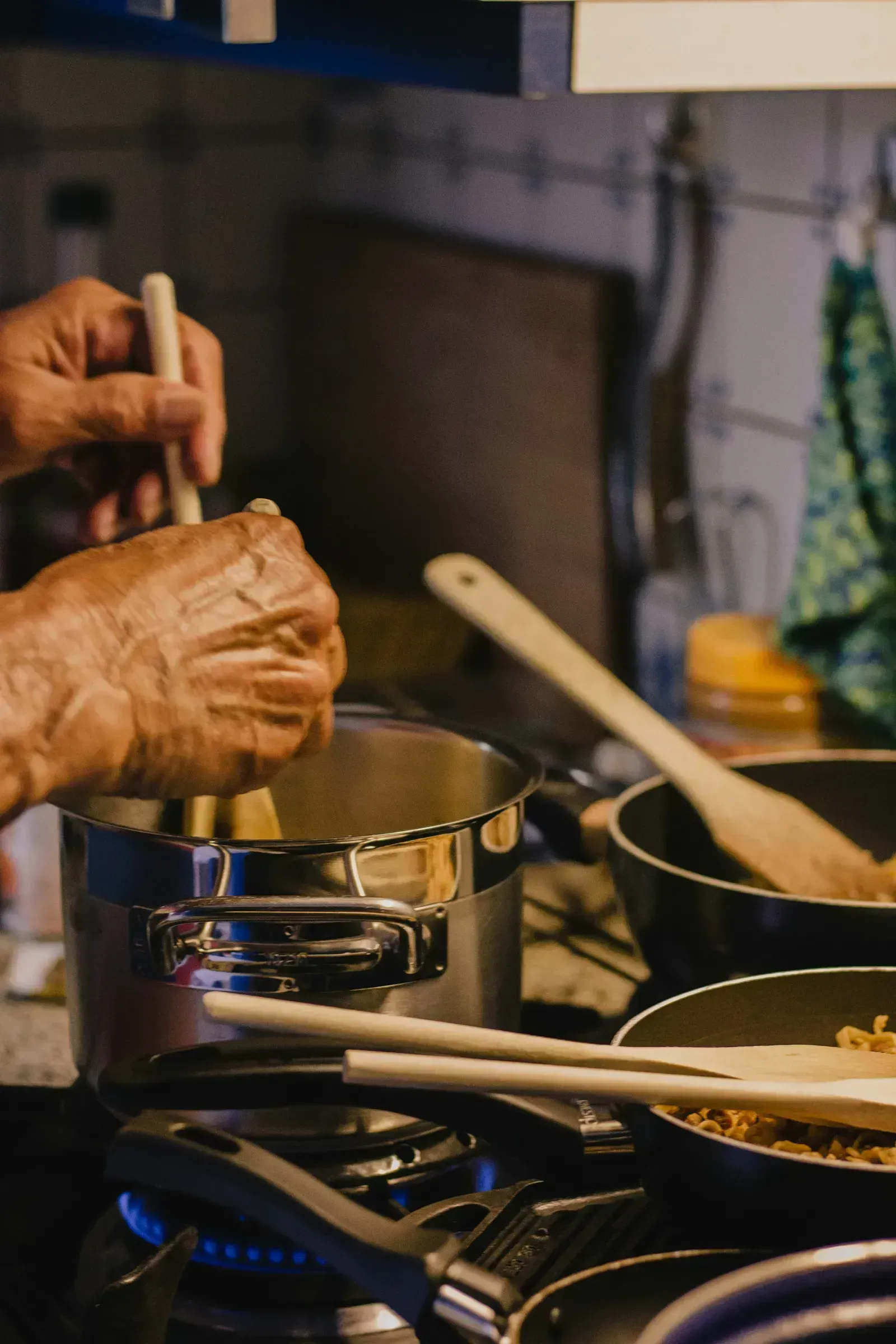
Grandma’s cooking often becomes a family reference point, whether it’s a Sunday stew, a stack of pancakes, or a recipe nobody wrote down. Food is a common thread in how families pass down culture and identity, and grandparents are often the keepers of those dishes.
Grandchildren remember the rituals too. The same plate, the same second helping, the gentle insistence that nobody leaves hungry.
The Cookie Jar and Other Hidden Treats

Almost every grandchild can point to a spot where sweets lived: a ceramic jar, a bottom drawer, a candy dish on the coffee table. Grandparents are traditionally a little more relaxed about snacks than parents are, and kids notice that difference right away.
It wasn’t really about sugar. It was about being treated as a guest of honor, if only for an afternoon.
The Furniture and Objects You Weren’t Supposed to Touch
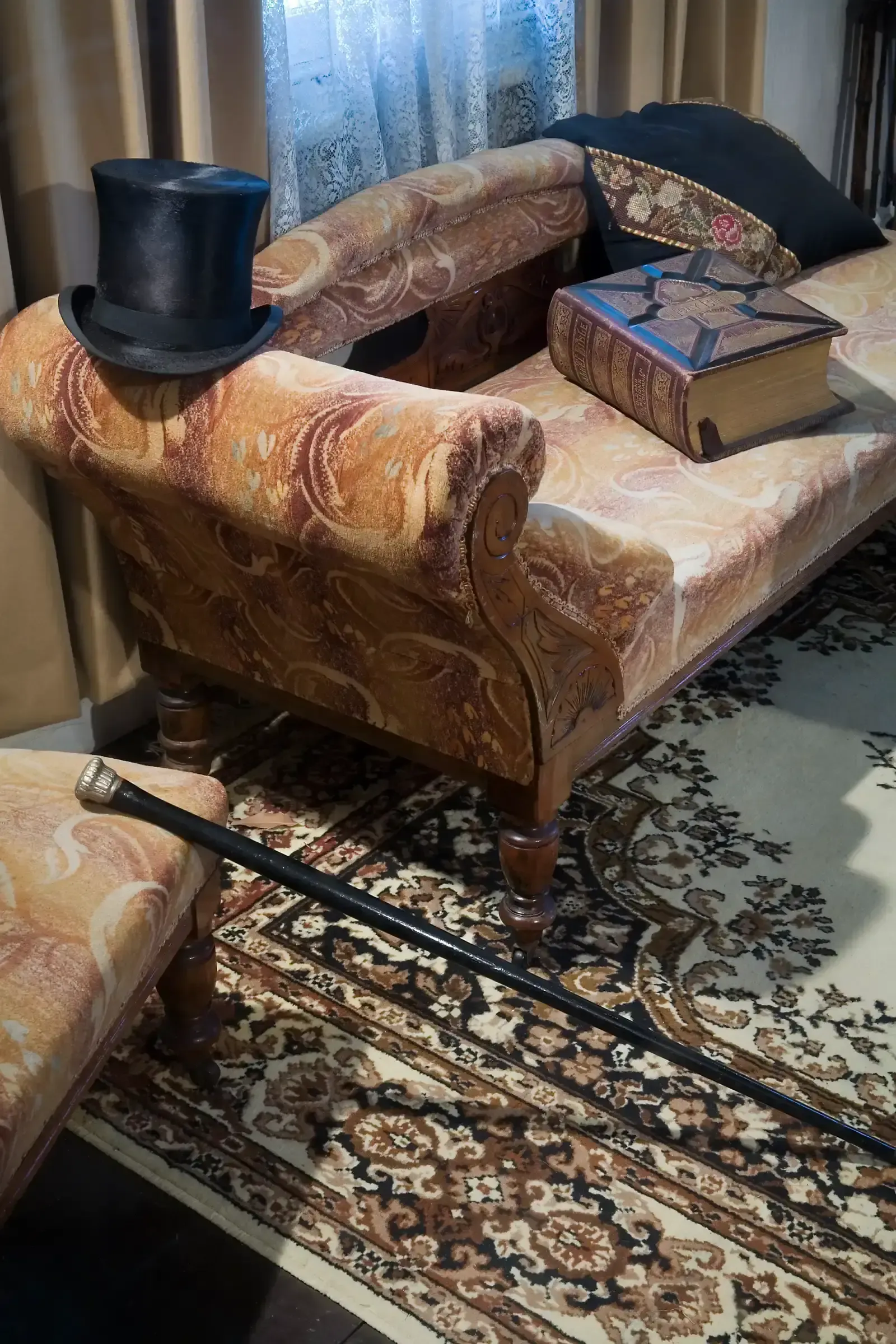
Plastic-covered sofas, glass figurines, a formal living room reserved for company. These objects become oddly famous in family lore. Children remember being warned about them, and they remember sneaking a peek anyway.
Decades on, those same items often carry sentimental weight. Many families end up arguing, kindly, over who gets the clock or the quilt.
The Stories Grandma Told
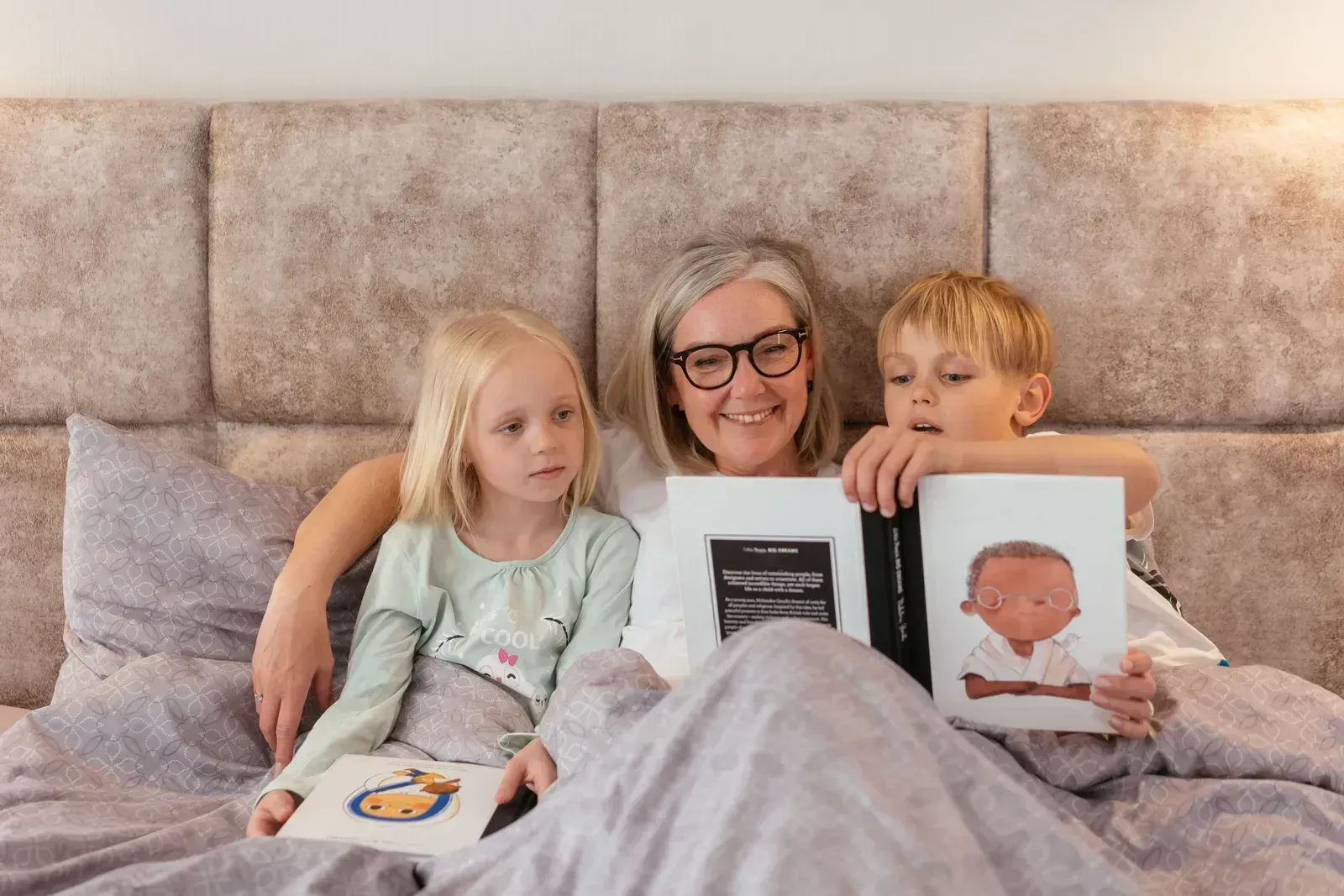
Grandparents are often a child’s first window into the past. They talk about growing up, about old neighborhoods, about how their own parents met.
Research on family storytelling has linked children knowing their family history with stronger self-esteem and resilience. Grandchildren may not remember every detail, but they remember the feeling of being let in on something older than themselves.
The Games, Cards, and Quiet Activities
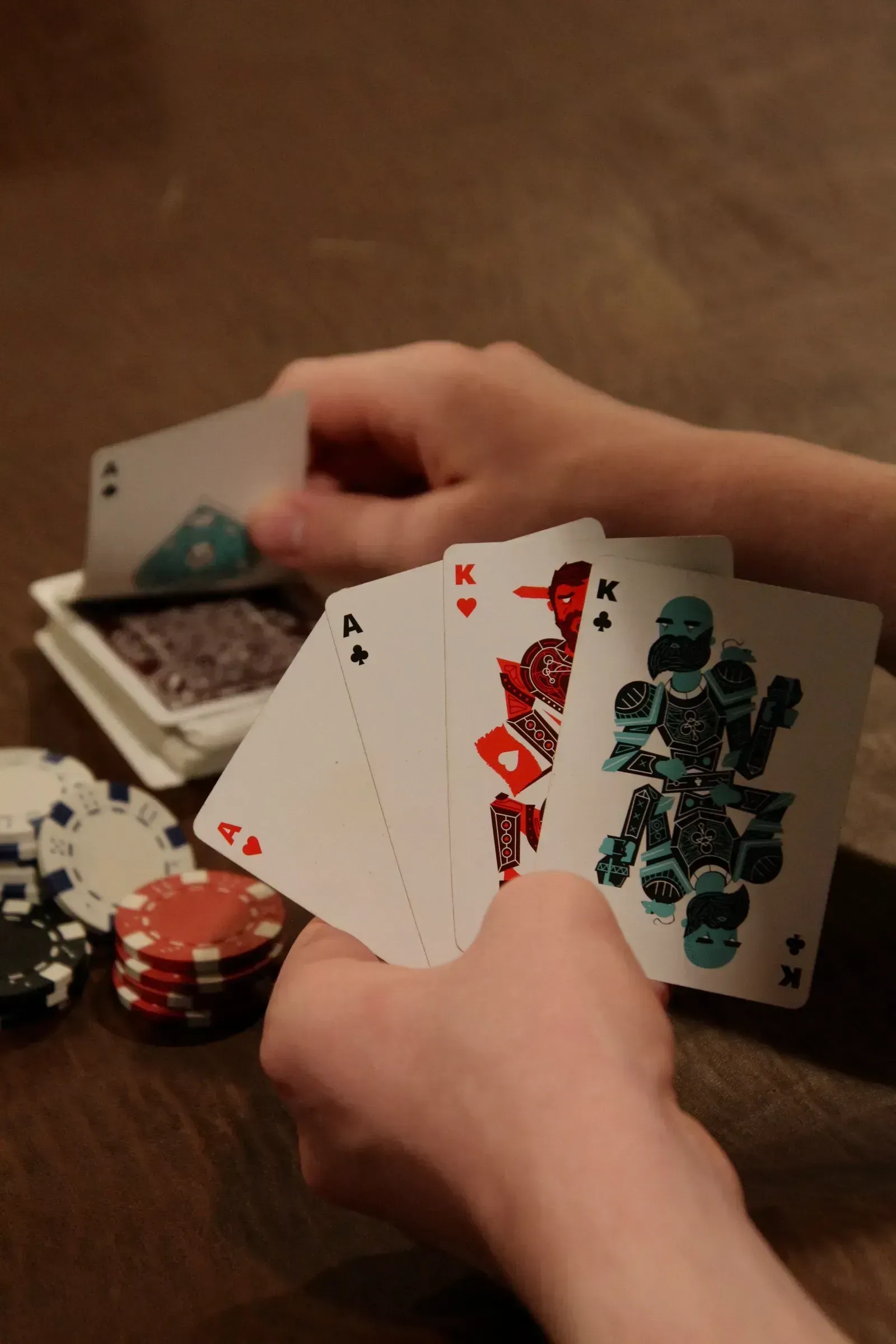
Card games, board games, puzzles, and gardening often fill the slower hours at Grandma’s. Without screens as the default, the pace feels different, and children tend to recall that stillness fondly.
Shared activities also gave grandchildren undivided attention, which is harder to come by in a busy household. A game of gin rummy can turn into an hour of real conversation without anyone planning it.
The Sounds of the House
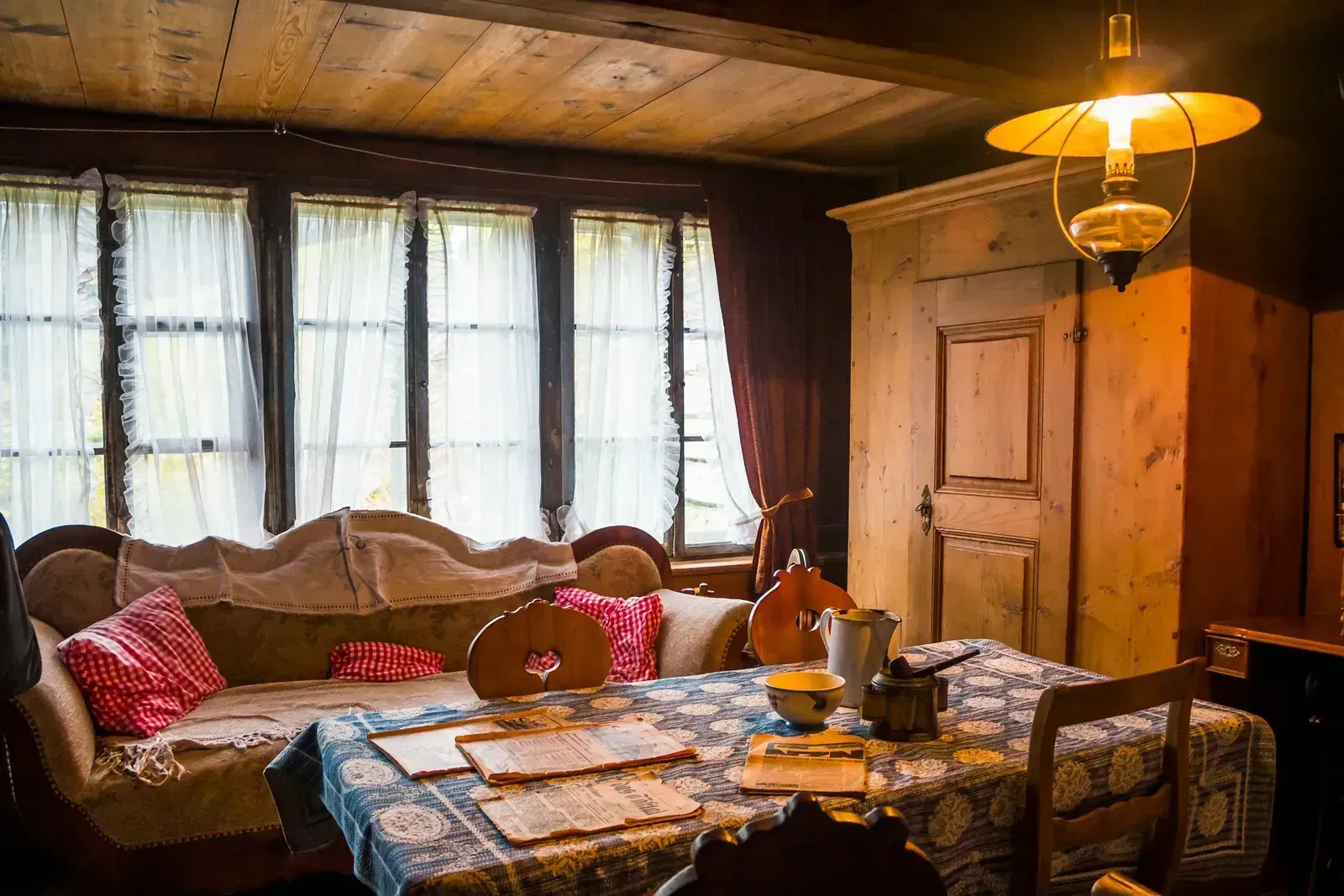
A ticking clock, a creaky stair, a radio murmuring in the kitchen, the hum of an old refrigerator. Every house has its own soundtrack, and Grandma’s is usually lodged firmly in memory.
Grandchildren often say these sounds meant safety. Long after the house is sold, hearing something similar can stop them mid-step.
The Bedtime Routine Away From Home
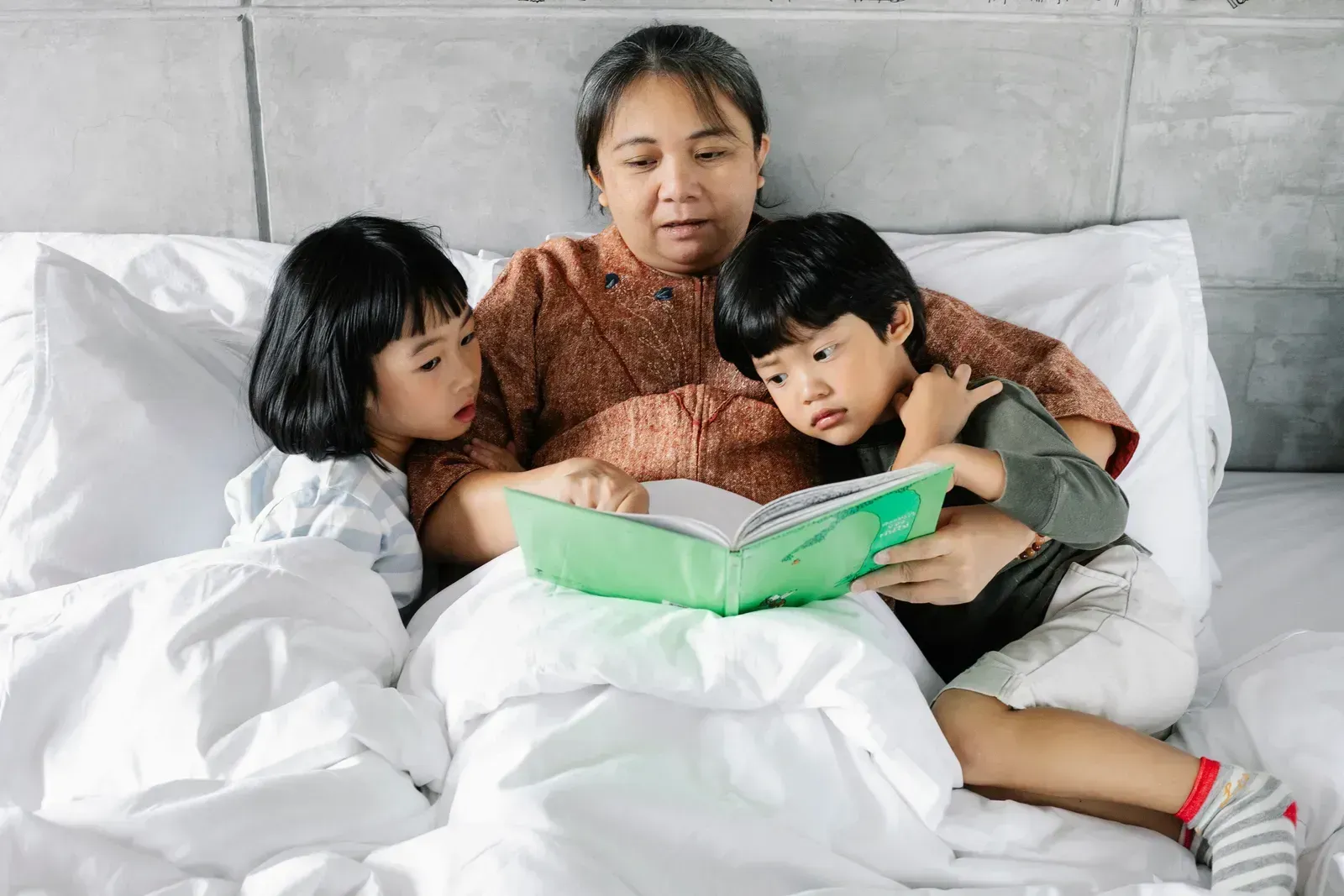
Sleepovers at Grandma’s came with their own rules: a particular blanket, a nightlight, a bedtime snack, maybe a story or a hymn. The routine was different from home, which made it feel special rather than strict.
Many people recall the specific guest bed or the pull-out couch with surprising clarity. Being tucked in by someone who plainly adored them left a lasting impression.
The Feeling of Being Completely Welcome

When grandchildren are asked what they remember most, the answer often isn’t an object at all. It’s the sense of being fussed over, taken seriously, and loved without conditions.
Studies on grandparent and grandchild relationships have associated close ties with better emotional well-being for both generations. That quiet acceptance is probably why a modest house with worn carpet can feel like the warmest place in the world.





Leave a Reply