
Walk into a diner in Ohio, a supper club in Wisconsin, or a church basement lunch in Minnesota, and you’ll notice a certain rhythm. People are polite to a fault, portions are generous, and nobody seems in a hurry to leave. Visitors from the coasts or the South often leave a little baffled.
None of these habits are secrets, and most come from regional history, food culture, and a strong sense of manners. Here are nine behaviors that tend to raise eyebrows, along with the reasoning behind them.
Saying “oh, whatever you want” when picking a place
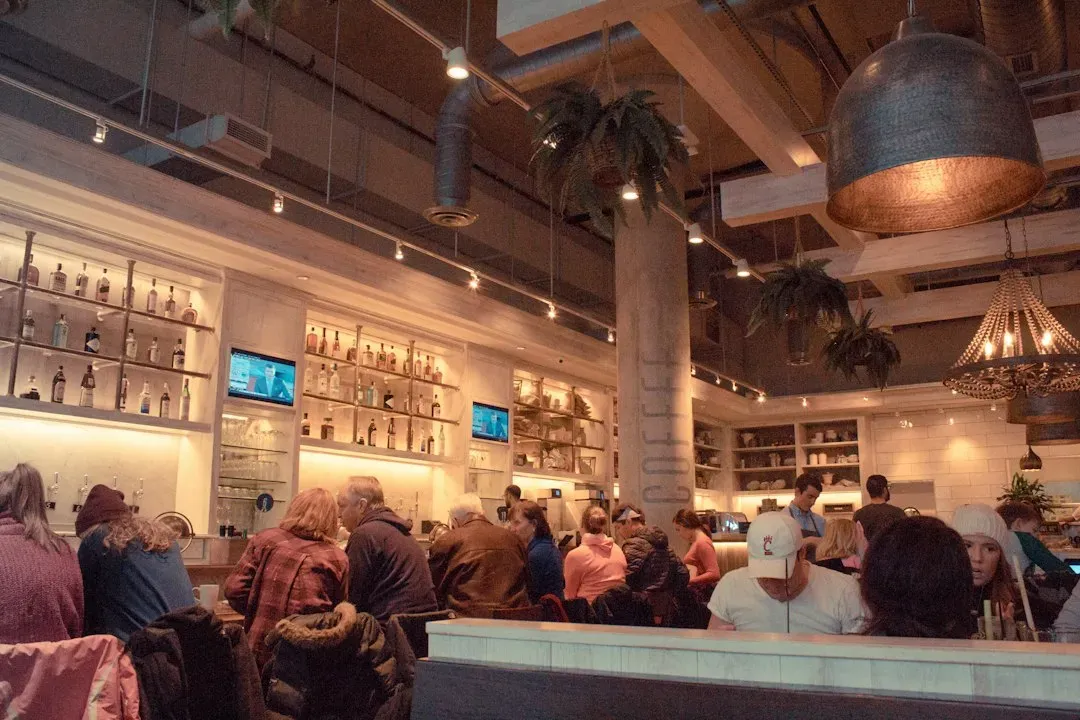
Ask a group of Midwesterners where to eat, and you may get a long loop of polite deferrals. Everyone wants to be agreeable, so nobody names a restaurant. The result can be twenty minutes of texting before anyone gets near a menu.
This habit is often tied to the stereotype of “Midwest nice,” a term used widely for the region’s conflict avoidant social style. It’s a stereotype, not a rule, though plenty of people from the region recognize themselves in it. Outsiders tend to read it as indecision, while locals see it as consideration.
Calling it “pop” and ordering it that way

Order a soft drink and the word you use gives away where you grew up. Many people across the Midwest say “pop,” while much of the Northeast and West Coast says “soda,” and parts of the South say “coke” for any soft drink. The long running Pop vs Soda survey maps these differences across the country.
Servers in other regions sometimes pause at “pop,” though they almost always understand. It’s a small thing, but it can spark an instant debate at a mixed table. Midwesterners rarely back down.
Ordering the fish fry on Friday
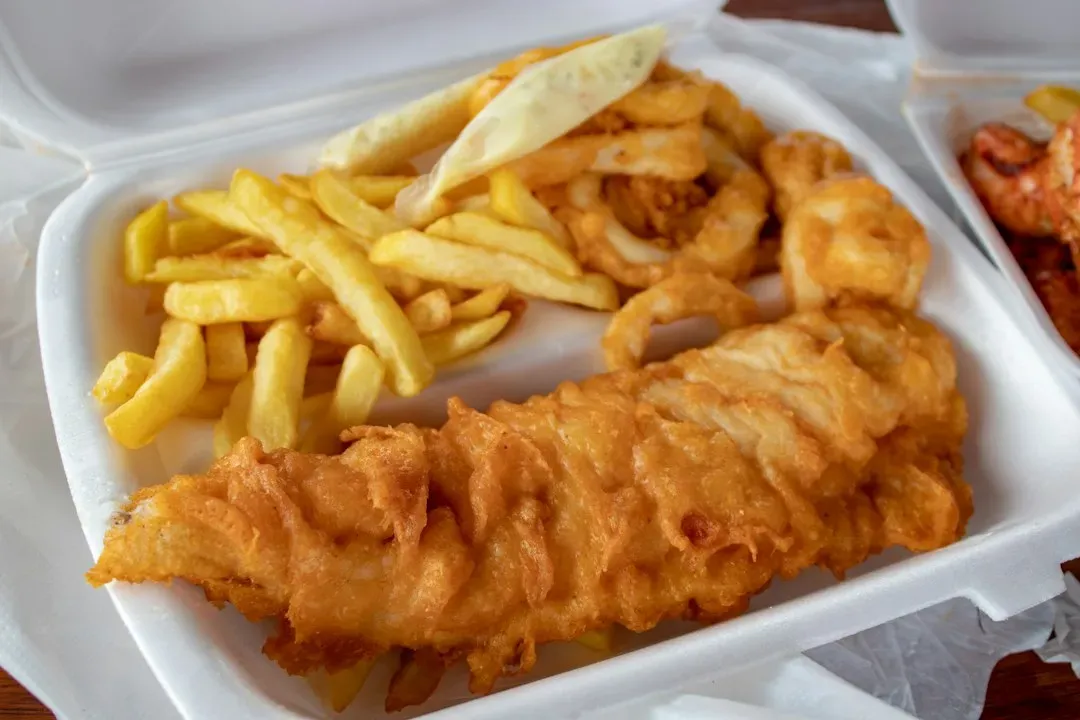
In Wisconsin especially, Friday night means fish fry. Taverns and supper clubs pack in families for fried cod or perch, often with rye bread, coleslaw, and potato pancakes or fries. The tradition is commonly linked to Catholic customs of skipping meat on Fridays, brought by European immigrants.
Visitors may wonder why a bar is full of grandparents and toddlers at six o’clock. Locals just consider it a weekly ritual. Waits of an hour or more are accepted without complaint.
Putting ranch on almost everything
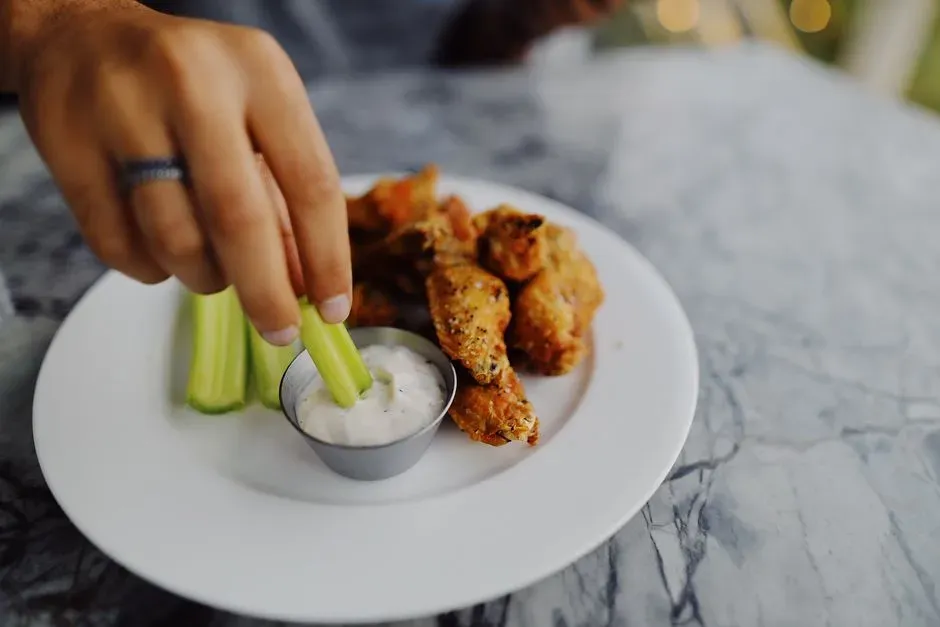
Ranch dressing is treated as a universal condiment in much of the region. It shows up beside pizza, fries, wings, and even sandwiches. Ranch has long been reported as America’s favorite dressing in surveys, and its popularity runs especially deep in the heartland.
People from elsewhere may view dipping pizza in ranch as odd. Midwesterners see no issue. For many, it’s simply how pizza comes.
Cutting pizza into squares
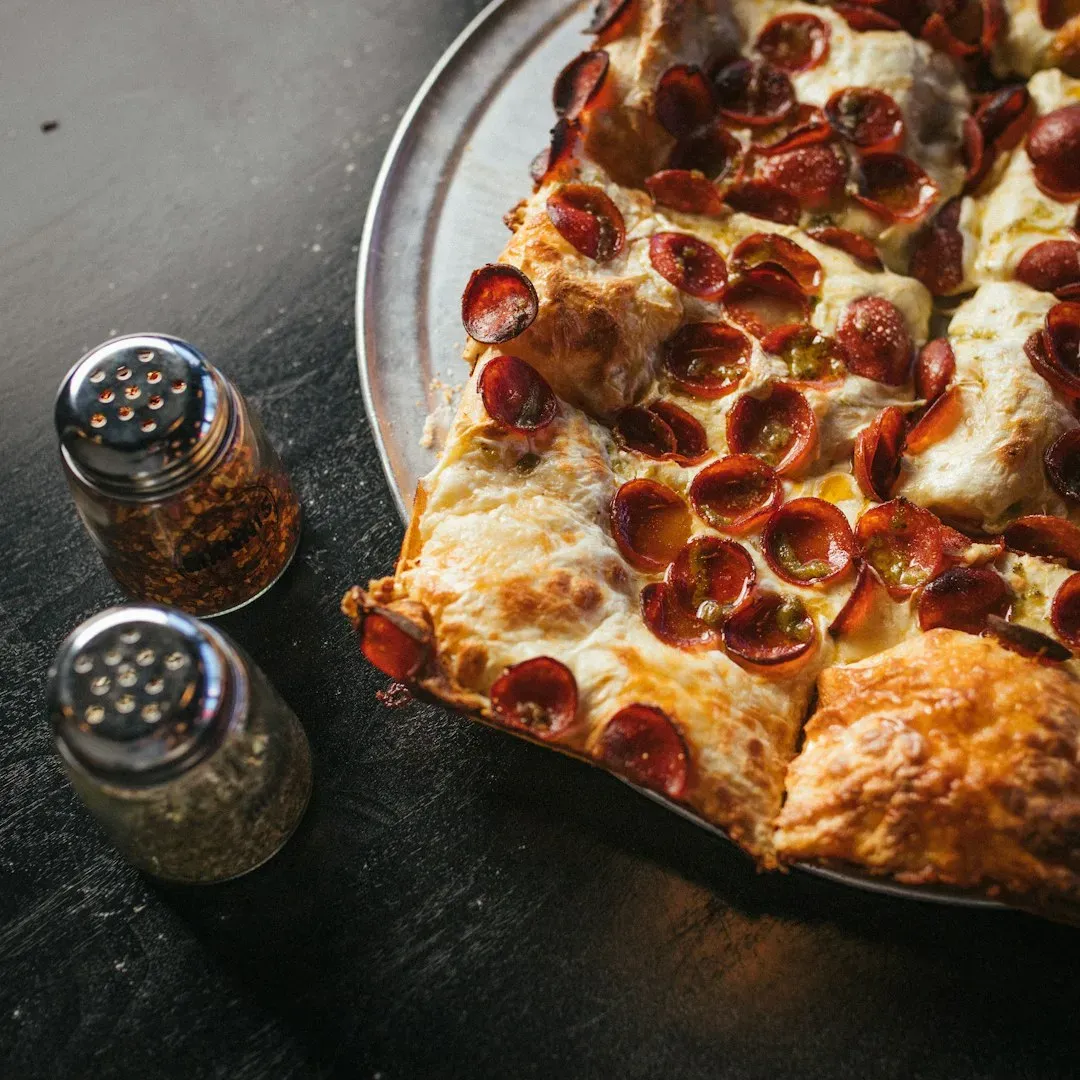
Tavern style pizza, common in Chicago and around the Midwest, is cut into small squares instead of wedges. The crust is thin and crisp, and the pieces are often called party cut or tavern cut. Chicago is better known for deep dish, yet locals regularly say thin crust tavern pie is what they eat at home.
Out of towners sometimes ask the server whether the kitchen made a mistake. It’s intentional. The squares are easier to share and the crisp edges are prized.
Tipping generously and apologizing to the server

Many Midwesterners will thank the server repeatedly, apologize for small requests, and tip in line with the national norm of roughly eighteen to twenty percent or more. Politeness at the table can feel almost excessive to people used to a faster pace. Some servers say they enjoy it, others find the constant apologies unnecessary.
It’s less about the money than about not wanting to be a bother. A request for extra napkins can arrive wrapped in three “sorrys.” The habit is practically automatic.
Bringing the family to a supper club and staying for hours
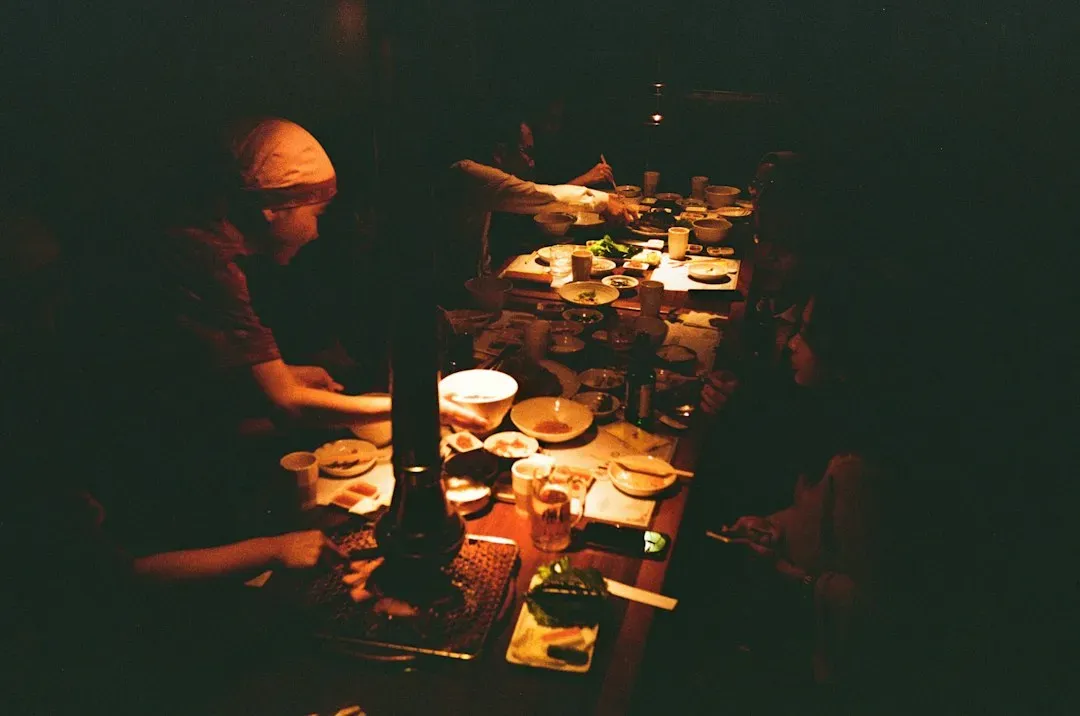
Wisconsin and Minnesota supper clubs are built for lingering. Diners often begin with a brandy old fashioned, move through a relish tray, and finish with an ice cream drink such as a grasshopper. Dinner can easily take two or three hours.
Wisconsin’s old fashioned is typically made with brandy, and the state is known for it. To someone used to fast casual dining, the pace seems slow. Regulars say that’s the whole point.
Ordering hotdish, casseroles, and cheese curds without explanation
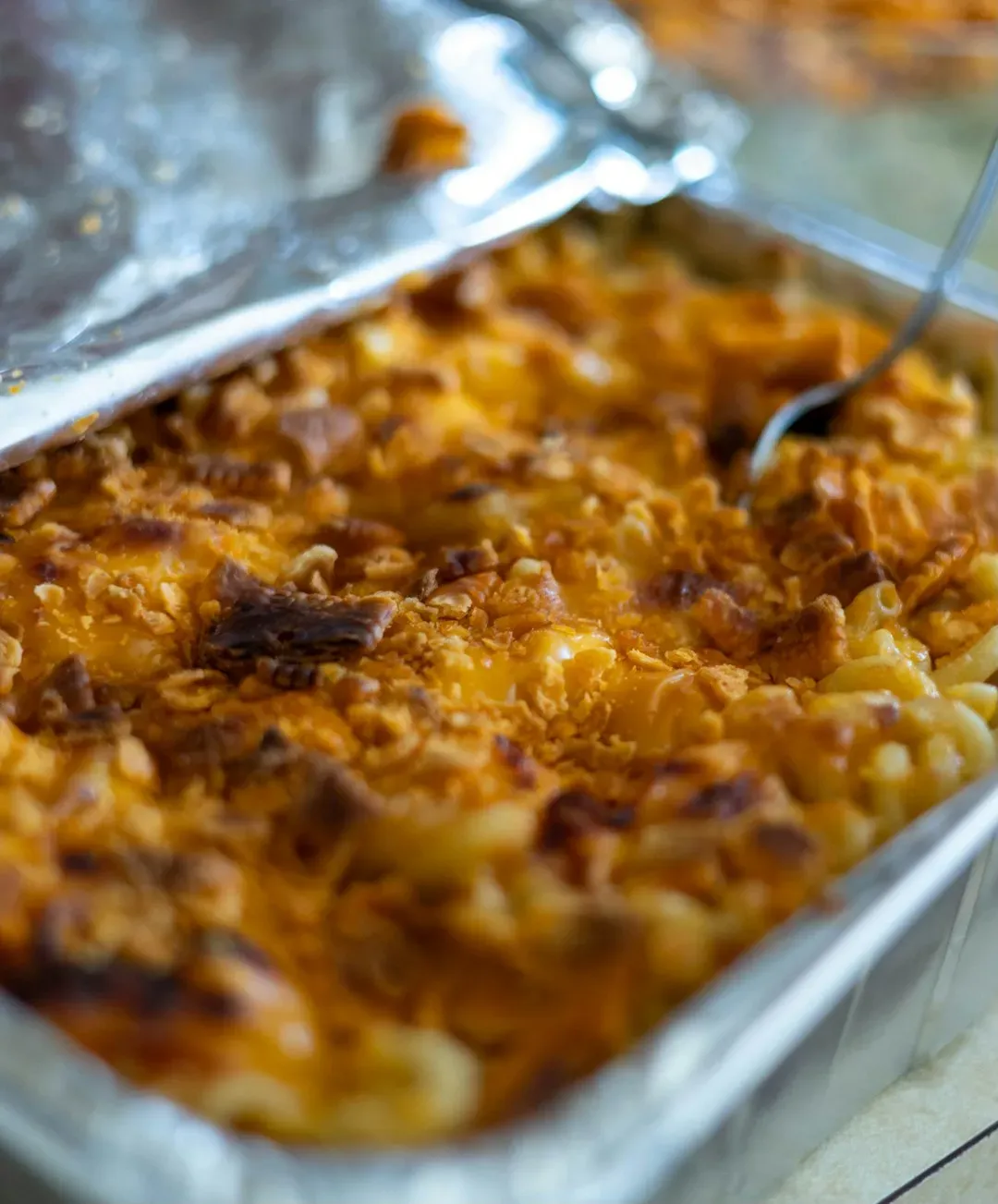
Menus in Minnesota may list hotdish, a baked casserole with a protein, vegetables, and often tater tots on top. In Wisconsin, fried cheese curds are a staple appetizer, with squeaky fresh curds prized by fans. Neither dish gets much explanation on the menu because locals already know them.
Visitors can feel lost reading a menu that assumes shared knowledge. A quick question to the server usually solves it. Most are happy to explain.
Eating early and clearing the room by eight
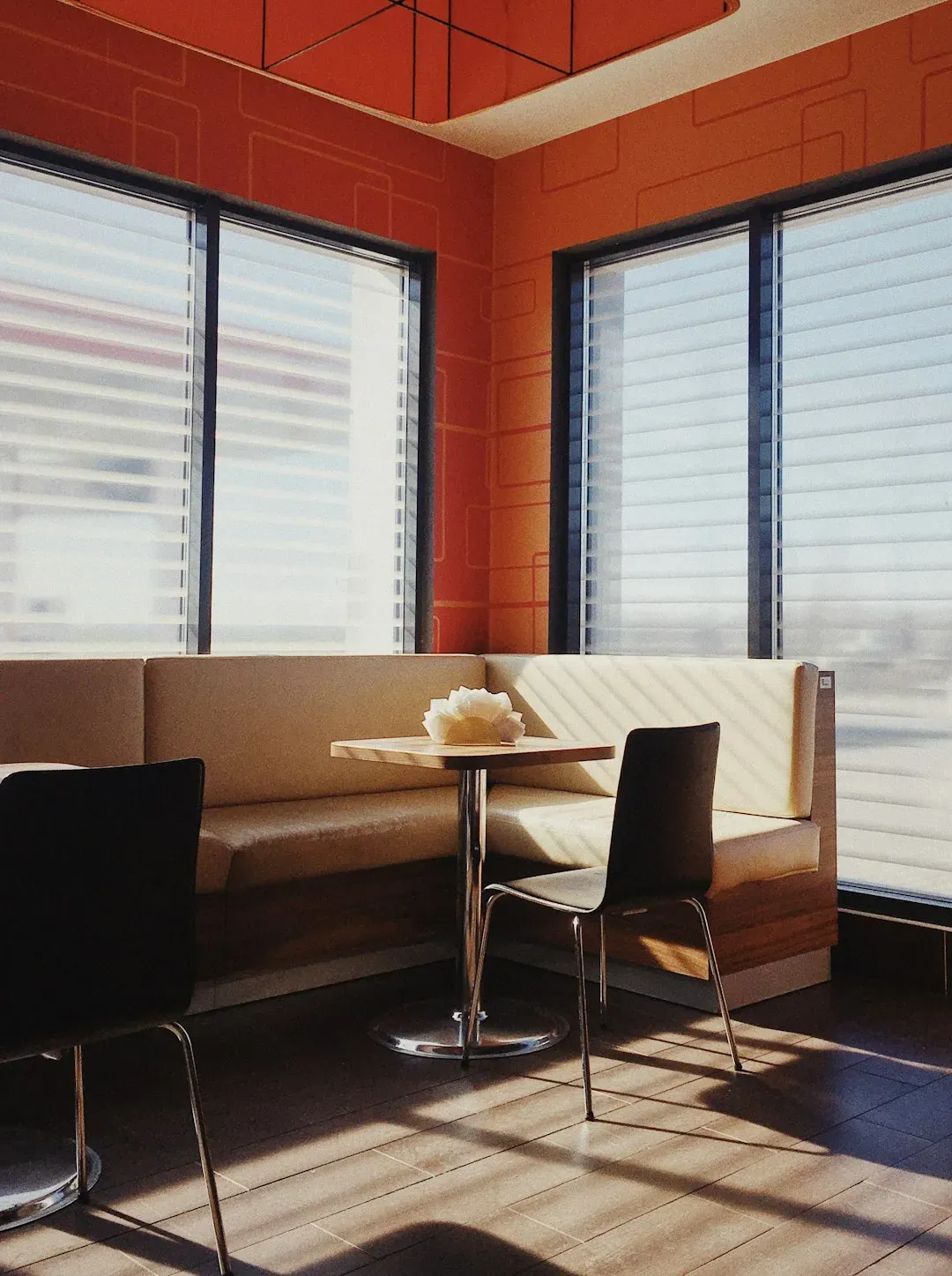
Dinner at five or half past is normal in many Midwestern towns, and kitchens in smaller communities often close earlier than in big coastal cities. Farming schedules and early work mornings shaped the pattern over generations. Many families still eat when the workday ends.
Travelers expecting a late dinner may find the kitchen winding down. It surprises them every time. Locals just shrug and head home before dark.



Leave a Reply