
1. The screech of a dial-up modem connecting
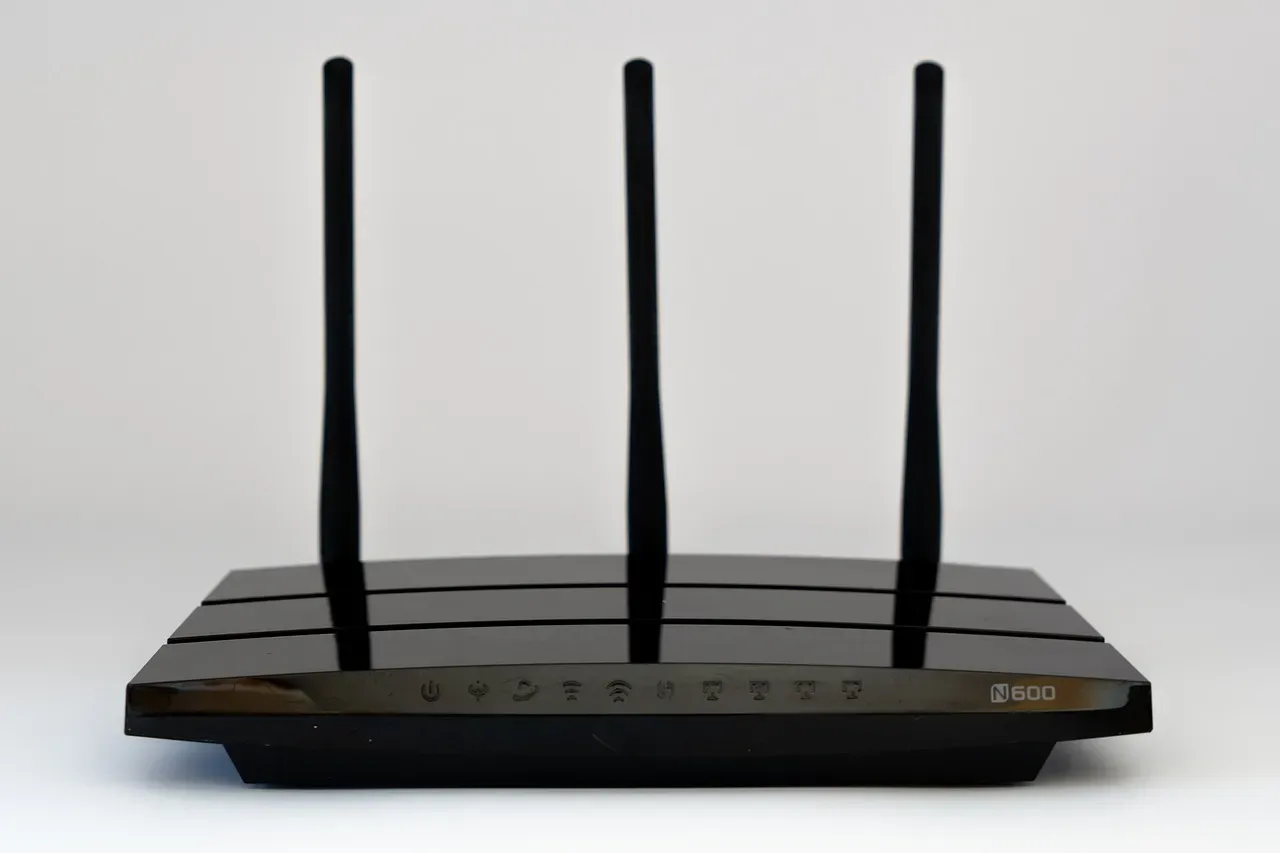
Before broadband became standard in most American homes, connecting to the internet meant listening to a sequence of static, beeps, and screeches that could last thirty seconds or longer. That sound signaled the modem negotiating a connection over a phone line, and it was so distinctive that most millennials can still recall it instantly. Getting online also usually meant nobody else in the house could use the telephone at the same time.
By the mid 2000s, broadband adoption in the United States had overtaken dial-up, and the sound faded out of daily life fairly quickly. Gen Z, born mostly after that shift, has never had to negotiate with a sibling over phone versus internet access. For millennials, that screech wasn’t just noise, it was the sound of patience being rewarded, or occasionally not being rewarded at all when the connection dropped.
2. Waiting for a photo to be developed
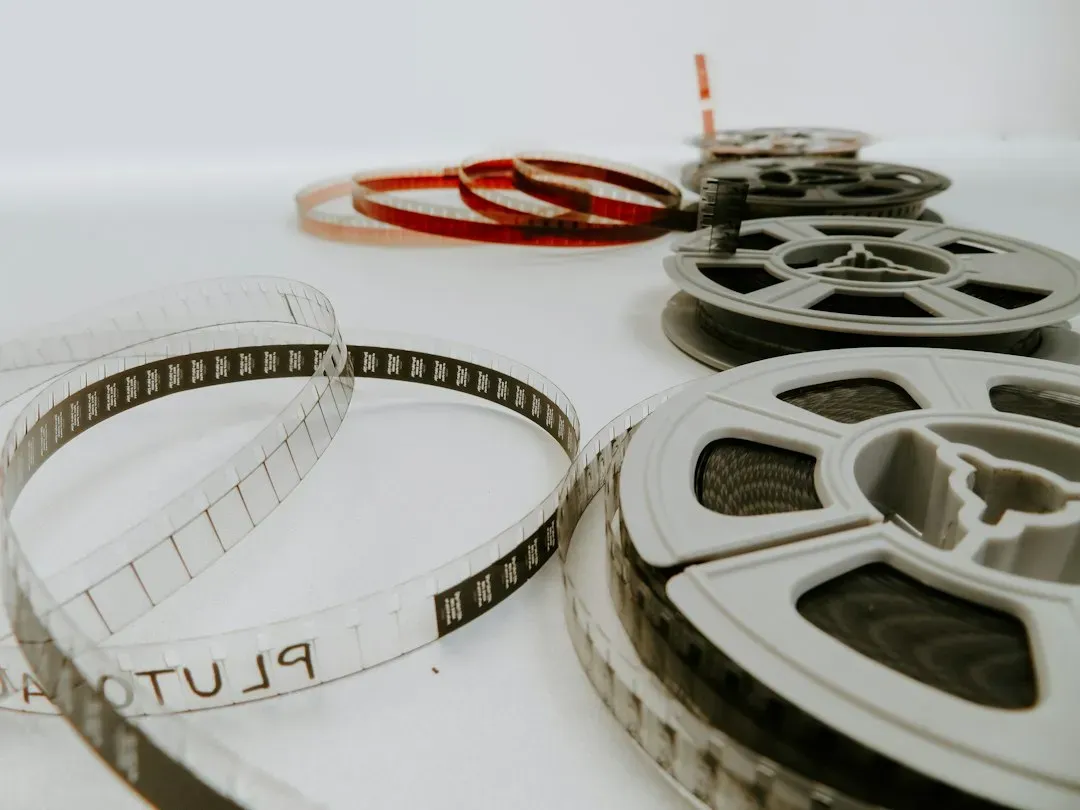
Digital cameras and smartphones eventually made photography instant, but millennials grew up in an era when a roll of film had to be finished, dropped off at a pharmacy or photo counter, and picked up days later. There was no way to check the shot in the moment. Whether a birthday photo turned out blurry or a vacation picture had someone’s thumb over the lens, you found out only after the fact.
That delay changed how people took pictures. Millennials learned to be more deliberate, since film and developing cost money and each roll typically held only twenty four or thirty six exposures. Gen Z has grown up with unlimited digital storage and instant previews, so the idea of waiting an entire week to see if a photo was even in focus is a genuinely foreign concept.
3. Memorizing phone numbers
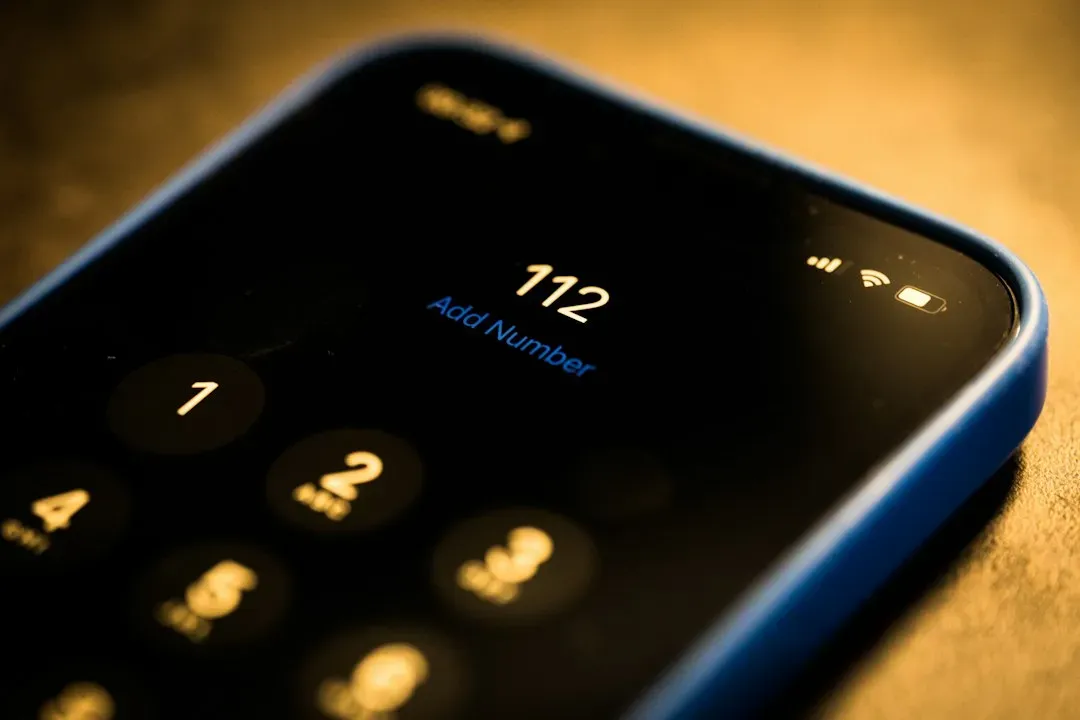
Before smartphones stored every contact automatically, people actually memorized phone numbers, often a dozen or more, including their own home line, close friends, and relatives. Losing a paper address book or a scrap of paper with a number scrawled on it could mean losing touch with someone entirely. This was simply how social life functioned for most of the twentieth century and into the early 2000s.
Smartphones changed that dynamic almost overnight once they became widespread after the iPhone’s 2007 launch and the years that followed. Gen Z rarely needs to recall a number from memory beyond maybe a parent’s cell phone, since contacts sync automatically across devices. Millennials, meanwhile, often still remember their childhood home phone number even decades later, a strange kind of muscle memory that has no real modern equivalent.
4. Recording songs off the radio onto a cassette tape
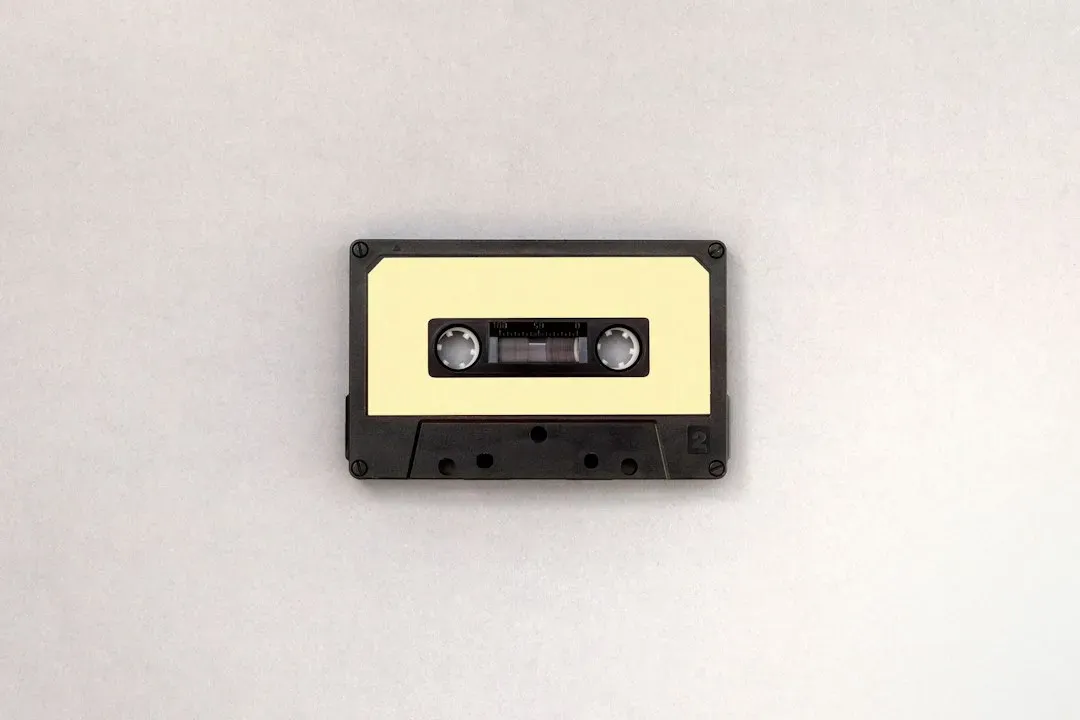
Long before streaming services offered every song on demand, millennials and the generations before them captured music by sitting next to a radio with a blank cassette loaded, finger hovering over the record button, waiting for a favorite song to come on. Timing mattered enormously, since a DJ talking over the intro or outro could ruin the recording. Building a decent mixtape this way could take hours or even days of patient listening.
This practice largely disappeared as MP3 players, then smartphones and streaming platforms, made instant access to nearly any song the norm. Gen Z has grown up with services offering tens of millions of tracks available immediately, with no waiting and no risk of a radio host talking over the chorus. The idea of dedicating an afternoon to capturing a single three minute song is something younger listeners tend to find almost unbelievable.
5. Getting lost without a smartphone map

Before GPS navigation became a standard smartphone feature, getting somewhere unfamiliar meant consulting a paper map, writing down directions in advance, or simply stopping to ask someone for help. Wrong turns could mean genuinely losing significant time, since there was no voice reminding drivers to recalculate. Family road trips often involved someone in the passenger seat serving as a human navigator, map spread across their lap.
Turn by turn GPS navigation became widely available on phones only after devices like the iPhone popularized built in mapping apps starting in the late 2000s. Gen Z has essentially never needed to plan a route in advance, since real time directions and traffic updates are simply expected. For millennials, the shift from paper maps to voice guided navigation was one of the more quietly dramatic changes of their teenage and young adult years.
6. Landline answering machines and busy signals
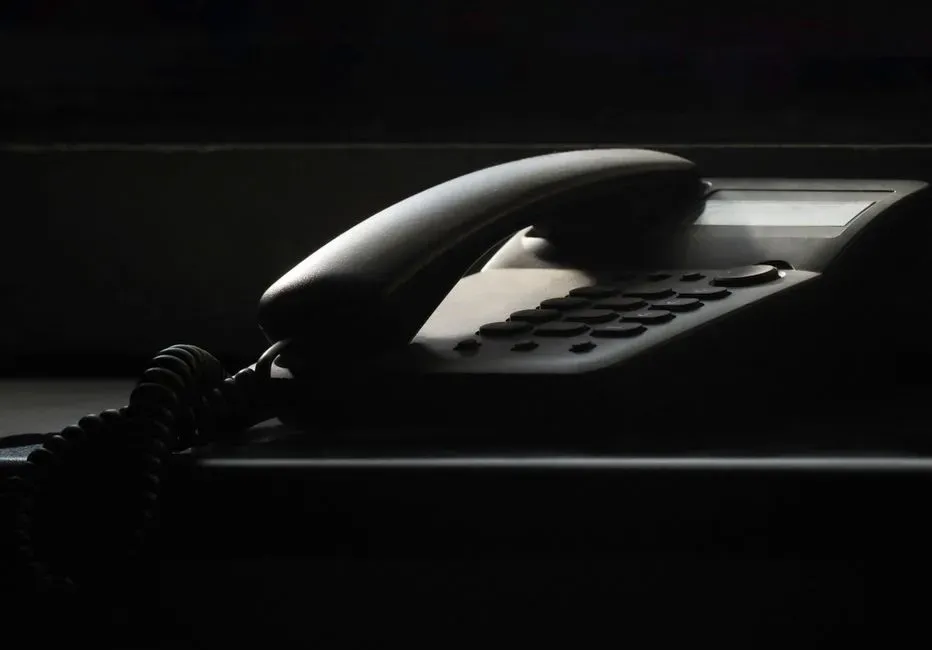
Households once relied on a single shared phone line, and if someone was already on a call, anyone trying to reach that house heard a busy signal rather than getting through immediately. Answering machines with physical cassette tapes recorded incoming messages, and checking them meant pressing play and listening in real time, no scrolling through a list or skipping ahead. Coming home to a blinking red light on the machine was its own small event.
Call waiting and later cell phones gradually phased out the busy signal experience, and voicemail systems replaced physical tape based answering machines. Gen Z has grown up with the assumption that calls always connect, and voicemail itself has become something many younger people rarely check or use at all, according to surveys showing declining voicemail usage among younger age groups. The specific frustration of a busy signal, or the anticipation of rewinding a tape to hear a message again, simply has no modern counterpart.
7. Waiting a full week for the next TV episode
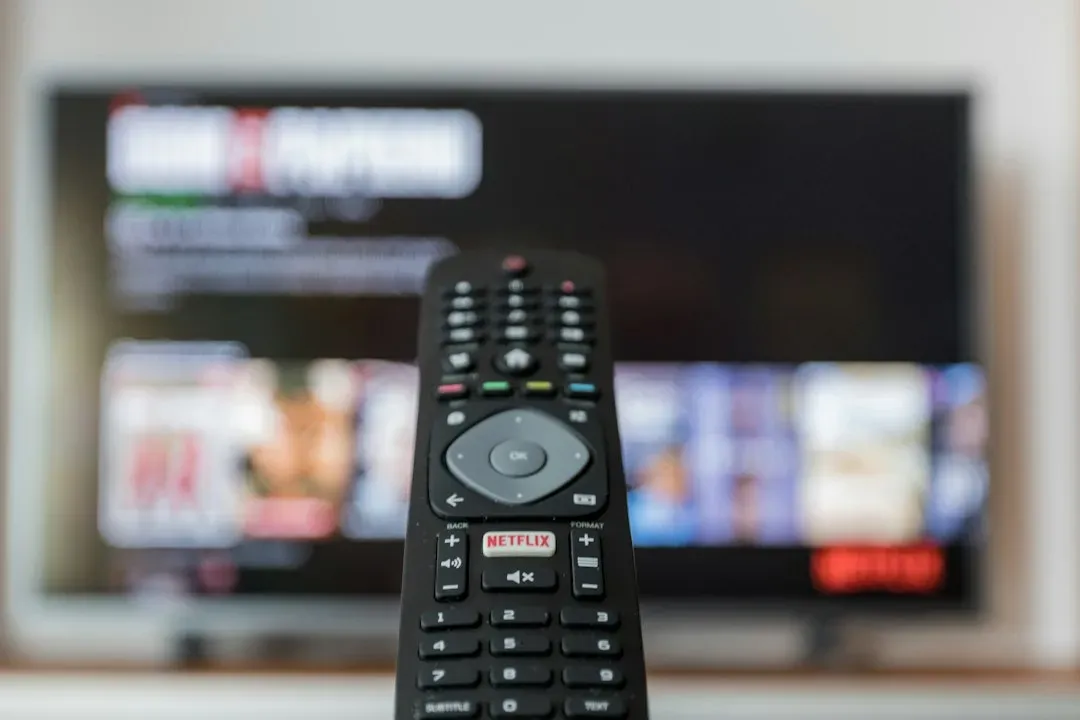
Television in the 1990s and 2000s ran on a strict weekly schedule, and missing an episode often meant missing it entirely unless a rerun happened to air later. Shows built anticipation around cliffhangers precisely because audiences had no choice but to wait seven days, or sometimes months during a season break, to find out what happened next. Watercooler conversations at school or work the next day were a genuine shared ritual built around that shared waiting period.
Streaming platforms changed that model dramatically starting with services like Netflix, which began releasing entire seasons at once starting around 2013. Gen Z has largely grown up expecting to binge a full season in a weekend rather than spread it across months. The particular kind of suspense that came from waiting an entire week to see what happened after a cliffhanger is an experience streaming culture has mostly erased.
8. Physical media as the only way to own music or movies
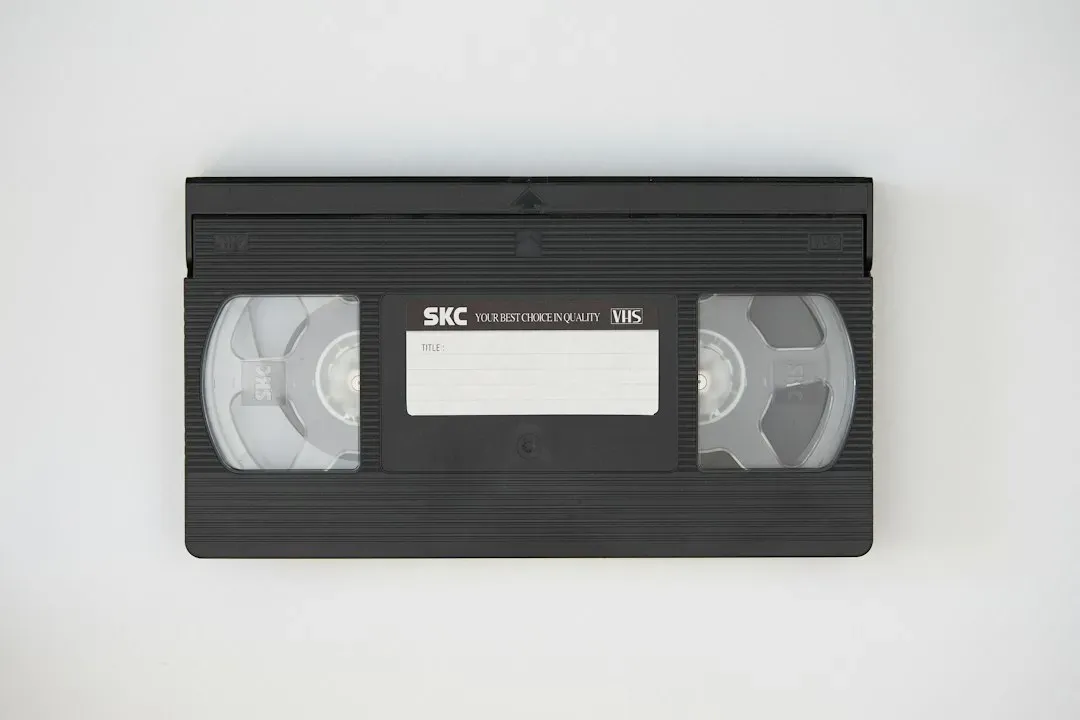
Owning music or films meant owning something tangible, CDs, cassette tapes, VHS tapes, and later DVDs, that took up physical shelf space and could scratch, snap, or get lost. Building a collection was a slow, visible process, and lending a CD to a friend carried real risk since there was no backup copy. Music videos, meanwhile, were often something you had to catch live on channels like MTV rather than pull up whenever you wanted.
Digital downloads and then streaming subscriptions made ownership largely unnecessary, with services now offering access to vast catalogs without ever holding a physical object. Gen Z has grown up in an era where music and film exist primarily as licensed access rather than personal property, a shift confirmed by the recorded music industry’s own reporting showing streaming now accounts for the vast majority of industry revenue. The tactile experience of flipping through a CD binder or rewinding a VHS tape is something younger generations mostly know only through references in older media.
9. Chat rooms and early instant messaging culture

Before social media platforms dominated online socializing, millennials spent their after school hours on services like AOL Instant Messenger, setting away messages, customizing buzz sounds, and building buddy lists that felt like a curated digital identity. Logging on and off was visible to friends, and away messages functioned almost like an early version of a status update. This was a slower, more text based form of socializing that unfolded mostly after a shared dial-up connection was secured.
AOL Instant Messenger itself was officially shut down in December 2017, marking a symbolic end to that particular era of online chat culture. Gen Z has instead grown up with platforms built around images, short video, and algorithmic feeds rather than simple text based buddy lists. The specific ritual of setting a clever away message before leaving the computer is something younger users have never had a reason to experience.
Looking back at these nine experiences, what stands out isn’t really the technology itself but the patience each one demanded. Millennials grew up in a period where waiting, whether for a photo, a phone call, or a new episode, was simply built into daily life, and that waiting shaped habits and expectations in ways that are hard to fully explain to someone who never had to sit through them.
Leave a Reply