
Most dogs want to get things right. When training stalls, the problem often isn’t stubbornness, it’s that the dog can’t work out what we’re asking. Dogs don’t understand our words the way we do, so they rely on timing, tone, body language and patterns.
Small habits can quietly muddy the message. Trainers and veterinary behavior groups have long pointed to the same handful of errors, and they’re easy to fix once you spot them. Here are nine that come up again and again.
Inconsistent Cues and Rules
If “down” means lie down on Monday and get off the sofa on Tuesday, your dog has no stable meaning to learn. The same goes for rules. Letting a dog on the couch some days and scolding them on others is a recipe for guessing.
Pick one word for each behavior and have everyone in the household use it. Write the rules down if you need to. Dogs learn through repeated, predictable outcomes, so consistency is what turns a random action into a clear skill.
Poor Timing of Rewards
Dogs connect consequences to what they were doing in the moment, not a minute ago. A treat that arrives several seconds late may reward the wrong thing, like standing up right after a sit. Learning researchers have stressed for decades that reinforcement works best when it follows the behavior almost immediately.
A clicker or a short marker word like “yes” helps bridge the gap. Say it the instant your dog does the right thing, then deliver the treat. It’s a small change that sharpens the whole picture for them.
Repeating Commands Over and Over
Saying “sit, sit, sit, SIT” teaches a dog that the cue is a long, loud string and that they can wait for the fourth round. It also blurs what the actual signal is. Many trainers recommend giving a cue once, then pausing a few seconds to let the dog think.
If nothing happens, don’t nag. Reset, make the task easier, or guide the dog into position and reward. That keeps the cue clean and meaningful.
Using Punishment or Harsh Corrections
Punishing a dog can tell them something is wrong without showing what’s right. Research has linked aversive training methods to more stress behaviors and, in some studies, poorer welfare. A well-known 2020 study in Scientific Reports on pet dogs found that dogs trained with aversive methods showed more stress signs and more pessimistic cognitive bias than those trained with rewards.
Major veterinary behavior groups, including the American Veterinary Society of Animal Behavior, recommend reward-based training as the default. It’s not only kinder, it gives the dog clearer information about the behavior you do want.
Scolding After the Fact

Coming home to a chewed shoe and confronting your dog rarely teaches anything. Dogs read your body language in the moment, so they may look guilty simply because you seem upset. That “guilty look” has been studied, and research from Alexandra Horowitz’s lab found it appeared in response to owner scolding, not actual wrongdoing.
The dog ends up confused and perhaps anxious about your homecoming. Prevention works far better. Manage the environment, offer proper chew toys, and reward good choices as they happen.
Moving Too Fast Through Difficulty
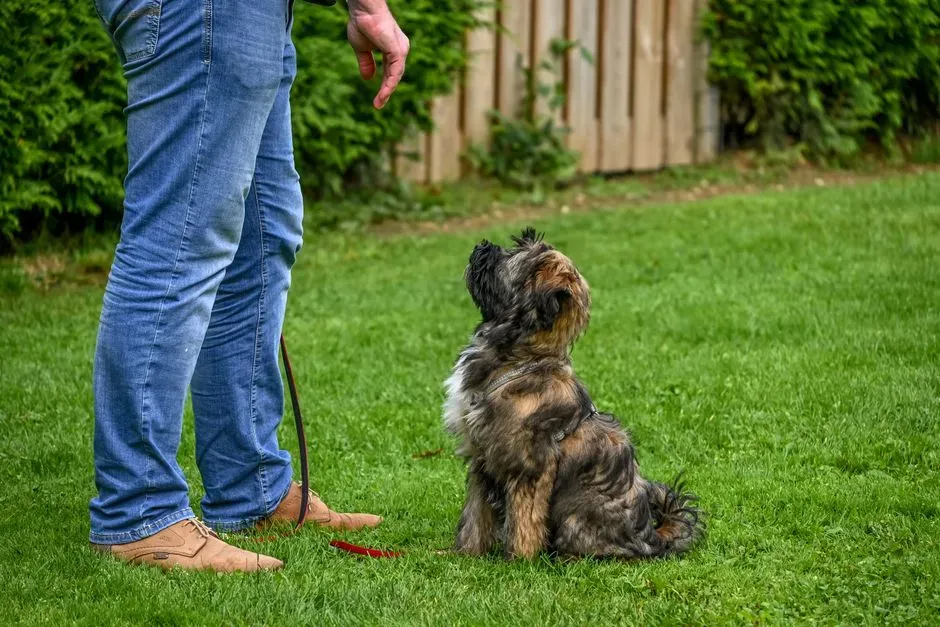
A dog who nails “stay” in the kitchen may fall apart at the park. That’s not defiance. Dogs don’t generalize well, so a skill learned in one place needs to be rebuilt with new distractions and distances.
Raise difficulty in small steps, changing only one factor at a time: duration, distance or distraction. If your dog starts failing, step back to an easier level and rebuild confidence. Success is what keeps learning going.
Mixed Signals From Body Language and Tone
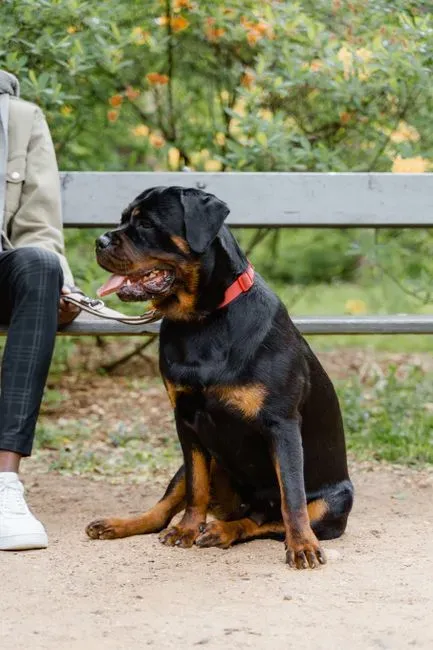
Dogs are expert readers of posture, movement and voice. If you call your dog to come in a frustrated tone, with a stiff stance, they may hesitate because the signal feels threatening. Cheerful words paired with tense body language send two messages at once.
Use a happy, inviting tone for recall, and crouch or step back to encourage approach. Keep your cues and your body saying the same thing. It sounds simple, yet it’s a common blind spot.
Rewarding the Behavior You Don’t Want

Accidentally reinforcing bad habits is remarkably easy. If a dog barks for attention and you look, speak or hand over a toy to quiet them, the barking worked. Any attention can be a reward to a dog who wants it.
Watch what you give in response to unwanted behavior. Reward calm moments instead, such as quiet waiting or four paws on the floor. Over time, the dog learns which actions pay off.
Training Sessions That Are Too Long or Stressful
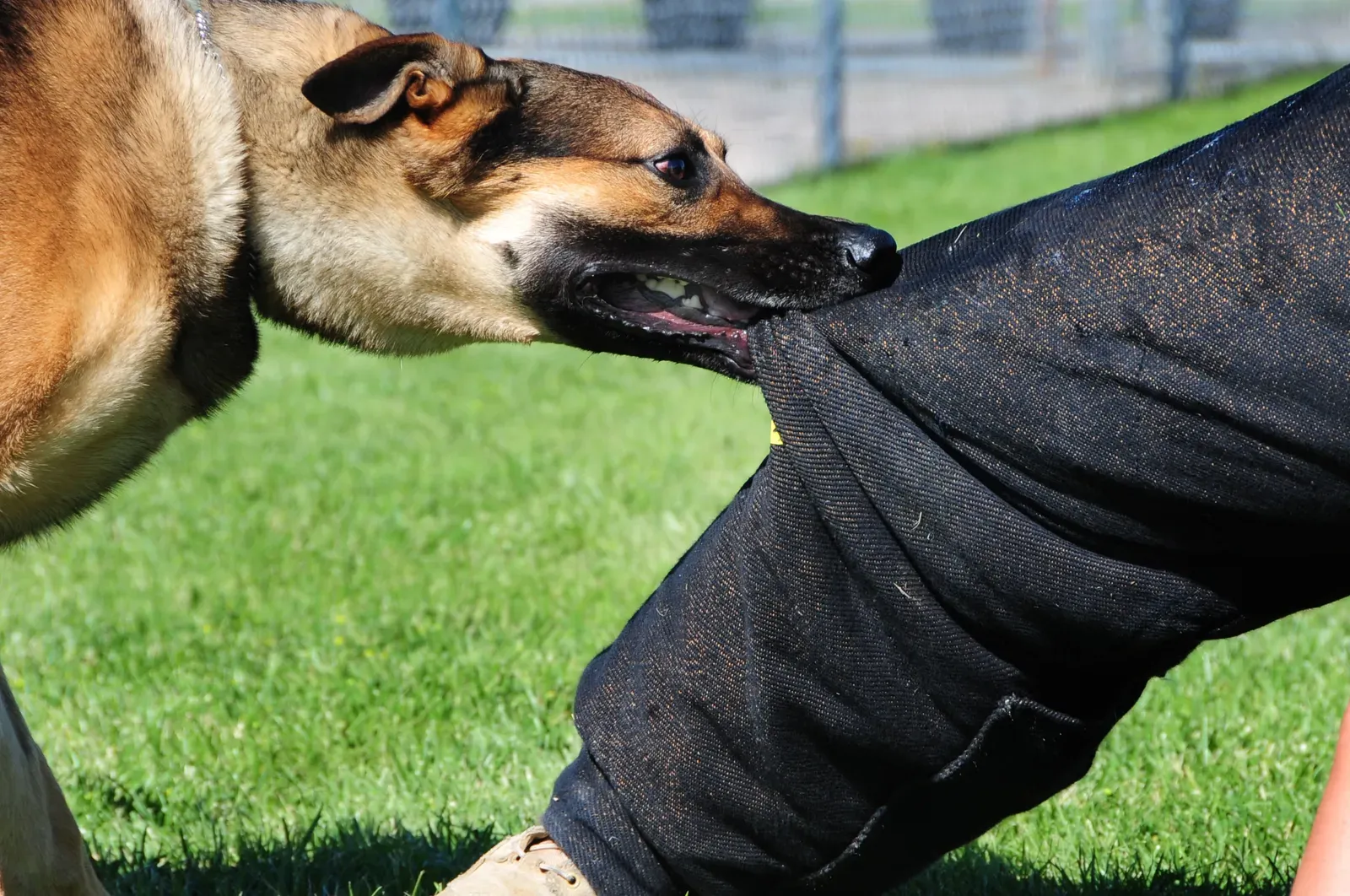
Focus fades, and tired dogs make more mistakes. Long drills can lead to frustration for both of you, and puppies in particular have short attention spans. Many trainers suggest several brief sessions a day, often just a few minutes each.
End on a success, even a simple one, and stop before your dog gets bored. Watch for signs of stress like yawning, lip licking, turning away or sniffing the ground. Those are cues that it’s time for a break.

Leave a Reply