
Walk into any potluck in 1976 and you’d have found a table crowded with green fluff, gelatin molds, and cakes with mysterious fudgy centers. These desserts weren’t just food, they were a kind of social currency, passed between neighbors on index cards and repeated at every church supper and office party.
Most of them faded quietly once the decade ended, pushed aside by lighter tastes, new kitchen gadgets, and a cultural shift away from canned pineapple and Cool Whip. A few still show up occasionally, usually at a grandmother’s holiday table, but the rest have slipped almost entirely out of everyday memory. Here’s a look back at nine that once defined American dessert culture and rarely make an appearance today.
Watergate Salad
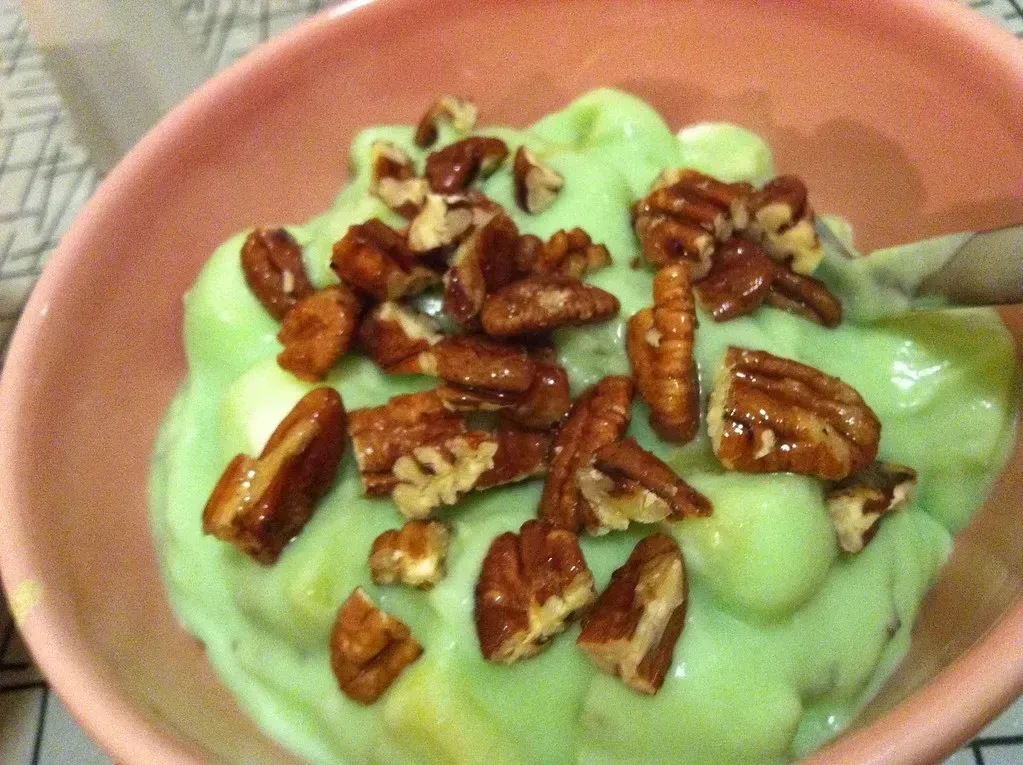
This pale green concoction of instant pistachio pudding, crushed pineapple, marshmallows, and Cool Whip was a fixture of 1970s potlucks despite its odd name having nothing to do with the actual scandal. It’s made from instant pistachio pudding mix, canned pineapple, Cool Whip, marshmallows, and pecans. The origin story is genuinely murky, and food historians still argue about it.
Recipes for pistachio pudding salad appeared in newspapers in the early 1970s, but it wasn’t until 1975 that the dish took on the moniker Watergate salad. One popular theory claims a Chicago food editor coined the name to generate buzz, though as researchers note, neither the article nor editor has been tracked down, however. Whatever the true story, the salad had its moment and then largely disappeared, since while it had its heyday in the 1970s and early 80s, it’s almost unheard of today.
Tunnel of Fudge Cake
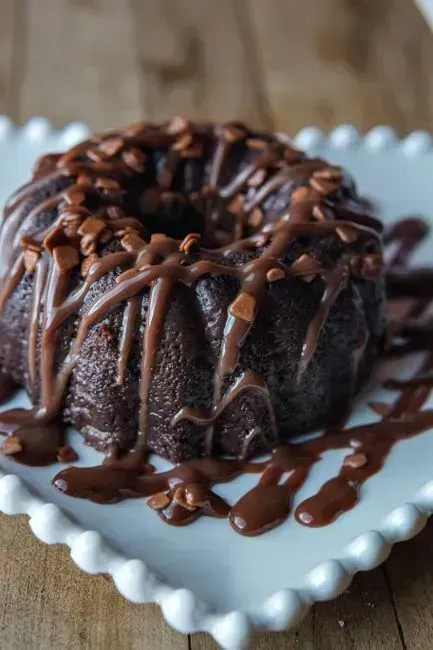
Few desserts changed American baking habits quite like this one. In 1966, she came in 2nd place in the annual Pillsbury Bake-Off competition with the Tunnel of Fudge Cake, a chocolate-nut bundt cake that seemingly magically baked with a fudgy center. That fudgy center was less a design flourish and more a happy engineering trick using a specific frosting mix that Pillsbury no longer sells.
The cake became so beloved through the 1970s that it single handedly rescued an entire style of bakeware, since over 200,000 letters poured in, not only requesting the recipe but information about where to purchase the unique cake pans, and to meet the demand for bundt pans, Dahlquist put his factory into round-the-clock production, eventually turning out 30,000 pans a day. Once Pillsbury discontinued the original frosting mix ingredient, the true version of the cake became nearly impossible to recreate, and in the decades since, legions of home cooks have attempted to replicate the gooey delights of the Tunnel of Fudge, with little success.
Baked Alaska
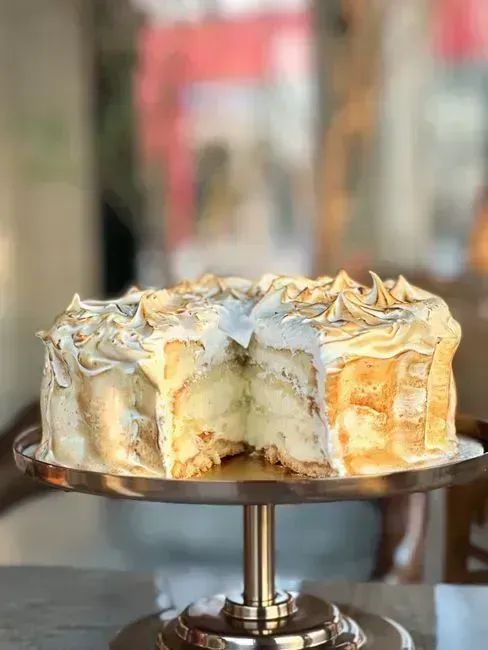
This showstopper of ice cream wrapped in cake and covered with toasted meringue predates the 1970s by decades, but it hit peak popularity during that era’s love of dramatic, restaurant-style entertaining at home. Hosts would torch the meringue tableside, a bit of kitchen theater that fit perfectly with the decade’s fondness for spectacle over subtlety. The science behind it, meringue insulating ice cream from a hot oven long enough to brown without melting the center, always impressed guests even when the execution went a little sideways.
Home cooks eventually moved away from it simply because it demanded precision, timing, and a working broiler technique that not everyone trusted. Modern kitchens favor simpler frozen desserts, and blow torches replaced ovens for the rare cook who still attempts a version today. It survives mostly in upscale restaurants looking to recreate a bit of retro flair rather than in home kitchens.
Grasshopper Pie
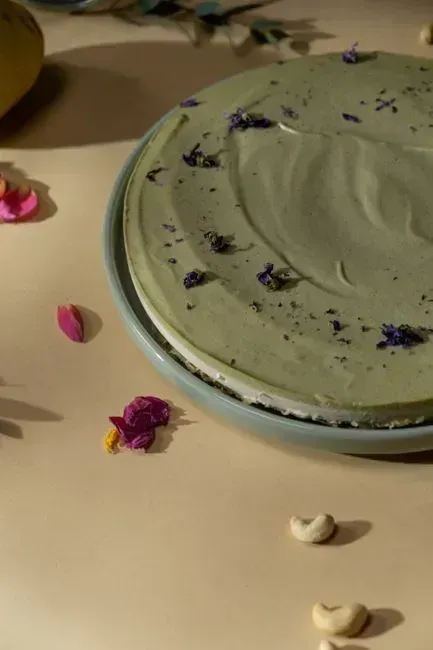
Named for its pale green color rather than any actual insect flavor, this chilled pie combined crème de menthe, crème de cacao, and a whipped cream or marshmallow filling in a chocolate cookie crust. It was a favorite at dinner parties precisely because it required no baking, just careful folding and a few hours in the freezer. The minty, boozy flavor felt sophisticated at a time when fondue pots and cocktail hours were considered essential entertaining tools.
The pie’s decline tracks closely with the fading popularity of crème de menthe itself, a liqueur that once sat in nearly every home bar but rarely gets poured now outside of holiday cocktails. Younger cooks unfamiliar with the ingredient tend to skip past the recipe entirely when they find it in old cookbooks. What remains is mostly nostalgia, occasionally revived by food bloggers chasing a retro theme rather than everyday bakers.
Ambrosia Salad
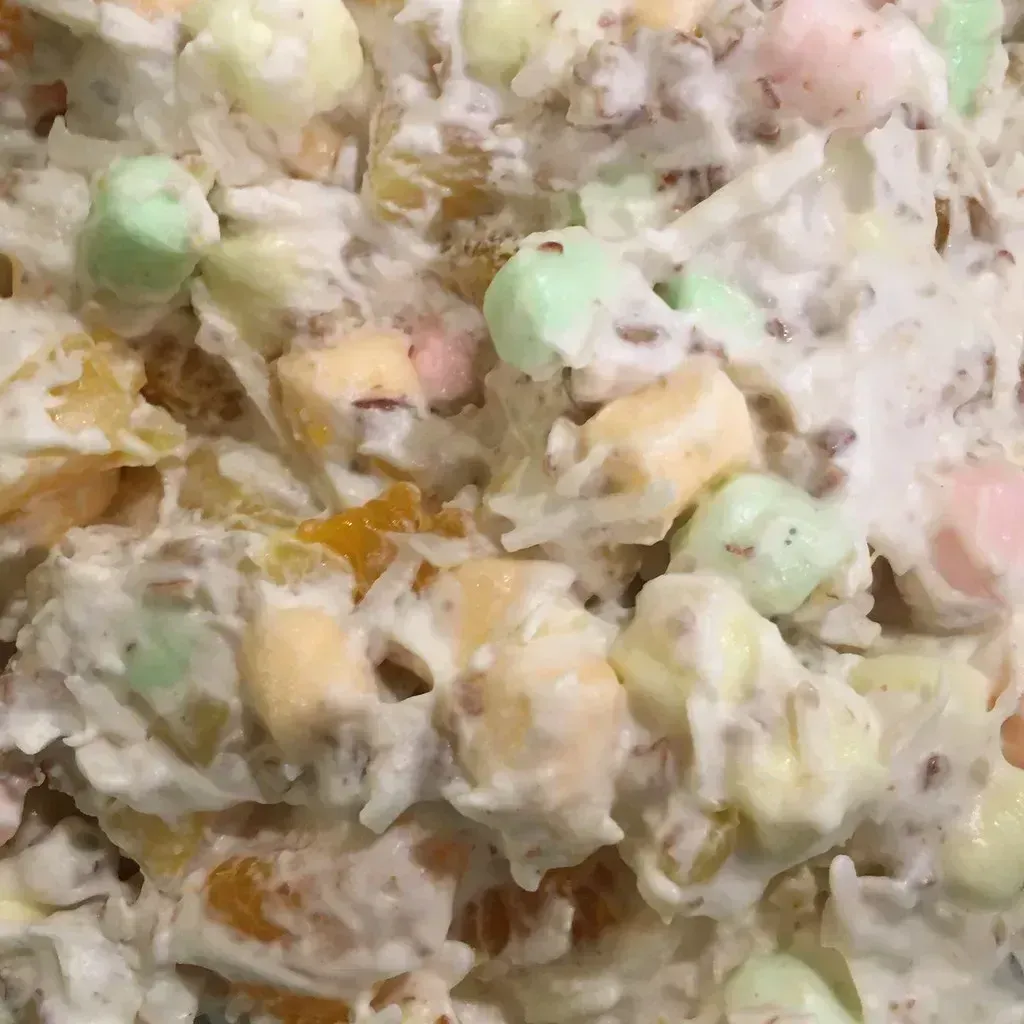
A mix of citrus segments, shredded coconut, marshmallows, and whipped cream or sour cream, ambrosia salad has roots in the American South that stretch back well before the 1970s, but the decade’s canned fruit boom gave it new life at potlucks and holiday tables nationwide. It sat comfortably in that strange category of “salad” that was really dessert, alongside dishes like Watergate salad and frog eye salad, all of which leaned on convenience products rather than fresh preparation. The bright colors and sweetness made it a natural fit for the era’s buffet style entertaining.
Its popularity cooled as fresh fruit availability improved and diners grew less interested in canned mandarin oranges suspended in cream. Some Southern families still make a version at Thanksgiving or Christmas, keeping the tradition narrowly alive. Elsewhere, it has become one of those recipes people recognize by description more than by taste.
Charlotte Russe
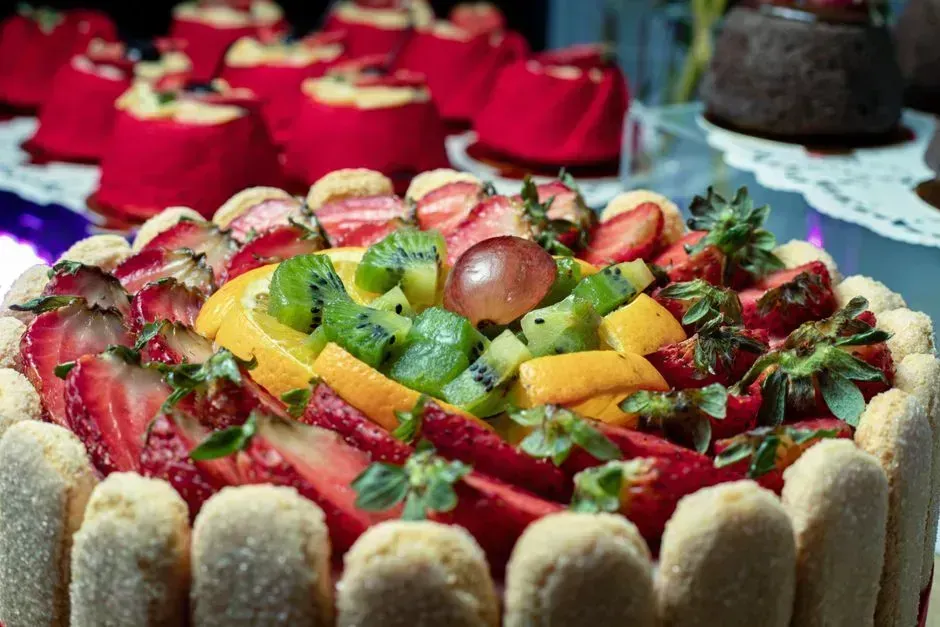
This layered dessert of ladyfingers lining a mold filled with Bavarian cream or whipped custard has a long European history, but by the 1970s it had taken on a distinctly American, slightly kitschy identity, especially in New York street vending culture where individual cardboard cup versions were sold for pocket change. The formal dinner party version, built in a springform mold and unveiled with a flourish, remained popular through much of the decade as a showpiece finale to a meal. It required patience and a steady hand, qualities that fit the era’s willingness to spend real time on presentation.
As refrigeration space and free time both grew scarcer for busy households, the elaborate mold work fell out of favor in favor of simpler layered desserts like icebox cakes. The street cart version disappeared from most cities decades ago as vending regulations and shifting neighborhoods changed. Today it survives mainly in culinary history books and the occasional retro bakery revival.
Chocolate Fondue
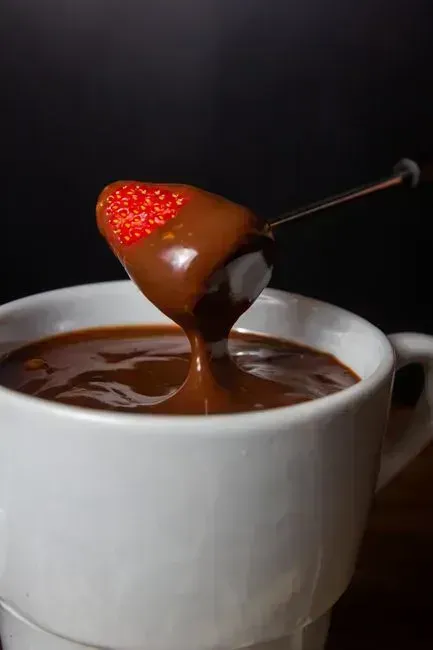
Fondue pots were practically a rite of passage for 1970s households, and the dessert version, melted chocolate for dipping fruit, marshmallows, and cake cubes, turned dessert into a shared, interactive event rather than a plated course. It fit the decade’s broader embrace of communal, hands-on dining, echoing the same spirit that made cheese fondue and fondue-based entrees so popular at dinner parties. Owning a fondue set was almost a status symbol for a while, gifted at weddings and stored proudly on kitchen counters.
The trend cooled by the early 1980s as fondue sets migrated to attics and thrift stores, replaced by simpler dessert options that didn’t require standing around a hot pot. Chocolate fondue never fully vanished, resurfacing occasionally at parties or as a novelty restaurant offering, but it lost its everyday household presence. Most people under forty now know it mainly as a special occasion treat rather than a weekly habit.
Rum Balls
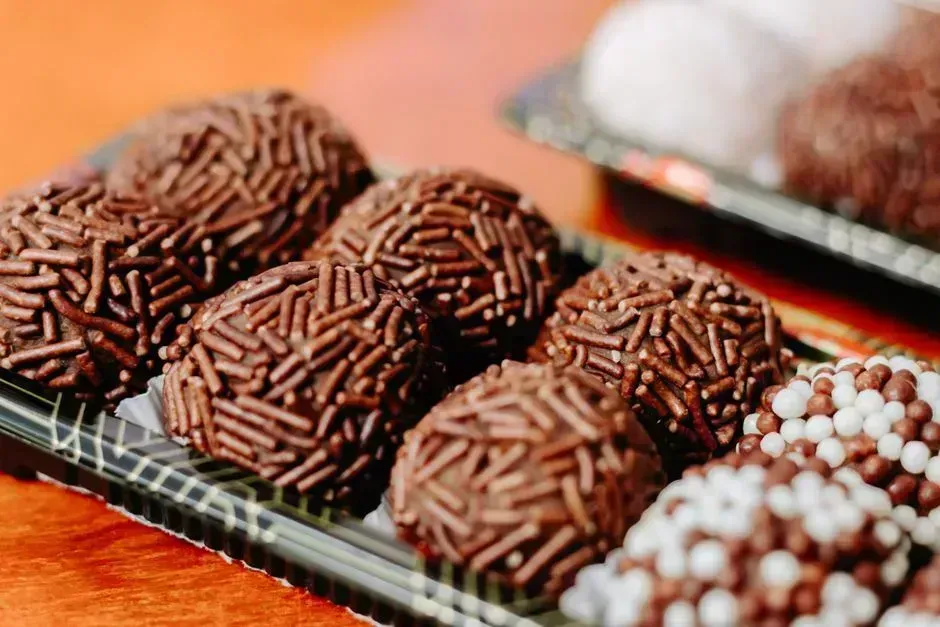
These no-bake holiday treats, made from crushed vanilla wafers or cake crumbs, cocoa, nuts, and a generous splash of rum, were a staple of 1970s cookie tins and gift plates. They required no oven time, which made them appealing to home bakers juggling a dozen other holiday tasks. The alcohol content also meant they aged well, often improving in flavor after a few days sealed in a tin.
Changing attitudes toward serving alcohol in mixed company, along with a general decline in homemade holiday candy exchanges, pushed rum balls toward the margins. They still appear in some family recipe boxes, usually made by an older relative who insists on the exact original ratio of rum to crumbs. For most households today, they’ve been replaced by simpler cookies that don’t require a trip to the liquor cabinet.
Divinity Candy
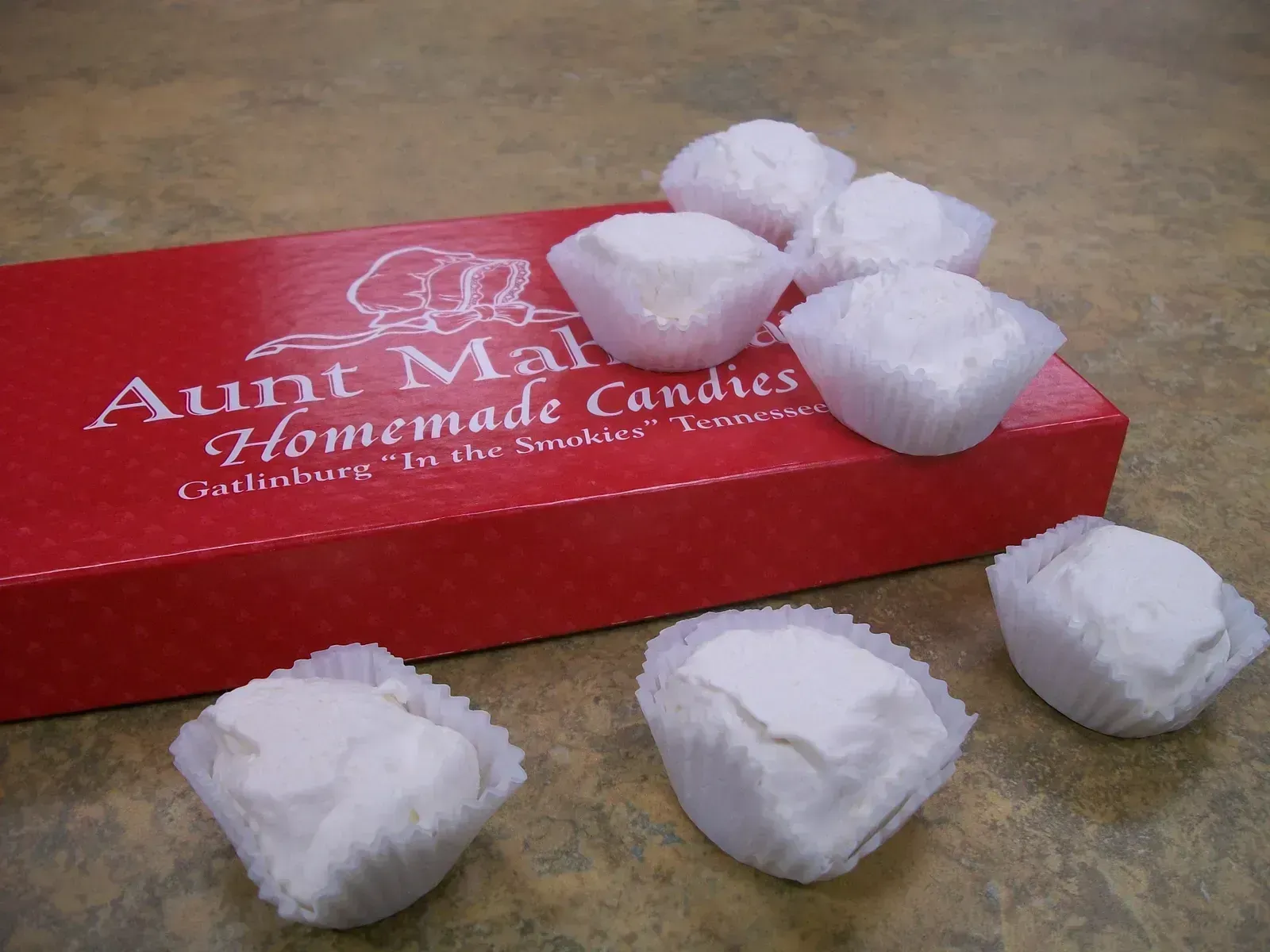
This fluffy, meringue-based candy made from beaten egg whites, sugar syrup, and chopped nuts was a Southern holiday tradition that reached wider popularity through the 1970s thanks to its appearance in countless regional cookbooks and church fundraiser cookbooks. Getting the sugar syrup to the correct temperature without a thermometer that actually worked was something of a kitchen skill passed down through families. When it set properly, the texture was somewhere between nougat and marshmallow, delicate and slightly crumbly.
Divinity is notoriously sensitive to humidity, which made it a frustrating candy to master and an easy one to abandon once easier options became available. Fewer home cooks today have the patience or the candy thermometer confidence to attempt it from scratch. It remains a niche holiday item in parts of the South, but largely absent from the rest of the country’s dessert repertoire.
These desserts tell a story about a specific moment in American home cooking, one shaped by canned goods, instant mixes, and a genuine enthusiasm for spectacle at the dinner table. Some faded because the ingredients disappeared from shelves, others simply lost their place as tastes and kitchen habits shifted toward speed and simplicity. A handful still turn up at family gatherings, kept alive by someone who refuses to let the recipe card gather dust completely.

Leave a Reply