
You know that feeling when you walk into a hotel room and something just feels… off? Maybe it’s a strange smell, a suspicious object on the shelf, or a lock that looks like it’s been pried open before. Most travelers brush it off, blame travel fatigue, and throw their bags down.
That’s often a costly mistake. Hotels are, at their best, a home away from home. At their worst, they can drain your wallet, wreck your health, and even compromise your safety. The nine warning signs below are based on real research, expert advice, and data from 2024 to 2026. Some of them might genuinely shock you. Let’s dive in.
1. A Suspiciously Overwhelming Chemical Smell
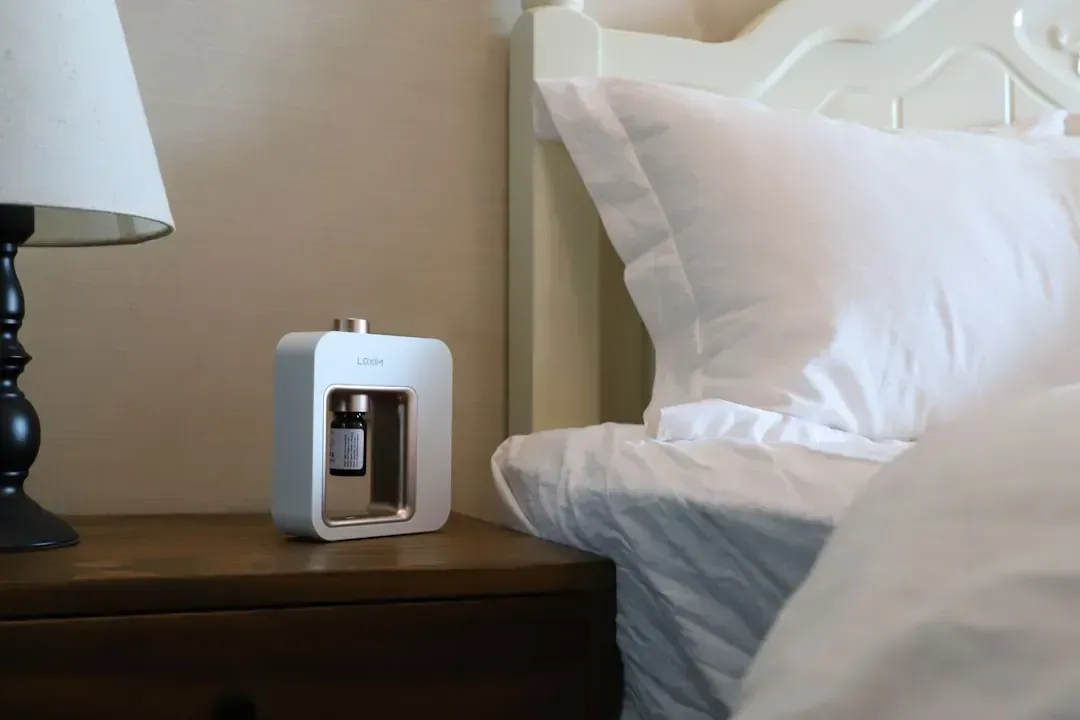
You know that moment when you walk into a room and it smells like a can of Lysol exploded? It’s likely the hotel is trying to cover up something way nastier than just last night’s takeout. Think mold, sewage, or the permanent smell of old cigarettes. A clean room should smell like almost nothing at all. A genuine absence of odor is actually the goal.
Walk into any truly clean space and you’ll notice it smells like almost nothing. Maybe there’s a hint of fresh laundry or cleaned floors, but that’s about it. If the scent is aggressively floral or medicinal, it’s masking something. Trust your nose. It’s a more reliable detector than most people realize.
2. Signs of Hidden Cameras – Leave Immediately If You Spot This
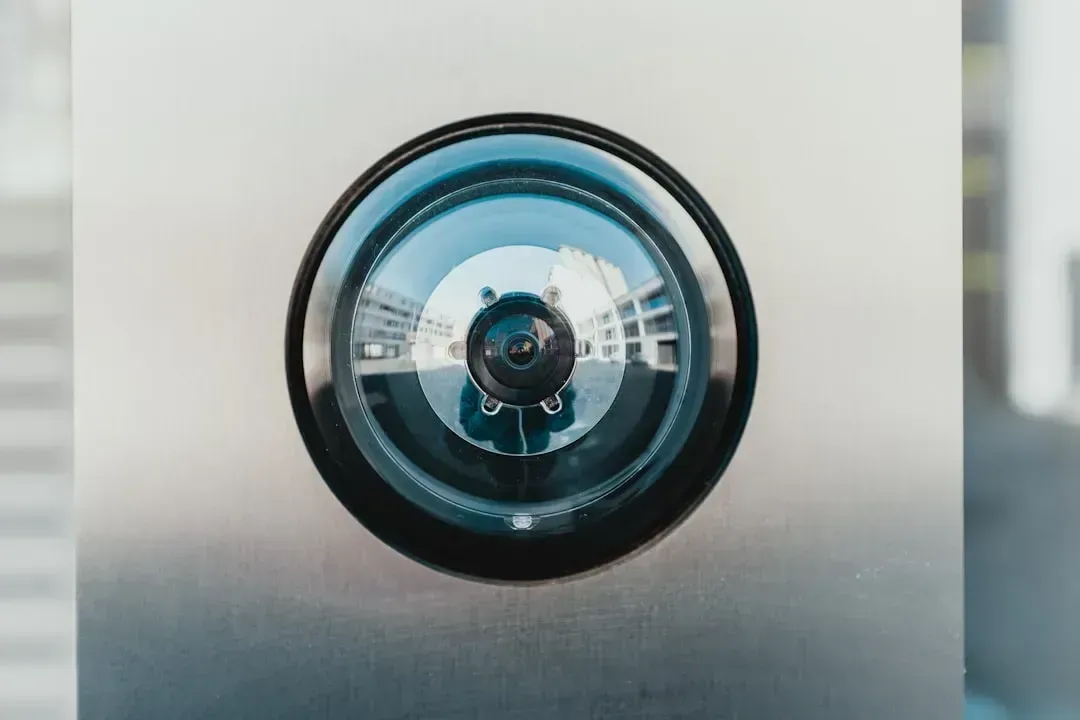
Here’s the thing that should genuinely alarm you. A survey found that nearly 58% of Americans are worried about hidden cameras in rentals, and that worry is justified, as nearly half say they’ve discovered a camera in a rental property, a significant increase from just 25% in a 2023 study. That is not a small number.
Hidden cameras are being found in hotel rooms, house rentals, cruise ships, and even airplane bathrooms. From alarm clocks to air fresheners, water bottles and toothbrush holders, cameras come embedded in common household items that seamlessly blend with home decor. The technology has become terrifyingly accessible. Rather than having to retrieve the camera to obtain the recording, owners can stream live images straight to their phones. Even worse, voyeurs can sell the footage to porn sites, where it can be viewed thousands of times. If you spot any object in an unusual position, particularly one angled toward the bed or bathroom, don’t second-guess yourself.
If you find a hidden camera or see something suspicious, security experts recommend immediately leaving the place you are staying and reporting what you found to the hotel, booking agency, or customer service. This is the one situation where packing up and walking out is the only acceptable response.
3. A Damaged or Tampered Deadbolt
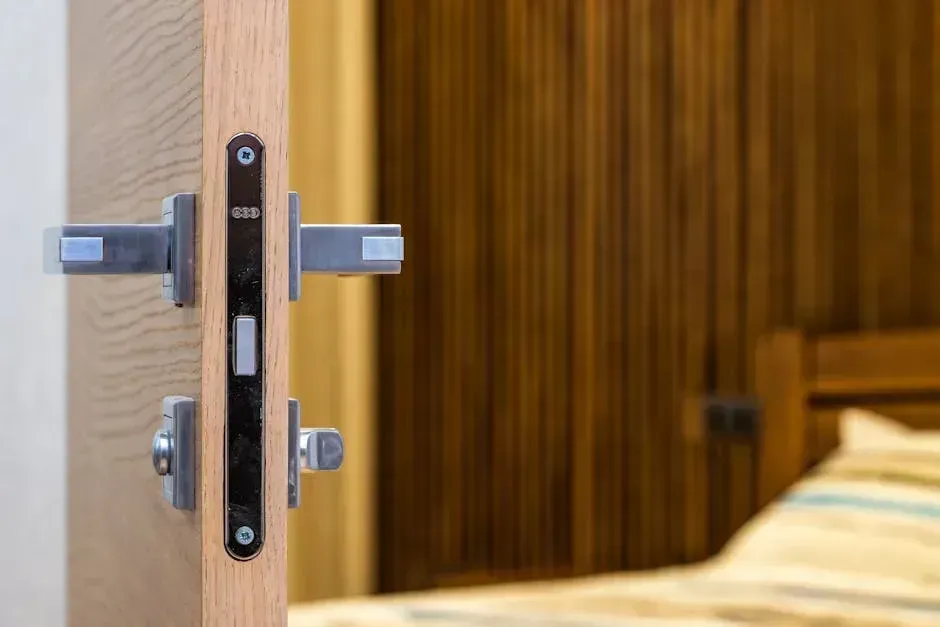
If the deadbolt on your room shows any visible signs of damage or tampering, ask for a different room or find a safer hotel. It sounds simple. Yet so many travelers notice the issue, feel awkward about asking to switch, and just hope for the best.
Ensuring the safety of guests is nonnegotiable for any hotel. This isn’t simply limited to double locks on doors and key card entries, although the significance of these features cannot be overstated. Whether or not a hotel cares about your safety becomes evident long before you get to your room. A broken lock is one of the clearest signals that maintenance is an afterthought. Think about it this way: if they can’t secure your door, what else has been left unaddressed?
4. Bed Bug Evidence on Mattresses or Curtains
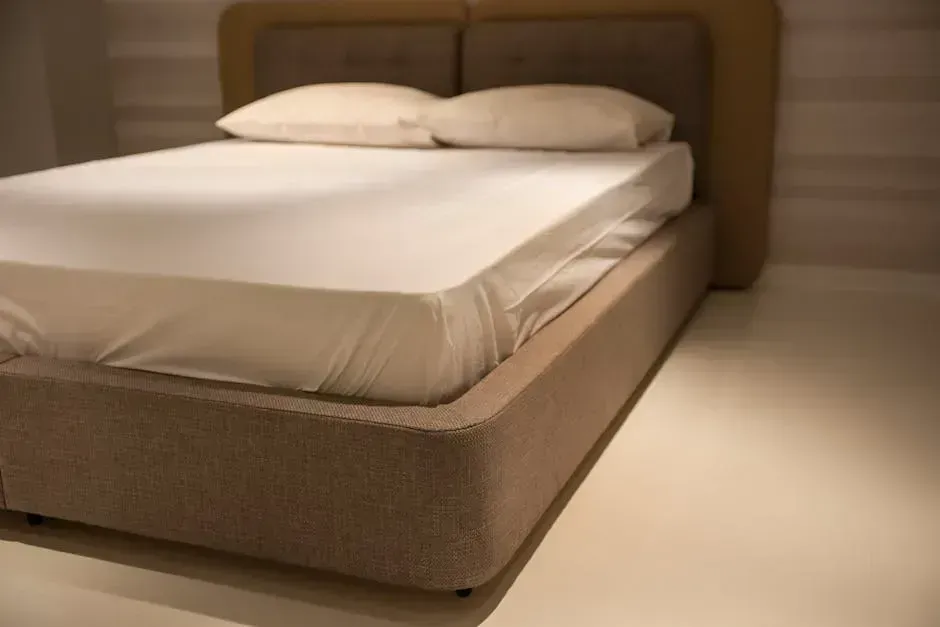
It’s a traveler’s worst nightmare, and it’s more common than most people want to admit. Nearly 80% of Americans are most concerned about encountering bed bugs at hotels, and the top three places where pest professionals report finding bed bugs are single-family homes, apartments, and hotels and motels at 68%. That statistic alone should make you pull back those sheets the moment you arrive.
Recent industry data reveals that 75% of pest control companies treated bed bugs in hotels and motels during 2024, according to the National Pest Management Association. And don’t assume a luxurious price tag protects you. Bed bugs can thrive in clean and dirty areas alike, so highly rated hotels can have infestations too.
Although you should always remove the duvet and check the fitted sheets and mattress corners first, you’d be surprised where else the pests might be hiding. If you see black blotches on the window curtains, that’s a sure sign of infestation. A five-minute inspection when you arrive could save you weeks of misery, not to mention a potential exterminator bill at home.
5. Unexplained Hidden Fees Appearing at Checkout

Let’s be real: this one has financially ambushed millions of travelers. These hidden costs are commonly known as “resort fees” or “amenity fees,” and they have long frustrated consumers who discover their $200 hotel room actually costs $250 or more after undisclosed fees for Wi-Fi, gym access, or pool use.
For years, consumers have been blindsided by resort fees that can add $44 to $57 per night to their hotel bills, particularly in destinations like Las Vegas. These fees, often buried in the fine print, have made it challenging for travelers to budget accurately and have eroded trust in the booking process. The good news? The Federal Trade Commission announced a bipartisan rule to ban junk ticket and hidden hotel fees on December 17, 2024. The law went into effect in May 2025.
Still, not every property is complying immediately, and not every state enforces equally. Research backs this up: hidden fees are the number one complaint from travelers, according to Skift Research from July 2024. Always ask for a full cost breakdown before you hand over your card.
6. Smoke Smell in a Non-Smoking Room
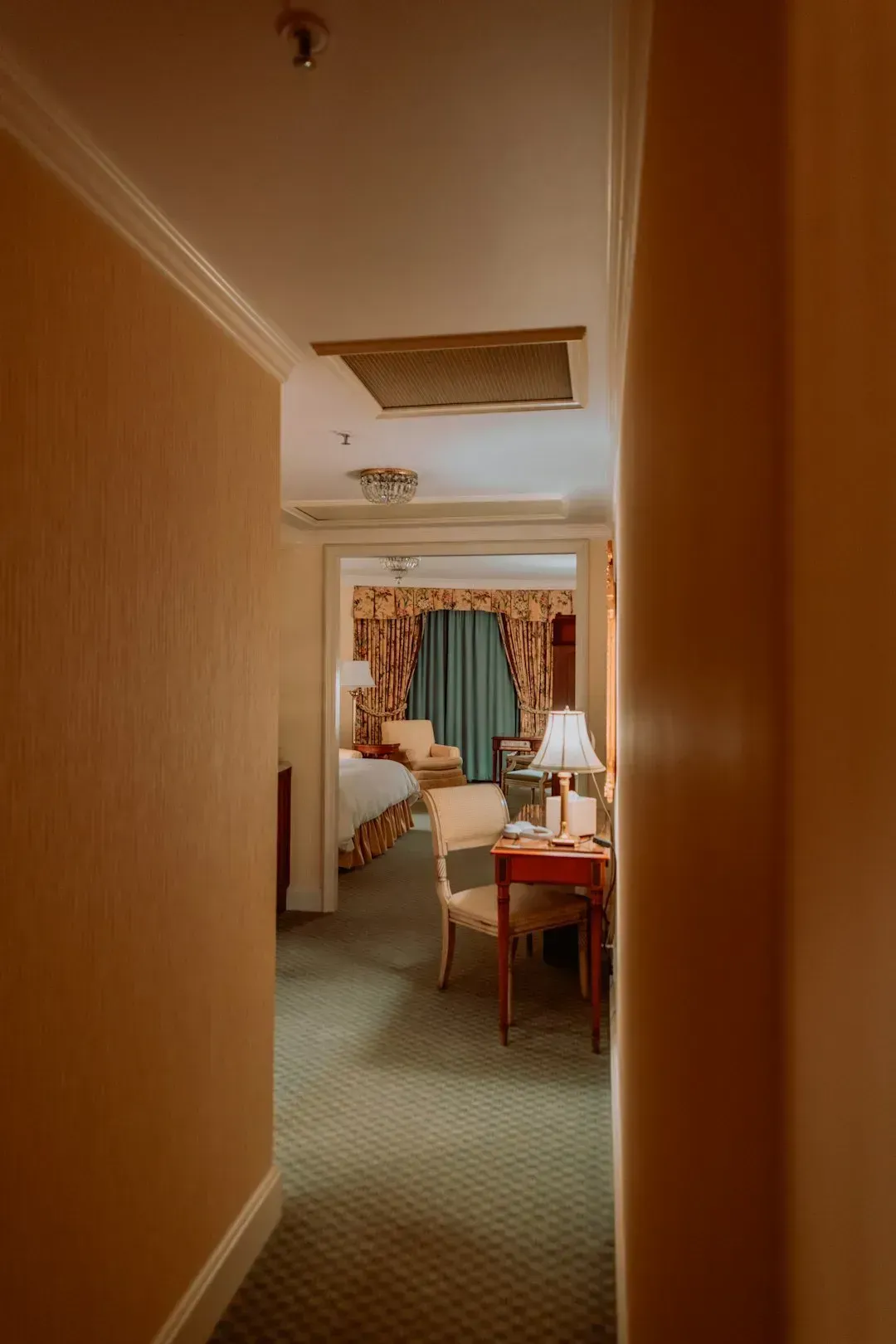
Few things are worse than opening the door to your “non-smoking” room and getting hit with that stale cigarette smell embedded in the curtains, bedding, and carpet. This happens for a few reasons, and none of them are good. Either the hotel isn’t enforcing its non-smoking policy, they’re not properly cleaning rooms between guests, or they’ve stuck you in a smoking room and hoped you wouldn’t notice.
What really bothers many experienced travelers about this is the health aspect. You’re breathing in third-hand smoke residue that’s settled into every fabric surface. And if they’re not catching or caring about something this obvious, what else are they missing? It’s a domino effect. A hotel that ignores one obvious violation almost certainly ignores others. Don’t rationalize it as a minor inconvenience.
7. Mold Stains or a Musty, Damp Odor
Ever walked into a room that smells like an old, damp basement? That’s the unmistakable scent of mold and mildew. If your hotel room smells like this, it’s a sign of poor maintenance and possibly even health hazards. Breathing in mold spores is definitely not part of your vacation plans.
Mold is not just cosmetically unpleasant. It can trigger allergies, aggravate asthma, and cause respiratory issues within hours of exposure. Check the corners of the bathroom ceiling, the window sills, and the area around the air conditioning unit. These are the usual suspects. If it takes an unreasonable amount of time for someone to address a problem like a non-functional AC unit, experts say that’s a sign you’ve picked the wrong place. If there isn’t someone attempting to repair it quickly, that’s because it can’t be repaired quickly. Ask for a different room, or just leave.
8. Your Room Number Is Announced Loudly at Check-In
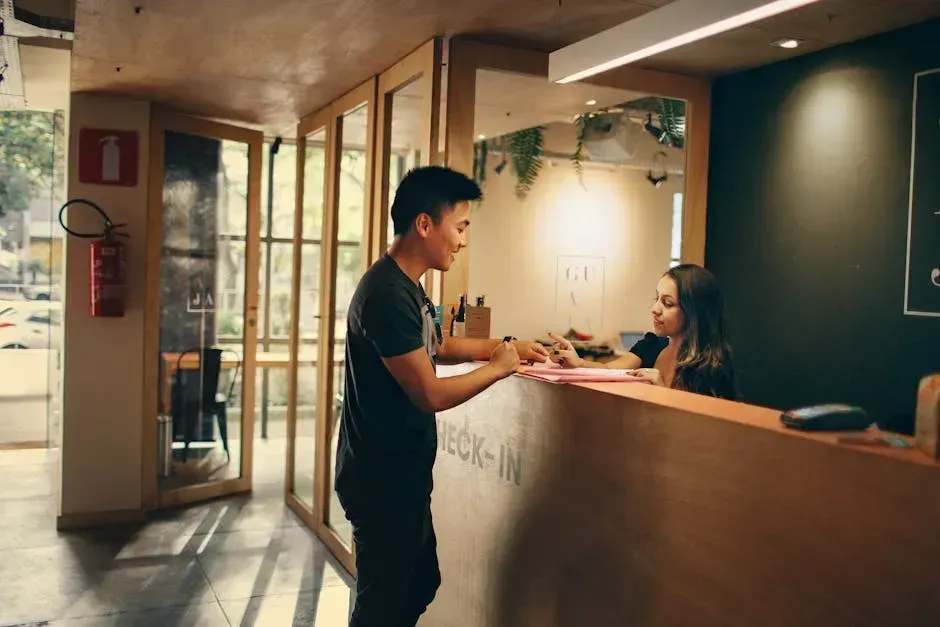
This one is subtle, but seasoned travelers and safety experts consistently flag it. Whether or not a hotel cares about your safety becomes evident in the little things, such as the staff’s discretion while handling your personal details during check-in. You don’t want your phone number or hotel room number made public in the lobby of a hotel.
A solo-travel influencer named Patrice warned about this red flag in a viral TikTok video discussed in the Independent, especially cautioning lone female travelers, noting that hotel lobbies sometimes include people who aren’t guests at the hotel. Honestly, this is one of those things that sounds trivial until it isn’t. If a hotel is careless with your most basic personal information during check-in, don’t expect careful handling of anything else either.
9. No Lit Exit Signs or Fire Evacuation Plan
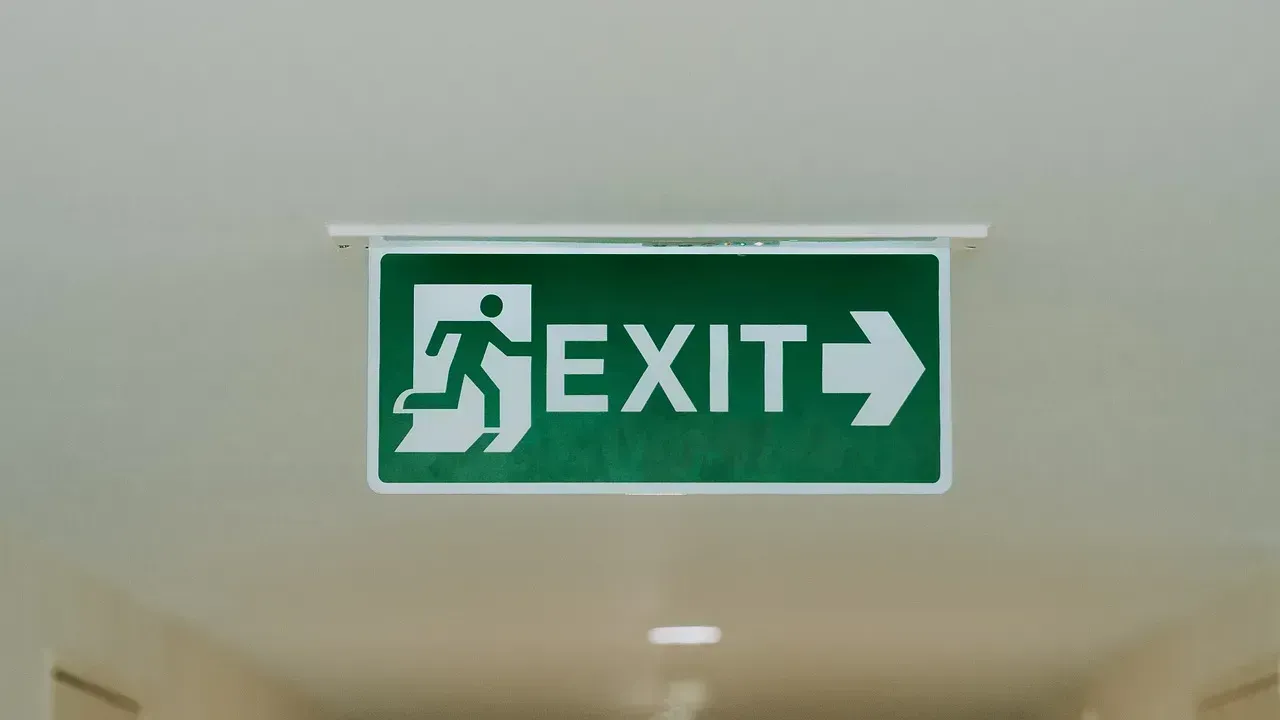
Guest rooms are required to have evacuation notices and fire escape plans. In an emergency, all hotels and resorts should have a clear exit path, but that’s not always the case. If the exit signs aren’t well lit, or there aren’t any at all in the hallways, you can bet that the hotel isn’t complying with the mandated safety procedures.
This is one of those red flags that people genuinely overlook because it feels too unlikely. A fire? Here? Yet it is a real compliance issue at certain lower-end properties. Whether it’s run-down rooms and absent amenities, snitty staff, or some of the gross things hotels do to save money, a bad hotel will leave a bad taste in your mouth for years to come. No fire plan visible, emergency lighting broken, or exit routes blocked by furniture or equipment? That is the hotel telling you, plainly, that your safety is not a priority.
Final Thoughts
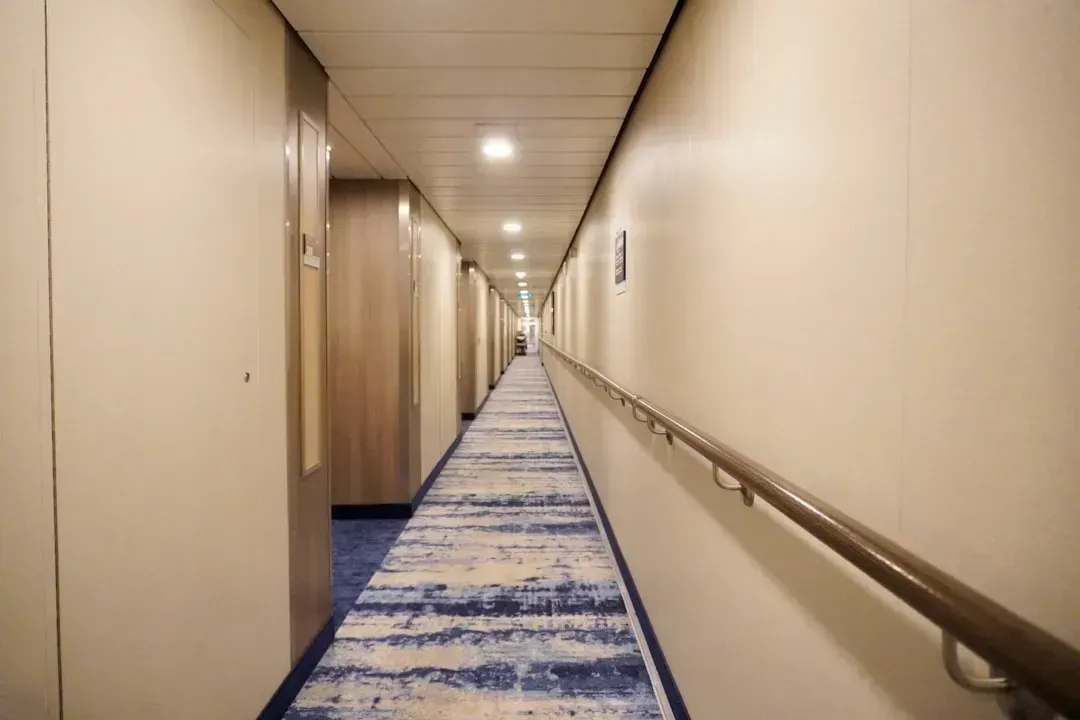
The truth is, most of these red flags are easy to spot in the first five minutes of arrival. The problem isn’t awareness. It’s that tired, already-paid travelers talk themselves out of acting on what they’re seeing. Don’t do that.
Your money, your health, and in some cases your physical safety are genuinely on the line. From bed bugs and hidden cameras to junk fees and broken locks, the warning signs are almost always there before something goes wrong. Most people ignore these signals because they’re tired from traveling or they’ve already paid. Experienced travelers, however, have learned that these red flags almost always predict how the rest of the stay will unfold.
The smartest thing you can do is trust what you see. Check the mattress. Scan the room. Read the full bill. And if something feels wrong the moment you walk in, know that you are almost always right. What red flag have you encountered on your travels? Tell us in the comments.





Leave a Reply