
There’s a particular kind of quiet theater that happens in first class. You’re at 38,000 feet, the champagne is poured, the seats are flat, and every passenger around you is very, very rich. Except, not in the same way. After years of working the front cabin, I can tell you from experience that two people paying the same eye-watering ticket price can behave as though they’re from entirely different planets. One drinks deliberately, speaks softly, and says “thank you” like they mean it. The other films their meal for Instagram and asks if the caviar is “the good kind.”
The distinction between old money and new money is real, and nowhere is it more observable than in a sealed metal tube at altitude, where there’s nowhere to hide. So let’s dive in.
1. The Wardrobe Tells the Story Before They Even Sit Down

The Wardrobe Tells the Story Before They Even Sit Down (Image Credits: Pexels)
Wearing head-to-toe logo mania, only buying designer items that clearly have the name front and center, is one of the most recognizable signals of new money. Step into the boarding queue of any international first-class cabin and you’ll see it almost immediately. A brand name stretched across a chest, a monogram bag that costs more than a small car, shoes that are so obviously expensive they stop conversations.
One of the biggest giveaways of new wealth is the temptation to wear designer everything – Prada shoes, Dior jacket, Versace sunglasses, Fendi bag. It’s a complete luxury package, but it often lacks personality. Old money passengers board looking almost deliberately understated. They may carry a leather bag that’s slightly worn at the corners, wear a blazer that fits like it was made for them specifically, because it probably was.
Old money wears logos that have been in the family – a grandmother’s Cartier watch, a father’s Hermès briefcase weathered by decades of use. These items carry patina and provenance. New money, when they do display brands, tends toward current season and pristine condition. I honestly think clothing worn with ease, rather than pride, is the single quickest tell in the entire cabin. Beyond clothing, the old money aesthetic communicates discretion and inherited taste. Fashion is not used as a tool for attention but as a quiet signal of status and cultural continuity. This approach aligns with the broader concept of “quiet luxury,” where quality is recognized by those who understand it rather than advertised publicly.
2. How They Treat the Crew Reveals Everything
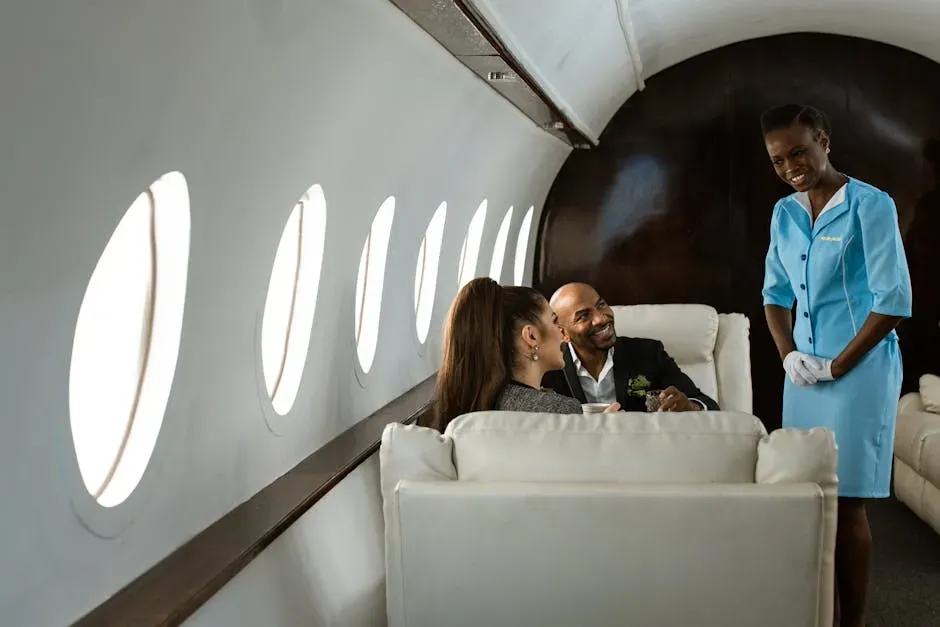
How They Treat the Crew Reveals Everything (Image Credits: Pexels)
Let’s be real – the way a passenger treats a flight attendant the moment they sit down is one of the most reliable indicators of how they grew up. Not just how much money they have now, but how long they’ve had it. Old money passengers tend to acknowledge the crew as people, not as furniture. They say please. They look you in the eye.
I’m a cleaner – old money gives a Christmas tip and buys me a gift; new money does neither. It’s a strange pattern noticed over more than six years of working in people’s homes. The same dynamics play out in first class, just compressed into a few hours. New money passengers often struggle with the concept of gracious service. They’ve worked hard to afford this seat. They want that acknowledged, even implicitly.
New money would not have seen generations of having staff and treating staff as kindly as, say, a friendly neighbor. Also, old money fears one thing: a bad reputation. One sure way to kill loyalty and discretion is to be rude and abusive. There’s something to that. Families who have lived alongside household staff for generations develop an almost unconscious ease around service workers. It’s not warmth exactly – it’s just normalcy. Old money individuals can be quite relaxed and unself-conscious, as they do not worry about choosing the right status symbols. They feel free to express themselves without the fear of shame, which is predominantly a feeling experienced by the middle class or new money individuals.
3. Spending Habits and the Call Button

Spending Habits and the Call Button (Image Credits: Pexels)
Here’s the thing about new money in first class – the upgrade isn’t just a seat. It’s a statement. The rags-to-riches story often associated with new money makes people want to show off what they have earned. This shows up in a hundred tiny ways on a flight. The frequent pressing of the call button. The asking whether the champagne can be swapped for something “better.” The visible satisfaction every time a new amenity is offered.
People who are a part of new money may feel more entitled to and excited by their funds. They may spend it more lavishly and publicly. Some might feel that they worked hard to earn their money – and they’d like to enjoy it. I get it, honestly. That climb is real, and wanting the world to see the view from the top is deeply human. The difference is that old money passengers typically won’t request anything they weren’t already planning to ask for.
New money might spend roughly fifteen percent of liquid assets on lifestyle. Old money typically constrains lifestyle spending to between three and five percent of total wealth. That philosophy seeps into everything, including how they behave at 35,000 feet. Though they do live lavishly, members of old money can be more frugal, or calculated, with purchases than you might expect. For members of old money, spending is often more about investing than shopping for pleasure. Old money passengers rarely ask for more. They already know they can have it. The asking is what they’ve never needed.
4. The Noise Level – Or Rather, the Lack of It
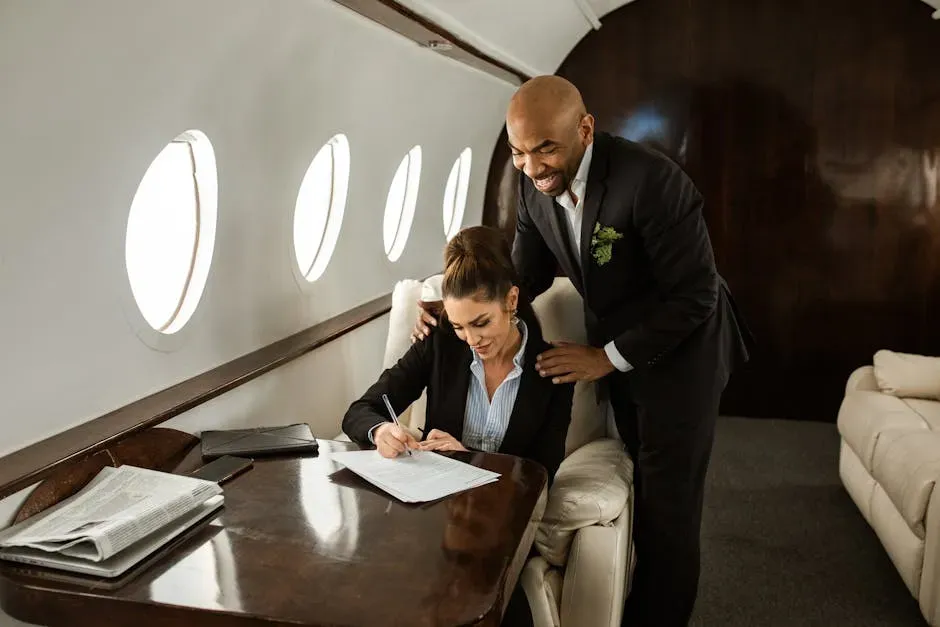
The Noise Level – Or Rather, the Lack of It (Image Credits: Pexels)
Almost six in ten passengers globally are annoyed by fellow travelers who don’t use headphones while watching or listening to media. In first class, this rarely applies to old money passengers. They tend to exist in their own orbit – quietly reading, softly speaking, keeping the shared space exactly how they found it. New money passengers, particularly those experiencing the cabin for the first time or second time, are more likely to broadcast. A phone call on speakerphone. A film played at volume. A story about how much the ticket cost told to no one in particular.
Upper-class or old money individuals tend to focus on aspects such as taste, values, ideas, style, and behavior as the true indicators of social class, dismissing the importance of money, occupation, or education. This matters in the cabin because it shapes how old money passengers communicate. They discuss ideas, destinations, books. They don’t lead with net worth or acquisitions. Telling every single person they come into contact with how much they spent on something – a former employer told someone he had to send in an eight-thousand-dollar heater from his second plane for a two-thousand-dollar service. That kind of announcement, the cost-sharing announcement, is almost never something you hear from a passenger who grew up wealthy.
Disruptive passenger behavior is at an all-time high, with roughly two thousand reported incidents in 2024. Most of those aren’t happening in first class. Still, the gradient of noise exists even at the front of the plane. The noise level in first-class cabins is, on average, fifteen percent lower than in the main cabin, underscoring the need for passengers to maintain a quiet atmosphere. Old money passengers seem to already understand this, as though quiet is just the default setting they were raised with.
5. Reactions to Imperfection – The Real Test
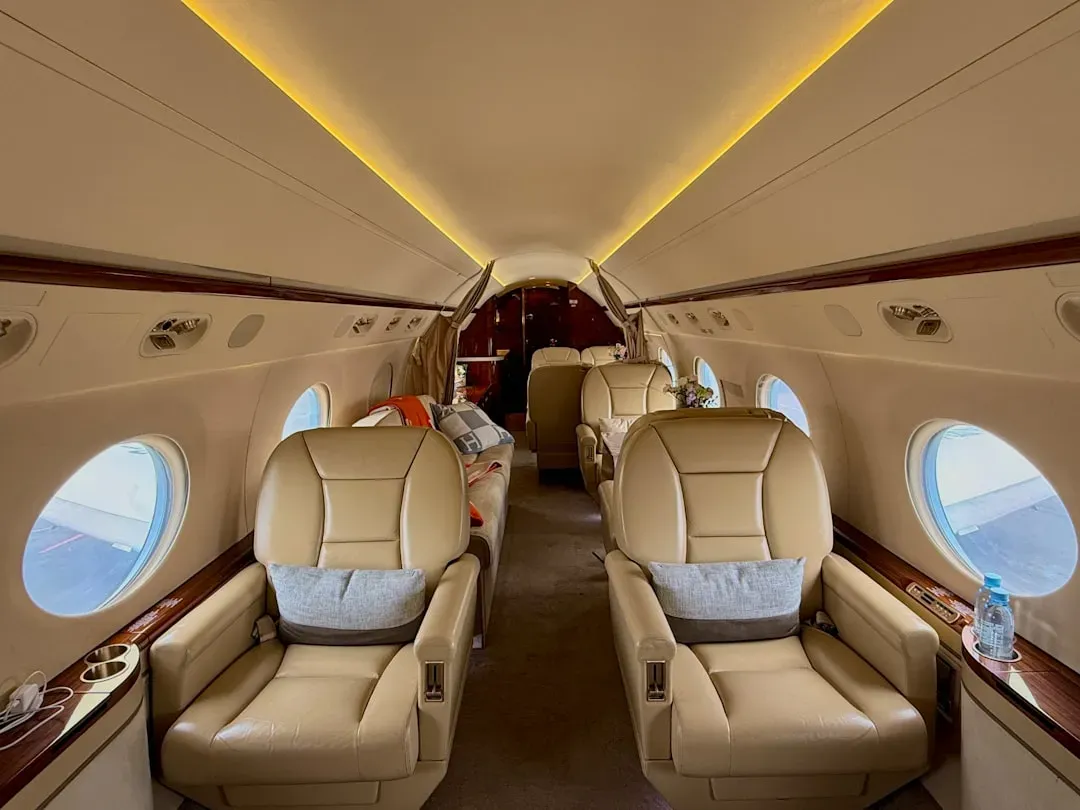
Reactions to Imperfection – The Real Test (Image Credits: Unsplash)
This one is the most revealing, and I think the most underrated. Things go wrong on flights. A meal runs out. The Wi-Fi fails. A bag gets misplaced. How a passenger handles that moment tells you more about their background than any watch or handbag ever could.
New money makes faster decisions, accepts more risk, and values time differently. Old money moves slowly, considers implications for decades rather than quarters, and prioritizes relationship over transaction. In a flight context, this translates almost directly. When something goes wrong, new money passengers tend to escalate quickly. There’s an expectation of perfection that comes from purchasing perfection. The ticket was expensive. The experience must be flawless. Any deviation is taken personally.
Those with inherited wealth have been raised to understand the importance of planning and saving for the future because they have always been rich. They have never had to cope with major financial struggles. This perception gap makes the mindset between old money and new money completely different. Old money passengers typically absorb service hiccups with an ease that borders on indifference. Not because they don’t care, but because they’ve never measured their worth by whether the risotto was warm. This security breeds a different relationship with display: showing too much suggests insecurity, which suggests your money might be newer than you’d like people to think.
The flight lands, everyone collects their things, and I watch them walk off the jetbridge and back into their lives. Two passengers, same seat, same champagne, entirely different worlds. The juxtaposition of the nouveau riche to the old-money social class highlights the cultural, value system, and societal differences between the two social groups. One day that gap might narrow. But for now, up in the air, it’s never been easier to see. What do you think – would you have spotted the difference yourself?





Leave a Reply