
Walking into a grocery store used to be a fairly straightforward errand. You grabbed a cart, worked through your list, chatted briefly with the cashier, and headed home. Somewhere along the way, that routine shifted into something that many Americans now describe as genuinely frustrating. According to polling, more than half of people say grocery costs are a “major” stress, while only about one in seven say groceries are not a source of stress at all.
The frustration goes beyond just prices. It’s the experience itself that has changed – sometimes subtly, sometimes dramatically. The past few years have moved at a dizzying pace for grocery shoppers and the retailers that serve them, as high inflation and factors like bird flu have affected prices at the shelf, while consumers have become more accustomed to sticker shock, even as they still don’t like it. Here are seven specific changes that Americans say have made grocery shopping worse.
1. The Self-Checkout Takeover
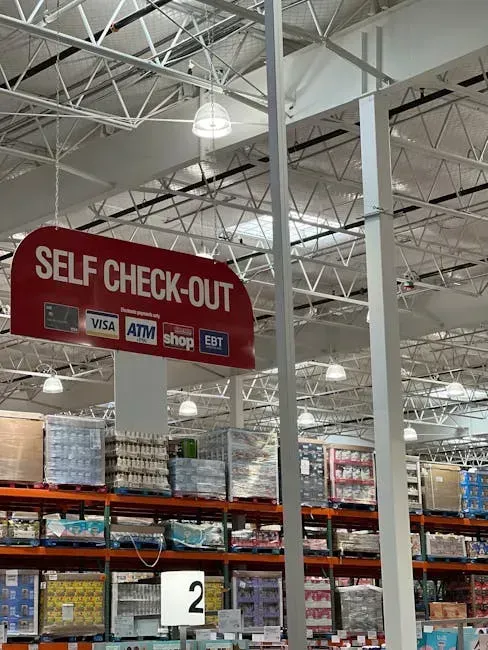
The cascading problems often start at the front of the store, where some big-box and grocery chains have cut labor so drastically that just one cashier mans the traditional lane, while everyone else is funneled to self-checkout kiosks – what looks streamlined at first quickly deteriorates into a cluster of machines with frazzled customers wrestling with unscannable produce or misread barcodes, resulting in lines that crawl instead of flow.
A 2025 Ipsos survey found that nearly two thirds of consumers consider self-checkout more time-consuming than a staffed register, up from just over half two years earlier, with the top complaint being a lack of on-hand associates to fix glitches. According to a June 2024 survey conducted for Newsweek, nearly half of shoppers support the removal of self-checkouts from retail stores altogether. Retailers including Dollar General, Target, and Walmart have all scaled back their self-checkout footprints in response to ongoing complaints.
2. Shrinkflation: Paying More, Getting Less
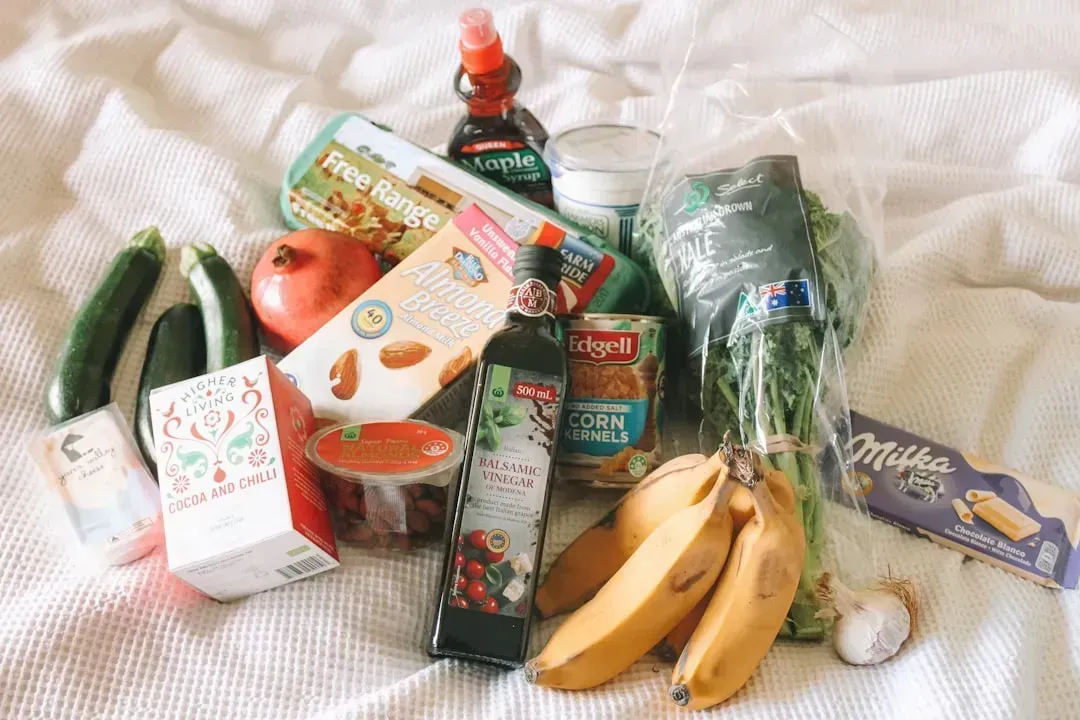
Shrinkflation has affected roughly a third of grocery items, effectively increasing the cost per unit and driving a meaningful share of grocery price inflation. Over three quarters of surveyed consumers say they have noticed shrinkflation at the grocery store in the previous 30 days, according to the October 2024 Consumer Food Insights Report from Purdue University. The practice is simple in its deception: the package looks the same, but there’s measurably less inside.
Per-unit price increases from shrinkflation ranged from around 12 percent for paper towels to 32 percent for coffee between 2019 and 2024, according to a GAO report released in July 2025. Nearly half of American shoppers say they have abandoned a brand entirely due to shrinkflation. What makes it particularly aggravating is the silence surrounding it – packages maintain their familiar shape and shelf positioning while quietly delivering less product for the same or higher price.
3. Staffing Cuts and the Disappearance of In-Store Help
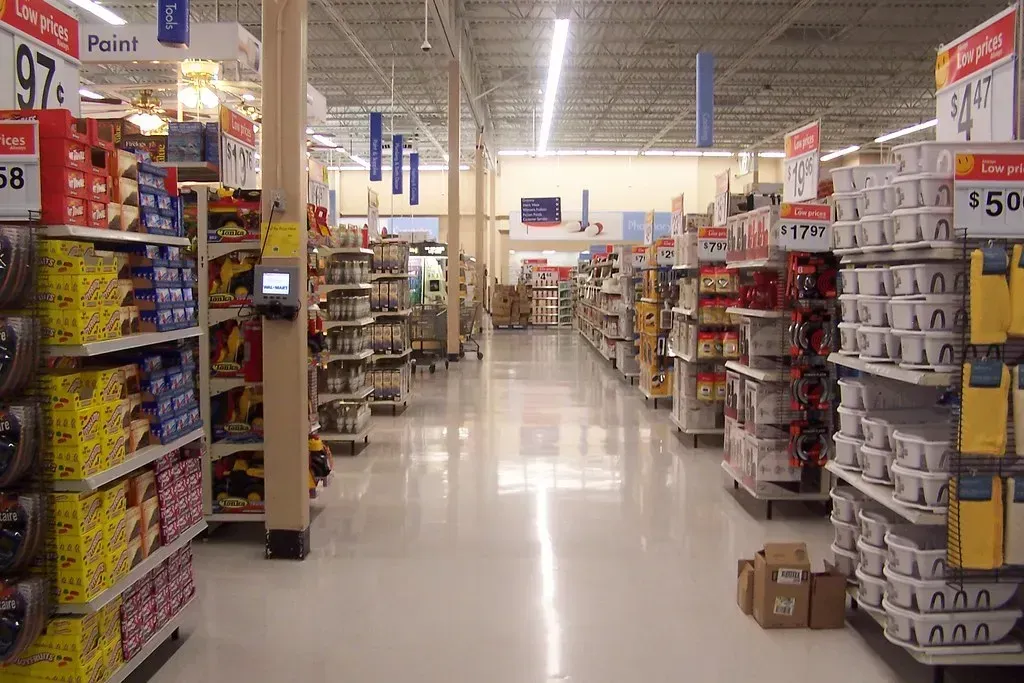
The staffing crisis has taken a toll on employee morale, with many workers feeling exhausted, while the lack of resources has led to a measurable decline in customer service and operational efficiency, as employees are asked to do more with fewer resources. For shoppers, this translates into wandering the aisles looking for someone to answer a simple question, only to find the department unstaffed. Among shoppers’ pet peeves in Progressive Grocer’s consumer study, 14 percent say that checkout is too slow and could use better-trained cashiers, with others flagging the need for lower prices and more in-stock items.
Research shows that roughly 80 percent of customers say they have switched brands because of poor customer experience. Fewer floor staff means longer waits for deli counters, unanswered questions in the produce section, and a general sense that the store no longer values the shopper’s time. Today’s consumers expect more than just well-stocked shelves – they value personalized interactions, knowledgeable staff, and a seamless shopping experience.
4. Loyalty Programs That Lock the Best Prices Away

Grocery stores have been increasingly leveraging sophisticated loyalty programs as a key strategy to attract and retain customers, offering personalized rewards, exclusive discounts, and tailored shopping experiences based on individual purchasing habits. On paper, that sounds like a benefit. In practice, many shoppers feel they’re being penalized for simply not wanting to hand over their personal data in exchange for the prices that should be standard. Data shows that today’s average shopper has 18 loyalty programs on their mobile device, two to three of which are for grocery brands alone.
The growing reliance on app-based deals and member-only pricing has made shopping feel transactional in a different sense than it used to. Some state lawmakers have pushed back, with legislation proposed to make it illegal for businesses to engage in dynamic pricing set by an algorithm that uses personal data. Despite the industry’s enthusiasm for loyalty programs, only about one in five shoppers say these programs are actually very influential in their decision-making. The gap between what retailers think they’re offering and what shoppers feel they’re getting is wide.
5. Relentlessly Rising Prices That Don’t Come Back Down
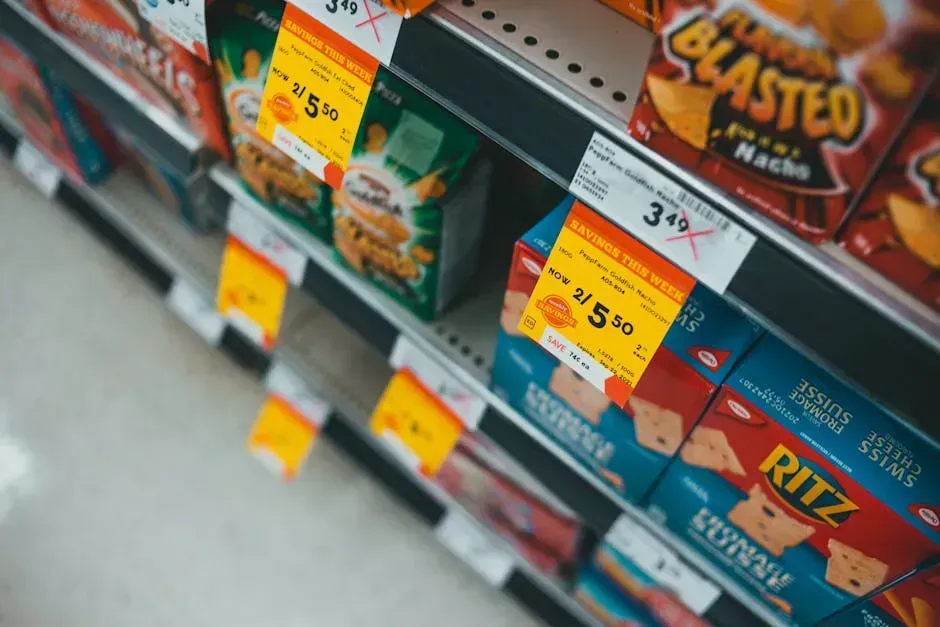
Consumers are still adjusting from the really high inflation seen in 2020 to 2022, when prices were roughly 26 percent higher, and today, grocery prices remain approximately 25 to 30 percent higher than they were during that period. A survey of 1,500 Americans found that nearly 80 percent have noticed grocery prices going up. The frustration isn’t just about affordability in the abstract – it’s that prices jumped sharply and then stayed high even as inflation headlines softened.
One in three consumers bought fewer groceries in 2024 versus 2023, with price being the top reason. Between 2020 and 2024, an average family of four spent an estimated additional $8,300 on groceries over the period, according to CAP estimates. That’s not a minor adjustment. For many households, it has meant skipping meals, cutting back on staples, or driving to multiple stores just to find the lowest price on essentials.
6. Empty Shelves and Persistent Out-of-Stock Items
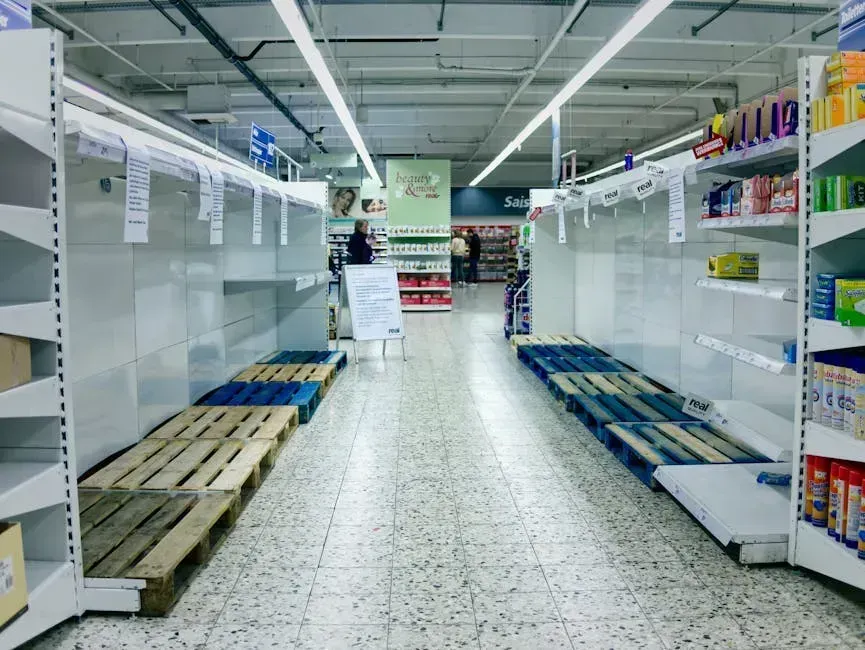
Over the past several years, high consumer demand, labor shortages, production delays, and shipping disruptions have caused historic global supply chain issues – for grocers, this translates directly to empty shelves, lost profits, and upset shoppers. While acute pandemic-era shortages have eased somewhat, unpredictable gaps on store shelves have become a routine nuisance rather than a rare event. Experts predicted that tariffs on imported goods would unleash instability across the grocery industry, and the unpredictable levies have sparked a heavy dose of uncertainty that makes planning difficult for retailers and drives fears among shoppers already gripped by concerns about the cost of living.
Among the top shopper complaints captured in consumer research, 6 percent of respondents specifically flag the need for more in-stock items as a major frustration. That number might sound small, but when repeated stockouts hit the same products week after week – staples like eggs, specific cuts of meat, or a family’s go-to cereal – the irritation compounds quickly. Notifying shoppers about in-stock items so they don’t waste a trip to the store is something retailers have been urged to address, as preventing that frustration shows shoppers that their time is actually valued.
7. The Pressure to Shop Online Even When You Just Want to Walk In
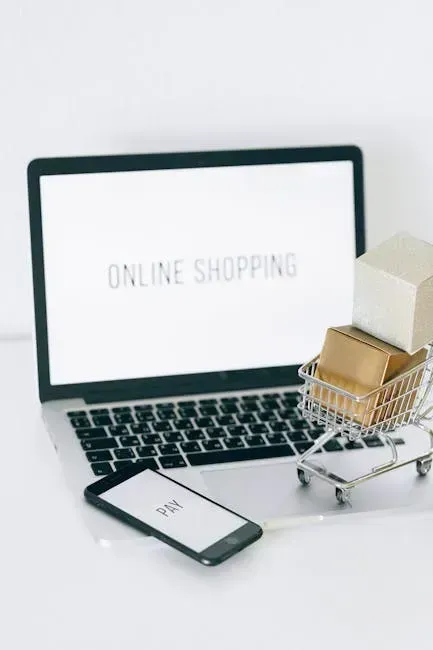
While consumers still shop for most of their groceries in stores, with brick-and-mortar stores accounting for the vast majority of U.S. grocery sales, online grocery shopping is gaining serious momentum, outgrowing in-store sales nearly threefold in 2024 compared to 2023. Retailers have responded by steering shoppers toward apps, digital coupons, and click-and-collect models. Shoppers have explicitly called for streamlined processes for customer convenience, including fewer digital-only offers – a direct signal that not everyone wants to navigate an app just to unlock a discount on pasta.
Nearly all shoppers still made purchases in-store in the past month, with an average of roughly 79 percent of shopping trips made in a physical store. Yet the in-store experience is increasingly designed around digital integration – app-gated deals, QR-code promotions, and loyalty-linked pricing that disadvantages anyone who shows up without a smartphone. Consumers expect more than basic functionality, and real-time inventory, smart substitutions, and customized product suggestions have become baseline expectations for those who do shop digitally – creating a two-tier experience that many in-store shoppers find quietly exclusionary.
Taken together, these seven shifts reflect something deeper than simple sticker shock. The grocery store used to be a reliable, if unremarkable, part of everyday life. What many Americans are describing now is something that feels more like an obstacle course – one designed, incrementally and often invisibly, to transfer work, cost, and inconvenience from retailers onto shoppers.




Leave a Reply