
There’s a quiet gap between what gets discussed openly and what women actually experience day to day. Some frustrations are minor, others run surprisingly deep, and a few are backed by a growing body of research that makes them hard to dismiss as personal quirks or oversensitivity.
This isn’t about sweeping generalizations. Women, of course, are not a monolith. Still, certain patterns show up consistently across surveys, psychology studies, and real-world data. Some of these things are social, some are physical, and some have roots in long-standing dynamics that researchers are only beginning to map with precision.
Being Interrupted Mid-Sentence
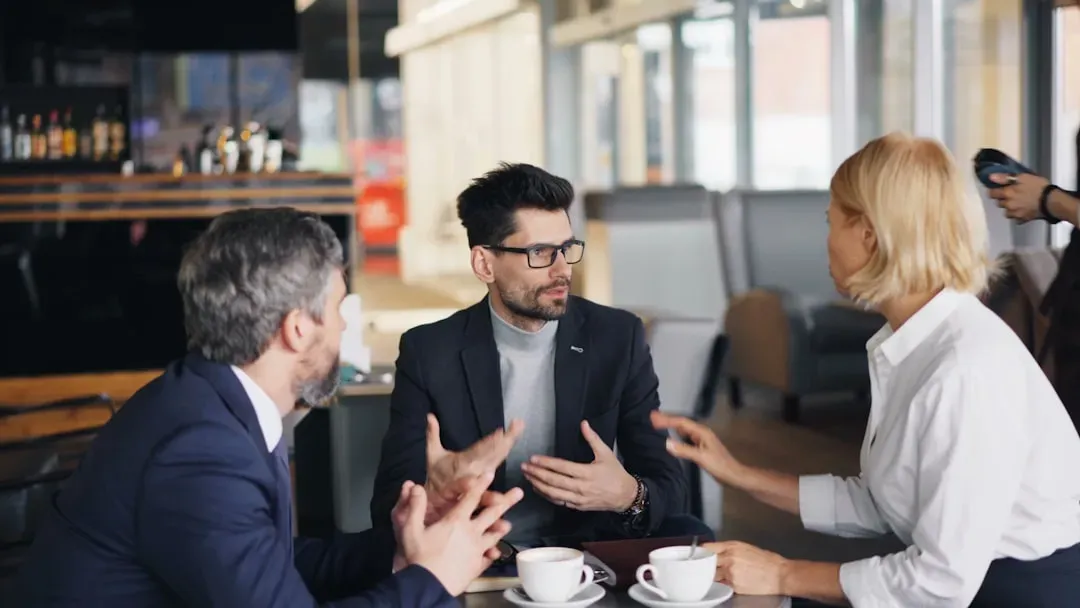
Few things derail a conversation quite like being cut off before you’ve finished your thought. A LeanIn.org Women in the Workplace report found that roughly half of women have experienced being interrupted or spoken over, compared to about a third of men. The effect isn’t just annoying in the moment. It chips away at confidence over time.
Research has found that men interrupted at twice the rate that women did in workplace settings. Competence-questioning communication at work has been described as gender-linked and as impacting the way women perceive and experience the workplace, with studies investigating how behaviors like interruption can be viewed as gender-biased by the people on the receiving end. The pattern is consistent enough that researchers have coined specific terms to describe it.
Unsolicited Advice and Mansplaining

Mansplaining typically refers to situations where a man explains something to a woman in a condescending, oversimplified, or unsolicited way, assuming she lacks knowledge on the subject, even if she’s the expert in the room. It’s a dynamic that feels trivial to people who haven’t been on the receiving end of it, but the research tells a different story.
Recent research found that unresponsive advice, meaning advice that is unsolicited, generic, and prescriptive, makes women feel less respected, less powerful, and less listened to. One study found that this form of gendered incivility led to poorer job satisfaction and feeling undervalued in the workplace, with victims also more likely to want to quit their jobs. Women also said they talked less after such incidents.
Walking Alone at Night
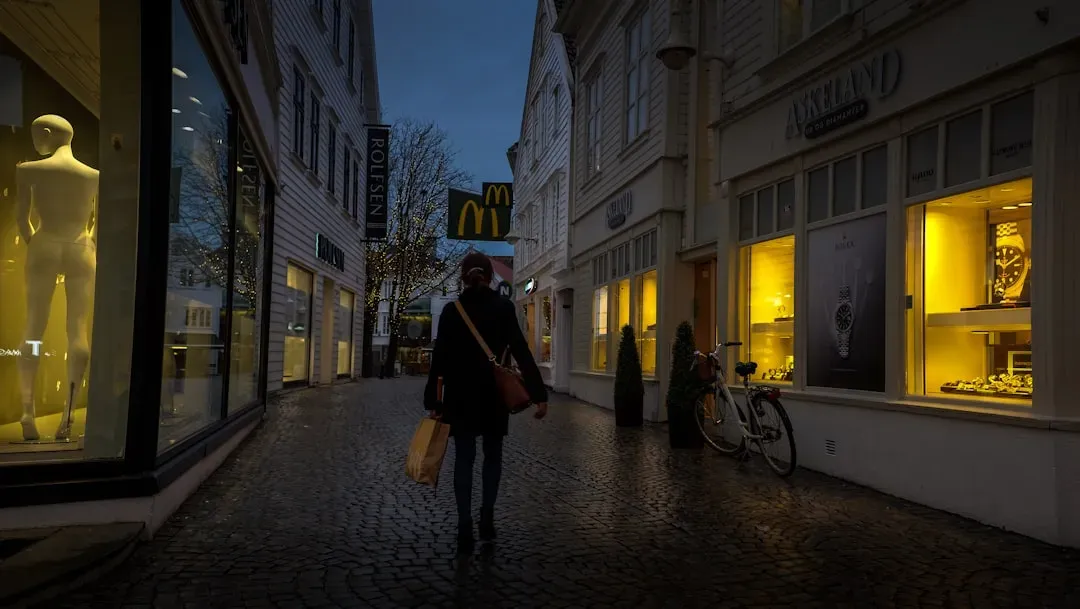
This one isn’t a preference issue. It’s a safety issue that quietly reshapes how women move through the world. Many women feel exposed to physical and verbal aggression, sexual harassment, and other forms of unwelcome behavior, and on average across OECD countries, almost one in three women report not feeling safe when walking alone at night, compared to one in five men.
Reflecting this lower sense of safety, many women adapt their behavior in public spaces out of fear of being harassed or assaulted, including avoiding places where there are no other people around, avoiding certain streets, and avoiding being alone with a person who arouses fear. Some researchers suggest this dynamic also explains gaps in physical activity between genders, since women are less likely to exercise or run errands on foot because they feel harassed or at risk.
Public Harassment
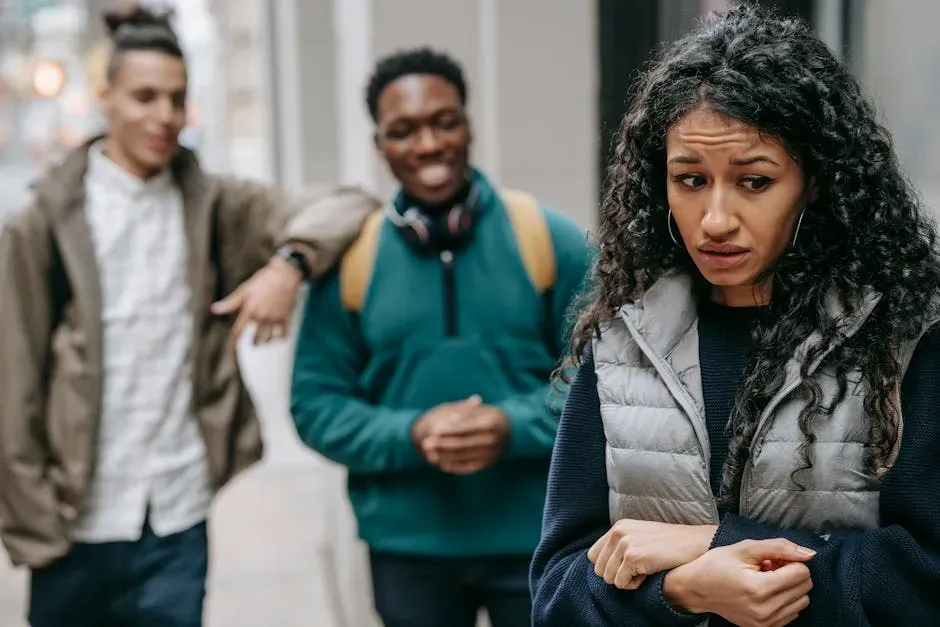
Street harassment is one of those experiences that women often normalize simply because it happens so often. A survey conducted in 2024 shows that in the United States alone, nearly three in four women reported being harassed in a public space. That number is difficult to sit with.
The majority of female participants in one survey reported that the initial responses to street harassment could lead to long-term effects of low self-esteem and in some cases depression. Incidents of harassment on and around public transport are also widely reported by women, constituting a significant barrier to mobility and access to public transportation. It’s a compounded burden that limits freedom in ways that are rarely fully visible to those who don’t experience it.
Having Their Emotions Used Against Them
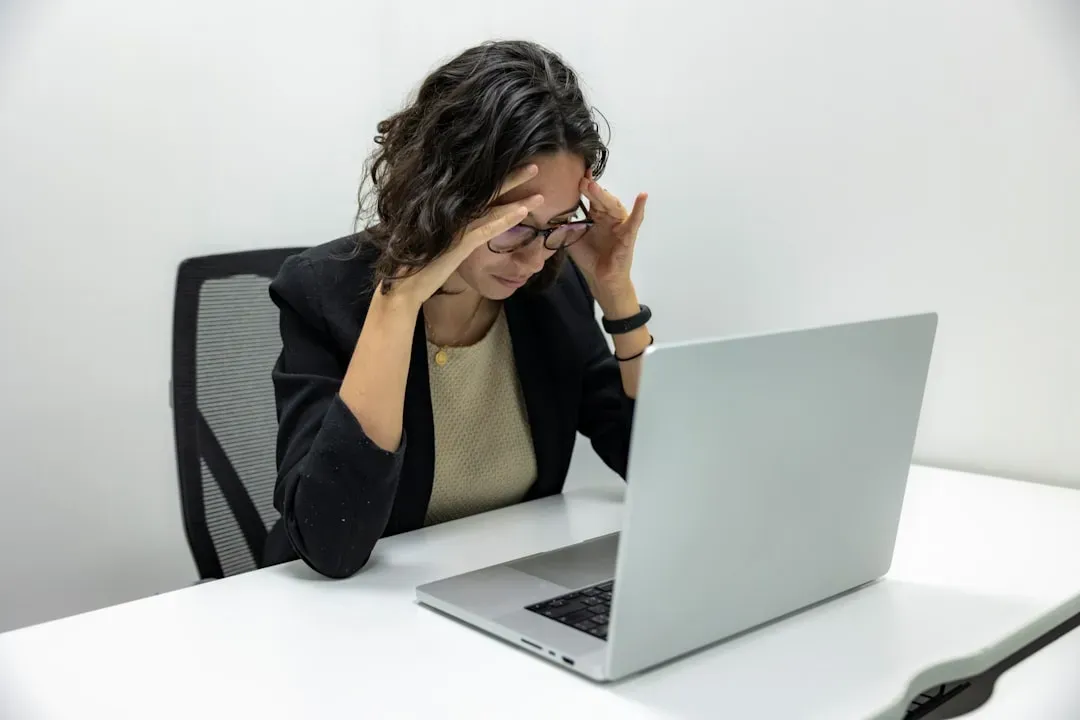
There’s a particular kind of frustration that comes with making a legitimate point and being told to “calm down.” A 2022 study examining perceptions of emotional expression in arguments found that when women were told to “calm down,” participants rated their arguments as less credible. The instruction to manage emotion effectively neutralizes the substance of what a woman is saying.
These types of interactions happen to women all the time. Compulsive apologies, interruptions, mansplaining, and emotional weaponization are all barriers that get in the way of women getting their point across and being heard. The effect isn’t just interpersonal. It shapes how women are perceived professionally and socially over time.
Being Overlooked Online
The digital world has created new spaces for connection, but it hasn’t been a neutral environment. Women are significantly more fearful of being targeted by online harms overall, and research found that just roughly one in four women felt comfortable expressing political views online, compared to two in five men. That’s a substantial gap in participation.
Research also found direct associations between specific fears and comfort with online behaviors, with fear of being trolled significantly decreasing comfort in expressing opinions, and fear of being targeted by misogyny significantly decreasing comfort sharing photos. Women don’t disengage from online spaces without reason. For many, it’s a calculated and exhausting risk management decision.
Carrying Disproportionate Social and Emotional Labor
This one rarely announces itself loudly. It tends to accumulate. Women are often socialized to be providers of support to multiple network members, and they devote more time and energy to cultivating close interpersonal relationships than men do. Over time, that imbalance has real costs.
Women can also feel increased stress from the additional role they are expected to play as support providers, and can suffer more when they experience social conflict with close others or a lack of support, due to high expectations and devotion toward social relationships. Interpersonal relationships seem to provide women with greater opportunities for more support, which is a protective factor for physical and mental health, but such relationships are also coupled with increased demands, a greater chance of stresses, and depletion of resources.
Having Their Competence Doubted
One of the more persistent frustrations women report across professions is having their qualifications or expertise questioned in ways their male counterparts simply don’t encounter. Research showed that when faced with condescending explanation, voice nonrecognition, or interruption, women reacted more negatively and were more likely to see the behavior as indicative of gender bias when it came from men. The effect compounds the more senior a woman becomes.
For women, repeated experiences with this kind of behavior can lead to frustration, alienation, and diminished confidence. Traditional gender roles often limit women’s choices and opportunities, which can lead to feelings of frustration and a sense of inadequacy, and women who don’t conform to these roles often face discrimination and judgment, which can take a toll on their mental health. The research is clear that this isn’t simply a matter of individual perception. It’s a documented, recurring pattern with measurable effects on well-being and professional trajectory.
Taken together, these eight things share a common thread. They are largely invisible to those who don’t experience them, yet deeply familiar to those who do. Understanding them, grounded in data rather than assumption, is a reasonable place to start.




Leave a Reply