
Traveling abroad opens up a world of flavors, textures, and culinary traditions that most Americans simply never encounter at home. The United States has its own deeply embedded food culture, one built on familiar tastes and consistent textures, and that familiarity can make stepping into a foreign dining room feel surprisingly confrontational. Not because the food is bad, but because it looks, smells, or arrives at the table in ways that no amount of food TV quite prepares you for.
Some of these dishes are beloved national staples with centuries of history behind them. Others are street snacks passed between generations without a second thought. For the American tourist encountering them for the first time, though, the reaction is often the same: a long pause, a deep breath, and a quiet negotiation with oneself. Here are nine foods that tend to trigger exactly that moment.
1. Hákarl (Fermented Greenland Shark) – Iceland

Hákarl is an Icelandic delicacy that involves burying a Greenland shark for several months to decompose before being cut into strips and hung to dry. The dish carries a strong ammonia smell and is generally considered an acquired taste. That smell isn’t subtle – it hits well before the food reaches the table, and for most American visitors, that’s already one hurdle too many.
It’s a toxic fermented shark that smells so strongly of ammonia that many people find it unbearable. The taste is just as challenging, with some calling it one of the worst things they’ve ever tried, earning it the nickname “rotten shark.” In Iceland, it’s a delicacy; for most American visitors, it’s a hard pass. Still, Icelanders eat it with a quiet pride, and adventurous travelers who push through often find the experience unforgettable – not always in the way they hoped.
2. Balut (Fertilized Duck Egg) – Philippines

Balut is a fertilized duck egg that is simultaneously beloved street food and cultural lightning rod. For centuries, Filipinos have cracked these eggs without hesitation, consuming the embryo as casually as Americans bite into hot dogs. It’s cheap, protein-rich, and deeply tied to Filipino street food culture. The context couldn’t feel further from a typical American snack.
People have questioned the ethics of eating balut, with concerns most often attributed to the presence of a fertilized embryo within the dish, given that the egg has not yet hatched. There are also concerns as to whether the embryos can feel pain at the stages balut tends to be boiled. Television shows like Fear Factor and Survivor introduced balut to global audiences in the early 2000s, presenting the fertilized duck egg as an extreme food challenge – which, fairly or not, shaped how most Americans picture it long before they ever travel to Southeast Asia.
3. Haggis – Scotland
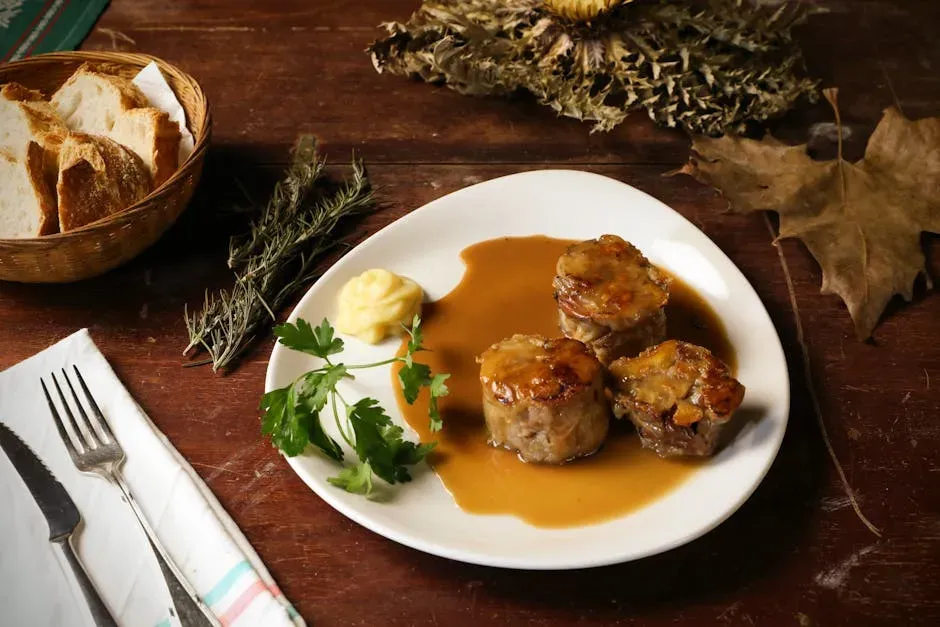
Haggis is a sheep’s heart, liver, and lungs minced with oats and spices, then stuffed and boiled inside a sheep’s stomach. The dish has even been banned in the United States since 1971 due to the lung ingredients, meaning most Americans have never come close to trying it. That ban alone says something about how far outside the American culinary comfort zone this one sits.
Haggis is as traditionally Scottish as kilts and bagpipes. It comes from the offal of sheep, cooked inside the animal’s stomach and mixed with the animal’s heart, liver, and lungs, along with oatmeal, onions, suet, seasoning, and spices. Scots eat it with genuine warmth and national pride, and many visitors who actually try it find the flavor more approachable than the description suggests. Getting past that description, though, is its own challenge.
4. Durian – Southeast Asia
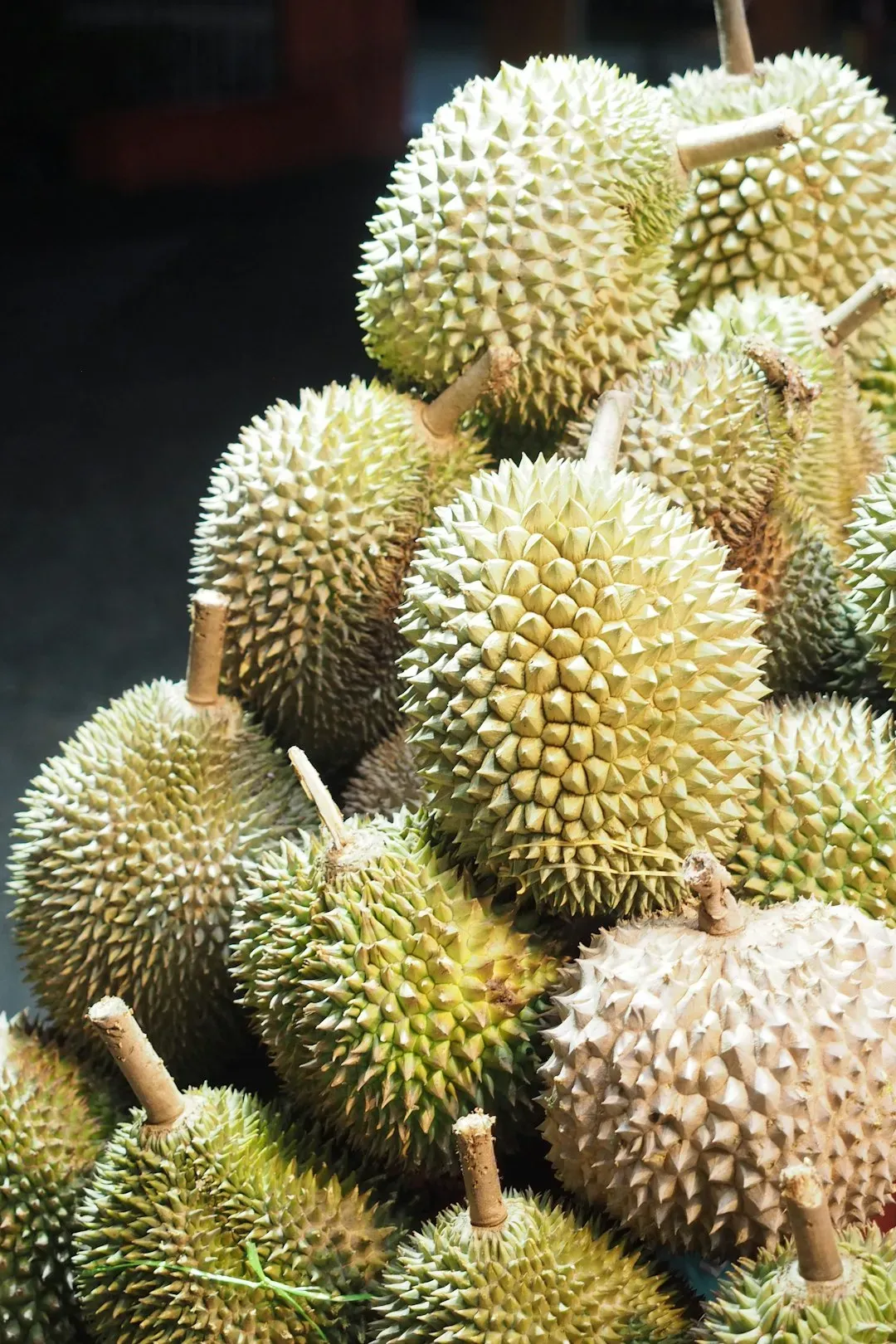
Not every international delicacy contains ingredients Americans would find distasteful. Durian is an innocent fruit that grows in Southeast Asia and contains nothing objectionable – that is, until you cut it open, at which point it emits an odor so powerful and unpleasant that it’s amazing anyone ever tried to eat it in the first place. Those who do find that the taste is considerably better than the smell.
Often called the “king of fruits,” durian has a smell so overpowering that it’s banned in many hotels and public transport systems across Asia. American tourists often encounter it at markets before they even realize what they’re smelling. The odor has been described in everything from overripe onions to raw sewage, and while durian fans defend its custardy richness enthusiastically, first-timers frequently back away from the stall entirely.
5. Century Eggs – China
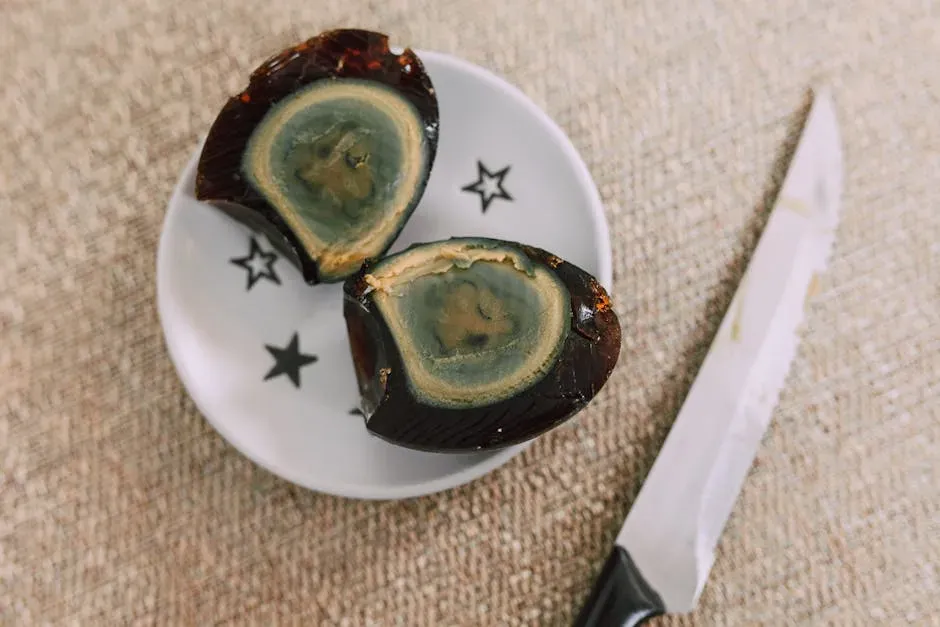
Century eggs, also known as thousand-year-old eggs, are a traditional Chinese delicacy made by preserving duck, chicken, or quail eggs in a mixture of clay, ash, salt, quicklime, and rice hulls for several weeks to months. The dish is often considered controversial due to its strong odor and unappealing appearance. The yolk turns a dark greenish-black, the white becomes a translucent brown jelly, and the whole thing looks nothing like anything most Americans have seen on a plate.
China’s food culture is full of surprises, and the century egg is one that tests many travelers’ resolve. The egg is aged for months, developing a green yolk and a dark, jelly-like white. Legend has it they’re marinated in horse urine, though that’s likely a myth. The real challenge is the taste: pungent and unlike anything familiar. For Chinese diners, the flavor is subtle and refined. For an unprepared American tourist, it reads as deeply unsettling from first glance.
6. Black Pudding – United Kingdom

Made from pig’s blood, fat, and oatmeal, black pudding is a staple in the UK. The main ingredient gives many diners pause. It shows up routinely as part of a full English or Scottish breakfast, nestled matter-of-factly alongside eggs and toast, which makes the encounter hard to avoid for visitors staying in traditional accommodation.
A pitch-black sausage stuffed with cooked pork blood, fat, and oatmeal, it sends many American tourists fleeing from British breakfasts. People often recoil at the preparations, repulsed by the blood and the dark casing. British and Irish diners have grown up with it and find the reaction baffling. The flavor is actually earthy and savory rather than offensive, but the visual and the knowledge of what’s inside tend to do the damage before a single bite is taken.
7. Casu Marzu (Maggot Cheese) – Sardinia, Italy
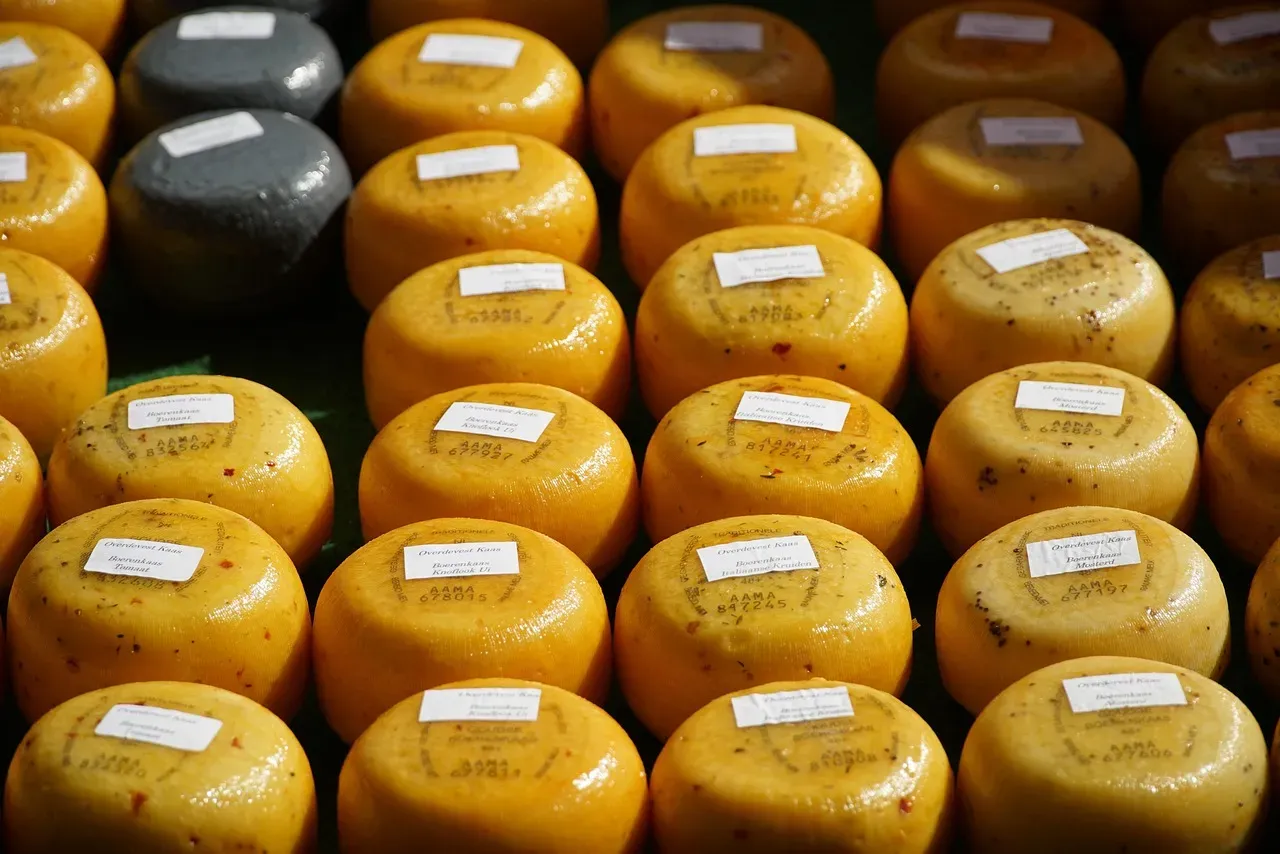
Casu marzu is a traditional Sardinian cheese that contains live insect larvae. The larvae help break down the cheese and give it a unique texture. This controversial dish is banned in several countries due to health concerns but remains popular among adventurous food lovers. The maggots are not a side effect or a contamination – they’re the entire point, producing a soft, intensely pungent fermented result that Sardinians have eaten for generations.
Travelers who want an authentic experience in Sardinia are encouraged to try casu marzu. It’s a cheese made from sheep milk that contains hundreds of live maggots, which are introduced into it during the fermentation process. For most American tourists, the visual alone ends the experiment. The combination of live movement and strong fermented smell places this squarely in the category of foods that feel simply impossible, regardless of what the taste might actually be.
8. Sannakji (Live Octopus) – South Korea
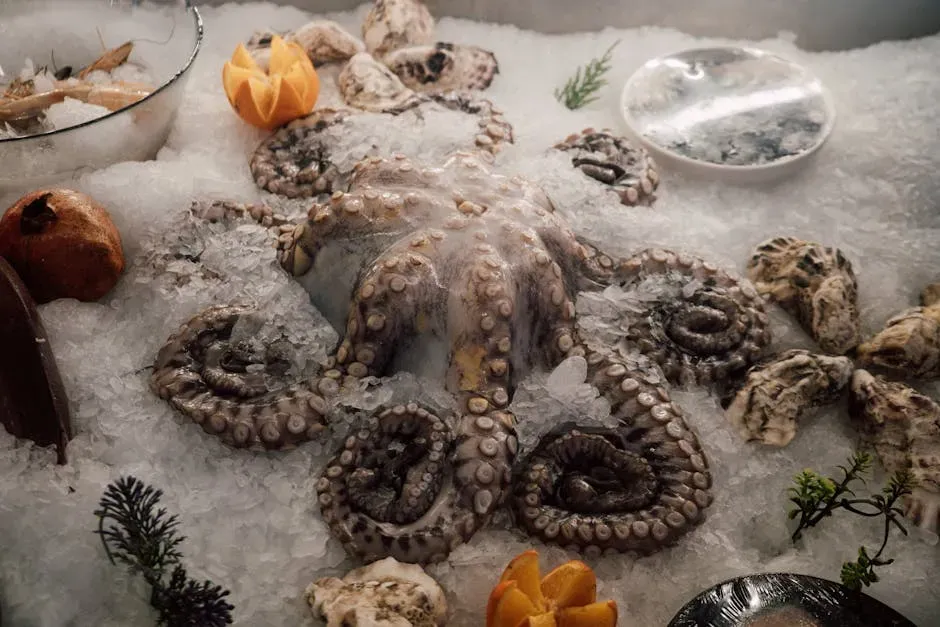
Sannakji is a Korean dish featuring live octopuses cut up and served immediately, often still squirming on the plate. The dish raises animal welfare concerns and also poses a potential choking hazard if not chewed properly. That last detail is worth taking seriously – the suction cups on freshly cut tentacles can adhere to the throat, and Korean diners who eat sannakji regularly know to chew thoroughly and deliberately.
Sannakji features live octopus tentacles still wriggling on the plate, and for most American visitors, the movement is the central problem. Food that visibly reacts to being picked up doesn’t fit into any category of eating most Americans were raised with. The dish is considered fresh and clean by Korean standards, prized for its texture and oceanic flavor, but the gap between that cultural context and the American baseline is difficult to bridge quickly.
9. Stinky Tofu – Taiwan and China
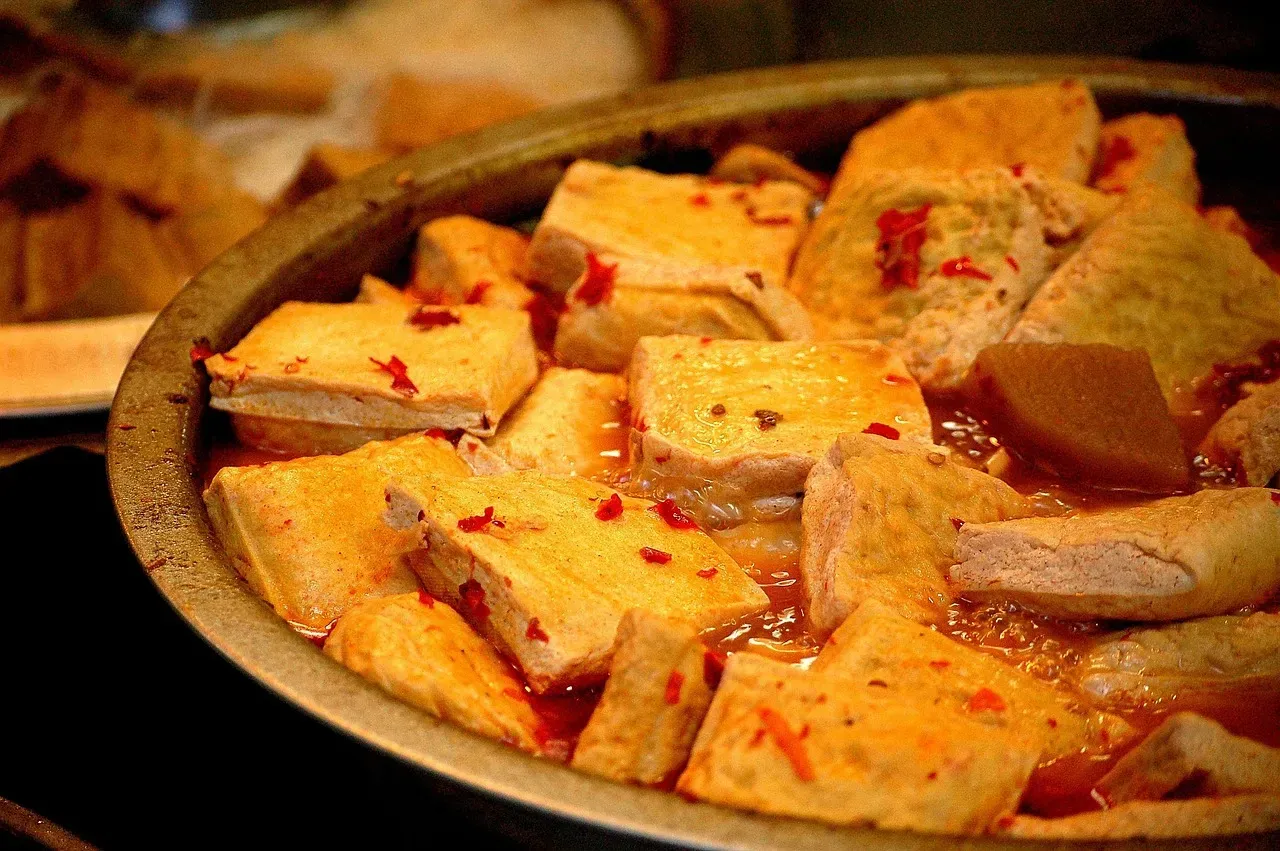
Stinky tofu is exactly what the name suggests. A fermented tofu preparation common across Taiwan and parts of China, it’s produced by soaking tofu in a brine of fermented milk, vegetables, and sometimes seafood for anywhere from a few days to several months. The result is a pungent, deeply funky smell that precedes the food by a wide margin. Travelers may find that even some familiar foods are far more pungent and powerful abroad. American dairy, for instance, is processed to the point where flavors are largely neutralized – not so in much of the rest of the world, where less aggressive processing preserves the original intensity of the ingredients. Stinky tofu operates at the far end of that spectrum.
Night markets across Taiwan serve it hot and crispy, and local diners eat it with straightforward enjoyment. For a true adventurous food experience, visiting night markets in Taiwan for stinky tofu stands as one of the bolder options available to traveling food lovers. For American tourists who encounter it unprepared, the smell typically triggers an immediate retreat. Those who stay and actually eat it often report that the flavor is much milder than the aroma implied – a gap between expectation and reality that could be said about most of the foods on this list.
What nearly all nine of these foods share is a straightforward logic within their home cultures. They’re not provocations or extreme novelties – they’re meals with deep roots, practical origins, and loyal communities of people who find them genuinely delicious. The unease an American tourist feels is less about the food itself and more about the distance between what they grew up eating and what the rest of the world considers normal. That distance is real, but it’s also worth crossing, even if only one careful bite at a time.


Leave a Reply