
For decades, the conversation around processed food focused mostly on heart health and weight. The brain rarely entered the picture in a serious way. That’s changed considerably over the past few years, as a growing wave of large-scale studies has started drawing a more direct line between what we eat and how well our minds hold up as we age.
Two large-scale studies suggest that eating ultra-processed foods may exacerbate age-related cognitive decline and increase the risk of developing dementia. After adjusting for age, sex, high blood pressure, and other factors, researchers found that a 10% increase in the amount of ultra-processed foods eaten was associated with a 16% higher risk of cognitive impairment. The nine foods below aren’t obscure laboratory curiosities. Most of them are sitting in ordinary kitchens right now.
Processed Meats

Researchers at Virginia Tech found that consuming processed meats, compared with other ultra-processed foods, is linked to poor memory and cognitive issues, in a study that tracked U.S. residents aged 55 and older for seven years using data from the national Health and Retirement Study. The category covers a wide range of everyday staples: hot dogs, deli slices, canned meats, sausages, and packaged bacon.
By the end of the study period, researchers found a 17% increase in cognitive issues among people who consumed at least one serving of ultra-processed meat a day. Bacon, sausages, and deli meats contain inflammatory preservatives such as nitrites and excess sodium, compounds that may interfere with healthy blood flow to the brain over time. Research presented at the 2024 Alzheimer’s Association International Conference found that people who ate just one-quarter serving or more of processed red meat daily had a 14% higher risk of dementia than those who ate less.
Sugary Soft Drinks

A study from Virginia Tech, published in the American Journal of Clinical Nutrition, found that people who regularly consumed sugary drinks were more likely to experience memory loss and cognitive decline over time, with researchers following adults 55 and older for seven years through the Health and Retirement Study. Soda is one of the most consistently flagged items across multiple independent research efforts.
For each serving of soda consumed daily, there was a 6% increase in cognitive impairment among participants tracked over the study period. Some studies suggest that a diet high in ultra-processed foods may indirectly contribute to dementia risk by promoting chronic conditions such as obesity, diabetes, and hypertension, which are known risk factors for cognitive decline. Sugary beverages are a particularly efficient driver of all three.
Diet Sodas and Artificially Sweetened Drinks

Artificial sweeteners have long been marketed as a healthier alternative to sugar, but new research suggests they may not be so harmless for brain health, with a large, long-term study finding a link between consuming low- and no-calorie sweeteners and cognitive decline, especially in people under 60 years old. Swapping regular soda for the diet version may not be the simple win it once appeared to be.
The study followed 12,772 adults with an average age of 52, tracked seven artificial sweeteners typically found in ultra-processed foods like flavored water, soda, energy drinks, yogurt, and low-calorie desserts, and found that people who consumed the highest total amounts of these sweeteners had faster decline in overall thinking and memory skills. Researchers suspect that artificial sweeteners may influence the brain through mechanisms such as neuroinflammation, neurodegeneration, or disruption of the gut-brain axis. The faster decline observed was equivalent to roughly one and a half additional years of aging.
Packaged Chips and Salty Snacks

People who eat more ultra-processed foods like soft drinks, chips, and cookies may have a higher risk of having memory and thinking problems and having a stroke than those who eat fewer processed foods, according to a 2024 study published in Neurology, the medical journal of the American Academy of Neurology. Chips are one of the clearest examples of this category.
These foods are typically high in refined carbohydrates, added sugars, fats, and salt, but low in fiber and essential nutrients – a combination that contributes to inflammation, impaired glucose control, and oxidative stress, all harmful to brain cells. Consuming high amounts of ultra-processed food may also lead to chronic inflammation, oxidative stress, and alterations in gut microbiota, which could negatively impact brain health. The chronic, low-grade nature of this damage makes it easy to overlook until it’s well underway.
Flavored Breakfast Cereals

Ultra-processed foods, including flavored cereals, are specifically named among the items that researchers associate with elevated dementia risk. Many popular breakfast cereals are heavily processed, loaded with added sugar, and stripped of the fiber and micronutrients found in whole grains. They fit squarely within the NOVA classification of ultra-processed foods.
High sugar intake and ultra-processed foods, including sugary cereals, trigger inflammation, impair glucose metabolism, and may damage brain structures like the hippocampus, increasing dementia risk. The hippocampus is the part of the brain most closely associated with forming new memories, which makes this particular pathway worth noting. These foods often lack essential nutrients and fiber, which are important for brain health.
Packaged Bread and Refined Baked Goods

Ultra-processed food categories named in the Neurology research explicitly include packaged breads alongside soft drinks and salty snacks. Most commercially produced sandwich breads are made with highly refined flour, dough conditioners, emulsifiers, and preservatives that place them firmly in the ultra-processed category, even when they don’t taste particularly sweet.
Researchers think that eating high amounts of ultra-processed foods may damage blood vessels in the brain, which may explain the association between poor vascular health and executive function. Regular consumption of refined baked goods contributes to blood sugar instability and systemic inflammation, both of which are relevant to long-term brain health. Ultra-processed foods such as packaged snacks, sugary cereals, fast foods, and refined breads have been repeatedly connected with cognitive decline and neurological problems.
Frozen Ready Meals

Frozen convenience meals save time, but a study published in early 2025 found a dramatically elevated Alzheimer’s disease risk associated with regular consumption of ultra-processed foods, with experts now stressing that risk reduction should focus on midlife nutrition rather than late-life intervention, suggesting the damage accumulates over decades. Eating habits formed in your forties and fifties appear to matter more than most people realize.
Such “predigested” foods, often full of sugar, salt, and fat, may lack critical nutrients needed for a healthy body and brain. Among participants younger than 68 at baseline, each serving per day of ultra-processed food was associated with a 13% increased risk for Alzheimer’s disease, and consuming ten or more servings daily was associated with a roughly 2.7-fold increase in Alzheimer’s disease risk in the Framingham Heart Study. Frozen dinners can easily account for multiple servings in a single sitting.
Ice Cream and Packaged Sweets

Ice cream is included among the ultra-processed foods that researchers have specifically associated with higher dementia risk in the American Academy of Neurology research. Packaged desserts and confectionery combine refined sugar, industrial fats, artificial flavors, and emulsifiers in a way that places them at the top of the ultra-processing scale. They tend to be consumed in addition to other processed foods rather than in place of them.
A study of 10,000 people found that those who ate the most ultra-processed foods had a roughly one quarter faster rate of executive function decline and a slightly faster rate of overall cognitive impairment compared with those who ate the least. Ultra-processed foods may also increase the production of beta-amyloid protein in the brain, a type of protein that builds up in blood vessels and brain tissue in Alzheimer’s disease. Sweets contribute meaningfully to total ultra-processed food load, which is the metric that research consistently tracks.
Margarine and Foods Containing Trans Fats
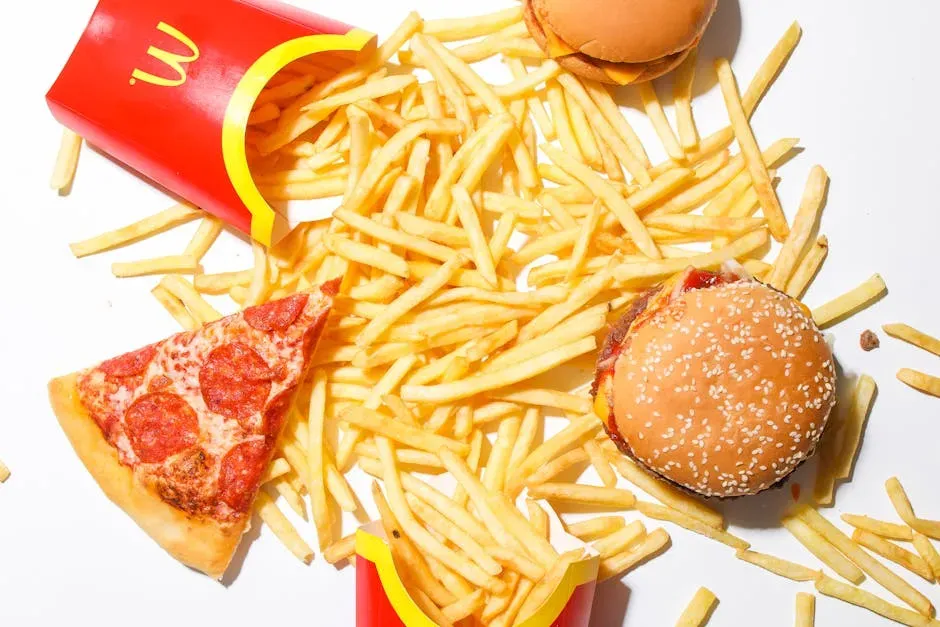
Trans fats found in margarine and fried foods clog arteries, starving the brain of oxygen and accelerating memory loss. While many countries have moved to restrict industrially produced trans fats, partially hydrogenated oils and hydrogenated vegetable fats continue to appear in various packaged biscuits, microwave popcorn, and certain spreads, particularly in less regulated markets.
It has been established that ultra-processed foods have negative effects on biological mechanisms, such as oxidative stress and inflammation. Margarine and similar products deliver both of these effects simultaneously, through their fat composition and through the other ultra-processed ingredients they’re often combined with in commercial products. Chronic inflammation, oxidative stress, and alterations in gut microbiota resulting from high ultra-processed food intake could all negatively impact brain health over years of regular exposure.
The broader research picture is still developing, and most studies in this area show associations rather than definitive causation. The research does not prove that eating ultra-processed foods causes memory and thinking problems and stroke – it only shows an association. Still, the scale and consistency of findings across independent studies conducted on different continents is notable. Replacing just 10% of ultra-processed food intake with an equivalent amount of unprocessed or minimally processed foods was associated with an estimated 17% reduction in dementia risk in one analysis. That’s a meaningful number, and it suggests that small, sustained shifts in diet could matter more than waiting for a perfect overhaul.




Leave a Reply