
Most people walk onto a plane focused on finding their seat, getting their bag stowed, and settling in. What very few passengers realize is that someone is already watching. Flight attendants are trained to pick up on everything about passengers in the blink of an eye, in around three to four seconds. That’s a strikingly short window, yet it’s enough to make meaningful assessments that can shape the entire flight.
Flight attendants performing door-side welcome duties are simultaneously conducting a rapid-fire security and behavioral evaluation of each passenger entering the aircraft. The warm greeting you receive at the cabin door isn’t just hospitality. It’s also the start of a carefully trained observation process that has very real safety implications.
1. Your Body Language and Eye Contact
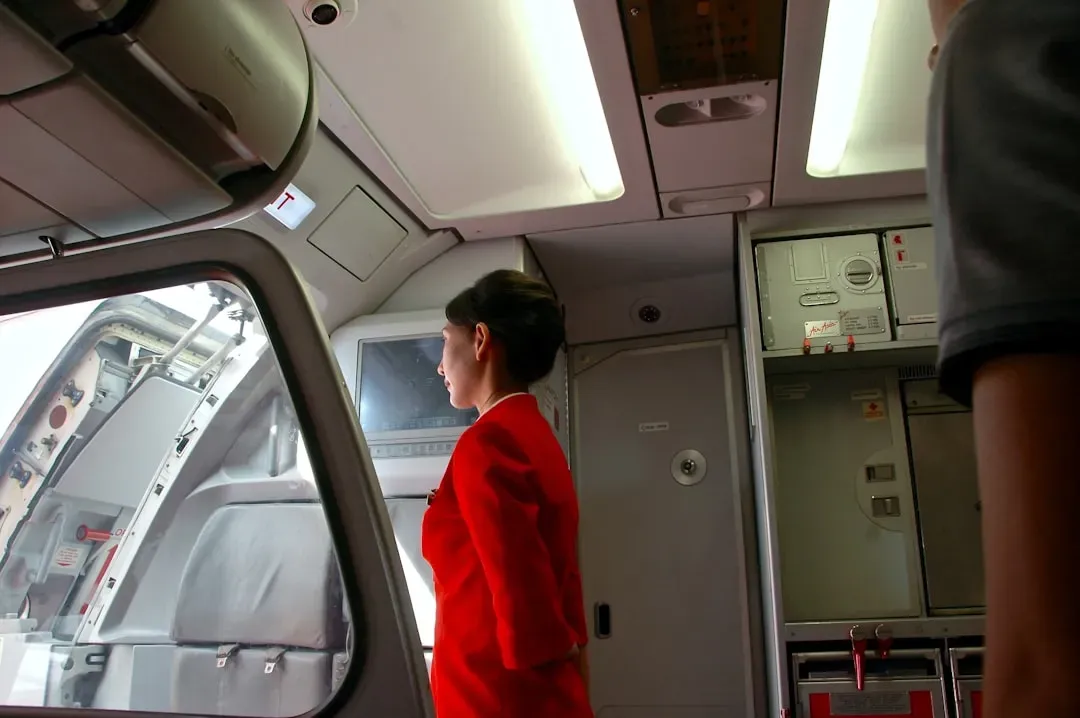
Flight attendants quickly size up your body language, tone, and eye contact when greeting them. A warm smile and simple hello can create an instant sense of trust, while avoiding eye contact or seeming irritated can raise concern. It’s a small thing that carries a lot of weight in a matter of seconds.
Flight attendants read your face before you ever reach your seat. A relaxed expression, eye contact, or a simple greeting suggests you’re settled and cooperative. A tense jaw or visible frustration can signal travel stress that might surface later. Crew members watch these cues because mood often sets the tone for the rest of the flight.
2. Whether You Seem Intoxicated
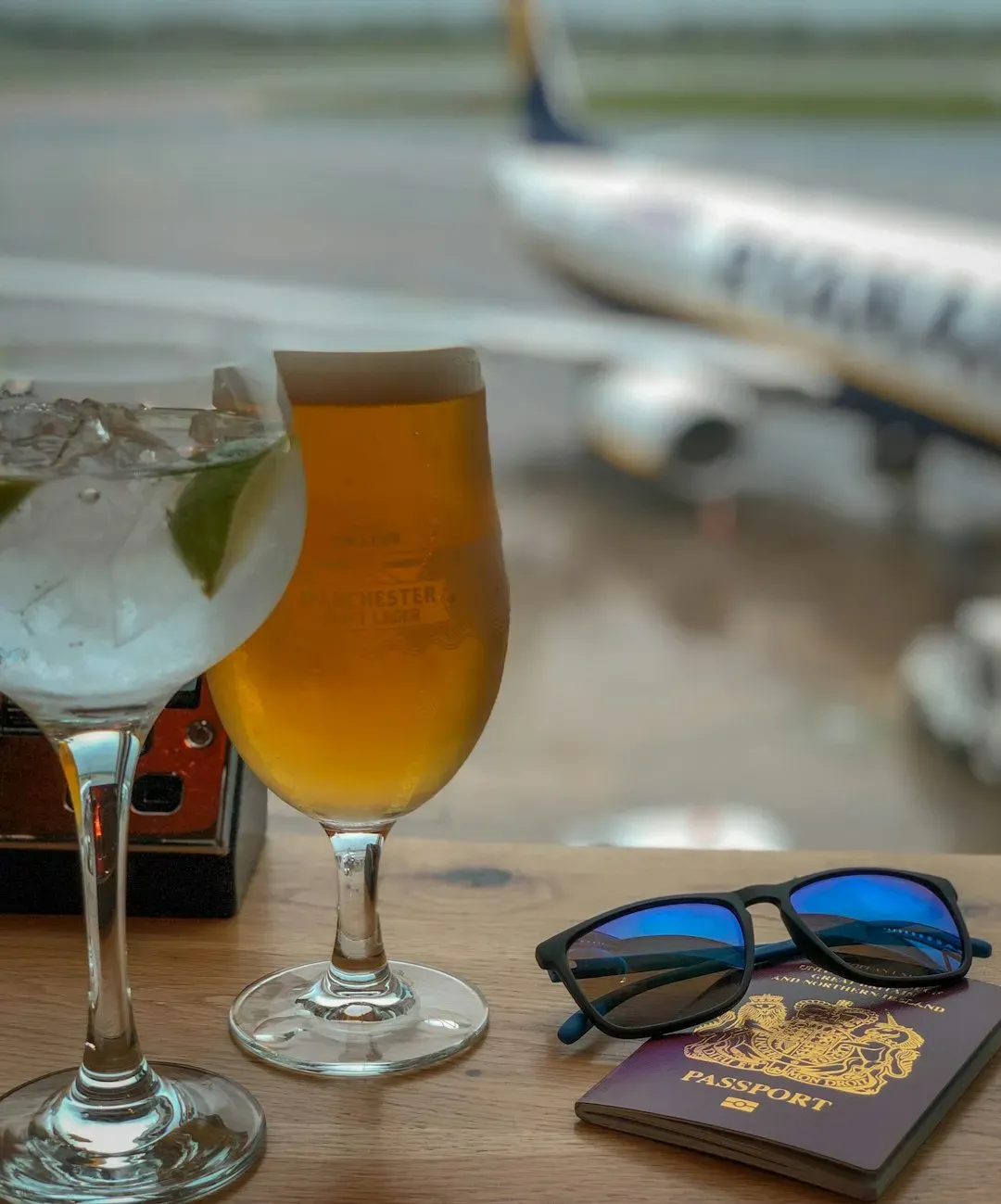
Flight attendants watch closely for signs of intoxication as passengers board. Slurred speech, unsteady balance, or the smell of alcohol can indicate that someone may become disruptive once in the air. Identifying this early allows crews to intervene before departure if necessary.
It is often the case that passengers may drink alcohol before a flight or take medication, and flight attendants are aware of this. If someone seems drugged or has drunk too much alcohol, they can be refused boarding. A flight could be in jeopardy if passengers are not equipped to withstand conditions. Air pressure, cramped cabins, and altitude can affect healthy passengers, let alone ones who may be feeling under the weather or even intoxicated.
3. Your Shoes and What You’re Wearing

What you wear sends subtle messages about your readiness for flight. Flight attendants quietly assess if your outfit would be practical in an emergency. Comfortable, closed-toe shoes and flexible clothing earn approval, while high heels or tight outfits could hinder quick movement.
Flight attendants are looking for any item of clothing or jewelry that might become a hazard, especially in an emergency. Think something that’s loose or hanging awkwardly, as well as passengers wearing items that are just plain uncomfortable. Flight attendants will look for sharp items and high-heeled shoes in their part of the cabin that may need to be removed in the event of a planned or unplanned emergency. Sharp items may actually puncture the evacuation slide.
4. How You Handle Your Carry-On Luggage

Flight attendants zero in on your carry-ons, paying close attention to how many bags you have and how large they are. One of the reasons for this attention to detail is to ensure that you’re sticking to the rules of the plane. Flight attendants are the last line of defense against passengers who might try to board a plane with too many bags or luggage that’s too big to be a carry-on.
How much luggage you bring can make the plane cramped, which is not only uncomfortable, it’s also unsafe. Flight attendants notice right away if you’re the type who will keep it contained or slowly expand like a gas. They’re watching for the passenger who instantly blocks the aisle while rearranging their entire backpack. They notice the person who needs three overhead bin attempts and a dramatic sigh, and the person who’s already elbowing into someone else’s space before takeoff.
5. Signs of Illness or Physical Distress
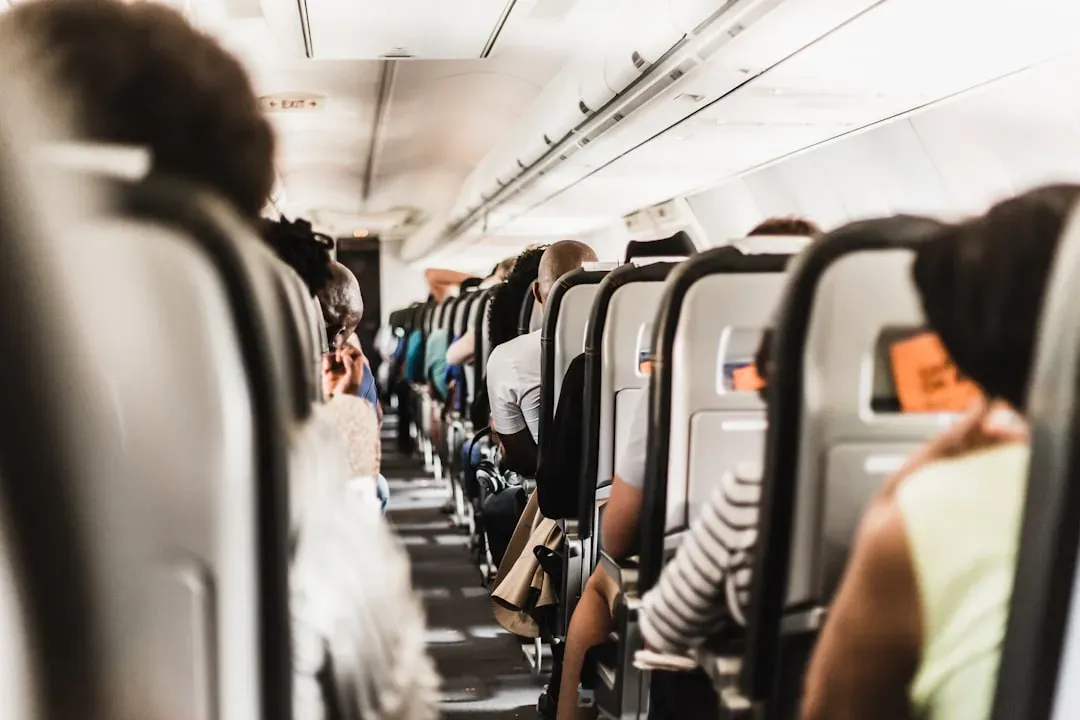
During the boarding process, the flight attendants will also watch for anyone who has signs of illness. Although they are fully trained to deal with medical emergencies onboard, it’s something that no one wants to happen. It is estimated that one in every 212 flights there will be a medical emergency, according to the National Institute of Health.
Potential sickness is monitored as well. This has been heightened since the COVID-19 pandemic as we’ve become more attuned to the risks. During their initial greeting, flight attendants assess passengers for various risks, including illness, as part of their safety and security duties, which continue throughout the flight. Identifying potential issues early allows crew to request medical assessments before departure or provide assistance as needed during the flight.
6. Whether You’re Anxious About Flying
Flight anxiety can manifest as observable signs, including rapid breathing, a rigid posture, and frequent scanning of the cabin. Airlines train their flight attendants to recognize these indicators and often respond with empathetic communication and reassurance to alleviate passenger concerns.
Flight attendants are also pros at spotting anxious passengers. If you fall into this camp, there’s nothing to worry about. In fact, it’s a good idea to introduce yourself and let the cabin crew know about any worries you may have, although they’ve probably already noticed your jitters. Telling the crew upfront actually works in your favor. It gives them the context to check in on you rather than simply monitoring from a distance.
7. Your Physical Build and Apparent Fitness
Flight attendants make a mental note of passengers who are in good shape and who can help lift heavy items and lend a hand if necessary. They look for customers they believe can assist in an emergency. They pay attention to physical build, and if someone says they can be of any type of help in an emergency situation, they’ll make a note of where they are seated.
Able-bodied passengers are often called upon to assist with emergency aircraft evacuation slides. Flight attendants assess physically fit persons, especially firefighters or police officers who may be able to assist in an emergency. These are called able-bodied passengers or ABPs. They would be briefed on a planned emergency and assigned certain tasks. In an unplanned emergency, they’d be approached to help open an exit door, for example, and assist people down the slide.
8. Your Attitude and How You Treat the Crew
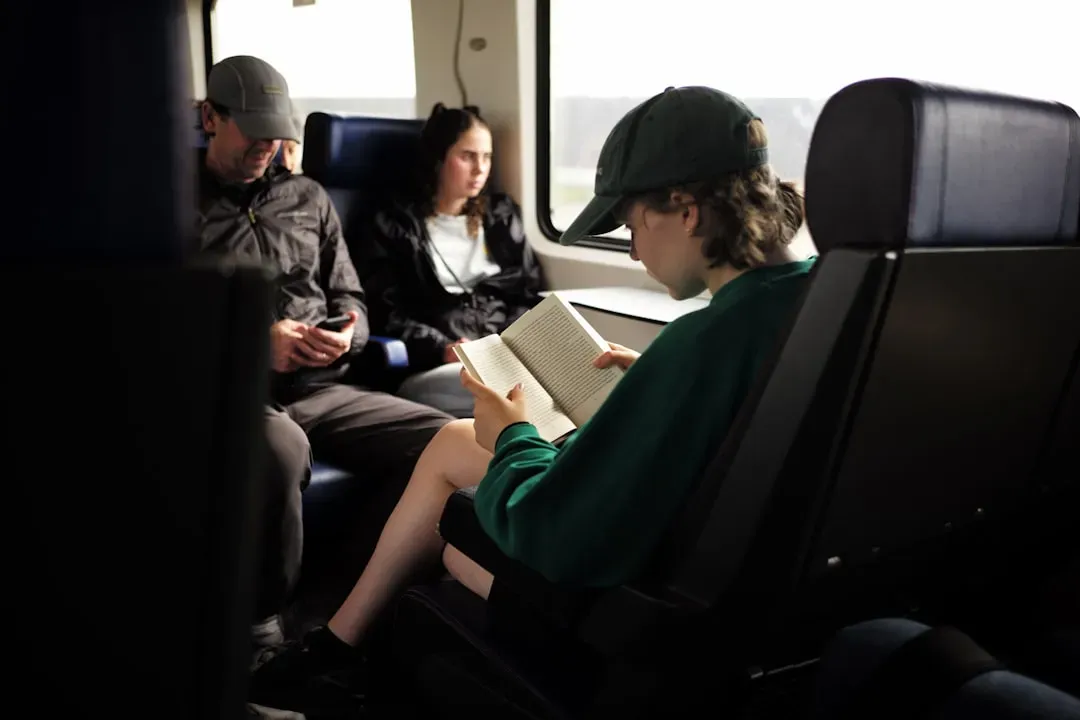
The way you address flight attendants is immediately noticeable. Politeness, eye contact, and a calm tone often lead to warmer service and smoother interactions. Snapping fingers, ignoring greetings, or making demands sends a very different signal. Respectful passengers are easier to assist, and crews remember that. It quietly shapes the working relationship for the rest of the flight.
Passengers who act entitled and are rude to the flight attendants will be made a note of. These can be added to the passenger’s information and noted for future flights with the airline, or at the extreme end of the scale, they can be banned from flying with the airline. Most passengers never consider that a single boarding interaction carries consequences that can follow them well beyond the flight itself.
9. Whether You Might Need Special Assistance
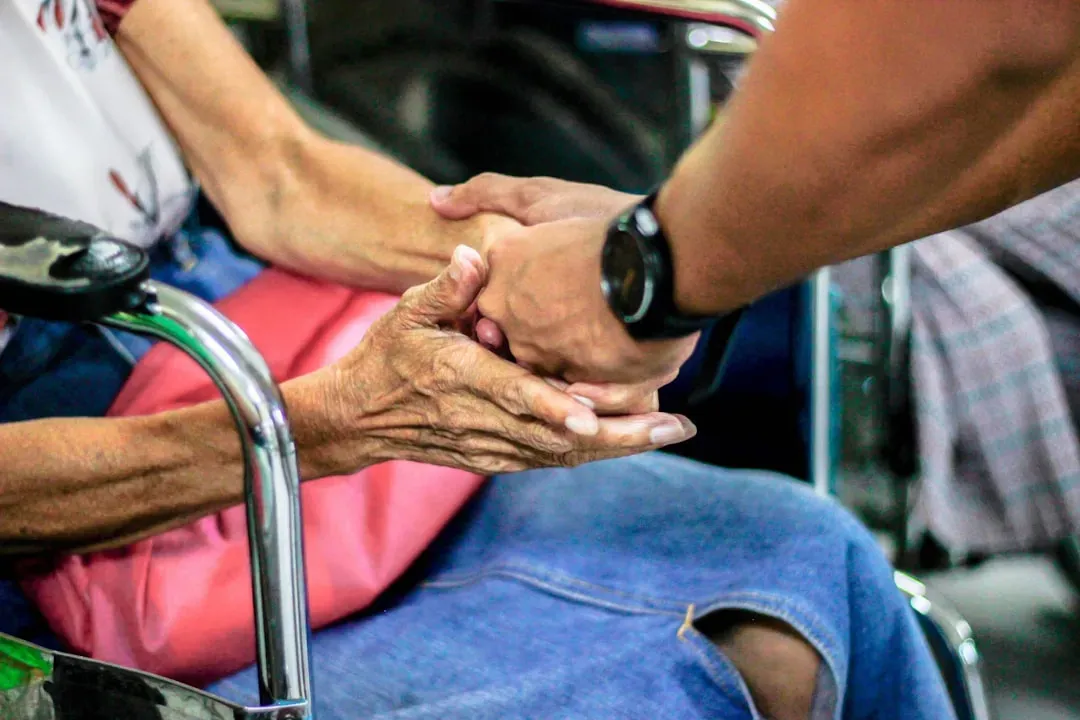
Flight attendants are always aware of passengers who may need extra help during the flight but also should an emergency evacuation occur. This may include the elderly, a passenger with reduced mobility or passengers with babies or very young children. They may need extra help during the boarding and disembarkation process as well as during the flight. This would include the visually or audibly impaired or wheelchair users.
You’ve likely made airline staff aware of any required assistance before you’ve arrived at the airport during the booking process. However, for some people whose disability flies a little under the radar, the cabin crew always has their eyes peeled during boarding to determine who may benefit from a little more help during the journey. This also includes families with small children or babies, as well as elderly travelers. In the event of an emergency, flight attendants need to know who may require special assistance.
The next time you step through that cabin door, remember that the brief exchange at the threshold is doing far more work than it appears. Flight attendants may not remember every face, but they remember patterns. Those first impressions shape how they prioritize attention, support, and care once the cabin doors close. A relaxed posture, a decent pair of shoes, and a genuine hello go a remarkably long way at thirty thousand feet.




Leave a Reply