
Closets have a way of revealing more about our habits than we’d like to admit. Professional organizers see it constantly: rooms that look tidy at first glance but fall apart the moment you actually open the closet door. Certain patterns show up so often that organizers have quietly started ranking them, even if they never say so directly to clients.
These are the habits that make a trained eye wince, the small choices that undercut an otherwise decent system. None of them are dramatic failures. They’re just the quiet, repeated decisions that keep a closet from ever feeling finished.
1. Mixing seasons instead of rotating them

Keeping every coat, sandal, and sweater in the same space year round is one of the fastest ways to lose control of a closet. Organizers often point out that when off season items stay mixed in, the closet effectively doubles in size without adding any real storage. This forces daily decisions to happen inside a crowded field instead of a curated one.
Rotating seasonally isn’t just about aesthetics. It reduces decision fatigue, since a person only has to choose among clothes that actually fit the current weather. A closet with fewer options at any given time tends to function better than one stuffed with everything at once.
2. Hanging clothes with no consistent direction
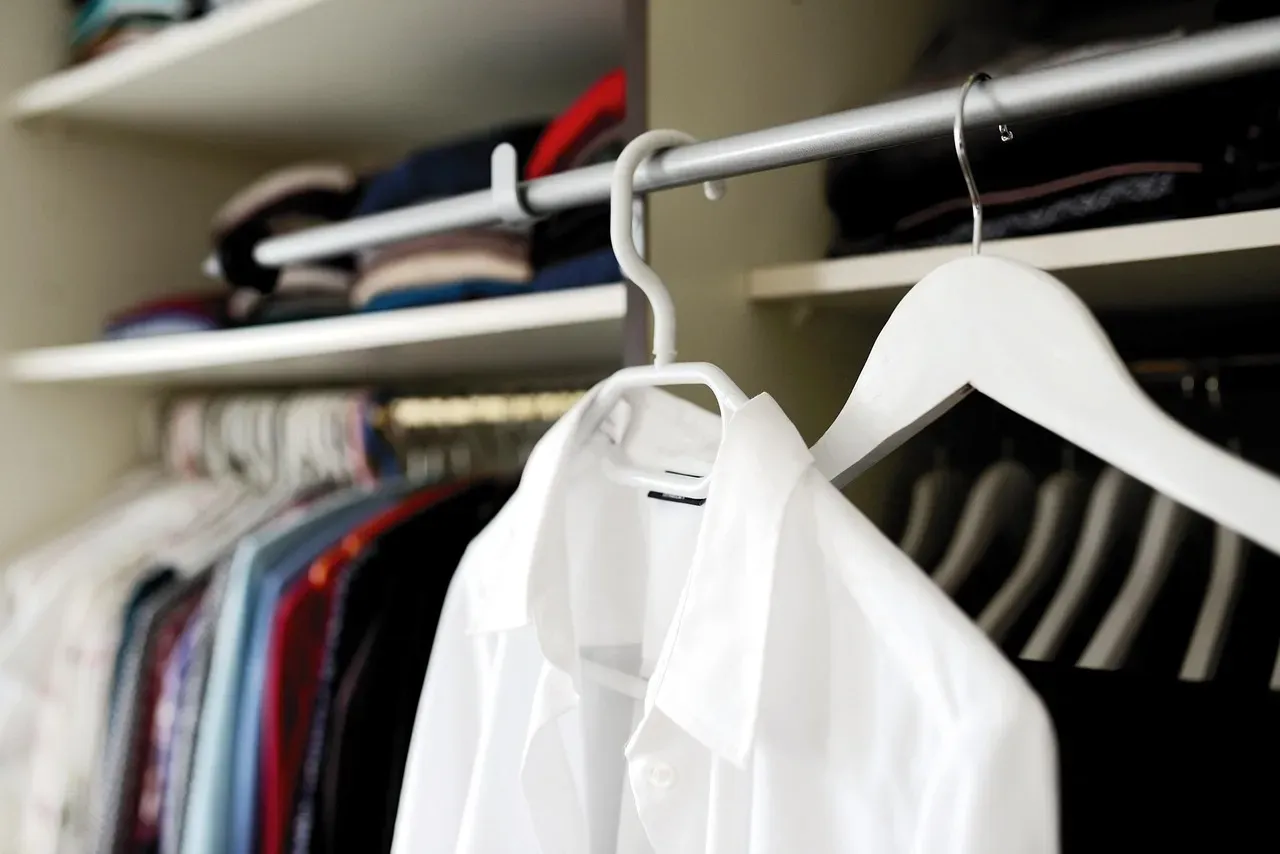
Hangers facing every which way seem like a minor detail, but organizers notice it immediately because it signals nobody has a system for tracking what gets worn. Some professionals recommend the reverse hanger method, where all hangers face one direction and get flipped only after an item is worn, as a simple way to track actual usage over time.
This habit reveals whether someone edits their wardrobe based on real behavior or just guesses. A closet without directional consistency usually means clothes accumulate rather than rotate, and the owner has little insight into what’s actually being used.
3. Letting the floor become a landing zone
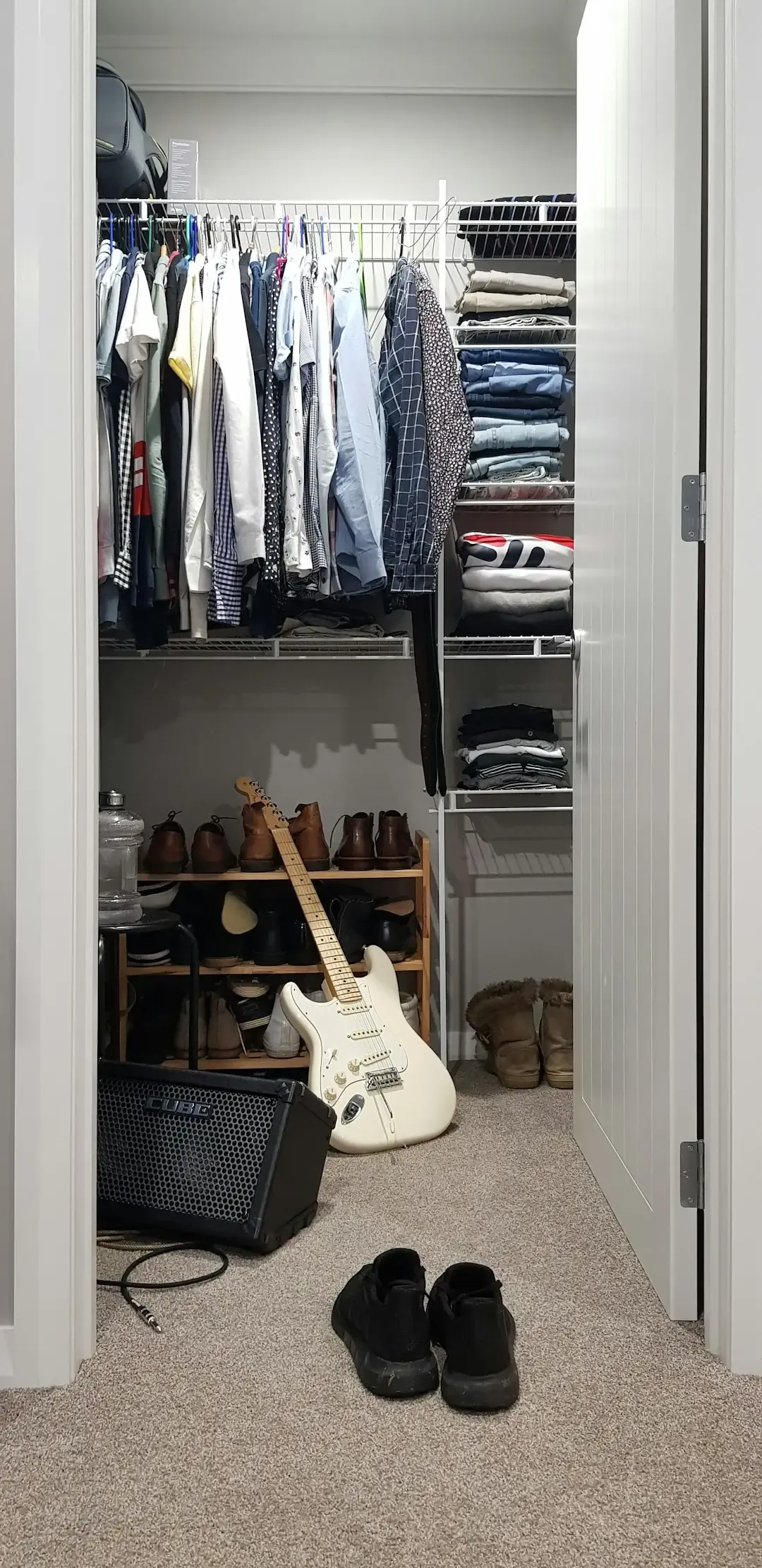
Shoes kicked off, bags dropped, laundry piled: closet floors are often the first place order breaks down. Organizers frequently cite floor space as one of the most neglected zones because it’s easy to treat it as leftover room rather than a planned storage area.
Once the floor fills up, it becomes harder to reach anything stored behind it, which discourages proper use of the whole closet. A cluttered floor also tends to spread, since items left there eventually creep onto shelves and rods nearby.
4. Keeping clothes that no longer fit “just in case”

This is one of the most common patterns organizers encounter, and one of the hardest for clients to let go of. Clothes kept for a future version of yourself, whether smaller or larger, quietly take up prime hanging space while contributing nothing to daily wear.
The psychological weight of these items is often heavier than their physical footprint. Many professional organizers describe this hesitation as one of the biggest obstacles to a functional closet, since it keeps people emotionally tied to clothing that no longer serves their current life.
5. Overstuffing shelves until nothing can be seen
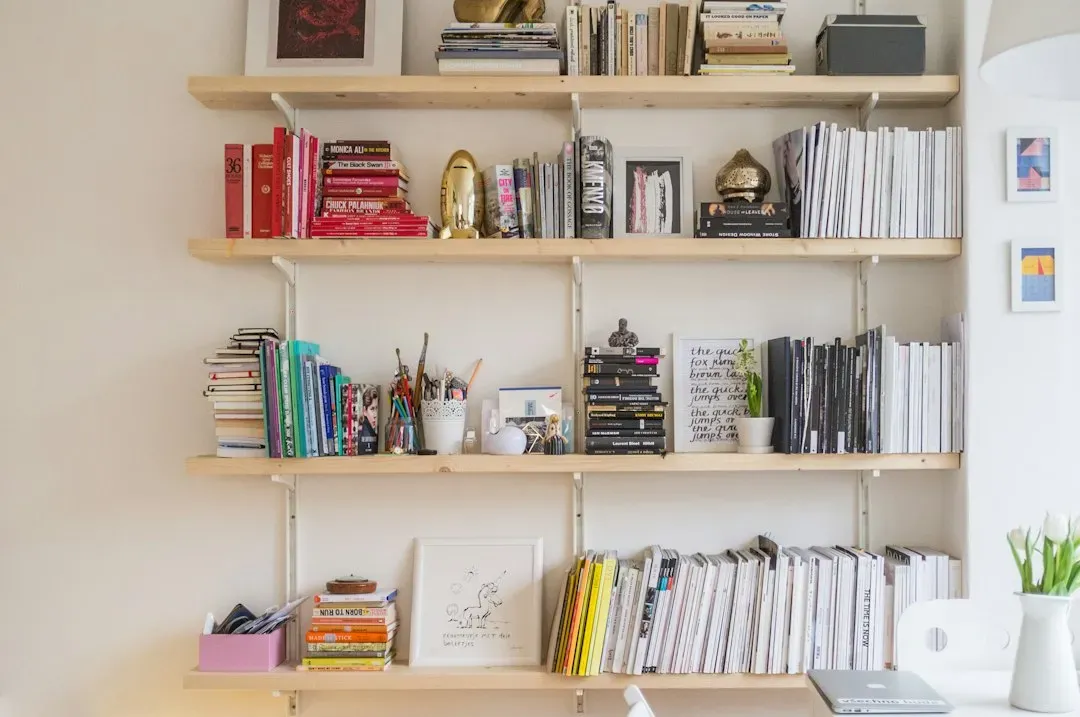
A shelf packed edge to edge might look full and organized from a distance, but it usually means nothing on it gets used. When items are stacked too tightly, people default to grabbing whatever is easiest to reach rather than what they actually want.
Organizers generally recommend leaving visible breathing room on shelves so every item stays identifiable at a glance. Overstuffed shelves tend to hide duplicates and forgotten purchases, which quietly drives more spending on things a person already owns.
6. Storing shoes in a single messy pile
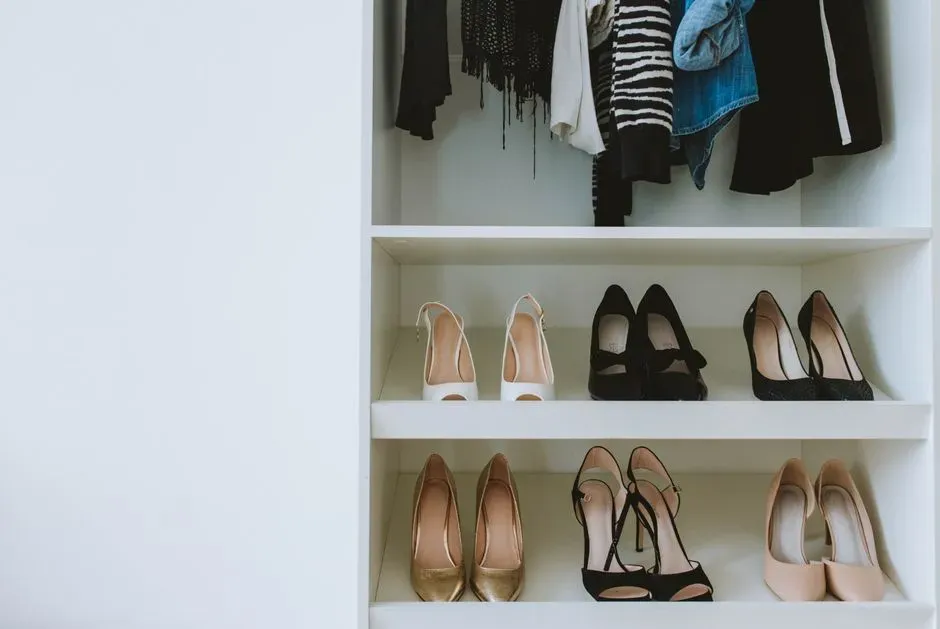
Loose shoes tossed together at the bottom of a closet are a near universal habit, and organizers treat it as a red flag for the rest of the space. Shoes stored without pairs matched or without any vertical storage waste floor space and make it harder to find a matching set quickly.
Simple shoe racks or slanted shelving solve this in most homes, yet many people skip the step entirely. The habit often reflects a broader pattern of treating the closet as storage rather than a functional daily tool.
7. Ignoring vertical space above eye level
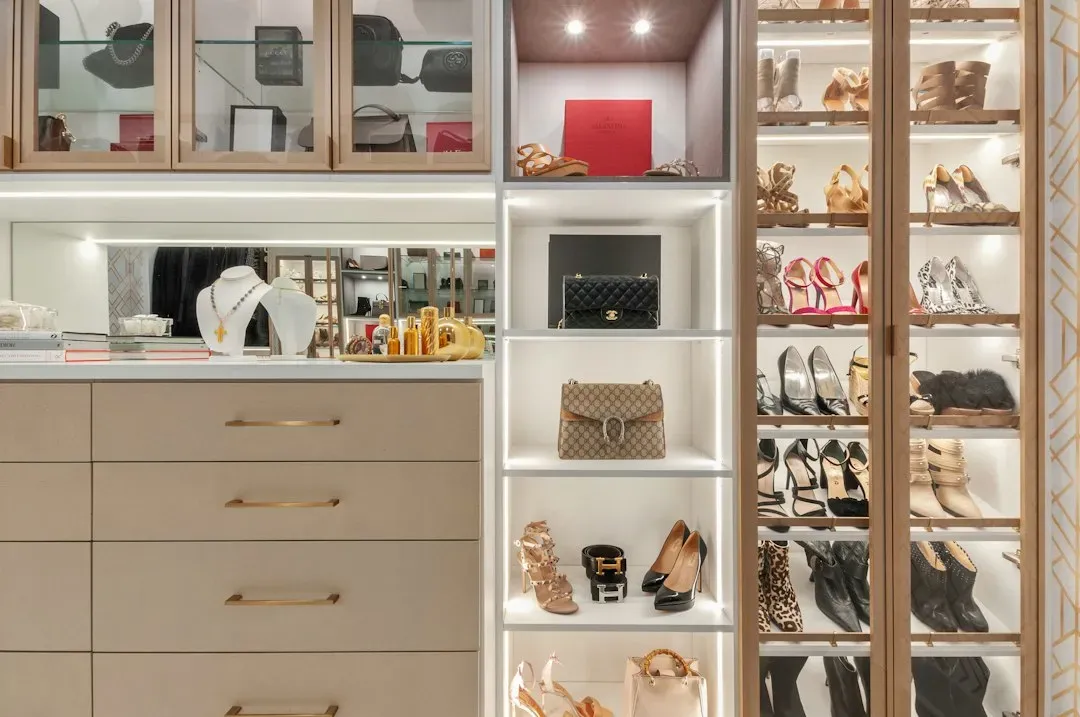
Closets typically have far more usable space than people realize, especially near the ceiling. Organizers often note that upper shelving goes unused or becomes a dumping ground for items nobody wants to deal with, rather than being planned for specific categories like off season bedding or luggage.
Wasted vertical space usually means lower, more accessible areas get overcrowded instead. A closet that only uses its middle third is working at a fraction of its real capacity, regardless of how tidy that middle section looks.
8. Never revisiting the system after the first setup

A closet organized once and never adjusted again tends to drift out of alignment with actual needs. Lifestyles change, wardrobes shift with new jobs or seasons, and a system built for a different version of someone’s life stops making sense over time.
Professional organizers often stress that maintenance matters as much as the initial setup, since even a perfectly designed closet degrades without periodic review. Skipping this step is why many closets that looked great after a single overhaul slide back into clutter within a year.





Leave a Reply