
Walk into a big-box store and a closet organizer might run you a couple hundred dollars. Walk into a design studio in a major metro area, though, and you could walk out having agreed to spend as much as a used car on shelving, drawers, and rods. The gap between those two extremes has been widening for years, and new data from across the custom closet industry suggests the top end of that range is climbing higher than most homeowners expect.
A five figure price tag for a walk-in closet used to sound like an outlier. Increasingly, it looks like a benchmark. Several closet specialists and cabinetry brands are now quoting numbers that push right up against the $15,000 mark, and in some cases beyond it, for systems that blend furniture-grade materials with the kind of features once reserved for kitchens.
A category that quietly outgrew its budget reputation
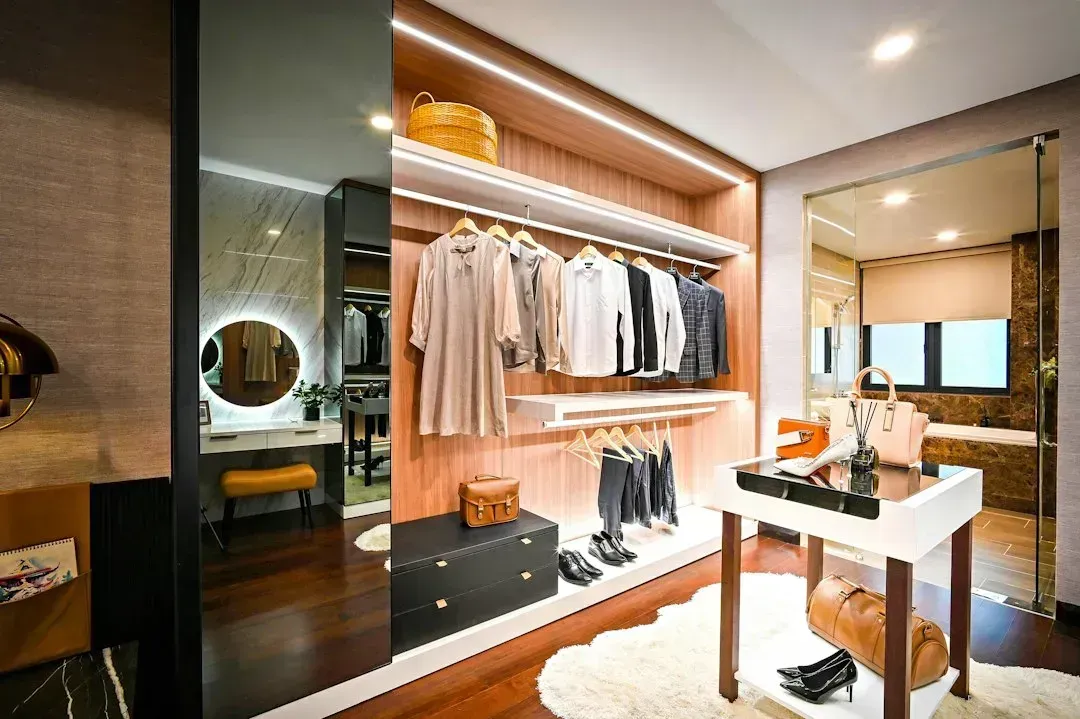
Closet organization used to mean wire shelving and a few plastic bins. That image still exists at the low end, where systems range from $130 for wire setups to $15,000 or more for custom built-in installations. The distance between those two figures says a lot about how fragmented the market has become.
What changed is demand. Homeowners are treating closets less like storage and more like small rooms, and the pricing has followed. Luxury closets in major metro markets now typically range from $5,000 to $20,000 or more, depending on size and customization. That is not a niche price point anymore. It is becoming a normal quote for anyone asking for a primary suite closet with real finish work.
What $15,000 actually buys you
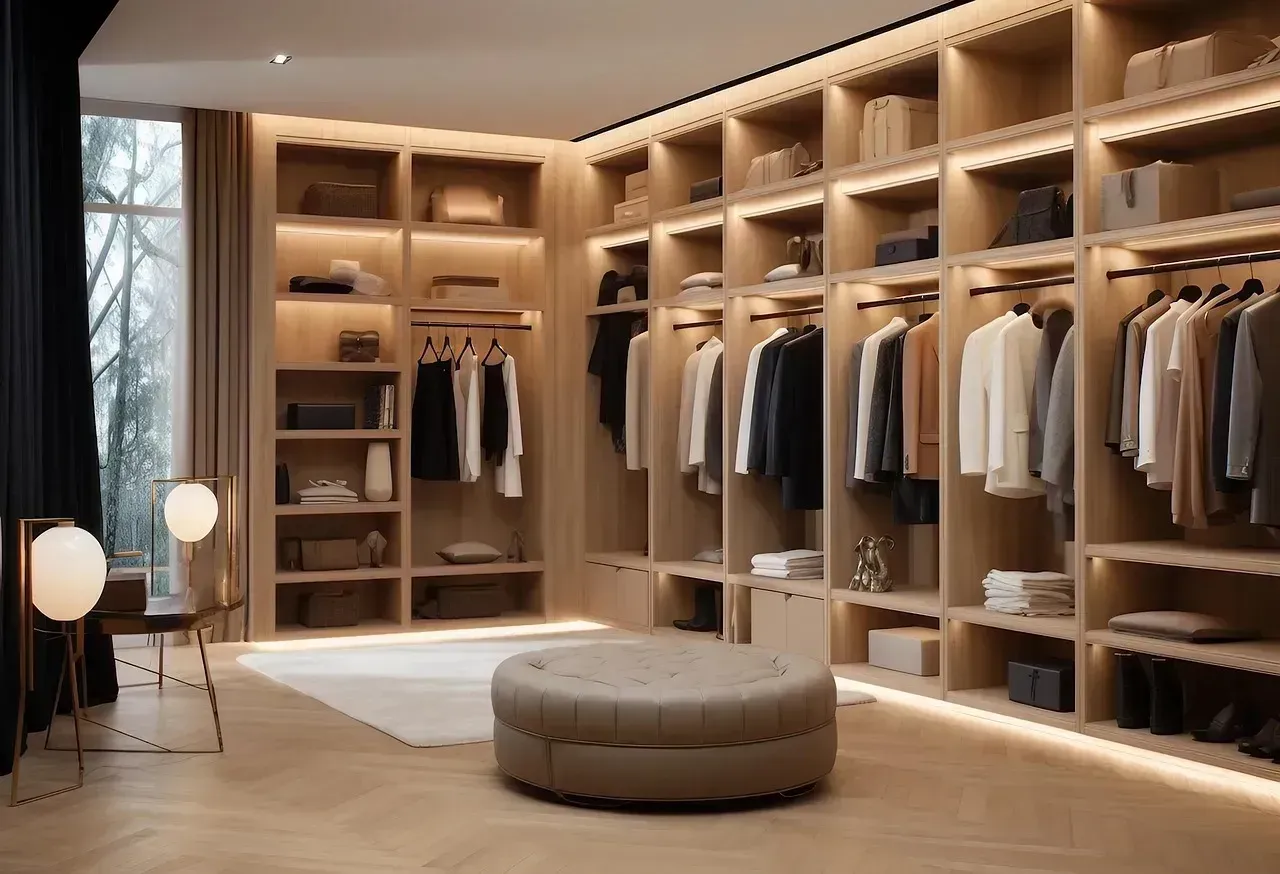
At this price tier, a closet stops being a box with shelves and starts functioning like furniture. Industry pricing guides note that primary suite closets with drawers, glass-front sections, and integrated lighting commonly land between $6,000 and $15,000, with furniture-grade dressing rooms going even higher. That range covers a lot of ground, but the top of it is where things get genuinely elaborate.
One detailed cost breakdown from a closet organizer showed how a project reaches that number: a central island with a stone countertop, drawers lined with velvet jewelry inserts, integrated LED lighting throughout, and upgraded brass hardware with soft-close mechanisms on every door and drawer. A central island with a stone countertop, velvet-lined jewelry drawer inserts, and integrated LED lighting throughout can each add thousands to a single project on their own.
Materials are the biggest lever on price
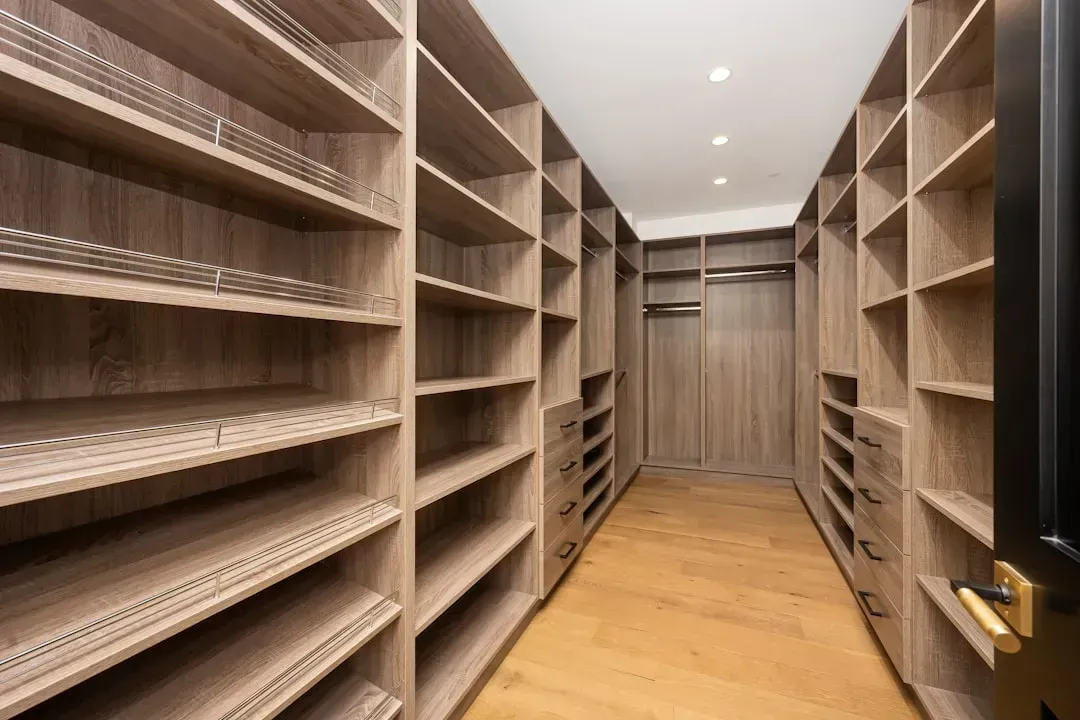
Ask any closet installer what separates a $2,000 job from a $15,000 job, and the answer usually starts with materials. The most common options run from budget to premium: ventilated wire shelving, melamine or laminate panels, wood veneer over a panel core, and finally solid wood, which is the most expensive and offers a furniture-grade look and feel. Solid wood is where the real money goes.
Per linear foot, the difference is dramatic. The system material sets the base rate, ranging from roughly $50 per foot for wire shelving to roughly $200 per foot for solid wood, before the closet type and configuration adjust that figure further. A larger walk-in built entirely in solid wood can rack up cost fast, simply because every additional foot of wall space multiplies the base material rate.
Drawers quietly do more damage to a budget than anything else
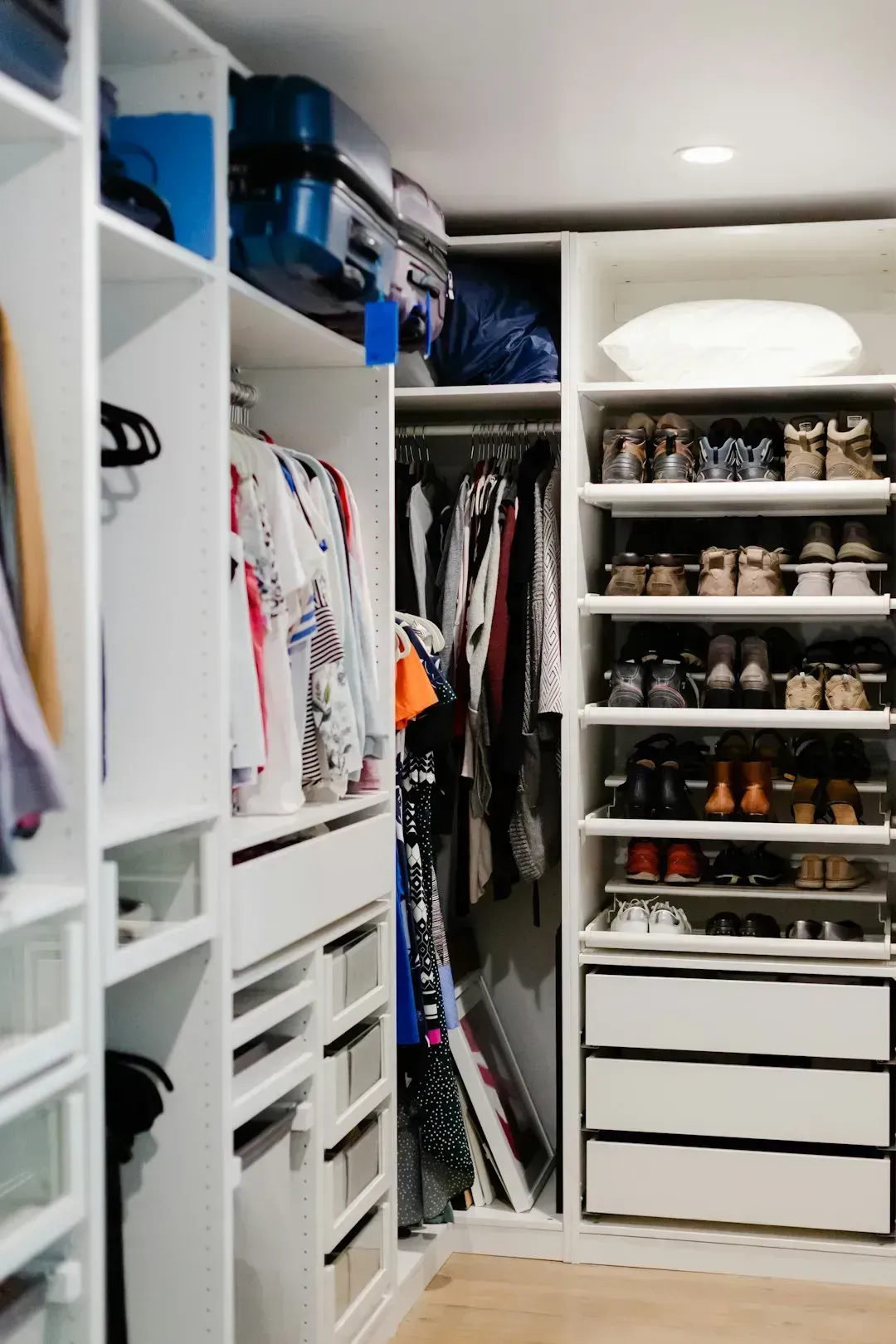
Shelving is cheap to add. Drawers are not. Closet designers consistently point to drawers as the single most expensive component in any system, since each one requires its own box, a finished front, and a pair of slides. The two variables that swing a quote hardest are drawers and finished ends, since drawers are the most expensive linear foot in any closet, each one being a box, a front, and a pair of slides.
That explains why closets with banks of drawers, especially ones lined with felt or velvet for jewelry and accessories, tend to sit near the top of the pricing scale. A closet with mostly open shelving and hanging rods can look nearly as attractive for a fraction of the cost, but it will not have the same drawer capacity or the tailored organization that drives many buyers toward the luxury tier in the first place.
Lighting, glass, and hardware add up fast
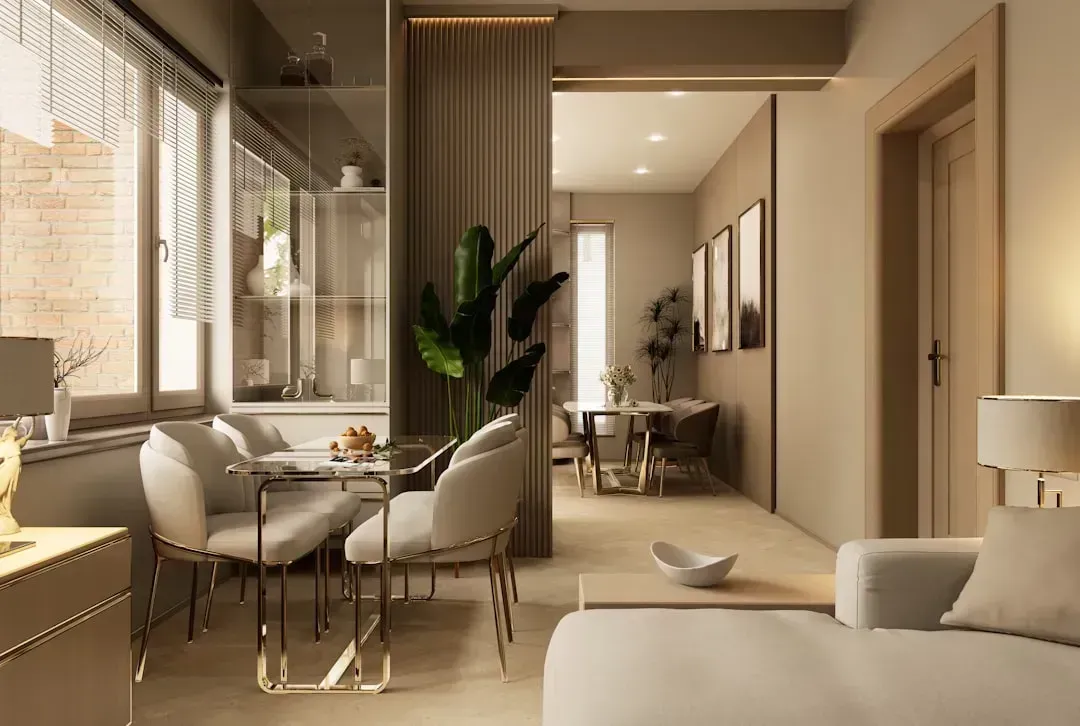
Beyond drawers, the smaller upgrades are where a project’s final number can creep upward without anyone quite noticing. Integrated lighting, glass-front cabinet doors, and premium hardware finishes are consistently listed among the features that separate mid-range closets from high-end ones. Premium materials like glass, metal, and upgraded laminate finishes, along with built-in lighting, soft-close drawers, integrated power, and specialty accessories, define the luxury tier.
None of these features is expensive in isolation. Stacked together across a full walk-in closet, though, they can push a project from a comfortable mid-range quote into five figure territory. A designer adding LED strips under every shelf, glass fronts on a dozen cabinet doors, and brass pulls throughout is essentially adding several smaller luxury upgrades that compound into one large bill.
How the big national brands compare
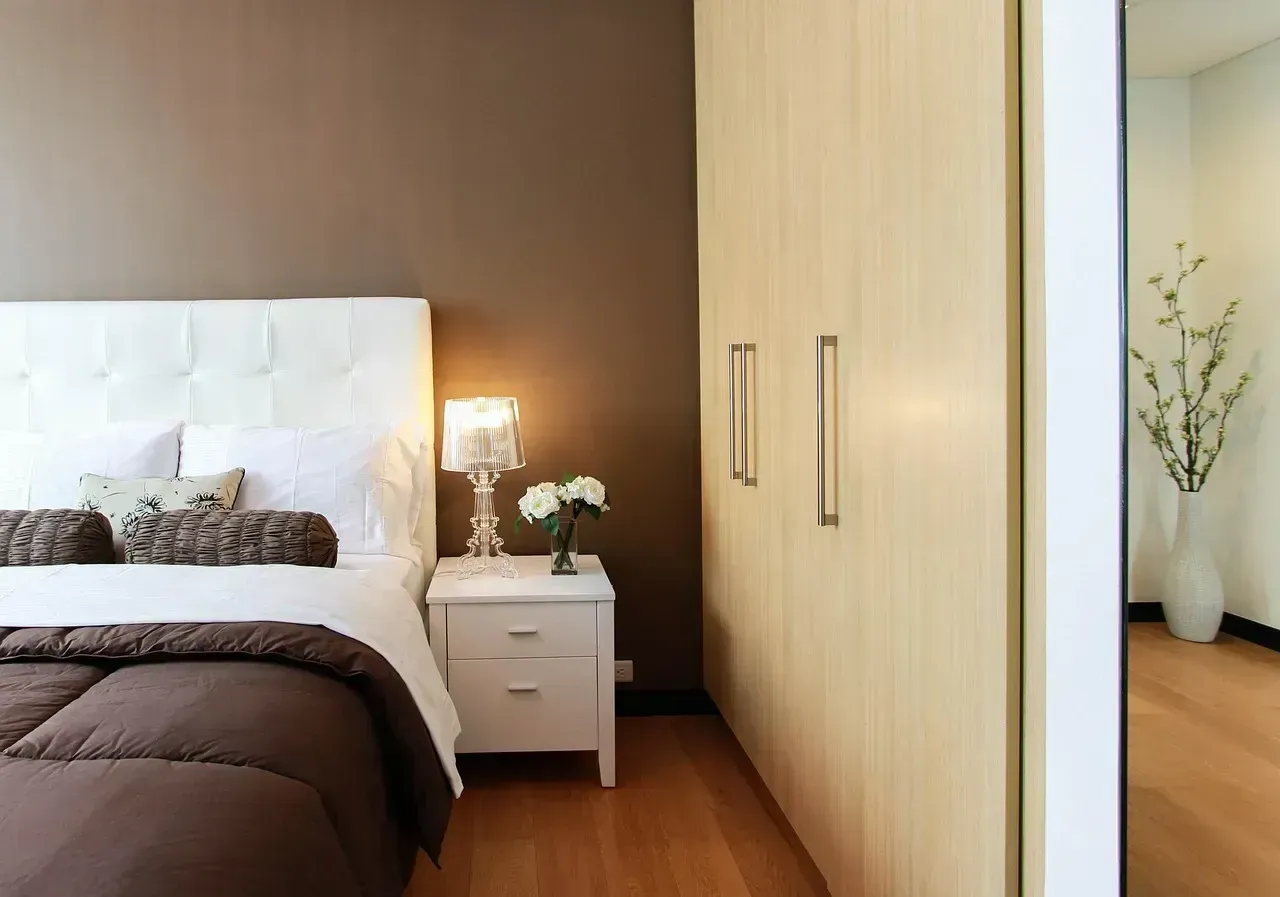
Established players in the space show just how wide the spread can be even within a single company’s offerings. High-end brands like California Closets can run anywhere from $175 to over $1,800 per linear foot, with total project costs starting around $1,000 and soaring past $11,000 for top-tier designs and installations. Home improvement chains occupy a similar but slightly different lane.
The Home Depot’s closet offerings often start around $1,500 and can go up to $20,000 for complex designs with premium materials. Closet Factory, another major national installer, shows the same pattern at a slightly lower ceiling: basic reach-in closets typically start around $800, while fully customized walk-in closets can exceed $15,000 or more. The $15,000 figure keeps reappearing across brands, which suggests it functions as a real inflection point in the market rather than a one-off number from a single company.
European cabinetry brands are pulling the ceiling higher
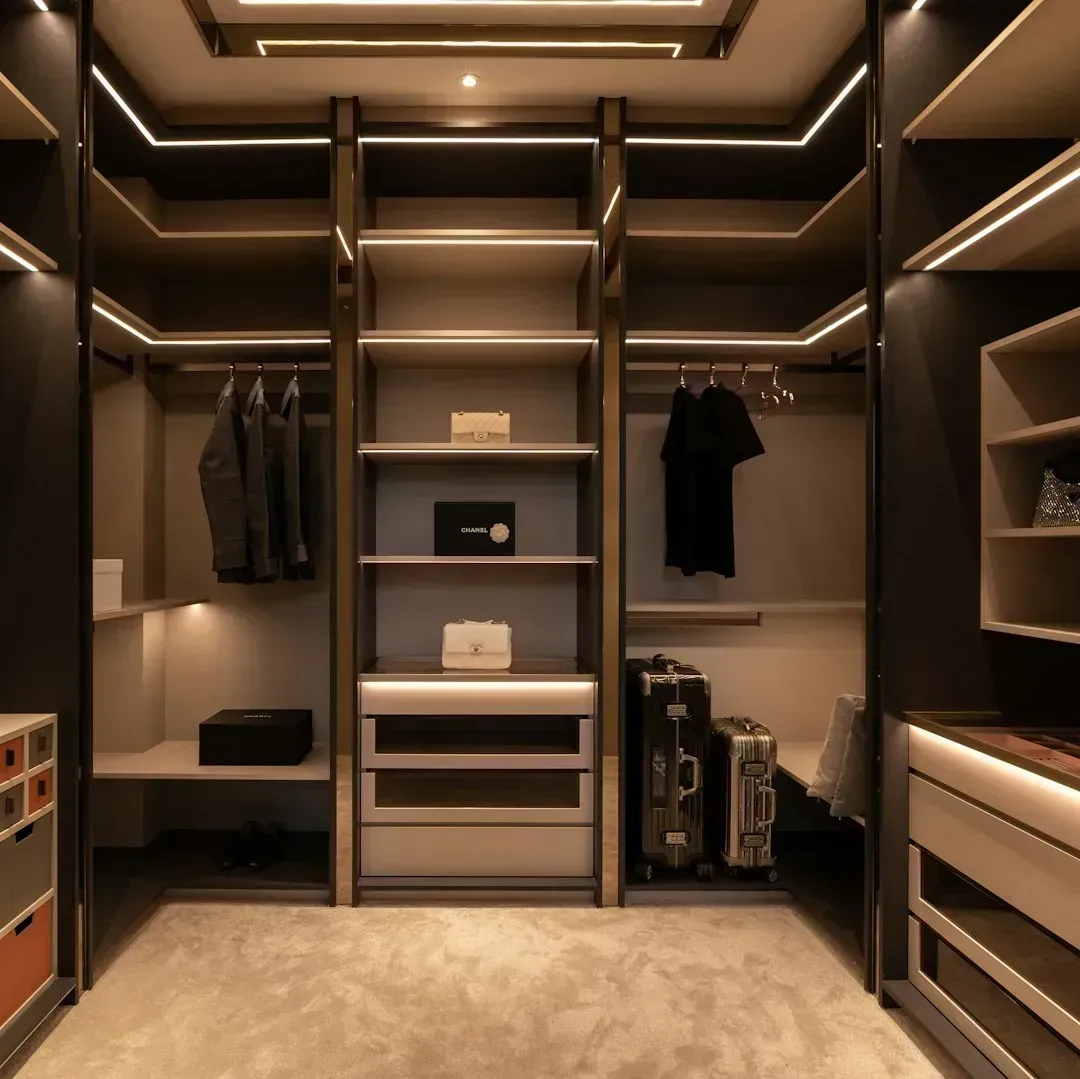
Part of what is pushing category pricing upward is the arrival of European-style luxury cabinetry firms into the residential closet space, particularly in dense urban markets. These companies typically position closets as an extension of interior design rather than a standalone storage project. One such firm has been creating luxury closets for city homes for more than 25 years, built around the idea that urban living demands solutions that work long-term despite limited space.
Firms in this category often quote toward the higher end of the range from the start, since their systems are built more like furniture than like modular cabinetry. Industry commentary warns against overspending simply because the word luxury appears on a proposal, noting that spending $25,000 on the assumption that the label alone guarantees value is a common mistake. The presence of these brands in more markets is one reason the top of the pricing range keeps expanding.
The build versus buy debate gets sharper at this price point
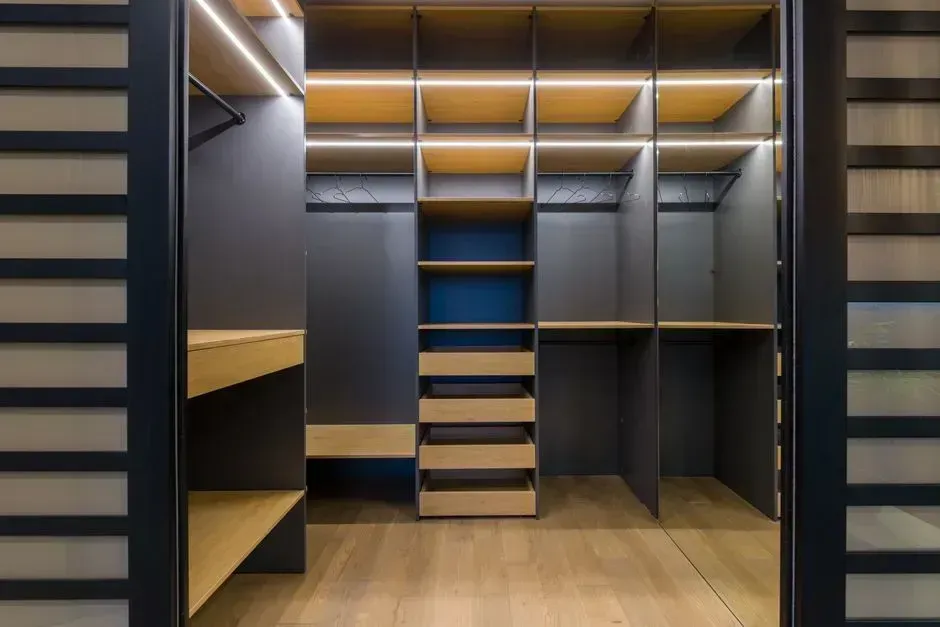
As quotes climb toward $15,000, more homeowners start weighing a fully custom build against a high-quality modular system installed by a professional. The tradeoff is fairly consistent across the industry. Buying a high-quality modular system and hiring a professional just for installation lets homeowners get a custom-closet feel without the full custom-closet price tag.
The catch is fit. Modular systems are built in fixed widths, which means gaps or overlaps in a way a fully custom build avoids. Kits come in fixed widths, so buyers either leave dead space at the ends or overlap sections, and in a small reach-in the four to eight inches a kit wastes is a meaningful share of total storage. At the high end of the market, that inch or two of wasted space is exactly what a $15,000 custom build is designed to eliminate.
Timeline and complexity climb right alongside the price
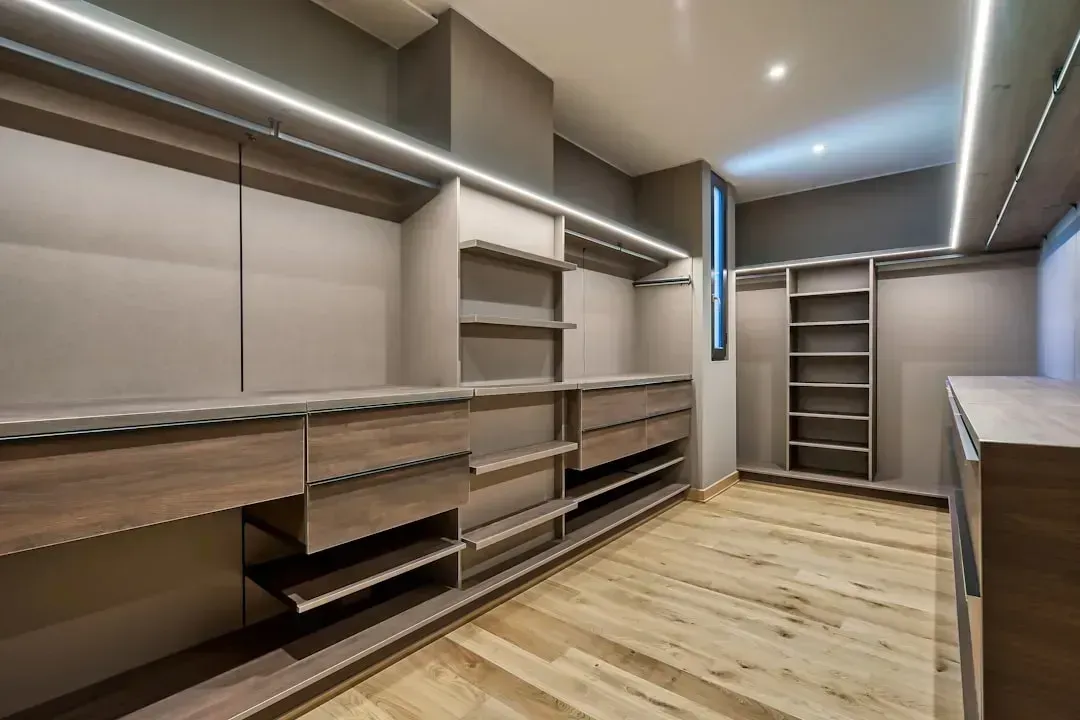
A five figure closet is not something that gets installed overnight. Projects at this scale typically involve a longer design and fabrication process than a simple shelving swap. A full custom closet project typically takes four to eight weeks total, with design and measuring taking a week or two, fabrication running three to six weeks depending on the tier, and installation taking one to three days.
Complexity in the room itself adds time and cost too. Sloped ceilings, awkward corners, or unusual angles all slow down both fabrication and installation, and labor costs often rise as a result. Closets with weird angles or unused corners can see labor costs jump by roughly 15 to 20 percent to deal with the extra complexity. For a project already flirting with $15,000, that kind of increase is not trivial.
Whether the top tier is actually worth the money
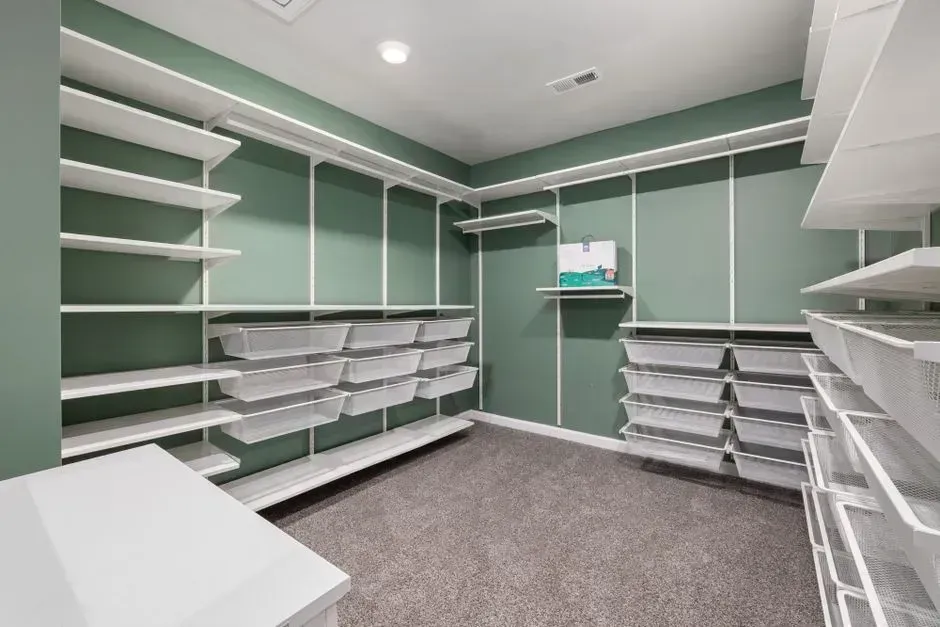
The honest answer, according to people who design these systems for a living, is that it depends entirely on the problem being solved. A well-built system genuinely changes how a space functions. Custom closet systems are worth it when the issue is a lack of space rather than a lack of storage, since a well-designed system routinely doubles the usable capacity of the same square footage.
Where the math stops working is when the real issue is volume of belongings rather than layout. Where custom closets stop being worth it is when the real problem is volume of stuff rather than layout, since no system fixes that, and a good designer should say so before taking a deposit. That caution applies just as much at the $15,000 tier as it does at the $2,000 tier. More drawers and better lighting cannot compensate for simply owning more than a space can reasonably hold.
The takeaway
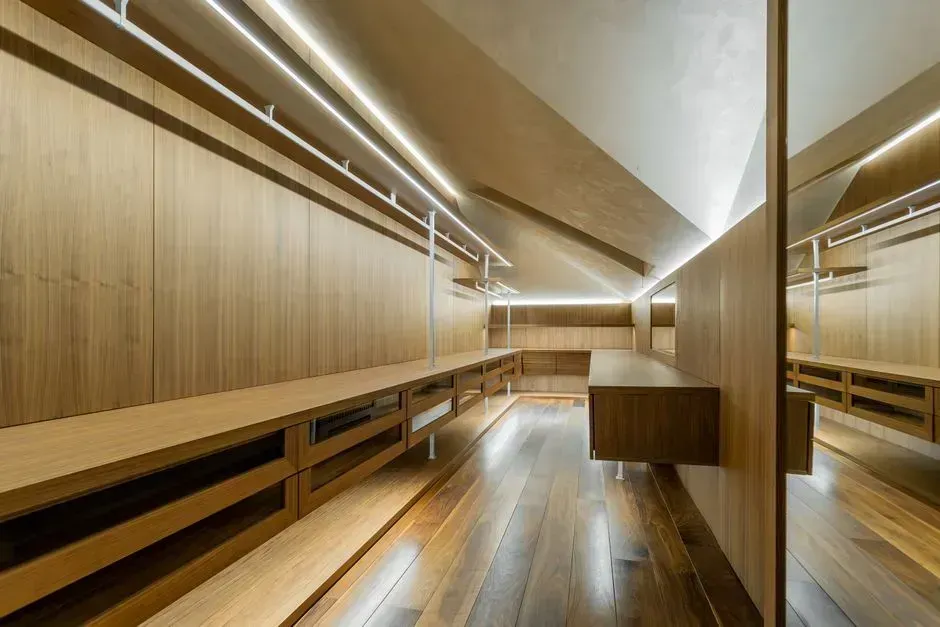
The custom closet market has quietly split into two very different businesses operating under one label. On one side sits the modular, big-box world where a few hundred dollars still buys a functional upgrade. On the other sits a genuine luxury goods category, where materials, drawer count, lighting, and brand positioning can push a single closet past the price of a family vacation.
Fifteen thousand dollars is no longer a shocking number in that world. It is closer to the price where furniture-grade cabinetry, integrated lighting, and true bespoke design start to feel standard rather than exceptional. As more brands, including European cabinetry firms, compete for buyers who see a closet as a room rather than a box, that ceiling seems likely to keep drifting upward rather than settling in place.





Leave a Reply