
There’s a reason casseroles have never really gone out of style. They feed a crowd without drama, they reheat beautifully, and they fill the kitchen with a smell that makes everyone drift toward the oven. More practically, they’re one of the most efficient ways to turn a modest grocery haul into something that genuinely satisfies.
The secret grandmothers understood long before “budget cooking” became a hashtag is that the right pantry staples, layered together and baked low and slow, don’t just fill bellies. They create something that tastes like effort, warmth, and care, even when the total cost is surprisingly small. Here are ten ingredients that do exactly that.
1. Condensed Cream of Mushroom Soup: The Great Equalizer

Cream of mushroom soup is one of the most widely used base ingredients in casseroles and comfort foods, functioning much like a mushroom-flavored gravy. Its ability to bind, thicken, and add savory depth to almost any combination of ingredients is genuinely remarkable for the price of a single can. It has even been described as “America’s béchamel,” which tells you everything about how essential it’s become in home kitchens.
The Campbell Soup Company began producing its canned Cream of Mushroom Soup in 1934, and home cooks had already been using canned soup as a casserole base before the company started publishing its own recipes in 1941. Nearly a century later, the logic still holds. It enhances flavor, thickens or thins a dish, and makes superb gravy, and because of its high usability, great shelf life, and low price, it remains one of the most practical pantry items around.
2. Egg Noodles: The Sauce-Soaking Workhorse
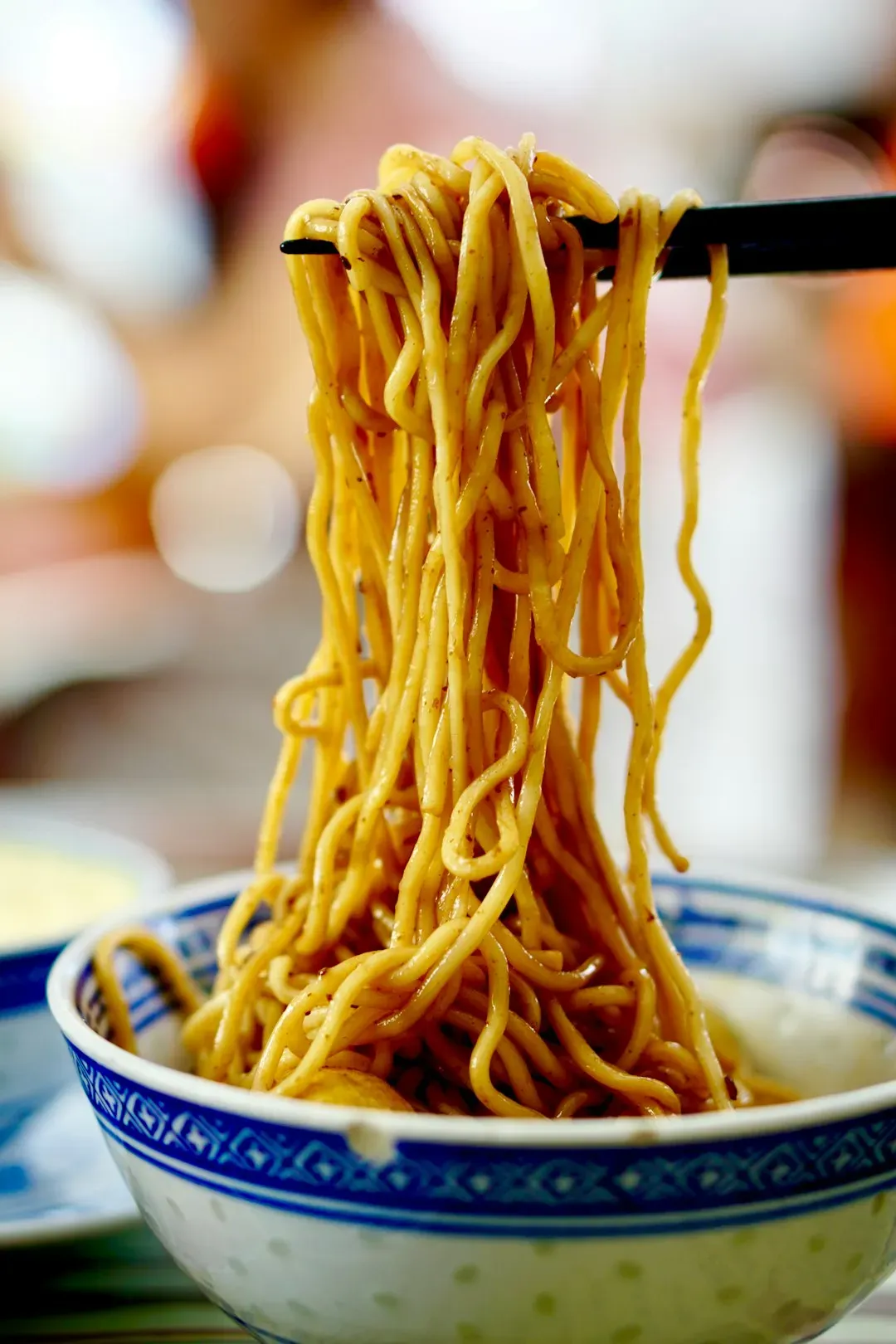
When your pantry holds a bag of egg noodles, you’re already halfway to dinner. This humble staple soaks up sauce and stays tender, whether stirred into beef stroganoff or simmered in chicken soup. Their ribbon-like shape creates soft pockets that hold onto creamy, brothy, or cheesy sauces in a way that regular pasta sometimes can’t quite manage.
Egg noodle recipes make it easy to stretch whatever’s in the fridge into a satisfying meal, and with their fast cook time, they’re ideal for comforting casserole recipes and stovetop meals. Fresh noodles cook in about three to four minutes, while dried store-bought varieties take five to seven minutes depending on thickness. Either way, the time investment is minimal for the comfort return you get.
3. Ground Beef: Cheap, Versatile, and Reliably Satisfying
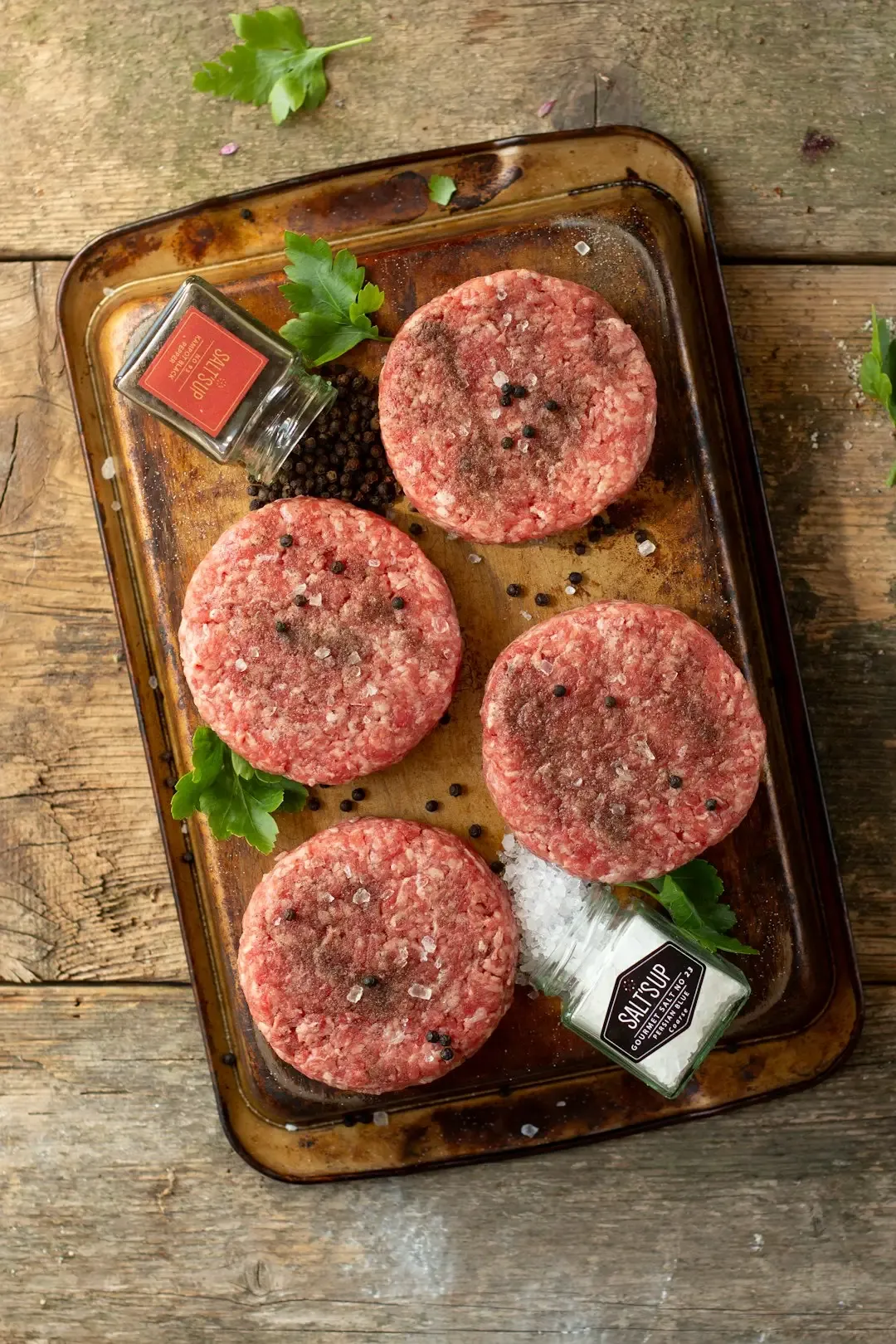
Ground beef is probably the ingredient you can’t screw up, which is what makes it so popular. It’s cheap, easy to cook, and super versatile. You can throw it in a casserole, into a pot of soup, stuff it into tortillas, mix it with pasta, or serve it over rice. Few proteins can claim that kind of range at such a low cost per pound.
For casseroles specifically, an 85/15 blend (lean beef with a modest fat content) browns well, adds richness to sauces, and doesn’t dry out during baking the way leaner cuts sometimes do. Choosing lean meats, such as beef round, is one approach if you’re watching fat intake, but for pure flavor and budget value in a casserole, regular ground beef delivers consistently. It also pairs naturally with almost every other ingredient on this list.
4. Canned Tuna: A Pantry Hero That Earns Its Keep
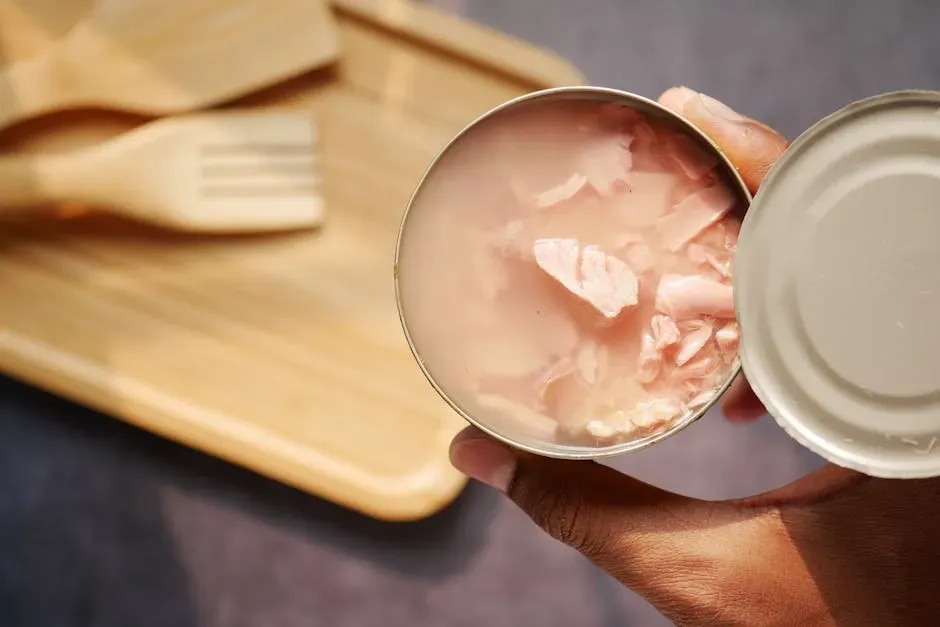
For a budget-friendly source of protein, canned tuna is a genuine winner. You can add it to salads, pasta dishes, or sandwiches for a nutritious boost. In a casserole context, it brings protein and a mild savory flavor that blends seamlessly with creamy sauces and mild vegetables. Tuna noodle casserole is a classic comfort food that is both easy to make and budget-friendly, and it remains one of the most reproduced weeknight dishes in American kitchens for exactly that reason.
This old-school favorite folds classic canned tuna and tender egg noodles into a smooth, savory cream sauce, and crushing salty potato chips across the top gives it a fun, retro crunch that kids consistently enjoy. It relies entirely on handy pantry staples. That combination of accessibility, familiarity, and genuine deliciousness is hard to beat at the price point of a couple of cans.
5. Frozen Vegetables: Nutritious, Affordable, and Ready When You Are
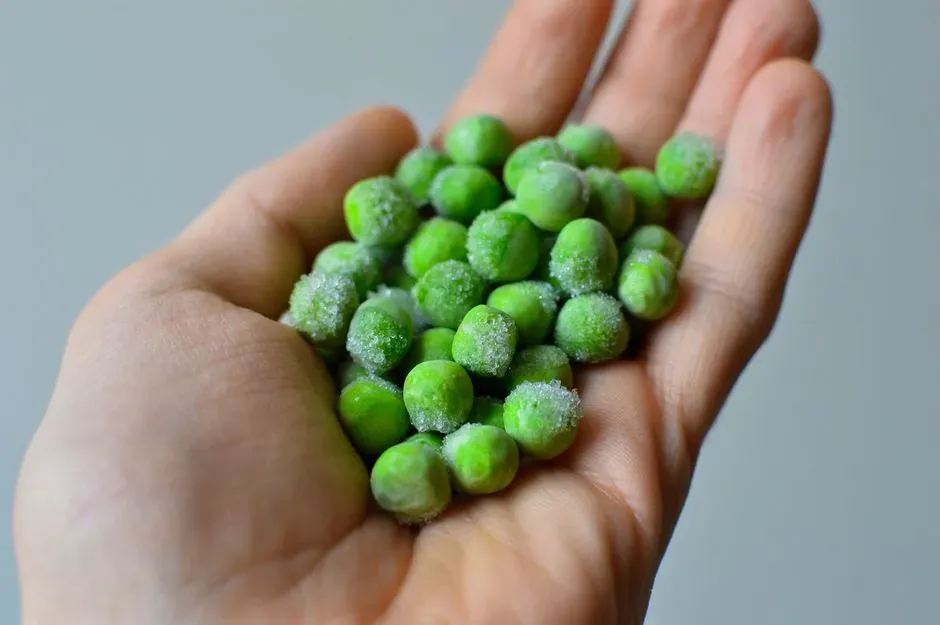
While fresh veggies are fantastic, frozen vegetables are a budget-friendly alternative that’s just as nutritious. Keeping a variety like peas, broccoli, corn, and mixed veggies in your freezer makes them quick and easy meal additions. In a casserole, they’re especially practical because they don’t need to be pre-cooked, they release moisture during baking that enriches the sauce, and they hold their texture reasonably well under heat.
Canned options like diced tomatoes, corn, and green beans serve a similar purpose and are convenient for soups, stews, and casseroles, often retaining their nutritional value. Between frozen and canned vegetables, you’ve effectively got a full produce section available year-round without worrying about spoilage. That’s the kind of practical logic grandmothers built their kitchens around.
6. Long-Grain White Rice: The Humble Foundation
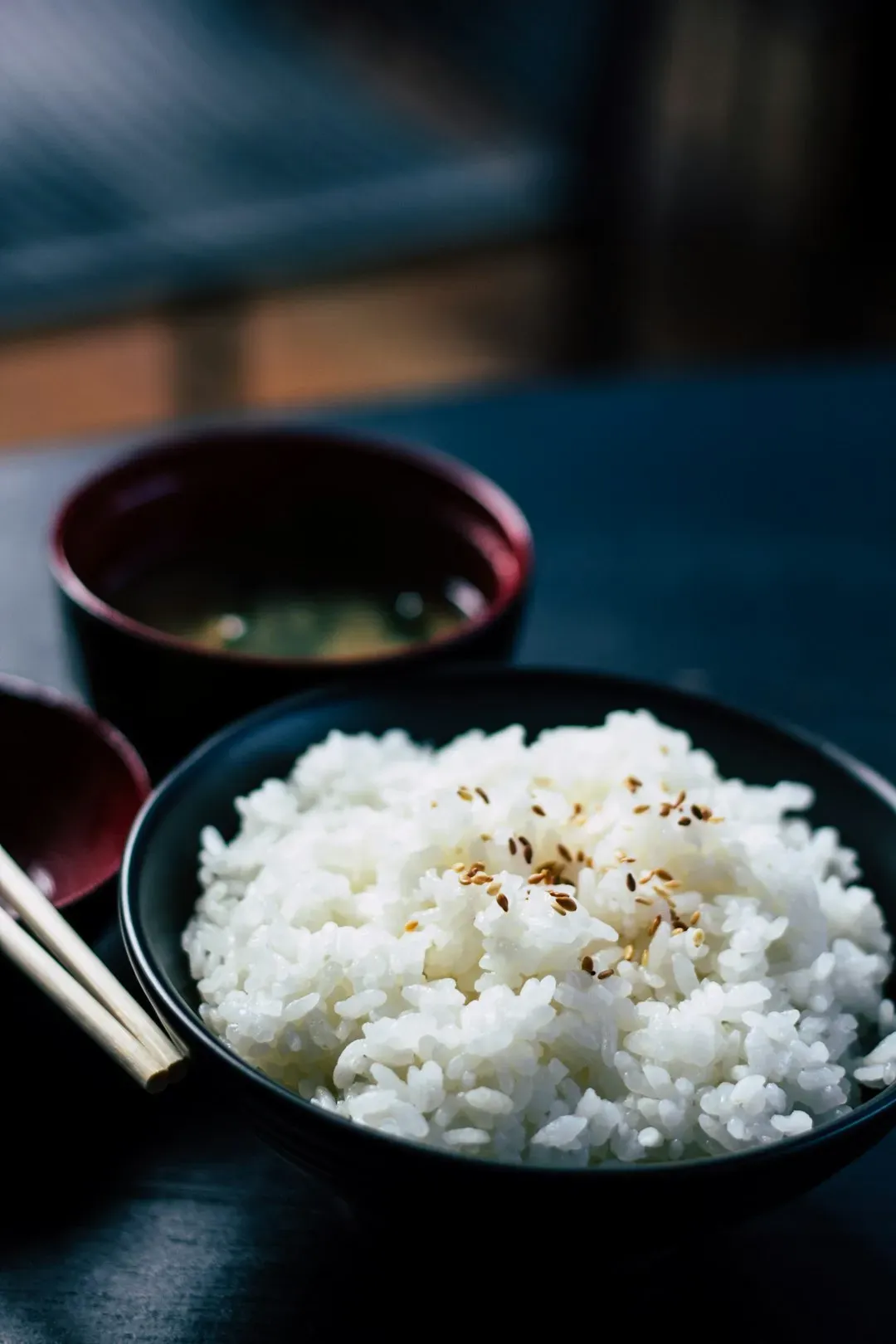
Rice is a timeless staple that is incredibly versatile. It works as a base for a quick stir-fry, as a side to stretch a meal, or in a hearty rice and beans main dish. Inside a casserole, it absorbs surrounding flavors as it bakes, taking on the character of whatever liquid and seasoning surrounds it. That quality makes it one of the most satisfying budget ingredients available.
A chicken and rice casserole is a comfort food classic made from scratch with chicken, cheese, vegetables, and rice. The dish becomes even more budget-friendly when you swap in chicken thighs, which stay tender and add great flavor. Rice also scales effortlessly. Double it, and you’ve doubled the servings without doubling the cost in any meaningful way. That math is what made it a staple for feeding large families across generations.
7. Shredded Cheddar Cheese: The Golden Topper That Ties Everything Together
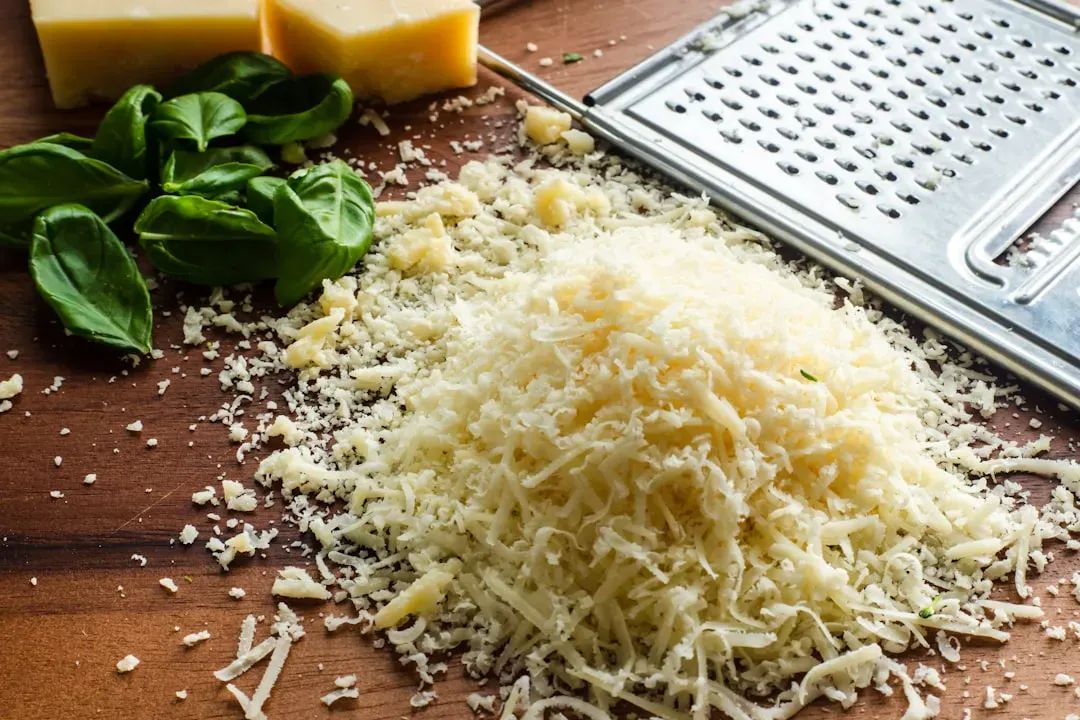
Cheddar cheese earns its place in virtually every budget casserole list not through novelty but through sheer reliability. It melts evenly, browns into a satisfying crust, and adds the savory, creamy note that makes a baked dish feel complete. Healthy cooking doesn’t always mean using low-fat products. Full-fat cheddar in an easy-to-make casserole can be so satisfying that a little goes a long way.
Cheddar works as a melty, gooey topping that, when baked until bubbling and slightly browned at the edges, transforms a simple mixture of pantry staples into something that looks and tastes far more substantial than its ingredient list might suggest. Buying a block and shredding it yourself is consistently cheaper per ounce than pre-shredded bags, and it melts more smoothly since it lacks the anti-caking agents that can make packaged shreds slightly grainy.
8. Chicken Thighs: The Cut That Actually Wants to Be Baked

Certain cuts are easy on the budget, such as drumsticks or thighs, making chicken casseroles a great way to keep weeknight meals both exciting and affordable. Thighs in particular are well-suited to casserole baking because their higher fat content keeps the meat moist even after extended oven time, something that chicken breasts often struggle with unless carefully timed.
Bone-in thighs are typically the cheapest option and can be nestled directly into a rice or vegetable mixture to bake together, requiring almost no prep. A casserole prepared this way is not only easy to make but also a great way to use up leftover chicken. The resulting dish, with the meat falling from the bone into a savory, starchy base, is precisely the kind of food that sticks with people as a warm childhood memory.
9. Potatoes: Filling, Flexible, and Almost Free
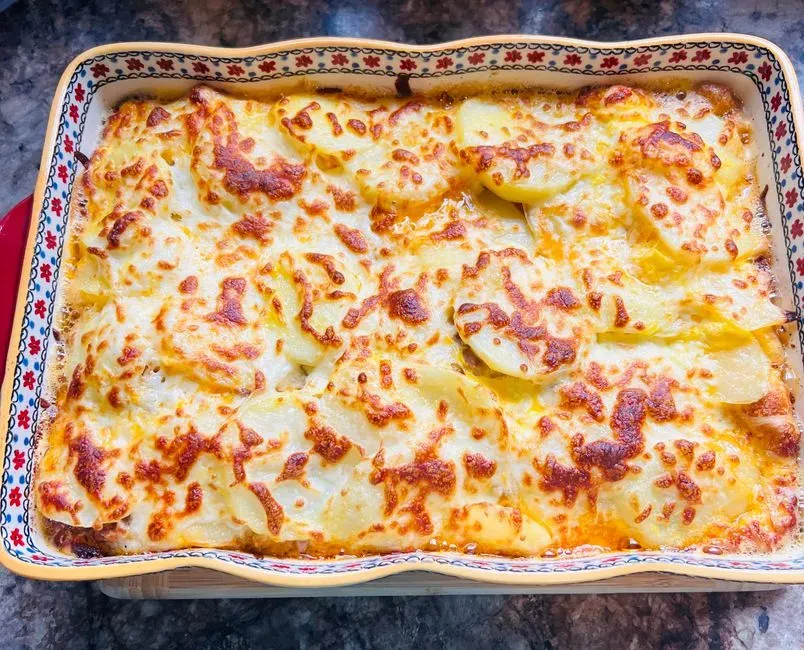
Potatoes are one of the most calorie-efficient and cost-effective foods available, and they’ve been the backbone of countless casserole traditions across cultures. An egg and potato casserole packs a notable nutritional punch, with potatoes contributing potassium, vitamin C, and complex carbohydrates for sustained energy. In casserole form, they absorb fats and broths during baking, becoming tender and richly flavored throughout.
Shredded potatoes and tender chicken chunks mixed with a rich, creamy sauce inside one baking dish, baked until the edges turn golden brown, create a highly satisfying weeknight option at a very low cost. Frozen hash browns, meanwhile, skip peeling and grating entirely. There’s no need to peel, slice, or layer potatoes when frozen shredded hash browns make prep quick and easy. That shortcut alone makes the difference between a dish you’ll actually cook on a Tuesday and one you’ll keep putting off.
10. Dried Herbs and Spices: Where Flavor Costs Almost Nothing
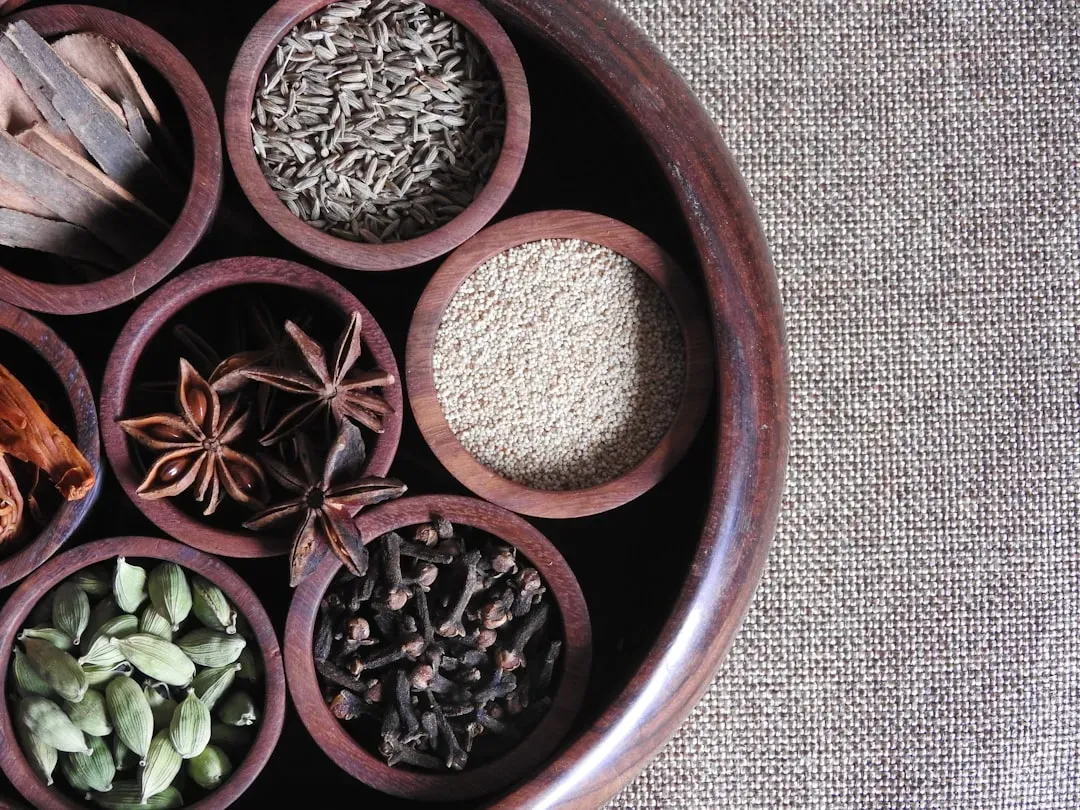
Don’t underestimate the power of spices and herbs. They can transform even the simplest ingredients into something extraordinary. Stocking up on basics like salt, pepper, paprika, oregano, and cumin creates a foundational seasoning toolkit. In a casserole, dried herbs do something particularly useful: they bloom slowly during baking, releasing their oils into the surrounding sauce and creating a depth of flavor that fresh herbs sometimes can’t fully replicate in a long-bake context.
Having a good selection of spices and herbs allows you to make your own seasoning mixes, which is generally less expensive than buying pre-blended packets. Garlic powder, onion powder, thyme, and smoked paprika are four that consistently punch above their weight in baked dishes. A pantry stocked with a handful of these can make the same core casserole feel like a completely different meal depending on which direction you take the seasoning, which is an old trick but still a very good one.




Leave a Reply