
There’s something almost theatrical about a grocery store bakery. The warm smell that drifts through the front doors, the neatly arranged pastries under soft lighting, the hand-written signs promising “baked fresh daily.” It feels artisan. It feels personal. The reality, for most major chains, is a good deal more industrial.
While it seems like many grocery stores offer fresh baked goods, most retailers follow the same frozen practices. The items you’re eyeing through that glass case very likely started their journey in a centralized factory, were flash-frozen, shipped to your store, and thawed or finished in an oven on-site. That’s not inherently wrong, but it’s worth knowing what you’re actually buying.
Croissants: The Flaky Fraud
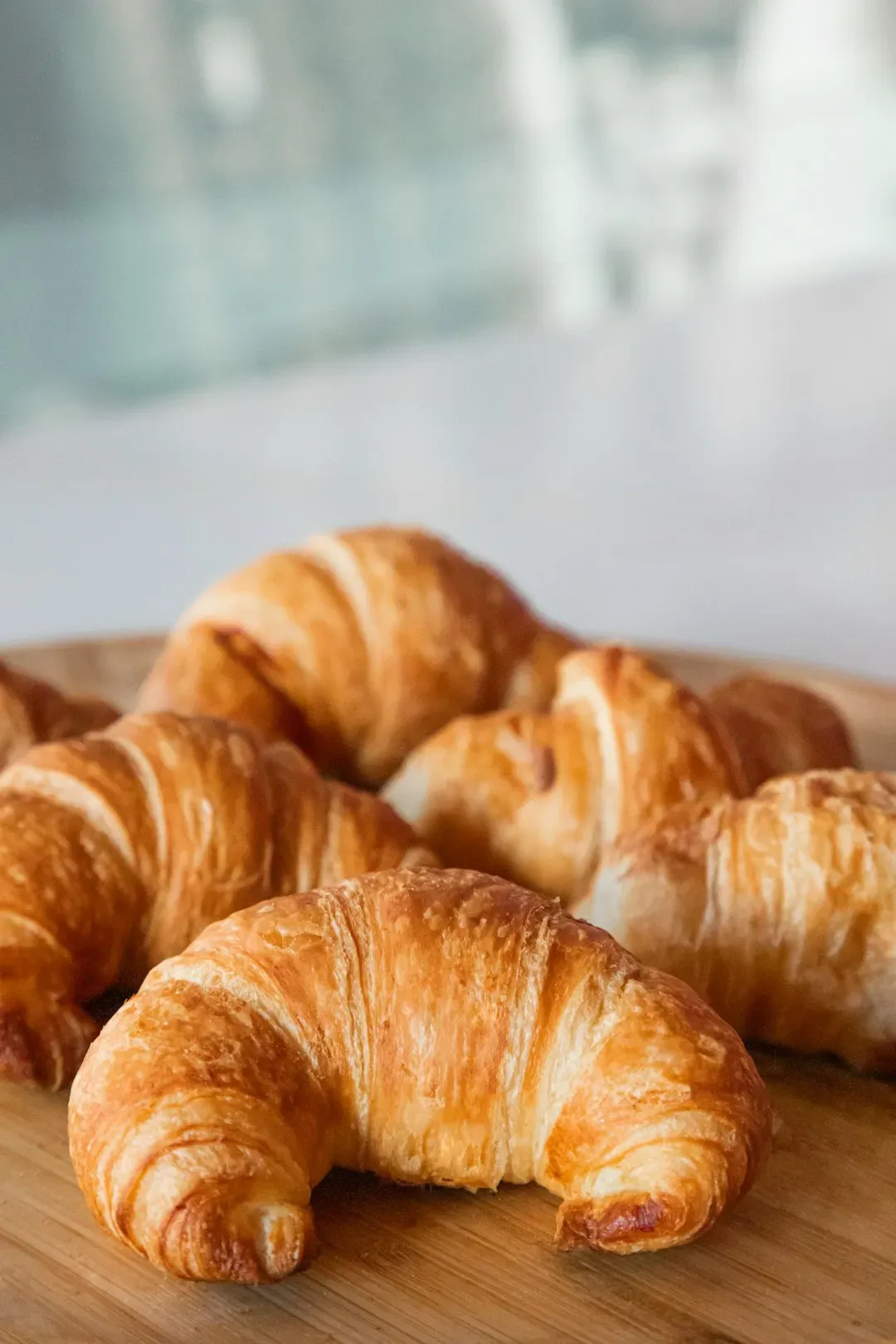
Few things look more labor-intensive than a proper croissant. All those golden, laminated layers suggest hours of skilled work. At your local grocery store bakery, the reality is far more streamlined. Retailers increasingly rely on par-baked and frozen dough formats to offer fresh-from-the-oven aromas without the need for on-site master bakers.
Danish pastries, buns, baguettes, and croissants are baked by commissary bakeries and delivered frozen to warehouses, where bakery employees then bake and package them according to the store’s daily needs. That brief blast in the in-store oven isn’t baking from scratch. It’s finishing a product that was made somewhere entirely else. Instead of a light and fluffy croissant, you’re sometimes left with a gritty and hard result, as these items often aren’t of the freshest quality due to being made with frozen components or shipped and stored while frozen.
Birthday Cakes: A Frozen Celebration
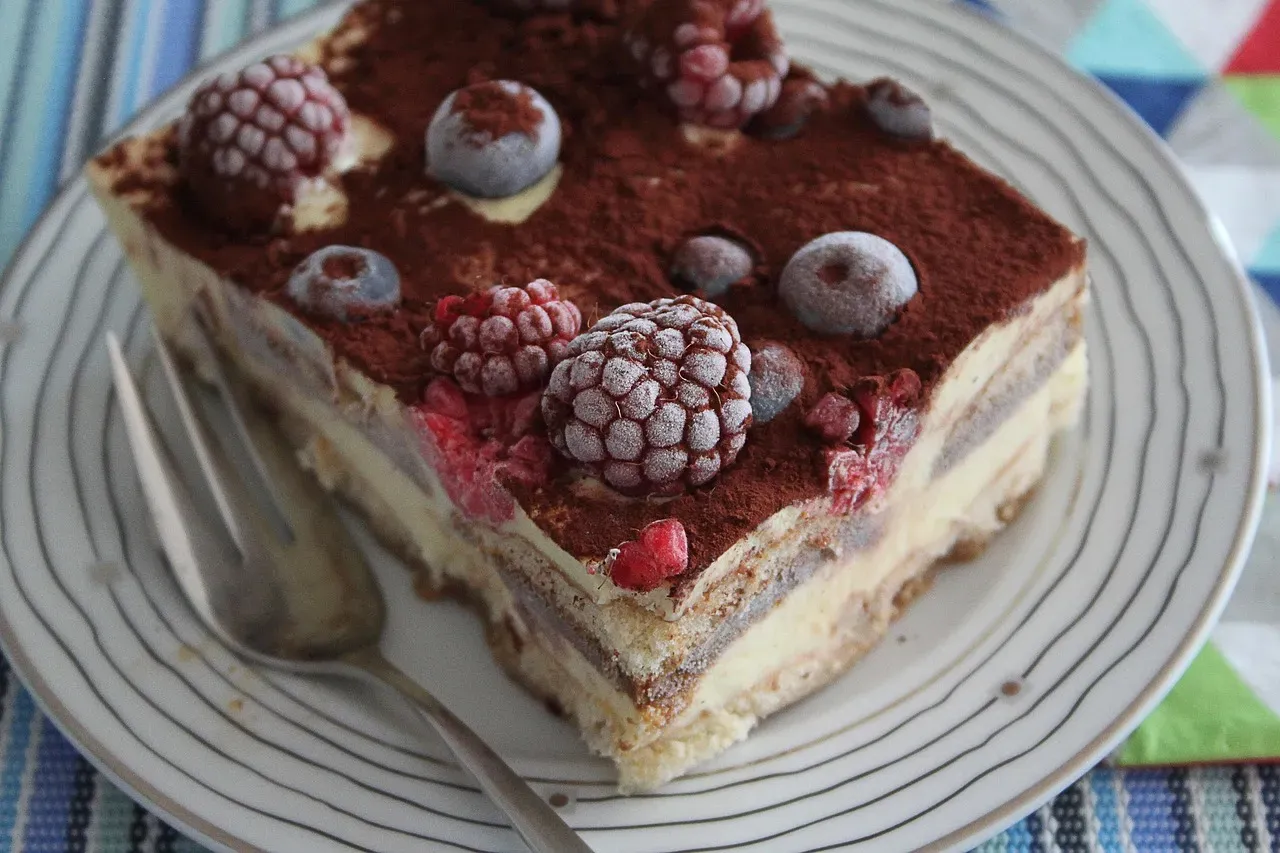
The birthday cake sitting behind the bakery counter with its piped rosettes and personalized message probably wasn’t assembled that morning. Many desserts such as sheet cakes, pastries, and even breads are made with frozen dough and other frozen ingredients because it’s cheaper. The cake layers themselves are often produced off-site, frozen, shipped, then decorated in-store.
Once a cake thaws, it’s likely to be dry and flavorless. The plastic container it comes in doesn’t prevent air from seeping in and infiltrating the crumb, resulting in a stale taste and dried-out consistency. The frosting might be fresh, but the base underneath it has often had a long, cold journey. Circulating cold air can cause the moisture in the cake to form ice crystals, which renders a freezer-burned taste and soggy texture.
Muffins: Big, Fluffy, and Pre-Made
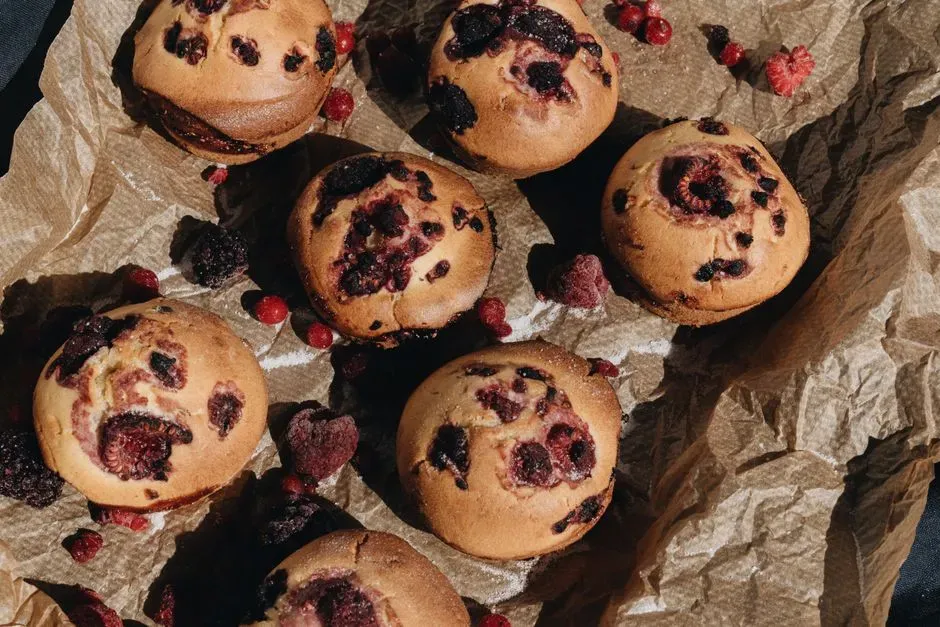
Grocery store muffins are one of the most convincing-looking items in any bakery case. They’re enormous, golden-topped, and smell like they were just pulled from the oven. Starting with frozen bakery products rather than making every dough, batter, filling, and frosting from scratch cuts down on time and money, especially as cost inflation and supply chain shortages affect the bakery industry.
Freezing is often a way to preserve baked goods, but texture and moisture will end up being sacrificed when freezing a finished product from the start, then thawing it to sit on store shelves for several days. The visual appeal of a large grocery store muffin is real. The “baked fresh this morning” implication that often comes with it is considerably less reliable. A grocery store bakery red flag that you should always watch out for is dull coloring and dry texture on the baked good in question.
Cinnamon Rolls: Gooey on the Outside, Frozen at Heart
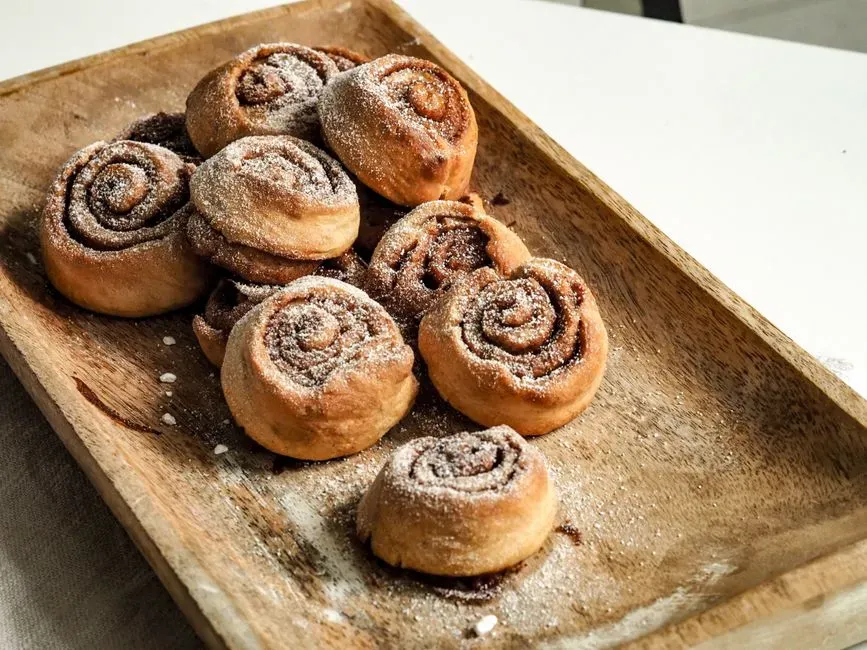
Cinnamon rolls are specifically engineered to look and smell irresistible. That sticky glaze and cinnamon-sugar scent near the bakery section can stop almost anyone in their tracks. Cinnamon rolls are a bakery product you should think twice about buying from the grocery store, as they tend to dry out very quickly, losing their ooey-gooey appeal.
Frozen bakery products can cost much less than purchasing individual ingredients in bulk, and if a bakery does not use fresh ingredients quickly enough, there is a high possibility of food spoilage and waste. Using frozen dough for cinnamon rolls solves that problem neatly for store operators. While store-bought bakery items can be brought back to life with some moisture and heat, they still won’t be as fresh as you may be expecting.
Cheesecake: The Freezer Is Its Natural Habitat
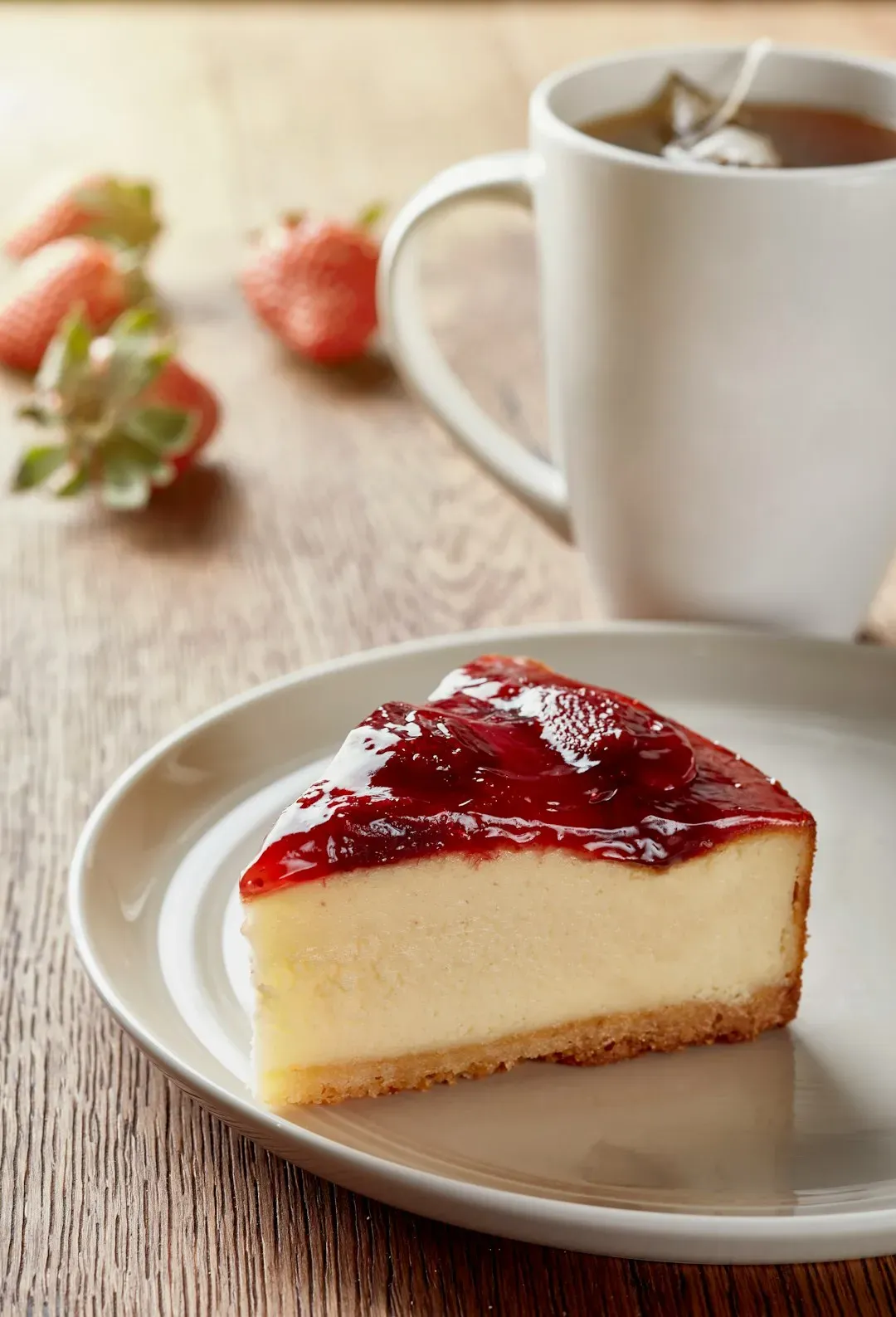
Cheesecake is one of the most openly frozen items in the grocery store bakery world, often sold directly from the freezer case without any pretense. In theory, freezing desserts extends their shelf life and pauses the aging process so that when you defrost them, they’ll taste as fresh as the day they were made. Unfortunately, this isn’t the case with frozen bakery items from the grocery store.
Mass-produced frozen cheesecake brands like Sara Lee come in sealed packs to safeguard against air seepage, but even they aren’t immune. The denser, more forgiving texture of cheesecake means it survives freezing better than most baked goods, but that doesn’t mean it emerges unaffected. Portions displayed at the bakery counter rather than in the freezer aisle have almost certainly already been through that same freeze-thaw cycle before you even pick them up.
Artisan Breads: “Baked Here” Is a Loose Term
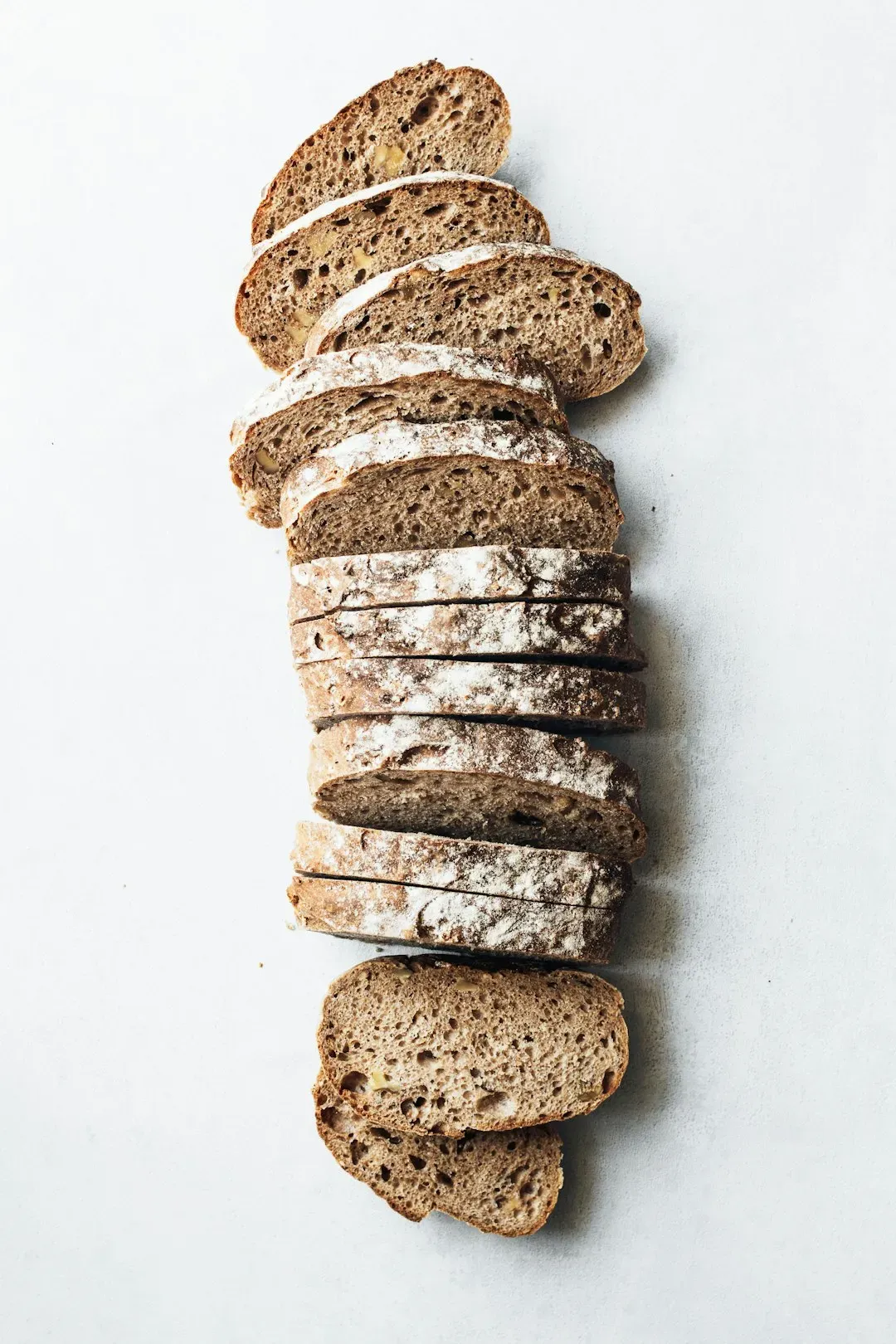
Many large grocers stock frozen bread from artisan bakeries. These loaves are flash-frozen right after baking and shipped to stores, where they’re thawed before being shelved. The word “artisan” on the label above a bakery loaf doesn’t mean someone in the back kneaded it by hand that morning. It increasingly refers to a style of product, not a method of production.
The cold accelerates a process called staling, where starches recrystallize and the crumb turns dry. A loaf that has gone from factory freezer to delivery truck to store freezer to room-temperature shelf has been through this process more than once by the time it reaches your kitchen. There is a distinct move toward artisanal, stone-baked, and sourdough varieties in the frozen segment, with consumers willing to pay a premium for products that tell a story or offer a gourmet experience. The story just isn’t always the one being implied at the bakery counter.
Why the Industry Works This Way
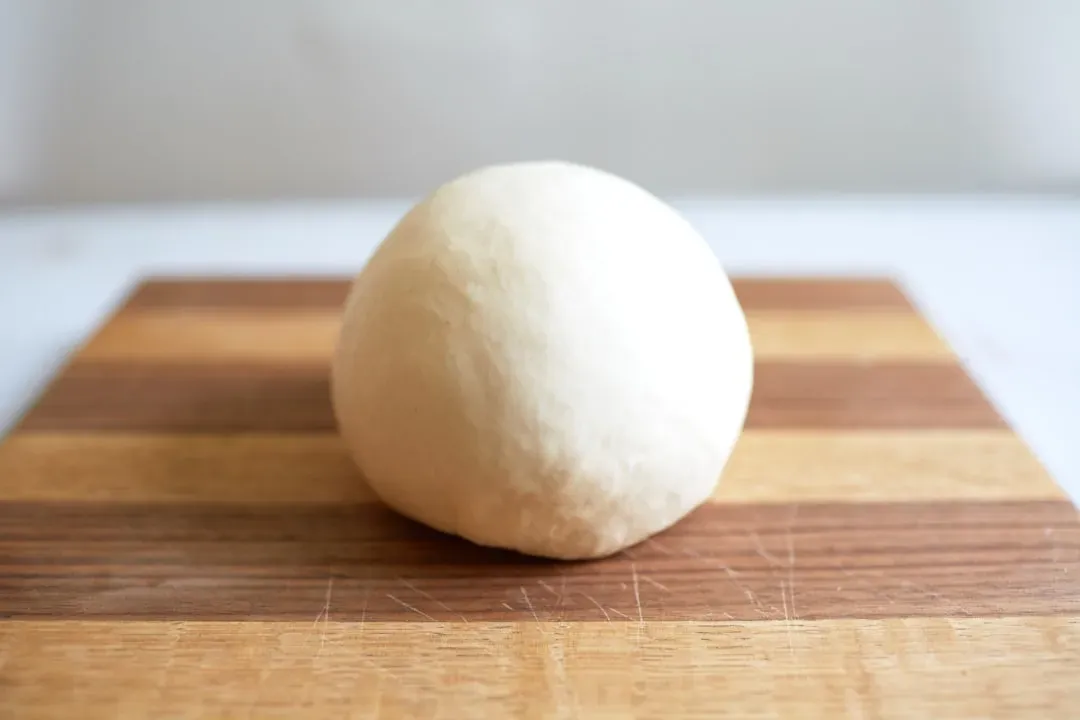
Production scale economics dictate stringent waste reduction, positioning freezer-to-oven formats as vital profitability safeguards for in-store bakery departments. Running a scratch bakery inside a supermarket requires skilled labor, precise timing, and significant ingredient management. Frozen dough and par-baked goods eliminate most of that complexity at a fraction of the cost.
The frozen bakery products market is projected to reach USD 34.61 billion by 2030, up from USD 25.54 billion in 2024, at a CAGR of approximately 5.2% from 2025 to 2030. That growth is driven almost entirely by the foodservice and retail sectors leaning harder into frozen formats. Foodservice adoption has surged, with roughly three out of five quick-service restaurants now utilizing frozen dough or bread to streamline production. Grocery store bakeries are simply part of the same system, just with better display lighting and a warmer smell at the entrance.



Leave a Reply