
Most people who dine out consider themselves perfectly reasonable customers. They say please, they don’t snap their fingers, and they tip somewhere in the range of acceptable. Yet there’s a whole layer of dining behavior that falls into a strange middle ground: habits that aren’t outright rude, but quietly drive servers up the wall every single shift.
Servers are professionals trained to keep smiling through just about anything. That doesn’t mean they aren’t mentally cataloguing your habits from the moment you sit down. Some of the biggest offenders aren’t loud or demanding customers at all. They’re the polite ones, doing things they genuinely believe are considerate, completely unaware that their server just did a slow internal sigh.
1. Ordering “Water with Lemon” for the Whole Table
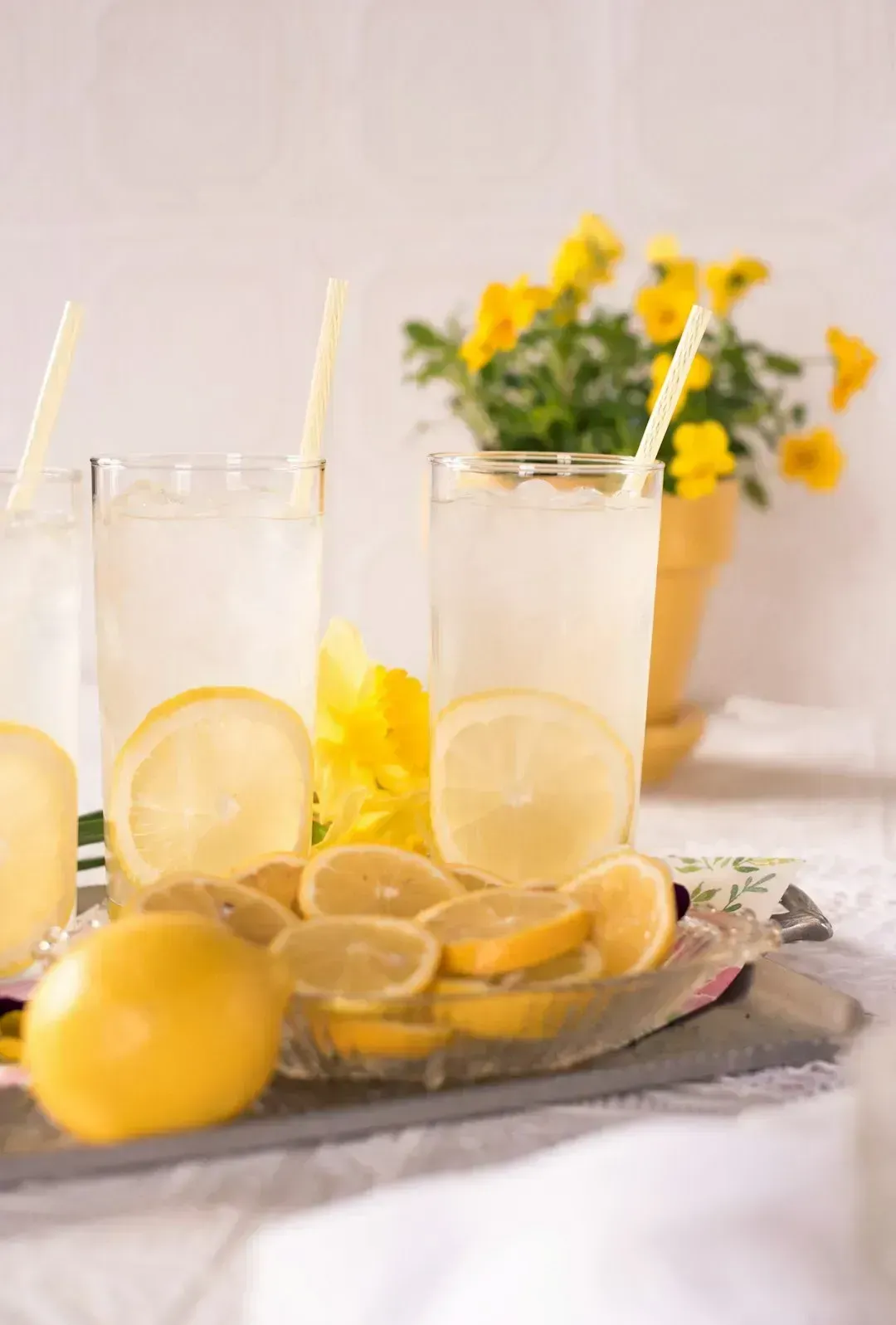
It seems simple enough. Four people, four waters, four lemon wedges. To the person placing the order, it’s a perfectly ordinary request. To the server, it’s a small but real logistical headache, especially during a busy rush when every trip to the kitchen counts.
At restaurants, lemons are often treated like garnish, not food, meaning there’s no standard for cleanliness. They typically arrive in bulk from distributors, usually unwashed. Lemons are often cut and stored with the rind intact, which is where the bulk of contamination lives. Once submerged in water, bacteria can leach into the drink. A Journal of Environmental Health study that tested lemon slices from 21 restaurants found more than half contained microbial growths, including bacteria linked to fecal matter and skin contamination. The lemon wedge habit isn’t just a mild inconvenience for servers. It turns out it isn’t doing the customer many favors either.
2. Peppering the Server with One Request at a Time
It’s called “one-timing.” It happens when a diner calls the server over repeatedly, asking for just one more thing each time: extra napkins, then a side of Ranch, then lemon for the water, then a spoon for the soup, more ice in their drink, and so on. Each individual ask is completely reasonable. The cumulative effect is something else entirely.
Restaurants run on efficiency, timing, and elbow grease, and when a server has eight tables and one of them keeps summoning them like a genie, it throws the whole flow off, especially during peak times. This happens because customers forget to ask for everything they need and the server fails to anticipate their needs. A quick mental inventory before flagging someone down goes a long way.
3. Interrupting the Greeting to Place Your Order
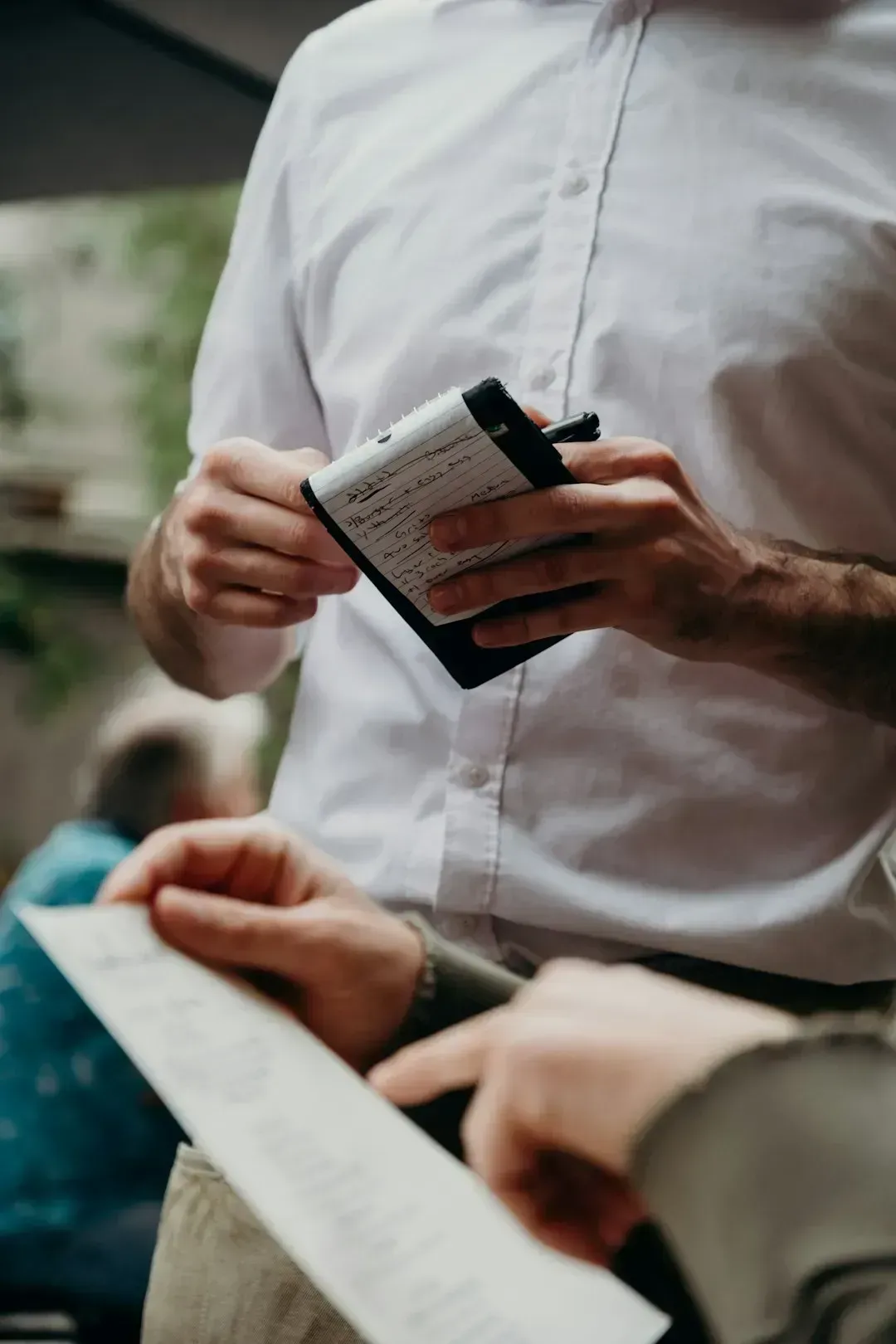
The server comes to the table, welcomes you to the restaurant, and introduces themselves before asking what they can get started for you. Cutting them off to demand food or drinks right away is widely seen as disrespectful. Servers are working hard to serve you, and they don’t feel valued when you interrupt so you can order your Diet Coke.
It’s a few seconds of someone’s practiced introduction, and it usually includes useful information: daily specials, items that are sold out, a drink recommendation. The server comes to the table with a purpose, and having you cut them off before they’ve finished their sentence sends a clear signal about how the rest of the meal is going to go. Most servers won’t say a word. They’ll just smile, take the order, and mentally note it.
4. Stacking Your Plates “to Help”
This one surprises people every time. It feels helpful, even considerate, to pile your dishes neatly at the edge of the table when you’re done. The impulse comes from a good place. The result, though, is usually more work for the person coming to clear.
While it’s an unmistakably nice gesture, it isn’t as helpful as it might seem. Servers have a specific way of stacking dishes so they can carry everything back to the kitchen without spills or struggles. Leaving your plate in place and allowing them to take everyone’s dishes individually is actually the faster option. Customers often mean well when they stack their own plates, but an unstable tower can tumble spectacularly, sending utensils clattering across a table in a way that becomes its own problem to manage.
5. Snapping Fingers or Doing the Big Wave
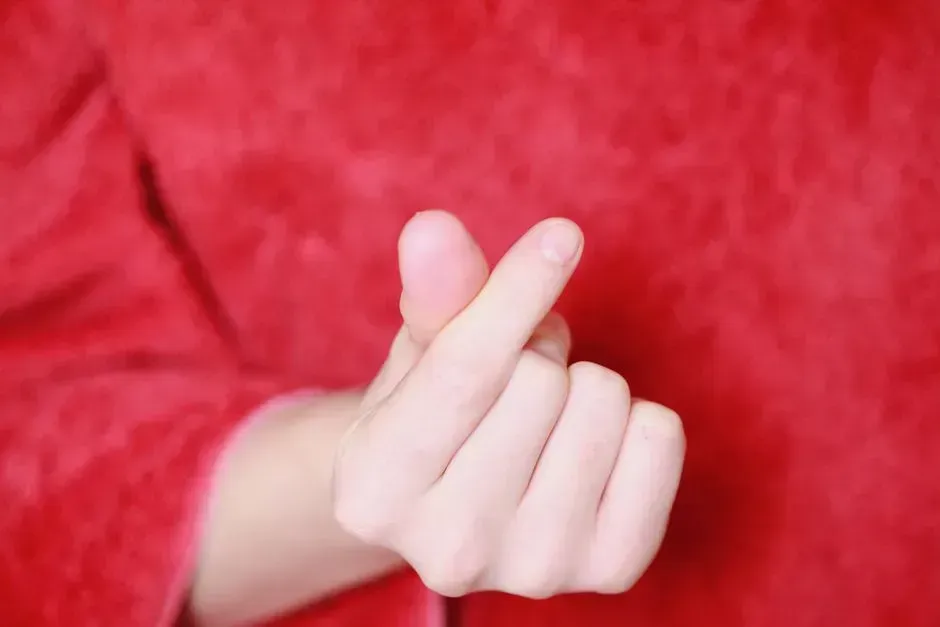
Snapping fingers at a server to get their attention is not only not okay, it’s downright rude. Flailing one’s arms like directing an airplane down a runway is also annoying behavior. Somehow, these two habits survive in the wild despite near-universal server consensus that they’re demeaning. The logic probably goes: “I just need to get their attention quickly.” The problem is the method.
A quick finger snap might feel like an innocent shortcut, but to servers it reads as pure rudeness. A polite wave, eye contact, or simply raising your hand works wonders without any sound effects required. Servers are scanning their sections constantly. A simple nod of the head and eye contact is genuinely all that’s needed if a server is required at the table.
6. Ignoring Your Server When They Approach

Servers and customers talking to each other is part of the way things work in restaurants. Any time a server approaches the table, they’re there for a reason, so it’s worth paying attention when they show up. They’re never there just to say hello; they have a purpose. When a customer doesn’t pause their conversation for even half a minute to find out what the server needs to tell them, it crosses into officially annoying behavior.
This applies doubly to phone calls at the table. Few things are more frustrating than a customer who tries to order while on the phone with someone else, or who gets annoyed that a server is at the table while they’re on a call. If you’re going out to eat, putting the phone away is the considerate move. Stepping outside for a crucial call is always an option, but staying glued to the screen at the table is inconsiderate of both your server and the people you’re dining with.
7. Sitting at the Table Long After Paying the Check
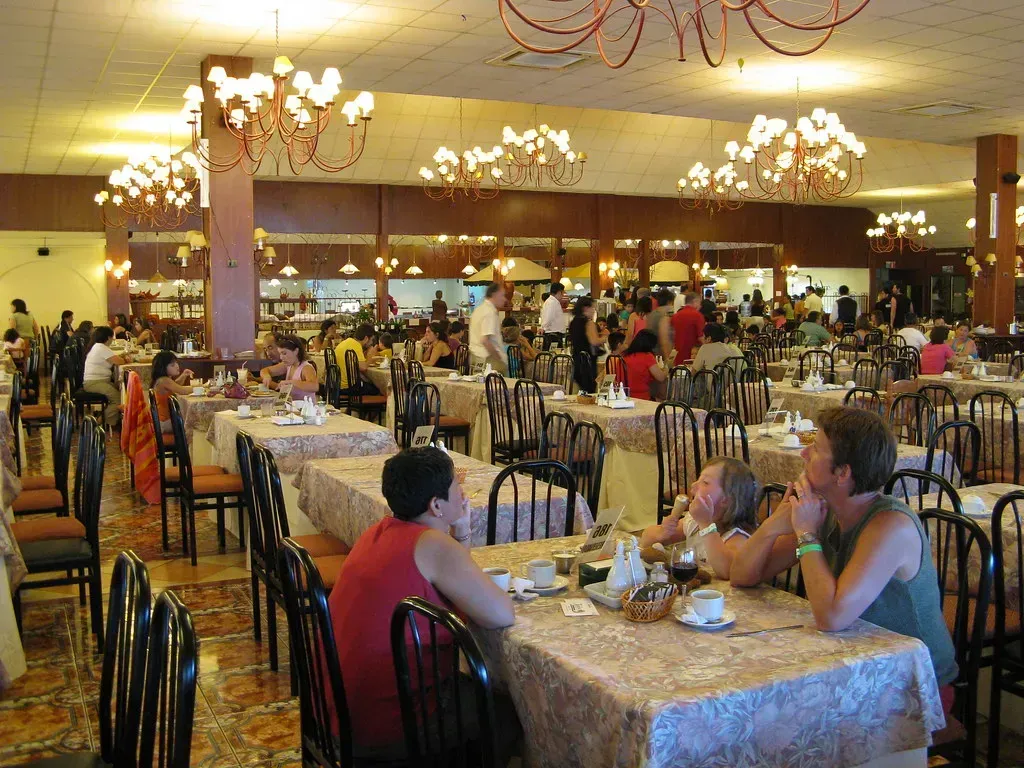
The meal is over, the bill is settled, and the conversation is still going strong. No one’s being loud or unpleasant. Still, hanging out long after you’ve settled up is one of those unintentional restaurant faux pas that quietly drives servers wild. Each table represents potential income for a server, and when you camp out, you’re unknowingly blocking their ability to earn more tips for that shift.
This is especially true during the dinner rush, when every table turn matters. When the dinner rush is winding down and the check is paid, the vibe may be high and the conversation flowing. It can feel totally harmless to linger. The short answer, from a server’s perspective, is that it’s not. Even an extra twenty minutes at a table during peak hours can cost someone a full additional cover and the tip that comes with it.
8. Tipping on the Post-Discount Total
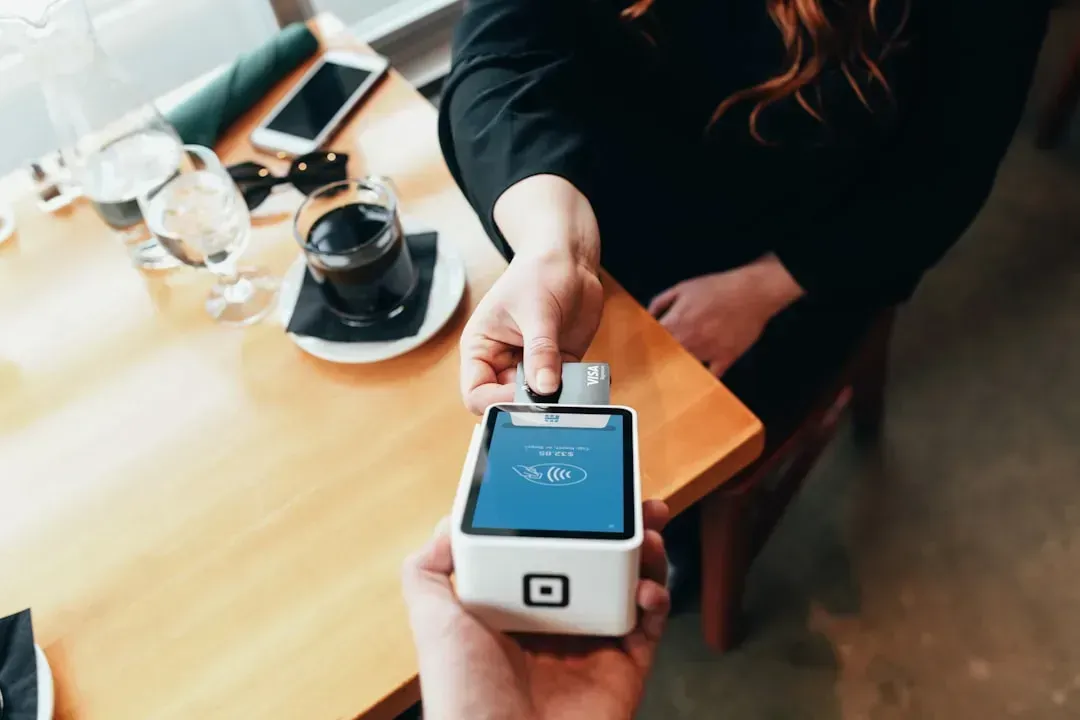
Coupons, gift cards, two-for-one deals: they’re all great tools for stretching a dining budget. The problem shows up at the end of the meal, when some diners calculate the tip based on whatever the discounted total shows on the receipt rather than the original price of what was ordered.
One common trap diners fall into is tipping on the post-discount total. Using a coupon or gift card is great, but the server still worked just as hard before that code got scanned, and the expectation in the U.S. is to tip on the pre-discount amount. In many U.S. states, servers earn as little as $2.13 an hour and rely on tips for the bulk of their income. Skipping a full gratuity after attentive service can feel like a personal slight, even when the customer thinks they’ve done nothing wrong.
9. Letting Kids Run Wild Around Other Tables
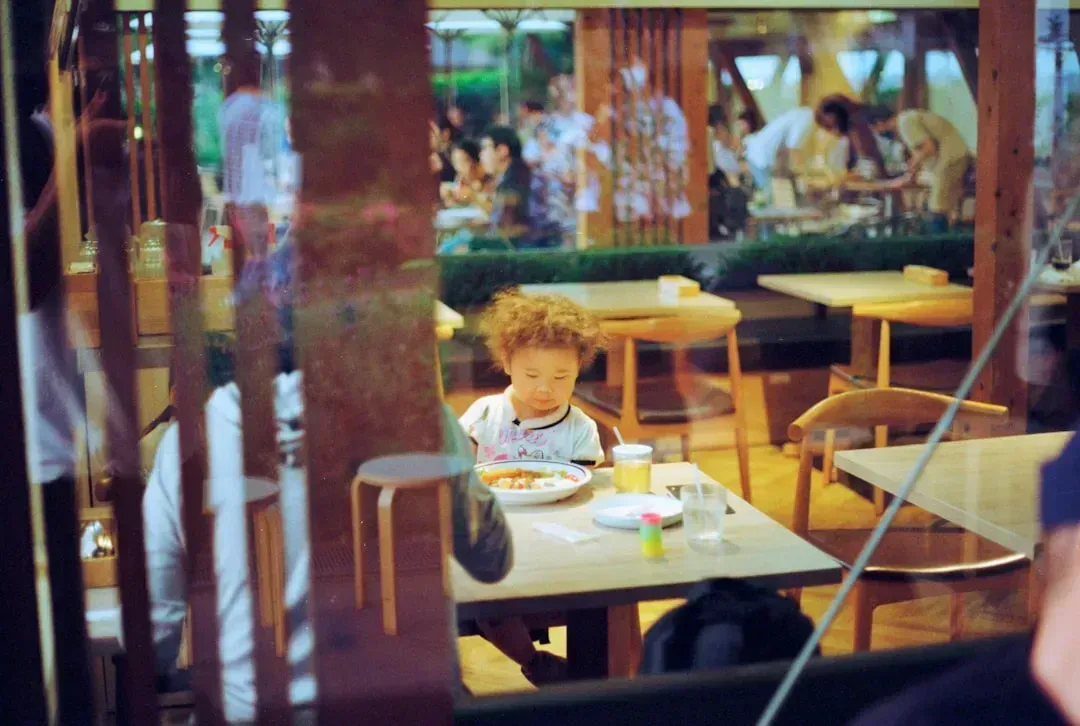
Kids in restaurants can be delightful. Tiny chaos agents using the dining room as a playground are a different matter. Servers are already juggling hot plates, trays of drinks, and unpredictable adults. Dodging unsupervised toddlers shouldn’t be part of the equation. No one expects children to sit perfectly still for an hour, but there’s a real difference between a kid being a kid and a child weaving between servers during the busiest part of service.
Many parents step over the restaurant threshold and seem to forget how to parent altogether. They let their kids run wild, weaving under the legs of servers carrying heavy trays of hot food. Those same kids may grind crackers into the floor and treat the table like a canvas. While cleaning up after customers is part of the job, it doesn’t mean it’s acceptable to let a child make an extraordinary mess. The staff will manage it without complaint. That doesn’t mean they aren’t keeping score.
None of these habits make someone a bad person or even a bad customer. Most of them come from genuine cluelessness rather than entitlement. The thing is, servers notice all of it, remember most of it, and discuss it quietly in the back. A little awareness goes further than any apology after the fact.


Leave a Reply