
There’s a quiet revolution happening among retirees, and it doesn’t involve a lottery win or a tech-startup exit. Retiring abroad has been growing in popularity, with the number of American retirees relocating internationally rising from 500,000 in 2016 to 760,000 by 2024, and the trend shows no sign of slowing. Decent pensions that feel tight back home suddenly go much, much further when you move somewhere with lower costs, better weather, and fewer daily expenses eating at your budget.
The destinations below aren’t exotic guesses. They’re the places where real expats have built real lives on modest incomes, verified repeatedly by data from 2025 and 2026. Each one has its own character, and choosing well depends on your priorities. Still, all nine share a common thread: your money genuinely stretches further here.
1. Portugal: Europe’s Most Attainable Retirement Destination

Portugal keeps leading lists of the best places to retire in the world for good reason. The country ranks 7th as the most peaceful country in the world in the 2025 Global Peace Index, with high societal safety and security, low violent crime, and stable international relations. Those fundamentals matter when you’re choosing somewhere to plant roots permanently.
To qualify for Portugal’s D7 passive income visa, you must show a passive income of $1,000 per month from a pension, rental property, dividends, interest, or royalties. Once settled, a couple can expect to spend roughly €1,900 to €3,200 per month depending on whether they choose Porto or Lisbon. Portugal has a universal healthcare system called the Serviço Nacional de Saúde, and many retirees opt for private plans that cost on average just €400 annually.
2. Panama: The Gold Standard for Retirement Perks

Panama is the frontrunner in the visa and retiree benefits category of global retirement rankings. Its Pensionado Program offers impressive perks: 50% off entertainment, 30% off transport, 25% off airfares, and 15% off medical bills, plus discounts on everything from electricity to eating out. Few countries in the world have built a national program this specifically designed around making retirement affordable.
The country uses the U.S. dollar, has a strong banking system, and offers high-quality healthcare. A couple can live comfortably on around $2,000 to $2,500 per month, especially in towns like Boquete or Coronado, which also have strong expat communities. The program has no minimum age requirement, so even early retirees are eligible, and it requires a minimum pension income of $1,000 per month.
3. Greece: The New Number One in Europe

Greece has emerged as the best overall retirement destination for 2026, boasting more than 300 sunny days, a laid-back lifestyle, and living costs around one-third of what many Americans pay back home. The combination of ancient culture, accessible islands, and genuinely warm hospitality gives Greece an edge that’s hard to quantify but immediately felt.
The 7% tax policy for retirees is a genuine game-changer. If you transfer your tax residency to Greece, you can apply for a flat 7% rate on all your foreign-sourced income, including pensions and Social Security, for up to 15 years. The cost of living in Greece is roughly half of what you’d spend in the US, with around €1,500 per month covering a comfortable life.
4. Mexico: Close, Familiar, and Surprisingly Affordable

Mexico is favored for its proximity, natural beauty, and rich culture, making it a perennial favorite among North American expatriates. The hospitality of the local people is frequently praised, and despite past safety concerns in some areas, expatriates report that Mexico can be very safe when common-sense precautions are taken. The sheer variety of landscapes and communities means almost any retirement lifestyle is possible here.
In expat-friendly areas such as San Miguel de Allende and Lake Chapala, large American communities have formed, and English is commonly spoken within expat circles, making social integration easier. Mexican residency also comes with practical perks including discounted movie tickets, free museum entry, and 50 to 100% off transport and services with an INAPAM card for retirees, though these are worth confirming locally.
5. Costa Rica: Where “Pure Life” Isn’t Just a Slogan

Costa Rica uses a territorial taxation model with no tax on foreign income, and the country ranks among the world’s top ten for happiness while boasting more biodiversity per square mile than anywhere else on Earth. There is something about the national motto, Pura Vida, that genuinely describes the pace here: unhurried, warm, and focused on what actually matters.
The healthcare system costs significantly less than in the US, with expenses ranging from 40% to 80% lower depending on the treatment. The Pensionado program requires just $1,000 per month in pension income to qualify for residency, and a couple can expect to spend between $1,500 and $2,500 per month depending on whether they live in San José or a smaller city like Cartago.
6. Colombia: The Comeback Story That Keeps Delivering

Colombia has undergone a dramatic transformation over the past decade, evolving from a region with a troubled reputation into one of Latin America’s most progressive, welcoming, and economically vibrant countries. This renaissance, combined with exceptional value, has made it the fastest-growing retirement destination for Americans seeking to extend their retirement savings.
Many retirees report being comfortable in Colombia on roughly $1,200 to $2,500 per month while enjoying private healthcare and fresh, affordable food. From Cartagena’s Caribbean coastline to Medellín’s eternal spring temperatures, the country offers a range of climates including rainforests, mountains, and coffee-growing valleys. Healthcare costs run 60 to 70% less than in the US, with top-20 global quality.
7. Thailand: Tropical Living on a Modest Budget
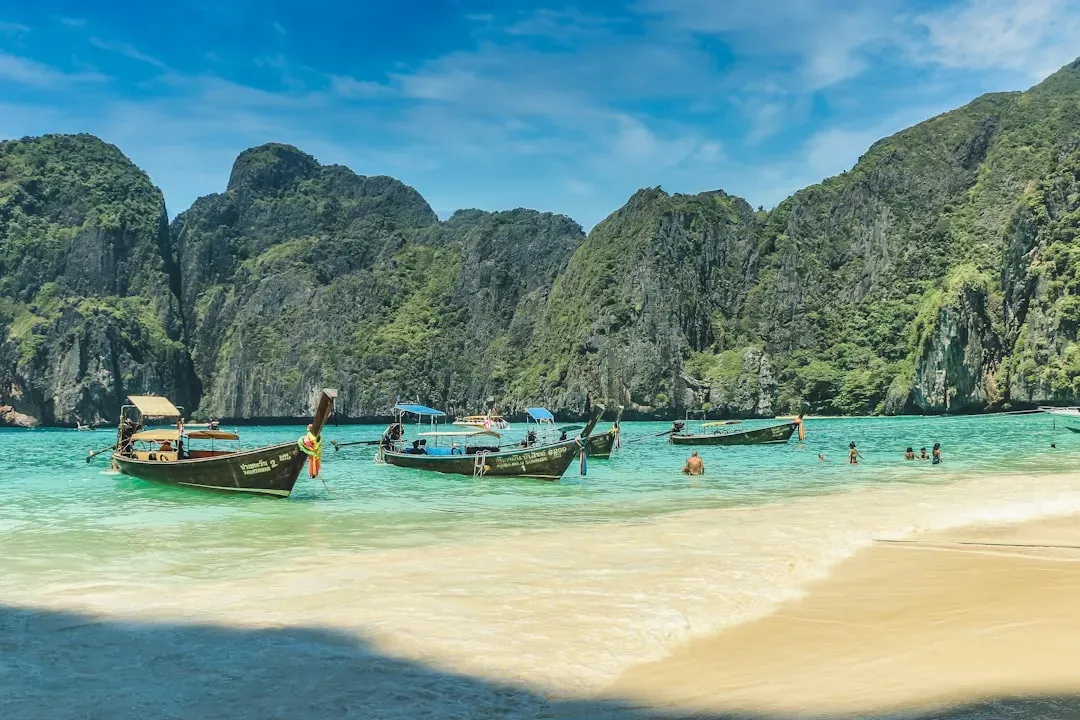
Thailand offers a tropical climate year-round with beautiful beaches and mountain landscapes, ranks highly in the Annual Global Retirement Index, and draws many retirees for its significantly lower cost of living. Excellent healthcare is another major draw, and popular spots like Phuket and Chiang Mai have established expat communities where you can quickly build a social network.
You can live well in Thailand on a monthly budget of about €1,200 in Bangkok and other large cities, and about €800 in smaller towns, including food, rent, insurance, and transportation. Thailand welcomes expats with flexible visa options including the standard retirement visa and the newer 10-year Long-Term Resident visa for higher-income retirees or investors. The standard retirement visa is available to those over 50.
8. Spain: Sunshine, Seafood, and Socialized Healthcare

With many regions receiving more than 300 days of sunshine a year, Spain’s climate shapes its culture: outdoor living, late-night socializing, and a strong sense of community define daily life. The food markets, café culture, and general pace of Spanish life consistently rank among the highest quality-of-life factors for retirees in Europe.
Spain remains one of Europe’s most liveable countries, and for retirees willing to look beyond major tourist centres, it can still be surprisingly affordable. Regions such as Costa de la Luz, parts of Andalusia, and smaller inland towns offer excellent value without sacrificing healthcare quality or cultural richness. In these areas, retirees can live comfortably on around $1,000 to $1,500 per month. Spain has a universal public healthcare system called the Sistema Nacional de Salud available to all residents.
9. Ecuador: Dollar Currency, Andean Scenery, and Real Savings

Ecuador is not the cheapest country in South America, but you can live comfortably there for a fraction of what a similar lifestyle costs in the US. The government uses the U.S. dollar as its official currency, which benefits American expats who won’t need to convert dollars to local currency. This also helps give Ecuador’s economy greater stability.
There are many living options, from small beach towns to highland cities like Cuenca, where spring-like weather lasts year-round. The country offers bargain rental prices, with comfortable apartments available for as little as $500 per month. Ecuador’s Pensioner Visa requires proof of stable income, making it ideal for US retirees with a pension or sufficient investment income looking for an affordable place to retire.



Leave a Reply