
Balancing a Checkbook and Understanding Interest

Boomers grew up writing checks, tracking every transaction in a paper register, and reconciling that register against a bank statement each month by hand. There was no app pinging you when your balance dipped low. You either kept accurate records or you bounced a check, and bouncing a check carried real social and financial embarrassment.
That habit built a working understanding of interest, debt, and cash flow that many young adults now lack. Gen Z currently has the lowest financial literacy rates among U.S. generations, with just 38% of financial literacy questions answered correctly in recent assessments. Part of the gap traces back to schooling, since 87% of all Americans said high school did not leave them fully prepared for handling money in the real world. States are slowly catching up, though the coverage is uneven across the country.
Writing and Reading Cursive by Hand

For boomers, cursive was not optional. It was how you signed documents, wrote thank you notes, and took notes in class, and a shaky signature could actually raise eyebrows. Many kids today can print but never learn the connected, looping script that once defined “grown up” handwriting.
The Common Core standards adopted around 2010 dropped cursive from the required curriculum, and removing the requirement for cursive instruction, many schools adopted keyboarding as an alternative to cursive handwriting instruction. Some states have since reversed course. As of early 2026, at least 24 states require cursive writing instruction in public schools, but that still leaves roughly half the country where a teenager can graduate having never learned it at all.
Driving a Manual Transmission

Learning to drive stick used to be a rite of passage, partly because manual cars were simply more common on used-car lots and easier for a first-time buyer to afford. Boomers learned to feel the clutch, judge the timing of a shift, and stall out a few times in a parking lot before getting it right. It was frustrating, but it taught mechanical intuition that stuck with people for life.
Automatic transmissions now dominate the market so thoroughly that many driving instructors rarely teach manual at all anymore. A large share of new drivers today will never sit behind the wheel of a stick shift, let alone own one. The skill has not disappeared entirely, but it has become closer to a hobbyist interest than a basic requirement.
Cooking a Full Meal from Scratch

Home economics classes were common fixtures in schools through the 1960s and 70s, and even without formal classes, most boomer teenagers picked up cooking simply by helping in the kitchen out of necessity. Meals were built from raw ingredients because convenience food was either expensive, limited, or simply not available the way it is now. Knowing how to roast a chicken or make a white sauce from butter and flour was ordinary knowledge, not a specialty skill.
Today, meal kits, delivery apps, and pre-made grocery items have made it entirely possible to reach adulthood without ever cooking a meal from raw ingredients. That is not necessarily a bad thing given how busy modern life can be, but it does mean a real gap in basic kitchen literacy for many young adults. Understanding how to season, adjust cooking times, or substitute an ingredient on the fly is a different kind of knowledge than following a recipe app step by step.
Sewing a Button or Mending a Tear
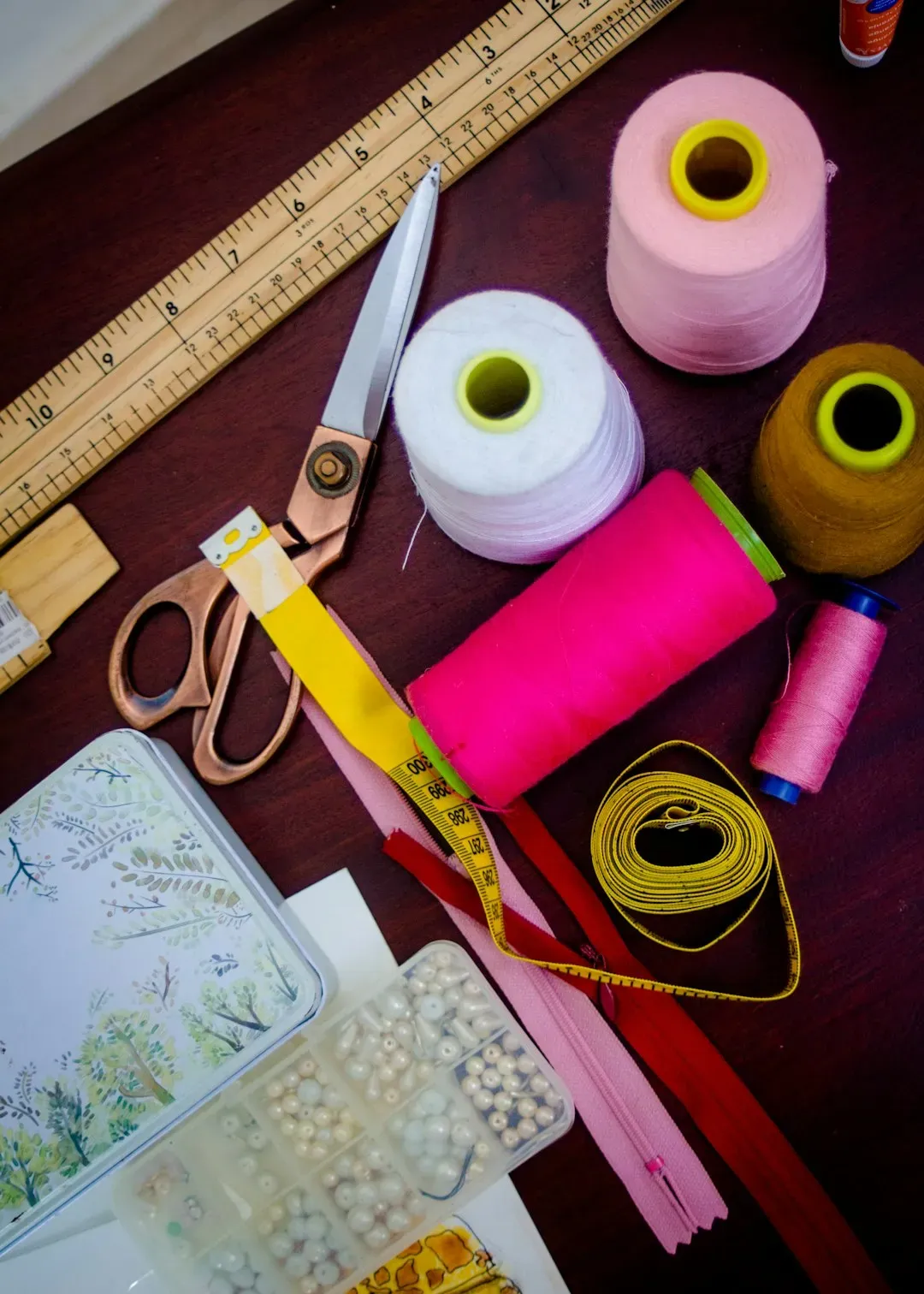
Clothing used to be more expensive relative to income, and it was simply expected that you would fix a torn seam or a missing button rather than replace the whole item. Home economics classes often taught basic sewing alongside cooking, and most households kept a sewing kit within easy reach. It was considered basic self sufficiency, not a craft hobby.
Fast fashion changed the math entirely. Clothes are cheap enough now that replacing a shirt with a missing button often feels easier than fixing it, and fewer households keep needles and thread on hand at all. The result is a generation that can order a replacement in two clicks but has rarely threaded a needle.
Basic Home and Car Repairs
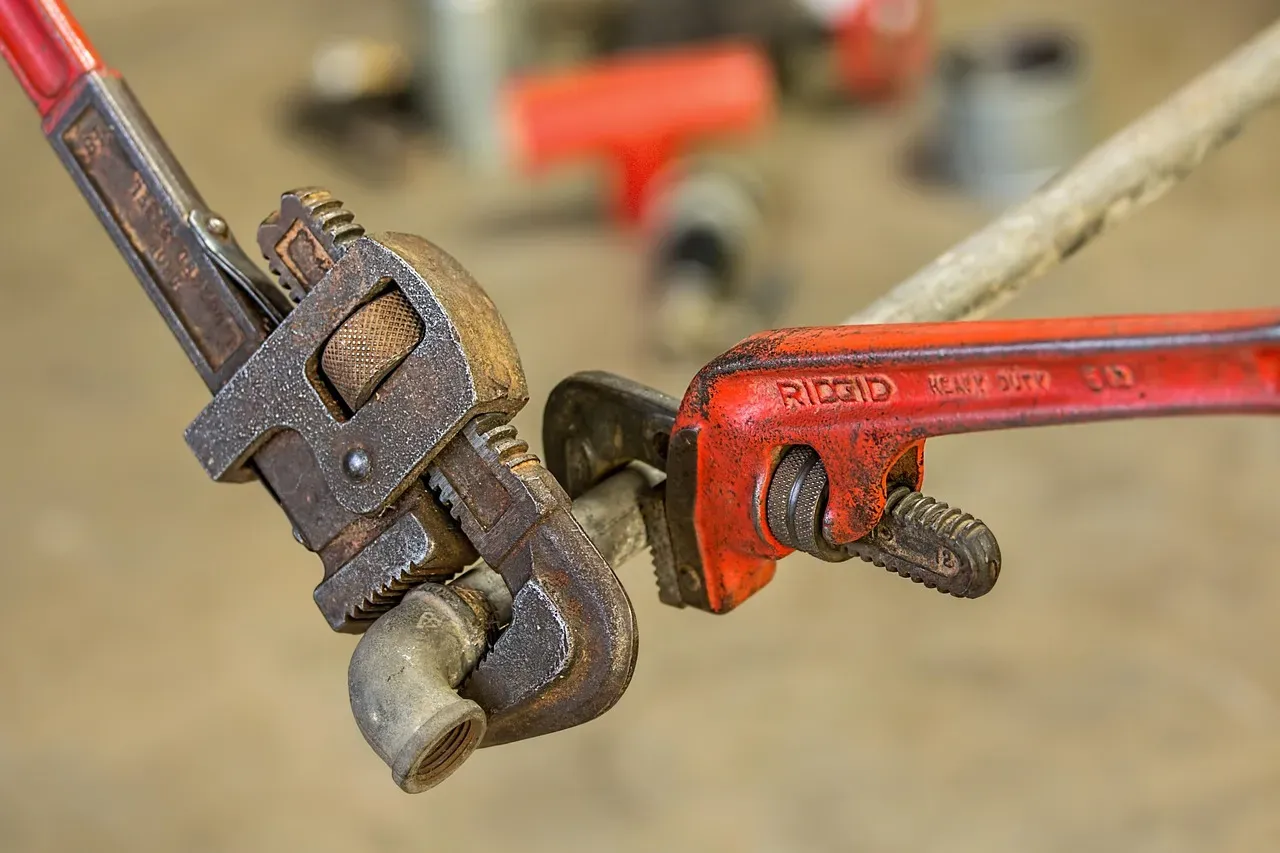
Boomers grew up in an era when fixing things yourself was often the only realistic option, since hiring a repair person for every small job was a luxury most families could not afford. Changing a tire, unclogging a drain, or replacing a washer in a leaky faucet were skills passed down informally from parent to teenager. Cars were also mechanically simpler then, which made it easier for an amateur to actually understand what was going wrong under the hood.
Modern vehicles and appliances are far more computerized, which ironically makes them harder for an untrained person to troubleshoot even with good intentions. Add in the convenience of same-day service apps and YouTube tutorials that often replace hands-on learning with passive watching, and it is easy to see why fewer young adults have ever actually opened a toolbox out of necessity. The knowledge exists online, but watching a video is not the same as having done the repair yourself a dozen times.
Reading a Paper Map and Navigating Without GPS
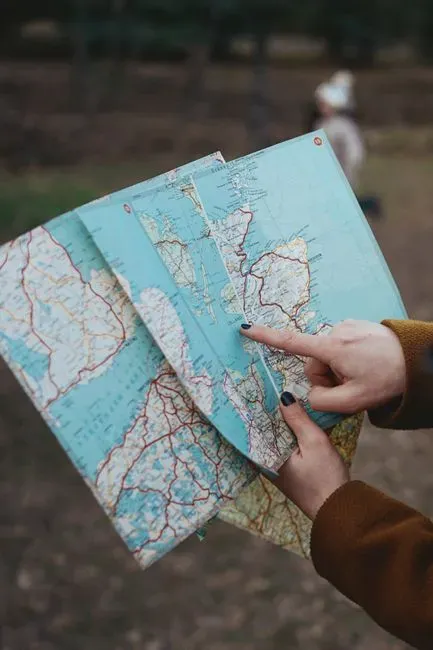
Before smartphones, finding your way somewhere unfamiliar meant consulting a paper map, remembering landmarks, or simply asking someone for directions and trusting your memory to hold the route. Boomers developed a genuine sense of spatial reasoning because they had no other choice. Getting lost was a normal part of travel, not a rare inconvenience.
GPS navigation has made that entire skill set close to obsolete for daily life, and there is little practical reason to relearn it under most circumstances. Still, some researchers have raised concerns that heavy reliance on turn by turn directions may weaken the brain’s natural navigational abilities over time. It is a trade worth noting, even if most people would not choose to go back to folding out an actual road atlas.
Making a Phone Call and Speaking Face to Face

Communicating used to mean either talking in person or picking up a landline phone and having a real conversation, often with a parent listening nearby or a party line shared with neighbors. Boomers learned to introduce themselves clearly, handle small talk, and resolve disagreements without the buffer of a screen. Making a phone call to a stranger, whether to schedule an appointment or ask a question, was simply part of daily life.
Texting, messaging apps, and email have shifted communication toward written, asynchronous exchanges that allow time to edit and reconsider before hitting send. Many young adults report genuine anxiety about making phone calls or having unscripted in-person conversations, since so much of their communication happens with a delay built in. It is not a lack of social skill exactly, just a different set of muscles that were never exercised the same way.
Growing and Preserving Food
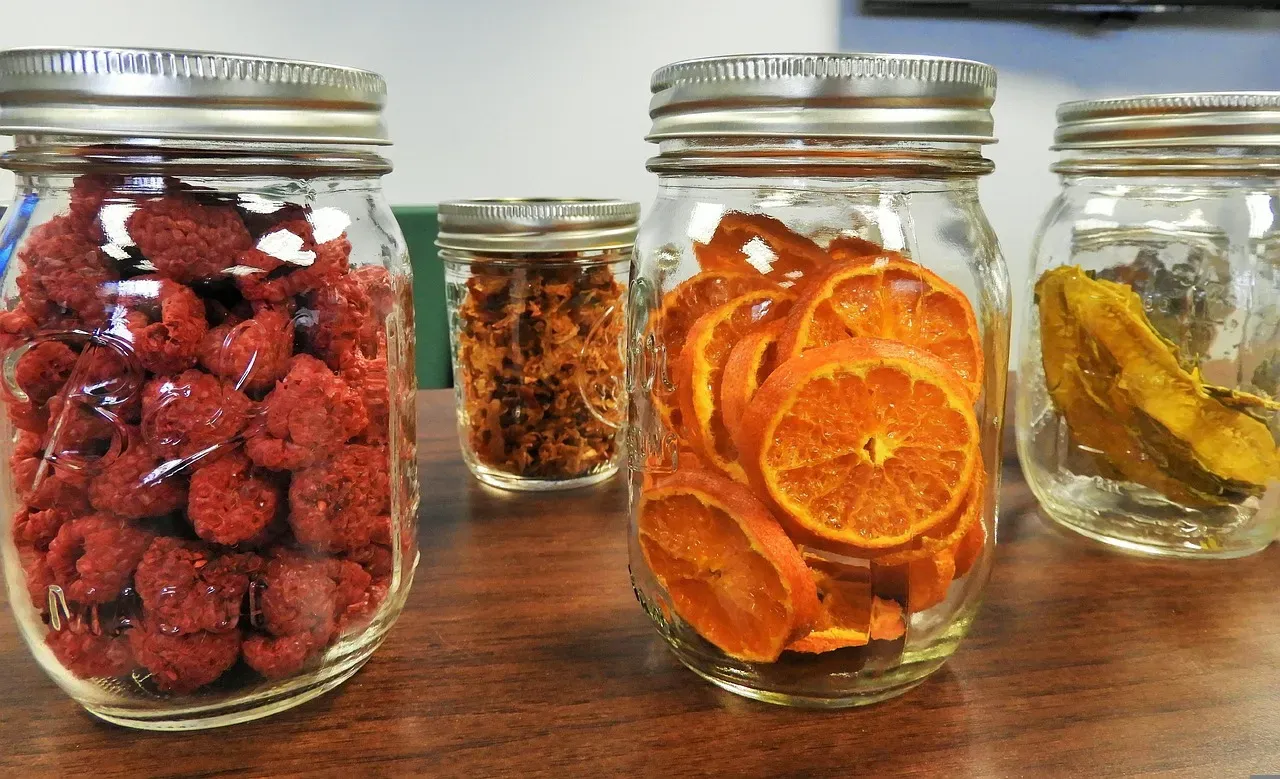
Home gardens were far more common in the mid-twentieth century, and many boomer families grew at least some of their own vegetables, either out of tradition or economic necessity. Canning, pickling, and preserving surplus produce for winter was a practical skill taught within families, often passed from grandmother to mother to daughter. Understanding a growing season and how to store food properly was simply part of managing a household.
Suburban life, apartment living, and year-round grocery availability have made growing your own food largely unnecessary for most people today. Community gardens and a renewed interest in homesteading have brought some of this knowledge back in pockets, particularly among younger adults drawn to sustainability. Even so, the basic ability to preserve a harvest or troubleshoot a struggling tomato plant remains far less common than it was two generations ago.
Skills come and go as the world around them changes, and it would be unfair to call any generation less capable simply because their daily needs looked different. Boomers had to learn mechanical intuition, financial discipline, and self reliance because their environment demanded it constantly. Today’s young adults have developed a different toolkit built around digital fluency, adaptability, and managing an information environment their parents never had to navigate. The interesting question is not who had it harder, but which of these older skills might actually be worth reviving, if only because a little hands-on competence rarely goes to waste.




Leave a Reply