
1. Jell-O Molds and Congealed Salads
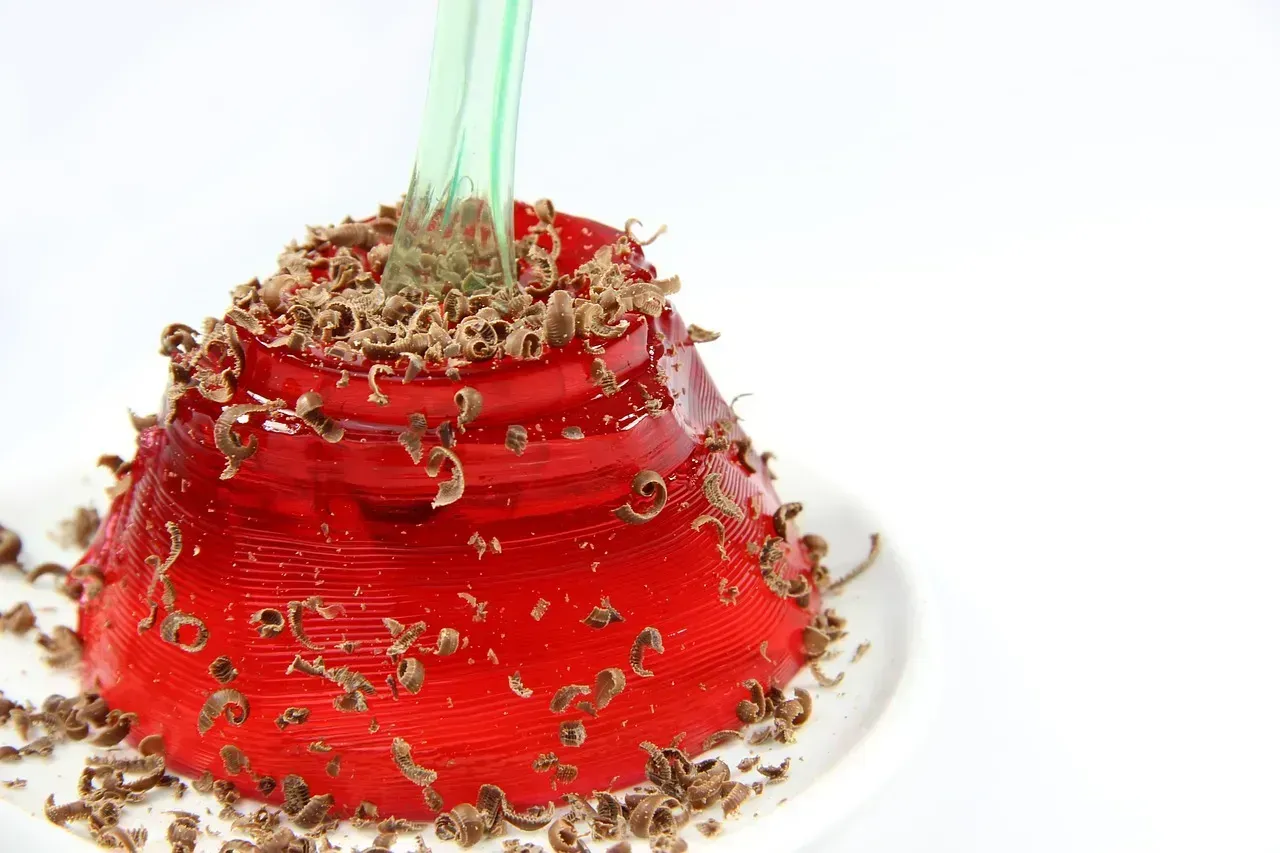
Few dishes capture the decade’s love of spectacle quite like the Jell-O mold. By the 1980s, though, the dish was already on its way out. Throughout the 1960s through the 1980s, Jell-O’s sales steadily decreased, and many Jell-O dishes became special occasion foods rather than everyday items.
The reasons behind the decline say a lot about how American life was changing. With more women entering the workforce, families weren’t sitting down for as many meals, and new ready-to-eat foods hitting the market were more convenient than a dessert that used to be considered quick and easy. By the time the decade ended, the shimmering salad ring with suspended fruit and vegetables had quietly slipped out of regular rotation, kept alive mostly at church potlucks and family reunions.
2. Beef Wellington
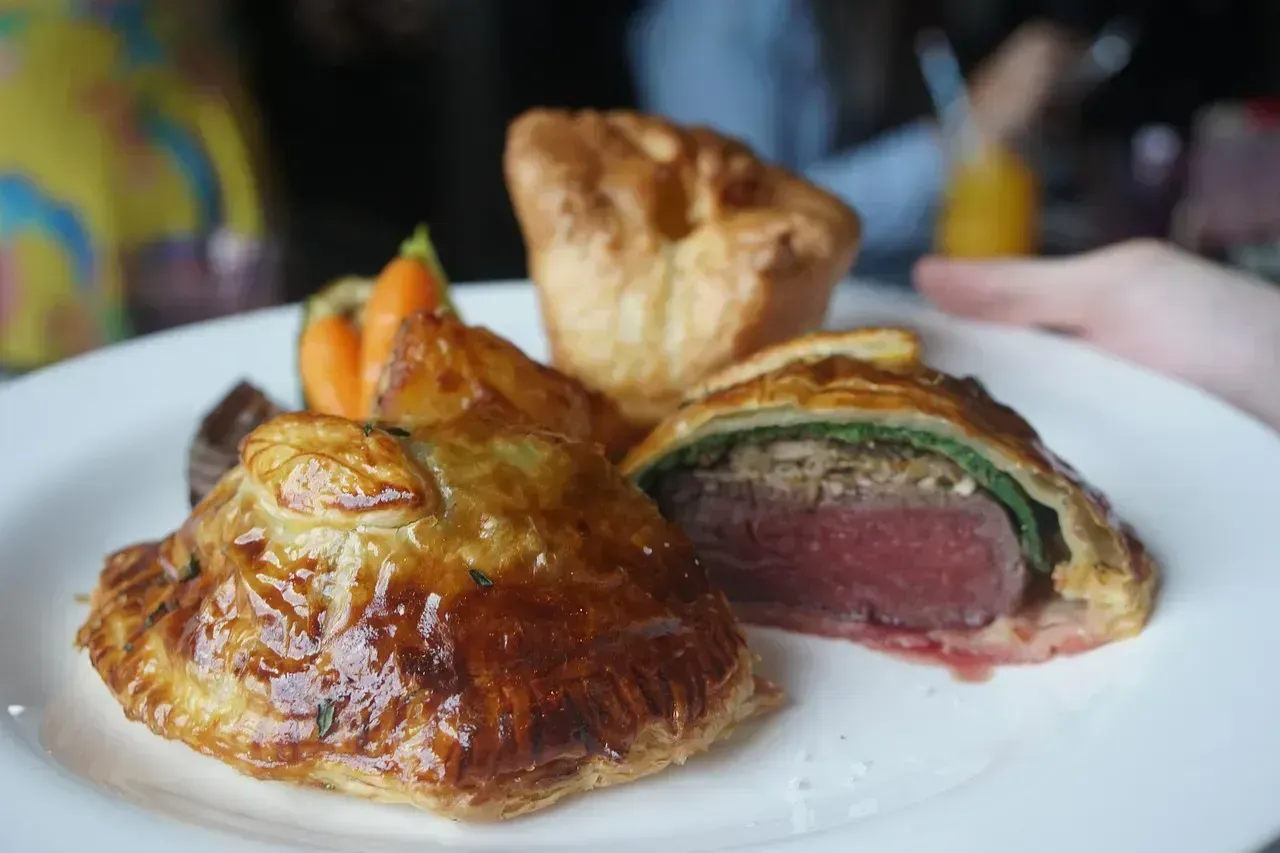
Nothing said “we’re having people over” quite like a beef wellington. The dish, as much about presentation as taste, features medium rare steak wrapped in a tasty outer layer of mushrooms or chicken liver pâté, with every bite full of pastry crunch and meaty goodness, made it the ultimate showpiece for an ambitious host. It carried real prestige, and pulling it off successfully was practically a badge of honor among home cooks.
That prestige carried straight into the 1980s. In the go big or go home spirit of the decade, beef Wellington, stuffed chicken breasts, and pasta with vodka sauce graced the tables at elegant dinner parties. These days the dish survives mostly on restaurant menus and cooking shows, since few home cooks have the patience for pastry, duxelles, and precise steak temperatures on a weeknight.
3. Chicken Kiev
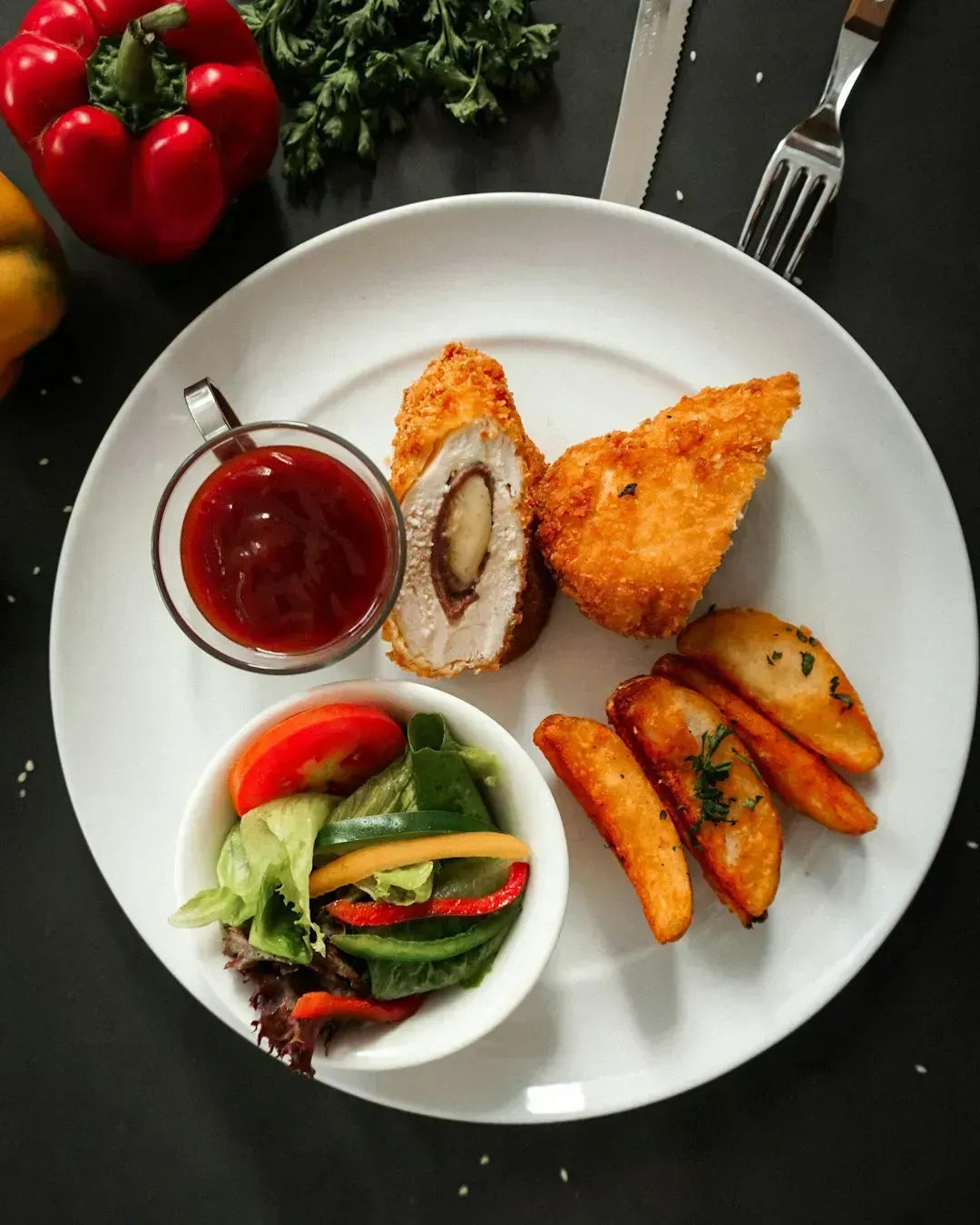
Chicken Kiev had already peaked in sophistication by the time it hit its stride at home. In the mid 1970s, the exotic seeming Chicken Kiev was an elegant restaurant entree or the centerpiece of a special meal cooked at home, prepared from scratch as a complicated dish featuring a boneless chicken breast stuffed with garlic, herbs, and butter that is battered and fried until the butter inside melts. Into the early 1980s it remained a dinner party favorite, prized for the dramatic moment when a fork pierced the crust and hot butter came pouring out.
Its downfall came from an unlikely source: convenience. Chicken Kiev was once the pinnacle of fine dining until it was reinvented and downgraded by frozen food giants eager to bring it to dining room tables in five minutes or less. Once the frozen, mass produced version took over freezer aisles, the homemade original quietly disappeared, and few people today would think to make it from scratch.
4. Fondue
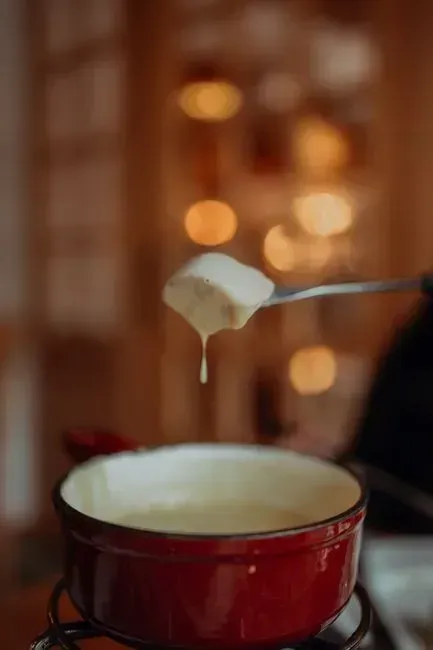
Fondue parties were technically a holdover from the 1970s, but plenty of American households kept the pot bubbling well into the following decade. Introduced to the U.S. at the Swiss Pavilion at the 1964 World’s Fair, fondue involves skewering pieces of meat, bread, and vegetables and dipping them into a hot pot of bubbling cheese sauce, generally Raclette, Emmentaler, or Gruyere. It turned dinner into a shared activity, which was exactly the appeal.
The format eventually felt dated rather than fun. Fondue setups at home, with kits a popular gift according to Smithsonian, might include hot oils for additional entree dipping or chocolate fondue for dessert. Once that novelty wore off, so did the appetite for hunching around a communal pot with long forks, and fondue sets got pushed to the back of kitchen cabinets everywhere.
5. Ambrosia Salad
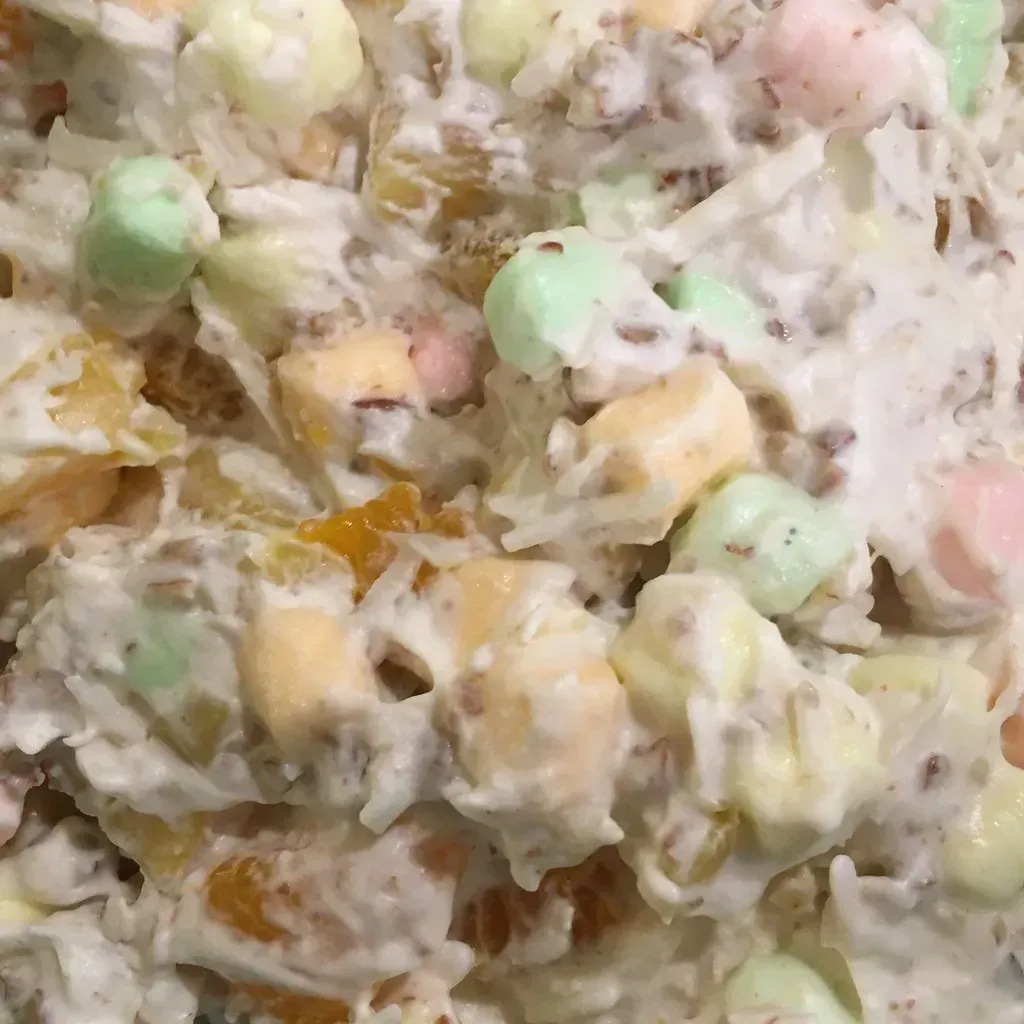
Ambrosia salad was a fixture at 1980s potlucks, holiday tables, and church suppers, built from canned mandarin oranges, pineapple chunks, shredded coconut, miniature marshmallows, and a heavy dose of whipped topping or sour cream. It occupied that strange middle ground between salad and dessert that mid century American cooking loved so much, showing up right alongside the main course as if it belonged there.
Part of its appeal was practicality. Every ingredient came from a can or a bag, which made it an easy dish to throw together for a crowd without much planning. Modern tastes, however, have moved firmly away from canned fruit suspended in dairy, and ambrosia now reads as a curiosity rather than a crowd pleaser, something grandparents remember fondly but rarely anyone actually requests.
6. Quiche Lorraine
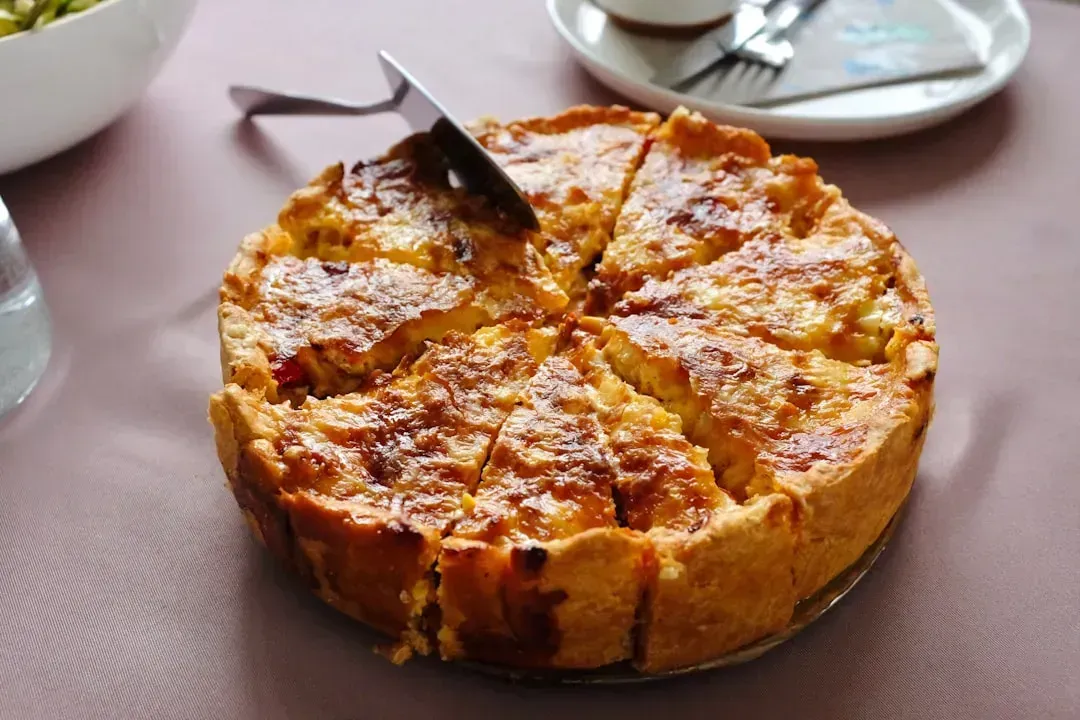
Quiche Lorraine had a genuine moment in American dining during the early 1980s, riding a wave of interest in French inspired brunch fare. The classic combination of eggs, cream, bacon, and Gruyère baked into a buttery pastry shell felt sophisticated without being intimidating, which made it a favorite for both dinner parties and ladies’ luncheons. It was the kind of dish that signaled a host had a bit of culinary ambition.
Eventually quiche became a punchline as much as a dish, associated with a certain kind of self conscious sophistication that fell out of fashion by the decade’s end. Brunch culture moved toward simpler egg dishes and avocado forward plates, and the custard filled pastry shell largely disappeared from home kitchens, surviving mainly in bakery cases rather than on family dinner tables.
7. Steak Diane
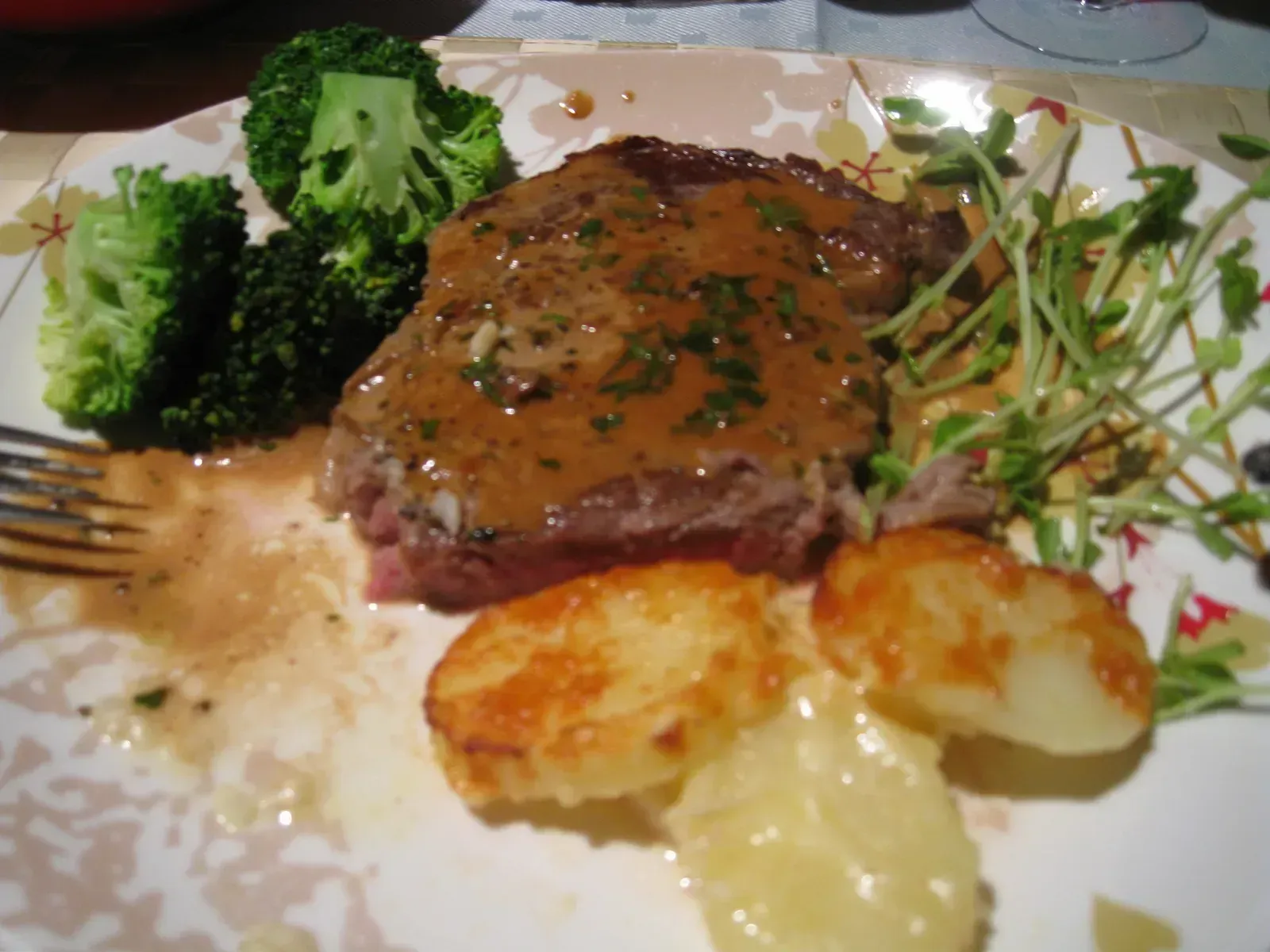
Steak Diane was tableside theater disguised as dinner. A pan seared filet finished in a sauce of shallots, brandy, mustard, and cream, often flambéed right in front of guests, it was the kind of dish that made a restaurant feel like an event rather than just a place to eat. Home cooks who wanted to impress dinner guests attempted their own versions, minus the flames, throughout the early 1980s.
The dish required real technique and a certain confidence with alcohol near an open flame, which limited how often anyone actually made it well. As tableside preparation fell out of restaurant fashion and home cooking trended simpler, Steak Diane quietly exited both the dining room and the kitchen, remembered now mostly by people old enough to have seen it flambéed in person.
8. Baked Alaska
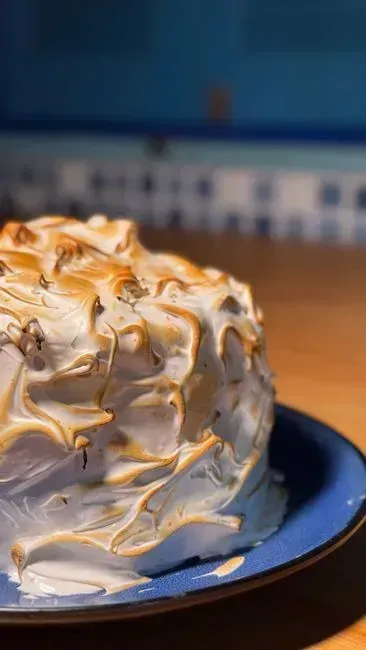
Few desserts captured 1980s excess quite like Baked Alaska, with its layer of ice cream encased in sponge cake and torched meringue that somehow stayed frozen inside while browning on the outside. It was a dish built entirely around spectacle, meant to be carried out with a bit of flair and set alight at the table. Dinner parties that ended with Baked Alaska were dinner parties people remembered.
The dessert demanded precise timing and a kitchen setup most home cooks simply didn’t have, since getting the meringue browned without melting the ice cream underneath is trickier than it looks. As easier make ahead desserts took over, the fuss involved in pulling off Baked Alaska stopped feeling worth it, and it slid out of home kitchens almost entirely, kept alive today mostly by retro themed restaurants.
9. Savory Aspic Dishes
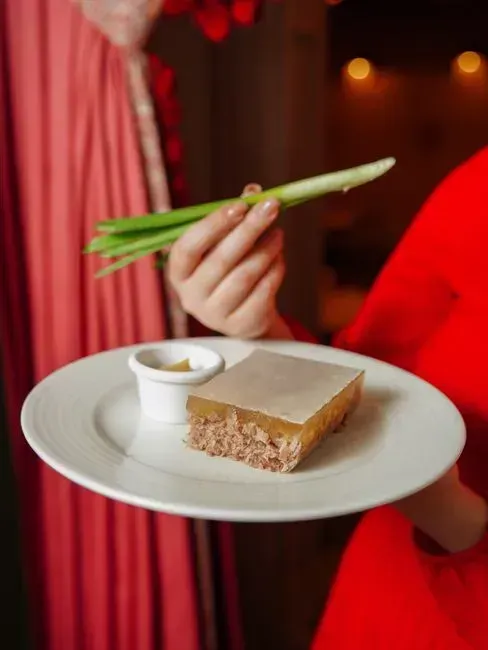
Aspic, the savory cousin of the sweet Jell-O mold, had its roots in mid century cooking but lingered on into the early 1980s in more traditional households. Photos and recipes for aspics, dishes made with savory gelatin that relied on Jell-O flavors such as celery or tomato, filled cookbooks for decades, and dishes suspending meat, seafood, or vegetables in clear or tinted gelatin were considered impressive party fare.
The style did not age well with changing palates. Savory gelatin dishes like aspics declined in popularity through the 1970s and 1980s, with efforts to revive them facing challenges in appealing to modern tastes. By the time the decade wrapped up, most Americans had lost their taste for jellied meats and vegetables, and aspic went from dinner party staple to a dish people mostly just laugh about now.
10. Waldorf Salad
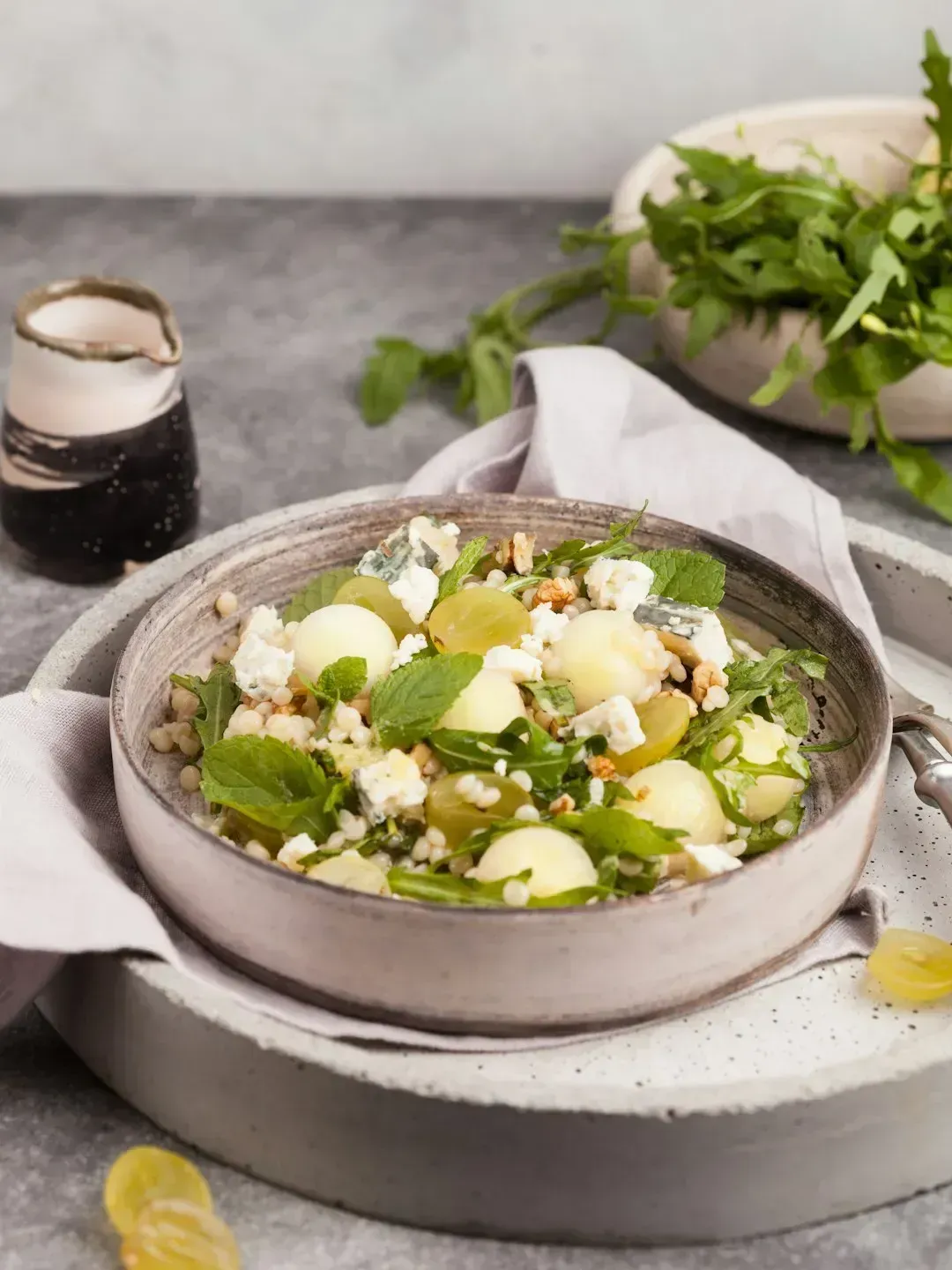
Waldorf salad, that classic mix of chopped apples, celery, walnuts, and grapes bound together with mayonnaise, was a holdover from earlier decades that still made regular appearances on 1980s tables, especially around the holidays. It offered a crunchy, sweet counterpoint to heavier main dishes and felt like a safe, familiar choice for hosts who weren’t sure what else to serve alongside a roast or a ham. Its simplicity was exactly the point.
As American palates shifted toward fresher, less mayonnaise heavy salads through the 1990s and beyond, Waldorf salad started to feel like a relic of an older style of entertaining. Green salads with vinaigrettes and grain based sides took over the space it used to occupy, and the apple and walnut combination, once a dinner table regular, largely disappeared outside of nostalgic holiday menus and the occasional retro diner.
Looking at this list, a pattern emerges pretty clearly. Almost every dish that disappeared required either a lot of time, a lot of drama, or ingredients that fell out of favor once fresher, quicker options became available. The 1980s kitchen was built around impressing guests and stretching a limited pantry of canned and packaged goods into something that felt special. What replaced these dishes wasn’t necessarily better food, just different priorities. Modern cooking values speed, simplicity, and fresh ingredients over spectacle, which is a fair trade in many ways, even if it means fewer tableside flambés and jiggling gelatin rings showing up at family dinners these days.
Leave a Reply