
Walk through any supermarket and the price tags look final, fixed numbers stamped onto shelves like they’re carved in stone. They aren’t. Behind the scenes, grocery pricing runs on markup formulas, promotional calendars, and a fair amount of psychology, and once you understand how those pieces fit together, certain sections of the store start to look a lot less trustworthy at sticker price.
People who have spent years running store departments tend to notice the same patterns over and over: which items rotate through discounts like clockwork, which ones carry padding built in from the start, and which ones exist mainly to get you through the door. None of this is secret exactly, but it’s rarely spelled out in one place either. Here’s a category by category look at where full price is usually optional.
Boxed Cereal
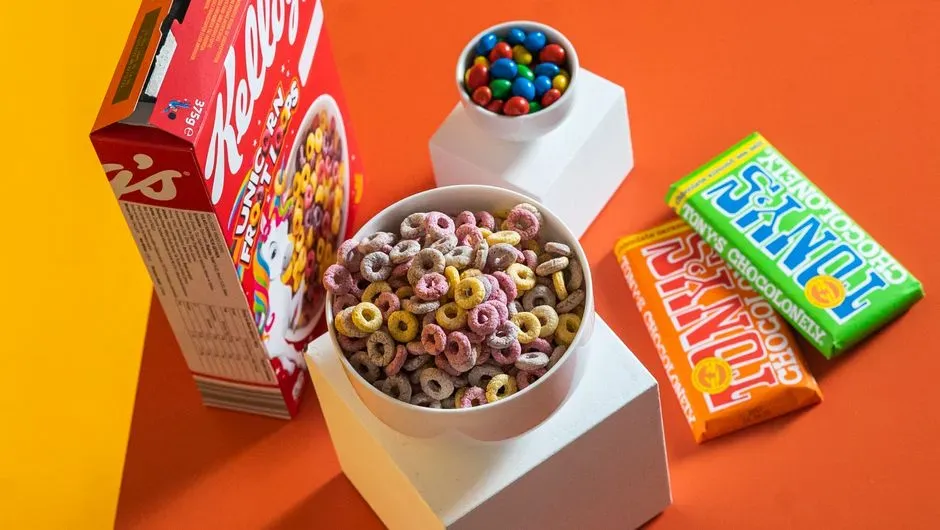
Cereal aisles look colorful and competitive, but the markup underneath that packaging is steeper than most shoppers assume. Cereal has some of the highest markups among grocery store items, with the average around 28 percent, though some brands are sold at an astonishing 42 percent markup. That gap between cost and shelf price gives retailers a lot of room to run “buy one get one” deals or loyalty coupons without actually losing money.
Because most cereals have a long shelf life that reduces the risk of loss from expired inventory, stores are comfortable keeping large quantities on hand and rotating promotions through different brands. That inventory flexibility is exactly why cereal shows up on sale so often. If a box is sitting at full price on a given week, chances are good it was discounted recently and will be again soon.
Bottled Water
Few items in the store carry a wider gap between cost and price than plain bottled water. Bottled water costs manufacturers only a few cents to produce but is often sold for one to two dollars, which works out to a markup in the thousands of percent. There’s essentially no ingredient cost driving that number, just packaging, distribution, and brand marketing.
With a long shelf life and consistent demand, bottled water ranks among the most profitable items a supermarket carries. Stores also lean on it heavily around holidays and warm weather stretches, which means sale pricing tends to appear right when demand peaks rather than only during slow periods.
Chips, Crackers, and Salty Snacks
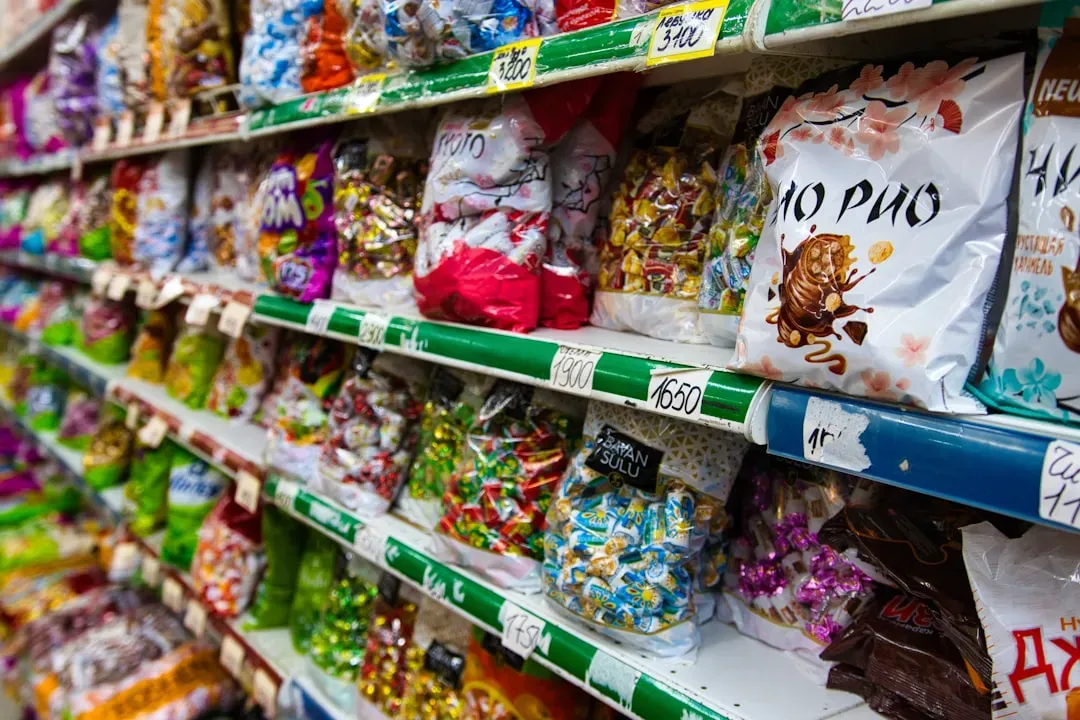
Snack aisles are built for impulse buying, and the margins reflect that design. Snack and candy retailers commonly see profit margins between 50 and 70 percent, a range tied to steadily rising demand for specialty snacks. Recent tracking of major UK supermarkets found the same pattern in practice, with popular snack brands rarely sitting at full price for long.
A year long study of grocery pricing from March 2025 to March 2026 logged thousands of popular items across major chains and identified clear patterns in discount cycles. Items including Kettle Chips, Mini Cheddars, and Twiglets were found to be discounted somewhere among the major retailers essentially every day of the year. The specific brands vary by market, but the underlying behavior, rotating one snack brand’s promotion while another sits at regular price, shows up almost everywhere.
Bakery Case Treats
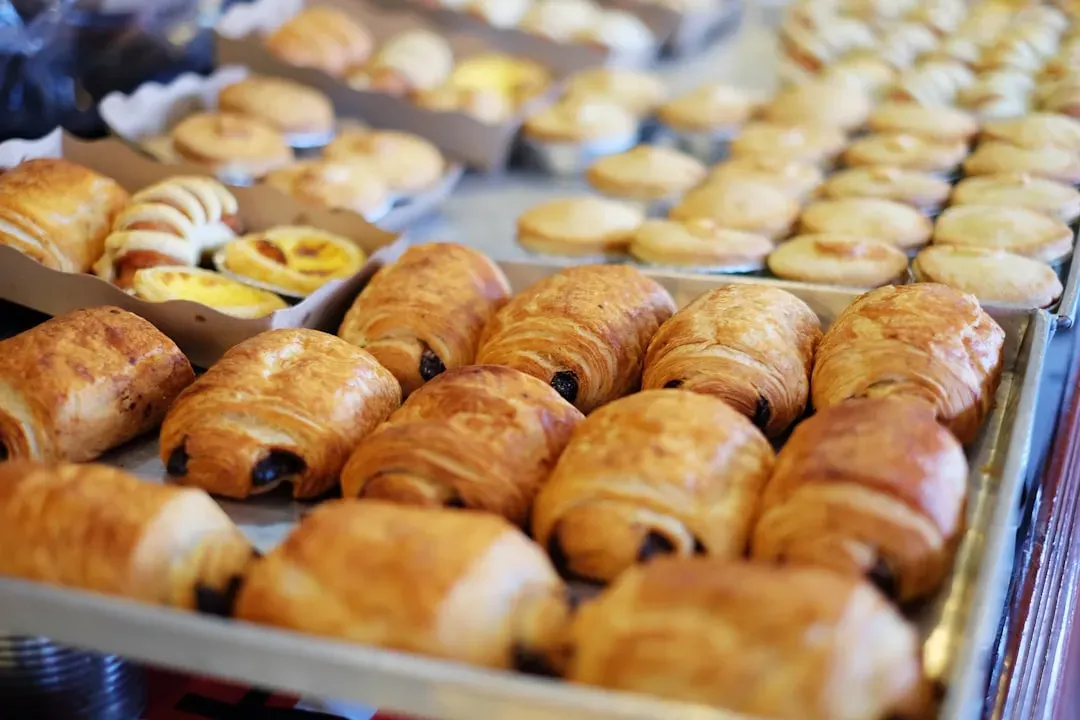
Freshly baked goods smell irresistible and get priced accordingly. Fresh bakery items are often positioned as an indulgence purchase rather than a staple, which lets stores charge accordingly, and homemade versions of the same cookies, cakes, and muffins can end up costing roughly a third of what the bakery case charges, according to reporting on grocery markups that spoke with a financial planning expert on the subject.
The reasoning holds up once you break down the ingredients. Flour, sugar, and butter are inexpensive on their own, so most of the bakery case price is covering labor, packaging, and the convenience of not baking anything yourself. That’s a reasonable trade for a birthday cake with limited notice, but for everyday treats it’s one of the easiest places to trim a grocery bill.
Packaged Ice Cream and Frozen Desserts
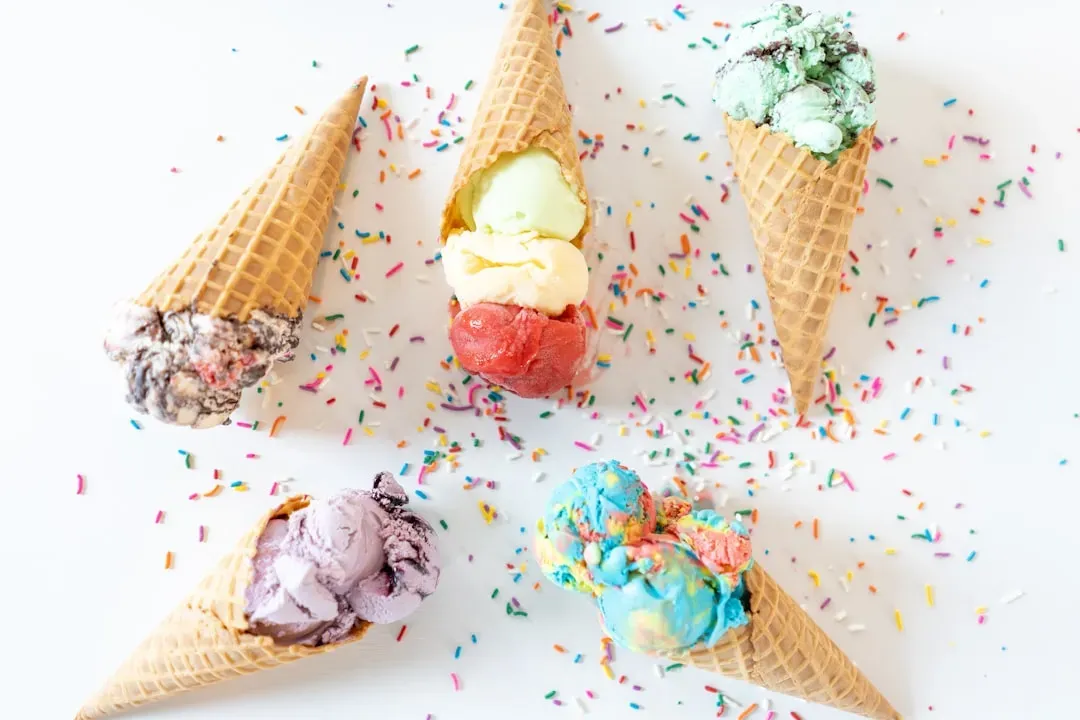
Ice cream feels like an affordable treat at four or five dollars a tub, but the markup tells a different story. Packaged ice cream carries a markup of about 101 percent, according to data from the National Association of Convenience Stores. That figure has stayed fairly stable over time, sitting at around 92 percent a decade earlier in 2012.
Because ice cream keeps well in the freezer for months, stores have no urgency to move it at full price and rely instead on regular promotional cycles to keep volume up. Stocking up when a favorite brand goes on sale rarely backfires, since freezer life is long and the next promotion is rarely more than a few weeks away.
Vitamins and Dietary Supplements
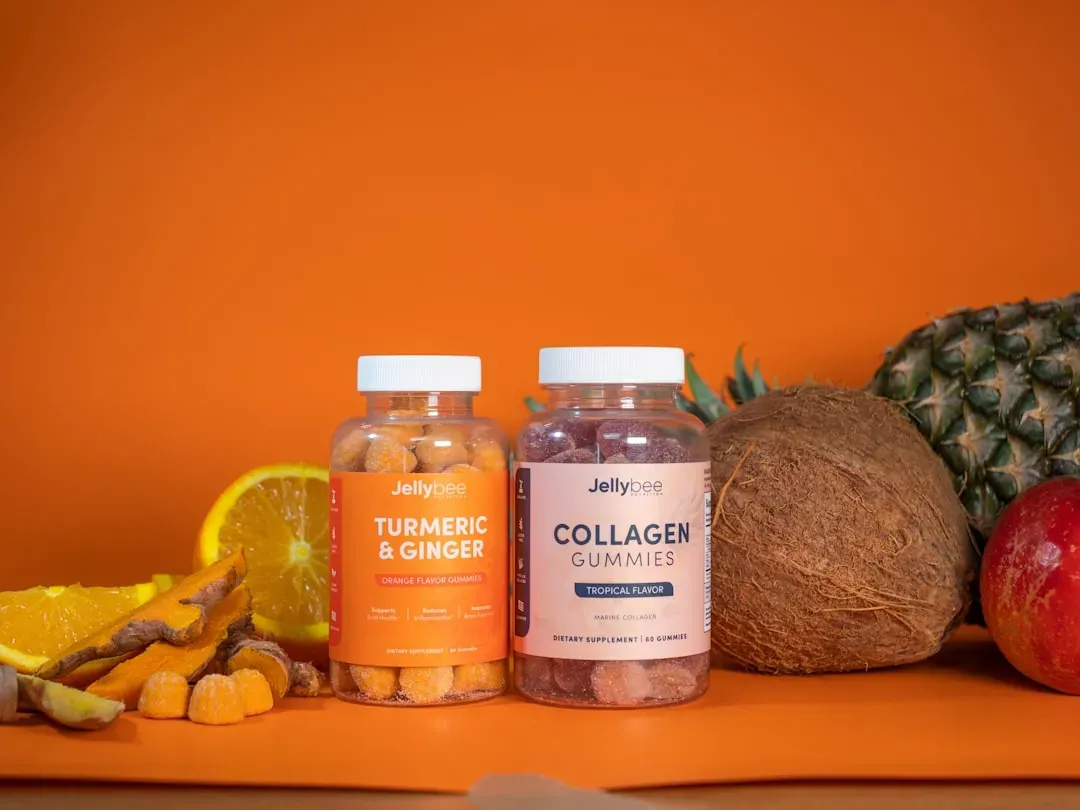
The supplement shelf tends to be one of the highest margin corners of the entire store. Supplement retailers typically see profit margins between 30 and 50 percent, which is a big part of why grocery stores make a point of carrying vitamins, minerals, and protein powders. Like most items in this category, vitamins are shelf stable, so there’s no spoilage risk cutting into that margin.
That combination of high margin and no expiration pressure means supplements are prime candidates for coupon stacking and loyalty program discounts. Store brand versions of common vitamins also tend to be formulated nearly identically to name brand options, which makes them an easy substitute rather than a compromise.
Prepared Meals and Deli Counter Items
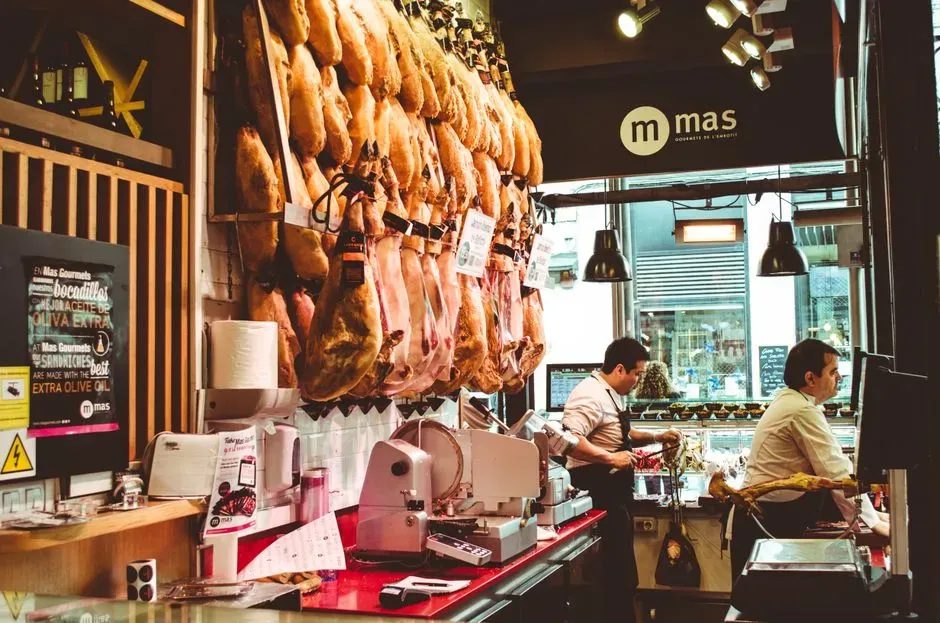
Affluent shoppers are especially likely to buy prepared meals from the supermarket, which lets stores charge a higher markup on premade sandwiches and pre-cut vegetables, making them notably profitable. The deli counter follows a similar pattern, with margins typically ranging between 20 and 40 percent thanks to frequent, repeat purchases that make it a dependable revenue stream.
Rotisserie chicken is the one exception worth calling out here, since many stores price it close to cost as a way to draw shoppers toward higher margin sides and bakery items in the same trip. Everything else in the prepared foods case, from pasta salads to pre-made wraps, tends to carry enough padding that watching for markdown stickers near closing time is worth the habit.
Spices, Sauces, and Specialty Condiments
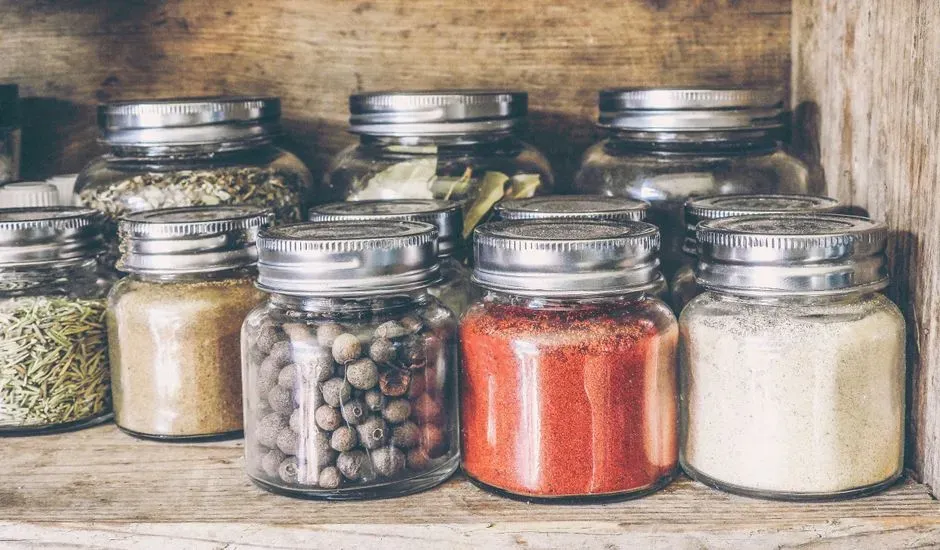
Small jars often hide some of the largest percentage markups in the store. Spices, herbs, and sauces have long shelf lives that translate into lower spoilage rates, and shoppers are often willing to pay a premium for gourmet or specialty versions of these products. Because a single jar lasts months in most kitchens, retailers know demand isn’t especially price sensitive on a week to week basis.
That combination of durability and brand loyalty gives stores plenty of room to run rotating promotions across different spice and sauce brands throughout the year. Buying whichever brand happens to be discounted that week, rather than sticking to one loyalty, tends to save more here than in almost any other aisle.
Household and Personal Care Products
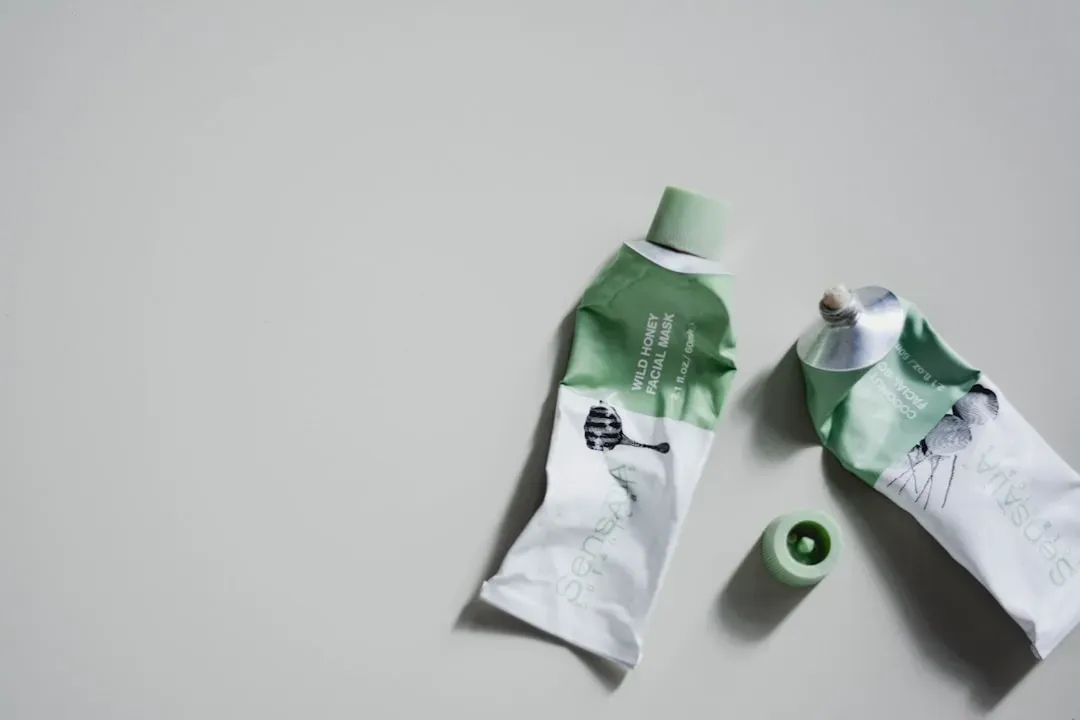
Toothpaste, soap, and basic cosmetics sit in an unusual spot in grocery pricing. Stores tend to charge a high markup on items like toothpaste, soap, and makeup since carrying them saves shoppers a separate trip to the pharmacy. These products also have long shelf lives, so spoilage never eats into the profit the way it does with fresh food.
Because there’s essentially no urgency to sell through this inventory quickly, stores lean heavily on manufacturer coupons and seasonal promotions to move it. Waiting for those periodic sales, rather than restocking the medicine cabinet at full price, is one of the more painless ways to trim a grocery budget.
Soda, Juice, and Other Packaged Beverages

Beverages might be the most consistently marked up category in the entire store. Non-alcoholic packaged beverages, including juices, sodas, iced teas, and coffees, carry a markup reported at around 72 percent. Profit on that category was close to 50 percent in 2023 and climbed to around 57 percent in 2024, according to industry financial tracking.
Recent UK pricing research backs up how often that translates into visible discounts on shelves. One popular orange juice brand was found selling at £3.50 or less about 99 percent of the time at one major retailer. Promotions in supermarkets tend to follow a pattern of three or four weeks at a lower price followed by a somewhat longer stretch at the higher price, repeating on a loop throughout the year. Whatever the currency or country, the takeaway is the same: a beverage sitting at full price today is usually just between discount cycles, not permanently priced that way.




Leave a Reply