
Colombia
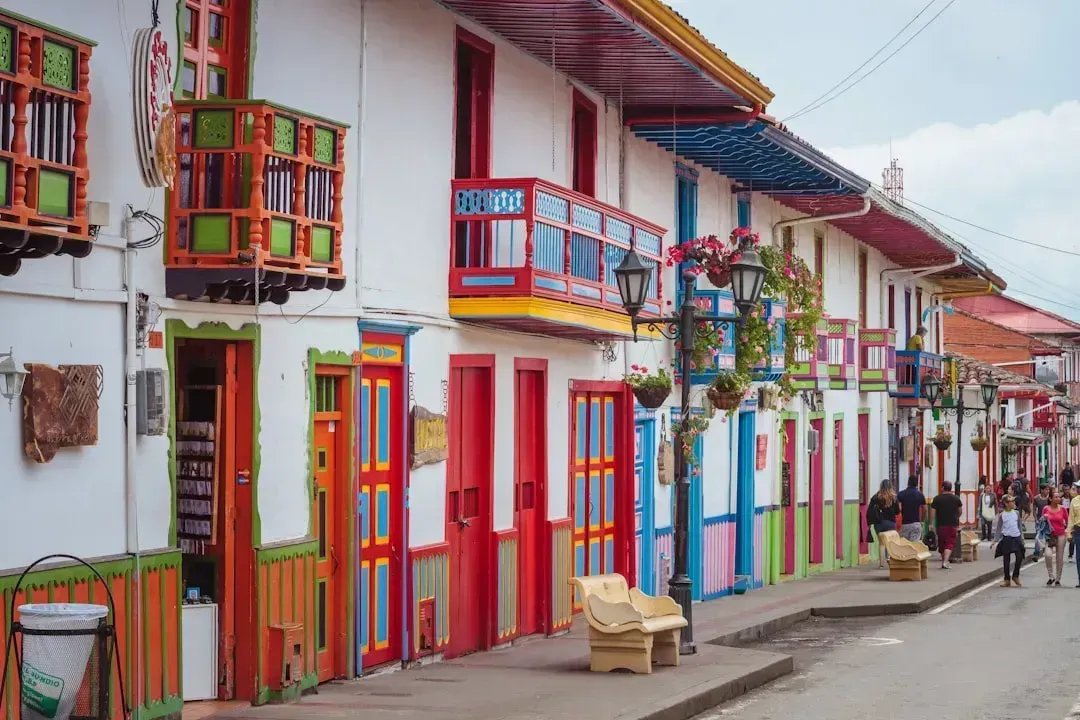
Colombia sits at Level 3, with the State Department telling Americans to reconsider travel due to crime, terrorism, civil unrest, kidnapping, and natural disasters. Parts of Arauca, Cauca, Valle del Cauca, and Norte de Santander carry the more severe Level 4 designation, and the ten kilometer strip along the Venezuelan border is off limits entirely. The advisory also flags something specific to tourists, warning about criminals who use dating apps to lure victims to hotels, restaurants, and bars, then drug, rob, and sometimes kill them.
Yet Bogotá, Medellín, and Cartagena remain wildly popular, and for good reason. Bogotá in particular has a lower violent crime rate than several major American cities, and its neighborhoods pack in food, music, and coffee culture that keep visitors coming back. The honest read is that Colombia rewards preparation. Travellers who stick to the well trodden urban routes and skip the flagged departments tend to leave with the kind of stories that make friends jealous rather than worried.
Mexico
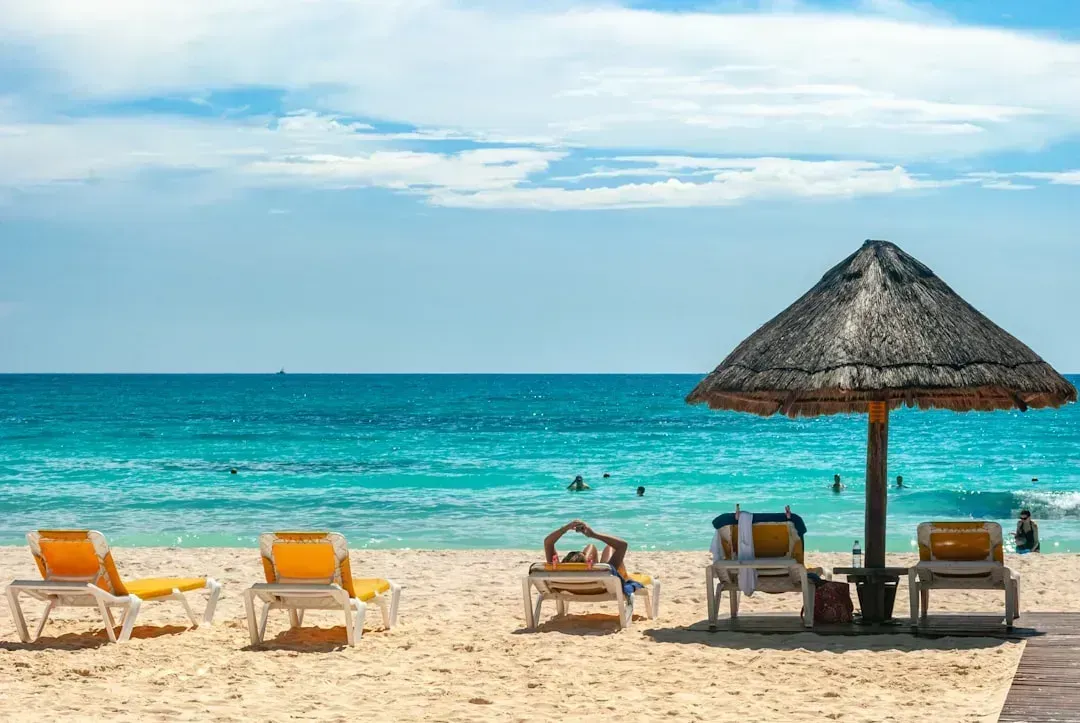
Mexico carries a nationwide Level 2 advisory, but that single number hides a country split into very different risk zones. Six states, Colima, Guerrero, Michoacán, Sinaloa, Tamaulipas, and Zacatecas, sit at Level 4, largely due to exceptionally high levels of violent crime, cartel activity, and a heightened risk of kidnapping and targeted attacks. Meanwhile Yucatán and Campeche hold the lowest Level 1 rating, and most of the country’s famous resort areas sit comfortably at Level 2.
This is exactly why Cancún, Tulum, Los Cabos, and Mexico City continue to draw enormous crowds despite the country’s overall caution flag. Millions of visitors move through these zones each year without incident, largely because the danger is concentrated in specific corridors rather than spread evenly across the map. Anyone planning a trip should still check state by state guidance close to departure, since conditions in border regions can shift quickly, but the beach towns and colonial centers that show up on postcards are a different world from the areas the advisory actually targets.
Egypt

Egypt holds a Level 3 advisory, placing it in the same tier as Colombia and several other countries where the State Department urges Americans to think twice before booking. The concerns tend to center on terrorism risk and specific border regions, particularly areas near the Sinai Peninsula, rather than the Nile Valley sites most tourists actually visit. Pyramids, temples, and Red Sea resorts sit far from the flagged zones.
This geographic split explains why Egypt remains a bucket list fixture even under a reconsider travel rating. Cairo’s museums, Luxor’s temple complexes, and the dive resorts along the Red Sea coast operate with heavy tourist infrastructure and a visible security presence built up over decades of tourism dependence. Travellers who stay within these established circuits routinely describe the trip as transformative, even while acknowledging they checked the advisory before booking flights.
Morocco

Morocco sits at a comparatively mild Level 2, grouped alongside major European destinations like France, Italy, and Spain rather than with the higher tier countries on this list. The caution here is broad and non specific, the kind of blanket increased vigilance language that applies to dozens of countries rather than a pointed warning about a particular threat. Even so, some travellers hear Level 2 and assume it means something more alarming than it does.
In practice, Morocco has become one of the more talked about destinations of the past few years, with Marrakech’s medina, the Sahara’s dunes, and the coastal town of Essaouira drawing steady interest from American visitors. The gap between the advisory language and the on the ground reputation is arguably wider here than almost anywhere else on this list. People go in braced for chaos and come out talking about the hospitality and the food.
South Africa

South Africa also carries a Level 2 advisory, putting it in the same broad caution bracket as Morocco, mainland China, and Peru. The concerns generally relate to crime rates in specific urban areas, particularly parts of Johannesburg, rather than a country-wide safety collapse. Cape Town, the Garden Route, and the major safari regions operate under a very different security reality than the advisory’s blanket phrasing might suggest.
What keeps travellers returning is the sheer range of experience packed into one country, wildlife reserves, wine regions, mountain hikes, and coastal cities all within a few hours of each other. Visitors who research their route and avoid wandering into unfamiliar neighborhoods after dark tend to have the kind of trip that dominates their photo albums for years. The advisory functions less as a deterrent and more as a nudge toward smarter planning.
Jamaica
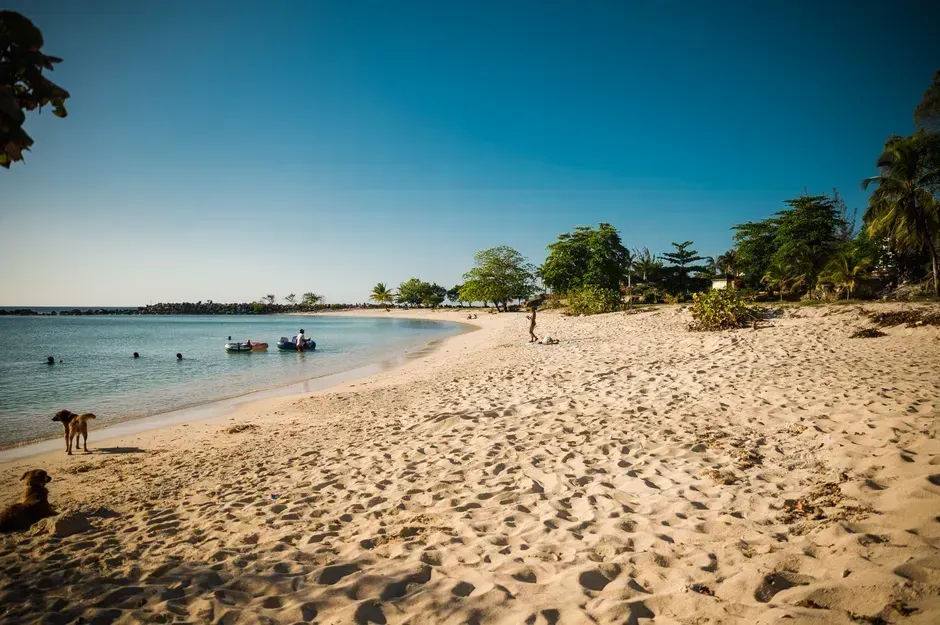
Jamaica was recently downgraded from Level 3 to Level 2 in early 2026, a shift the State Department attributed to real improvement in the overall security picture. According to recent reporting, crime is still a factor in specific communities, but the overall security environment has shown enough improvement for the State Department to lower the warning level. The change reflects genuine progress rather than a simple policy adjustment.
For travellers, Jamaica has long occupied an odd space, a country associated with pristine beaches and reggae culture that nonetheless carried a fairly serious advisory for years. The downgrade brings the official language closer to what most resort guests already experienced firsthand. Montego Bay, Negril, and the all inclusive corridors along the north coast remain some of the most consistently booked Caribbean destinations for American travellers, advisory level or not.
Kenya

Kenya carries a Level 3 advisory, with the sharpest concerns concentrated near the Somali border and in specific counties like Mandera, Wajir, Garissa, and parts of Lamu, all flagged for kidnapping and terrorism. The advisory also notes that demonstrations, strikes, and other political and economic protests are common and often block key intersections or highways, particularly in Nairobi and western Kenya. None of that touches the safari circuit that draws most American visitors.
The Masai Mara, Amboseli, and the broader safari infrastructure operate well outside the flagged border zones, and lodges in these areas have built decades of experience managing tourist safety. Travellers who fly into Nairobi, transfer directly to established parks, and skip the northeastern border counties entirely tend to describe their trips in almost reverent terms. The wildlife alone tends to overshadow any lingering nervousness about the advisory.
Philippines

The Philippines carries a Level 3 advisory, a rating that groups it with destinations like Colombia, Egypt, and Turkey in the reconsider travel tier. The concerns tend to relate to specific regions, particularly parts of Mindanao, where kidnapping and terrorism risks have persisted for years, rather than the archipelago as a whole. Manila and the major island resorts operate under a different risk profile entirely.
What draws travellers back, advisory or not, is the sheer geographic range on offer, the rice terraces of Luzon, the diving around Palawan, and the beach towns of the Visayas among them. Palawan in particular has developed a reputation as one of the more spectacular island destinations anywhere in Asia, and it sits nowhere near the flagged conflict zones. Visitors who plan around the specific regional risks rather than reacting to the country-wide label tend to come home enthusiastic rather than shaken.
Turkey

Turkey holds a Level 3 advisory, again placing it among the countries where the State Department wants Americans to pause and think before booking. The concerns generally trace back to terrorism risk and the country’s proximity to conflict zones along its southeastern border with Syria, a region far removed from Istanbul, Cappadocia, or the Aegean coast. Straddling two continents gives Turkey a geographic complexity that a single national rating struggles to capture.
Istanbul continues to pull in enormous numbers of American visitors drawn to its layered history, its markets, and its position as a genuine crossroads between Europe and Asia. Cappadocia’s balloon rides and the coastal towns along the Turquoise Coast round out an itinerary that rarely intersects with the border regions driving the advisory. Travellers who stick to these well established circuits routinely rank Turkey among their most memorable trips, advisory notwithstanding.
Dominican Republic

The Dominican Republic sits at Level 3, a rating that has drawn some scrutiny given how many Americans travel there each year without major incident. The advisory generally points to crime concerns and, in border regions, the volatile situation involving Haiti, whose own Level 4 rating and the discouragement of border crossings between the two countries add to the regional picture. The resort zones along Punta Cana and the north coast operate in a different context altogether.
Punta Cana alone hosts millions of American tourists annually, most of them staying within heavily secured all inclusive compounds that rarely intersect with the risks the advisory describes. Santo Domingo’s colonial zone and the surf towns near Cabarete add cultural depth beyond the resort strip for travellers willing to venture further. As with several other countries on this list, the disconnect between the advisory level and the typical tourist experience is part of why so many people return unbothered by the official caution.
Reading the warnings without letting them read for you
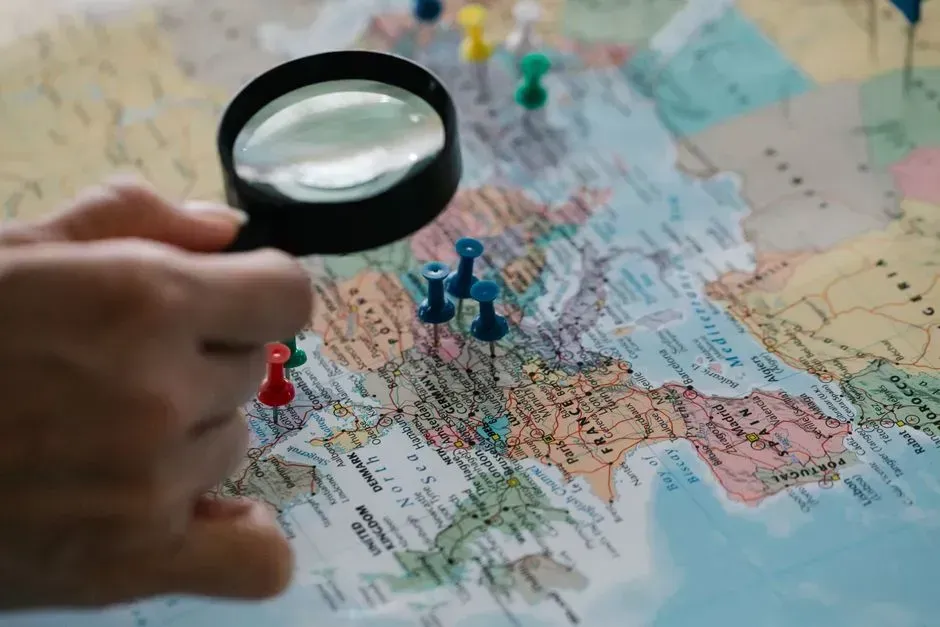
None of this means travel advisories are noise to be ignored. They exist because real risks exist, and in border regions, specific neighborhoods, and areas with active conflict or organized crime, the warnings reflect genuine danger that deserves respect. The mistake is treating a single country-wide number as a verdict on an entire nation, when the underlying reports almost always point to specific zones rather than blanket conditions.
The travellers who come home glowing about these destinations tend to share a habit, they read past the headline level and into the actual advisory text, noting which regions are flagged and why. That small bit of homework seems to make the difference between a trip that lives up to the hype and one that runs into exactly the trouble the warning described. The State Department map is a starting point for research, not a final answer, and the countries on this list prove that distinction matters.




Leave a Reply