
Nepal
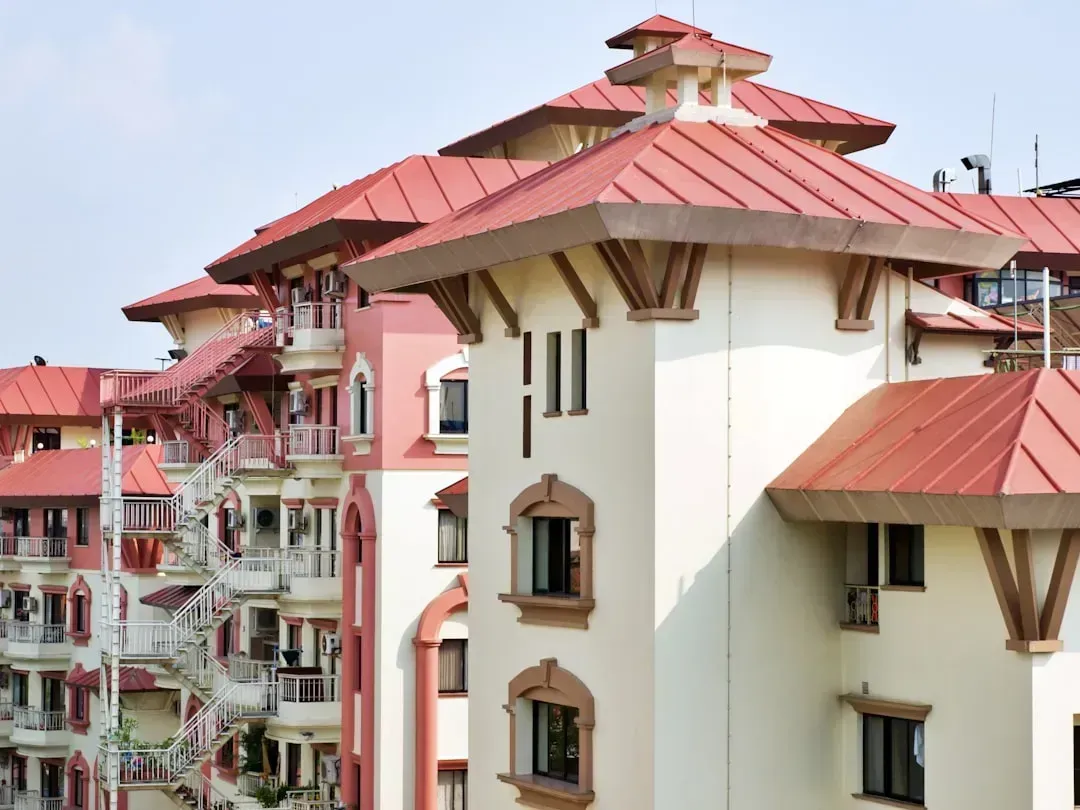
Kathmandu and Pokhara routinely turn up in expat forums as places where a functional, furnished apartment barely dents a modest budget. Regardless of the neighborhood, it’s noticeably cheap to rent an apartment anywhere in Nepal, with an apartment in the center of one of the cities running around 120 dollars a month. Step outside the two main cities into smaller towns and that figure tends to drop further still.
The broader cost data backs this up. Overall cost of living in Nepal runs about 69 percent lower than in the United States, and rent specifically comes in around 92 percent lower. Add in cheap utilities and food, and it’s easy to see why Nepal keeps showing up on budget-living lists year after year.
Montenegro

Montenegro doesn’t get the same press as Portugal or Spain, but the Adriatic coastline is every bit as scenic, and the price tag is a fraction of the cost. This remains one of the cheapest places to live in Europe, and even living by the sea in Herceg Novi doesn’t cost much, with Numbeo estimating monthly rent for a one-bedroom apartment there at around 73 dollars.
That single figure is almost impossible to beat anywhere in coastal Europe. Inland towns and smaller coastal spots like Kotor or Podgorica offer similarly modest housing options, which explains why a small but steady expat community has quietly grown here without much fanfare.
Bulgaria

Bulgaria remains the go-to answer whenever someone asks about the cheapest corner of the European Union. Sofia apartments average around 400 dollars a month, while smaller cities like Plovdiv offer similar quality for just 200 dollars a month.
Head further from the capital and prices soften even more. In Plovdiv or Veliko Tarnovo, a one-bedroom apartment in the center rents for roughly 250 to 300 euros, while options outside the center can go for as little as 200 euros. Groceries and utilities stay low too, which is part of why Bulgaria has held onto its reputation as Europe’s budget capital for years.
Pakistan

Pakistan rarely makes it onto glossy expat lists, but the numbers are genuinely striking for anyone comparing housing costs across regions. Overall cost of living runs about 71 percent lower than in the United States, and rent specifically comes in around 92 percent lower.
That gap holds even in mid-sized cities with reasonable infrastructure, not just remote villages. For anyone doing remote work or living on a fixed retirement income, that kind of rent differential means housing stops being the dominant line item in a monthly budget.
Sri Lanka

Sri Lanka combines beaches, tea country, and ancient temples with a cost of living that still surprises first-time visitors. Overall cost of living sits about 55 percent lower than in the United States, with rent specifically running around 81 percent lower.
Coastal towns like Galle and Unawatuna, along with hill stations such as Kandy and Nuwara Eliya, offer a range of rental apartments away from the more built-up capital. Even in Colombo itself, a modest lifestyle with rent and daily expenses combined can be managed on a few hundred dollars a month, let alone rent alone.
Vietnam

Vietnam has become something of a shorthand for affordable Southeast Asian living, and the housing numbers explain why. Vietnam’s affordability is unmatched, with modern apartments renting for under 300 dollars a month.
Specific listings back this up closely. A furnished one-bedroom apartment in Hanoi’s Old Quarter costs about 275 dollars per month, including cleaning services and most utilities. Smaller cities and coastal towns like Da Nang or Hoi An tend to undercut even that figure, especially once you’re away from tourist-heavy blocks.
Cambodia

Cambodia sits right alongside Vietnam as one of the region’s enduring bargains for renters. Rent in Cambodia runs around 72 percent cheaper than in the United Kingdom, with one-bedroom city center apartments averaging about 405 dollars a month.
Outside Phnom Penh, in places like Siem Reap or Battambang, that figure typically drops. Rent prices across the country stay low enough that living comfortably on 1,000 dollars a month, rent included, is entirely realistic for a single person. Given how far tourism has yet to fully recover in some areas, current rents remain especially favorable for anyone settling in for a while.
Bolivia

Bolivia rarely competes with Colombia or Mexico for expat attention, which is part of why it stays so affordable. Across Bolivia, a one-bedroom apartment in the city center generally rents for between 200 and 400 dollars, dropping to between 150 and 300 dollars in the outskirts, depending on the city.
Sucre, the constitutional capital, tends to undercut even La Paz and Santa Cruz. Sucre offers more affordable options, with one-bedroom flats available for 300 to 500 dollars. Move a bit further from the historic center, or into smaller Andean towns, and rents fall well below those city-center benchmarks.
Ecuador

Ecuador has built a genuine reputation among retirees looking for a milder climate without the price tag that comes with coastal Europe. In cities such as Quito and Cuenca, one-bedroom apartments in the city center can be found for as low as 450 dollars a month.
Move slightly outside the historic center and the numbers get friendlier still. Cuenca offers colonial architecture and spring-like weather year-round, with quality apartments available from 250 to 400 dollars a month. A Rentista visa program tied to remote income also makes long stays administratively simple, which is part of why Cuenca shows up so often on retirement shortlists.
Morocco

Morocco offers a rare combination in this list: proximity to Europe, dramatic scenery, and rents that stay remarkably low outside Marrakech’s tourist core. Beyond the capital, cities like Rabat, Casablanca, Fes, and Tangier are excellent options for expats, with a one-bedroom apartment in Rabat or Marrakech averaging around 460 dollars compared with 380 dollars in Tangier.
Tangier, in particular, benefits from being a working port city rather than a purely tourist destination, which keeps housing costs grounded in local reality rather than inflated by short-term rental demand. For anyone wanting quick flights back to Europe without European rent, Morocco fills that gap efficiently.
Egypt

Egypt’s reputation used to rest almost entirely on ancient history, but its cost of living has become just as much of a draw for long-stay visitors. Known for its historical charm, Egypt allows expats to live comfortably with costs as low as 400 to 600 dollars monthly.
That figure covers far more than just housing, meaning rent alone often represents a modest slice of that total. Cities like Cairo and Alexandria offer a wide spread of rental options, and smaller coastal or Nile-side towns typically come in lower than either.
Poland
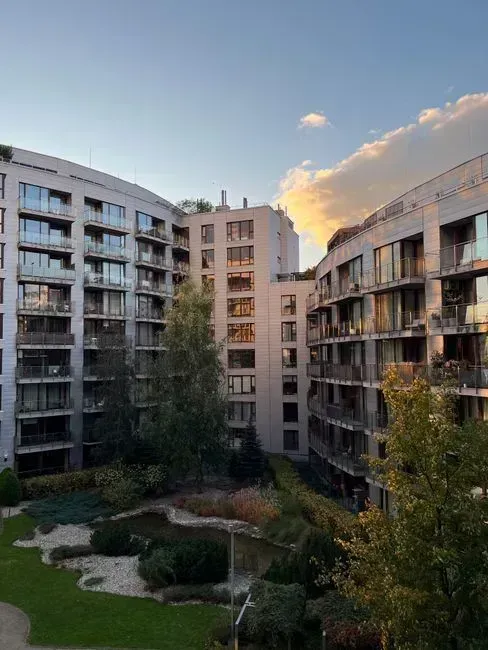
Poland has quietly become one of Europe’s better bargains for anyone willing to skip Warsaw and Krakow. Smaller cities like Rzeszow, Olsztyn, and Bialystok offer all the charm of Poland without the inflated prices of the two biggest cities, and rent in these towns tends to be surprisingly low.
Actual listings support that impression closely. Local rental platforms show one-bedroom apartments in Rzeszow going for around 350 euros a month, and in Bialystok for as little as 250 euros without furniture. As part of the Schengen zone, Poland also comes with far simpler travel logistics for European visitors than some of the other countries on this list.
Mexico

Mexico has absorbed a wave of remote workers over the past few years, yet plenty of towns outside the obvious hotspots remain genuinely affordable. Rent typically runs between 300 and 800 dollars a month for a one-bedroom apartment in the city center, depending on the specific location.
Cities like Puebla and Merida sit well toward the lower end of that range compared with beach-facing Puerto Vallarta or Playa del Carmen. Popular expat destinations outside Mexico City include San Miguel de Allende, Puerto Vallarta, Playa Del Carmen, Puebla, and Merida. Anyone prioritizing budget over beachfront views tends to gravitate toward the colonial interior cities, where rent competition is lighter and prices reflect it.
None of this means packing up and moving abroad is simple, or that housing is the only expense worth comparing. Visa rules, healthcare access, language barriers, and distance from family all matter more than a spreadsheet ever will. Still, the gap between what a single fill-up costs in much of the United States today and what a full month of housing costs in these thirteen countries says something worth sitting with, especially for anyone doing the math on where their money might simply go further.



Leave a Reply