
Vietnam
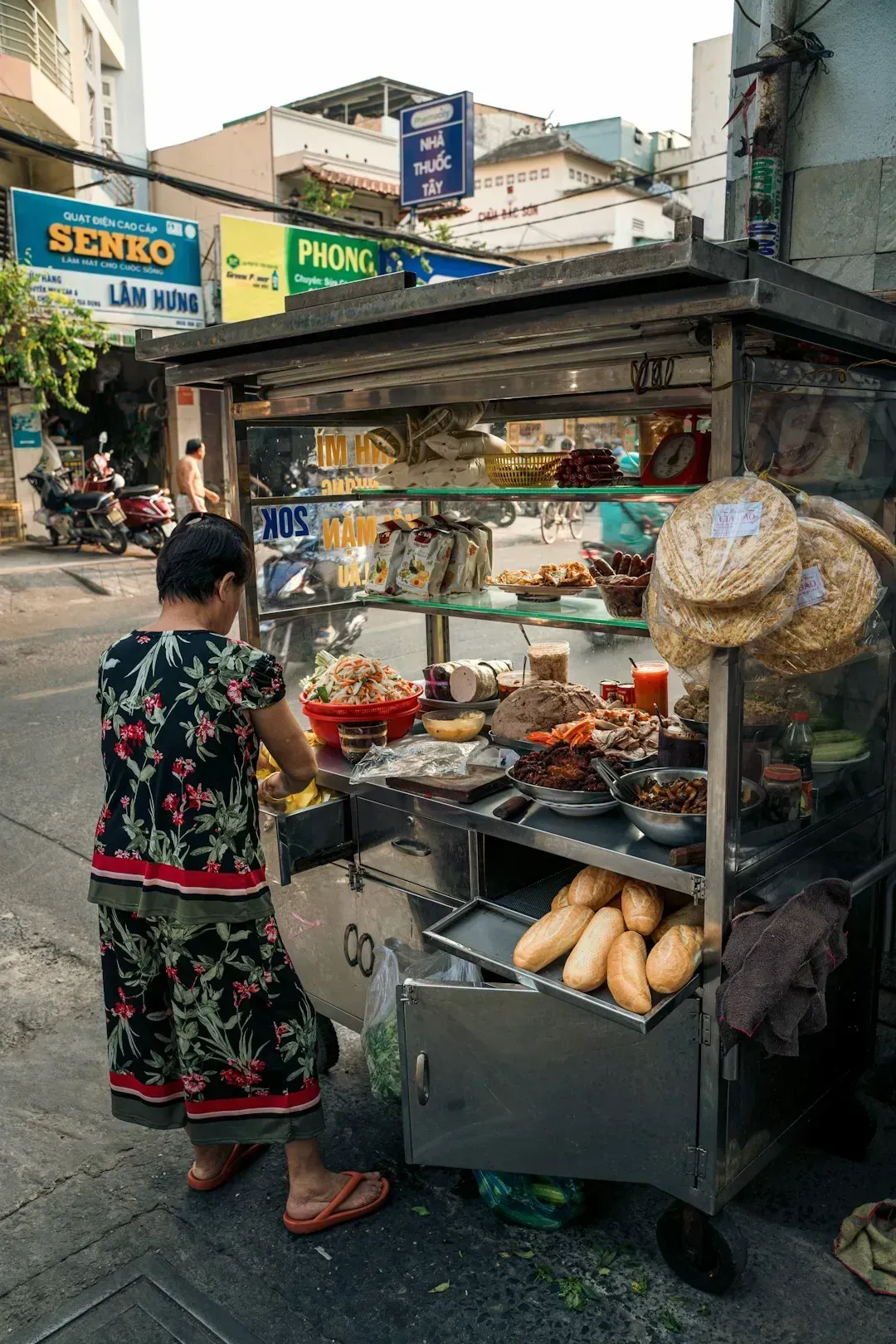
Vietnam remains one of the clearest examples of a five dollar day working in practice. Two people can enjoy a full local-style meal of rice or noodles, meat, vegetables, and a couple of draft beers for less than $5. That is not a rare deal either, since street stalls serving pho and banh mi are everywhere in cities like Hanoi and Ho Chi Minh City.
Transport and connectivity add almost nothing to the daily total. A pre-paid cell phone plan with unlimited data is about $3 per month, high-speed fiber-optic internet is around $11 per month, and cable TV is just $7 per month. Combine a couple of street meals with a few short rides and a coffee, and the day easily lands under five dollars, especially outside the two biggest cities where prices drop even further.
Laos
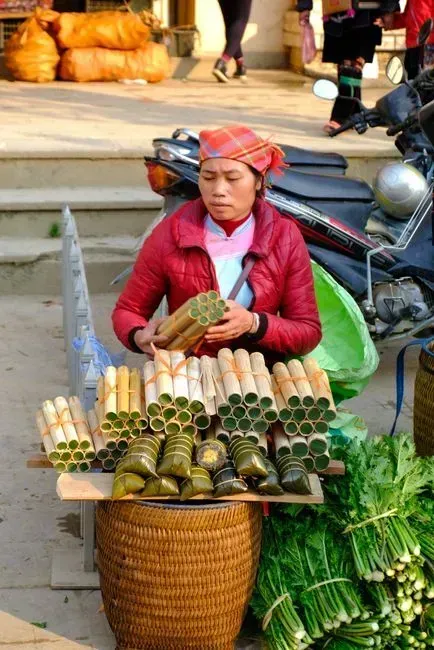
Laos might be the single cheapest country on this list once you get outside the two main tourist hubs. With a cost of living index of 26.40 (vs. NYC at 100), Laos is among the cheapest countries in Southeast Asia, and USD earners enjoy exceptional purchasing power, with rent, food, and transport a fraction of Western costs. Food is the standout bargain here.
Local dining options make a five dollar food and transport budget almost generous. Street food and night markets are the lifeblood of Laotian dining, with a baguette costing $0.50, papaya salad running $1 to $2 per portion, and local cooked meals at family stalls averaging $1.50 to $4. Add a couple of short tuk-tuk rides at fifty cents to two dollars each, and there is still change left over from five dollars.
Cambodia
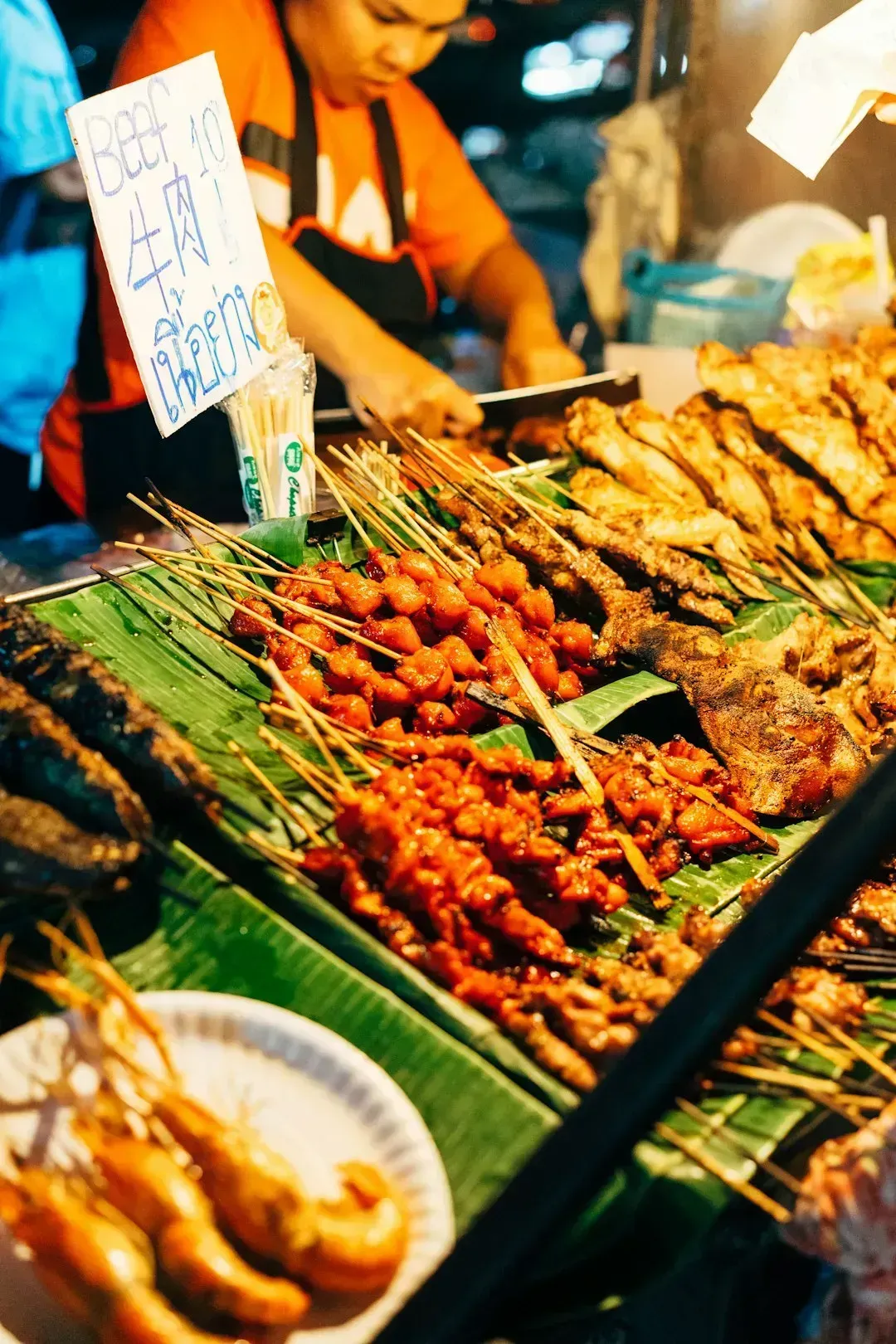
Cambodia sits in a similar bracket to its neighbors, with everyday food costs that make a modest daily budget go a long way. Street food in Cambodia costs US$1 to $4 per meal, while local restaurants charge US$3 to $10. Three simple street meals a day can realistically total around five dollars if you stick to noodle soups, rice plates, and grilled skewers rather than restaurant dining.
Getting around adds very little on top of that. Tuk-tuks cost US$1 to $3 for a short ride, and intercity buses run US$5 to $15. For someone living locally rather than touring, sticking to short in-town rides and market food keeps the daily spend firmly within reach of five dollars, particularly outside Phnom Penh and Siem Reap where prices are noticeably lower.
India
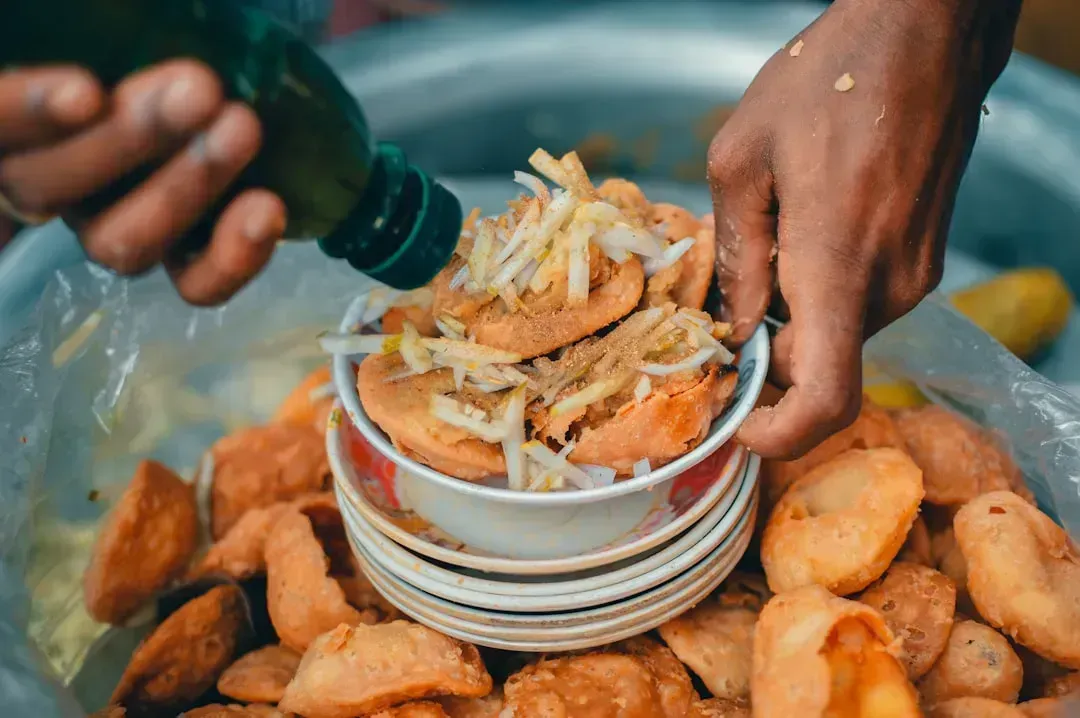
India offers some of the widest price ranges on this list, but its lower end remains extraordinarily affordable. With affordable housing and inexpensive groceries, India offers an average monthly living cost of $300 to $500 in most cities outside the major metros. That monthly range alone suggests daily food and transport costs sitting comfortably within a five dollar budget.
Street food culture across Indian cities reinforces this. A plate of thali, a full meal with rice, bread, lentils, and vegetables, commonly costs between one and two dollars at local eateries, and city buses or shared autorickshaws add only small change per trip. Even factoring in a chai or two through the day, five dollars covers a genuinely full day of eating and moving around in most Indian towns and smaller cities.
Indonesia
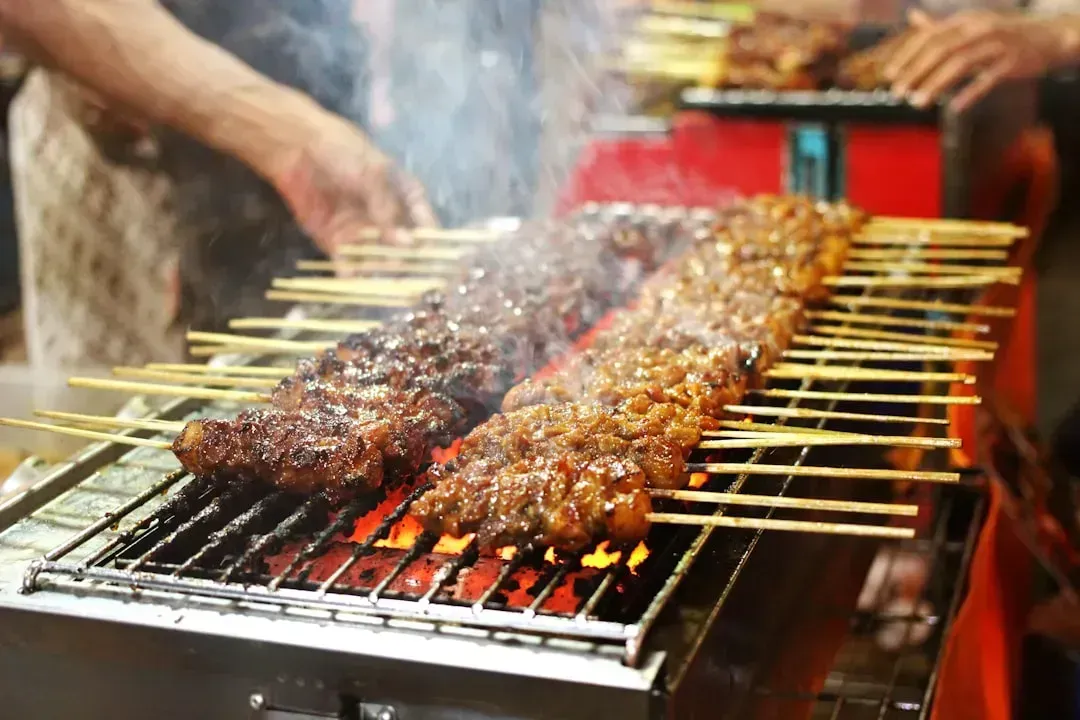
Indonesia, away from Bali’s inflated tourist economy, keeps food costs remarkably low. Breakfast at a warung or simple local food spot runs around $1.18, while lunch at an inexpensive restaurant designed for residents averages $1.78. Add a similarly priced dinner and a snack, and the daily food total lands close to five dollars before transport even enters the picture.
For travelers sticking strictly to local food, the numbers back this up further. Non-drinkers who want to stick with street food will only spend $5 to $6 a day. Public transport in cities like Jakarta and Surabaya costs well under a dollar per ride, meaning a disciplined but genuinely comfortable day, warung meals, a local bus or two, still fits within a five dollar frame outside the pricier tourist islands.
Bolivia
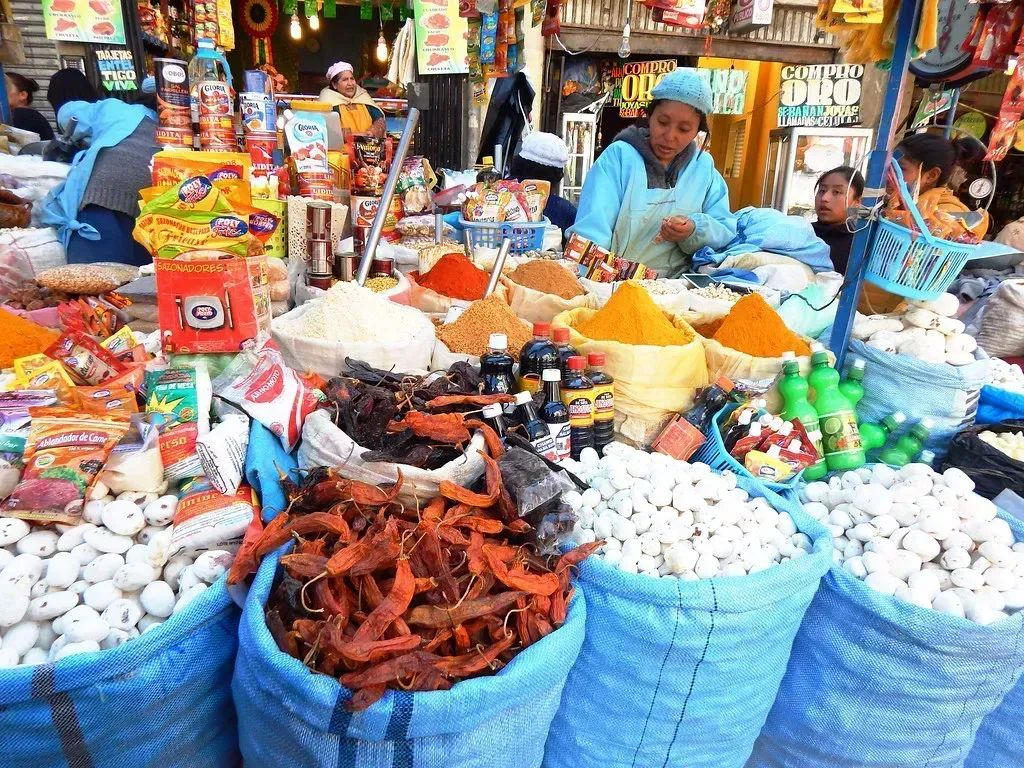
Bolivia is one of South America’s most overlooked budget destinations, and the numbers explain why. The average cost of living in Bolivia is $715 a month, making it one of the least expensive countries in the region. That monthly figure translates into daily costs that leave real room for food and local transport within five dollars.
Markets in cities like La Paz, Sucre, and Cochabamba sell hearty set lunches, often called almuerzos, for around one to two dollars, including soup, a main dish, and juice. Local buses and shared minivans known as trufis charge only a fraction of a dollar per ride within cities. Between an almuerzo, a market snack, and getting around town, five dollars covers a genuinely full day in most Bolivian cities outside the capital’s more upscale neighborhoods.
Nicaragua
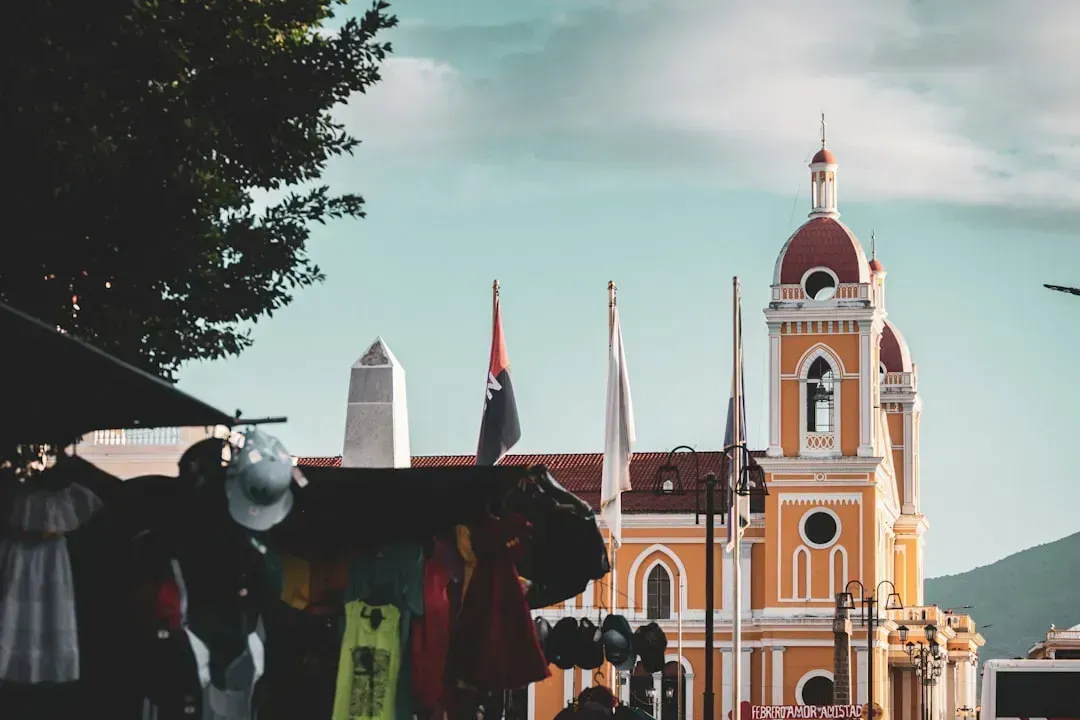
Nicaragua remains one of Central America’s most budget-friendly countries, particularly compared to its increasingly popular neighbor Costa Rica. Cost of living in Nicaragua is, on average, 48 percent lower than in the United States, and rent is around 80 percent lower. That gap shows up clearly in everyday food and transport prices.
Local comedores, small family-run eateries, serve rice, beans, plantain, and a protein for around two to three dollars, and this remains true in cities like León and Granada as much as in smaller towns. Bus fares within cities rarely exceed a few cents, and even intercity chicken bus rides cost only a dollar or two. Stringing together two or three local meals with transport still leaves change from a five dollar daily budget in most parts of the country.
Egypt
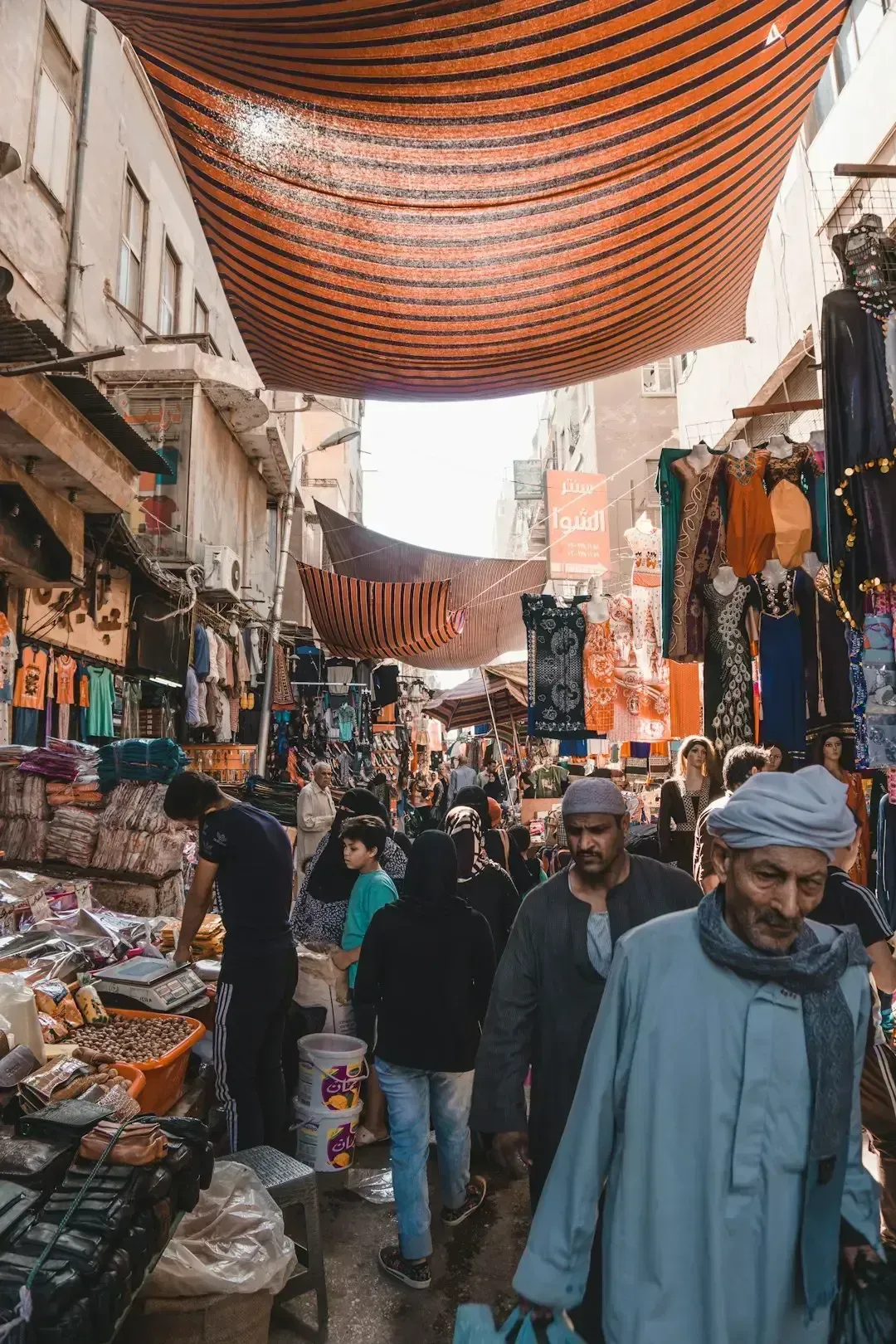
Egypt closes out this list with genuinely low everyday costs, even as tourism around its major sites has grown. Egypt is one of the cheapest countries to live in with a monthly cost around $384, thanks to low housing costs, inexpensive food, and affordable transport, with costs staying balanced due to local wages and prices for goods. That monthly total makes a five dollar daily allowance for food and transport quite achievable.
Street food staples like koshari, a mix of rice, lentils, and pasta topped with tomato sauce, typically cost under a dollar at local stalls, and ful medames sandwiches cost even less. Microbuses and local trains within cities charge only small change per ride. Even in Cairo, where prices run a little higher than in smaller cities, a mix of koshari, falafel sandwiches, and local transport keeps a full day of eating and moving around comfortably within five dollars.
Living well on five dollars a day does not mean living without comfort or variety. In each of these countries, that budget covers real, satisfying meals eaten the way locals eat them, plus enough transport to get around a city or town without much friction. What it does not cover, in most cases, is rent, which is why this kind of budget tends to work best for travelers, remote workers already covering housing separately, or people staying with family or in very low-cost long-term rentals. Still, for the specific slice of daily life it addresses, food, drink, and getting around, five dollars remains a genuinely workable number in these eight places, not a nostalgic exaggeration from another era.



Leave a Reply