
Vanuatu: citizenship processed in weeks, not years

Vanuatu’s Citizenship by Investment Program has earned a reputation as the fastest and most affordable citizenship programs in the world, with a minimum contribution of $130,000 and a processing time of one to three months. That kind of turnaround is almost unheard of anywhere else. No years of residency, no language test, just a financial contribution and a background check.
The program has not been without turbulence. In 2024, Vanuatu introduced a series of reforms to increase due diligence standards, including biometric passports with improved security features and a national security unit to strengthen applicant screening. Even with those adjustments, it remains one of the quickest legal routes to a second nationality on the planet.
Nauru: one of the cheapest passports on earth right now
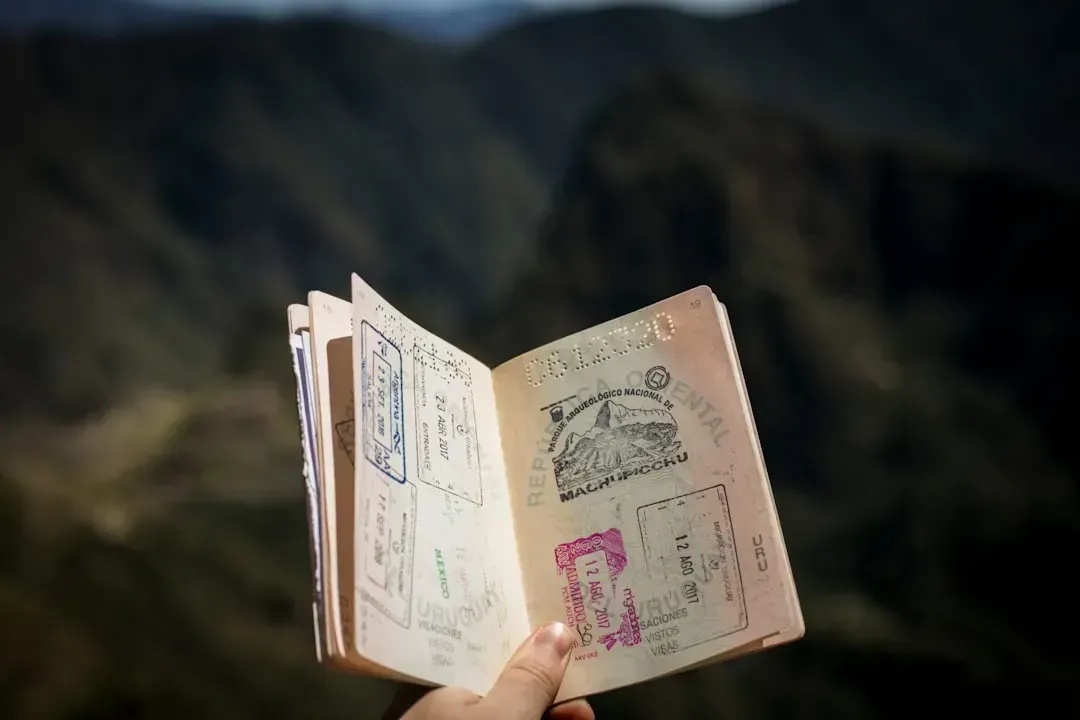
Nauru has quietly become a favorite among people hunting for the lowest entry price into global citizenship. The country allows applicants to qualify through a government contribution starting at $90,000 until 30 June 2026, after which the standard minimum contribution rises to $115,000. That window is closing, which has pushed a wave of interest in recent months.
What makes Nauru stand out beyond the price tag is flexibility. A distinctive feature of the program is broad family eligibility, with applications able to include immediate and extended family members and no age limits. The main condition is straightforward too: the main applicant must be over 18, have no criminal record, and prove the lawful origin of their income.
St Kitts and Nevis: the pioneer of investment citizenship
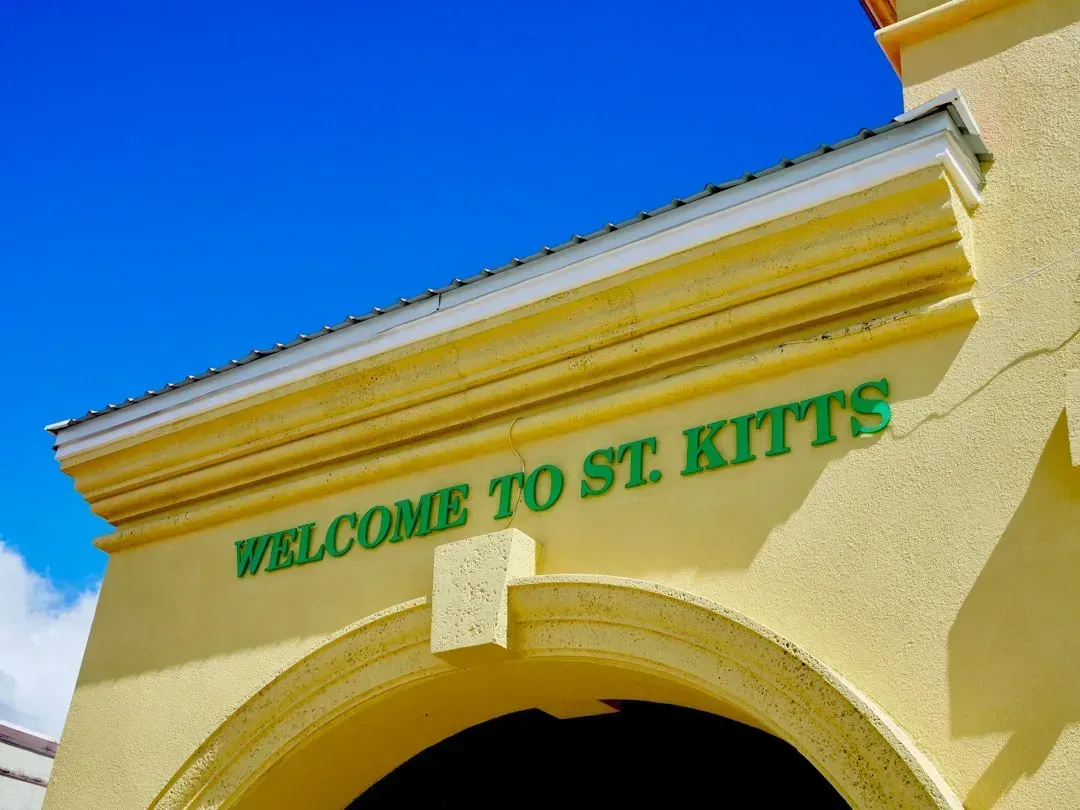
Long before other Caribbean nations followed suit, St Kitts and Nevis built the template everyone else copied. Established in 1984, St Kitts and Nevis Citizenship by Investment is the world’s oldest CBI program, and it still functions as the industry’s reference point decades later.
Today the numbers are simple: the minimum amount is $250,000 to the Sustainable Island State Contribution, and successful applicants receive one of the Caribbean’s strongest passports, with visa-free access to 167 countries. The application can be completed remotely, including the mandatory online interview, and there is no minimum stay requirement. Few countries anywhere offer that level of convenience for something as significant as a second nationality.
Antigua and Barbuda: family-friendly and light on requirements
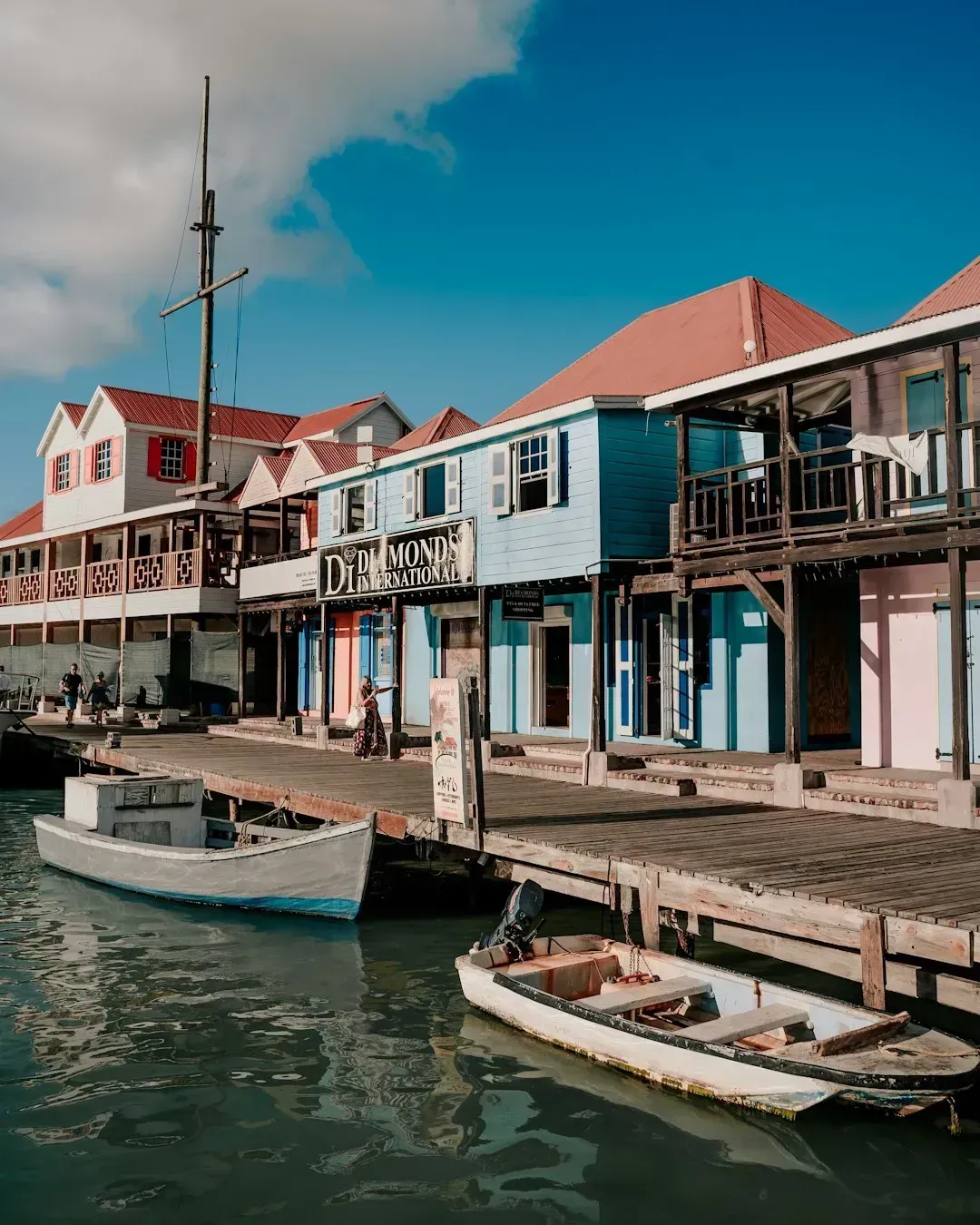
Antigua and Barbuda has built its citizenship program around inclusiveness rather than exclusivity. The minimum investment starts at $230,000 through a contribution to the National Development Fund, and the qualifying investment is only made after receiving pre-approval, reducing risk for applicants worried about losing money on a rejected case.
There’s also no cultural gatekeeping involved. There are no language or cultural knowledge tests, and the program offers the most expansive eligibility in the world, allowing applicants to include spouses, children, parents, grandparents, and siblings. The resulting passport opens doors across more than 160 countries, including the Schengen Area, the UK, Hong Kong, and Singapore.
Turkey: real estate as a shortcut to a passport
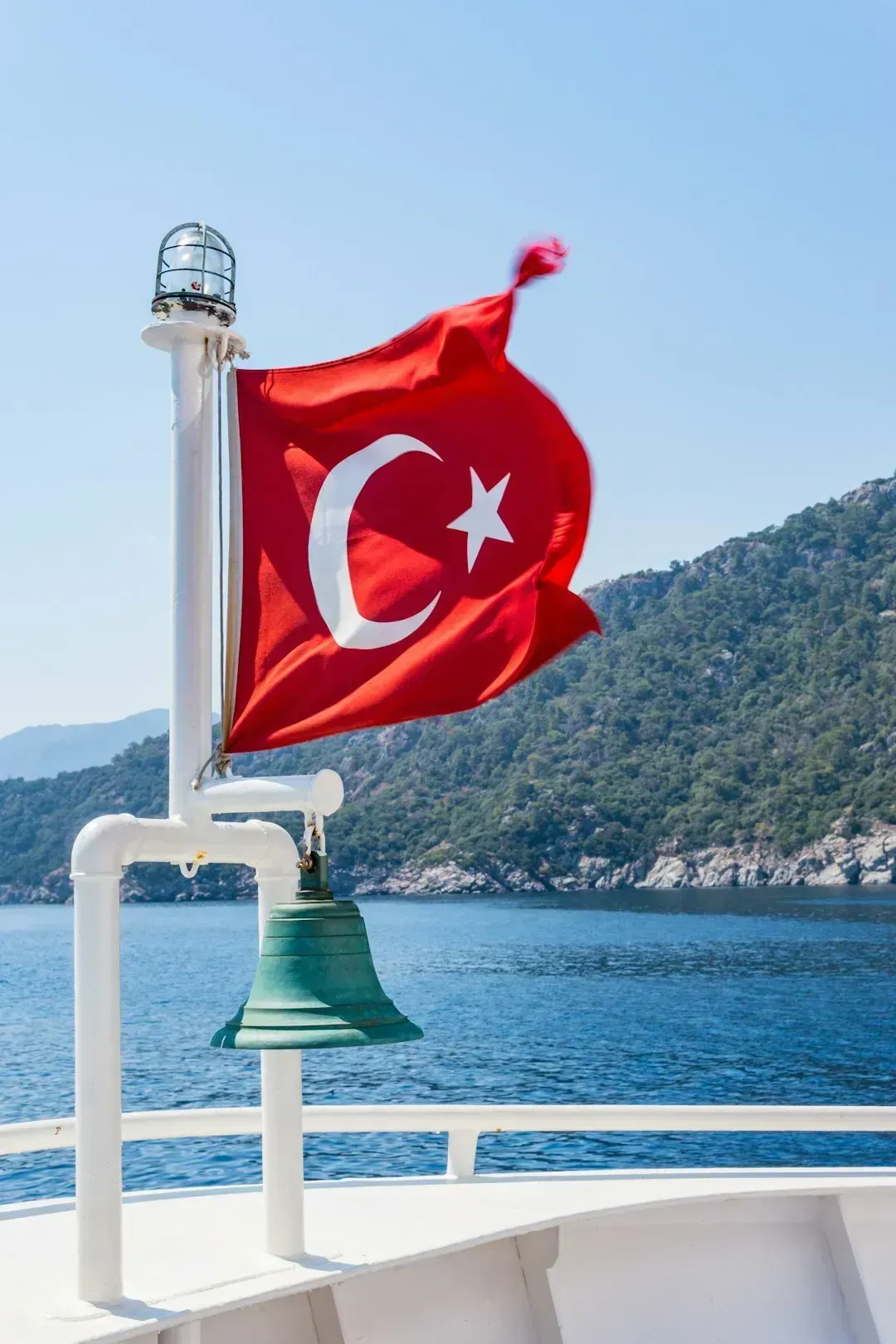
Turkey has carved out a different niche, appealing to people who’d rather own property than make a donation. Foreign nationals can obtain citizenship through an investment starting at $400,000 in real estate, with other options including a $500,000 bank deposit, government bonds, investment fund shares, fixed capital investment, or creating at least 50 full-time jobs. The paperwork side has gotten a little heavier in 2026. Applicants and their spouses must now travel to Turkey for biometric verification during the application process, though there is no minimum stay requirement beyond that visit. Still, with visa-free or visa-on-arrival access to more than 120 destinations, plus eligibility for the US E-2 investor visa, it remains one of the more practical middle-ground options.
Dominica: the budget-friendly Caribbean option
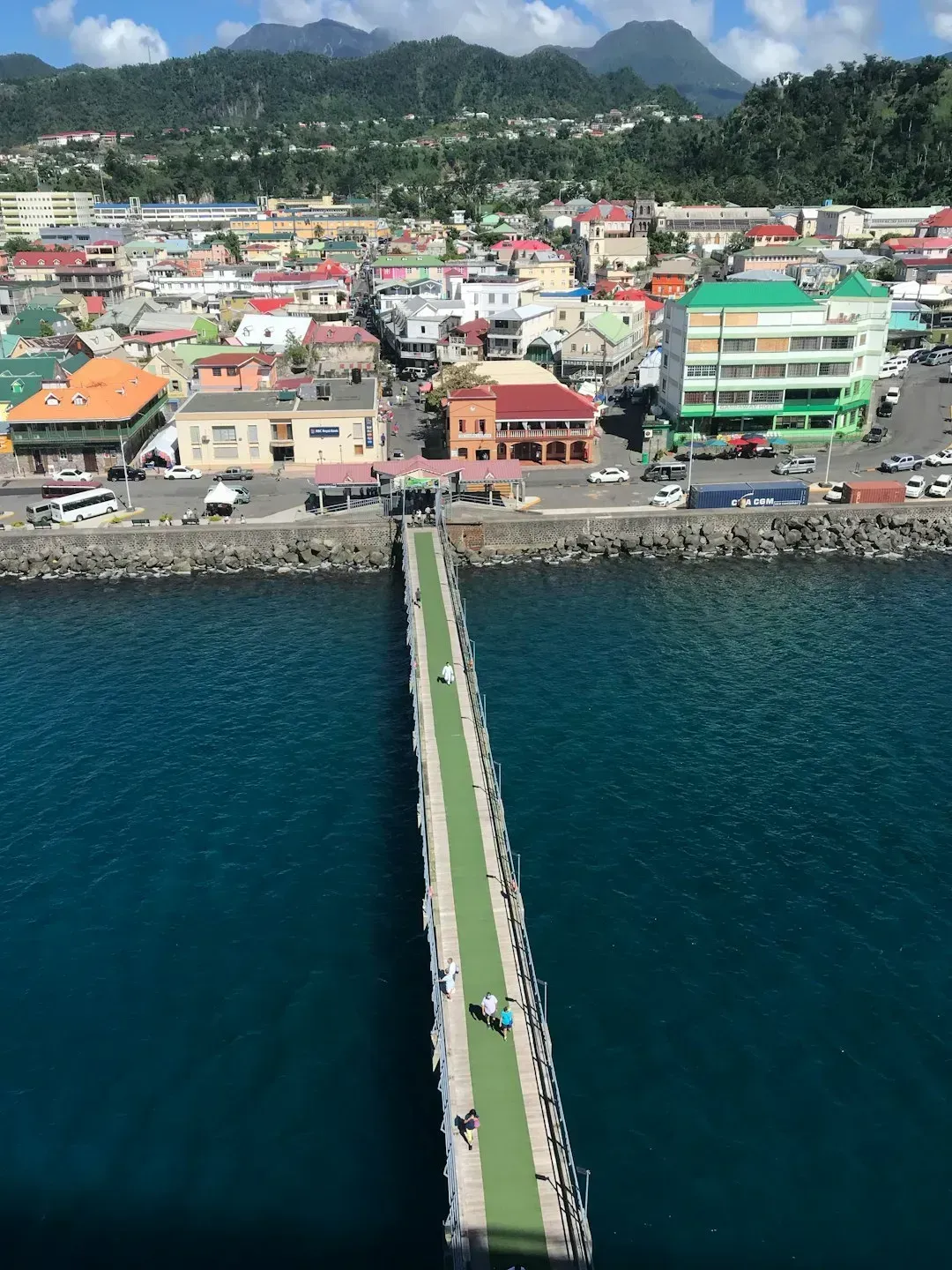
If cost is the main concern, Dominica tends to sit near the bottom of the price list among Caribbean programs. It’s regarded as one of the most affordable CBI programs, granting citizenship in roughly 3 to 4 months in exchange for a $100,000 contribution to its government fund. There’s a small catch worth flagging for anyone comparing options. Since 2026, Dominica has required a trip to the island during the process before citizenship is granted, a departure from the fully remote approach some competitors still offer. Beyond that, though, there’s no residency requirement or interview, and the passport provides broad travel freedom, including visa-free access to much of Europe.
Qatar: perhaps the world’s toughest naturalization path

On the opposite end of the spectrum sits Qatar, a country where long-term residence almost never converts into citizenship. Qatar ranks as one of the world’s most difficult countries for obtaining citizenship, requiring 25 consecutive years of legal residence before applying, along with legitimate income sources, clean conduct, and mandatory renunciation of previous nationality upon approval. The numbers make the difficulty concrete. Only about 100 permanent residency permits issue annually from Qatar’s Ministry of Interior. For most expatriate workers who make up the bulk of the country’s population, citizenship simply isn’t a realistic long-term goal, regardless of how many years they spend there.
Switzerland: a maze of federal, cantonal, and local approval
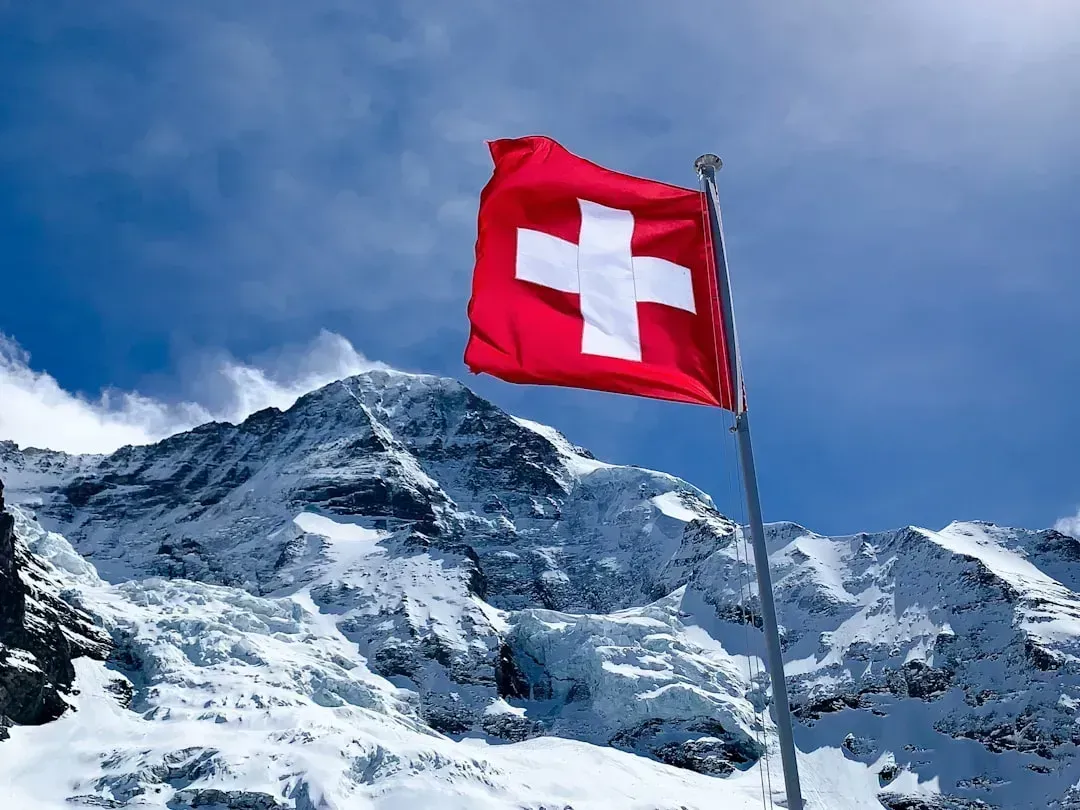
Switzerland’s system is less about a single hard rule and more about layers of bureaucracy stacked on top of each other. The country operates perhaps the world’s most complex naturalization system, requiring approval at federal, cantonal, and municipal levels, meaning requirements vary significantly across 26 cantons and roughly 2,100 municipalities.
The baseline federal rule already sounds demanding on its own. Federal requirements mandate 10 years of residence, including 3 of the last 5 years before application, alongside language requirements of B1 oral and A2 written in a national language, tested through the standardized fide system. Local disparities compound the challenge further, since Zurich shows a naturalization rate of only about 2.2% since 1998, while Glarus records just 0.6%. Some municipalities even put applications to a community vote, which has occasionally led to rejections based on little more than personal grievances against an applicant.
Japan: a residency clock that just doubled overnight

Japan has always been selective about naturalization, but 2026 brought the single biggest shift in decades. Japan raised the minimum residency requirement for naturalization from 5 to 10 consecutive years, effective April 1, 2026, with the Ministry of Justice confirming the change on March 27, 2026, just four days before it took effect.
The reasoning behind the change is fairly transparent. The stated rationale is that citizenship carries more rights than permanent residency, which had always required 10 years of continuous residence, while naturalization previously required only 5, an asymmetry the ministry described as illogical. On top of the longer wait, Americans, Canadians, and Europeans who naturalize in Japan must give up their birth citizenship, since dual nationality still isn’t permitted. Tax and social insurance scrutiny has grown stricter too, with applicants now expected to show about 10 years of residence history, 5 years of tax records, and 2 years of social insurance payment records.
Liechtenstein: 30 years, and even that’s no guarantee
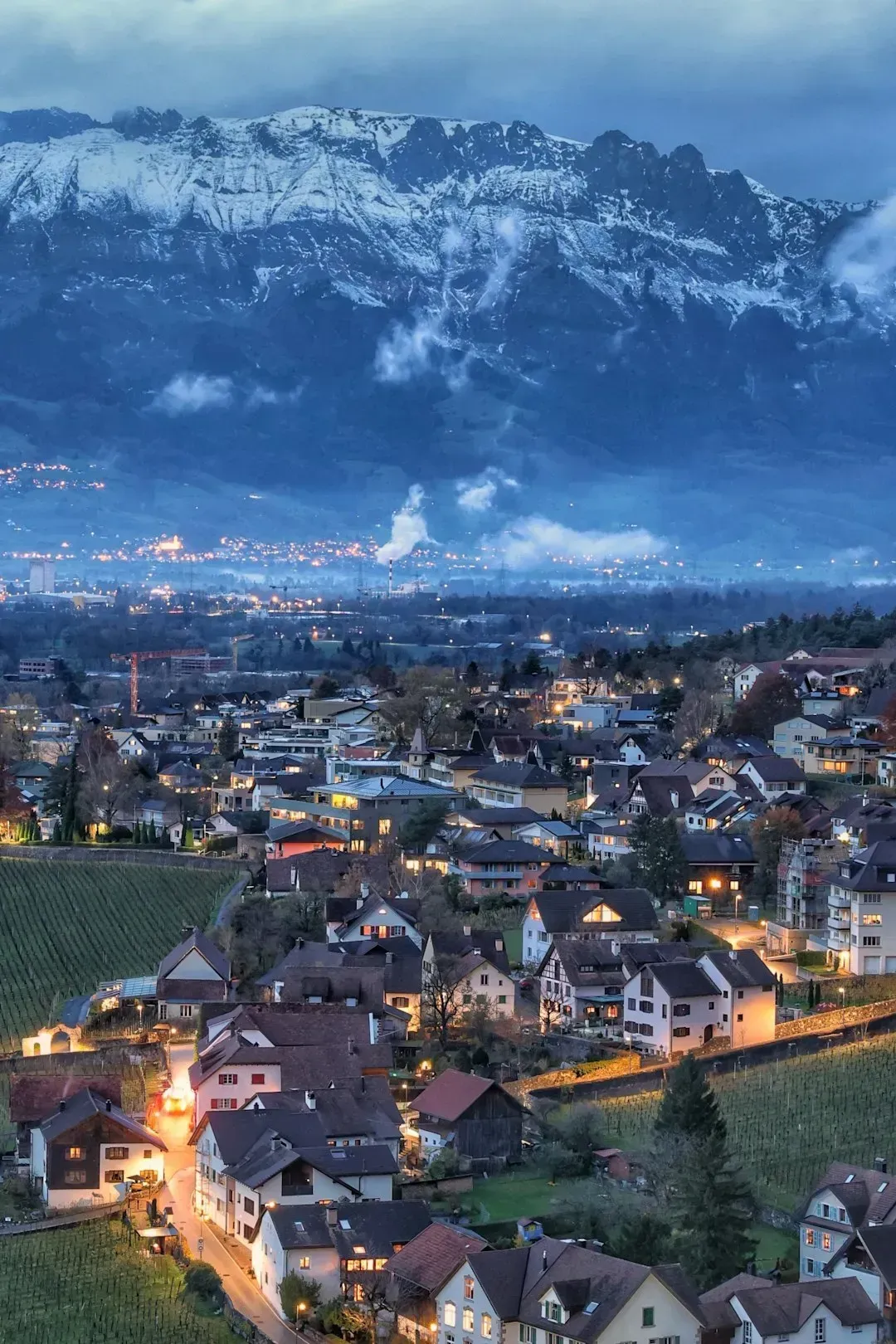
Few countries make citizenship feel quite as out of reach as Liechtenstein. The country demands 30 years of continuous residency for standard naturalization, though this can reduce to 5 to 10 years through marriage or exceptional community approval, with a unique barrier involving municipal referendums where existing citizens vote on each naturalisation application individually.
The scale of how selective this process is becomes clear in the raw numbers. This democratic voting process resulted in only 189 naturalisations in 2023 from a population of 39,584 residents. Even applicants who tick every legal box can still be turned down simply because their neighbors weren’t convinced, a system that has no real parallel elsewhere in Europe.
Bhutan: royal discretion trumps every requirement
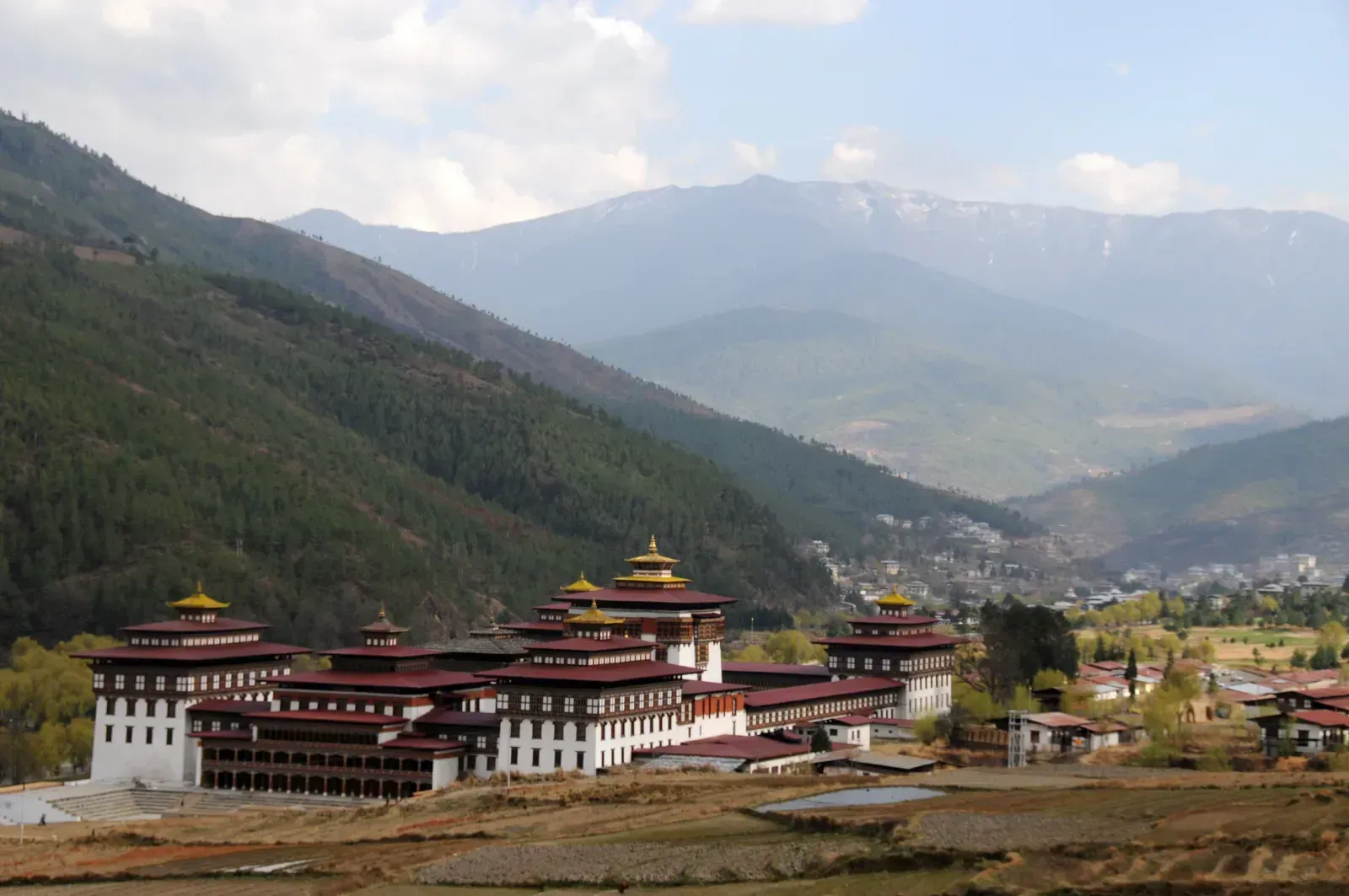
Bhutan’s citizenship law reads less like bureaucracy and more like a final word from the palace. Applicants must speak, read, and write Dzongkha proficiently, a Tibeto-Burman language with its own script that takes most foreigners years to master, and must also pass tests on Bhutanese culture, customs, traditions, and history, maintain a clean criminal record worldwide, and show no history of speaking or acting against the King, country, or people of Bhutan.
Even clearing every one of those hurdles guarantees nothing. The government reserves the right to reject any application for naturalization without giving a reason, meaning even after 20 years of residence and successful exams, an applicant can be turned away with no explanation and no appeal. It’s a system built explicitly to prioritize cultural continuity over accessibility, and it doesn’t pretend otherwise.
Kuwait: religious and residency barriers combined
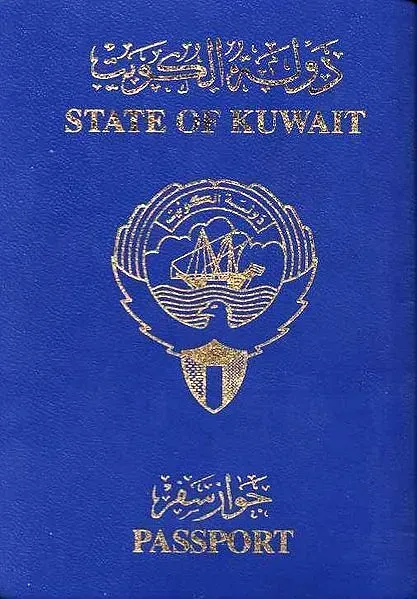
Kuwait pairs an already long residency requirement with conditions that go well beyond paperwork. Kuwait requires 20 years of residency combined with mandatory Islamic faith conversion for those from Christian or other religious backgrounds, a stipulation that rules out naturalization for a large share of the foreign population outright.
The consequences of this rigid framework extend far beyond individual applicants. The Bedoon crisis affects over 100,000 stateless residents denied citizenship despite generational presence, and naturalised citizens cannot vote for 30 years after gaining citizenship, with apostasy from Islam triggering automatic citizenship loss. It’s one of the starkest examples of how citizenship policy can leave entire communities in legal limbo for generations.
The takeaway


Leave a Reply