
Flat Iron Steak
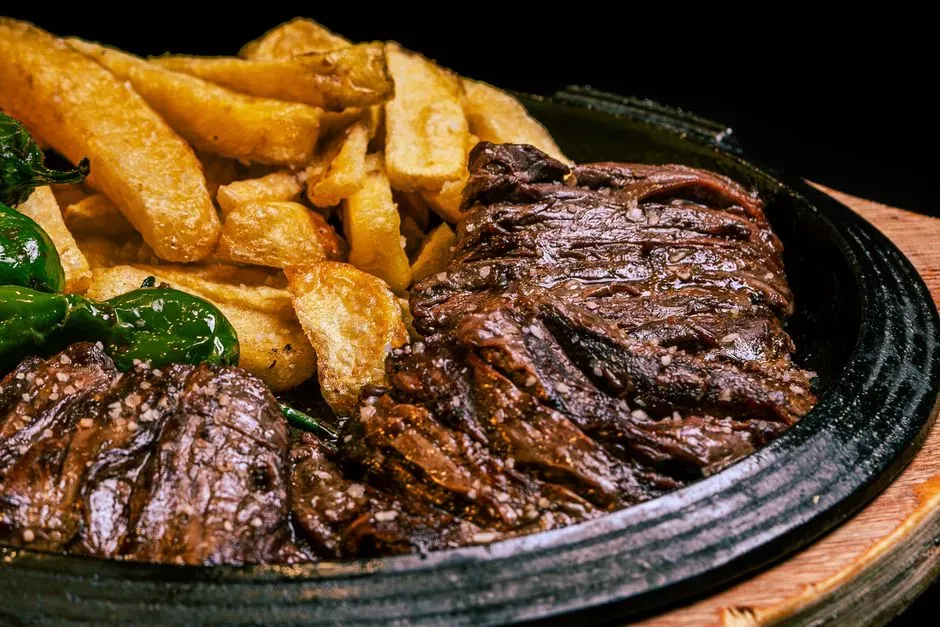
Flat iron comes from the infraspinatus, a muscle tucked inside the shoulder that researchers identified during a landmark muscle profiling project. Muscle Profiling research revealed that the infraspinatus, or top blade muscle, is the second most tender muscle in the carcass if its inherent connective tissue is managed correctly. That connective tissue removal step is exactly what turned a forgotten shoulder muscle into a steakhouse regular. Once butchers figured out how to split the muscle and pull out the tough seam running through its center, they were left with two clean, uniform steaks.
What makes flat iron especially notable is how it performed in actual taste tests rather than just lab measurements. Among the most tender cuts studied, the tenderloin scored highest for shear force while the flat iron was rated most tender according to sensory panel ratings. In plain terms, people chewing the meat found the flat iron softer than filet, even though a machine measuring raw resistance gave tenderloin the edge. Pricing backs up the value argument too, since flat iron began showing up at major retailers like Costco in early 2026 at under ten dollars a pound, a fraction of what tenderloin commands.
Shoulder Petite Tender (Teres Major)
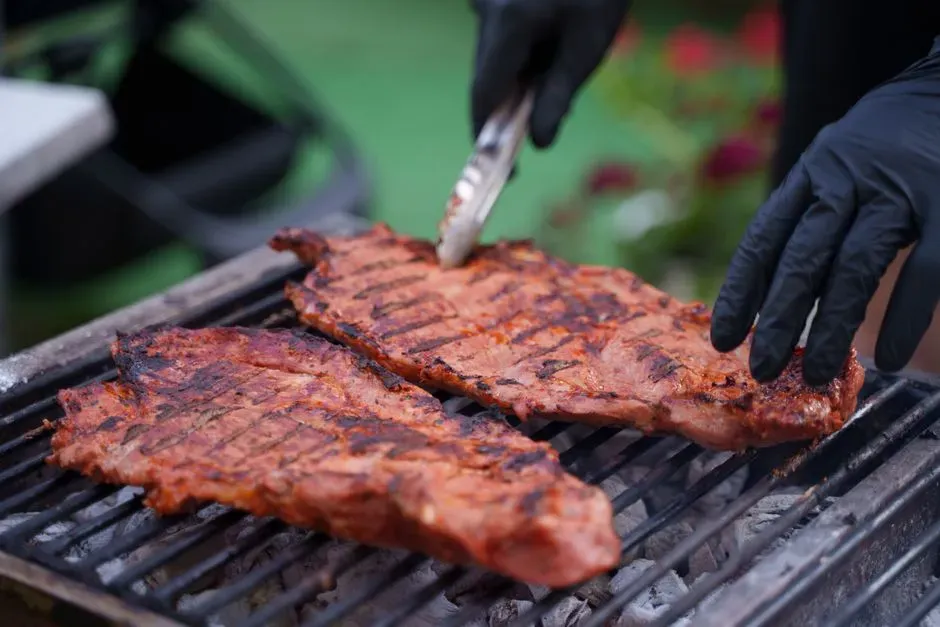
Also called the teres major, this small muscle sits deep in the chuck and rarely gets much exercise, which is exactly why it turns out so tender. University of Nebraska tenderness rankings place teres major as the second-most-tender muscle in the entire beef carcass, behind only the tenderloin. Each animal only yields two of these steaks, so most grocery stores skip carrying it at all. Butchers with the skill to extract it cleanly tend to treat it as something of an insider secret.
Because the chuck primal is priced as a lower-value section of the animal, the petite tender rides that pricing down despite its tenderloin-like texture. Skilled butchers who separate it properly typically sell it as shoulder tender or petite tender for roughly half the price per pound of filet, according to industry pricing patterns commonly cited by specialty meat retailers. It stays small too, since it is rarely more than ten to twelve ounces, similar in size to a pork tenderloin. That modest portion size makes it an easy sell for a weeknight dinner without committing to a full ribeye budget.
Denver Steak
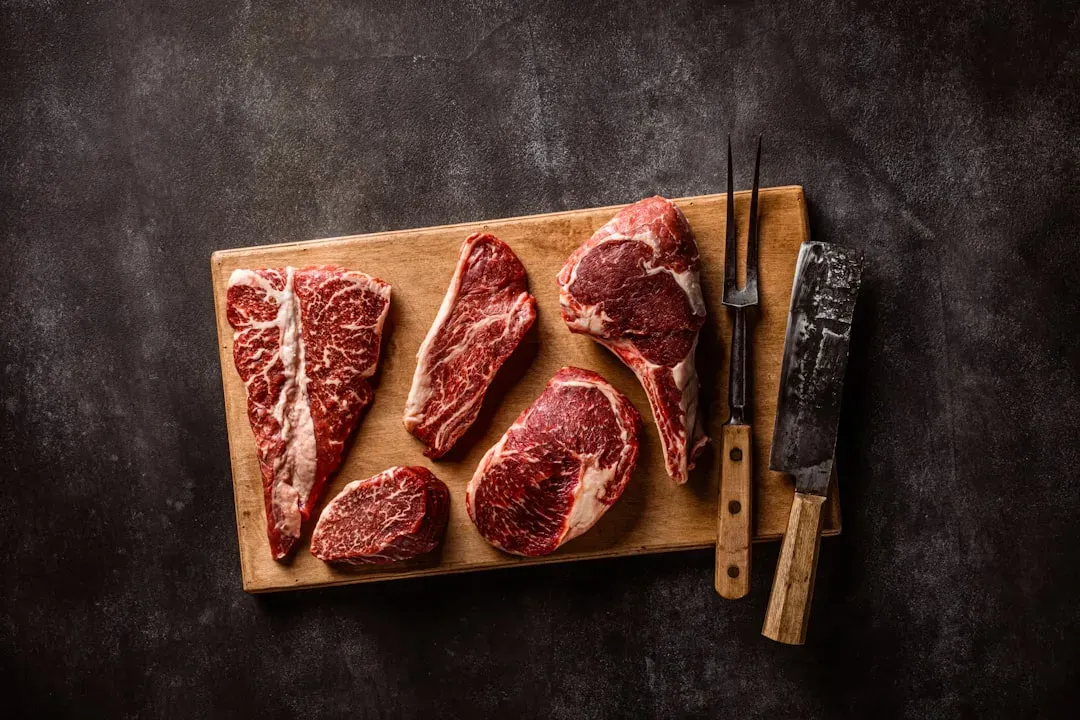
Denver steak comes from the serratus ventralis, a muscle in the chuck underblade that a second wave of muscle research uncovered years after flat iron’s debut. It ranks as the fourth most tender cut on the entire animal, a distinction that still surprises people who assume anything from the chuck must be tough. That ranking places it just behind tenderloin, flat iron, and the ribeye cap, yet ahead of nearly everything else typically labeled as a chuck cut.
The appeal here is not just tenderness but marbling. Denver steak carries fat distribution similar to a New York strip while costing noticeably less, often up to five dollars cheaper per pound at the meat counter. Its rectangular shape also cooks more evenly than irregular cuts like skirt or flank, which makes it forgiving for home cooks who are still learning to judge doneness. A hot grill or cast iron pan is really all it needs.
Coulotte (Top Sirloin Cap, Also Called Picanha)
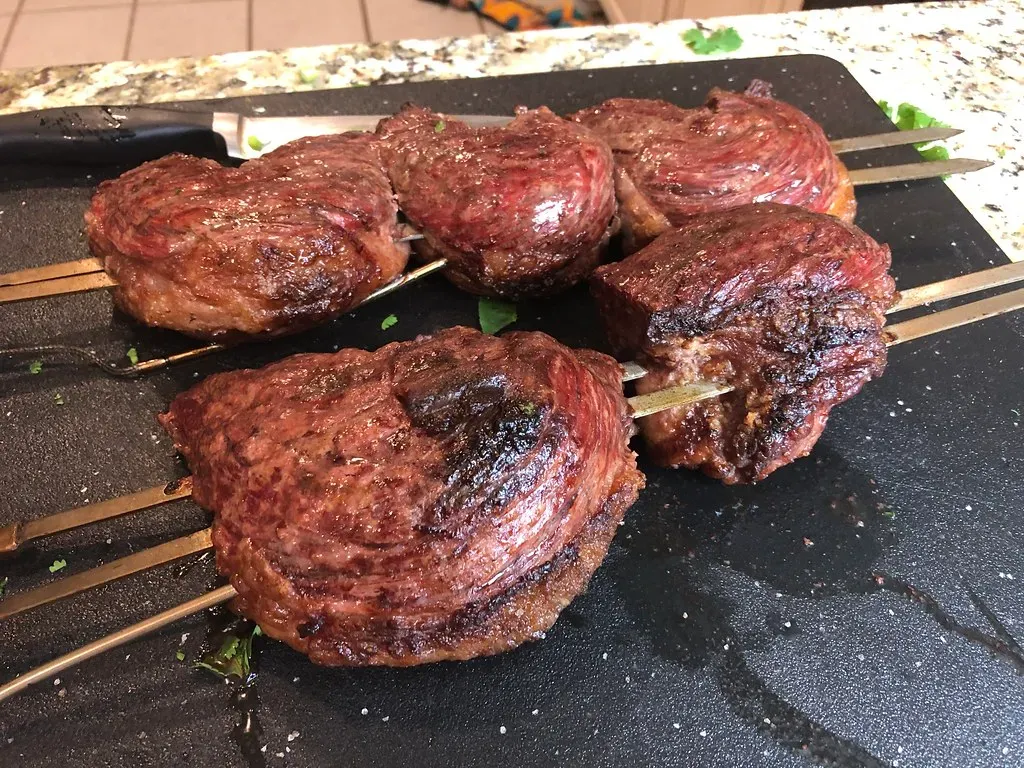
Coulotte is the fat-capped muscle sitting on top of the sirloin, known in Brazilian butchery as picanha and beloved at churrascaria-style steakhouses for good reason. When the cap is separated from the rest of the top sirloin, it becomes its own distinct cut with a noticeably softer texture than a standard sirloin steak. Top sirloin cap steaks are packed with flavor and often rival more expensive steaks at a lower price per pound, which is part of why the cut has been gaining traction outside Brazilian restaurants in recent years.
The thick fat cap running across the top is not just for show. As it renders during cooking, it bastes the meat and helps keep the interior moist, something filet’s leanness cannot replicate on its own. Coulotte works well roasted whole or sliced into individual steaks, and either way it tends to cost considerably less than tenderloin while offering comparable tenderness once the grain is respected during slicing.
Tri-Tip
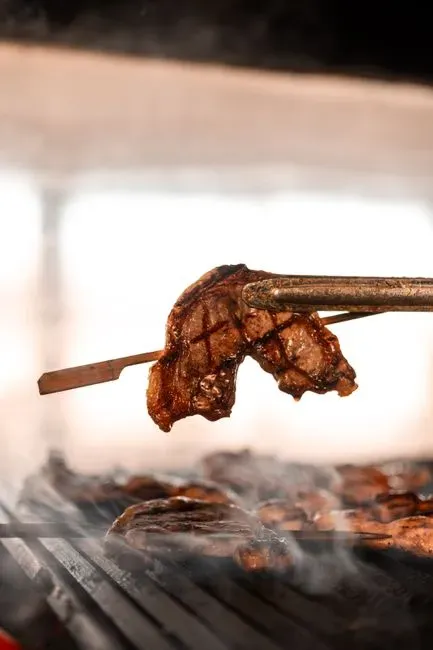
Tri-tip is a triangular muscle cut from the bottom of the sirloin primal, an area that sits between the short loin’s tender cuts and the tougher, harder-working muscles of the round. Tri-tip steak is a popular cut originating from the bottom sirloin butt subprimal, and its position in that transitional zone explains why it lands closer to filet in texture than most people expect from a sirloin-adjacent cut. It became a regional favorite through Santa Maria style barbecue in California before spreading nationally.
One quirk of tri-tip is that its muscle fibers actually change direction partway through the cut, so slicing against the grain properly requires cutting it in two separate pieces first. Skip that step and even a well-cooked tri-tip can feel chewier than it should. Because tri-tip shares a primal with other sirloin cuts, its price tends to track closer to sirloin than to loin cuts, keeping it well within reach of a typical grocery budget compared to filet.
Bavette (Sirloin Flap Steak)
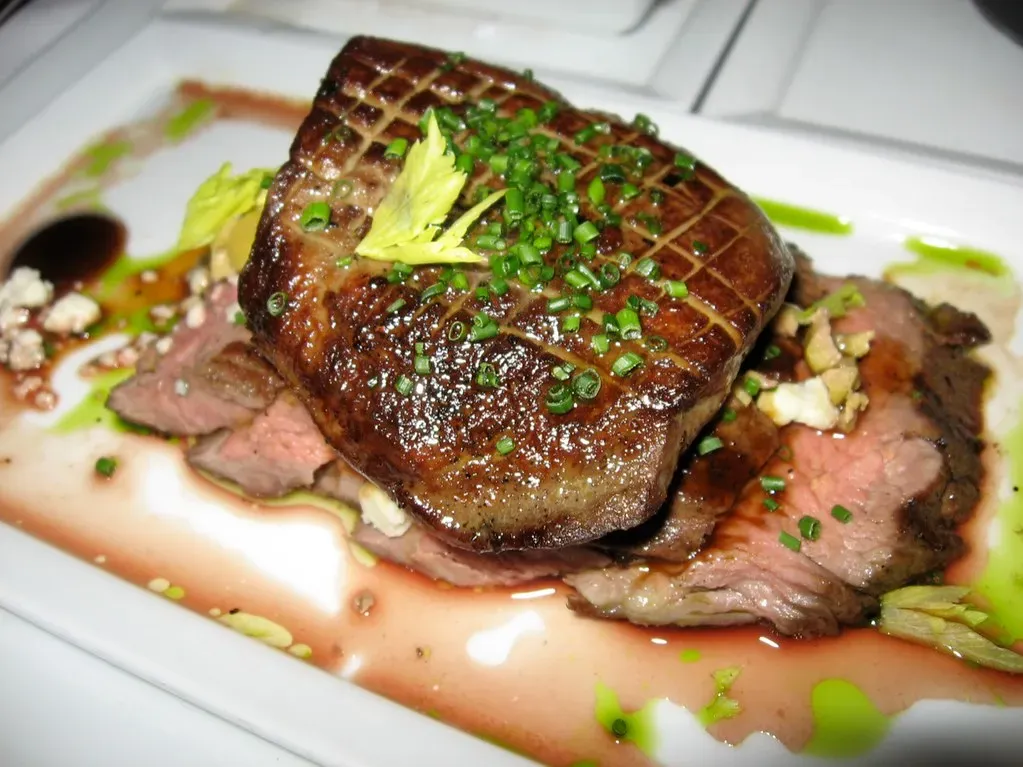
Bavette, often labeled sirloin flap steak in American butcher shops, comes from the bottom sirloin near where flank steak is cut. It has a long, thin, somewhat irregular shape that puts off some shoppers, but that appearance is deceptive. When bavette is cooked properly and sliced correctly, it turns out remarkably tender for a cut that costs so little, a fact that has kept it a favorite among butchers who often kept it for their own kitchens before customers caught on.
The muscle carries fine intramuscular marbling that gives it a richer flavor than its lean appearance suggests. It shares its subprimal with tri-tip and ball tip, cuts known for offering more texture than top sirloin but excellent flavor, particularly when marinated or cooked with a dry rub. Because bavette is so lean, overcooking past medium rare tends to toughen it quickly, so a quick sear over high heat followed by a short rest works best.
Chuck Eye Steak
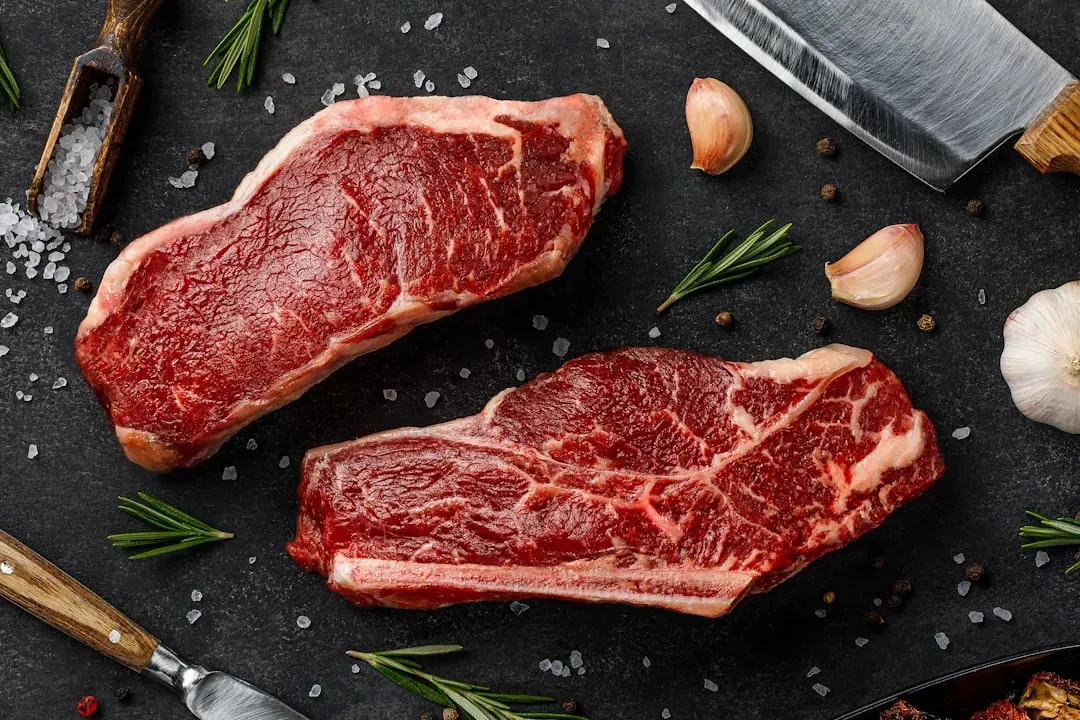
Chuck eye steak sits right where the chuck primal transitions into the rib primal, making it essentially a continuation of the same muscle that produces ribeye. It contains good marbling and, when properly cleaned and trimmed, yields a steak commonly nicknamed the poor man’s ribeye. That nickname is not just marketing. The chuck eye shares enough of its muscle structure with true ribeye that the tenderness and flavor overlap noticeably, especially near the rib end of the cut.
Because it sits just one or two ribs away from where butchers draw the line between chuck and rib, chuck eye steak typically sells for a small fraction of ribeye’s price. It handles quick, high-heat cooking methods surprisingly well for a chuck cut, unlike most of its neighbors which need long, slow braising to break down connective tissue. Cooked no further than medium and sliced correctly, it delivers a beefy, satisfying steak experience that easily competes with pricier cuts from the rib and loin.
Butchers have known about most of these cuts for years, even if grocery store shoppers are only now catching on. The common thread running through all seven is simple: less-worked muscles hiding inside primals that used to be reserved for roasts and ground beef, waiting for someone with the right knife skills to separate them out. Next time the filet case looks tempting, it might be worth checking what the butcher has tucked into the chuck and sirloin bins instead.


Leave a Reply