
1. Restaurants Crowding the Colosseum, Rome
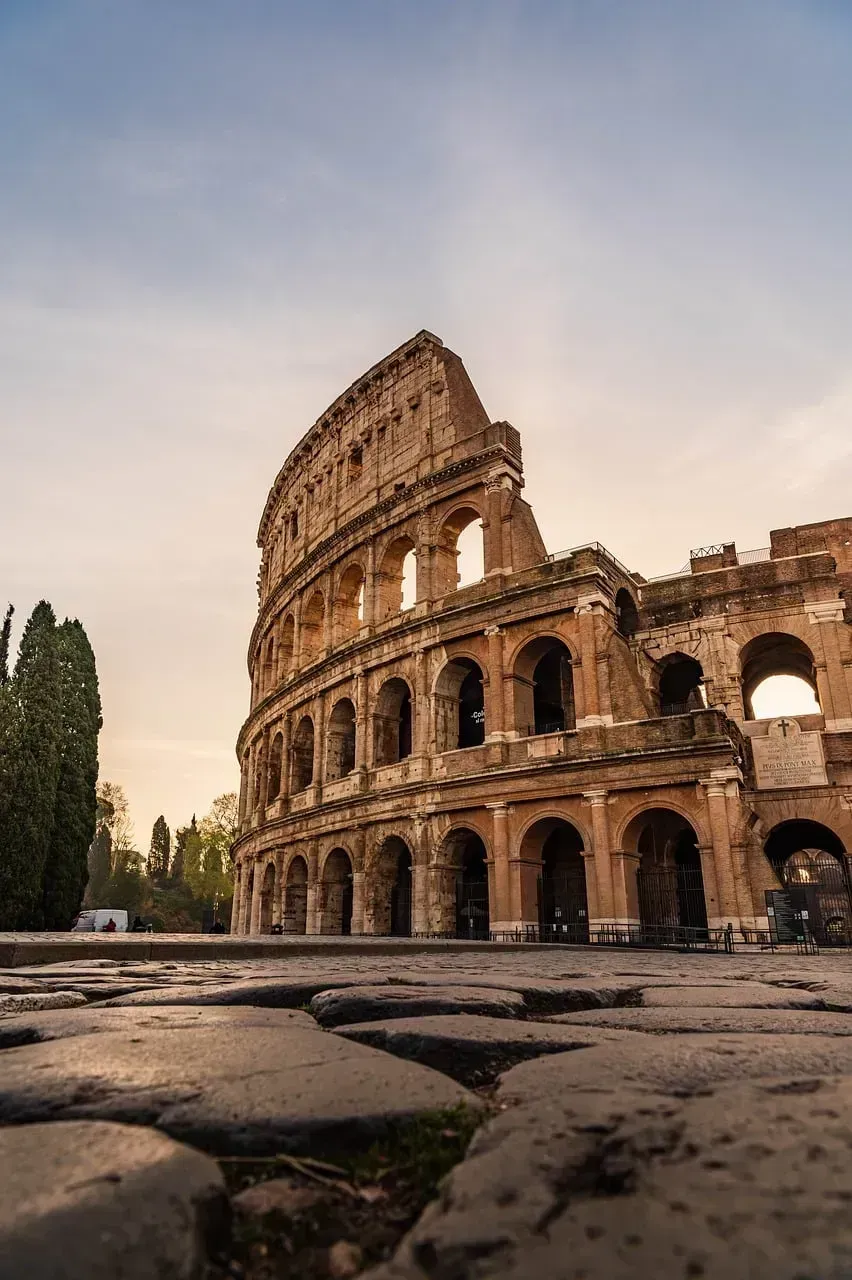
Restaurants that sit directly next to major attractions know they’ll get a steady stream of foot traffic, so they don’t have to try hard to impress with quality, and the area immediately surrounding the Colosseum in Rome is particularly notorious for this. You’ve just climbed around ancient stone for an hour, your legs ache, and the first terrace with a tablecloth looks like salvation. That instinct is exactly what these places are built around.
The closer a restaurant is to a famous landmark, the more likely it is that the restaurant will be aimed at tourists, and even if it’s not, the prices will almost certainly reflect its touristic location. A short walk into neighborhoods like Testaccio or Pigneto turns up the same dishes, often at half the price, and cooked by people who plan on seeing you again next week.
2. The View Restaurants Around Piazza Navona, Rome
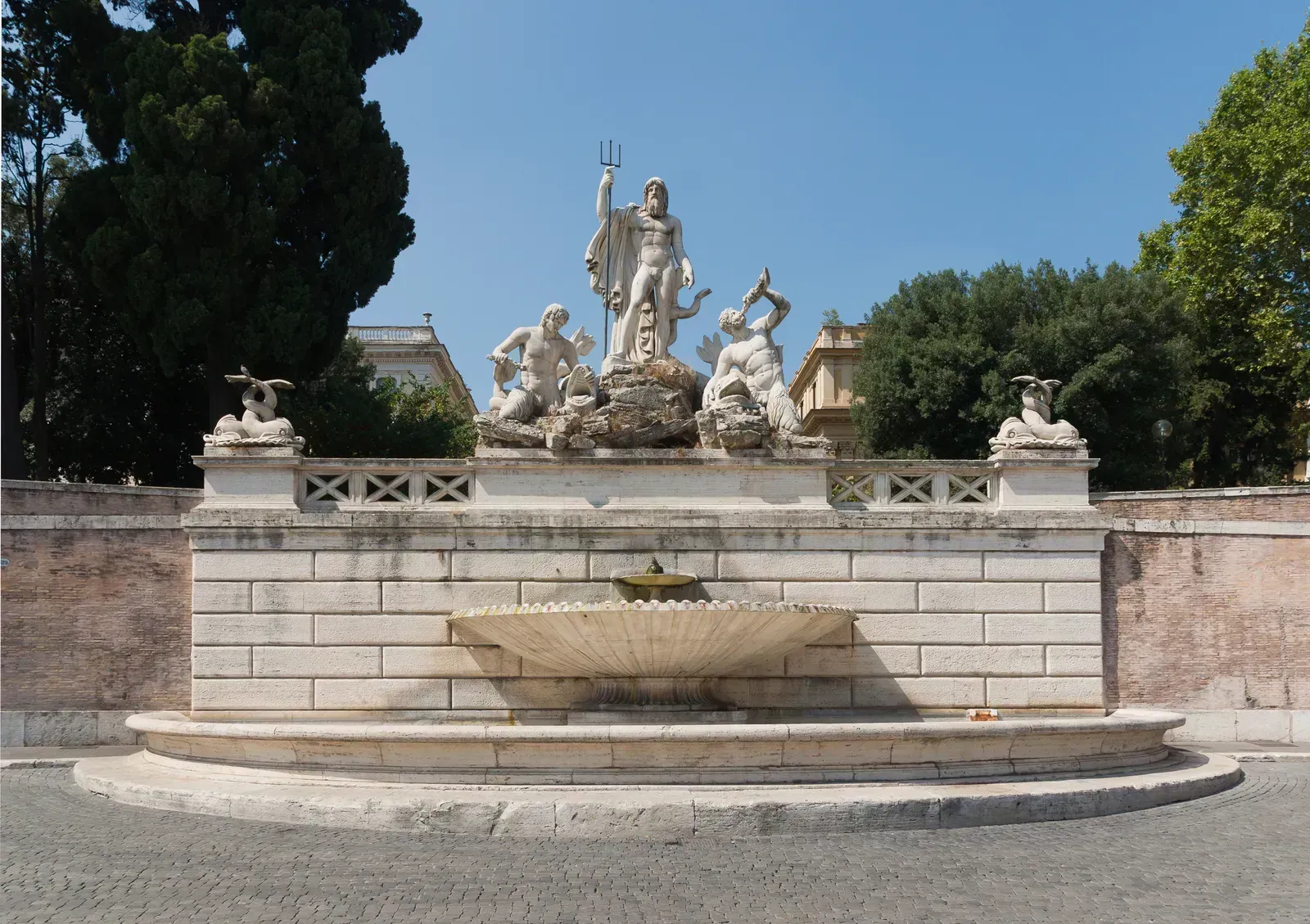
Piazza Navona is genuinely one of Rome’s most beautiful squares, all Baroque fountains and street performers, which is precisely why sitting down to eat there rarely makes sense. Around Piazza Navona, coperto charges can run considerably higher, and the menu prices are already inflated before you get to the extras. You’re not really paying for the pasta at that point, you’re paying rent on the view.
Locals eat this view with a gelato in hand, not a sit-down dinner. It’s a small distinction, but it explains a lot about how Romans use their own city. The piazza is for strolling and people watching, and the actual meal happens somewhere quieter, a few streets over.
3. Any Restaurant With a Hawker Waving Menus Outside
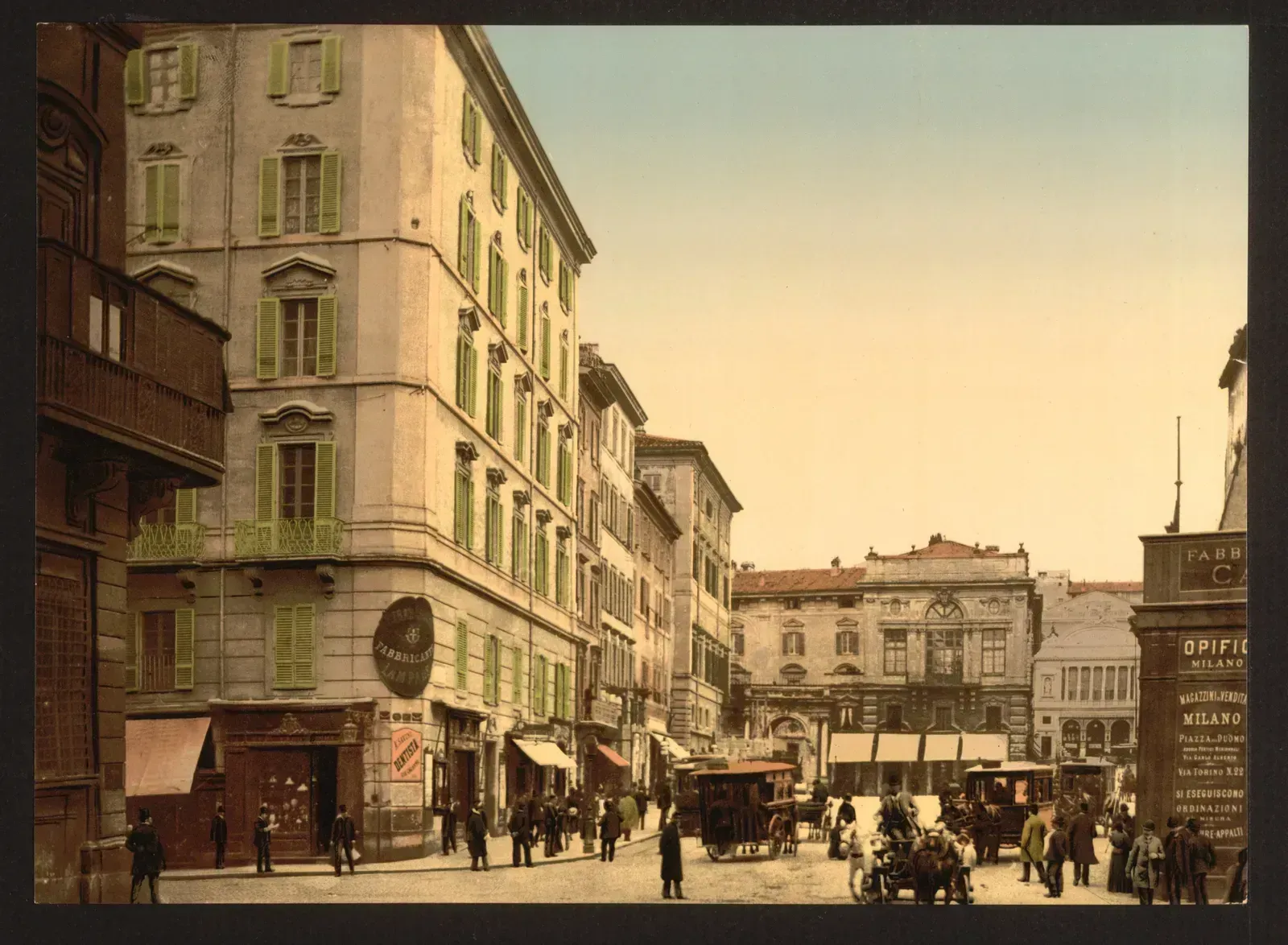
This one isn’t tied to a single address. It’s a category that crops up in Florence, Venice, Rome, and virtually every city in Italy with a historic centre, and an aggressive sales pitch is usually a red flag, as authentic Italian establishments typically don’t need to rely on street promoters. If a person is standing on the sidewalk trying to make eye contact with every passerby, that’s the whole business model.
In Italy, the best spots don’t need a hype man standing outside like a nightclub promoter, because quality restaurants are confident their food and reputation will attract customers naturally, and if the staff is overly pushy, chances are they’re struggling to fill tables for a reason. Maybe the kitchen is uninspired, maybe the prices don’t match the food. Either way, the confident places just let their door stay quiet and their tables fill up anyway.
4. The “One Menu Fits All” Trattorias Near Florence’s Duomo
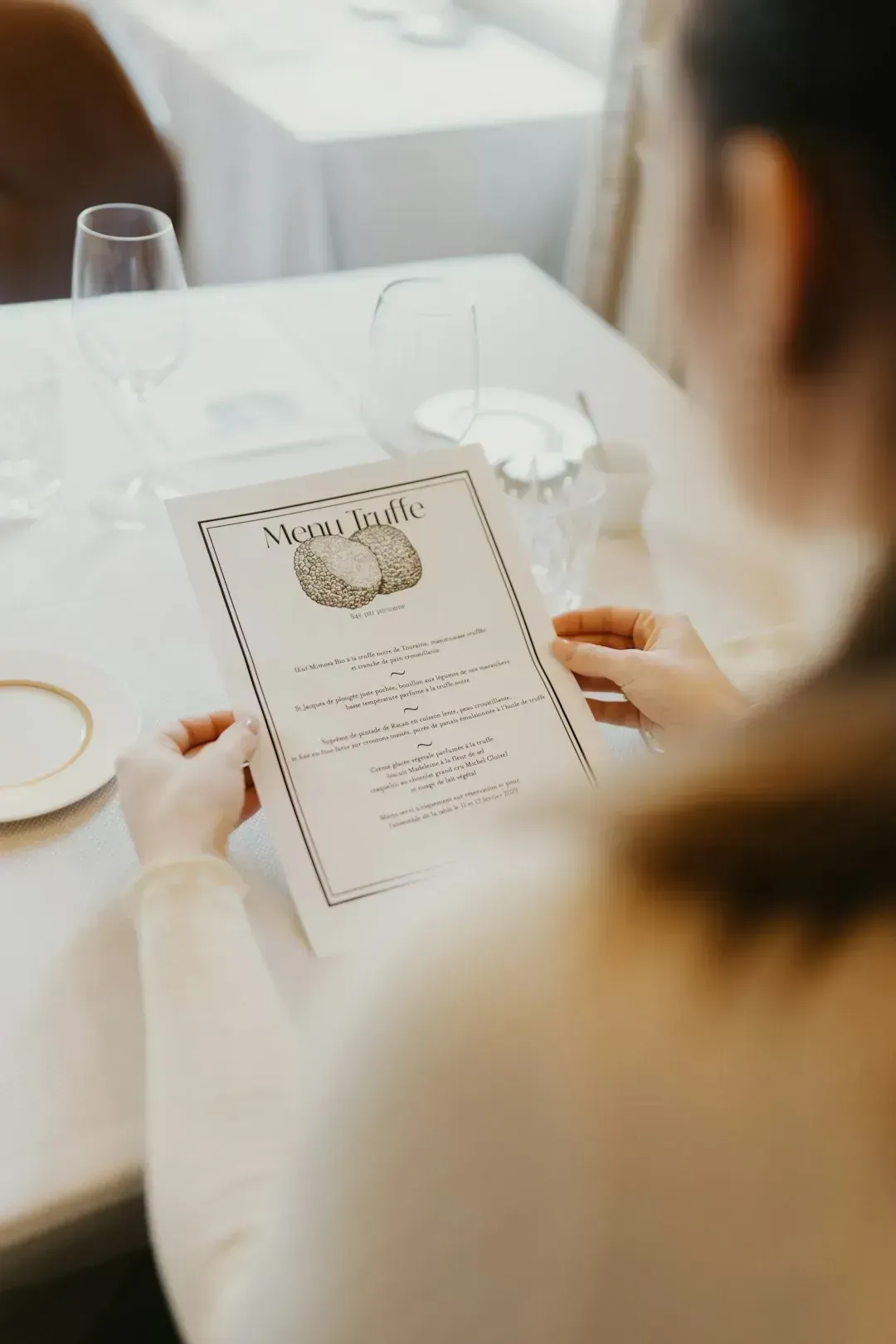
Florence has a very specific culinary identity built around grilled meats, beans, and simple bread based dishes, so a menu that ignores all of that is worth noticing. Florence is famous for its Fiorentina steak, and any place promising that alongside spaghetti carbonara and Neapolitan pizza on the same menu is serving none of them properly. A kitchen trying to cover three regional cuisines at once usually specializes in nothing.
Tourist trap restaurants usually offer an overwhelming variety of dishes, often with little connection to the area, and if you spot a menu that includes pizza, pasta, sushi, and burgers all in one place, that’s a strong indicator that the restaurant caters to a broad tourist audience. The streets closest to the Duomo are thick with these all-purpose menus, mostly because the tourist volume there is high enough that specializing simply isn’t necessary for survival.
5. Restaurants Ringing Piazza San Marco, Venice
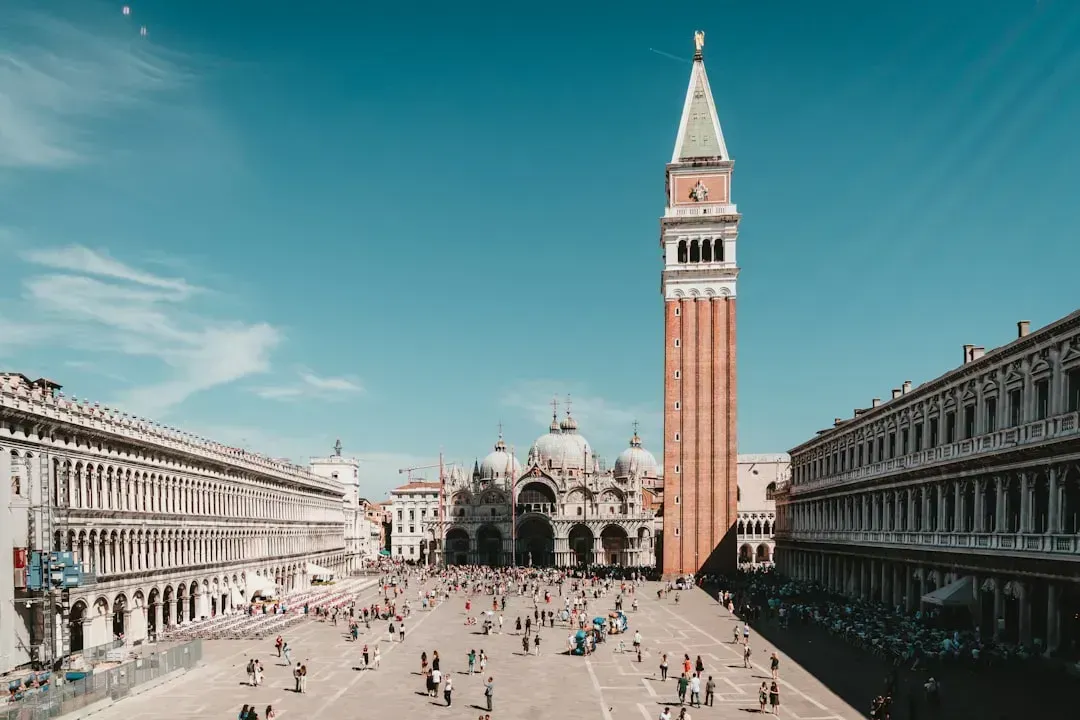
Piazza San Marco is arguably Venice’s most photographed square, and the restaurants that circle it have priced themselves accordingly. Only 1% of restaurants in the San Marco area are owned and operated by locals, which has led to a rise in tourist trap restaurants. That statistic alone explains why so many Venetians simply don’t eat there anymore.
Another way locals navigate Venice is to avoid the places along the calli where the tourist flow passes and head towards less frequented areas, avoiding Piazza San Marco and Rialto and surroundings. A ten minute walk into a residential sestiere like Cannaregio or Dorsoduro usually turns up bacari serving cicchetti at prices that feel like a different city entirely.
6. Pizzerias Behind the Vatican Walls, Rome
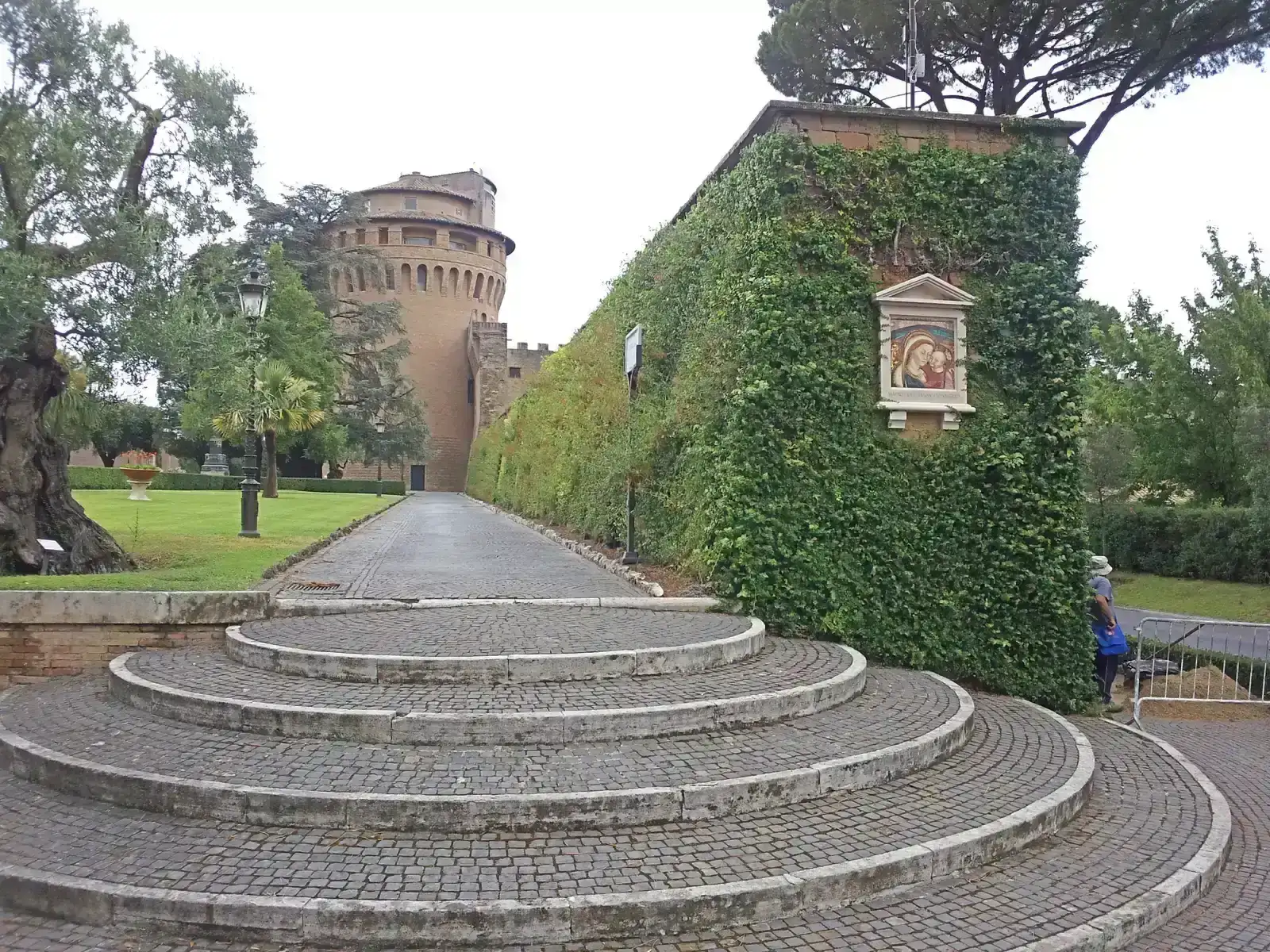
The streets just outside Vatican City see millions of visitors a year, and the pizza slices sold there have adapted to match. If a simple pizza Margherita costs more than €10, you’re probably inside a tourist trap, and in the streets directly behind the Vatican walls, prices like this are common, with the pizza itself often par-baked earlier in the day and simply warmed through when ordered. That’s not the same as a pizza made to order, and the texture usually gives it away.
The Prati neighborhood, which sits right on the other side of the same streets, has genuinely good trattorias that Romans actually use for lunch. It’s a strange contrast, walking distance from a landmark that draws crowds year round, yet the food quality shifts noticeably once you cross into a block where actual Roman office workers eat.
7. The All-Day Restaurants Circling the Trevi Fountain
The Trevi Fountain never really empties out, and the restaurants nearby have built their entire schedule around that fact. The Trevi Fountain draws enormous crowds all day, every day, and the restaurants that have positioned themselves nearby stay open continuously to capture those crowds at every possible hour, which is a red flag that locals know instinctively. A restaurant open nonstop from breakfast through midnight usually isn’t cooking anything fresh to order.
Authentic Italian restaurants adhere to traditional mealtimes, opening for lunch between 12:00 and 3:00 PM and then reopening for dinner from 7:30 PM until 11:00 PM or later. Italy’s official tourism portal gives a similar rhythm for the day, with lunch around 12:30 to 2:30 PM, aperitivo from about 6:00 PM, and dinner from around 7:30 PM onward. A full dinner menu available at four in the afternoon near the fountain is a pretty reliable sign that the kitchen caters to convenience, not tradition.
8. Restaurants Lining the Rialto Bridge, Venice
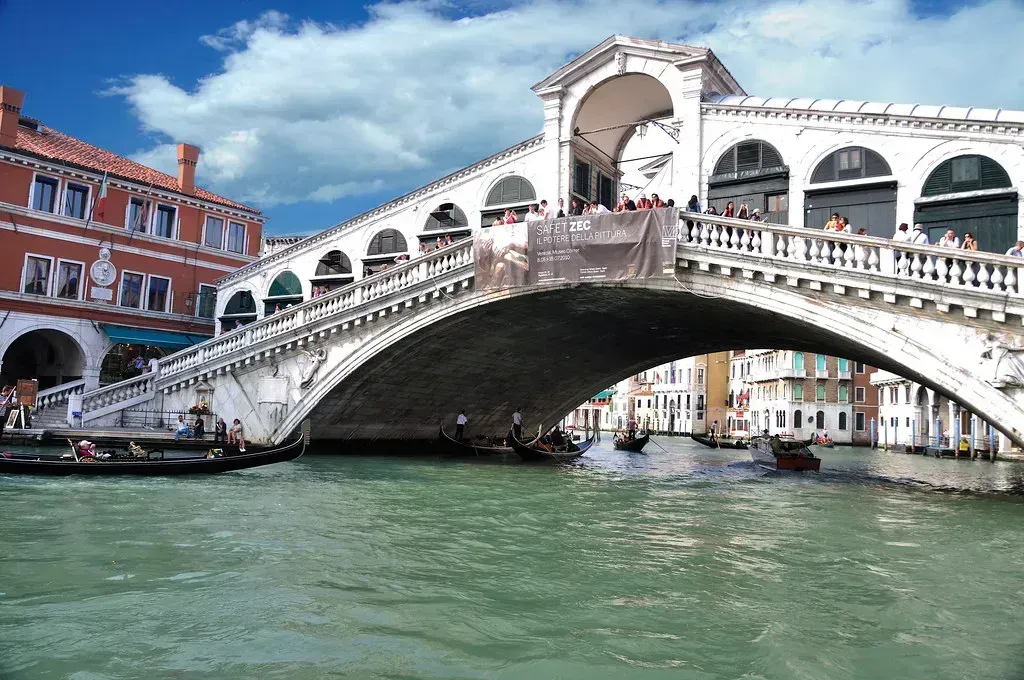
The Rialto Bridge is one of the busiest crossing points in Venice, and the restaurants that sit right along its approach benefit from that constant stream of foot traffic. That said, proximity to a landmark doesn’t automatically doom a restaurant. A restaurant near the Pantheon, Rialto Bridge, Piazza San Marco, the Duomo in Florence, or the Spanish Steps can still be good, because the real issue is repeat customers, and a place that depends on locals has to stay honest.
Still, the sheer density of similar looking menus right along the bridge itself makes it hard to tell one place from another, which is usually a sign that none of them are trying particularly hard to stand out. Wandering into the quieter calli just off the bridge, away from the bottleneck of foot traffic, tends to turn up smaller places with shorter, more specific menus and noticeably fewer languages printed on them.
9. The Uffizi Corridor and Santa Croce Strip, Florence
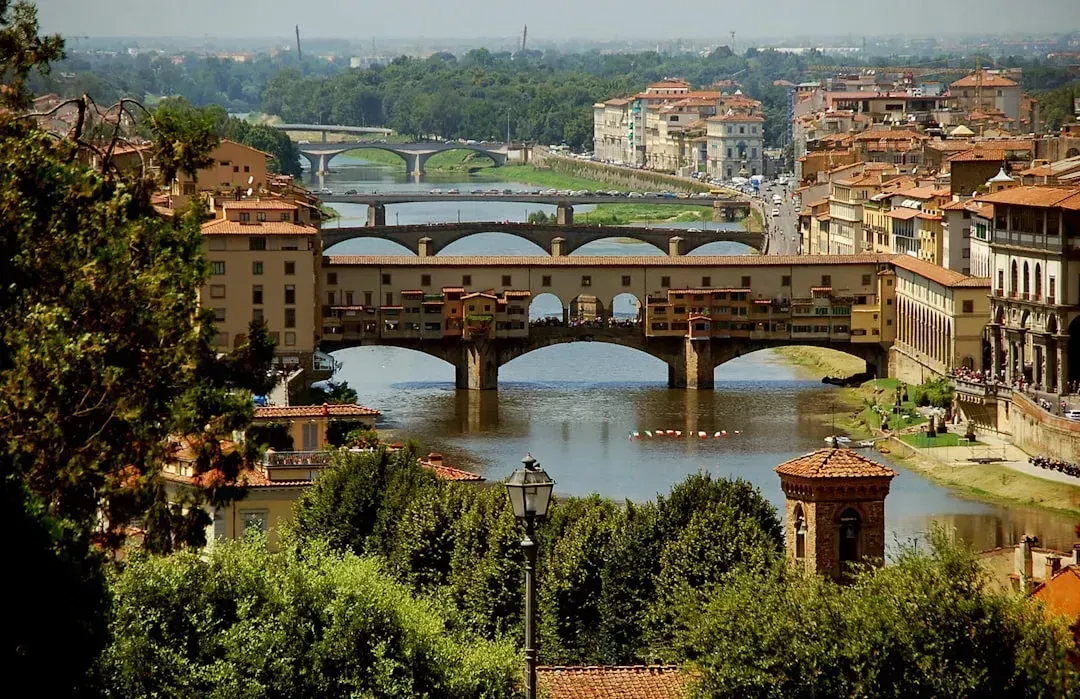
Two of Florence’s busiest cultural landmarks sit close together, and the restaurants wedged between them have become a well documented trap zone. The Uffizi Gallery corridor and the Santa Croce tourist strip are the primary traps, and the San Frediano neighborhood across the Arno charges approximately half and cooks approximately twice as well. That’s a fairly stark gap for a walk of only fifteen or twenty minutes across the river.
The pattern here matches what shows up near other Italian landmarks: high foot traffic removes the pressure to compete on quality. Crossing the Ponte Vecchio into San Frediano, or simply asking a shopkeeper in the neighborhood where they eat lunch, tends to produce a noticeably better meal for less money.
10. Restaurants on the Spanish Steps, Rome
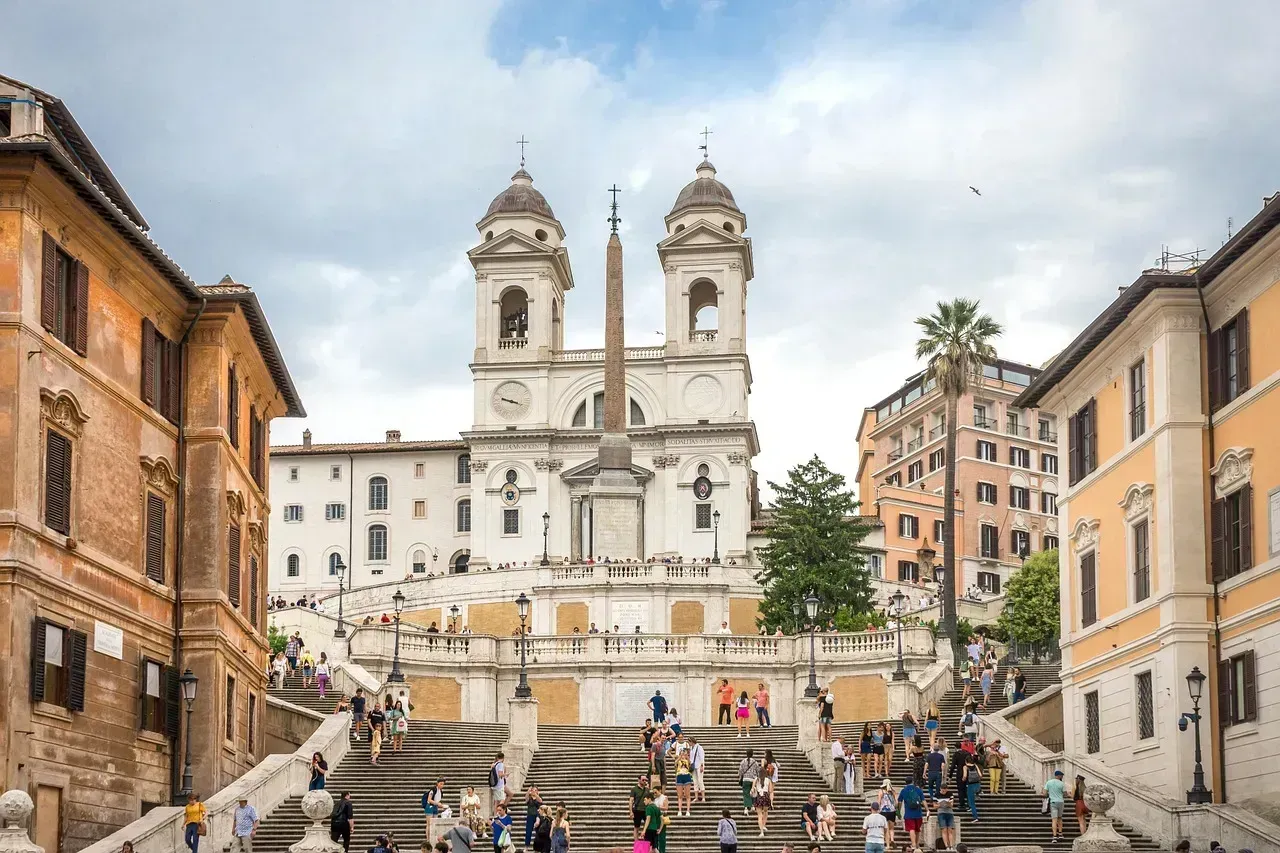
The Spanish Steps draw a constant crowd of visitors resting after the climb, taking photos, or just people watching, and the restaurants surrounding the piazza know exactly how tired and hungry that crowd tends to be. Dining near famous landmarks often comes with inflated prices and poor-quality food, and this stretch of Rome is no exception. Menus posted outside frequently list dishes in five or six languages, a detail that tends to correlate with kitchens built for volume rather than precision.
If you walk a street or two over from a very crowded area, you’ll probably discover authentic restaurants frequented by locals where the focus is on excellence rather than turnover. The streets just north toward Via Margutta or south toward the Tridente shopping district tend to have smaller, calmer trattorias that don’t rely on the Steps for their business.
The pattern across all ten repeats itself with only minor variation: high foot traffic near a landmark removes the need to earn repeat business, and quality tends to follow that incentive downward. Walking two or three streets away from any major sight in Rome, Florence, or Venice is usually enough to find a kitchen that still has to earn its regulars one meal at a time.


Leave a Reply