
For decades, the retirement fantasy for anyone with real money looked the same: a penthouse overlooking Central Park, a high-rise in Miami, maybe a gated compound outside Los Angeles. That script is being rewritten. A growing number of affluent Americans closing out their careers are skipping the skyline entirely and settling into towns most people couldn’t find on a map without help.
What’s pulling them there isn’t nostalgia or a discount. These are often expensive places in their own right, just smaller, quieter, and built around a different kind of status. The pattern shows up again and again in 2026 housing data, tax filings, and real estate reports, and it points to a handful of towns that keep showing up on the radar of people who could genuinely live anywhere.
Telluride, Colorado: mountain luxury with a slower pulse

Tucked into a box canyon in the San Juan Mountains, Telluride has built its reputation on skiing, film, and a historic downtown that looks much as it did a century ago. Arguably the loveliest resort town in Colorado, Telluride is a haven for skiers and winter sports enthusiasts, though summers are popular too, with rafting, swimming, tubing, mountain biking, fishing, and rock climbing, and the town features a historic center listed on the National Register of Historic Places. The place also has a serious cultural calendar, anchored by a decades-old film festival and more than a dozen other events each year.
Wealth here comes with real logistical trade-offs. The median home sale price reached $1.38 million in October 2025, and the town, with a population of around 2,500, is somewhat remote, though it contains a regional airport. Denver is a six-hour drive away, and very wealthy Telluride residents increasingly opt for private planes rather than make that trip by car. For retirees comfortable trading convenience for scenery and quiet, it’s proven to be worth the compromise.
Naples, Florida: sunshine, golf, and serious wealth
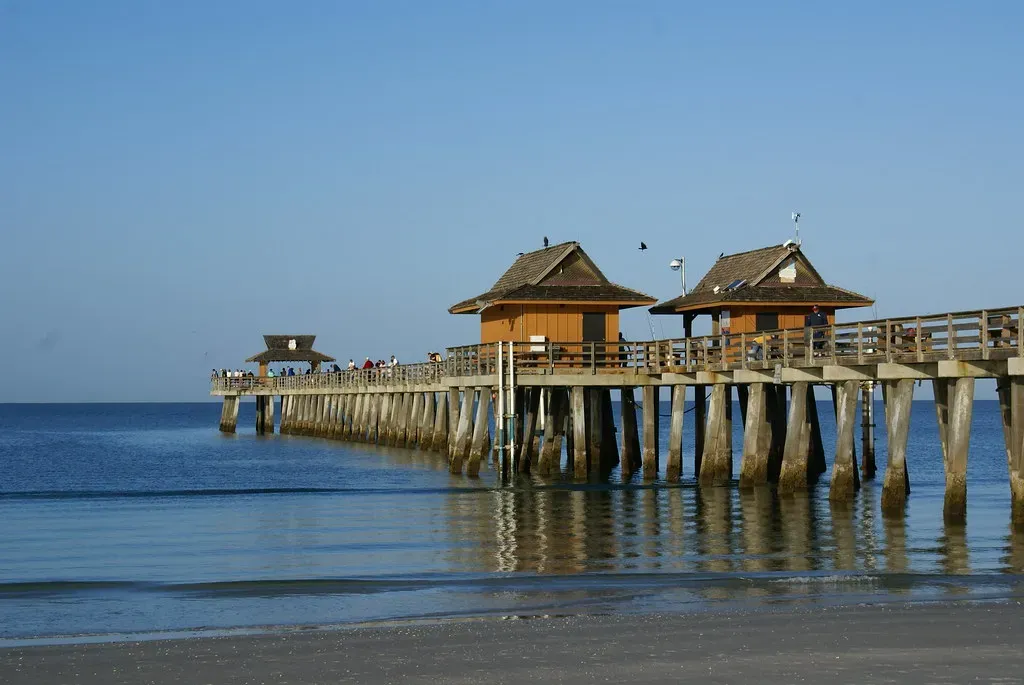
Naples has quietly become one of the most concentrated pockets of retiree wealth in the country. Florida is rapidly catching up to California in terms of wealthy retirement communities, with ten Florida towns including Naples, Palm Beach Gardens, Venice, Marco Island, and Bonita Springs all ranking in the national top 50 richest retirement towns for 2026, up from nine towns in 2025. That growth suggests the appeal of the Gulf Coast for affluent retirees is still building rather than leveling off.
The draw goes beyond weather. For those who want warmth, water, and world-class amenities without the Manhattan price tag, Naples delivers. Its private club communities, upscale golf courses, and no shortage of wealth management firms have made it a natural landing spot for people who spent their careers building portfolios and now want somewhere comfortable to manage them.
Palm Beach, Florida: old money meets new arrivals
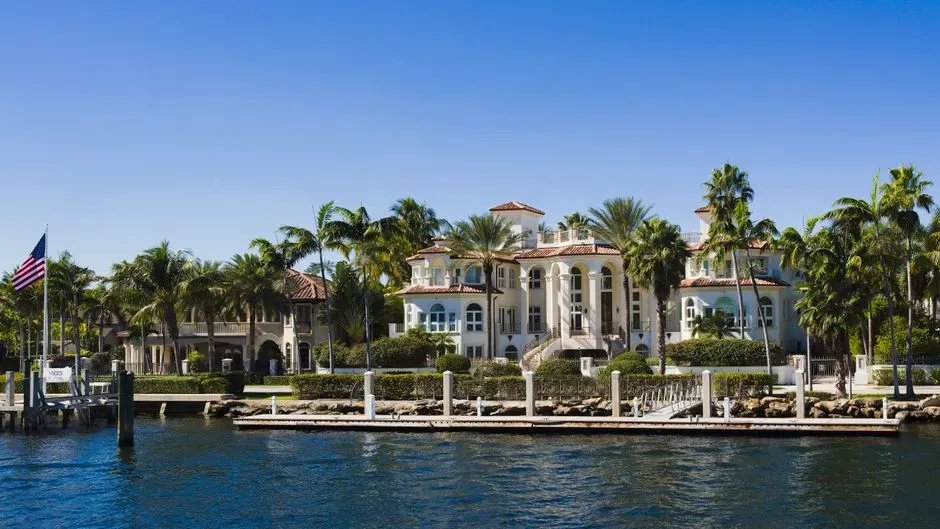
Palm Beach has always operated a notch above other Florida retirement spots, and the numbers back that up. Palm Beach is a tiny and very exclusive beach community of roughly 9,000 year-round residents, located on a sandy barrier island, anchored by the legendarily ornate Breakers Palm Beach oceanfront resort, with the town rife with palatial homes and dozens of billionaires. It’s a strange mix of intimacy and extravagance that few places pull off convincingly.
The financial case is just as strong as the lifestyle case. The median home sale price reached $5.5 million in October 2025, according to Redfin. Florida is considered one of the most tax-friendly states for retirees, with no state income tax, meaning Social Security retirement benefits, pension income, and income from IRAs or 401(k)s are all untaxed. For retirees sitting on large IRAs or pension income, that alone can reshape the entire retirement math.
Martha’s Vineyard, Massachusetts: an island built for discretion
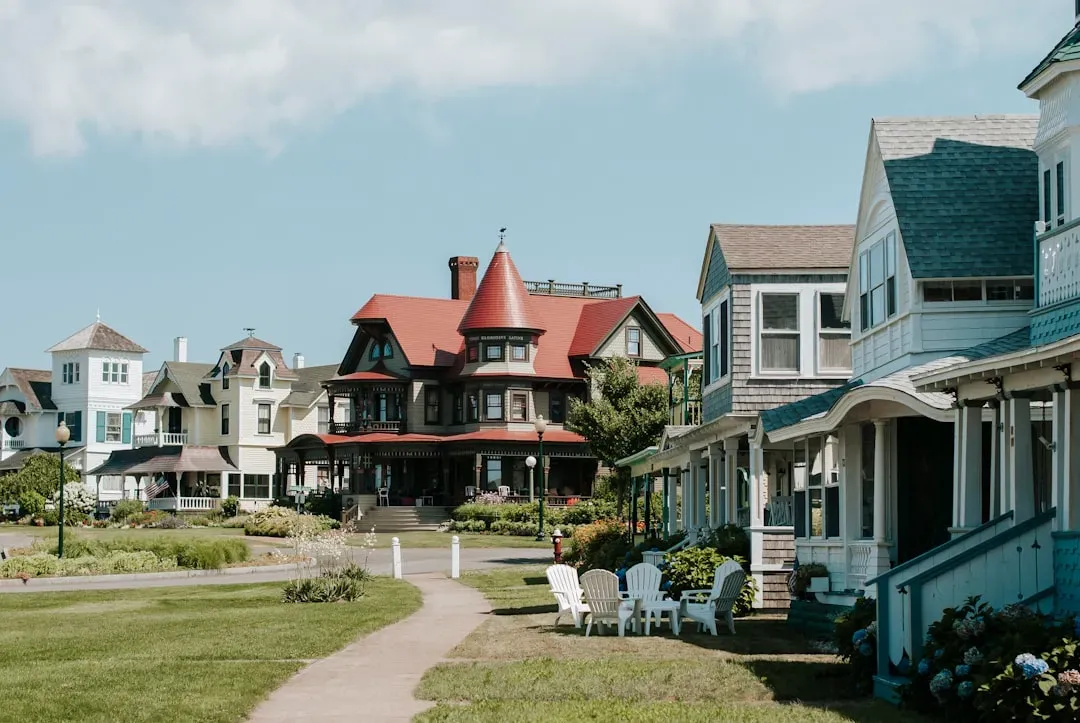
Martha’s Vineyard has long attracted people who want privacy as much as prestige. Getting there takes some effort, which is part of the appeal rather than a drawback for the retirees who choose it.
The median home sale price reached $1.48 million in October 2025, according to Redfin. Martha’s Vineyard Airport is served by major airlines such as Delta, American and JetBlue, and the island can also be reached by ferry from Boston in about two hours, or from New York City in roughly five hours during the high season. That combination of relative seclusion and reliable access has made it a favorite for retirees who want to disappear for the summer without cutting themselves off entirely.
Saratoga Springs, New York: history, horses, and high culture
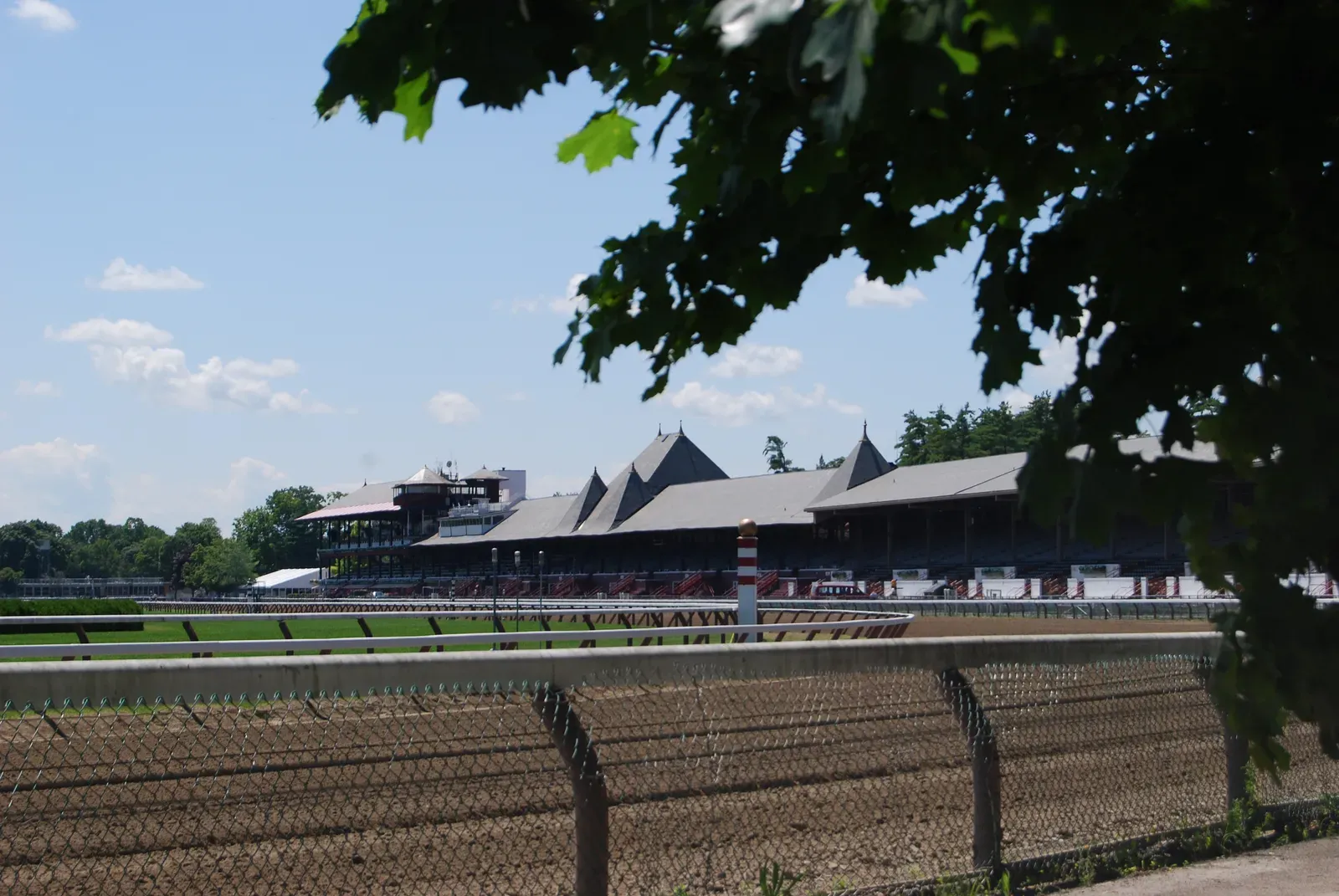
Saratoga Springs offers something different from the coastal resort towns: a genuine small city with deep cultural roots and a population large enough to feel lived-in year-round. A longtime retreat from New York City, Saratoga Springs has a population of more than 28,000 people, and it attracts an interesting and eclectic crowd, from visitors drawn to the city’s namesake mineral springs to thoroughbred horse racing enthusiasts at the Saratoga Race Course.
The intellectual and artistic pull matters here too. For the literary-minded, the famed artists’ and writers’ retreat Yaddo is an ideal destination, and the well-regarded Skidmore College lends the historic city a college-town atmosphere, offering readings and musical and visual arts events open to the public. For retirees who miss the energy of a university town but not the scale of an actual metropolis, it hits a rare middle ground.
Jackson Hole, Wyoming: where tax savings meet the Tetons
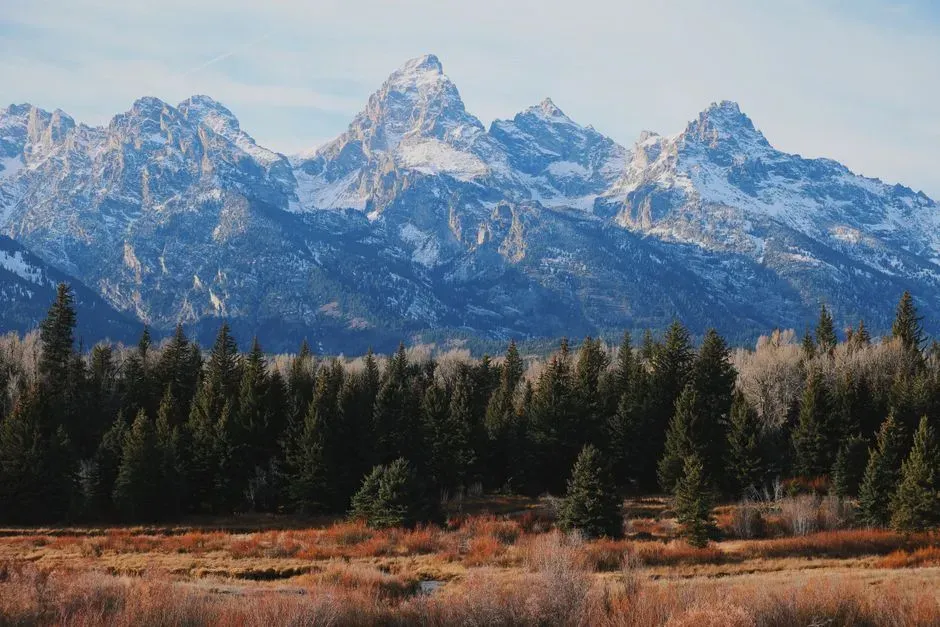
Few places illustrate the financial logic behind this migration better than Jackson Hole. Wyoming is widely regarded as one of the most tax-friendly states in the country, with no state income tax, no tax on retirement income, no estate or inheritance taxes, and property taxes that are relatively low compared to national averages. With a population of just 10,700, Jackson Hole offers a unique blend of seclusion and natural beauty that is increasingly attractive to high-net-worth individuals.
That popularity has driven prices sharply upward in a short span. The average home price in Teton County, which includes Jackson Hole, stands at $3.21 million as of February, nearly double the 2019 figure. Jackson Hole saw 15 sales of homes above $10 million over the course of 2024, according to a report from Compass. Healthcare access requires some planning, since Wyoming has the lowest population density of any state, and rural healthcare is limited, with most serious medical care requiring travel to Salt Lake City, Denver, or Billings.
Traverse City, Michigan: Great Lakes living for the well off

Traverse City has built its reputation on cherries, wine, and water, and that mix is now drawing retirees who want a change of scenery without leaving the Midwest entirely. Known as the Cherry Capital of the World, Traverse City sits beautifully on Grand Traverse Bay’s shores, offering retirees a blend of natural splendor and cultural sophistication, with Sleeping Bear Dunes National Lakeshore providing endless opportunities for hiking scenic bluffs that rise 450 feet above Lake Michigan.
Beyond the scenery, the town has real infrastructure to support an aging population. The downtown Front Street district bustles with shops, restaurants, and the beloved farmers market, wine country surrounds the area with dozens of wineries dotting the Old Mission and Leelanau peninsulas, Munson Healthcare provides comprehensive medical services including specialty care, and housing costs remain moderate compared to coastal regions. That last point matters. Traverse City delivers a genuinely upscale lifestyle without the price tags attached to Florida’s coast or the Rockies.
Prescott, Arizona: desert air without the desert sprawl
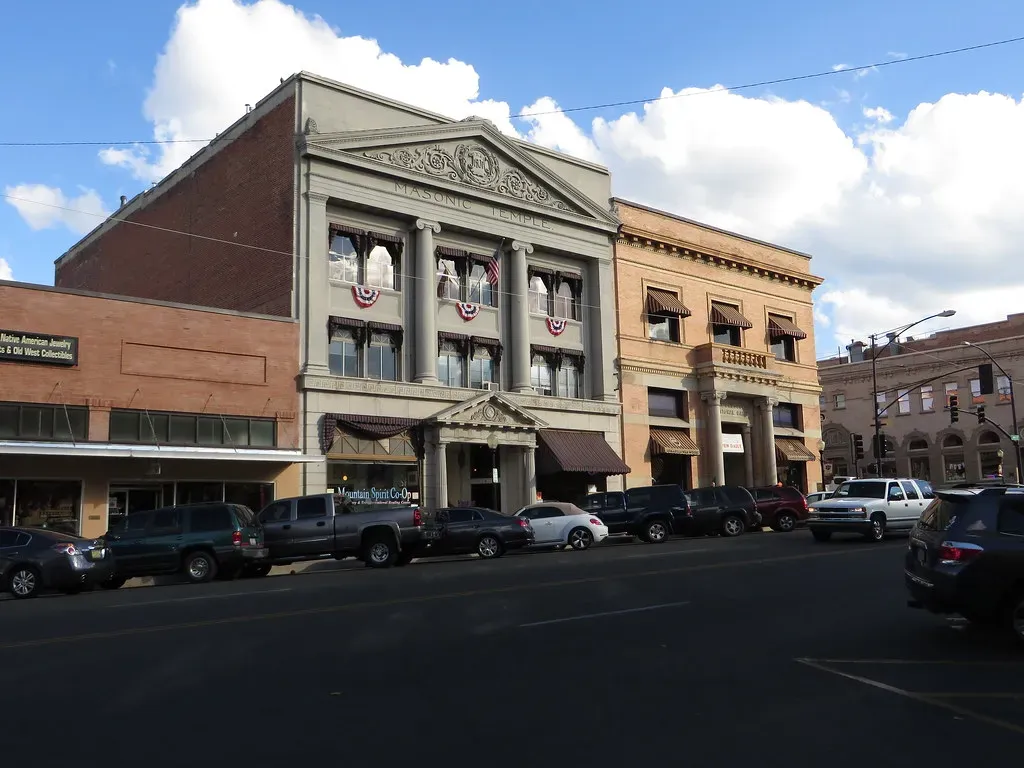
Prescott has carved out a niche as the antidote to Phoenix’s heat and traffic, without sacrificing access to a real downtown. Prescott’s historic downtown is vibrant but not overcrowded, offering weekly farmers markets and concerts at Courthouse Plaza, and the presence of Yavapai Regional Medical Center ensures solid local healthcare, while lower humidity and relatively stable housing markets make it a top choice for those wishing to enjoy nature without extreme weather or big city pace.
What stands out most is how retirees describe the transition. Retirees coming from Phoenix or Los Angeles often describe the shift to Prescott as the first time they actually felt like they could breathe. It’s a modest town by national standards, but for people fleeing dense metro areas, that shift in pace tends to matter more than square footage or amenities.
Beaufort, South Carolina: Lowcountry charm at a gentler price
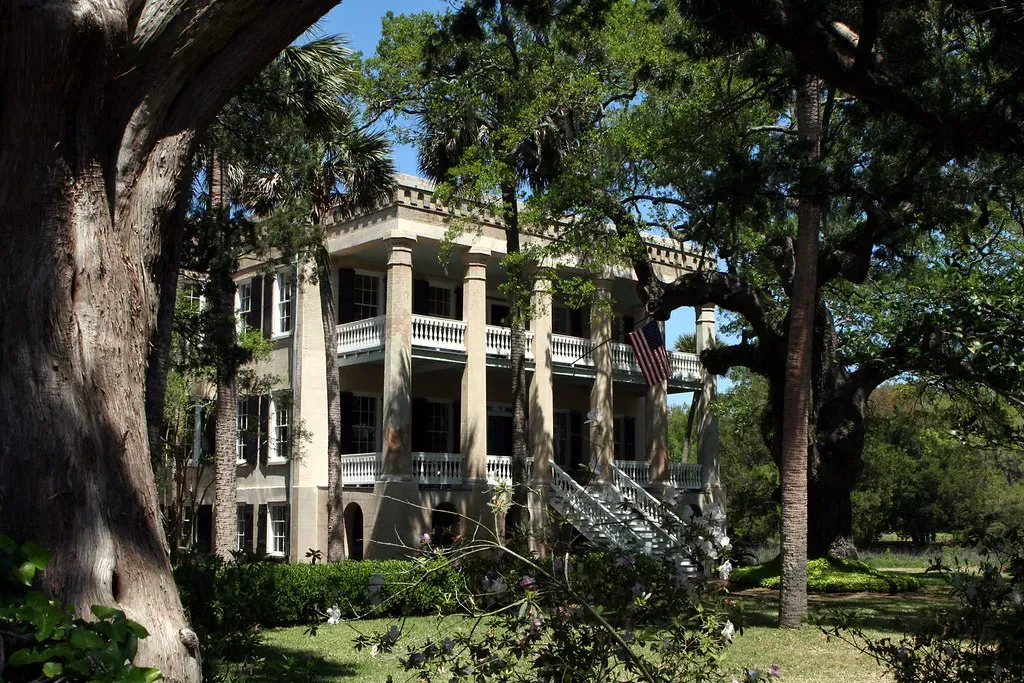
Beaufort offers a version of Southern coastal living that costs noticeably less than its more famous neighbors. This historic coastal gem captures the essence of Lowcountry charm with antebellum homes, moss-draped oaks, and waterfront living, with mild winters and warm summers appealing to retirees escaping northern climates, a compact historic district that encourages walking and cycling, and healthcare facilities including Beaufort Memorial Hospital and numerous specialty practices.
Cost is a real part of the appeal here, not just the scenery. The cost of living remains reasonable for a coastal location, especially compared to nearby Hilton Head or Charleston, boating, fishing, and golfing dominate recreational activities, and the strong military retiree presence from nearby Marine Corps Air Station creates a welcoming community for all veterans. It’s the kind of town where a comfortable retirement doesn’t require Palm Beach money, just good timing on the real estate.
What these towns have in common
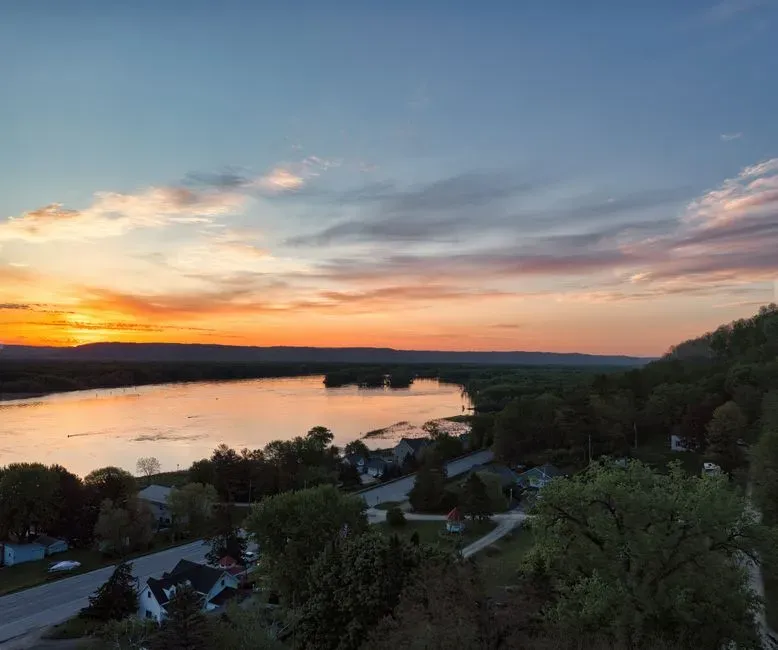
Line these places up side by side and a pattern emerges quickly. Nearly all of them sit in states with no income tax, offer some form of natural beauty that can’t be manufactured, and cap their populations well below what most people picture when they hear the word “town.” The wealth is real, but it’s arranged around quiet rather than display, which is precisely the opposite of how status used to work in retirement circles.
None of this means big cities are losing their appeal entirely, and plenty of affluent retirees will still choose a downtown condo over a mountain cabin. What’s changed is that the small town option no longer reads as a downgrade. For a growing share of America’s wealthiest retirees, trading a skyline for a Main Street has become the upgrade.




Leave a Reply