
1. Overworking the meat before it hits the grill
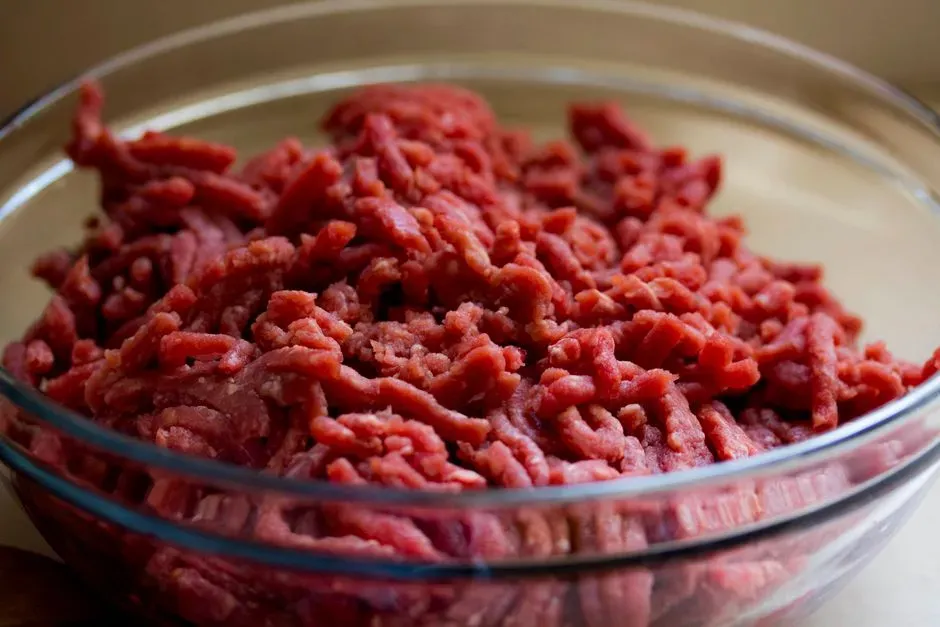
Ground beef turns tough the moment it gets squeezed, kneaded, or packed too tightly, and a lot of backyard cooks do this without even realizing it. The proteins in meat bind together under pressure, so aggressive mixing creates a dense, rubbery texture instead of the loose, tender bite a good burger should have. Professional cooks tend to handle the meat as little as possible, shaping patties gently and only once.
This matters more with burgers than almost any other cut because there’s no muscle fiber left to protect the texture. Once it’s ground, every bit of handling either helps or hurts the final result. A light touch, done quickly, is the simplest fix and costs nothing extra.
2. Choosing lean beef to save on calories or guilt
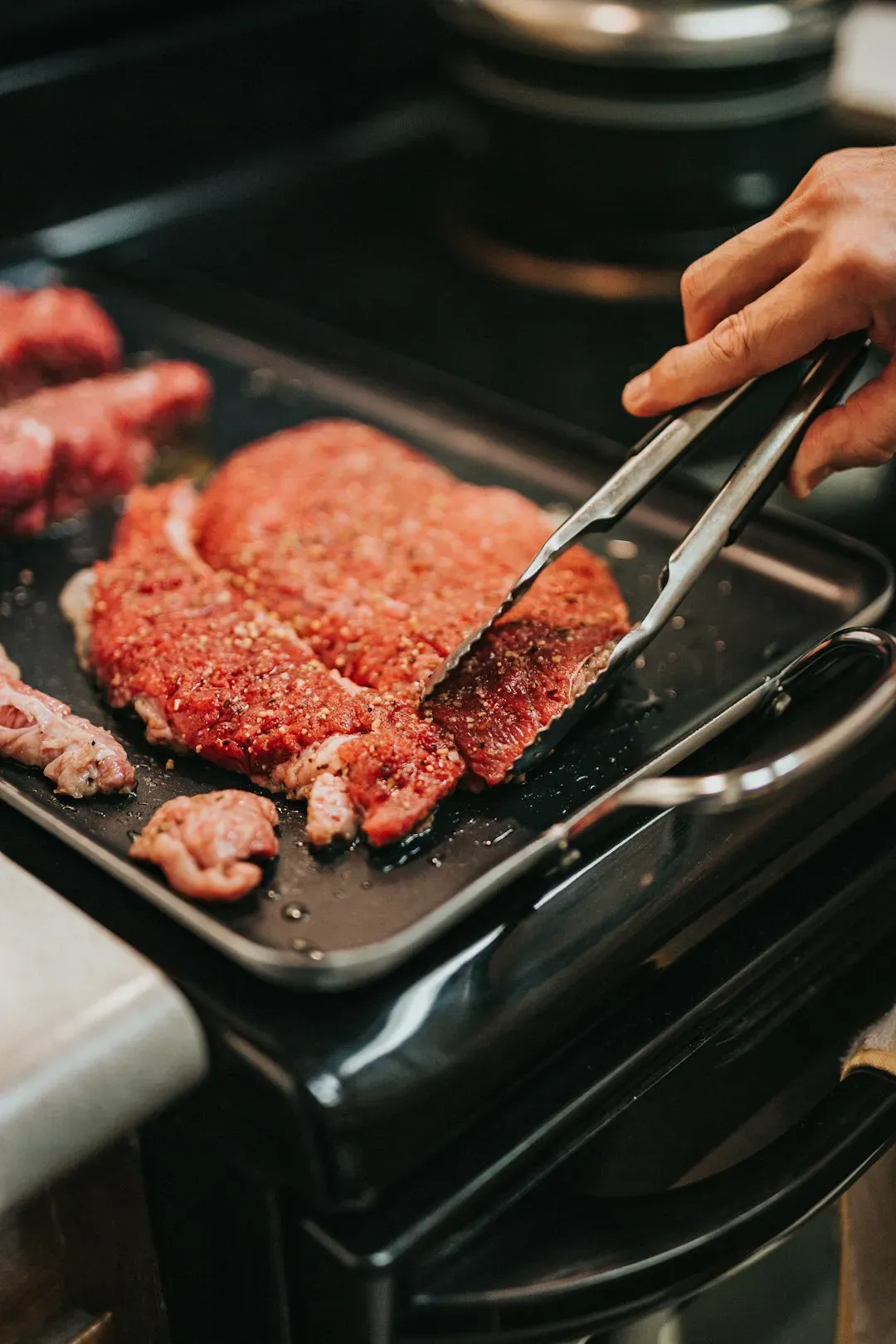
An eighty-five percent lean blend might sound like the responsible choice, but it usually leads to a dry, crumbly burger that falls apart on the grill. Fat is what carries flavor and keeps the meat moist as it cooks, and burgers lose moisture fast under direct heat. Most chefs recommend somewhere around eighty percent lean, twenty percent fat, as a starting point for backyard cooking.
Skimping on fat content is one of those decisions that seems smart in the store and disappointing on the plate. The calorie difference between an eighty and eighty-five percent blend is marginal anyway, so the tradeoff rarely makes sense. Anyone chasing a genuinely juicy burger should treat fat as a functional ingredient, not an afterthought.
3. Pressing down on the patty while it cooks
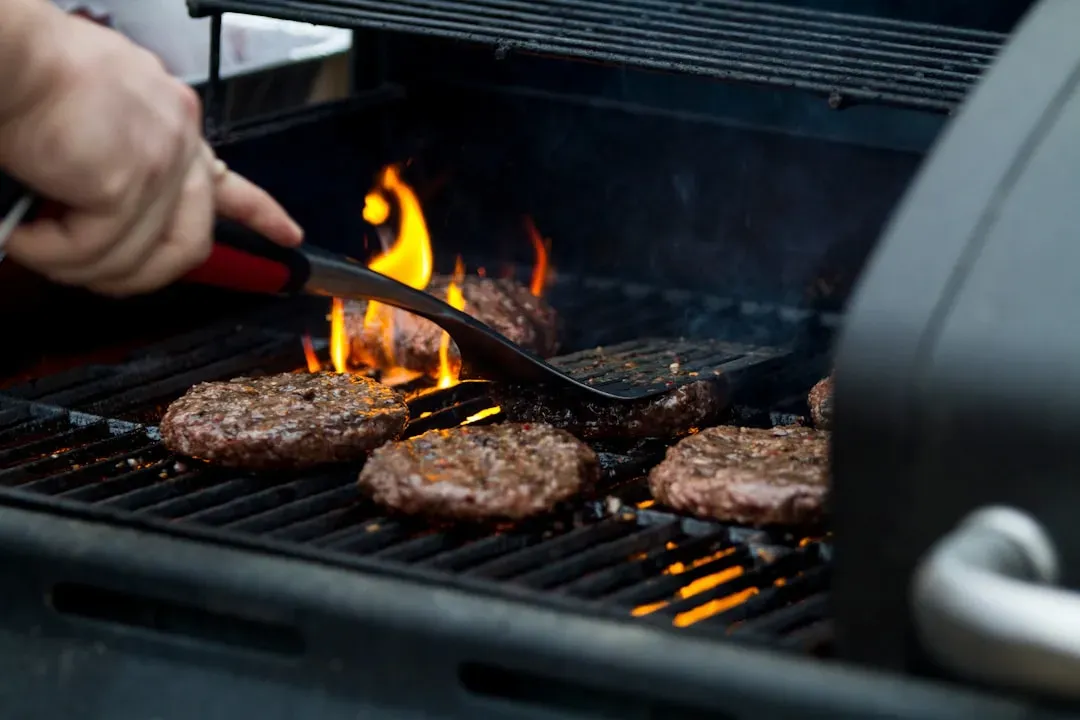
It’s a nearly universal instinct, that satisfying hiss when a spatula flattens a burger against the grates. Unfortunately, that sound is the sound of juice leaving the meat permanently. Once those juices hit the coals or burner, they’re gone, and the burger left behind is noticeably drier than it needed to be.
This mistake is so common it’s become something of a shorthand for inexperienced grilling. Letting the patty cook undisturbed, flipping it only once or twice, keeps the moisture locked inside where it belongs. It takes more patience than pressing, but the payoff is a burger that actually tastes like something.
4. Skipping the dimple in the center of the patty
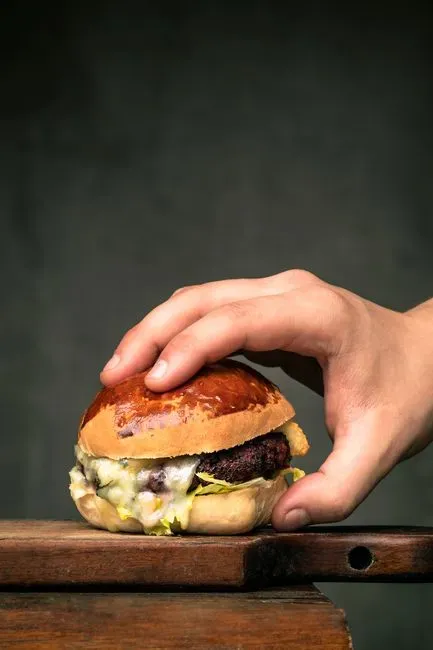
Burgers puff up in the middle as they cook because the outer edges set faster than the center, and meat that firms up unevenly tends to bulge. A shallow thumbprint pressed into the center of the raw patty before it goes on the grill counteracts that swelling directly. Without it, home cooks often end up with a burger shaped more like a meatball than a flat patty by the time it’s done.
This trick is used almost universally in professional kitchens and barely known outside of them. It takes about two seconds per patty and doesn’t require any special tools or ingredients. Skipping it is harmless in theory, but it does produce a burger that looks and eats differently than intended.
5. Seasoning too early or not enough
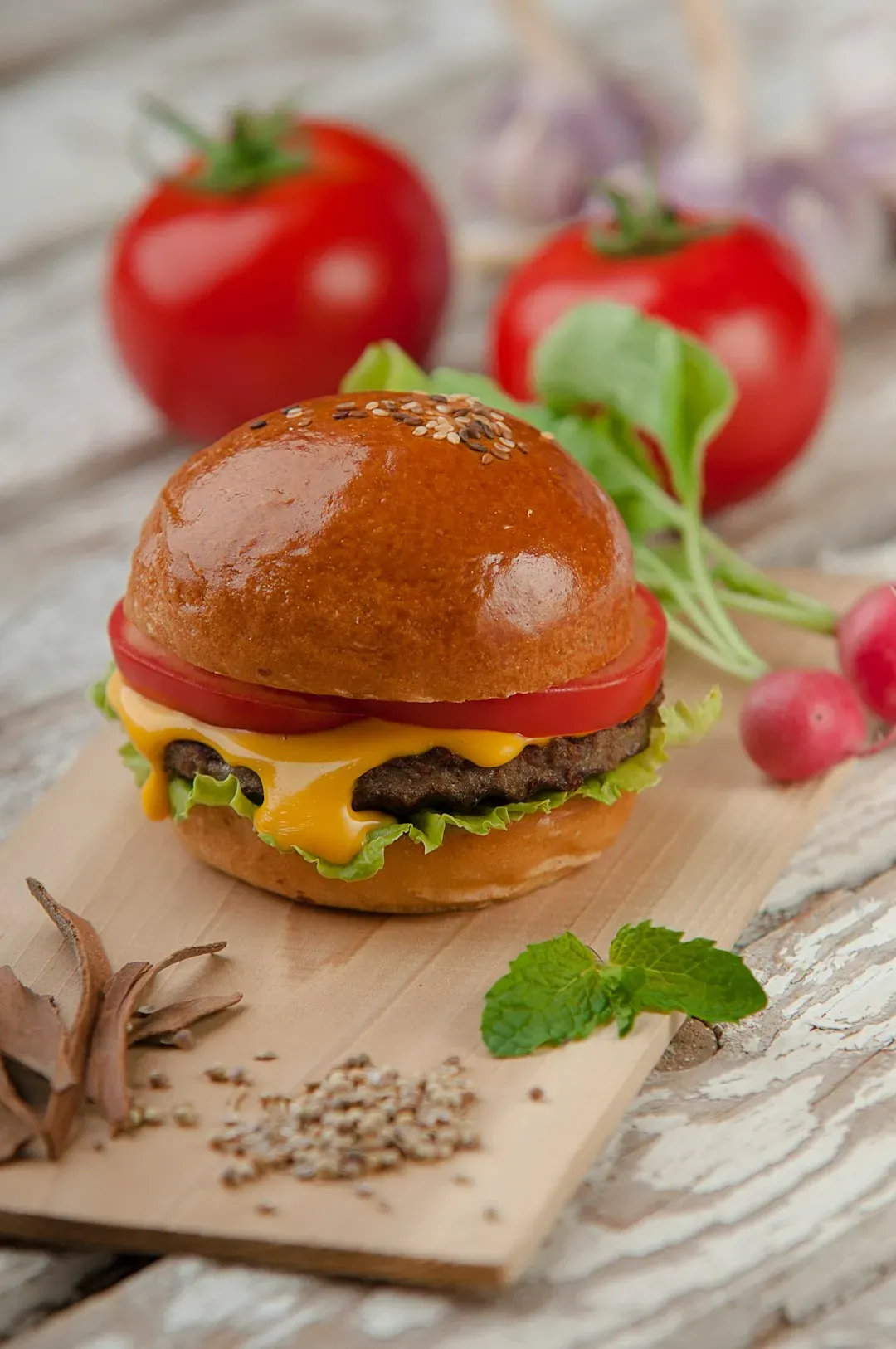
Salt draws moisture out of meat, so seasoning ground beef too far in advance, or mixing salt directly into the mixture, can toughen the texture before it even reaches the heat. Most experienced cooks season the outside of the formed patty right before grilling rather than salting the meat while it’s still loose. That timing difference sounds minor but changes how the surface sears and how the interior holds together.
The other half of this mistake is simple underseasoning, treating a burger patty like it needs the same amount of salt as a steak of similar size. Ground beef has more surface area exposed throughout the mix, and a lot of that flavor cooks off or drips away. A generous, well timed hand with salt and pepper on the outside layer usually solves both problems at once.
6. Using cold, refrigerator temperature meat straight off the grill
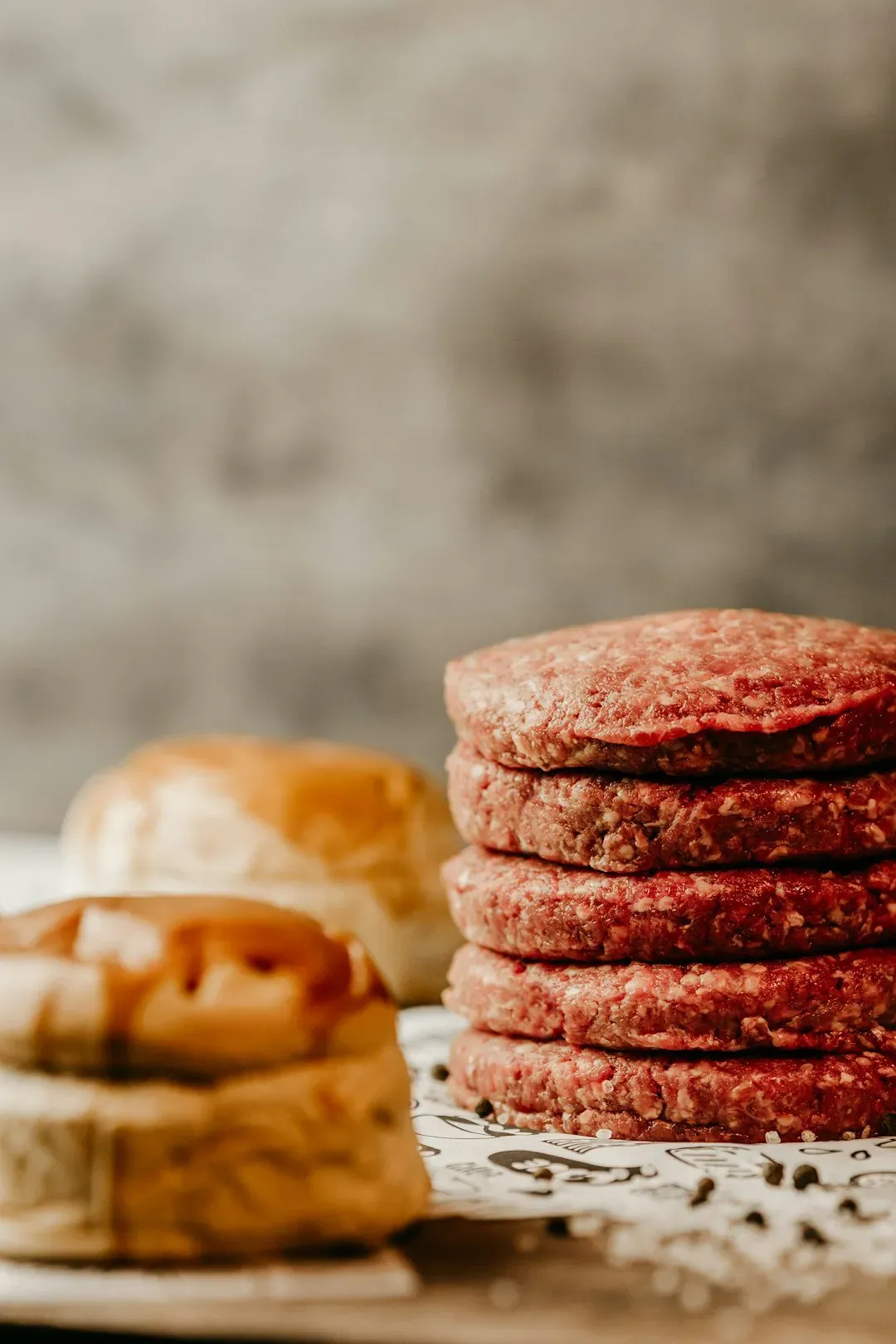
Patties that go from a cold refrigerator directly onto hot grates cook unevenly, often finishing well done on the outside while still cool near the center. This forces a choice between an overcooked exterior or an undercooked middle, neither of which is what anyone wants from a burger night. Letting formed patties rest at room temperature for a short period before grilling allows the heat to penetrate more evenly.
This isn’t a food safety concern as long as the resting period stays reasonably brief, generally under thirty minutes. The difference shows up mainly in consistency, a burger that’s the same temperature edge to edge rather than a ring of gray meat around a pink core, or worse, the reverse. It’s a small adjustment that quietly separates careful cooks from rushed ones.
7. Melting cheese at the wrong moment

Cheese that goes on too early slides off or burns before the patty finishes cooking, while cheese added too late never fully melts and sits there as a cold, stiff slice. The right window is narrow, usually the last minute or two of cooking, with a lid or foil tent helping trap heat to speed the melt. Skipping that brief covered period is one reason backyard cheeseburgers so often arrive with cheese that’s merely warm rather than properly melted.
This is a detail that restaurant kitchens control tightly because it affects both texture and presentation. A properly melted slice drapes over the edges of the patty rather than sitting stiffly on top. Getting the timing right takes maybe an extra thirty seconds of attention, which is a small price for a noticeably better result.
8. Ignoring the toasting of the bun
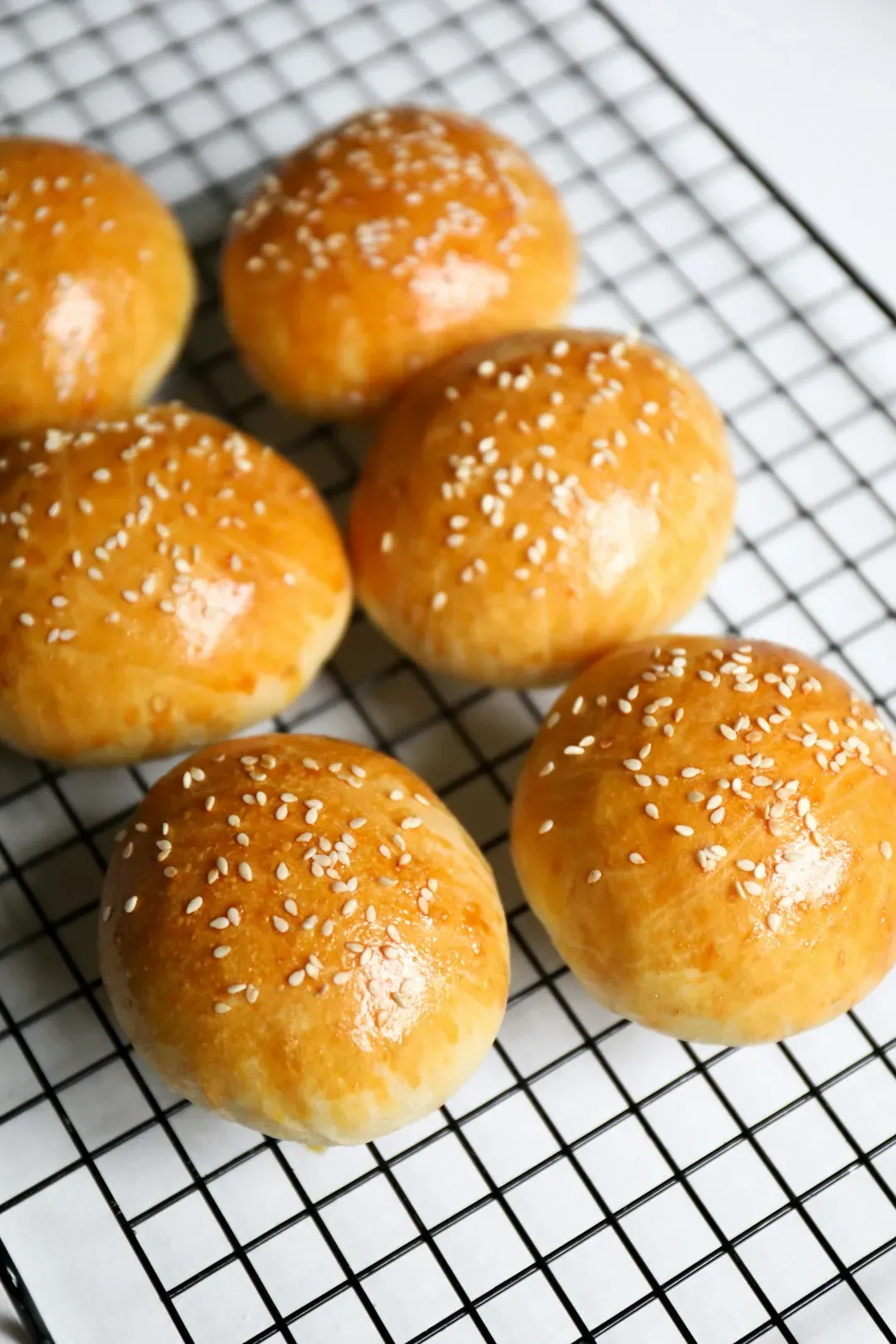
A soft, untoasted bun collapses under the weight of a juicy patty and its toppings, turning the whole sandwich into a structural mess within a few bites. Toasting the cut sides briefly, either on the grill or under a broiler, creates a barrier that helps the bread hold up against moisture. This is one of the fastest fixes on this list and one of the most frequently skipped.
Many backyard cooks treat the bun as an afterthought, tossing it on the plate untouched while all the attention goes to the meat. That imbalance shows up immediately in how the burger holds together, or fails to. A minute or two of toasting time, timed to overlap with the final stage of grilling the patty, solves the problem without adding real effort to the process.
9. Serving the burger the instant it comes off the grill
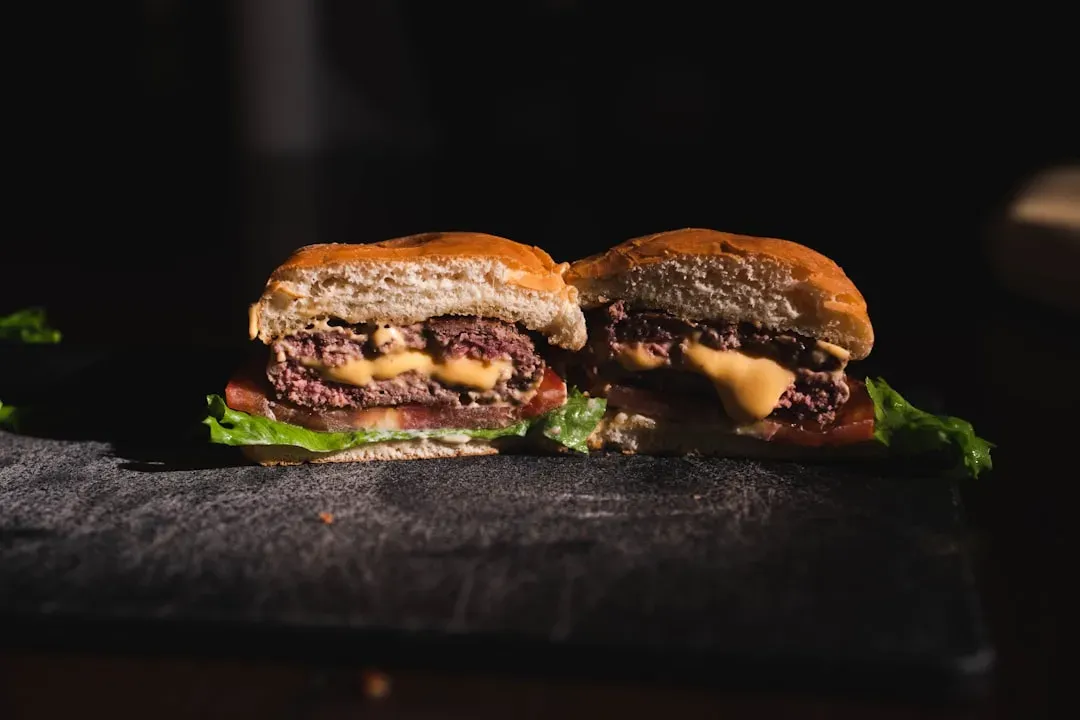
Meat continues cooking briefly after it leaves direct heat, and juices that have been pushed toward the center during cooking need a short window to redistribute evenly. Cutting into or biting a burger the second it’s pulled off the grill often means losing those juices onto the plate instead of the bun. A rest of two to three minutes, loosely tented, allows the patty to settle before assembly.
This step gets skipped constantly at backyard gatherings, mostly because everyone is hungry and the smell alone makes waiting feel unreasonable. Still, this brief pause is one of the more reliable ways to noticeably improve juiciness without changing a single ingredient. It costs almost nothing in terms of time and makes a real difference in the final bite.
Small habits like these rarely announce themselves as the reason a burger falls short. They add up quietly, one imprecise moment after another, until the difference between an average backyard burger and a genuinely good one becomes obvious. None of the fixes require special equipment or advanced technique, just a bit more attention at each step along the way.



Leave a Reply