
Japan: A gesture of professionalism, not a transaction

In Japan, tipping is not customary and is often considered rude, largely because excellent service is treated as a professional obligation rather than something that needs a cash incentive. The underlying idea is often described through the concept of omotenashi, wholehearted hospitality, meaning excellent service is a point of professional pride, not something requiring extra payment. Offering money on top of the bill can be read as suggesting the staff needed extra motivation to do their job well.
This is not a theoretical rule. Travelers who leave cash behind at a restaurant table may find themselves chased down the street by employees looking to return the extra money they left behind. A sincere thank you, a slight bow, or simply returning as a repeat customer tends to land far better than a tip ever would.
South Korea: Tipping as an unintended insult
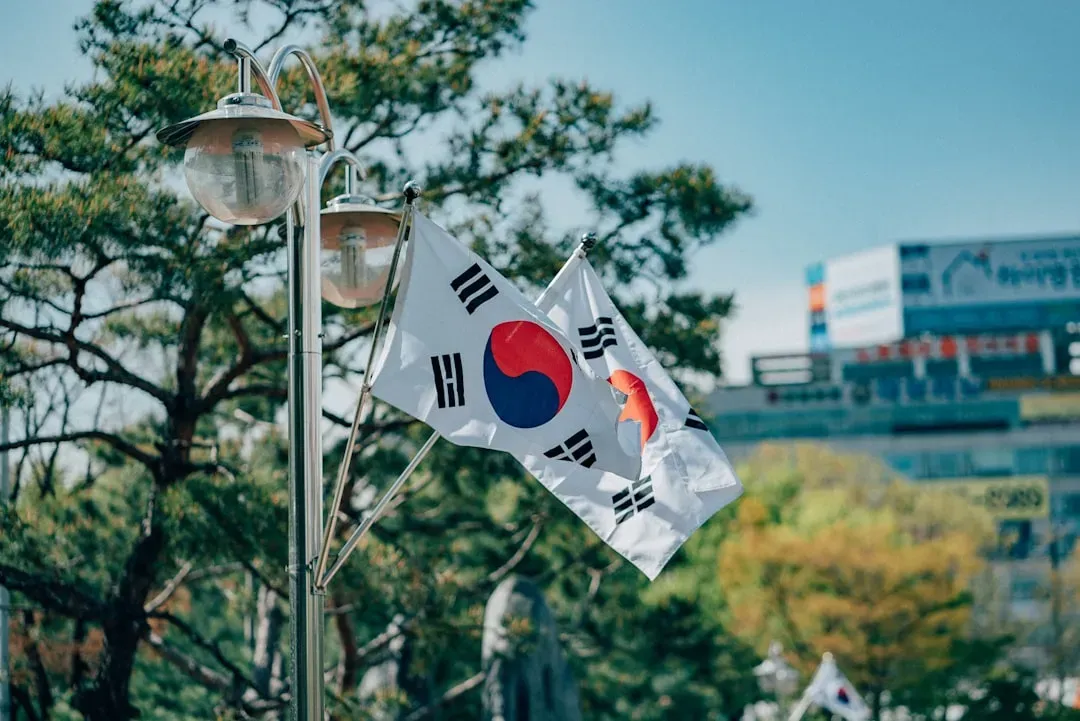
South Korean service culture places real weight on social standing, and offering a tip can imply the recipient looks like they are in financial distress, a serious issue in a society where saving face governs social interaction. It is one of the clearer examples of how a gesture meant kindly can be received the opposite way. Wages in the service sector are generally considered fair, which removes much of the logic behind tipping in the first place.
South Korea has long been a tip-free society, and tipping is sometimes viewed as insulting there, since it implies the worker is in need of charity from the customer, which is almost always not the case. Simply paying the listed price and complimenting the staff directly is the more appropriate way to show appreciation.
China: A legacy of suspicion around extra cash
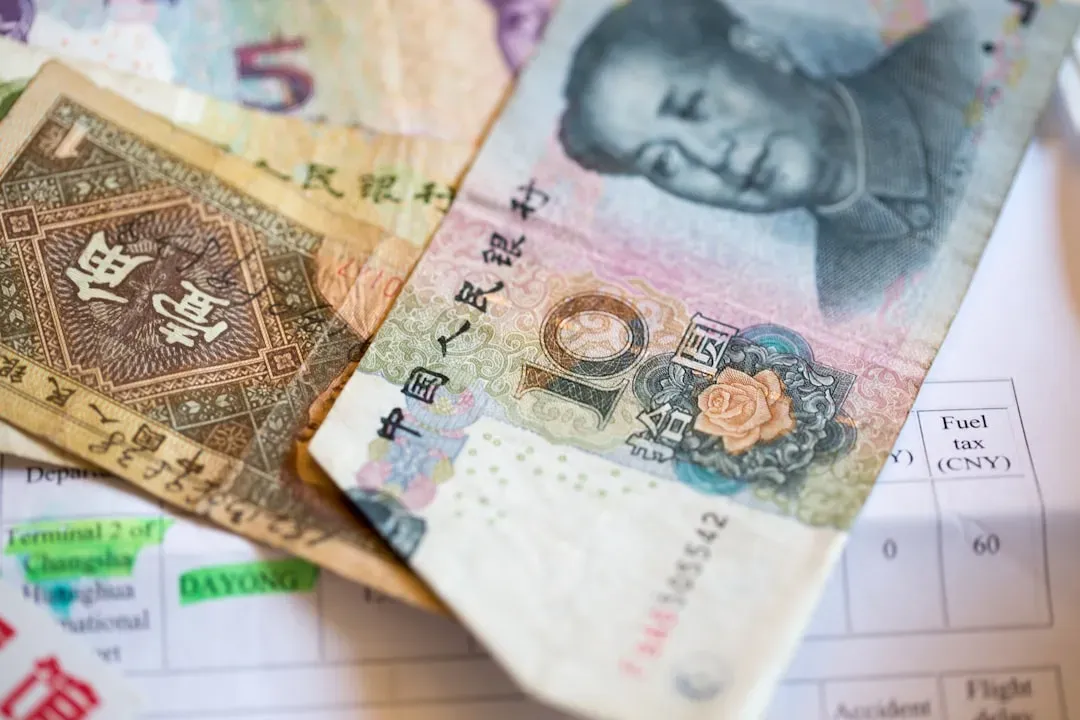
Tipping in mainland China carries a complicated history. Historically, tipping was seen as bribery or charity, both of which were considered insulting rather than generous, and that legacy still shapes attitudes today, especially outside major tourist zones. In many restaurants and hotels, service charges are already folded into the price, making an extra tip feel redundant at best and awkward at worst.
Things have shifted somewhat with the rise of international tourism. Tipping in China was once considered rude, but it has become more acceptable as more Western tourists have visited, though there is still no expectation of tipping when visiting mainland China outside a handful of high-end hotel chains.
Singapore: Efficient service, no cash required
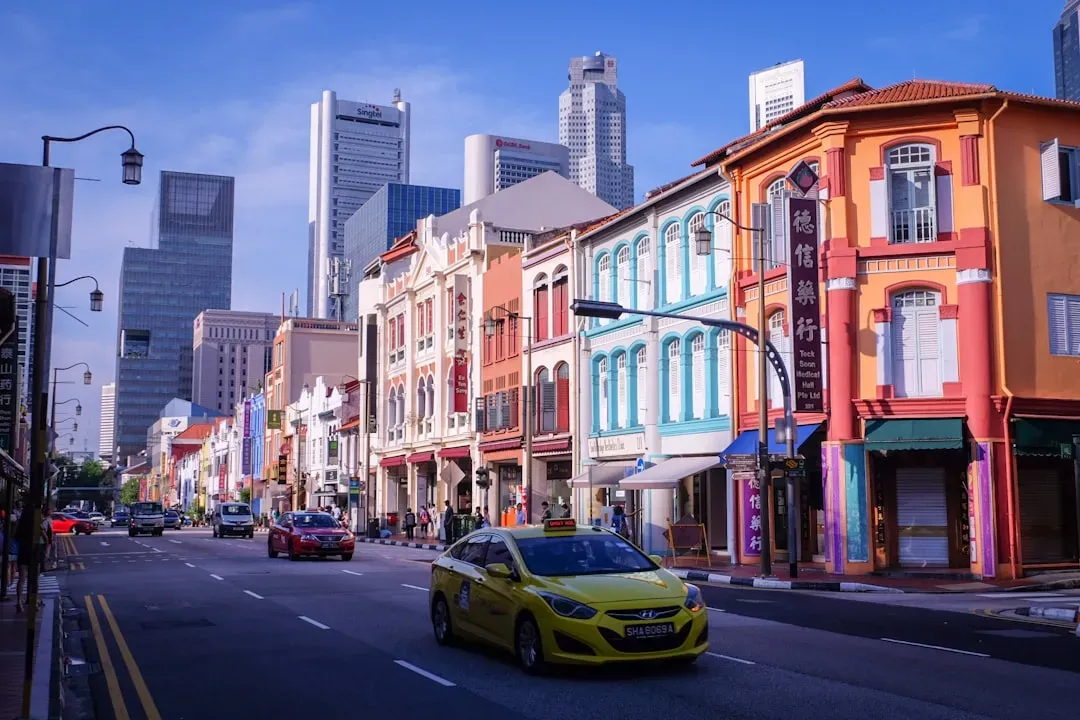
Singapore runs on the assumption that good service is simply part of doing business, not something to reward separately. Bars and restaurants typically add a service charge automatically, and excess tipping is not practiced and is rarely expected in most instances. In fact, tips may be regarded as an insult or mistaken for illegal bribery, which is a serious matter in a country with strict anti-corruption laws.
Taxi rides make the point clearly. A driver handed extra cash is likely to mistake it for overpayment and return the exact change rather than pocket it as a gratuity. The safest approach for visitors is to treat the printed price as the final price.
Finland: Fair wages make tipping unnecessary

Finland’s service economy runs on the same logic found across much of Scandinavia. Tipping there is generally unnecessary and can be seen as undermining the country’s commitment to fair wages, since workers in service industries are already well compensated. Handing over extra cash can come across as though the visitor doubts the fairness of the local pay system.
Rounding up a bill is common and welcomed as a small gesture, but insisting on a larger tip tends to make staff uncomfortable rather than pleased. Service charges are typically included, and rounding up is sufficient for good service, which keeps the whole interaction simple for travelers who are used to more complicated tipping math back home.
Iceland: High wages, low tolerance for tipping

Iceland’s small, tightly regulated service industry leaves little room for a tipping culture to take hold. Tipping there is rare due to the country’s non-tipping culture and high service standards, and workers are paid living wages, meaning excellent service is the norm rather than something exceptional that needs rewarding. Offering a tip can genuinely confuse staff, since it falls outside their expectations entirely.
Visitors who want to show appreciation are usually better off with a warm thank you or a bit of friendly conversation than with cash. Locals tend to notice and remember politeness far more than a few extra krónur left on a table.
Switzerland: Service charges baked in by law

Switzerland removes much of the guesswork by requiring service charges to be included in restaurant and hotel bills as a matter of law. With some of the highest wages in the world for hospitality workers, tipping is simply not part of Swiss culture, and staff generally do not expect anything beyond the listed price. Offering additional money can feel out of place in a system built around already-fair compensation.
That said, small gestures of rounding up are common and appreciated. The Swiss tend to value quality service as a matter of professional pride rather than for monetary rewards, which sets the tone for the entire hospitality sector, from mountain cafes to city restaurants.
Malaysia: Tipping seen as unnecessary extravagance
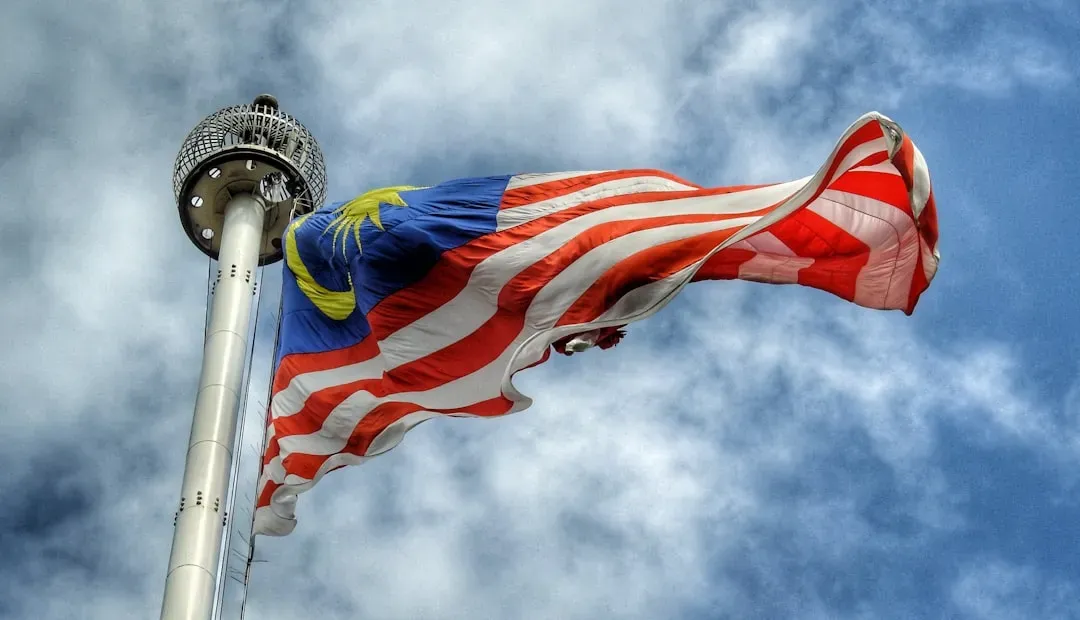
Malaysia’s approach to tipping leans toward the practical rather than the ceremonial. Tipping there is not part of the culture and can be viewed as extravagant or unnecessary, particularly since service charges are often already included in the bill and workers generally do not expect extra money on top of it. This holds especially true outside the busiest tourist hubs.
Offering a tip in smaller establishments or rural areas can create genuine discomfort rather than gratitude. A polite thank you, or leaving a positive review afterward, tends to be read as the more culturally appropriate way to acknowledge good service in Malaysia.
United States: The birthplace of modern tipping expectations

Few countries lean on tipping quite like the United States does. The country leads the world in tipping culture, with standard amounts ranging from 15 to 20 percent of the bill, and most workers in the service industry are paid less as a base wage precisely because they rely on tips as a large source of their income. In many states, the tipped minimum wage can be as low as roughly two dollars an hour, making gratuities functionally part of a server’s paycheck rather than an optional bonus.
A twenty percent tip generally signals that a customer felt well taken care of, while a slightly lower amount around fifteen percent might reflect a service that fell a bit short of expectations. Skipping a tip entirely in an American sit-down restaurant is one of the more reliable ways to draw a disapproving look from staff.
Canada: A tipping culture that mirrors its southern neighbor

Canada’s tipping norms track closely with those in the United States, which surprises some international visitors who expect a gentler approach given the country’s reputation for politeness. The standard tip range sits between 15 and 20 percent, and it is treated as close to mandatory in sit-down restaurants and many other service settings. Servers there are often paid at rates that assume tips will make up a meaningful share of their income.
Canadians also tend to notice when a tip feels stingy relative to the bill. Leaving only a token amount, like a dollar or two on a hundred-dollar tab, tends to be viewed as an offense rather than simply a modest gesture, so travelers should budget accordingly.
Mexico: Tipping woven into everyday hospitality
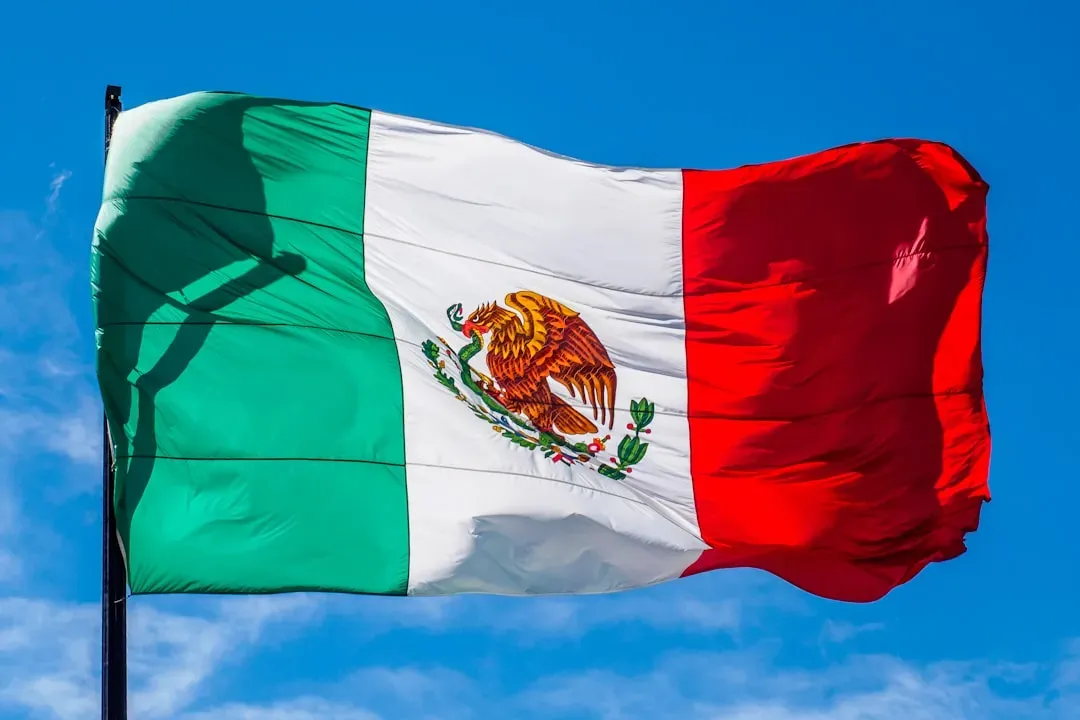
Mexico’s tipping culture sits firmly on the expected side of the spectrum, particularly in restaurants catering to both locals and tourists. Servers there typically anticipate tips between 10 and 20 percent of the bill, with the higher end reserved for standout service or busier tourist destinations. Resorts and all-inclusive properties often build additional tipping expectations into daily interactions with staff.
Hotel workers, including porters and housekeeping, generally expect small cash tips as well, often in the range of a dollar or two per interaction. Because so much of Mexico’s tourism economy runs through cash tipping, carrying small bills in local currency makes the whole process smoother.
Brazil: Tipping as a standard expectation, not a bonus

Brazil treats tipping as a normal part of dining out rather than an optional extra. A tip there is considered standard practice, much like in the United States and Canada, and it is genuinely expected in most restaurant settings. The typical rate hovers around 10 percent of the bill, which is often lower than what American travelers are used to but still a firm expectation locally.
Many Brazilian restaurants build a 10 percent gratuity directly into the printed check, though diners can add a bit more for exceptional service if they choose. One quirk worth knowing is that menu prices in Brazil already reflect sales tax, which can make budgeting for the final bill, tip included, a little more straightforward than in countries where taxes appear only at checkout.
Egypt: Baksheesh as a way of life

Nowhere on this list treats tipping with quite the same everyday weight as Egypt. Known locally as baksheesh, the practice is not just customary but is woven into daily interactions across hotels, restaurants, transportation, and tourist sites, and many workers rely on it to supplement genuinely low base wages. Guides, drivers, housekeeping staff, and even attendants at public restrooms or historical sites typically expect a small amount in exchange for their help. Skipping a tip in Egypt rarely causes a scene, but it does leave a poor impression, and locals tend to view under-tipping as a sign of disrespect rather than simple oversight. Rising living costs in recent years have nudged typical amounts upward, so travelers are generally advised to tip a bit more generously than guidebooks from a few years ago might suggest.
United Arab Emirates: Tipping expected in tourist-heavy Dubai

The UAE, and Dubai in particular, sits solidly in expected-tipping territory for anyone dining out or using hotel services. Tourists there could expect to see a service charge on the bill and still need to leave a tip on top of it, with typical restaurant tips falling somewhere between 10 and 15 percent. Valets and porters generally anticipate small cash tips as well.
Across the wider Middle East, tipping tends to be expected in many tourist areas at similar rates, making the UAE fairly representative of the region rather than an outlier. Visitors who skip tipping entirely in Dubai’s hospitality sector may notice a cooler reception on return visits to the same establishment.
Morocco: Rounding up as an everyday habit

Morocco takes a slightly softer approach than some of its regional neighbors, though tipping is still very much part of daily life there. It is not mandatory, but rounding up the bill and leaving tips at restaurants, cafés, or to other service providers is a standard practice and genuinely appreciated. In cities like Rabat, servers may reasonably hope for something in the range of 10 percent.
Riads, guided tours, and hammams tend to carry their own informal tipping expectations that build up over the course of a visit. Travelers who ask locally or watch what other diners are doing tend to get a quick, accurate read on what is appropriate in a given setting.





Leave a Reply