
Ask most people to picture America’s worst mosquito city and they’ll probably describe someplace swampy and humid, maybe in the Deep South or along a Gulf Coast bayou. The real answer is a lot less obvious, and honestly, that’s what makes it interesting. For six years running, the title has belonged to a city known for sunshine, drought warnings, and a Mediterranean climate that seems like the last place mosquitoes would thrive.
Yet the data keeps pointing the same direction, and the trend lines suggest this isn’t a fluke or a one-season anomaly. Something structural has shifted in how and where mosquitoes are breeding across the country, and understanding it says a lot about how cities, climate, and pest control all collide in ways nobody quite expected a decade ago.
Los Angeles holds the crown for a sixth straight year
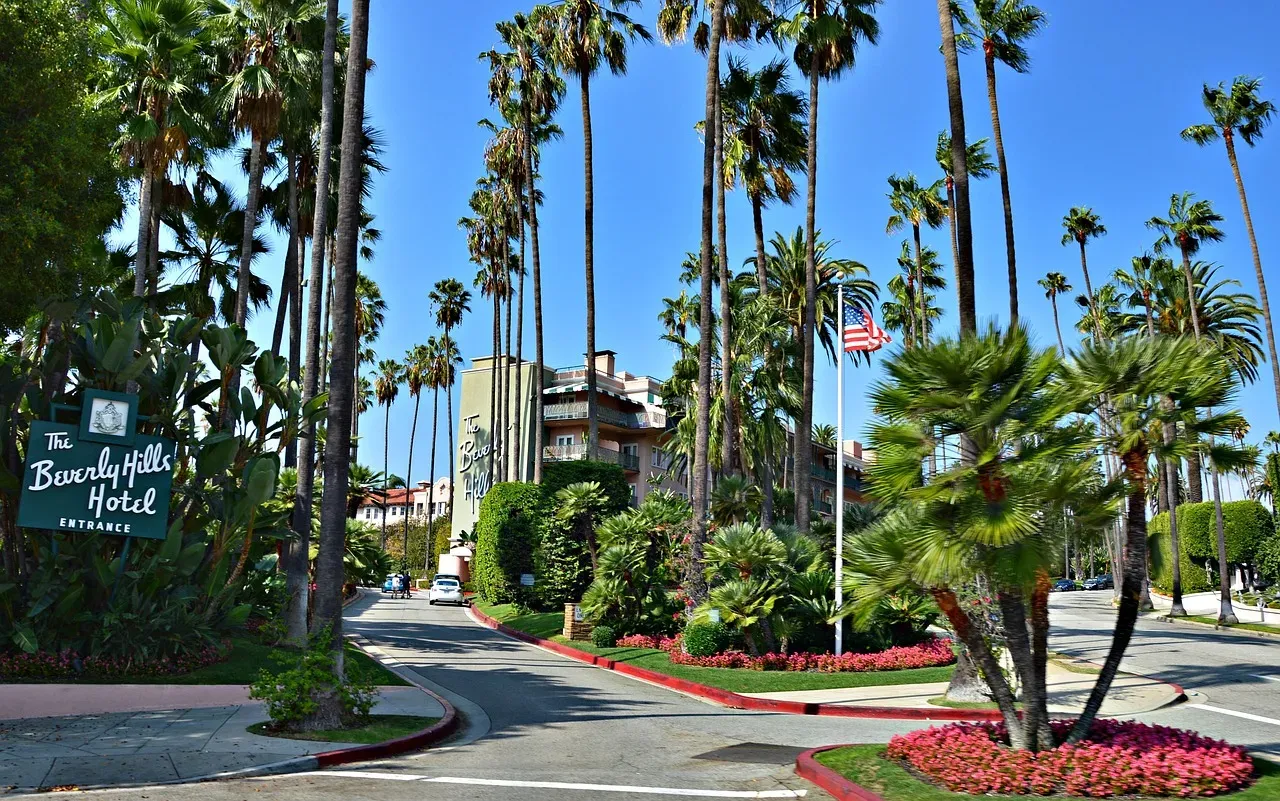
Orkin’s 2026 Mosquito Cities List confirms what pest control companies have been tracking since 2021: Los Angeles is once again the worst city in the country for mosquito activity. According to Orkin’s newly released 2026 Mosquito Cities List, L.A. has once again been ranked the No. 1 worst city in the United States for mosquito-related issues, beating out Chicago, New York and a long list of humid summer rivals. The rankings aren’t based on guesswork or surveys either.
The rankings are based on the number of new residential mosquito treatments performed by Orkin from March 18, 2025, to March 18, 2026. That means real service calls from real homeowners dealing with an actual infestation problem, not just a perception of one. Chicago and New York rounded out the top three, according to multiple reports tracking the same dataset.
A changing map: how Atlanta lost its grip on the title
Los Angeles wasn’t always the epicenter of American mosquito misery. For six consecutive years, from 2015 through 2020, Atlanta held the top spot. Since 2021, Los Angeles has consistently ranked No. 1, marking a shift in the highest levels of mosquito activity. That handoff wasn’t random, and it reflects a broader repositioning of where mosquito pressure is concentrated in the U.S.
A pest issue that was once concentrated in the Southeast has evolved into a nationwide concern, with cities across every region now facing risks from this pest. In other words, this isn’t just a Los Angeles story anymore. It’s becoming a story about the entire map redrawing itself, with old assumptions about “mosquito country” no longer holding up.
Why a dry city has such a persistent bug problem
The irony of Los Angeles topping this list is hard to ignore, since the region is famous for drought, not humidity. But mosquitoes don’t need swamps. They need small pockets of standing water, and Southern California’s sprawling irrigation systems, backyard pools, and storm drains supply plenty of that even in dry years.
Statewide, California is home to the most mosquito activity, with five cities in the top 50, including Los Angeles, San Francisco, Sacramento, San Diego, and Fresno. Orkin attributes the high mosquito populations to the state’s high temperatures and proximity to standing water. Add in dense urban housing with gutters, planters, and unused containers, and you get a landscape that quietly favors breeding even without a single wetland in sight.
The invasive species changing the equation
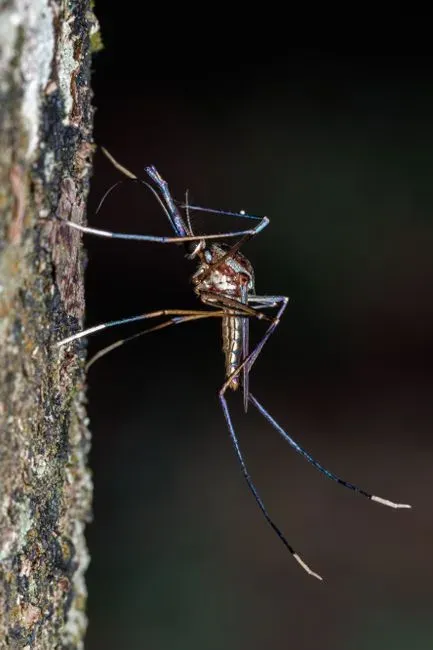
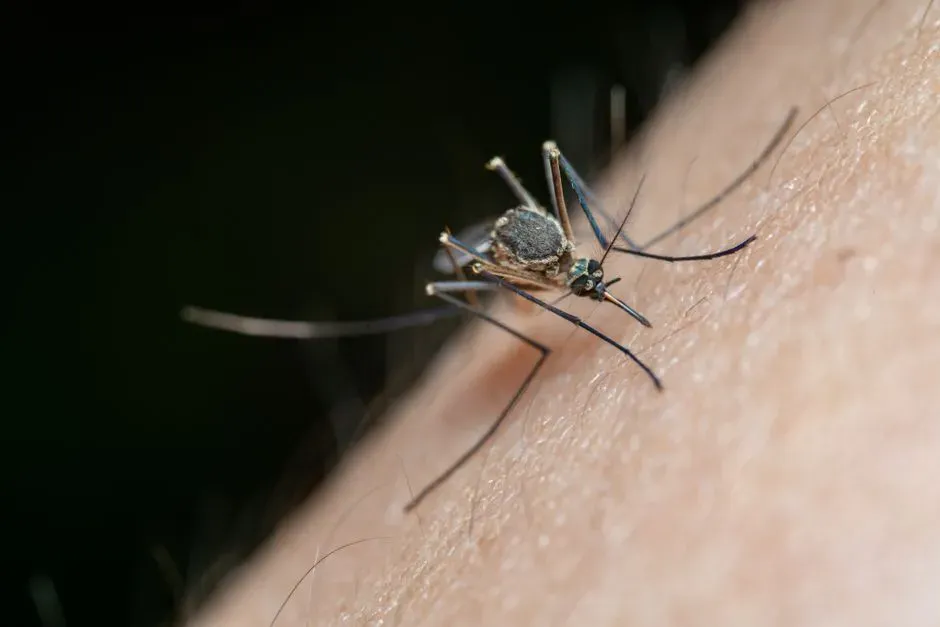
Part of what makes the Los Angeles situation different from older mosquito hotspots is the presence of an invasive species that didn’t used to exist there. Chikungunya virus is transmitted to people by two species of mosquitoes, Aedes aegypti and Aedes albopictus, also known as invasive Aedes or ankle biters. Both species are found in Los Angeles County. These mosquitoes behave differently than the native Culex species residents are used to.
Zika is spread mostly by the bite of the invasive Aedes species mosquitoes. These mosquitoes bite primarily during the day, indoors and outdoors. That daytime biting habit means the usual advice about avoiding dusk and dawn simply doesn’t apply the same way it used to, which has forced local vector control agencies to rethink public messaging entirely.
West Nile virus remains the region’s biggest health concern
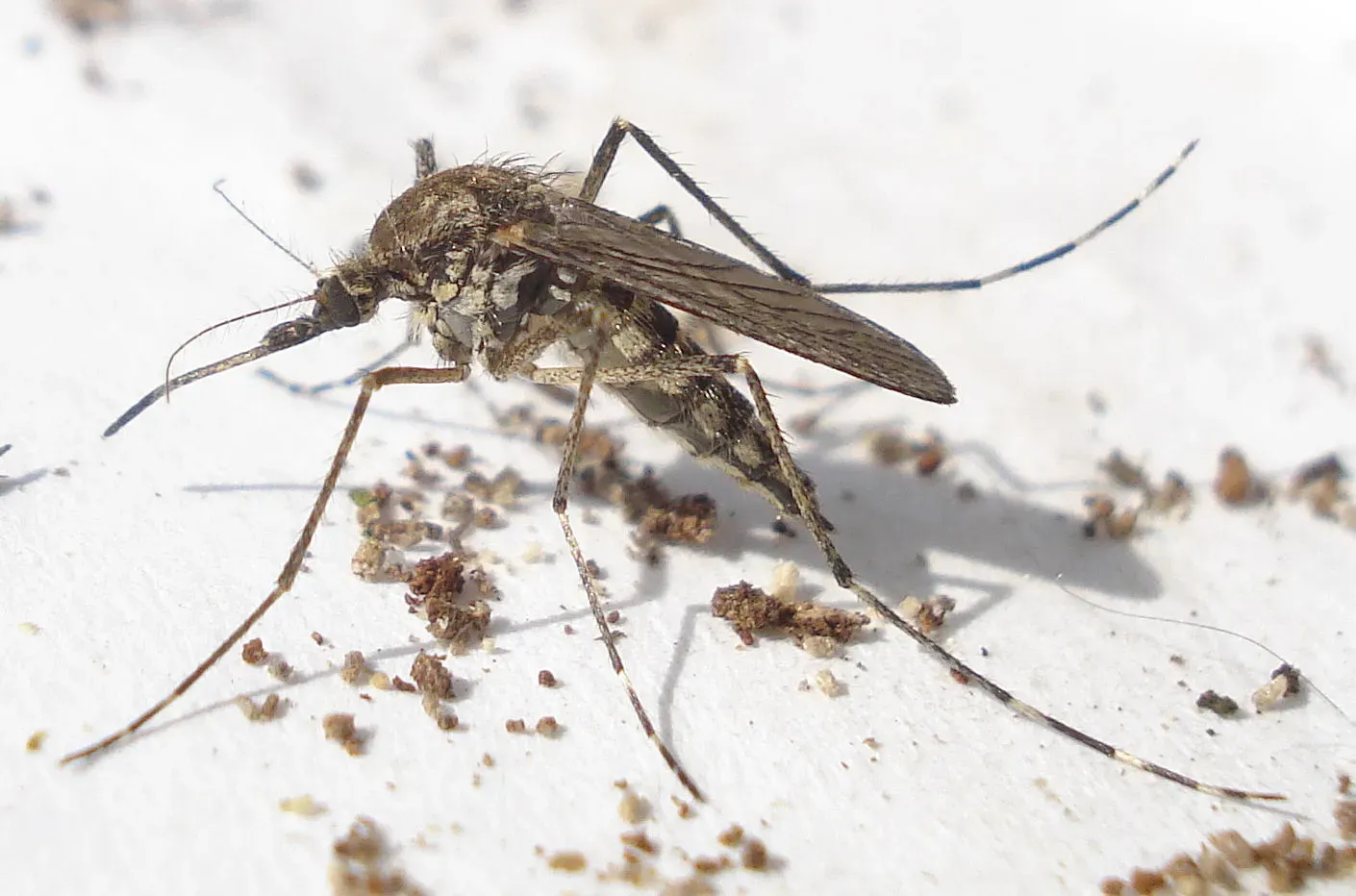
While the invasive Aedes species grab headlines, the more established public health threat in Los Angeles is West Nile virus, carried by native Culex mosquitoes. West Nile Virus is the most common mosquito-borne disease that affects residents in Los Angeles County. Public health agencies detect West Nile virus every year in L.A. County, which means it’s endemic and found naturally in city environments. This isn’t a rare or emerging threat; it’s a fixture of the local disease landscape.
The numbers back that up on a statewide level too. West Nile virus is the most common and serious vector-borne disease in California, with more than 8,000 human cases and over 400 deaths reported in the state since 2003. Los Angeles County consistently shows up among the counties reporting positive mosquito samples and dead bird detections each season, which health officials use as an early warning signal.
Climate patterns are fueling faster, longer breeding cycles
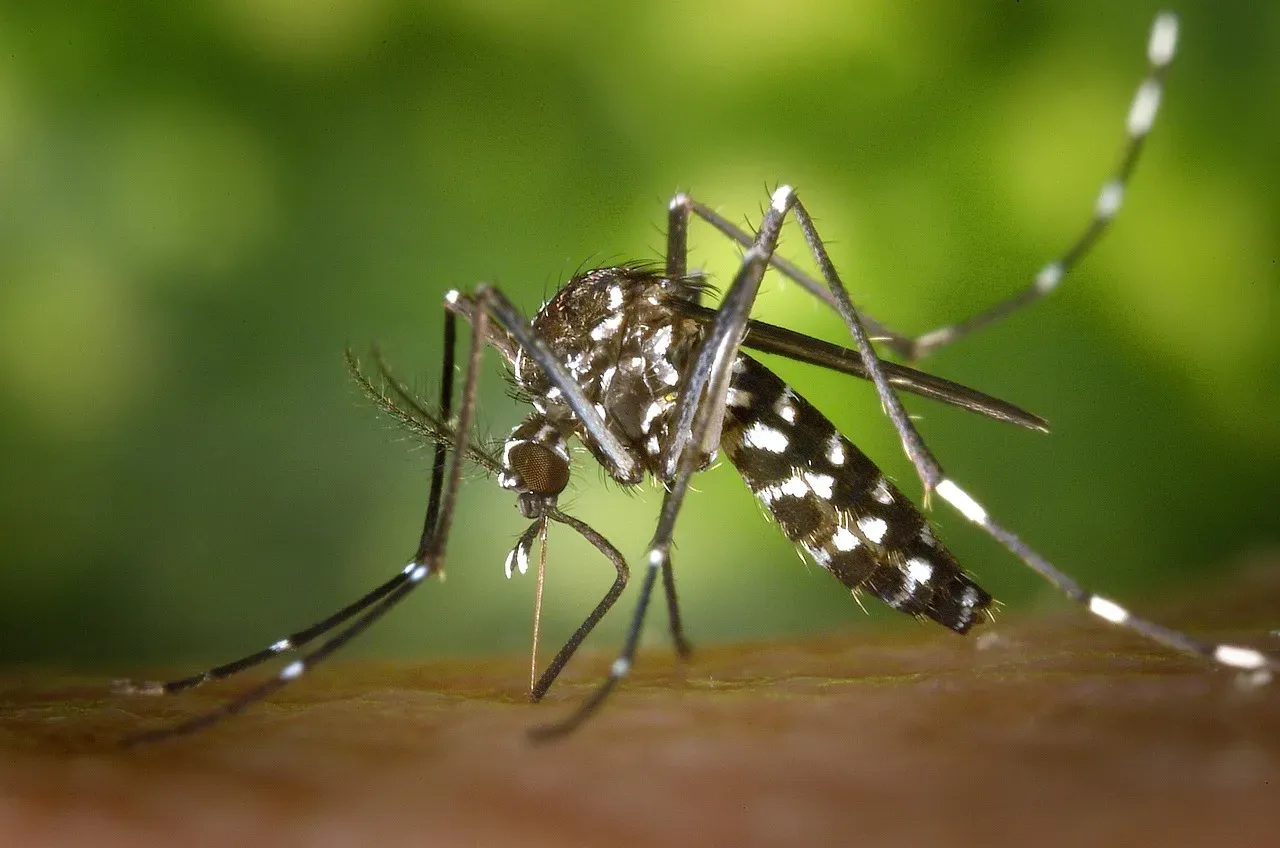
Weather swings, not just steady heat, appear to be a major driver behind the surge. Southern California has seen stretches of unusually heavy winter rainfall followed by warm spells, a combination that creates ideal breeding conditions almost overnight. Due to major December rainfall coupled with unseasonably warm weather in January, mosquitoes began appearing en masse early in 2026, with numbers reportedly five times higher than the five-year average in some areas.
That kind of early-season spike used to be unusual. Now it’s becoming a pattern that vector control districts have to plan around rather than react to. Warmer winters mean fewer die-offs, longer active seasons, and more generations of mosquitoes able to reproduce before the weather finally cools down in the fall.
Chicago and New York aren’t far behind
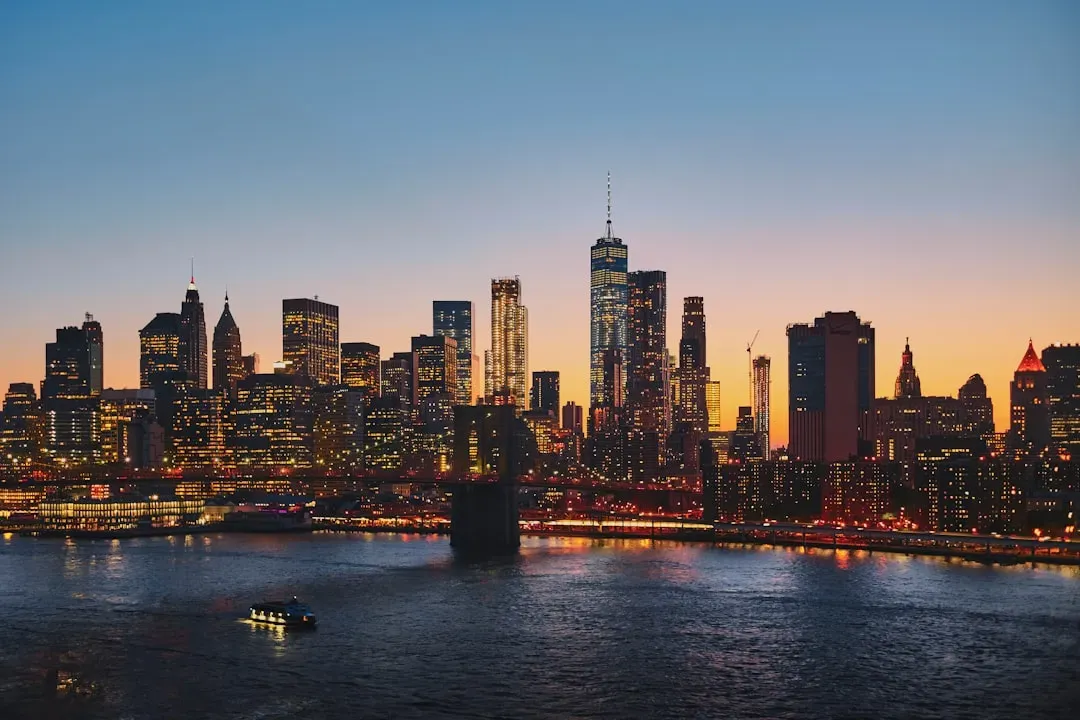
Los Angeles may hold the top spot, but the gap to the next two cities isn’t as wide as some might assume. Los Angeles held the top spot for the sixth straight year, followed by Chicago and New York. Both of those cities have their own reasons for climbing the rankings, tied less to drought-driven irrigation and more to old infrastructure, dense housing stock, and warm, wet summers.
New York’s rise has been particularly notable given the city’s reputation for cold winters. Mosquitoes are most active in New York City from April through October, seeking to lay eggs in slow-moving or standing water. Warmer average temperatures have led to earlier springs, hotter summers, and milder winters, and increased precipitation allows mosquitoes to expand into new areas, reproduce more quickly, and stay active for longer periods. That’s a pattern showing up in city after city, not just the traditional hotspots.
The Midwest is quietly becoming a new front line
One of the more surprising developments in the 2026 data has nothing to do with the top three cities at all. Mosquito populations are expanding rapidly into unexpected regions, with the Midwest in particular experiencing a surge in activity due to changing climate conditions and the expanding range of the invasive yellow fever mosquito. Minneapolis climbed six spots to number 13, while Milwaukee jumped an astonishing 15 spots to rank number 23.
Even smaller cities that had never appeared on these lists before are now showing up. The list also welcomed first-time entries like Traverse City, Michigan and Springfield, Illinois, highlighting how the threat is moving into areas not traditionally known for heavy mosquito pressure. It’s a reminder that this problem is no longer confined to a handful of predictable regions.
The health stakes go well beyond itchy bites
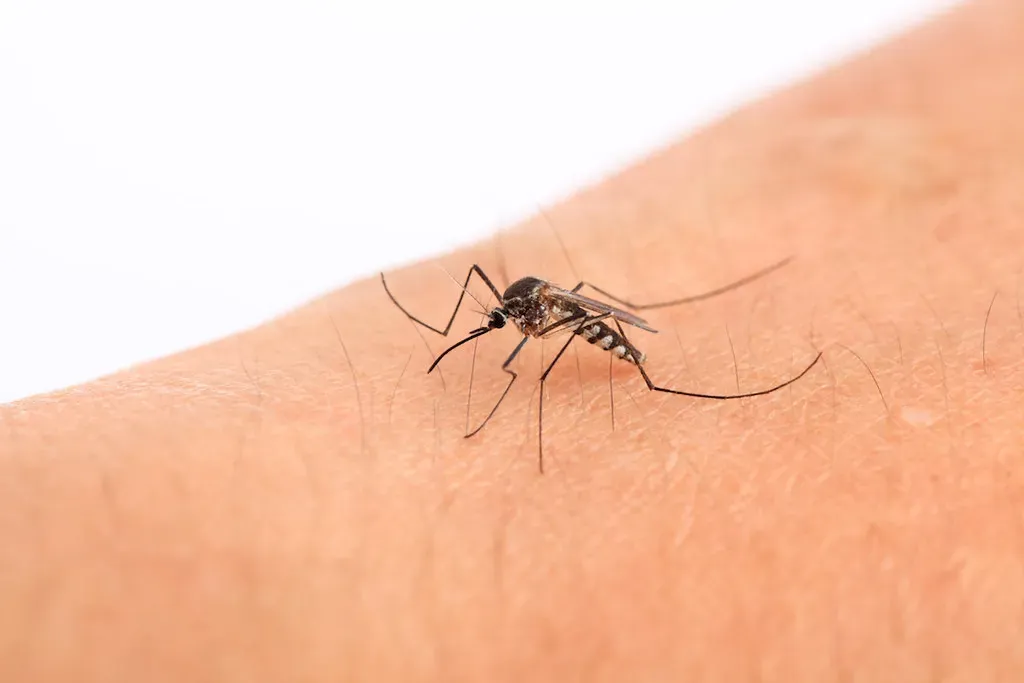
It’s easy to think of mosquitoes as a nuisance rather than a genuine public health issue, but the global numbers tell a different story. Mosquitoes are considered the deadliest animal in the world, responsible for more than 600,000 malaria-related deaths each year, according to the CDC. In the United States specifically, the concern centers on a different set of illnesses.
In the U.S., mosquitoes can spread diseases including West Nile virus, Eastern equine encephalitis and Zika. Recent seasons have also seen unusually severe outcomes from these infections. An entomologist confirmed at a joint AMA-CDC webinar in December 2025 that 2025 saw roughly 41 percent more severe-disease cases and about 32 percent more deaths than what is typically seen with West Nile disease, with over 2,000 individuals reported infected as of that December.
What’s being done to fight back in Los Angeles
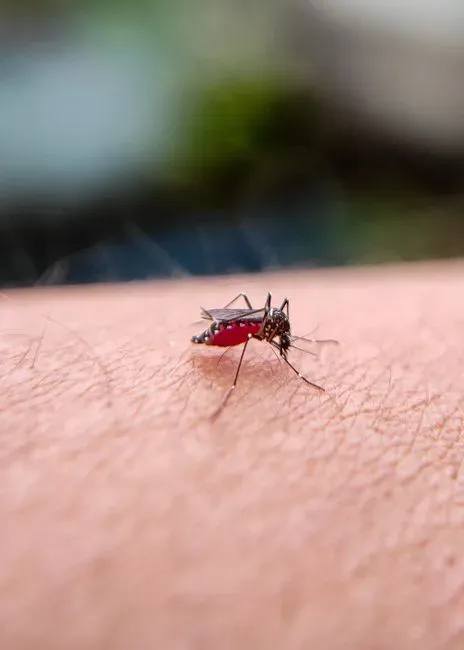
Local agencies aren’t standing still. Vector control districts across Los Angeles County run active surveillance programs, testing mosquito pools and tracking dead bird reports to catch outbreaks of West Nile virus early. Staff are trained to first identify sustainable solutions to remove stagnant water and educate the public, and in cases where it is impossible to get full compliance from property owners, state-certified staff provide treatment to stagnant water sources with a material that targets swimming mosquito larvae.
Pesticide spraying for adult mosquitoes is treated as a last resort rather than a routine tool. The use of pesticides against flying adult mosquitoes is only provided when there is a public health emergency, which can include a cluster of people who tested positive for West Nile virus, unusually higher-than-average mosquito activity, or clusters of birds dying from the virus. That measured approach reflects a broader integrated pest management philosophy rather than blanket chemical treatment.
Simple prevention steps residents can actually use
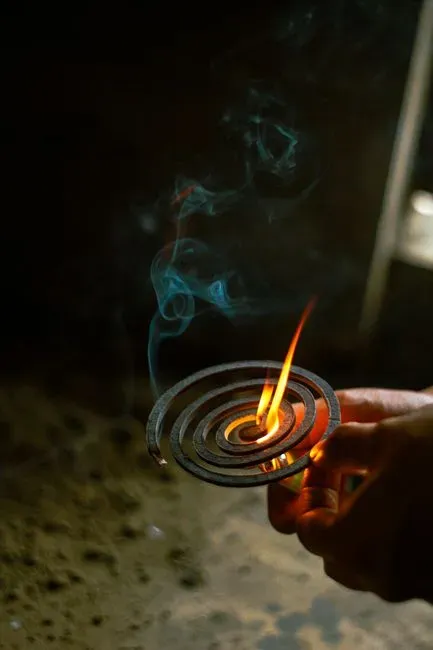
Pest control companies and health officials tend to converge on the same basic advice, and it holds up whether you live in Los Angeles, Chicago, or a Midwest city just starting to see more mosquito pressure. Orkin recommends using the acronym BITE to remember key prevention steps: block access to skin by wearing long sleeves and pants along with CDC-recommended repellents, install tight-fitting screens on windows and doors, trim shrubs, grass and other vegetation to reduce mosquito resting areas, and eliminate standing water, which is a breeding ground for mosquitoes.
Local officials echo the same core message with a bit more urgency. Residents are urged to dump and drain standing water around the home, apply insect repellent with EPA-registered active ingredients such as DEET, picaridin, IR3535 or lemon eucalyptus, wear long-sleeved shirts and pants during dawn and dusk, and install or repair door and window screens. None of it is complicated, but consistency matters more than any single action.
The bigger picture
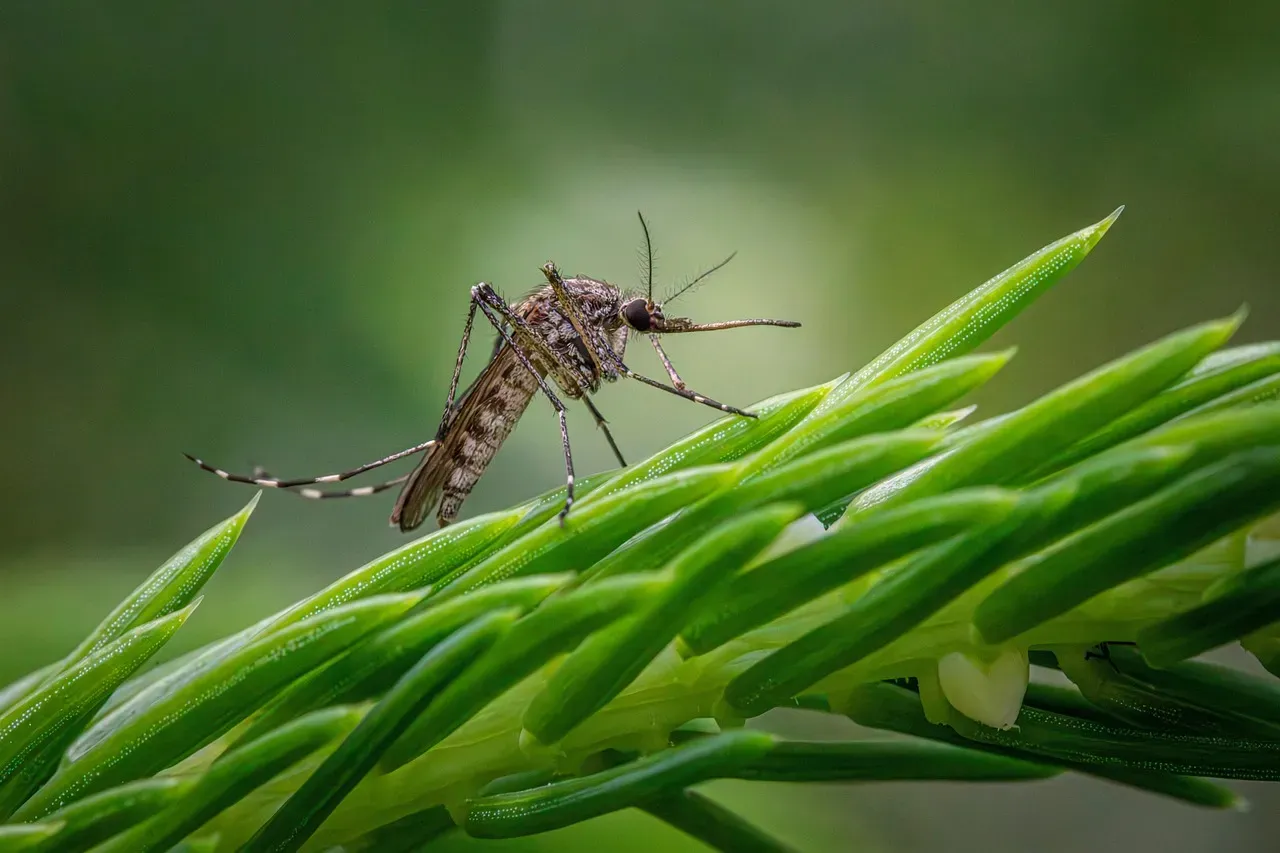
Los Angeles topping this list for a sixth consecutive year isn’t just a quirky statistic for trivia night. It’s a signal of how mosquito activity has decoupled from the old rules of thumb about humidity and swampland, and how climate variability, urban water use, and invasive species are reshaping where the real risk lives. The problem clearly isn’t shrinking either, given how many new cities are appearing on these lists for the first time.
What seems most likely going forward is a country where fewer places get to consider themselves exempt. The mosquito’s map is expanding, and the cities figuring out how to manage that expansion early are the ones likely to fare better than those caught off guard.





Leave a Reply