
A country hiding in plain sight
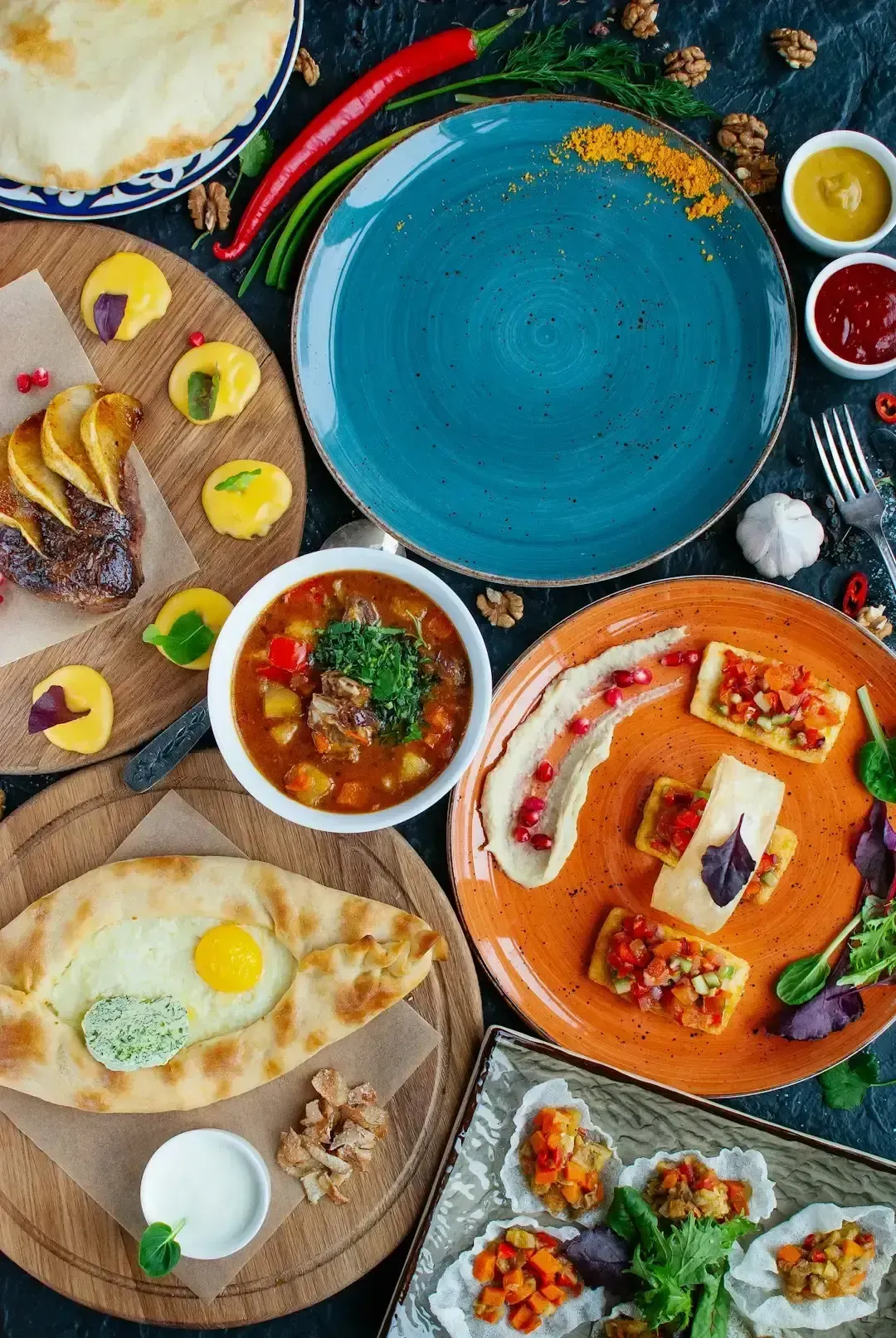
Georgia sits at an odd crossroads of visibility. Tourism numbers have been climbing fast, with 2025 delivering the highest number of international tourist visits ever recorded, with a total of 5.52 million tourists marking a new historic high that surpassed pre-pandemic levels. Yet the country barely registers in Western food media compared to places like Georgia’s neighbors or the usual Mediterranean darlings.
Part of the reason is geography and habit rather than quality. Georgia’s tourist base remains heavily regional, with Russia, Türkiye, Armenia, Azerbaijan and Israel together generating around 65 percent of all inbound visits in 2025. That means the culinary word of mouth hasn’t traveled as far west as the food itself deserves, which is exactly why it still feels like a discovery rather than a trend.
The world’s oldest wine culture you’ve probably never tasted
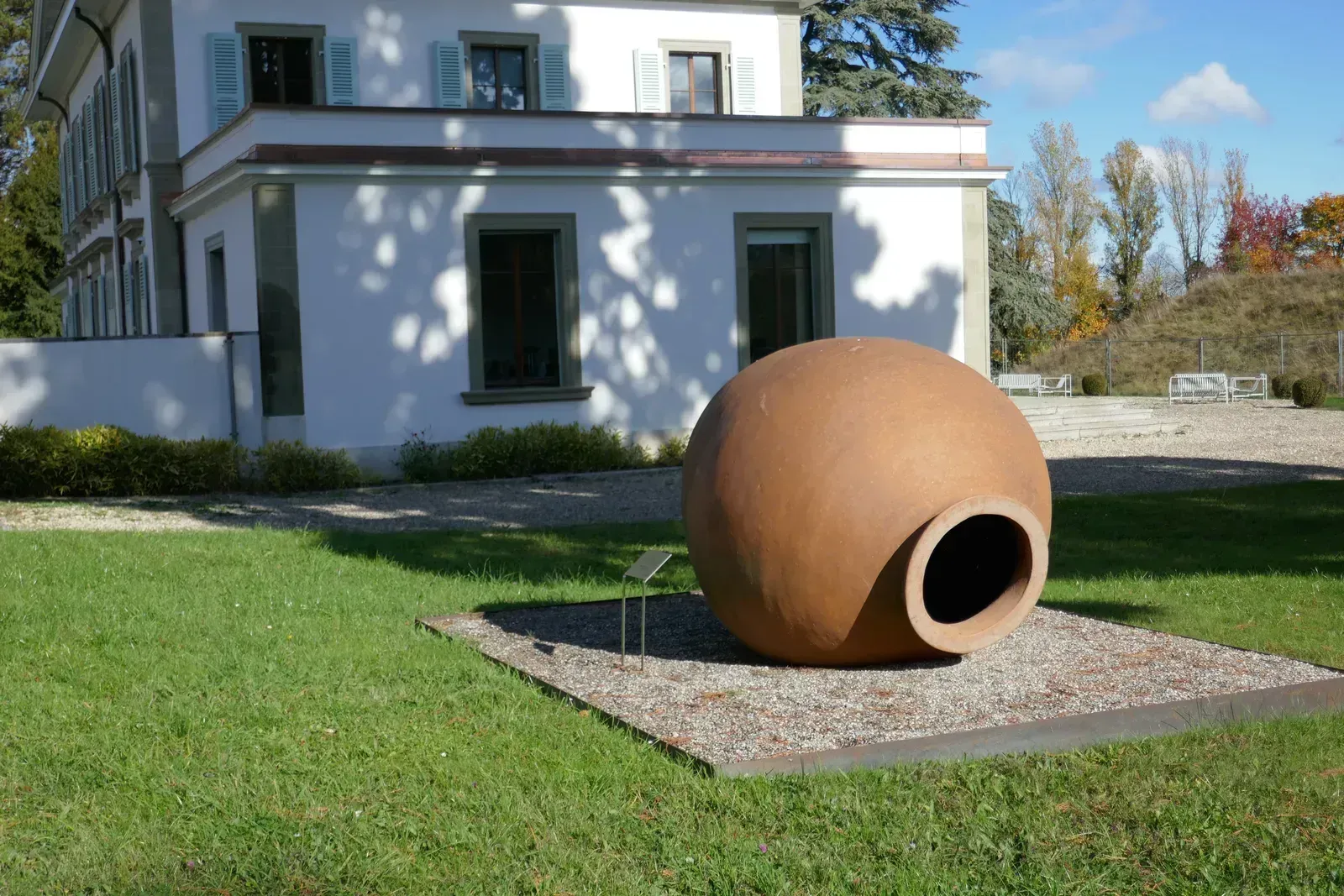
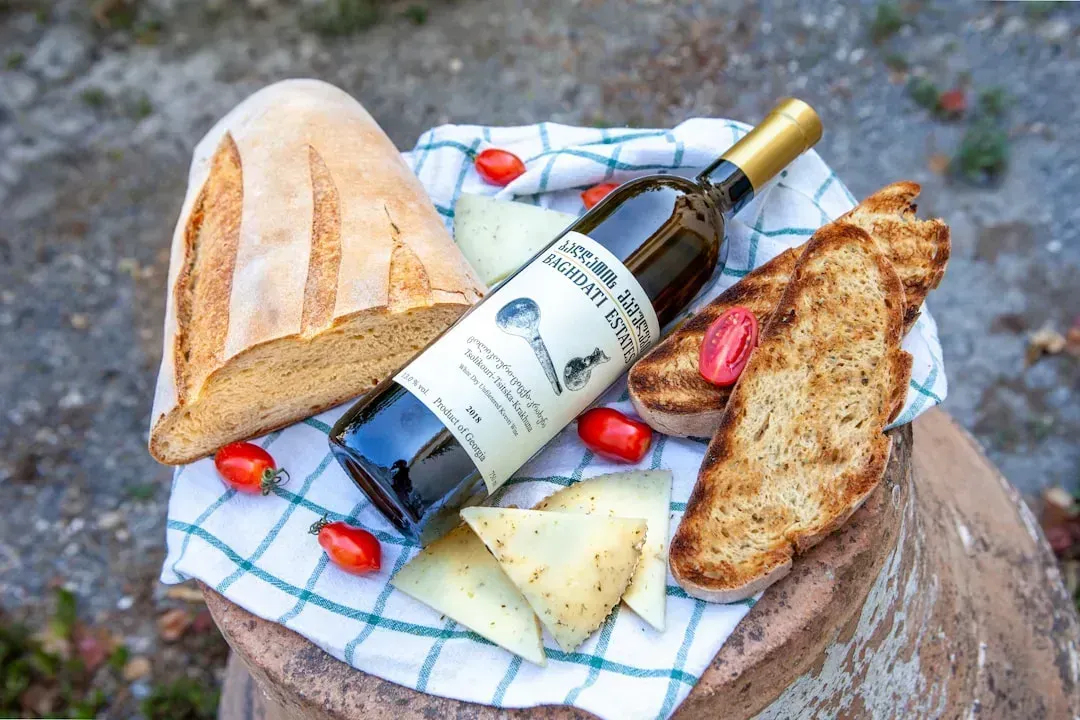
Long before France or Italy entered the conversation, people in what is now Georgia were already fermenting grapes underground. Winemaking in Georgia stretches back over 8,000 years of history, with the first Georgian wines made and stored in earthenware vessels called qvevri. That tradition never actually stopped; it simply kept quietly evolving in family cellars while the rest of the wine world caught up centuries later.
The vessel itself carries serious institutional weight now. The tradition of making wine in qvevri is so embedded in Georgian culture that in 2013 UNESCO added it to its catalog of humanity’s intangible cultural heritage, marking the qvevri a symbol of the deep cultural roots of Georgian wine. With more than 525 indigenous grape varieties still in cultivation, there’s a genuine argument that no other country offers this much untapped diversity in a single glass.
Khachapuri: an entire cuisine built around cheese and bread

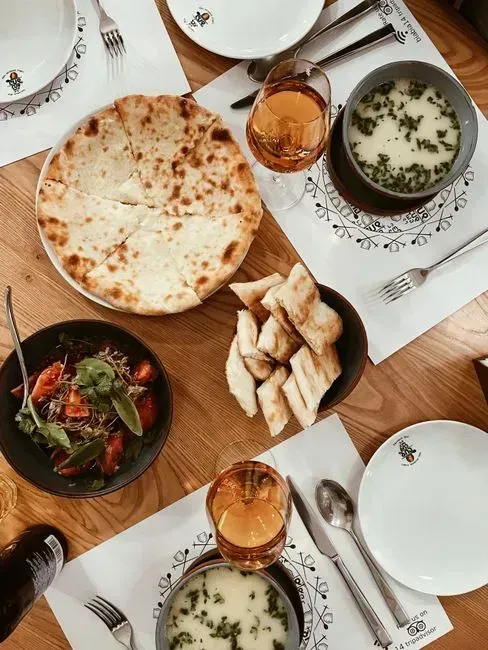
Khachapuri is the dish most likely to convert a skeptic on their first night in the country. It’s cheese-filled bread, but the term barely covers the variety, since every region does its own version, from boat-shaped Adjaruli topped with a raw egg to the enclosed Imeretian style. It’s the kind of food that manages to feel both like comfort cooking and a small piece of regional identity on a plate.
What’s newer is how far the obsession has spread into Tbilisi’s café culture. Tbilisi’s long-running love affair with baked goods has tipped into what could almost be called pastry tourism, feeling inevitable given Georgia’s rich wheat traditions, with the new Stamba Bakery serving as a benchmark alongside newer arrivals raising the bar even higher. Bread, in other words, is having its own quiet renaissance in the capital right now.
Khinkali: the soup dumpling with its own rulebook
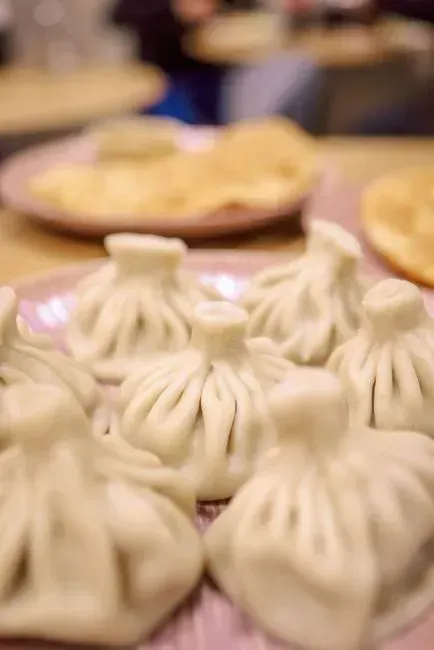
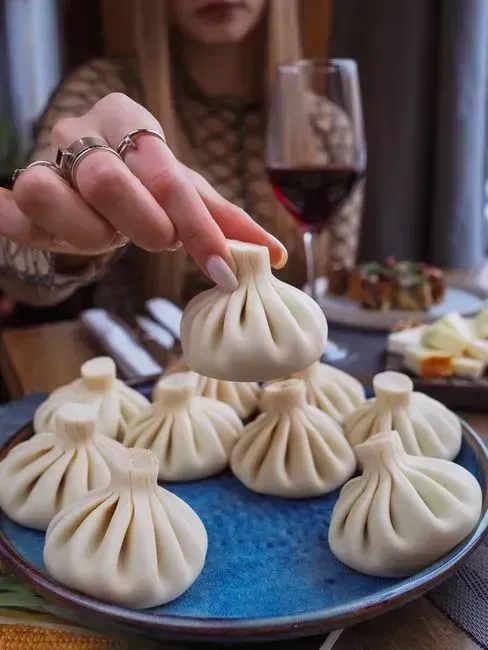
Khinkali look like large twisted dumplings, but treating them like ordinary dumplings is a rookie mistake locals notice immediately. They are traditionally filled with seasoned meat and sealed with a characteristic twisted pleat at the top, and as the filling cooks it releases a hot, savoury broth that is central to the eating experience. Eating them wrong, meaning cutting them open with a knife and fork, is a fairly reliable way to draw a sympathetic wince from anyone Georgian sitting nearby.
There’s an actual technique to it. The dumpling is held by the doughy topknot, known as the kuchi, which serves as a handle, and diners take a small bite from the side to break the seal before sipping the hot broth. Locals then leave the tough knot on the plate, and the pile of discarded knots on the table becomes an informal tally of how many each person has eaten, which people treat with a competitive spirit.
The supra: a feast disguised as dinner
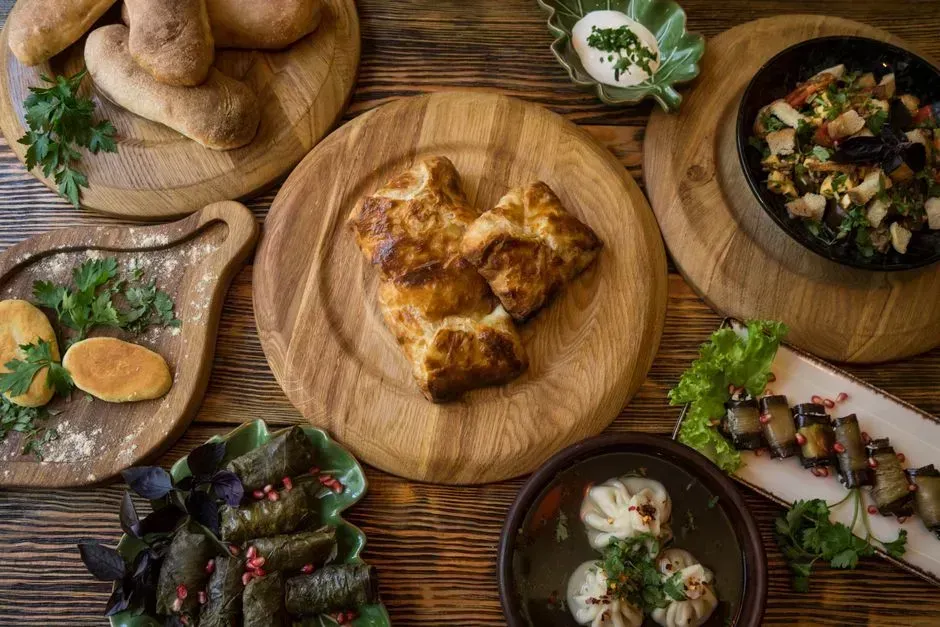
Georgian hospitality culture revolves around the supra, a communal feast overseen by a toastmaster called the tamada. The tamada is a revered position in Georgian culture, so much so that statues celebrating the craft are scattered around the country, almost always carved in a primitive style that reflects how ancient the tradition is. A supra isn’t a quick dinner; it’s closer to a structured ceremony where toasts, food, and wine arrive in careful rhythm.
Wine sits at the emotional center of the whole ritual rather than being an accompaniment to it. Wine plays a central role in daily Georgian life and especially in celebrations, and wine cellars are still regarded as sacred places within the family home. Anyone invited to a real supra quickly understands that the meal is really a form of storytelling that happens to include food.
Walnuts, herbs, and a flavor profile unlike anywhere else
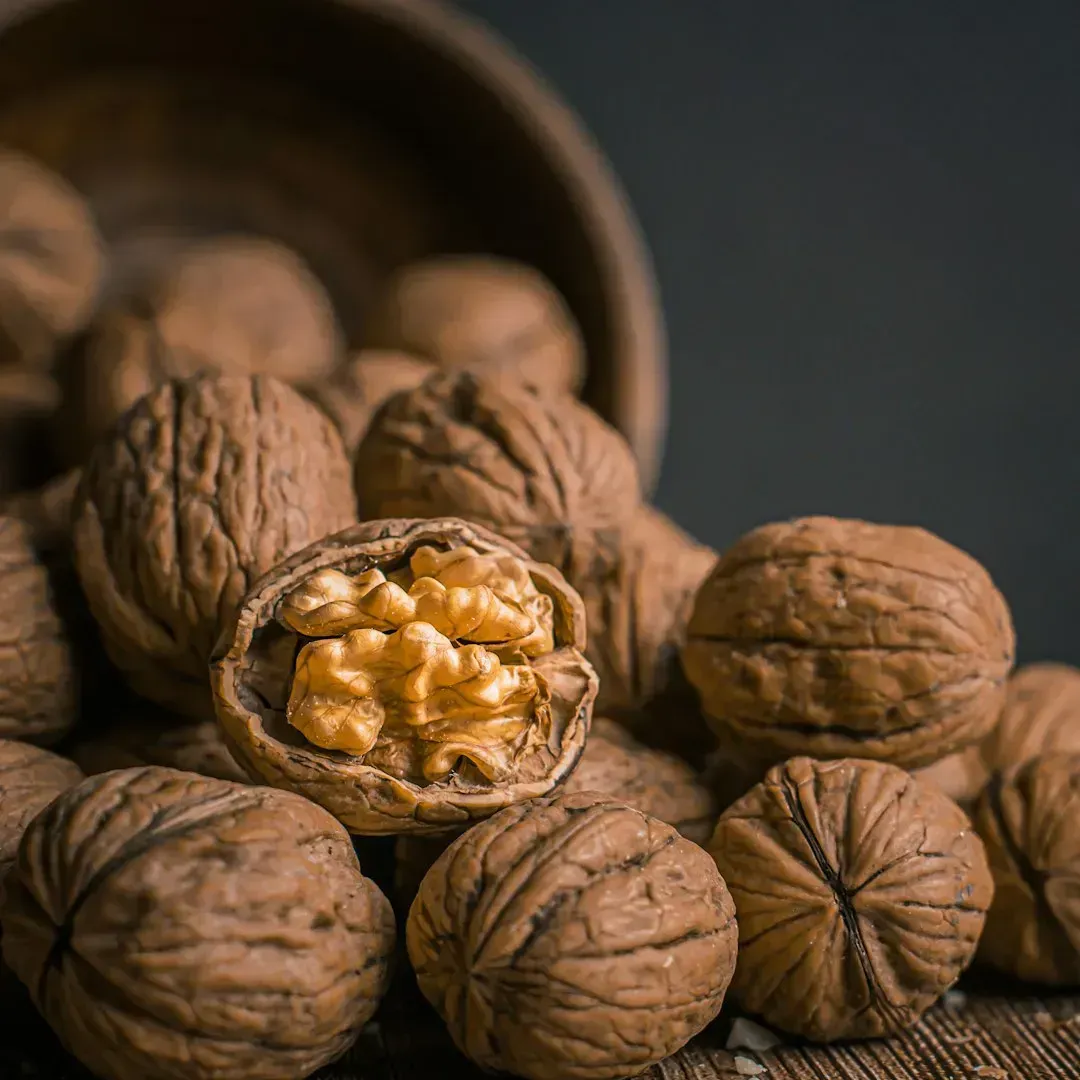
Ask a Georgian cook what defines the national cuisine, and walnuts will come up almost immediately. Georgian cuisine is defined by its bold flavors, with walnuts and fresh herbs at the heart of almost every dish; walnuts are blended into sauces, folded into vegetable pâtés, stuffed inside aubergines, sprinkled over salads, and simmered into hearty stews. Coriander, dill, and fenugreek show up constantly too, giving even simple vegetable dishes a layered, herbaceous punch that feels distinct from neighboring Turkish or Armenian cooking.
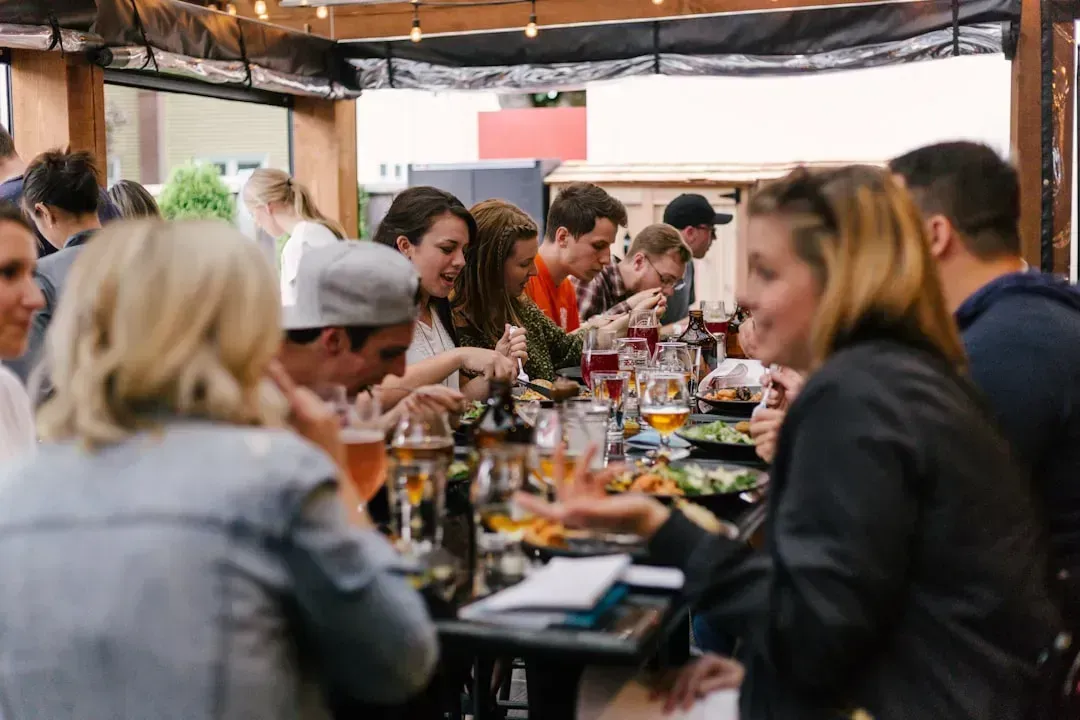
The communal serving style reinforces the flavor-forward approach. Meals in Georgia are meant to be shared, with large dishes placed in the center of the table for everyone to pass around, creating a warm, communal dining experience. It’s less about individual plating and more about a table slowly filling up until there’s barely room for the wine glasses.
Regional cooking that changes with every mountain pass
Georgia is small, but its food map is stubbornly local. In Racha, up in the western highlands, guesthouses serve cured ham and garlic-heavy shkmeruli, a chicken dish drowned in garlic sauce that tastes nothing like its coastal cousins. Head toward Adjara and the khachapuri changes shape entirely, while Svaneti’s mountain kitchens lean on preserved meats and their own fiery salt blend.
Even khinkali shifts personality by region. The dish comes from the mountainous regions of eastern Georgia, including Pshavi, Khevsureti, and Mtiuleti, where shepherds needed portable, hearty food that provided calories and hydration in one package. Depending on where you order it, the filling might carry heavy black pepper and coarse-cut meat, or a gentler, herb-flecked city version built for restaurant crowds rather than mountain treks.
Tbilisi’s quiet culinary boom
The capital has been shifting fast without much international fanfare. The biggest hospitality launch of recent memory was the Telegraph Hotel, which arrived with a wave of international press, and its Grand Cafe has quickly become one of the standout new restaurants in Tbilisi. Independent coffee culture is thriving too, with specialty cafes still very much defining Tbilisi’s coffee scene, including recent openings like Tsvari Roasters and Barr Coffee.
This isn’t just anecdotal buzz. Tourism spending data backs up how central food has become to the visitor experience: in 2025, shopping accounted for the largest share of spending at 28 percent, followed by accommodation at 25 percent and food and drink at 23 percent. That’s a substantial chunk of every visitor’s budget going straight into restaurants, wine bars, and bakeries rather than souvenirs alone.
Markets and street food locals actually eat
Tbilisi’s Dezerter Bazaar is where the theory of Georgian food meets the daily practice of it. Every city and town in Georgia has some version of a produce market, and Tbilisi’s main market, the Dezerter Bazaar area, covers more than 2,000 square metres. Walk through it and you’ll pass mountains of walnuts, barrels of pickled vegetables, and vendors weighing out spice blends that never make it into export catalogs.
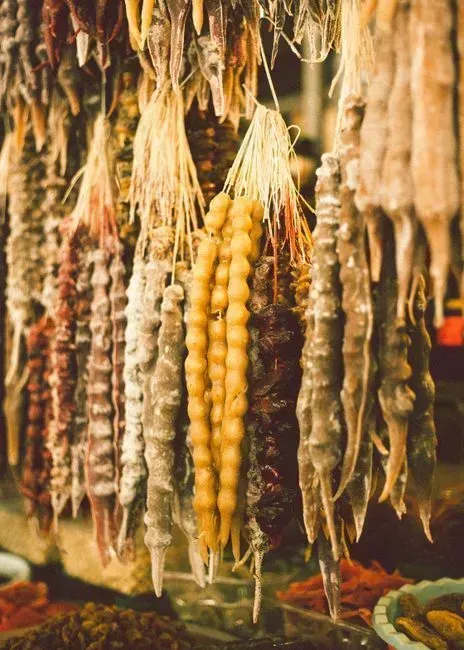
Churchkhela, the country’s signature sweet, hangs from nearly every stall. It’s a local candy originally made with walnuts threaded on a string and dipped in grape juice, often described by visitors as a kind of Georgian answer to the candy bar, minus the processed sugar. It’s cheap, portable, and arguably the best souvenir the country produces, since it actually tastes like something specific to the place.
What the numbers say about the tourists starting to notice
Something is shifting, even if it hasn’t fully broken into Western food media yet. Total tourism expenditure rose to 15 billion GEL in 2025, up 5 percent year-on-year, with visitors now spending an average of 5.6 nights in the country and 2,187 GEL per person per trip. Longer stays generally mean more meals eaten slowly, more markets browsed, and more time spent actually understanding a cuisine instead of skimming it.
New arrivals are also coming from places that have never traditionally sent many visitors to the region. China stands out, with a 44 percent increase in visitors compared with 2024, alongside growing numbers from India, Saudi Arabia and Uzbekistan. Whether that curiosity eventually turns into wider international food coverage remains to be seen, but the early signals suggest the secret won’t stay quite this quiet for much longer.
The takeaway
Georgia’s food scene doesn’t need reinvention or rebranding. It needs attention, the kind that’s already trickling in through wine importers, natural wine bars, and travelers who stumbled onto a supra and never quite got over it. For now, the country remains one of the rare places where a meal can genuinely still feel like a discovery rather than a rehearsed performance for tourists, and that alone might be reason enough to book the flight before everyone else catches on.





Leave a Reply