
1. The Venice gondola ride
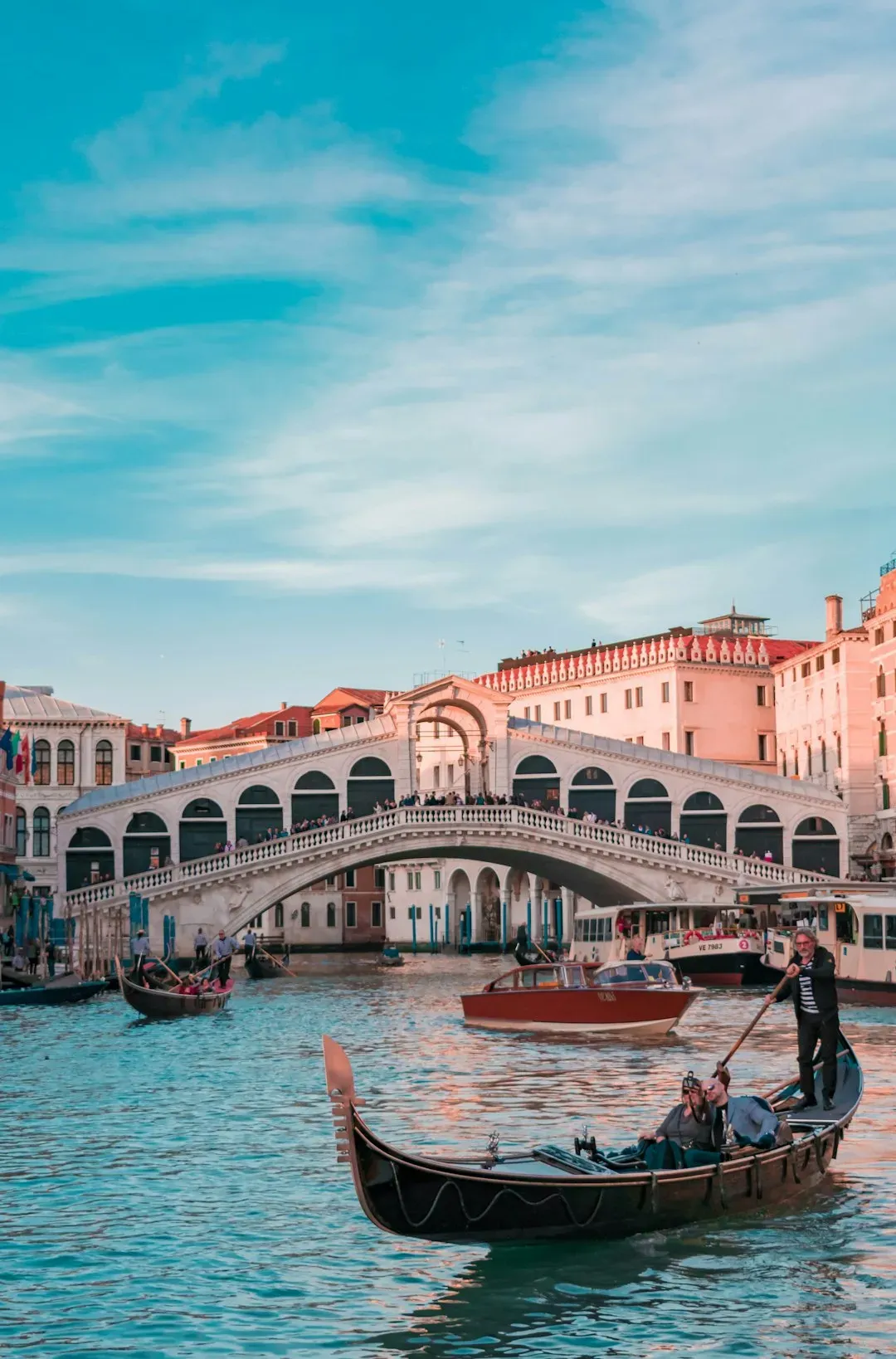
Nothing symbolizes European overspending quite like climbing into a gondola for half an hour. Currently, prices are set at €90 for a 30-minute daytime ride and increase to €110 after 7 pm per boat. That’s the official city-regulated rate, not a scam, which somehow makes it feel even more deliberate. A boat, one oar, and a guy in a striped shirt, for the price of a nice hotel room.
Venice as a whole has become something of a case study in tourist markup. Venice ranks as Europe’s most overpriced travel destination, where visitors spend around EUR 276 per day, while residents get by on just EUR 58, meaning travelers pay nearly five times more for accommodation, dining, and attractions. If you want the gondola experience without draining your wallet, shared rides exist too. Shared tour tickets booked online start from €37 to €39 per person and include commentary. Still touristy, still a bit staged, but at least you’re not funding the whole boat solo.
2. Sunset dinner tables in Oia, Santorini
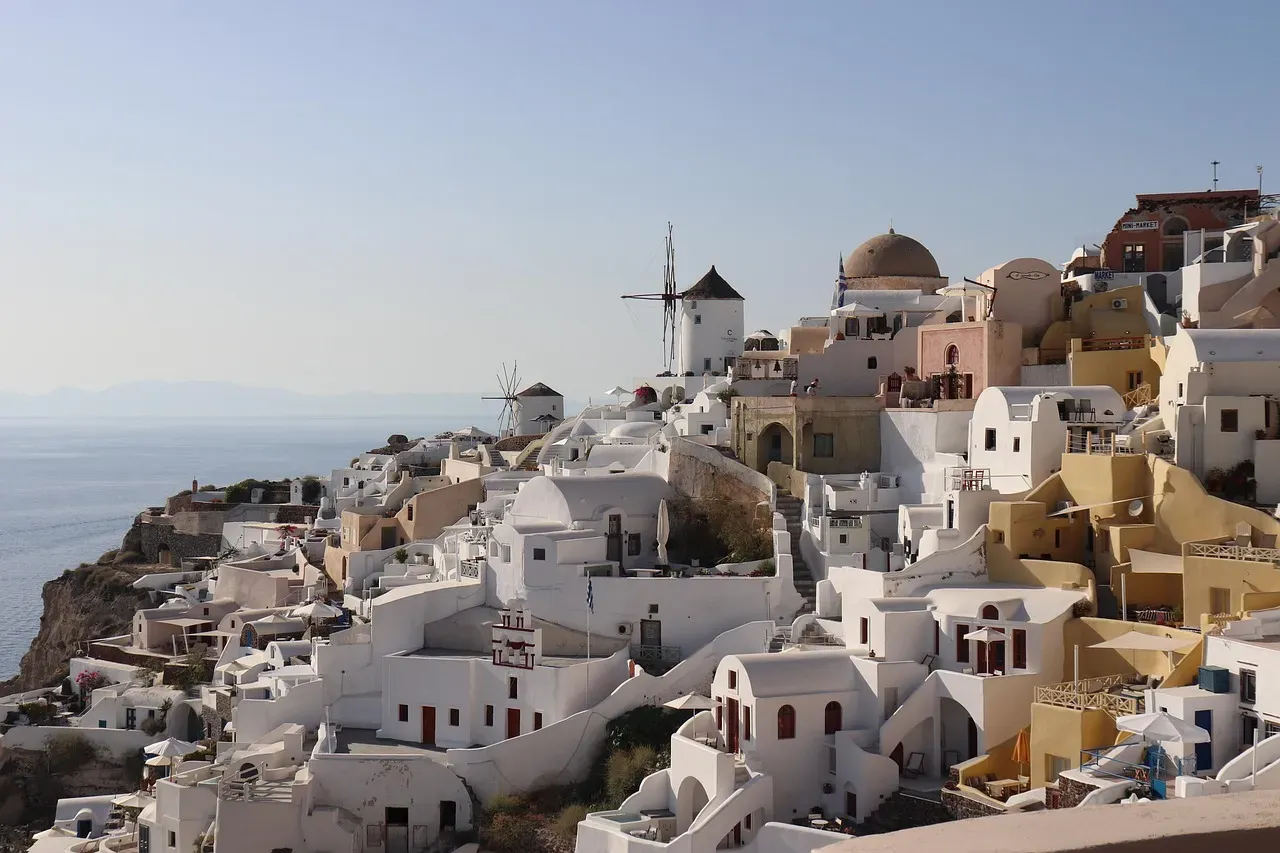
Santorini’s caldera views are real and genuinely stunning, no argument there. The problem is that every restaurant with a decent angle on the sunset knows exactly what they’ve got and prices accordingly. A simple meal with a caldera view can cost over €50 per person, and that’s often for food that wouldn’t turn heads anywhere else on the island.
The crowding doesn’t help either. Sunsets in Oia turn into a chaotic photo frenzy, so you’re paying premium prices while jostling for elbow room with a hundred strangers doing the same thing. Walk five minutes inland, away from the caldera-facing terraces, and the same fish costs half as much with barely less charm.
3. Restaurants around the Trevi Fountain, Rome
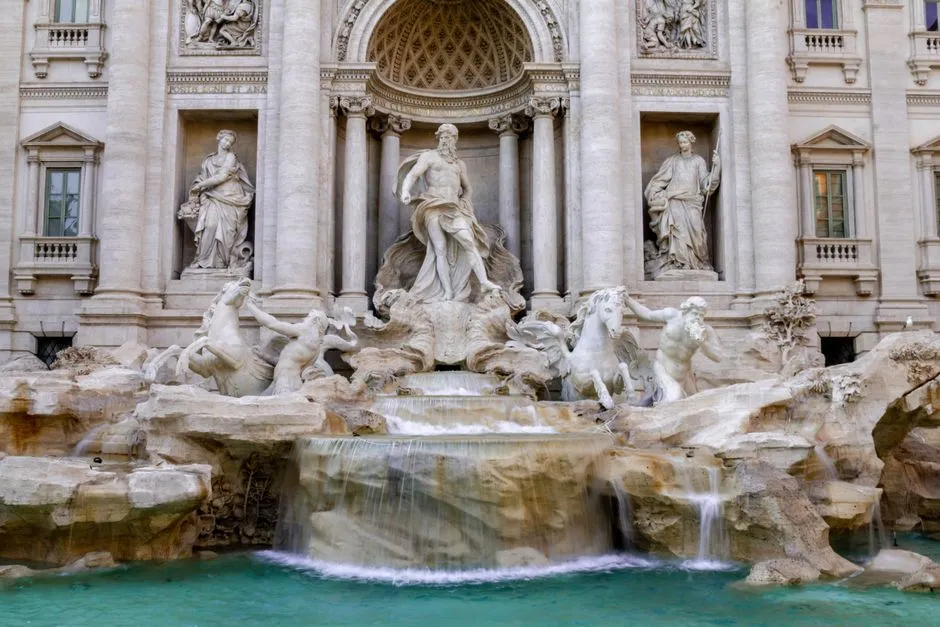
The Trevi Fountain itself is free to visit and worth every bit of the hype, coins included. It’s the streets immediately surrounding it where the real cost creeps in. Tourist restaurants often charge double, and even gelato can be overpriced in main areas around Rome’s biggest landmarks, and Trevi sits right at the center of that pattern.
The fountain’s fame is exactly the problem. The Colosseum, Trevi Fountain, and Vatican City are packed every day, which gives nearby restaurant owners very little reason to compete on price or quality. A short walk to a side street off the main piazza usually gets you the same carbonara for considerably less, minus the accordion player.
4. The Leaning Tower of Pisa climb
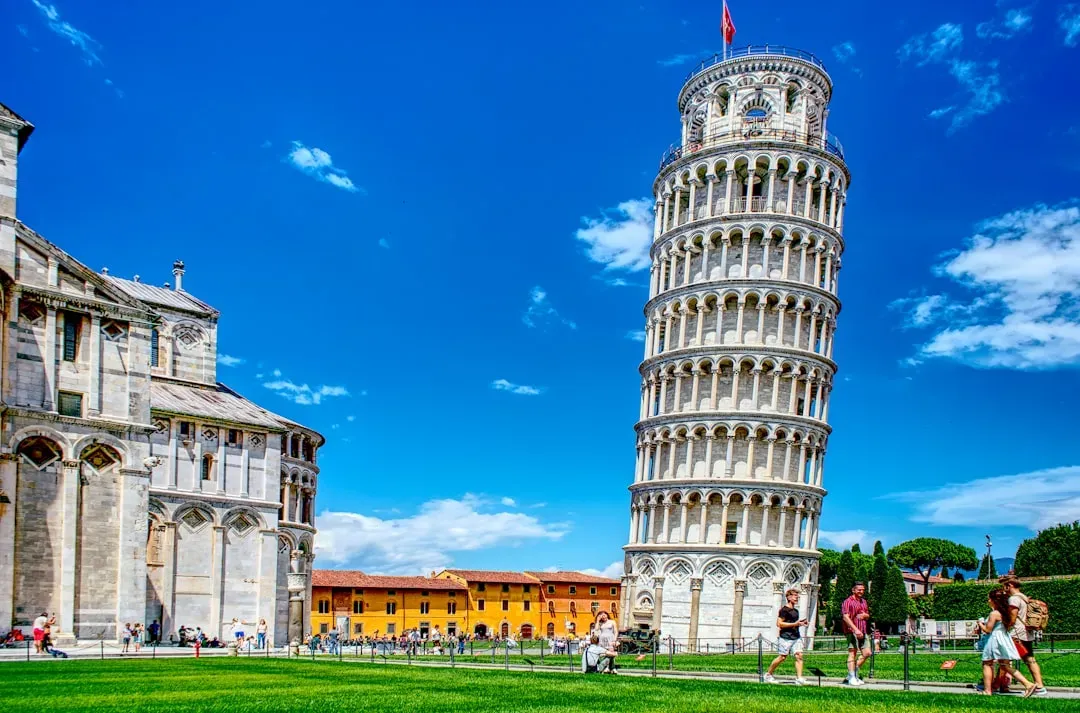
Pisa’s tower is one of those attractions where the free version and the paid version are almost equally satisfying, which makes the paid version feel a touch unnecessary. A standard adult ticket to climb the Leaning Tower of Pisa costs €20, with timed entry slots every 30 minutes for groups of 30 visitors. That buys roughly ten minutes at the top and a somewhat wobbly staircase experience along the way.
The kicker is that the iconic photo, the one everyone actually travels there for, doesn’t require a ticket at all. You don’t have to pay anything to visit the Piazza dei Miracoli, the grassy area surrounding the tower, to take pictures and view the tower’s exterior. Most visitors would probably be just as happy skipping the climb and pocketing the twenty euros for lunch instead.
5. The Eiffel Tower summit elevator
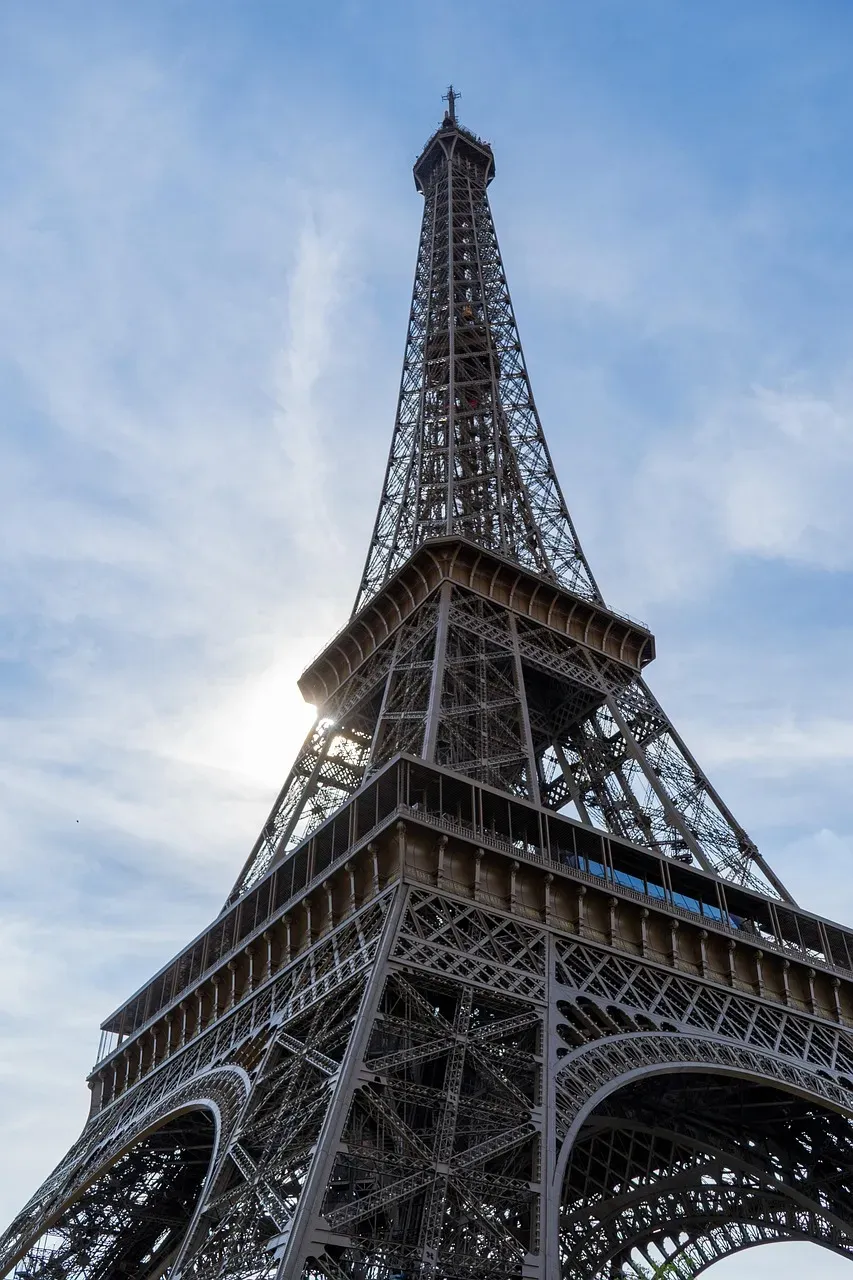
Paris’s most photographed structure charges a sliding scale depending on how high you want to go, and the difference adds up fast. Confirmed 2026 prices run from stairs to the 2nd floor only at €14.80 for adults up to summit elevator access at €36.70, with a stairs-plus-summit-elevator combo at €28.00. That’s a lot of euros for what amounts to a slightly taller version of the same view.
Most travel writers who cover the tower closely tend to agree that the extra spend for the summit rarely matches the extra payoff. Summit tickets sell out and cost more, largely because the view is impressive but so high that Paris starts looking more like a map than a city, while the second floor is often the better experience since you’re still close enough to recognize landmarks below. Save the summit splurge for a clear day, and consider the second floor for everything else.
6. Old Town Square restaurants, Prague
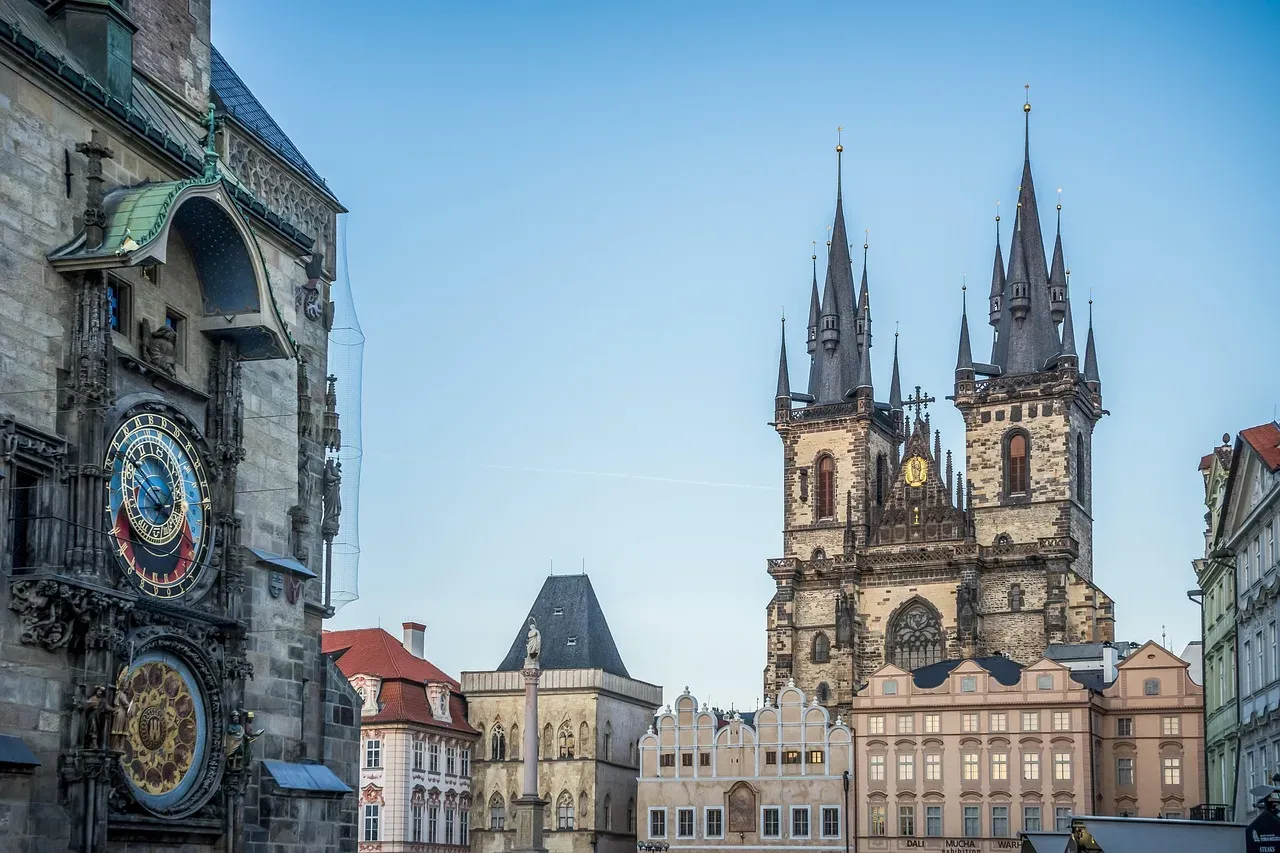
Prague built a reputation as one of Europe’s cheaper capitals, which makes the pricing around its most famous square feel like even more of a shock. Restaurants near Old Town Square charge premium prices for subpar food, banking on tourists who don’t want to walk further than the astronomical clock to find dinner.
Part of the appeal here is genuinely overrated too. While visually stunning, the city’s charm is overshadowed by excessive stag parties and tourists in the immediate vicinity of the square, which does the atmosphere no favors. A ten-minute walk into a residential neighborhood usually solves both the price and the noise problem at once.
7. Souvenir stalls near the Colosseum
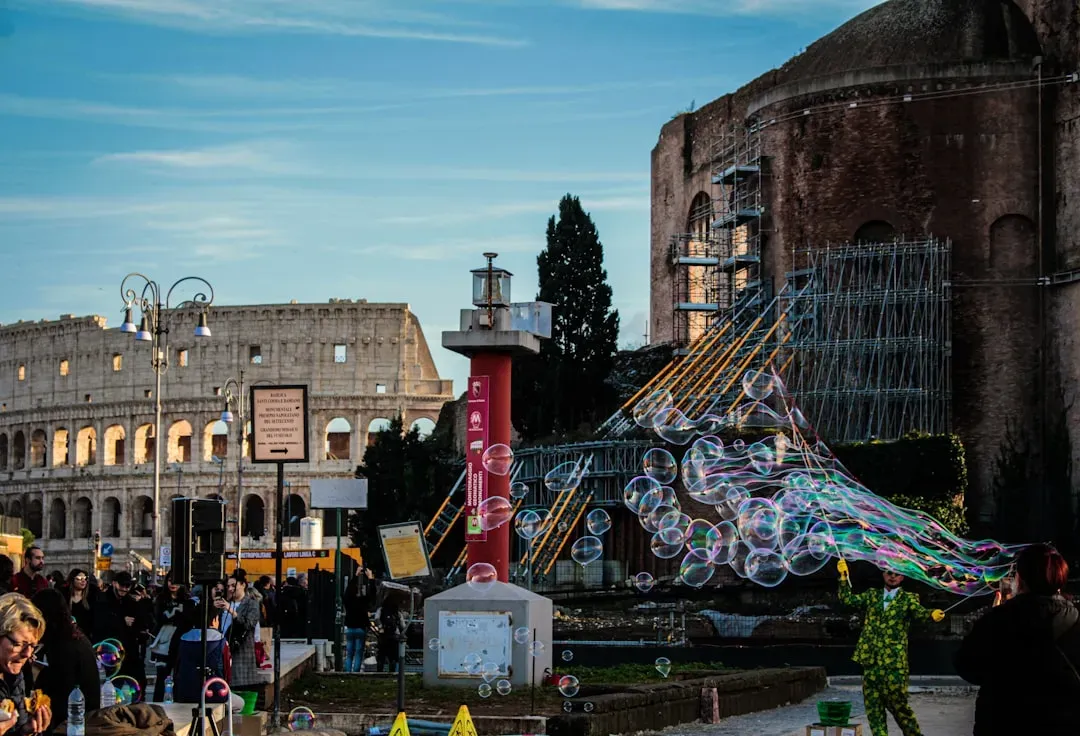
The stretch of pavement leading up to Rome’s Colosseum is lined with vendors selling everything from gladiator helmets to fridge magnets, all priced for people who haven’t checked what the same item costs three blocks away. It’s a predictable pattern near almost any famous ruin in Europe, but the sheer volume of foot traffic here makes the markup especially aggressive.
The crowding compounds the problem, since nobody haggles well while being jostled by a tour group. The Colosseum, Trevi Fountain, and Vatican City are packed every day, and that constant churn of first-time visitors means vendors rarely need to lower prices to make a sale. Buying souvenirs a day later, somewhere quieter, almost always saves money.
8. Amsterdam canal boat cruises
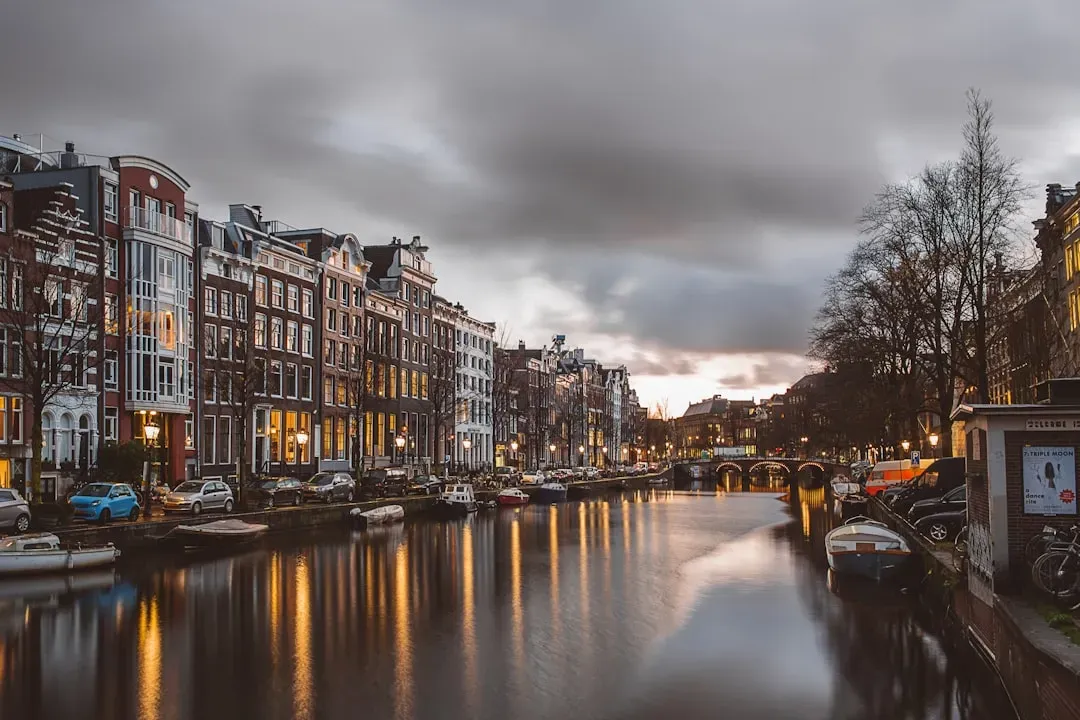
Amsterdam’s canals are lovely, and seeing them from the water makes sense in theory. In practice, the boats clustering around the main tourist zones charge a premium simply for being close to the action, in a city where accommodation is already stretched thin. Hotels and Airbnb prices are among the highest in Europe here, and the canal cruise industry has followed the same logic.
The central canals themselves don’t exactly reward the extra spend with tranquility. The Red Light District and main canals are often impossible to navigate without bumping into crowds, which turns a supposedly relaxing boat ride into a slow crawl past other boats doing the same thing. A quieter neighborhood canal, or an evening departure time, tends to deliver a better version of the same experience for less.
Getting the most out of Europe’s famous sights





Leave a Reply