
The pet that had to be ring bearer, flower girl, and best friend all at once
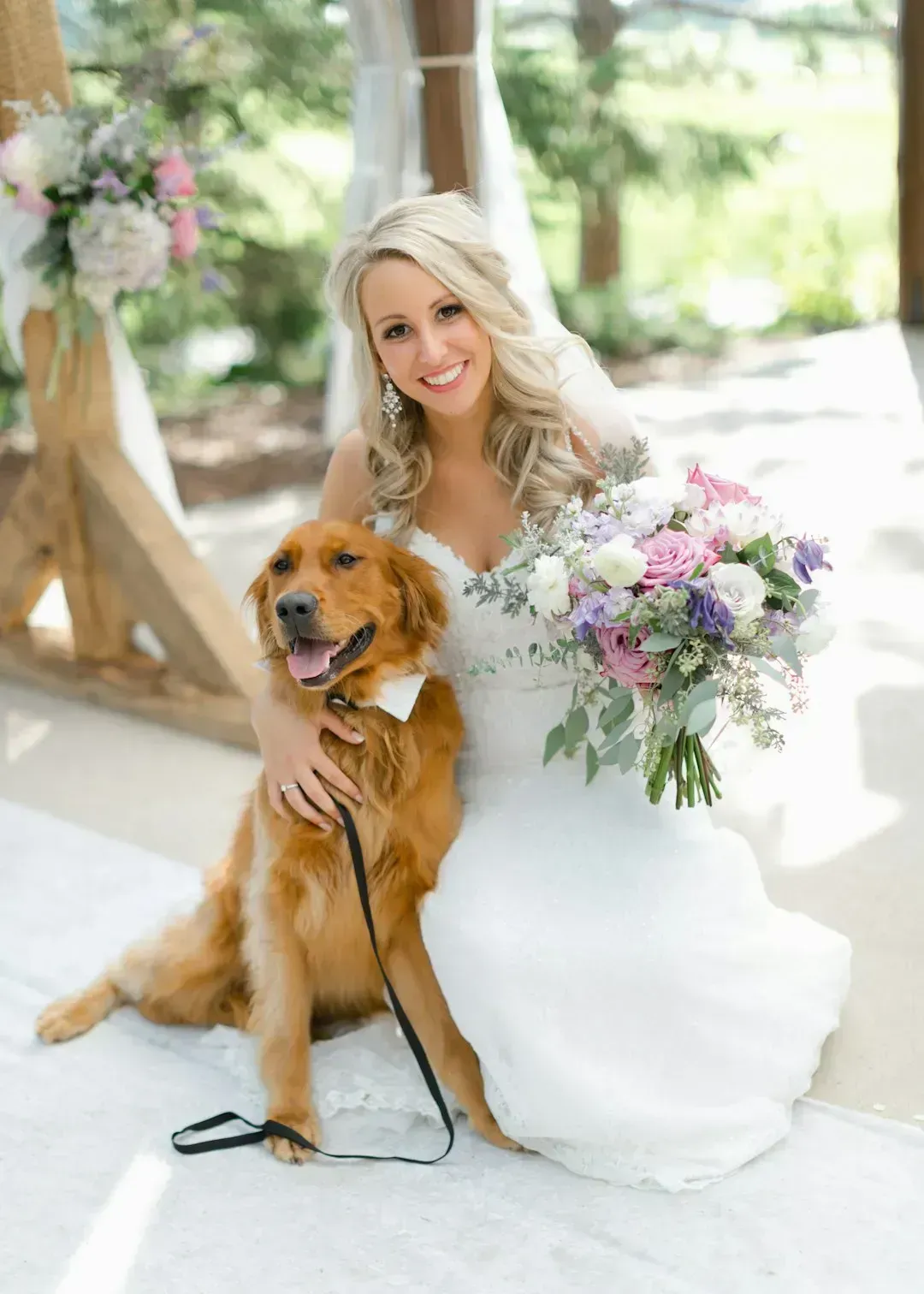
Pets have quietly taken over parts of the modern wedding industry, and planners have had to build entire logistics plans around a dog, cat, or occasionally a more exotic animal walking down the aisle. Requests range from a golden retriever carrying rings in a velvet pouch to a cat expected to sit calmly through vows, which is its own kind of miracle. Some couples want their pet photographed at every major moment of the day, treated less like an animal and more like a third member of the wedding party.
Planners have learned to ask early and directly whether an animal is part of the plan, because the answer changes venue choices, insurance conversations, and even the timeline. A venue that allows dogs on the lawn might still say no to anything near the catering tent, and that detail rarely comes up until someone mentions it in passing three weeks before the big day. It sounds like a small ask on paper. In practice it can reshape an entire ceremony layout.
A second proposal, hidden inside their own wedding
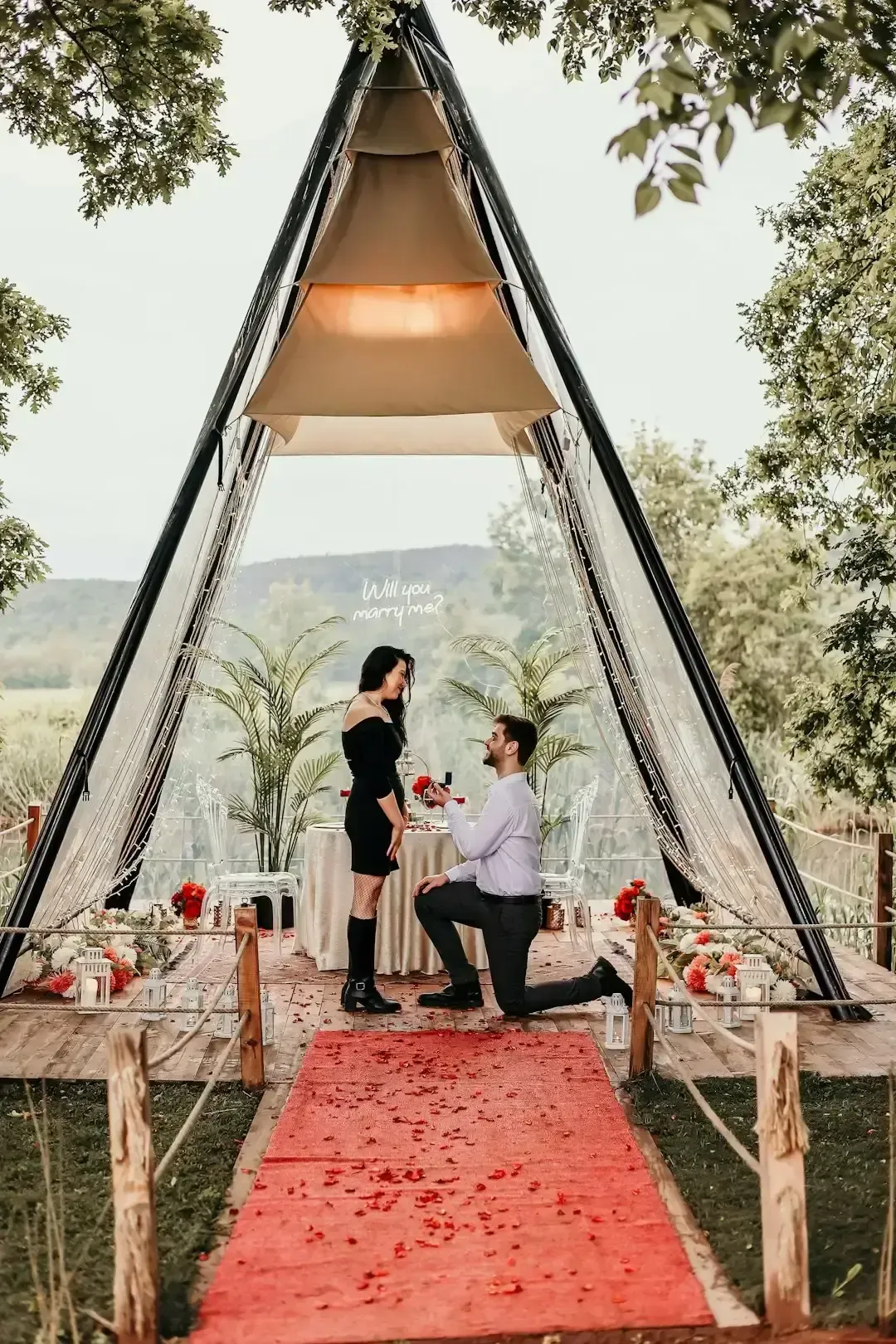
Every so often a groom or bride quietly pulls the planner aside and asks for help staging a second, surprise proposal, this time at their own wedding reception. The idea is usually to recreate a moment that felt rushed the first time, or to give a partner the big, cinematic version they secretly wanted. Planners are asked to keep it secret from literally everyone, including the wedding party, the photographer’s assistant, and sometimes the couple’s own parents.
Pulling this off requires the kind of choreography usually reserved for heist movies, minus the getaway car. A planner has to coordinate lighting, music cues, and camera angles without tipping off the one person who is supposed to be surprised, all while running the rest of the reception on schedule. It rarely goes exactly as scripted, but planners say the payoff, when it works, is one of the more genuinely emotional moments they get to witness on the job.
Guests asked to dress by day, not by dress code
As weddings stretch into full weekends rather than single-day events, some couples now hand guests a wardrobe itinerary instead of a single dress code. Zola’s 2026 research found that 37% of couples are hosting at least one additional event, like a welcome party or day-after brunch, and a smaller but growing share are going even further. The same report notes that 18% are opting for a full 2-to-3-day wedding weekend, which means planners increasingly manage multiple outfit changes, multiple venues, and multiple guest expectations instead of just one.
This trend runs alongside a broader shift toward pacing rather than packing everything into a single exhausting night. Destination wedding professionals have described a move away from the marathon-style wedding day toward events with more breathing room built in. Planners now sometimes field requests for themed attire per event, a cocktail hour look, a rehearsal dinner look, and a ceremony look, all planned months in advance with the precision of a small fashion show.
Ex partners on the guest list, and sometimes at the head table
Few requests make a planner pause quite like a couple asking to seat an ex-partner somewhere prominent, occasionally even in the wedding party itself. It usually comes from a genuinely good place, a blended family, a long friendship that survived a breakup, or a co-parenting relationship that both people want to honor publicly. Still, the seating chart becomes a diplomatic document rather than a simple table plan.
Planners have learned to ask pointed, practical questions rather than emotional ones: who is bringing a new partner, who has not spoken to whom in years, and whether alcohol service should be timed carefully around certain tables. The goal is never to judge the family dynamics, only to make sure nothing awkward plays out in front of a hundred guests and a photographer. Most of the time it works out fine. Occasionally it becomes the story everyone tells for years afterward.
A five star menu on a micro wedding budget
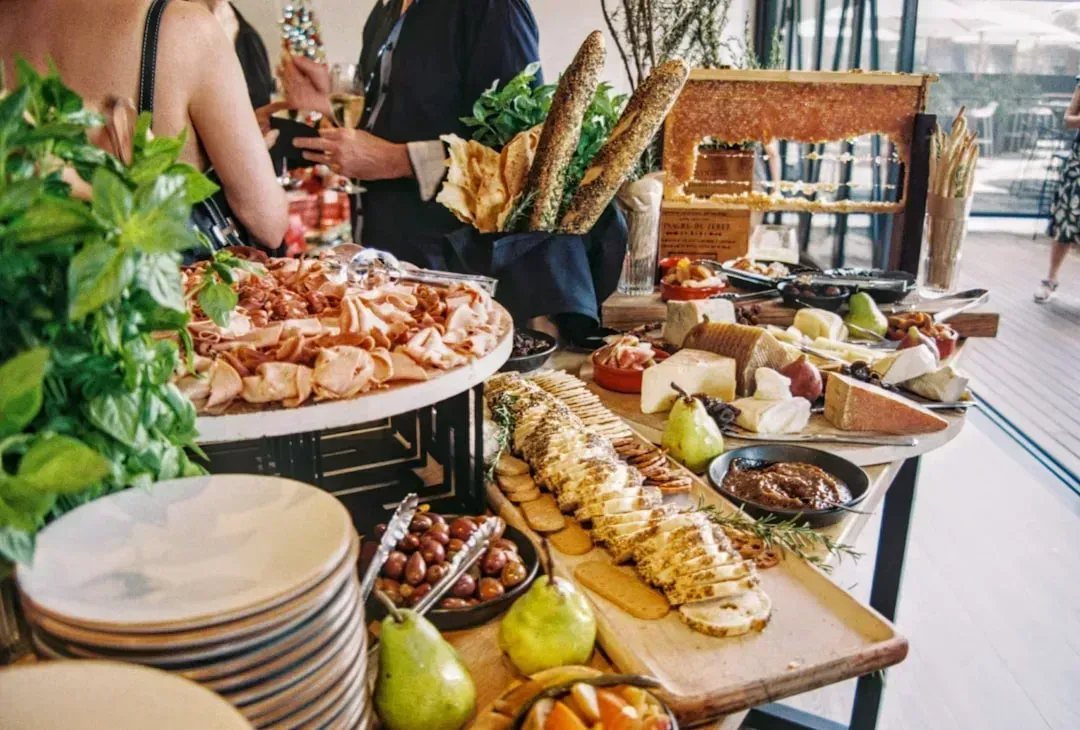
Budget conversations produce some of the most memorable double takes in the business, especially when a couple shows a planner a Pinterest board full of imported flowers and multi-course tasting menus, then reveals a budget built for something far smaller. Wedding costs have kept climbing, with the average U.S. wedding reaching somewhere in the mid thirty thousand dollar range in 2026 depending on the source, and catering alone regularly running an average of $85 per person, pushing food and beverage spend to $9,775 for a 115-person wedding. When a couple’s vision and their wallet are miles apart, the planner becomes part translator, part reality check.
The good news is that micro-weddings have grown fast enough to give budget-conscious couples real options rather than compromises that feel like defeat. Industry data shows micro-weddings grew from 18% to 22% of all weddings in a single year, and planners increasingly build genuinely elegant events around smaller guest lists rather than trimmed-down versions of a big wedding. The request itself, wanting luxury on a modest budget, has stopped being unusual. What still surprises planners is how specific some couples get about which two or three details they simply refuse to compromise on.
Building an entire wedding around a fictional universe
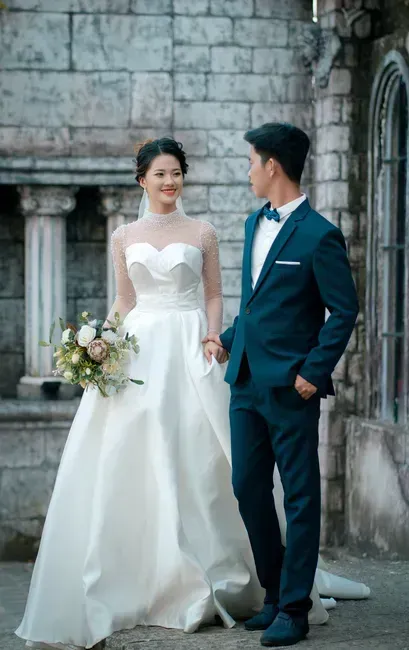
Theme weddings have moved well past a simple color palette or a loosely coastal vibe. Planners are now regularly asked to design ceremonies and receptions around a favorite book, a video game world, or a specific film aesthetic, right down to custom signage, costume elements, and menu items named after fictional places. One destination wedding planner described couples wanting designs that lean toward the non-traditional, tied to a favorite book, video game, or to the destination location.
This kind of request demands more creative range than a standard elegant-neutral wedding, since the planner has to translate a niche fandom into something that still reads as a wedding to guests who may not share the reference. It also tends to attract a younger client base. Gen Z now makes up a large and growing share of engaged couples, and that generational shift is bringing noticeably more personality and visual storytelling into how weddings get designed.
AI generated vows, speeches, and even a digital toast
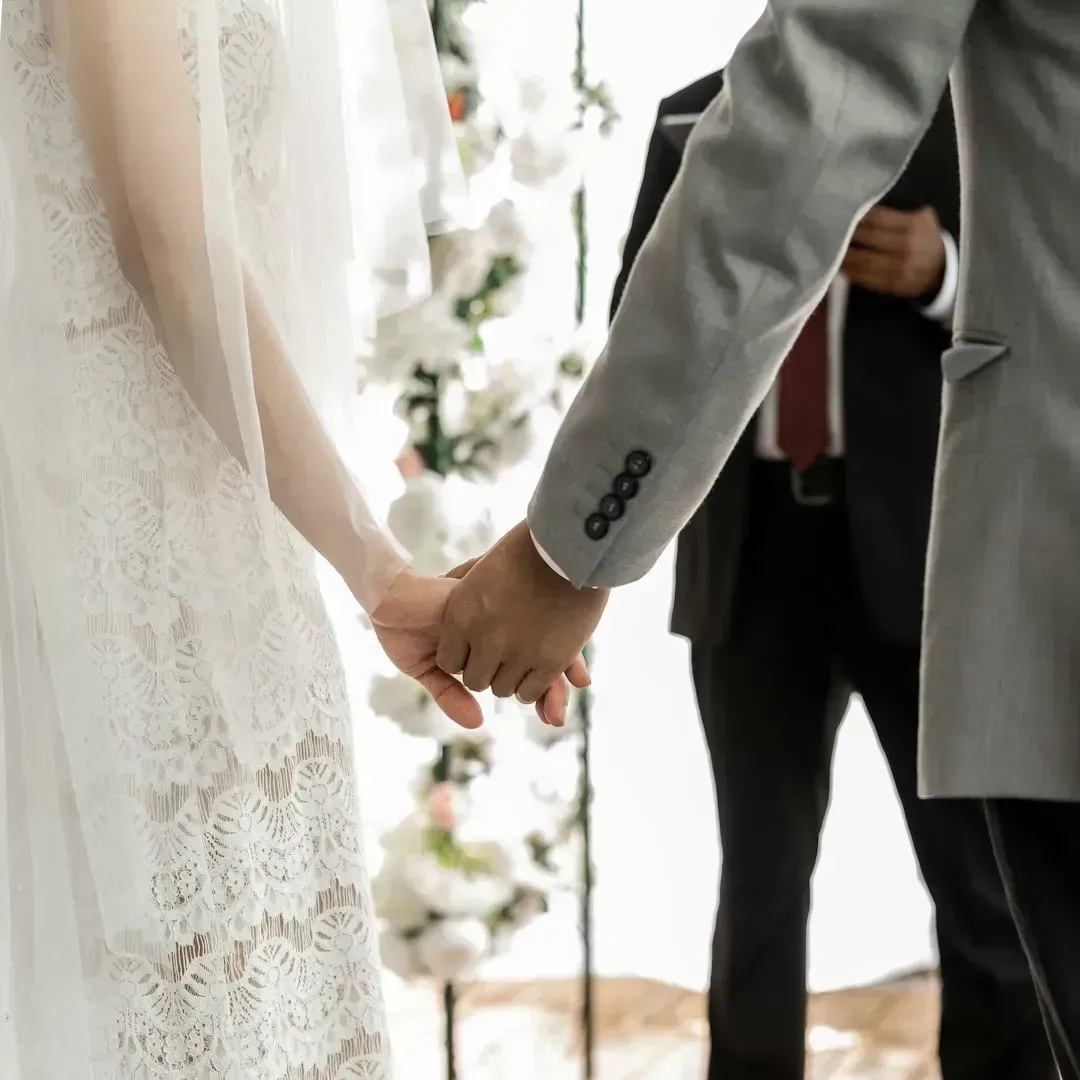
Artificial intelligence has quietly worked its way into wedding planning offices, and not just for scheduling software. Planners are increasingly fielding requests to help a nervous best man polish a speech using an AI writing tool, or to help a couple draft vows that sound personal but started as a prompt. Industry research now points out that over a third of couples use AI to help plan their celebrations, a figure that would have sounded far-fetched just a few years ago.
Some requests go further than most planners expected, including couples wanting an AI-generated voice or video message from a relative who could not attend, stitched into the reception program. Planners generally handle these requests carefully, since the emotional stakes are high and the technology is still new enough that expectations do not always match results. It is a genuinely modern wrinkle in an otherwise very old tradition.
Swapping the cake for something nobody expected
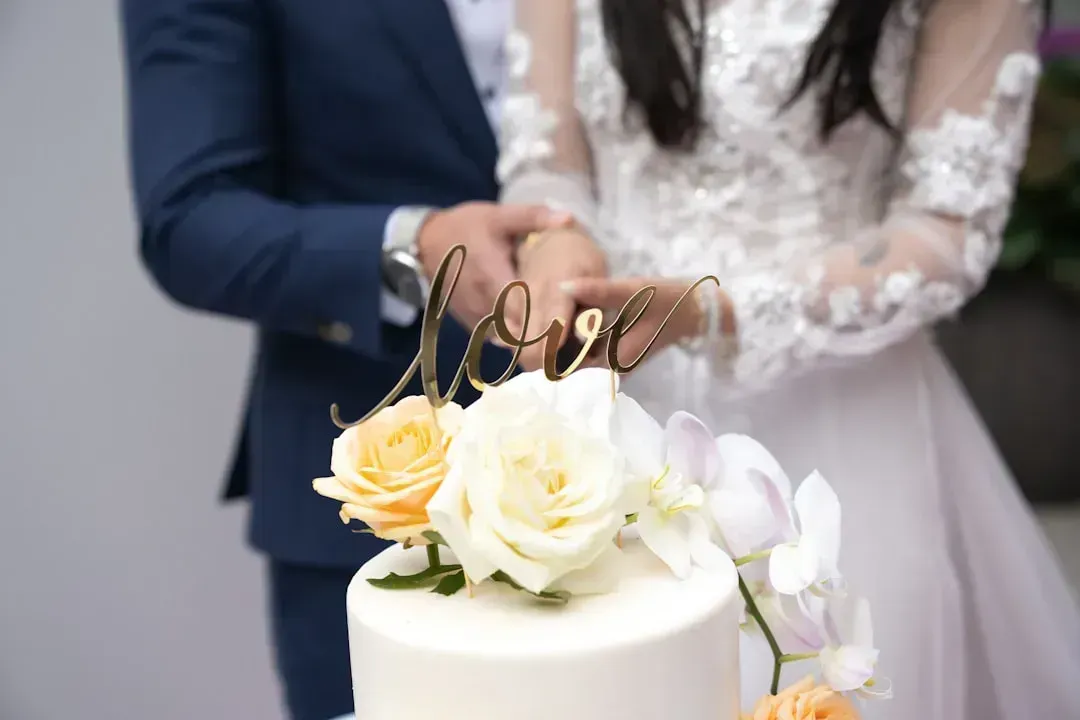
Wedding cakes have had a rough few years in terms of trend cycles, with vintage tiered cakes reportedly losing ground to other dessert formats. Planners have fielded requests to replace the traditional cake entirely with donut towers, cheese wheel towers, or a full dessert bar with no cake at all, sometimes to the visible disappointment of one set of parents. The request itself is common enough now, but the reactions from older relatives at the reception can still catch a planner off guard.
Cake logistics have also produced some genuinely dramatic, if less trend-driven, moments over the years. One venue’s resident planner recalled having to totally rebuild a wedding cake after it collapsed in the back of a bride’s car, a reminder that even a straightforward dessert can turn into an emergency. Between shifting trends and simple transport disasters, cake requests remain one of the more unpredictable parts of the job.
Asking for the wedding to be built around the content, not the couple
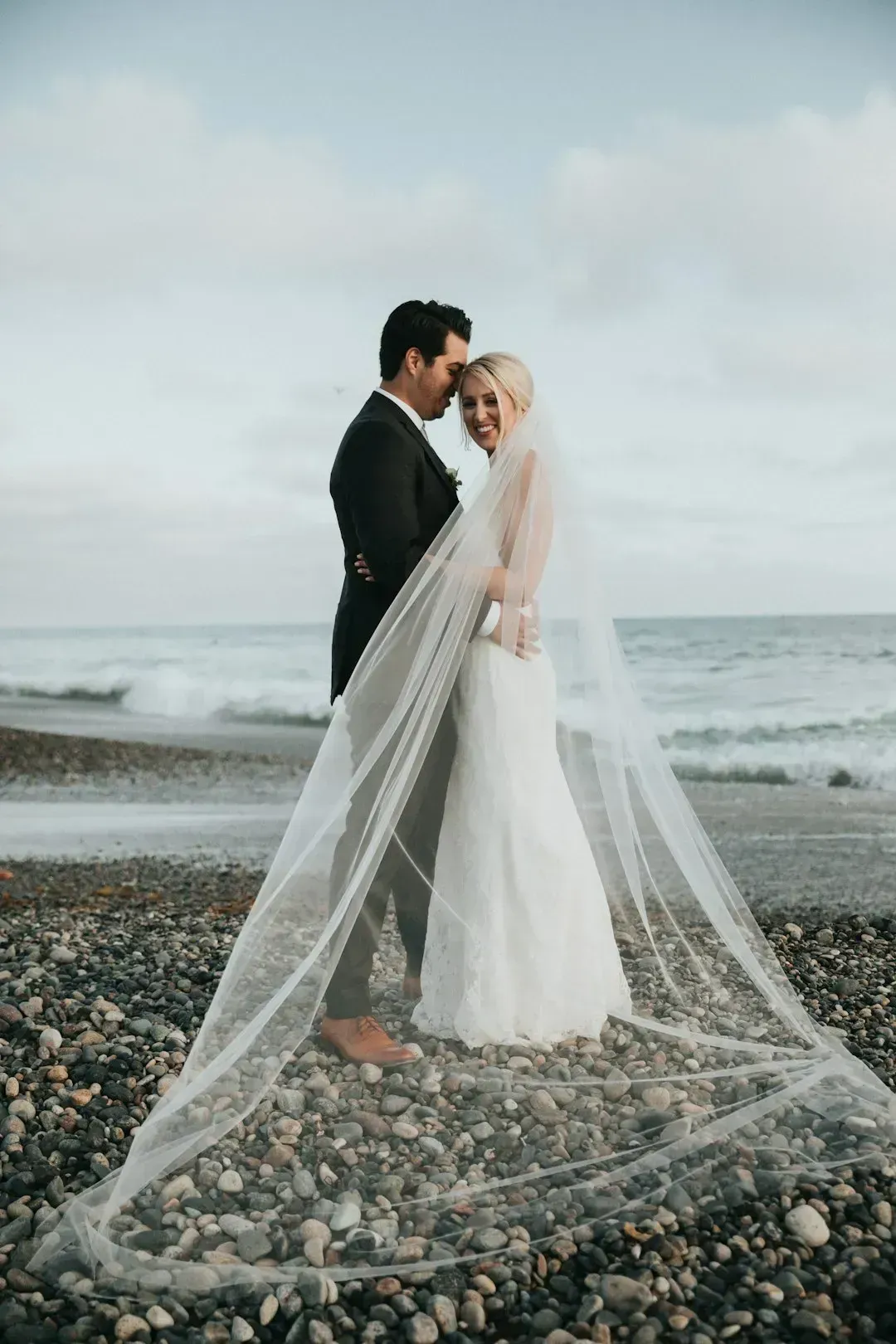
Social media has changed what some couples ask for, and planners now routinely field requests that prioritize a specific camera angle, a drone shot, or a viral-worthy entrance over guest comfort or traditional flow. Some couples want an entire reception layout reworked around a single Instagram-ready moment, even if it means guests standing longer than planned or a key toast getting pushed later in the evening. Vendor data shows just how central this has become, with reports noting that today’s couples want events that feel immersive, look stunning on social media, and leave lasting impressions.
Planners generally try to strike a balance, since a wedding built entirely for a camera can end up feeling hollow to the actual guests in the room. The most successful version of this request usually involves picking one or two genuinely photogenic moments rather than filtering every decision through how it will look online. Even so, the instinct to treat a wedding day partly like a content shoot is now common enough that planners plan for it as a matter of course, rather than treating it as an unusual ask.
What these requests really say about modern weddings
Leave a Reply