
1. Taiwan
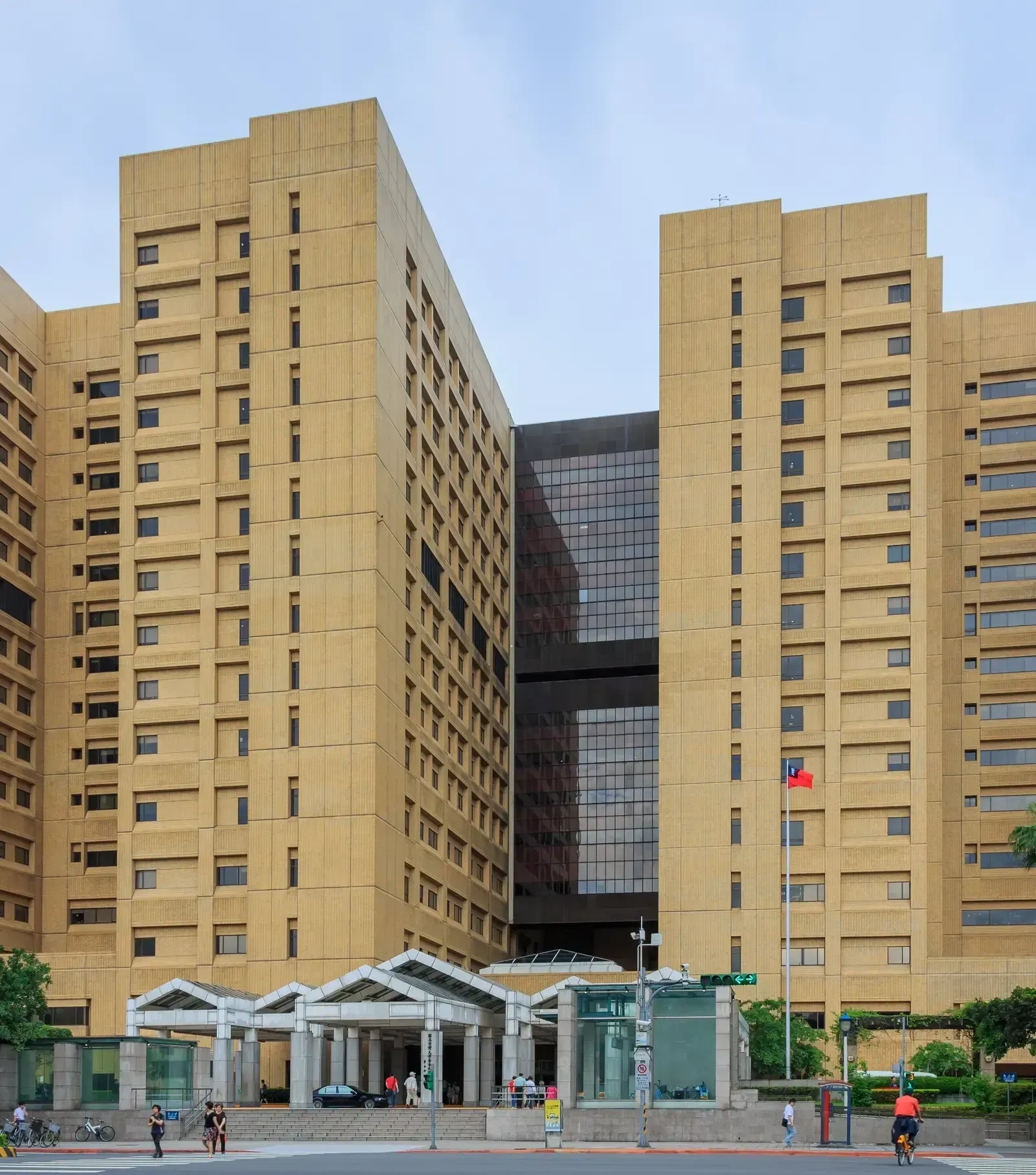
Taiwan sits at the very top of two of the most closely watched global indices. Taiwan is widely recognized for its high-performing system that balances efficiency, affordability, and accessibility, with a composite score of 78.72 out of 100 on the 2025 CEOWORLD Health Care Index. Numbeo’s separate survey backs this up, ranking the country first as well.
Taiwan ranks first overall with an index score of 87 while spending roughly 2.4 thousand dollars per person annually on healthcare. That’s a fraction of what wealthier nations spend, which makes the outcome even more notable. Its single-payer system covers nearly the entire population while keeping administrative costs relatively low. The result is a system that proves quality care doesn’t have to come with a massive price tag.
2. South Korea

South Korea consistently lands in second place across multiple rankings, and the reasons go beyond paperwork. Taiwan and South Korea, ranked first and second globally, have built future-ready healthcare ecosystems designed for resilience. Numbeo’s 2025 data places the country at 82.8, just behind Taiwan on that scale.
One area where South Korea genuinely stands out is hospital capacity. The country with the greatest number of hospital beds is once again South Korea with 12.77 beds per 1,000 people. That kind of physical capacity translates into shorter waits and more room to treat patients without delay, something many larger economies still struggle to match.
3. Japan

Japan’s system is often cited as a model for balancing universal access with cost control. Japan’s universal system covers all residents with a simple 30% copay, a monthly cost cap for expensive treatments, and exceptional outcomes, with life expectancy at 84.6 years. Spending stays modest relative to the results it produces.
Healthcare spending is just 11% of GDP, and wait times are short, with patients able to see any doctor without a referral. That flexibility is rare among high-performing systems, many of which require referrals before reaching a specialist. The main pressure point going forward is an aging population, which is straining funding across most of East Asia’s top performers.
4. Netherlands

The Dutch model runs on mandatory participation rather than pure government funding. Everyone who lives or works in the country is required to obtain basic health insurance, while the government determines which services must be included in the mandatory package, covering general practitioner care, hospital treatment, mental healthcare, and certain prescription medications. That structure keeps coverage broad without leaving gaps for the uninsured.
The general practitioner, known locally as the huisarts, acts as the gatekeeper to the entire system. The huisarts coordinates care, treats most common illnesses, issues prescriptions, and refers patients to specialists or hospitals when necessary, and visits are covered by basic insurance without counting toward the annual deductible. In 2026, the eigen risico is 385 euros, a manageable ceiling that keeps out-of-pocket costs predictable for most households.
5. Singapore

Singapore blends three different funding streams into one of the most efficient systems on earth. Singapore consistently ranks number one on the Numbeo Healthcare Index at 87.8 out of 100 due to its combination of excellent infrastructure, highly trained doctors, short wait times and moderate cost relative to quality. That combination of personal savings accounts, insurance, and targeted subsidies keeps individual costs manageable while maintaining high standards.
The country also performs well on broader measures beyond hospital quality. According to the Legatum Prosperity Index, Singapore ranks first for healthcare, followed by Japan in second place and South Korea in third. Long life expectancy and low infant mortality reinforce the picture of a system that works efficiently at scale, despite serving a small and densely packed population.
6. Australia

Australia’s Medicare system pairs universal coverage with a subsidized drug scheme that keeps medication affordable. As of 2026, most patients pay no more than 25 Australian dollars for PBS-listed medications, and once an individual or family spends 1,748.20 Australian dollars on PBS medicines during a calendar year, covered medications become available at significantly reduced prices for the rest of that year. That safety net protects people managing chronic conditions from runaway drug costs.
The country’s infrastructure and governance scores back up its reputation. Australia shows consistently high scores in infrastructure at 90.75 and government readiness at 92.06, which cement its global reputation. Medicare does not cover everything, though, and dental care, optical services, physiotherapy, certain allied health services, and ambulance transport are often paid separately or through private insurance.
7. Germany

Germany runs one of the largest and most structurally complex systems among wealthy nations. Germany runs one of the most structurally ambitious healthcare systems on earth, with 84 million people covered, 100+ competing non-profit insurance funds, and a medical tourism industry that draws patients from across Eastern Europe for cancer treatment, cardiac surgery, and orthopedics. That competitive structure among insurers is meant to keep quality high without a single government monopoly controlling every decision.
Roughly 90% of the population carries statutory insurance, while the remaining 10% opt for private coverage, typically higher earners chasing faster specialist access, and life expectancy sits at 81.9 years. Germany continues to deliver world-class infrastructure and skilled professionals, which helps explain why it remains a consistent presence near the top of global rankings year after year.
8. Canada

Canada’s single-payer model draws frequent praise and criticism in the same breath, largely because of how it handles administrative costs versus wait times. Studies estimate that over 30% of total healthcare spending in the U.S. is consumed by billing, insurance administration and compliance, compared to approximately 5% in Canada’s single-payer system. That efficiency on the administrative side is one of the country’s clearest strengths.
Canada maintains excellence in medical infrastructure and governance despite ongoing debates over wait times. Those debates are real and persistent, particularly for elective procedures, but the underlying system still ranks fourth on the CEOWORLD index, reflecting strong government oversight and a well-distributed hospital network across a geographically vast country.
1. Syria

Years of conflict have left Syria’s healthcare infrastructure in ruins, and the numbers confirm it. Syria ranks last overall on Numbeo’s 2026 Health Care Index with a score of 35, reflecting years of war and damaged medical infrastructure. The damage isn’t just physical either.
In Northern Syria, only 1 in 16 public hospitals is now fully functional, and it was widely expected that 68 health facilities across the country would run out of funding in the first half of 2025. Cuts to funding from the USA have seen more than 150 health facilities across the country shut down, while an increasing risk of disease due to poor sanitation, unsuitable shelter, lack of access to safe water and overcrowding puts additional strain on an already faltering system.
2. Venezuela

Venezuela’s decline is particularly striking given where it started. Scoring 39.6, it is currently the second-worst country in the world for healthcare on the Numbeo rankings, having once been seen as one of the best countries for healthcare in Latin America, now in a state of disarray. Economic collapse and political turmoil are the primary drivers behind that reversal.
The humanitarian toll is severe and ongoing. Medicine shortages, failing equipment, and an exodus of trained medical staff have combined to leave hospitals unable to meet basic demand. What was once a regional benchmark for care now serves as a cautionary example of how quickly a healthcare system can unravel under sustained economic pressure.
3. Bangladesh

Bangladesh’s ranking reflects both resource shortages and a widespread lack of public trust. Bangladesh is the third-worst country for its healthcare system on the Numbeo rankings, scoring a 41.7. That distrust shows up in a very concrete way: people are leaving the country for treatment in droves.
A report in early 2025 found that over 450,000 people travel from Bangladesh to hospitals overseas for treatment each year, often citing inadequate facilities, long wait times and a lack of trust in the system, with many finding better options in India and Thailand. For reference, 74% of all health expenses in Bangladesh come directly from the patient rather than from insurance or central health finance, and data from the World Health Organisation showed only 7 doctors per 10,000 people in Bangladesh, well below the recommended 22.8 doctors per 10,000 citizens.
4. Iraq

Iraq’s healthcare troubles trace back to decades of instability rather than any single crisis. Iraq ranks near the bottom of the Numbeo 2026 index, sitting alongside other conflict-affected nations struggling with physician shortages and limited hospital capacity. The country technically maintains both public and private healthcare options, but neither comes close to meeting demand.
Much like Syria, Iraq has been harmed by various levels of conflict over the past 20-30 years, which has severely harmed the healthcare system, and while it still manages to offer both private and public healthcare, standards remain far from what’s hoped for, in part because doctors and surgeons are finding the lure of working abroad more attractive, draining the country of prime talent. That brain drain compounds every other structural problem the country already faces.
5. Montenegro

Montenegro’s presence on this list surprises many observers, given its European location. Healthcare in Europe is typically thought of as above average at the very least, but Montenegro hasn’t yet been able to establish itself among the higher-ranking European countries, struggling with a lack of suitable healthcare professionals in addition to the challenge of corruption. That combination sets it apart from most of its regional neighbors.
A 2023 CEMI report stated that many citizens feel the Montenegrin healthcare system is rife with corruption and, as a result, offers a poor quality of care. Public perception surveys back this up consistently, painting a picture of a system where resources exist but confidence in fair access to them does not.
Comparing these two lists side by side makes one thing clear: money spent doesn’t guarantee quality delivered. Taiwan, South Korea, and Singapore prove that efficient, well-organized systems can outperform far bigger budgets, while Syria, Venezuela, and Iraq show how quickly conflict and economic collapse can undo decades of medical progress. The gap between the top and bottom of these rankings isn’t just a matter of statistics, it reflects real differences in how long people live, how much care costs them personally, and whether a trip to the hospital brings relief or dread.



Leave a Reply