
1. Saving loungers you’re not using
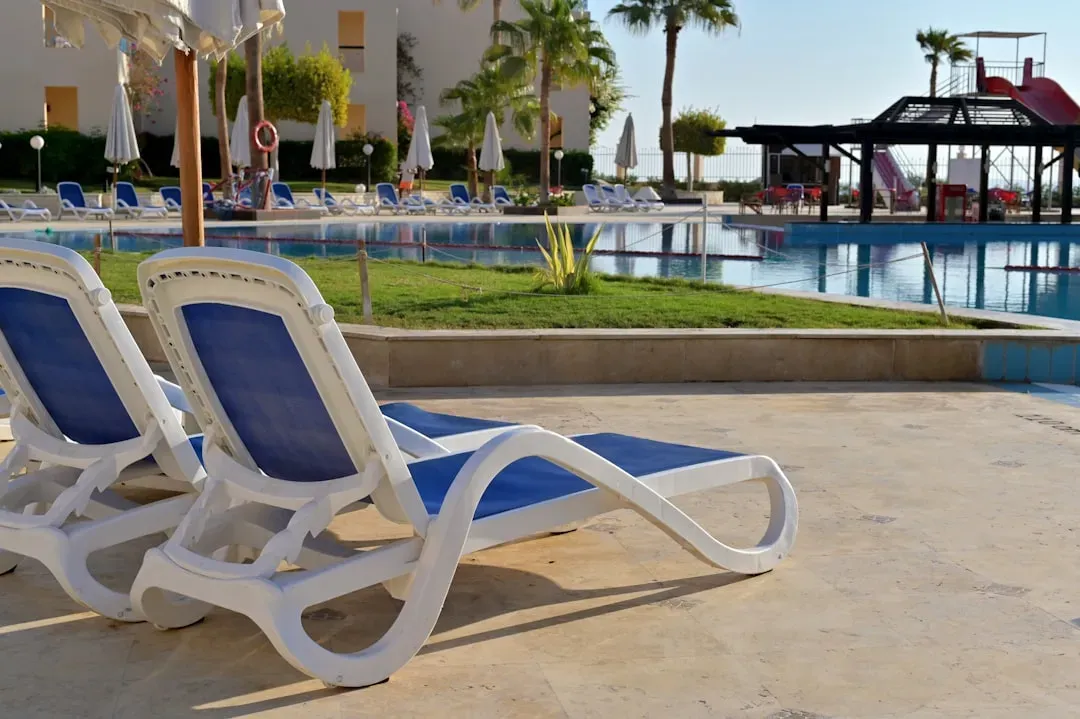
Draping a towel over three chairs before sunrise and then disappearing for hours is one of the most universally disliked pool habits. It signals that your comfort matters more than everyone else’s access to a shared, limited resource. Hotels and resorts have started cracking down on this exact behavior in recent years, with some properties in Florida and the Caribbean now removing towels or belongings after a set time if no one is present.
The frustration isn’t really about the chair itself. It’s about the assumption that showing up first gives you ownership rights for the entire day, even when you’re eating lunch inside or napping in your room. Most people don’t mind sharing space, but they do mind being blocked out of it by an empty seat.
2. Blasting music without headphones
A portable speaker at full volume turns a shared pool into your personal concert venue, whether anyone else wants that or not. Not everyone shares your taste, and even if they do, plenty of people would rather read, nap, or talk without a bassline competing for attention. It’s one of those habits that feels harmless to the person doing it but lands very differently for everyone nearby.
Noise travels oddly over water and tile, which means a speaker that sounds moderate at your chair can be genuinely loud two rows over. Many hotels and public pools have introduced quiet-hour policies or designated speaker-free zones specifically because of this recurring complaint. Headphones exist for a reason, and pool decks are exactly the environment they were made for.
3. Ignoring posted pool rules
Rules about no diving, no running, no glass, and specific hours aren’t arbitrary red tape. They generally exist because of real safety incidents or insurance requirements, and ignoring them puts both the rule-breaker and other swimmers at risk. Someone sprinting on wet concrete or diving into a shallow end isn’t showing confidence, they’re showing a disregard for basic caution that others didn’t sign up to share.
Lifeguards and pool staff aren’t enforcing these guidelines to be difficult. They’re doing it because slip-and-fall injuries and diving accidents remain among the most common pool-related incidents reported each year. Following the posted rules is one of the simplest ways to show respect for a shared space.
4. Skipping the shower before swimming
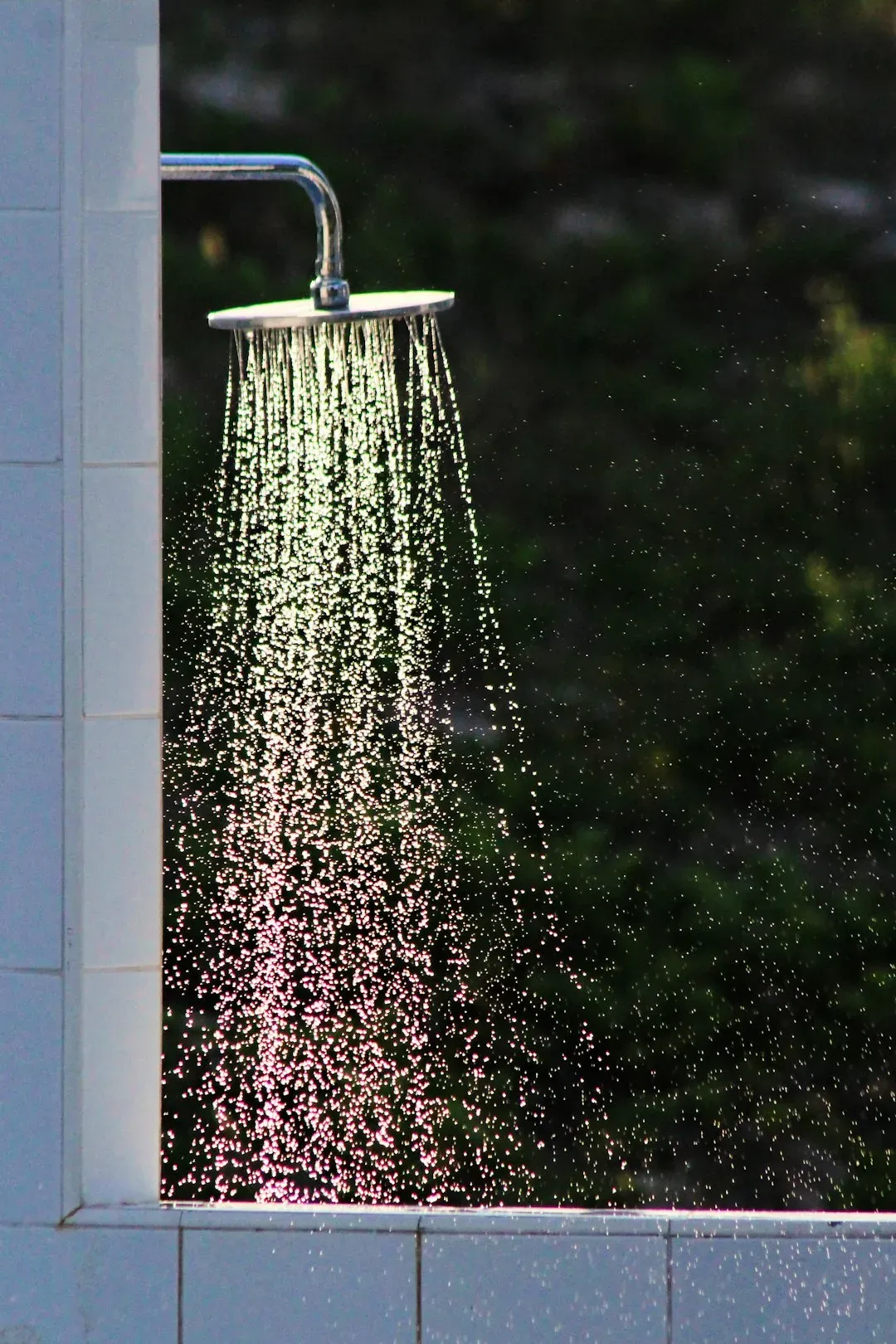
Rinsing off before entering a pool isn’t just a suggestion, it’s a hygiene practice that public health officials actively recommend. Sunscreen, sweat, lotion, and general body oils all end up in the water otherwise, feeding the chemical reactions that create that sharp chlorine smell people often mistake for cleanliness. According to the CDC, that strong odor is actually a sign of contaminants reacting with pool chemicals, not evidence of a well-sanitized pool.
Skipping the rinse might save thirty seconds, but it adds up across hundreds of swimmers using the same water. Pools with mandatory pre-swim showers tend to require fewer chemical adjustments throughout the day. It’s a small step that makes a noticeable difference for everyone sharing the water.
5. Letting kids run wild unsupervised
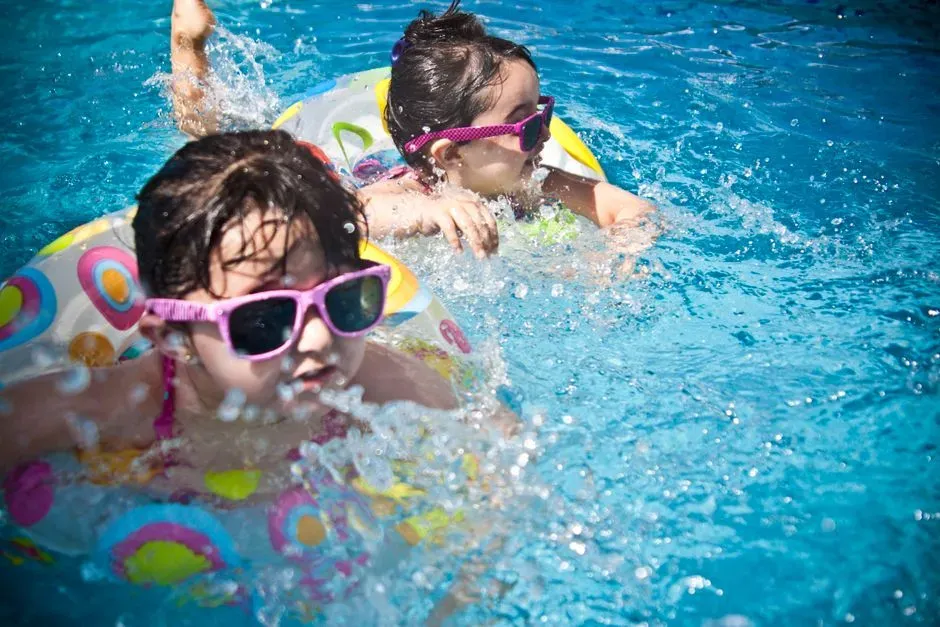
Pool decks are inherently slippery, and unsupervised kids sprinting, shoving, or ignoring depth markers create real hazards for themselves and others nearby. Drowning remains one of the leading causes of unintentional death in young children in the United States, and lifeguard organizations consistently point to distracted or absent supervision as a major contributing factor. A crowded pool is not the place to assume someone else will keep an eye on things.
This isn’t about hovering over every splash. It’s about basic awareness, staying close enough to react, and stepping in when horsing around turns into something that could hurt another swimmer. Most lifeguards will say the same thing: attentive parents make their job significantly easier.
6. Hogging the lap lane for casual swimming
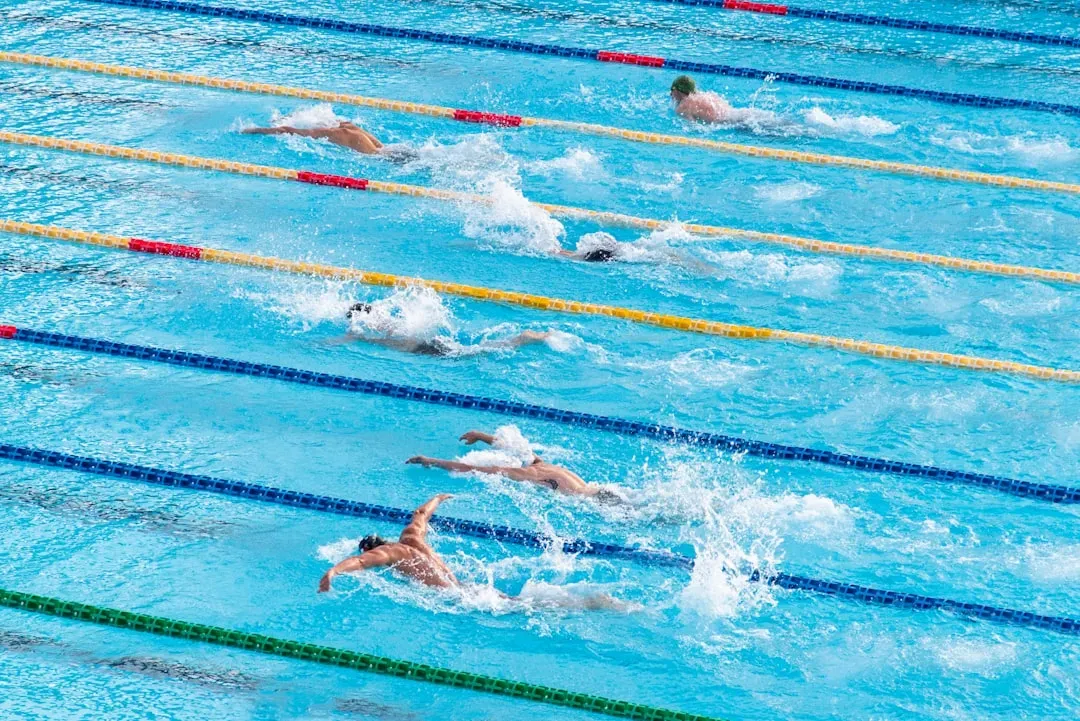
Lap lanes exist for people doing structured laps, not for floating, chatting, or slow doggy-paddling while actual swimmers wait behind you. Community and hotel pools often mark these lanes specifically to separate fitness swimmers from recreational ones, and ignoring that distinction creates unnecessary friction. It’s a small detail, but it reflects a bigger pattern of not reading the room, literally.
Swimmers doing serious laps are often on a schedule or working toward fitness goals, and getting boxed in by casual swimmers disrupts that. If a pool is busy enough to have marked lanes, it’s usually busy enough that the distinction matters. Choosing the general pool area instead takes seconds and avoids the entire conflict.
7. Leaving trash and food scraps behind

Walking away from a lounge chair covered in chip bags, half-eaten snacks, and empty cups is one of the more visible signs of poor pool etiquette. It’s not just messy, it attracts insects and creates extra work for staff who are already managing pool maintenance, towel service, and safety monitoring. At public pools without dedicated cleanup crews, that mess often just sits there until another visitor deals with it.
Cleaning up after yourself takes very little effort compared to the impact of leaving it for someone else. Most pools provide trash bins within a short walk of every seating area specifically to make this easy. Using them is a small gesture that says a lot about basic consideration for shared spaces.
8. Cannonballing near people who don’t want to get splashed

There’s a time and place for cannonballs, and it’s usually not three feet from someone trying to read quietly or keep their hair dry. Splashing strangers without any warning or awareness ignores the fact that not everyone at the pool is there for the same kind of fun. What feels like harmless energy to one person can feel like a rude intrusion to another.
This isn’t about banning fun, kids and adults alike can enjoy a good jump into the water. It’s about reading who’s nearby and choosing a spot, or a moment, that doesn’t involve soaking someone who clearly wasn’t asking for it. A quick glance around before leaping in solves most of this problem entirely.
9. Monopolizing the pool with intense games
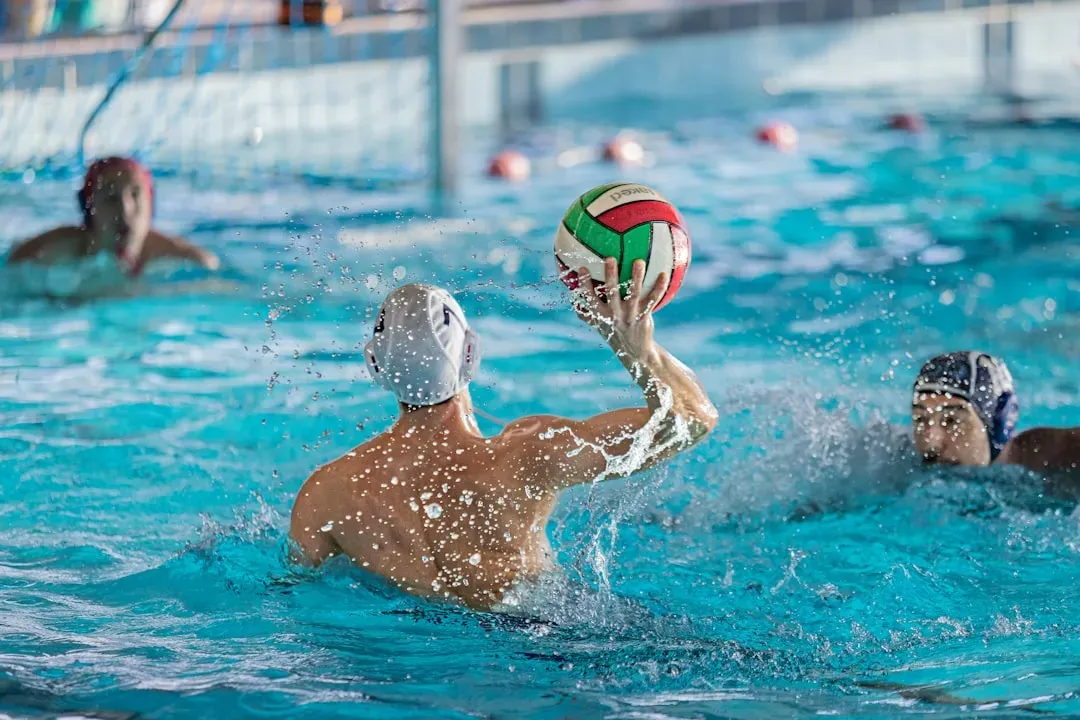
Organizing a full-scale water volleyball match or aggressive chicken fight in a pool meant for general swimming can quickly take over the entire space. Other guests end up dodging elbows, splashes, and flying balls just trying to float in peace. It’s a classic case of one group’s fun becoming everyone else’s obstacle course.
Hotels with multiple pools often designate one as an activity pool specifically to solve this problem. Where that option doesn’t exist, a little self-awareness goes a long way, scaling back the intensity when the pool is crowded with people who aren’t part of the game. Nobody’s asking anyone to stop having fun, just to notice who else is in the water.
10. Getting visibly drunk and disruptive

Poolside drinking is common and largely accepted at resorts, bars, and backyard parties, but there’s a clear line between relaxed and disruptive. Loud arguments, stumbling near the water’s edge, or aggressive behavior toward staff and other guests cross that line quickly. Alcohol and water already carry real safety risks, and drowning statistics consistently show alcohol involvement in a significant share of adult drowning incidents.
Many resorts have started limiting drink service or cutting guests off earlier than in past years, partly due to liability concerns and partly due to guest complaints. It’s not about avoiding a drink by the pool, it’s about staying aware enough to keep yourself and everyone around you safe. A relaxed atmosphere depends on everyone keeping that balance in check.
None of these habits require dramatic effort to avoid, just a bit of awareness that other people are sharing the same space, water, and quiet afternoon. Small adjustments, like rinsing off first or keeping the music at a reasonable volume, tend to make the biggest difference in how a pool day feels for everyone involved.



Leave a Reply